


Quick Answer: The best anti-aging products for oily skin combine lightweight, non-comedogenic formulas with powerhouse ingredients like niacinamide, retinol, and hyaluronic acid. Look for oil-free serums, gel-based moisturizers, and professional-grade treatments like LED therapy that address both excess sebum and fine lines simultaneously.
If you have oily skin and you're starting to notice fine lines creeping in, you're facing a unique skincare puzzle. Heavy anti-aging creams feel suffocating. Mattifying products ignore your wrinkles. And most "best anti-aging products" lists seem written for dry skin types only.
Here's the good news: oily skin actually ages more slowly than dry skin. The challenge is finding products that harness your skin's natural moisture while addressing signs of aging without triggering breakouts or excess shine.
This comprehensive guide breaks down everything you need to know about anti-aging skincare for oily skin—from the best ingredients to avoid to professional-grade solutions you can use at home.
Why Oily Skin Ages Differently
Before diving into the best anti-aging products for oily skin, it's essential to understand what makes your skin type unique. Oily skin isn't just about shine—it fundamentally affects how your skin ages and what it needs.
The Sebum Advantage
Your overactive sebaceous glands are actually working in your favor when it comes to aging. Natural oils create a protective barrier that keeps skin hydrated, plump, and more resistant to fine lines. Studies show that people with oily skin tend to develop wrinkles 5-10 years later than those with dry skin.
However, this doesn't mean oily skin is immune to aging. You'll still experience collagen loss, sun damage, and textural changes. The difference is that your concerns often show up as enlarged pores, uneven texture, and dullness rather than deep wrinkles.
Common Mistakes That Accelerate Aging in Oily Skin
Many people with oily skin inadvertently speed up the aging process through well-intentioned but misguided habits. Over-cleansing strips protective oils, triggering rebound oil production and compromising the skin barrier. Skipping moisturizer leads to dehydration masquerading as oiliness. Using harsh, alcohol-based toners causes chronic irritation and inflammation.
The biggest mistake? Choosing anti-aging products designed for dry skin. Heavy creams with occlusive ingredients like petrolatum and mineral oil sit on oily skin, clogging pores and causing breakouts that leave behind hyperpigmentation and scarring.
Key Anti-Aging Ingredients for Oily Skin
Not all anti-aging ingredients work well for oily skin. Some can exacerbate shine, clog pores, or cause irritation that leads to post-inflammatory hyperpigmentation. Here's your definitive guide to what works and what doesn't.
What to Look For
Niacinamide (Vitamin B3): This is arguably the best ingredient for anti-ageing oily skin. It regulates sebum production while strengthening the skin barrier, reducing pore appearance, and fading hyperpigmentation. Look for concentrations of 5-10%.
Retinol: The gold standard for anti-wrinkle for oily skin, retinol boosts collagen production, speeds cell turnover, and actually helps regulate oil. Start with 0.25% and gradually increase. Gel or serum formulations absorb better than creams.
Hyaluronic Acid: Despite being an acid, this humectant is lightweight and perfect for oily skin. It draws moisture from the environment without adding oil, plumping fine lines from within.
Vitamin C: In L-ascorbic acid or sodium ascorbyl phosphate form, vitamin C brightens, protects against sun damage, and stimulates collagen. Choose water-based serums over oil-based formulas.
Salicylic Acid (BHA): Unlike other anti-aging acids, salicylic acid is oil-soluble, meaning it penetrates pores to clear congestion while gently exfoliating surface skin cells.
Pro Tip: Layer your actives strategically. Apply water-based serums (hyaluronic acid, niacinamide) first, then treatment products (retinol, vitamin C—but not together), and finish with lightweight moisturizer. This prevents pilling and maximizes absorption for oily skin.
What to Avoid
Heavy oils like coconut, avocado, and wheat germ oil are too occlusive for oily skin and can trigger breakouts. Similarly, avoid products with petrolatum, mineral oil, or lanolin as primary ingredients. Isopropyl myristate and isopropyl palmitate are known comedogenic culprits found in many anti-aging creams.
Also be cautious with glycolic acid in high concentrations if you have sensitive oily skin—it can cause irritation. Opt for lower percentages (5-8%) or choose lactic acid, which is gentler while still providing anti-aging benefits.
Best Skincare Routine for Oily Aging Skin
The best skin care routine for oily aging skin balances oil control with anti-aging treatment. Here's a dermatologist-recommended approach that addresses both concerns without overwhelming your skin.
The best skincare routine for oily aging skin prioritizes lightweight textures and balanced actives. Don't fear hydration—embrace it with the right formulas. Your oily skin needs moisture to stay balanced and age gracefully.
Professional-Grade Solutions at Home
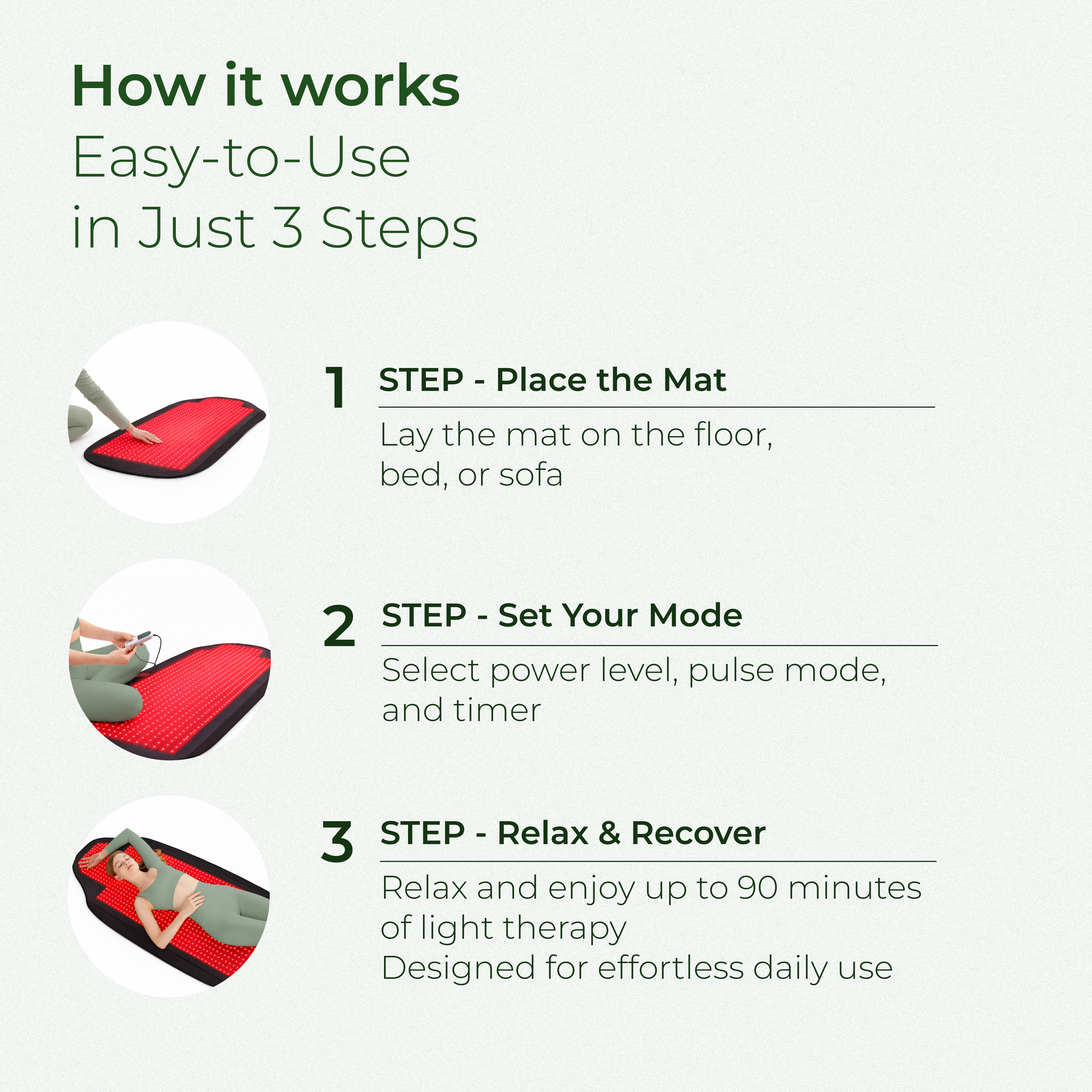
While topical products form the foundation of any anti-aging routine, professional-grade devices can dramatically accelerate results. The advantage for oily skin? Many of these technologies address oil control and aging simultaneously.
LED Light Therapy for Oil Control + Anti-Aging
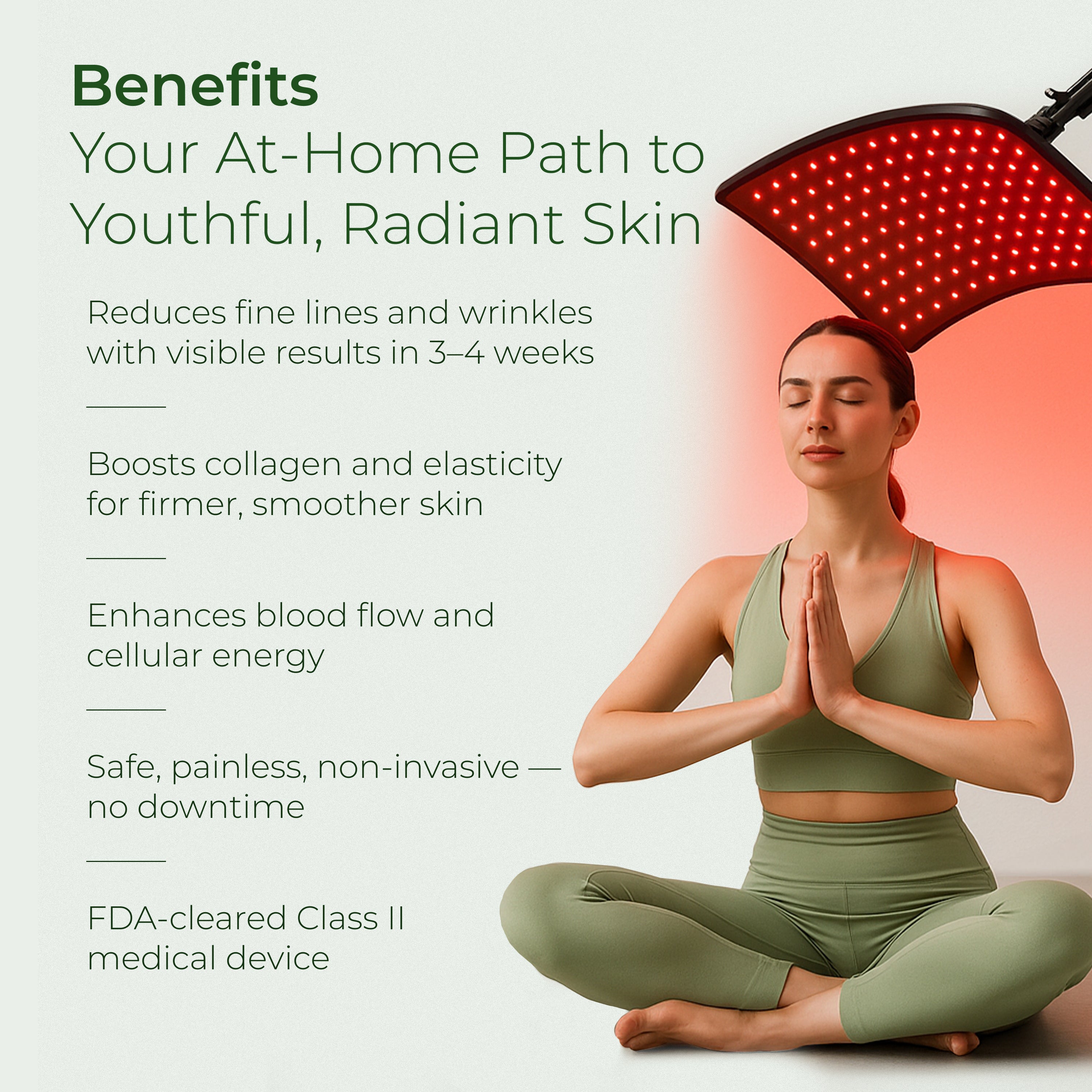
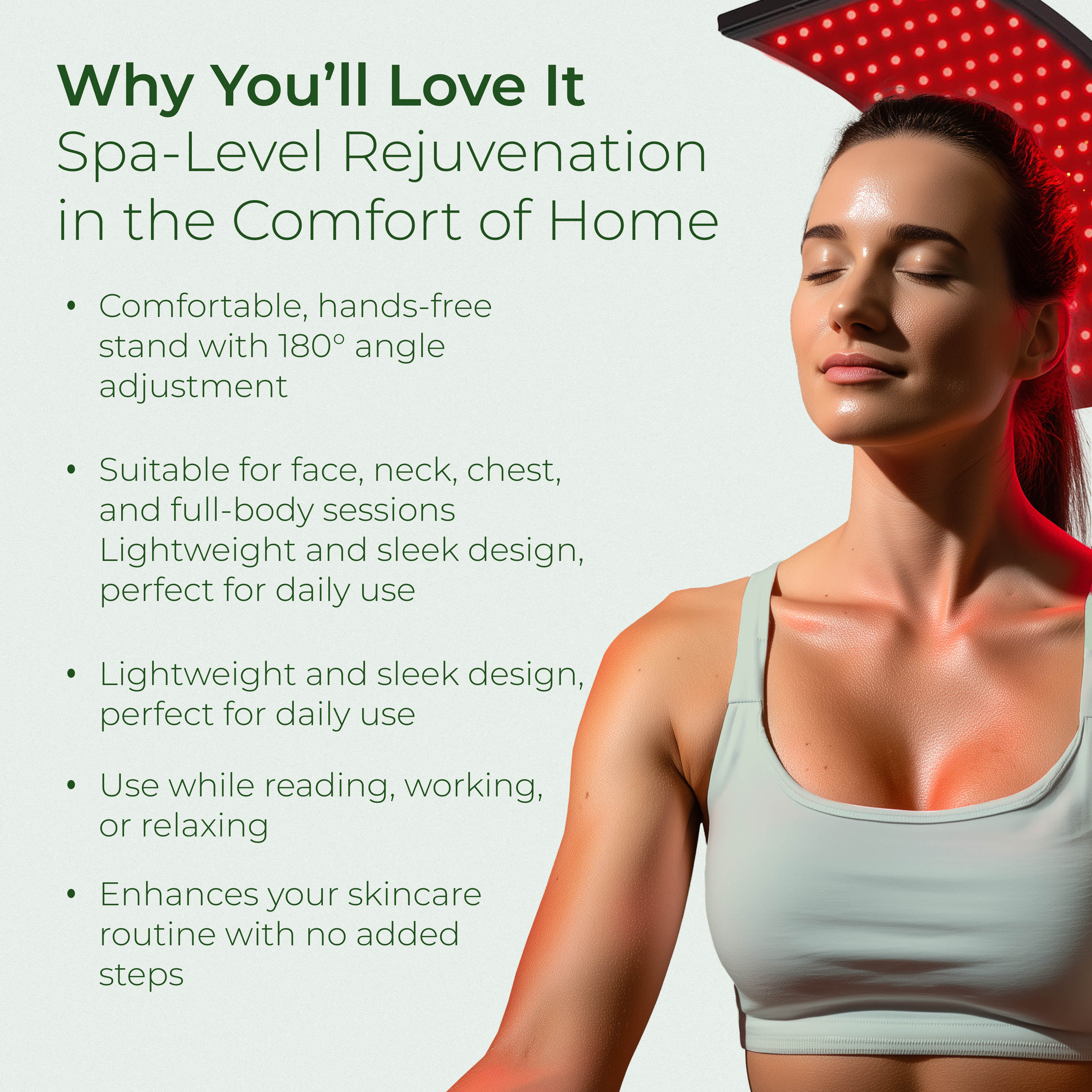
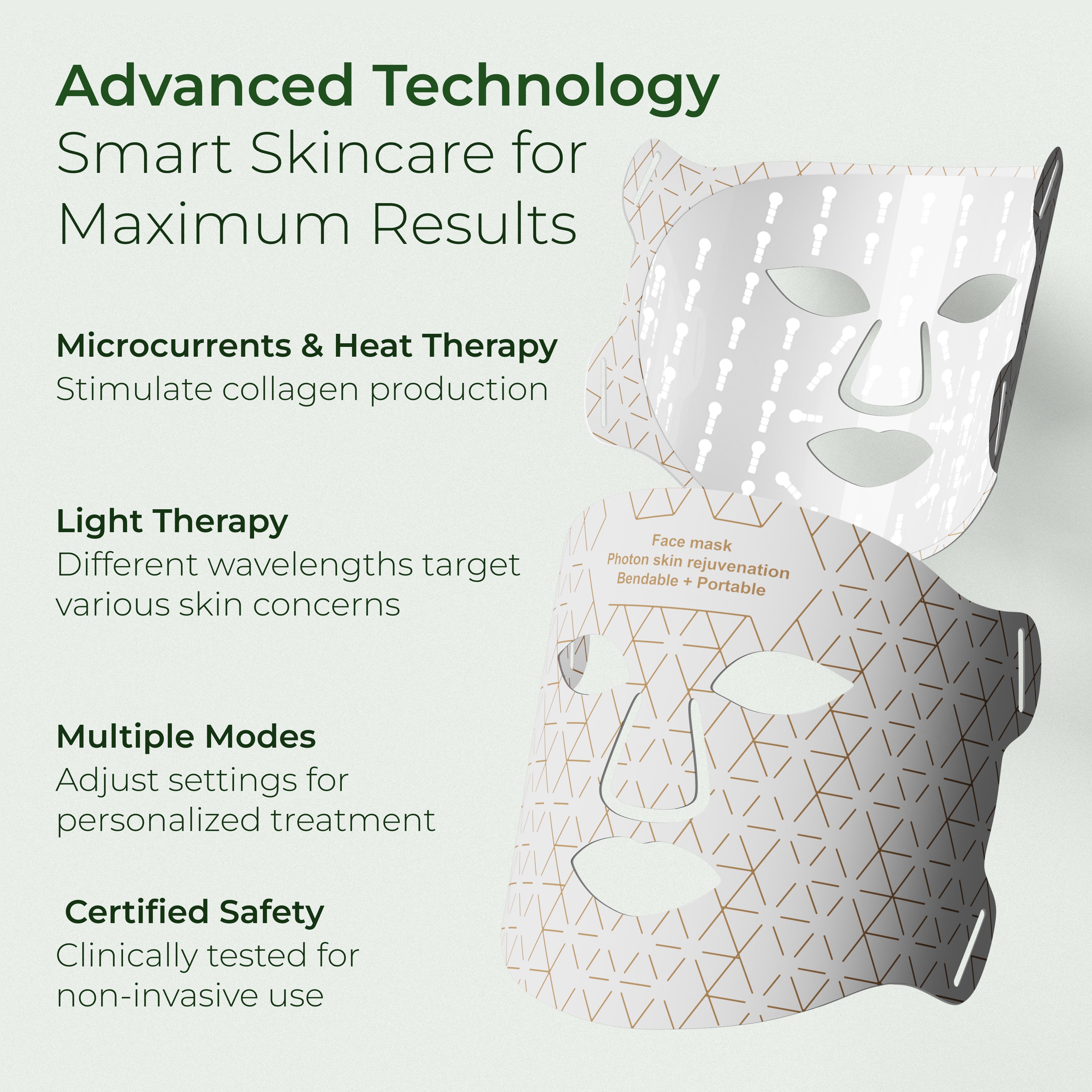
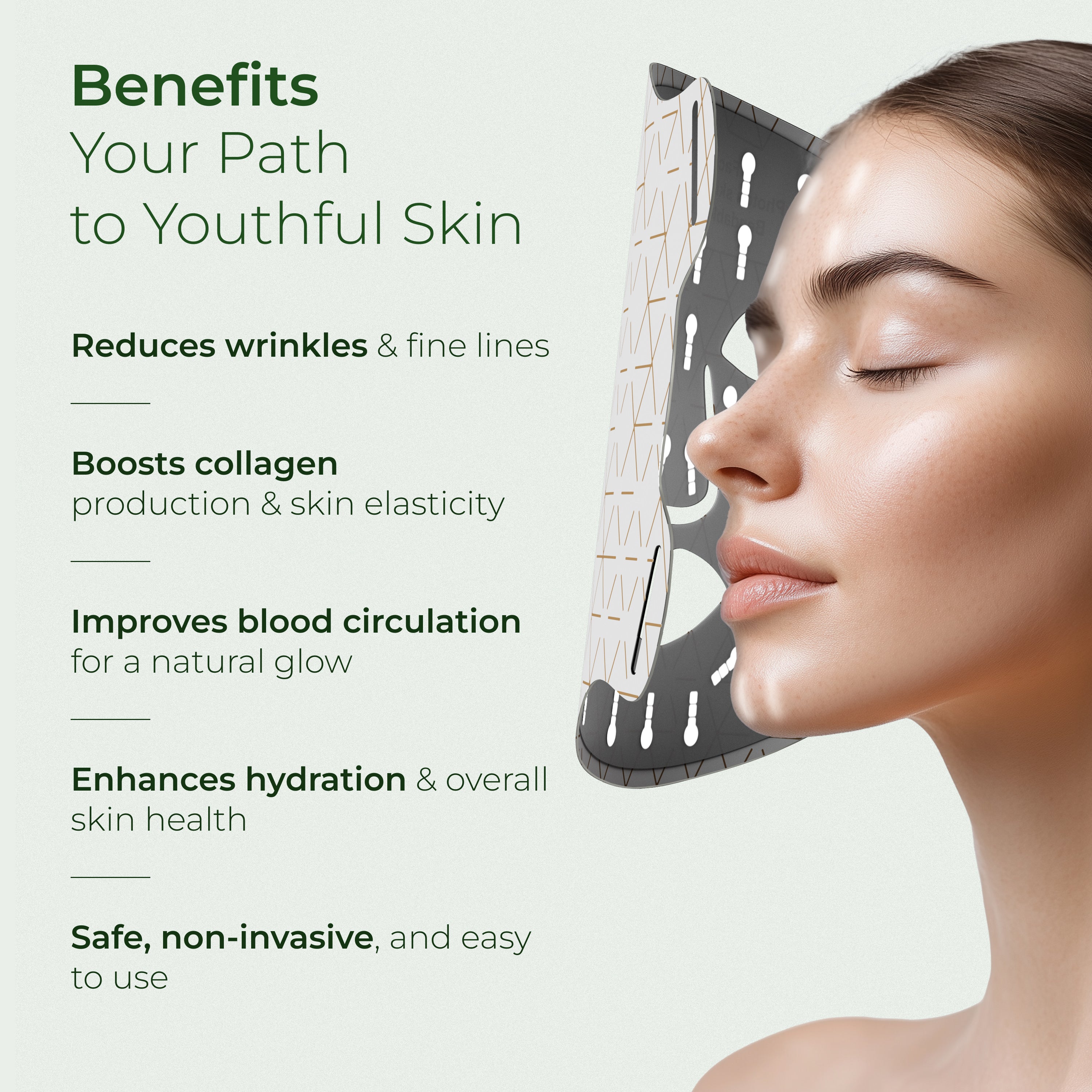
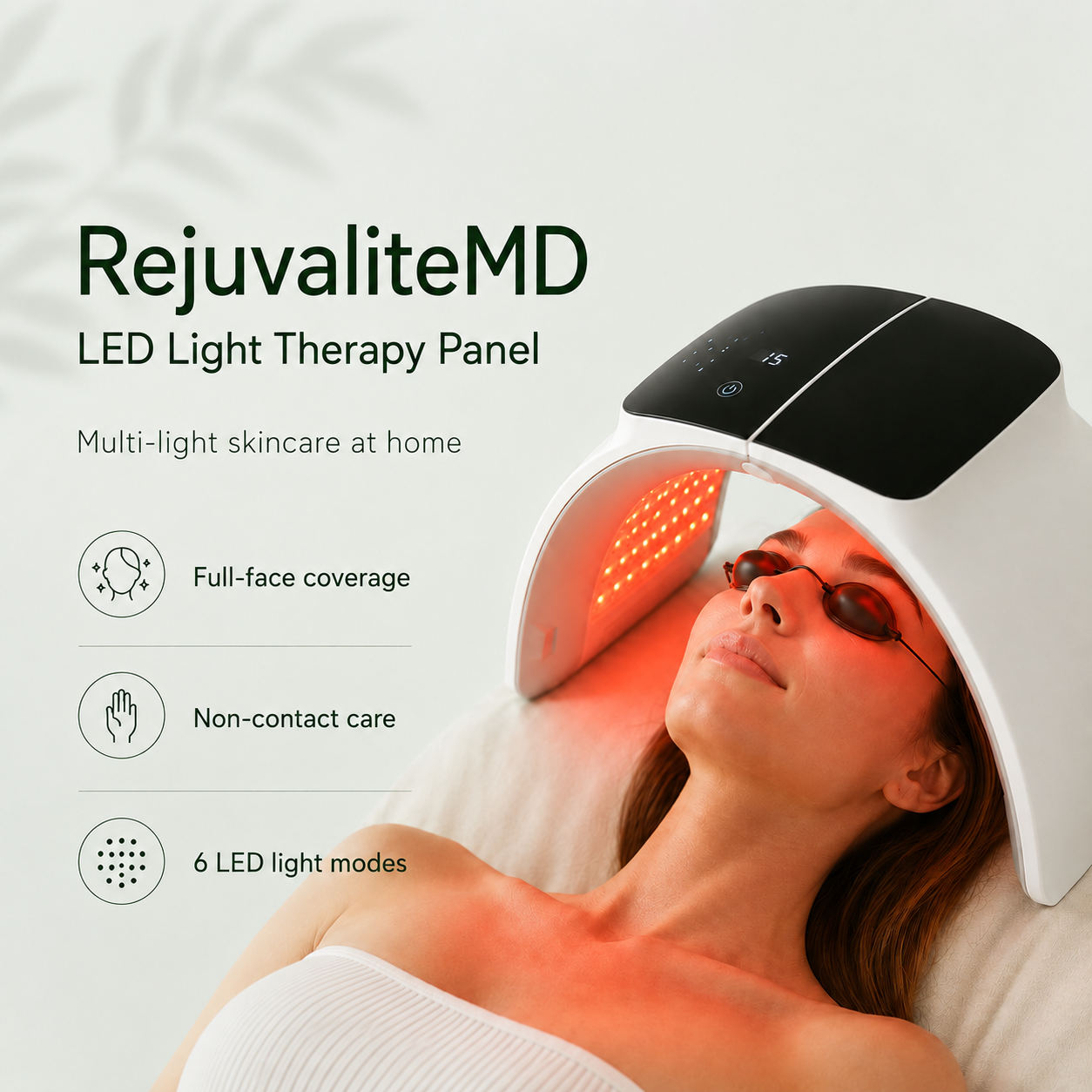
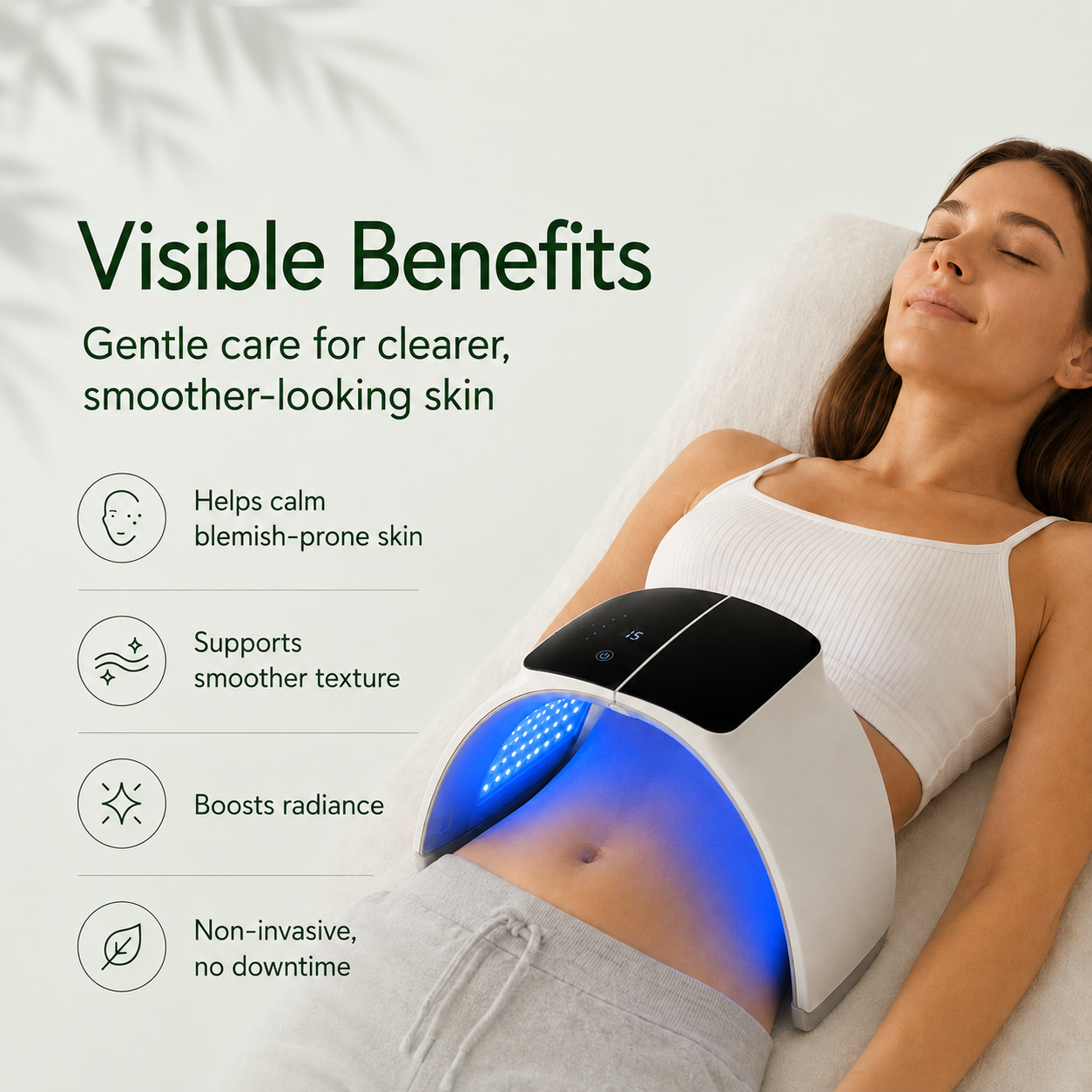
LED light therapy has emerged as a game-changer for anti wrinkle for oily skin. Different wavelengths target different concerns without adding any products to your skin—making it ideal for oily and acne-prone complexions.
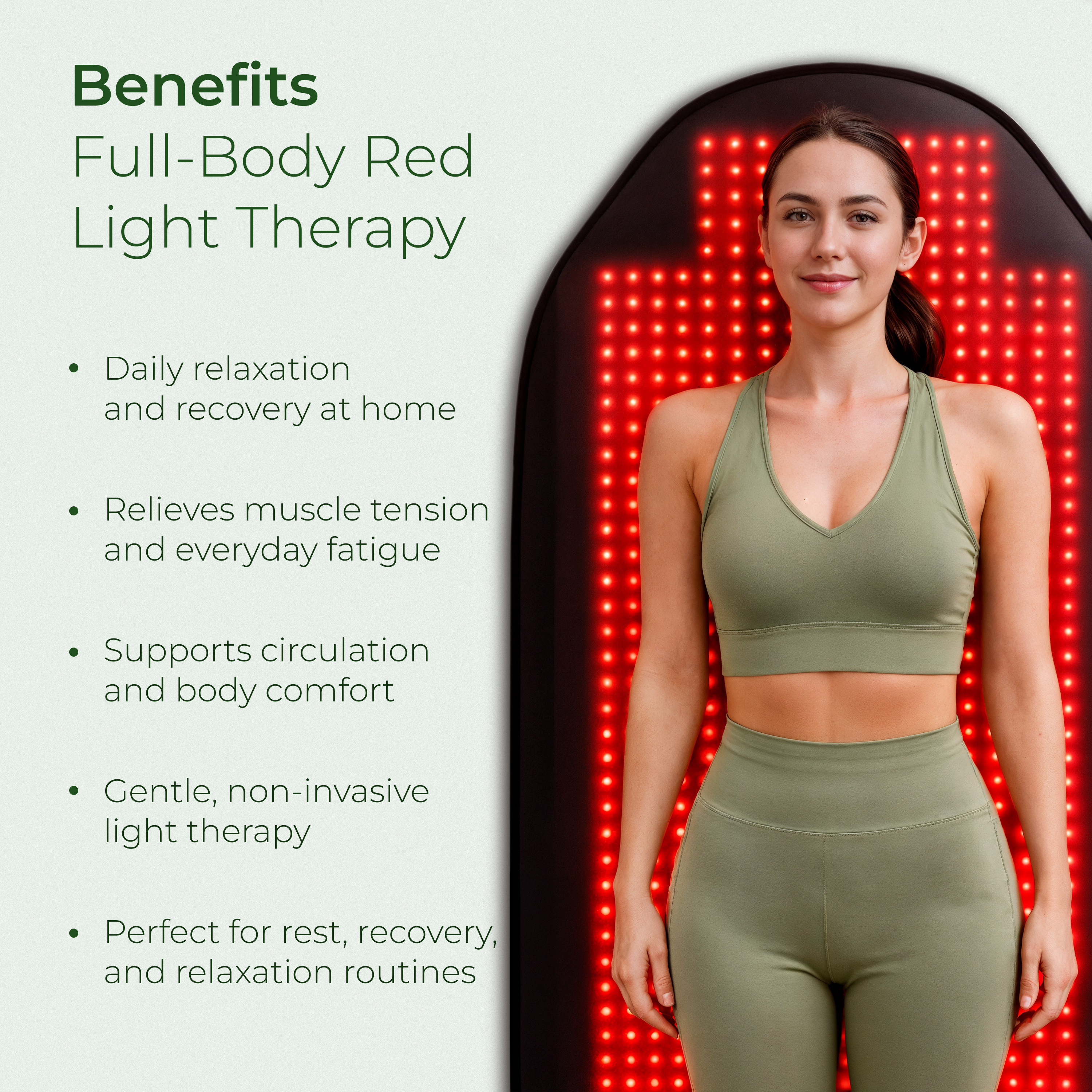
Red light (630-700nm) penetrates deep into the dermis where it stimulates fibroblasts to produce more collagen. Clinical studies show consistent use can reduce fine lines by up to 36% in 12 weeks. For oily skin, red light therapy also helps regulate sebaceous gland activity.
Blue light (405-420nm) targets acne-causing bacteria while having a calming effect on overactive sebaceous glands. This makes it perfect for oily skin dealing with both breakouts and early signs of aging.
The beauty of LED therapy is that it requires no recovery time, causes no irritation, and works for all skin types. Unlike lasers or chemical peels, there's no risk of post-inflammatory hyperpigmentation—a common concern for those with oily, acne-prone skin.
Microdermabrasion for Texture & Tone
For oily skin, microdermabrasion addresses multiple concerns at once. The controlled exfoliation removes dead skin cells that can trap oil and cause dullness, while also stimulating collagen production. Regular treatments improve skin texture, reduce the appearance of enlarged pores, and help anti-aging products penetrate more effectively.
At-home microdermabrasion devices have become sophisticated enough to deliver professional-level results. The key is choosing a device with adjustable suction levels—oily skin can typically tolerate slightly higher settings than dry skin.
Pro Tip: Combine LED therapy with microdermabrasion for enhanced results. Exfoliating first removes the dead cell barrier, allowing LED light to penetrate more deeply. Use microdermabrasion 1-2x weekly, followed immediately by a 10-15 minute LED session.
How TrophySkin Can Help
TrophySkin's professional-grade home devices are specifically designed to address multiple skin concerns simultaneously. Our LED panels combine red and blue light modes for comprehensive anti-aging and oil control, while our microdermabrasion systems feature adjustable suction perfect for oily skin types.
Explore Our Devices →Anti-Wrinkle Tips for Your 30s
Your 30s are a pivotal decade for skin. Collagen production has already started declining (it begins around age 25), and early fine lines are becoming visible. For those with oily skin, this is actually the perfect time to start a serious anti-aging routine—your natural oils give you a head start.
The best anti wrinkle for 30s approach focuses on prevention and early intervention. Here's what dermatologists recommend specifically for oily skin in this decade.
Start Retinol Now
If you haven't already, your 30s are the ideal time to incorporate retinol. It prevents new wrinkles while treating existing ones, and helps regulate the sebum production that's still strong in your 30s.
Upgrade Your SPF Game
90% of visible aging comes from sun damage. Move to SPF 50 if you haven't, and choose a mattifying formula designed for oily skin. Reapply every 2 hours when outdoors.
Target Your Eyes First
The eye area has fewer oil glands, so even oily-skinned people need eye cream. Choose a lightweight gel formula with peptides and caffeine to address fine lines and puffiness.
Invest in Professional Treatments
Whether professional facials, LED therapy, or at-home devices, your 30s are when consistent professional-grade treatments pay the biggest dividends. Prevention is far easier than correction.
Important: Don't over-treat oily skin in an attempt to speed up results. Using too many actives simultaneously (retinol + multiple acids + vitamin C) can damage your barrier, leading to increased oil production and sensitivity. Introduce new products one at a time, waiting 2-4 weeks between additions.
 Frequently Asked Questions
Conclusion: Embrace Your Oily Skin Advantage
Finding the best anti-aging products for oily skin doesn't mean fighting your skin type—it means working with it. Your natural oils are actually your secret weapon against aging. The key is choosing lightweight, non-comedogenic formulas with proven ingredients like niacinamide, retinol, and hyaluronic acid.
Remember that the best skin care routine for oily aging skin balances oil control with proper hydration. Don't skip moisturizer, embrace professional-grade treatments like LED therapy, and start prevention early if you're in your 30s.
With the right approach, oily skin can age beautifully—often more gracefully than drier skin types. It's all about understanding what your skin needs and giving it exactly that, nothing more, nothing less.
⚕️ Medical Disclaimer
This article is for educational purposes only and does not replace professional medical advice. Consult a board-certified dermatologist before starting any new skincare regimen, especially if you have existing skin conditions, take medications, or are pregnant or nursing.



Leave a comment
This site is protected by hCaptcha and the hCaptcha Privacy Policy and Terms of Service apply.