







Quick Answer: The best eye creams combine proven ingredients like retinol, peptides, caffeine, and vitamin C to target specific concerns. For wrinkles, look for retinol and peptides. For dark circles, choose caffeine and vitamin K. For puffiness, caffeine and cooling formulas work best. Apply twice daily with gentle tapping motions for optimal results.
If you've ever wondered whether eye creams actually deliver on their promises, you're not alone. With countless products claiming to erase dark circles, smooth wrinkles, and depuff tired eyes overnight, it's natural to feel skeptical. The truth is, the right eye cream—used consistently—can make a noticeable difference in the delicate skin around your eyes.
The eye area deserves special attention because it's fundamentally different from the rest of your face. This skin is up to 10 times thinner, has fewer oil glands, and shows signs of aging first. That's precisely why your regular moisturizer won't cut it here—you need targeted formulas designed for this unique terrain.
In this comprehensive guide, we'll break down exactly what to look for in an eye cream based on your specific concerns, reveal the ingredients that actually work according to dermatologists, and share professional tips to maximize your results. Whether you're battling crow's feet, stubborn dark circles, or morning puffiness, you'll find the right solution below.
Do Eye Creams Really Work? The Science Behind the Claims
Let's address the elephant in the room: yes, eye creams can work, but managing expectations is essential. No topical product can completely eliminate deep-set wrinkles or genetically-determined dark circles. However, the right formula can significantly improve the appearance of fine lines, reduce puffiness, boost hydration, and brighten the under-eye area over time.
The periorbital skin (fancy term for the area around your eyes) has a unique physiology. According to research published in the Journal of Clinical and Aesthetic Dermatology, this area has the thinnest and most dynamic skin on the entire body. It moves constantly—we blink about 15,000 times per day—and lacks the oil glands that keep other facial skin naturally moisturized.
This is why eye creams are formulated differently than regular moisturizers. They typically contain higher concentrations of active ingredients, lighter textures that won't migrate into your eyes, and gentler formulations that won't cause irritation to this sensitive area.
What to Look for in an Eye Cream: Key Ingredients That Deliver
Not all eye creams are created equal. The difference between a product that sits in your drawer and one that transforms your under-eye area comes down to ingredients. Board-certified dermatologists consistently recommend specific actives based on the concern you're targeting.
For Fine Lines and Wrinkles
Retinol remains the gold standard for anti-aging. This vitamin A derivative increases cell turnover, stimulates collagen production, and smooths fine lines over time. For the delicate eye area, look for formulas with lower concentrations (0.25-0.5%) to minimize irritation. Apply at night and always follow with sunscreen in the morning, as retinol increases sun sensitivity.
Peptides are amino acid chains that signal your skin to produce more collagen. Unlike retinol, peptides are gentle enough for daily use and rarely cause irritation. Look for peptides like Matrixyl, Argireline, or copper peptides in your eye cream formula.
For Dark Circles
Caffeine is a go-to ingredient for dark circles because it constricts blood vessels, reducing the bluish tint that shows through thin under-eye skin. It also has anti-inflammatory properties that help with puffiness.
Vitamin C brightens pigmentation and boosts collagen production. Combined with niacinamide, these ingredients work together to even out skin tone and strengthen the skin barrier.
Vitamin K targets the underlying cause of some dark circles—visible blood vessels. It helps with blood clotting and can reduce the appearance of darkness caused by vascular issues.
Pro Tip: Dark circles have different causes—pigmentation, thin skin showing blood vessels, or shadows from volume loss. Identify your type first: if pressing on the skin makes the darkness temporarily disappear, it's likely vascular. If not, it may be pigmentation or structural.
For Puffiness and Bags
Caffeine appears again here because it's exceptional at reducing fluid retention and puffiness. For best results, store your caffeine-based eye cream in the refrigerator—the cooling sensation provides an instant de-puffing effect.
Hyaluronic acid hydrates without adding heaviness, keeping the under-eye area plump but not puffy. It can hold up to 1,000 times its weight in water, making it perfect for the moisture-deprived eye area.
Best Eye Creams for Wrinkles and Fine Lines
Crow's feet and under-eye creases are among the first visible signs of aging because the eye area experiences constant movement. The best eye creams for wrinkles combine collagen-boosting ingredients with deep hydration to plump and smooth the skin.
When shopping for an anti-aging eye cream, look for formulas that include retinol or a retinol alternative like bakuchiol for sensitive skin. Peptides provide additional firming benefits, while hyaluronic acid ensures the skin stays hydrated and plump. According to testing by the Good Housekeeping Institute, the most effective anti-wrinkle eye creams showed visible improvements in firmness and line reduction within 4-6 weeks of consistent use.
For those with sensitive skin, peptide-based formulas offer anti-aging benefits without the potential irritation of retinol. Products containing Matrixyl or Argireline have been shown to improve the appearance of fine lines by supporting the skin's natural collagen production.
The best anti-aging eye creams for your 40s and 50s should address multiple concerns simultaneously. Look for formulas that combine firming peptides, hydrating hyaluronic acid, and antioxidants like vitamins C and E to protect against further damage from free radicals.
Best Eye Creams for Dark Circles
Dark circles are one of the most common eye concerns, and they can be frustratingly persistent. The key to treating them effectively is understanding what's causing yours. There are three main types: vascular dark circles (bluish tint from visible blood vessels), pigmented dark circles (brownish discoloration), and structural shadows (caused by under-eye hollowing or bags).
For vascular dark circles, caffeine is your best friend. It constricts blood vessels and reduces the appearance of that bluish undertone. Products with vitamin K can also help by supporting healthy blood vessel function. If your dark circles are due to pigmentation, look for brightening ingredients like vitamin C, niacinamide, arbutin, or kojic acid.
The best eye cream for dark circles and wrinkles will combine brightening ingredients with anti-aging actives. Many dermatologist-recommended formulas now include caffeine for immediate brightening, vitamin C for long-term pigment reduction, and peptides for firming—addressing multiple concerns in one product.
For stubborn hereditary dark circles, be patient and consistent. While no cream can completely eliminate genetically-determined pigmentation, the right formula can significantly brighten and improve the overall appearance of the area.
Best Eye Creams for Puffiness and Under-Eye Bags
Morning puffiness is often caused by fluid accumulation during sleep, especially if you sleep on your stomach or consume salty foods. The good news? This type of puffiness responds well to topical treatments with depuffing ingredients.
Caffeine is the star ingredient for combating puffiness. It works by constricting blood vessels and reducing fluid retention. For an even more dramatic effect, store your caffeine eye cream in the refrigerator—the cooling temperature enhances the depuffing action.
Green tea extract is another excellent ingredient for puffiness. It contains EGCG, a powerful antioxidant with anti-inflammatory properties that helps reduce swelling. Products with metal applicator tips provide additional cooling and help with lymphatic drainage.
For morning puffiness: Store your eye cream in the fridge, apply in the morning using gentle tapping motions from the inner corner outward, and consider sleeping with an extra pillow to prevent fluid pooling around your eyes overnight.
For persistent under-eye bags that don't improve with topical treatments, the cause may be structural—fat pads or volume loss that creates shadows. In these cases, professional treatments or cosmetic procedures may be necessary for significant improvement, though firming eye creams with peptides can still provide modest benefits.
How to Boost Your Eye Cream Results with At-Home Devices
Here's a secret the beauty industry doesn't always tell you: the most effective approach to eye-area concerns combines topical products with professional-grade at-home treatments. While even the best eye creams work on the skin's surface, certain devices can enhance penetration, stimulate collagen, and provide benefits that creams alone cannot achieve.
LED Light Therapy for the Eye Area
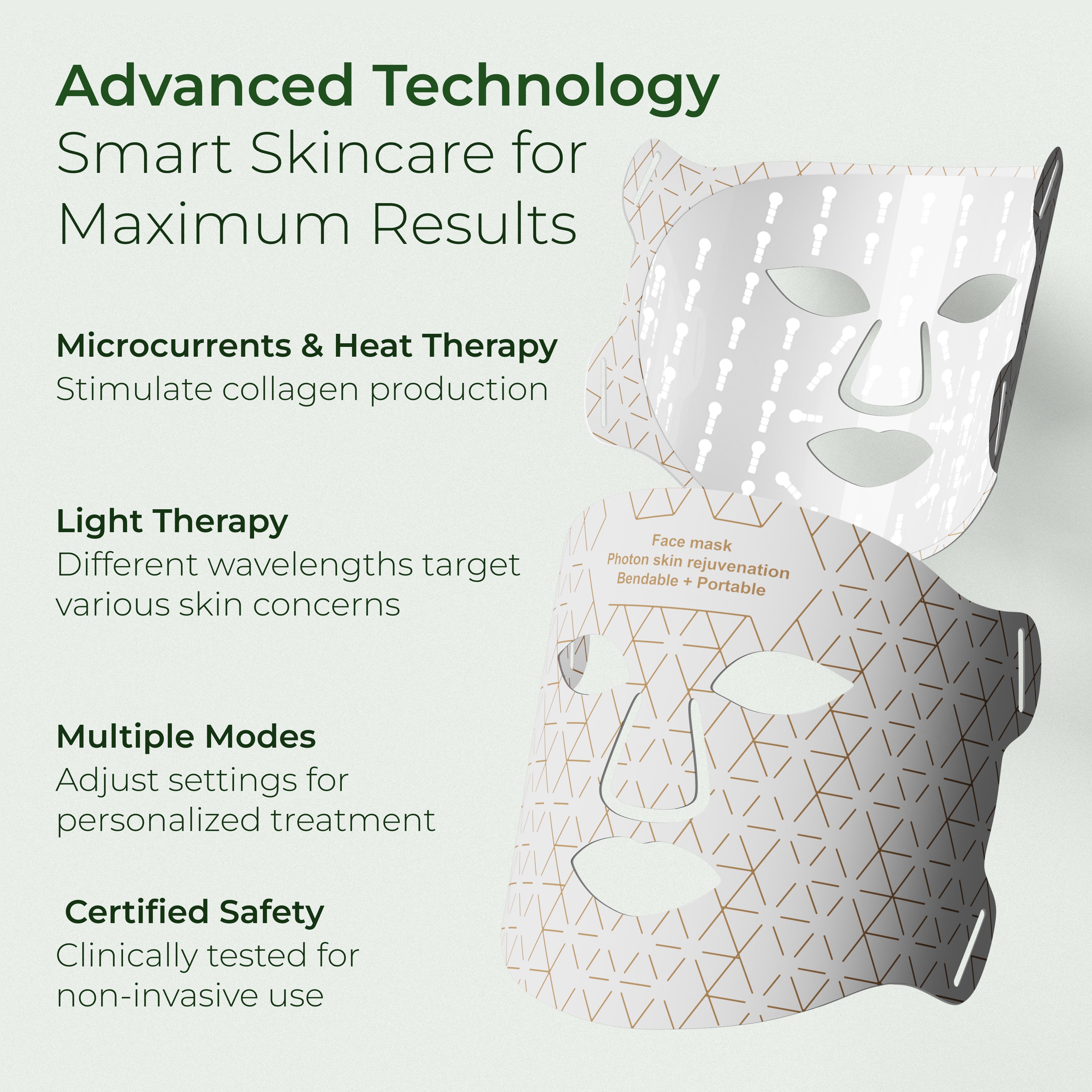
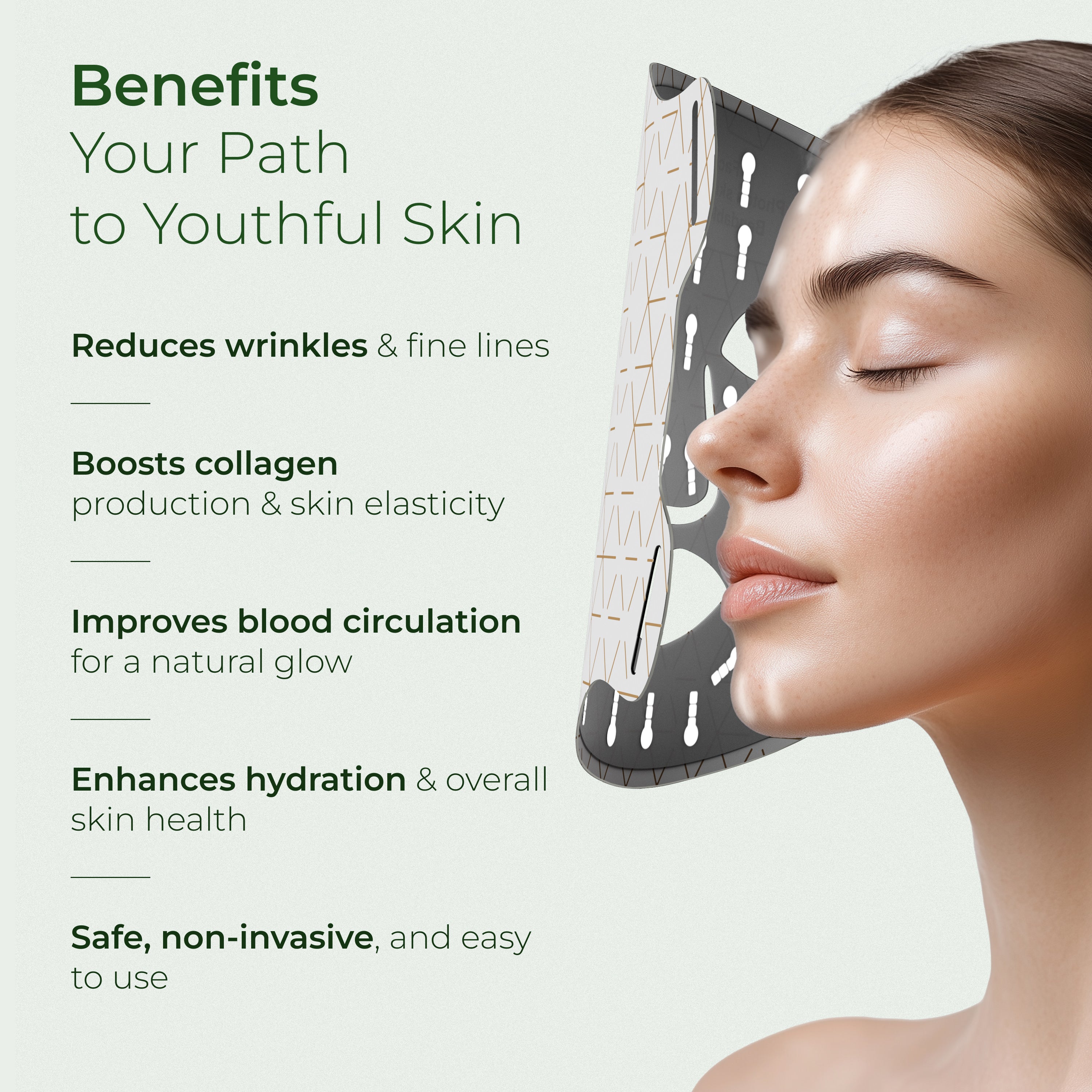
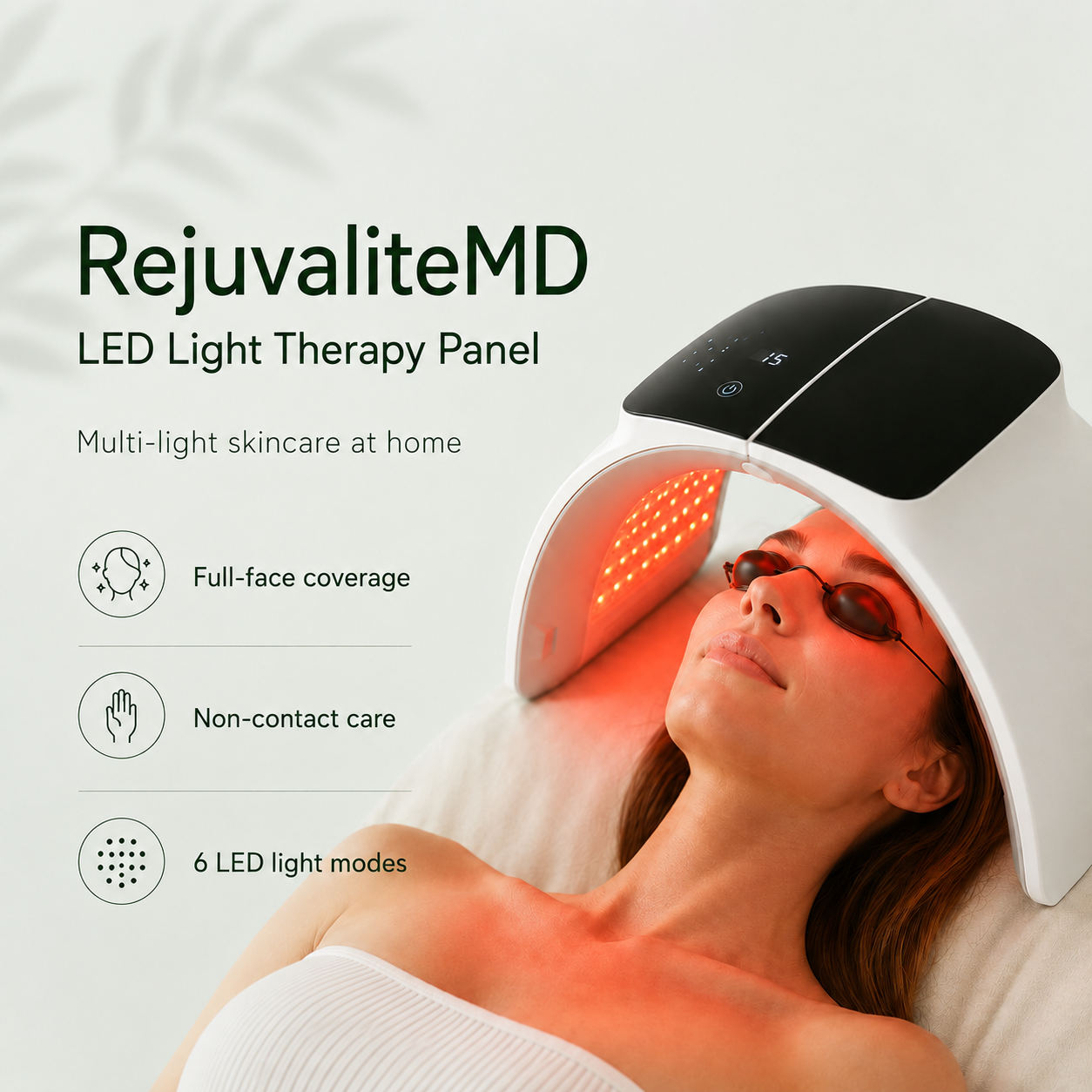
Red LED light therapy (typically 630-660nm wavelength) has been clinically shown to stimulate collagen production and improve skin texture. When used around the eye area, it can help reduce fine lines and improve overall skin firmness. The gentle, non-invasive treatment works at the cellular level to boost your skin's natural regeneration processes.
For optimal results, use LED therapy before applying your eye cream. The light treatment can help prep the skin for better product absorption while providing its own anti-aging benefits. Many users report seeing improvements in skin texture and fine lines within 4-8 weeks of consistent use.
Microdermabrasion for Enhanced Product Absorption
While the immediate eye area is too delicate for direct microdermabrasion, treating the surrounding face can significantly improve overall skin texture and product efficacy. By removing the top layer of dead skin cells, microdermabrasion allows your skincare products—including eye creams—to penetrate more effectively.
Professional-grade at-home microdermabrasion devices offer spa-quality exfoliation at a fraction of the cost. When combined with a consistent eye cream routine, they can accelerate your results and help maintain smooth, youthful-looking skin.
Elevate Your Eye Care Routine
Combine your favorite eye cream with TrophySkin's professional-grade LED therapy devices for enhanced results. Our dermatologist-developed technology helps boost collagen production and improve skin texture at home.
Explore LED Devices →How to Apply Eye Cream for Maximum Results
Even the best eye cream won't deliver optimal results if applied incorrectly. The delicate eye area requires a gentle touch and proper technique to avoid irritation and ensure maximum product absorption.
Pro Tip: Apply eye cream to the entire orbital area—not just under your eyes. Crow's feet form at the outer corners, and the brow bone benefits from hydration too. Just stay on the bone itself and avoid getting too close to your lash line.
When to Apply Eye Cream
Most dermatologists recommend using eye cream twice daily—morning and night. In the morning, focus on formulas with caffeine for depuffing and SPF or antioxidants for protection. At night, use richer, more active formulas containing retinol or peptides that can work while you sleep.
Consistency is more important than quantity. Using a moderate amount of eye cream daily will yield better results than using a large amount sporadically. Give any new eye cream at least 6-8 weeks of consistent use before evaluating results.
Week 1-2
Improved hydration and immediate smoothing effect. Puffiness reduction visible within days.
Week 3-4
Dark circles begin to brighten. Fine dehydration lines appear softer.
Week 6-8
Noticeable improvement in fine lines and wrinkles. Skin appears firmer and more elastic.
Week 12+
Maximum benefits from active ingredients. Continued improvement with consistent use.
Frequently Asked Questions
⚕️ Medical Disclaimer
This article is for educational purposes only and does not replace professional medical advice. Consult a board-certified dermatologist before starting any new skincare regimen, especially if you have existing skin conditions, allergies, or take medications. Individual results may vary.
Science-Backed
Expert Reviewed
Clean Formulas
Made in USA


Leave a comment
This site is protected by hCaptcha and the hCaptcha Privacy Policy and Terms of Service apply.