

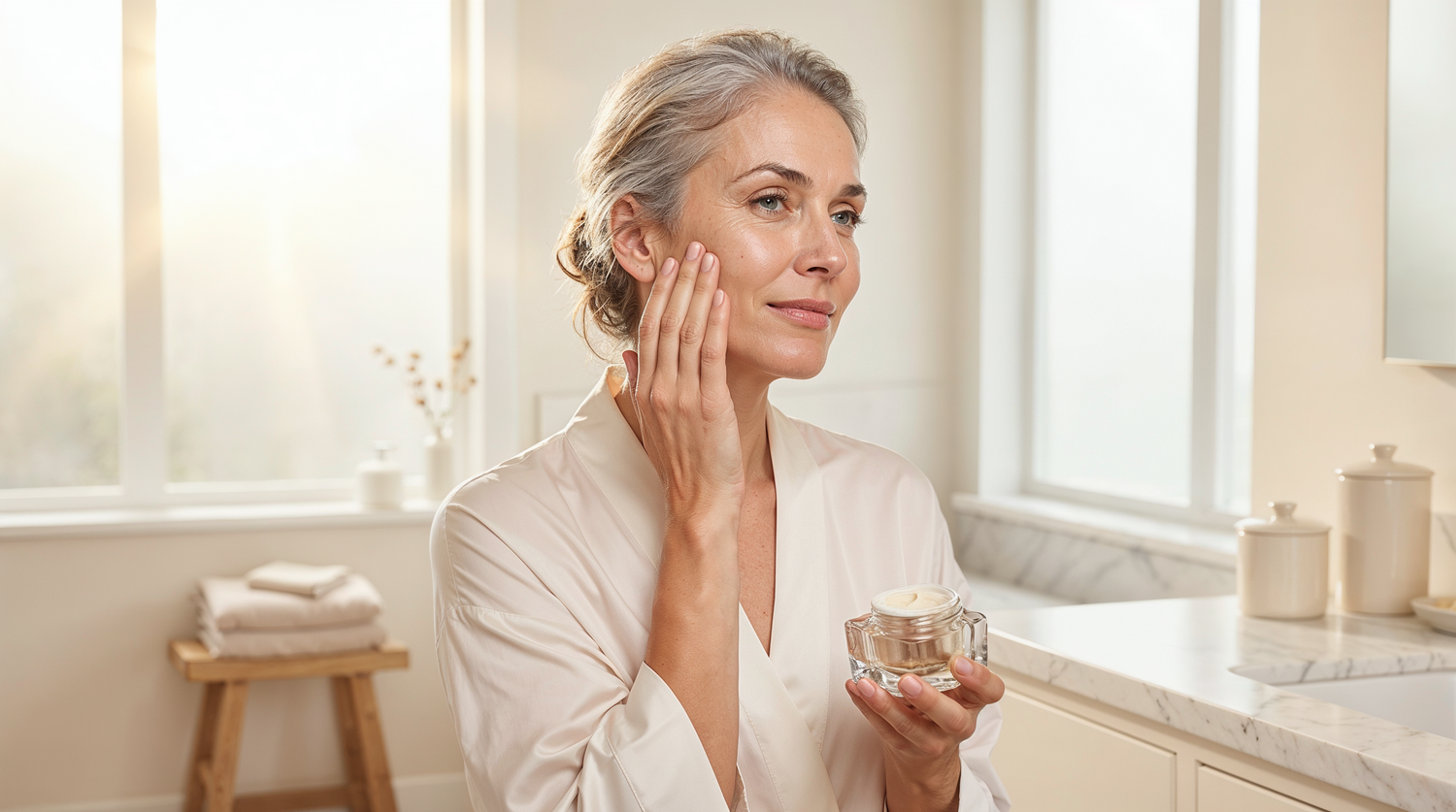
Quick Answer: The best lotion for older skin contains hyaluronic acid, ceramides, niacinamide, and peptides to restore moisture and strengthen the skin barrier. Look for fragrance-free, dermatologist-recommended formulas—and consider pairing your moisturizer with at-home exfoliation treatments like microdermabrasion to boost absorption by up to 60%.
Finding the best lotion for older skin can feel overwhelming when store shelves are packed with thousands of options, each promising miracle results. Here's the truth: as we age, our skin undergoes significant changes that require a more thoughtful approach to hydration.
By age 50, your skin has lost approximately 25% of its collagen, and sebum production drops significantly—especially for women after menopause. The result? Dry, dull skin that struggles to retain moisture. But with the right moisturizer and application techniques, you can restore that healthy, radiant glow at any age.
Why Older Skin Needs Special Care
Understanding what happens to your skin as you age is the first step to finding the best lotion for mature skin. Your skin isn't just "getting older"—it's undergoing measurable biological changes that affect how it looks, feels, and functions.
As you age, several key changes occur in your skin. Collagen and elastin production decreases, leading to thinner skin that's more prone to wrinkles and sagging. Your skin's natural oil production (sebum) drops significantly, especially after menopause, making it harder to retain moisture.
The skin barrier—your body's first line of defense—weakens with age, allowing moisture to escape more easily through a process called transepidermal water loss (TEWL). This is why the best moisturizer for aging skin over 50 needs to do more than just add moisture; it needs to help your skin hold onto that moisture.
Cell turnover also slows dramatically. In your 20s, skin cells renew every 28 days or so. By your 50s and beyond, this process takes much longer, leaving dead cells on the surface that can make skin look dull and prevent moisturizers from absorbing properly.
Key Ingredients in the Best Moisturizer for Aging Skin
Not all moisturizers are created equal. Dermatologists recommend looking for specific ingredients proven to address the unique needs of mature skin. Here's what the best face cream for mature skin should contain:
Humectants: The Moisture Magnets
Hyaluronic acid is the gold standard for hydration. This powerful humectant can hold up to 1,000 times its weight in water, drawing moisture from the environment into your skin. Look for products with multiple molecular weights of hyaluronic acid for both surface and deep hydration.
Glycerin is another excellent humectant that's gentle on sensitive aging skin. It works similarly to hyaluronic acid, attracting water to the skin's surface and helping to plump fine lines.
Barrier Builders: Lock It In
Ceramides are naturally occurring lipids that act like mortar between your skin cells. Research shows that ceramide levels decrease with age, making supplementation through skincare crucial. They're essential in any best cream for older skin formula.
Pro Tip: Apply moisturizer to slightly damp skin—within 60 seconds of cleansing. This allows humectants like hyaluronic acid to trap that surface moisture and pull it deeper into your skin.
Niacinamide (Vitamin B3) is a multitasking powerhouse. It strengthens the skin barrier, reduces redness and discoloration, and helps regulate sebum production. It's gentle enough for sensitive mature skin while delivering visible results.
Age-Fighting Actives
Retinol (Vitamin A) promotes cell turnover and stimulates collagen production. While powerful, it should be introduced gradually into your routine. The best moisturizer for aging skin over 60 might include gentler retinol alternatives like bakuchiol for sensitive skin.
Peptides are amino acid chains that signal your skin to produce more collagen. Look for products listing specific peptides like Matrixyl or copper peptides for firming benefits.
How to Choose the Right Lotion for Your Skin Type
Even within mature skin, individual skin types vary. What works as the best moisturizer for dry aging skin over 60 won't necessarily suit someone with oily, mature skin. Here's how to match your moisturizer to your specific needs:
For Dry Aging Skin
The best lotion for older dry skin should be rich and occlusive. Look for creams (rather than lotions) with ingredients like shea butter, squalane, and petrolatum that create a protective seal over your skin. These formulas may feel heavier but provide the intense moisture parched skin craves.
For Oily or Combination Mature Skin
Yes, oily skin still needs moisture as it ages! Opt for lightweight, oil-free, gel-cream formulas with hyaluronic acid and niacinamide. These hydrate without clogging pores or adding shine. The best hydrating cream for mature skin with oily tendencies absorbs quickly and leaves a matte finish.
For Sensitive Mature Skin
The best moisturizer for older sensitive skin should be fragrance-free, hypoallergenic, and free of potential irritants. Look for soothing ingredients like aloe, oat extract, and centella asiatica. Avoid products with alcohol, artificial fragrances, or too many active ingredients at once.
Important: If you're introducing retinol to your routine, start with a low concentration (0.25-0.3%) and use it only 2-3 times per week initially. Always pair retinol with a good moisturizer and SPF to prevent irritation.
The Secret to Better Absorption: Preparing Your Skin
Here's something most skincare articles don't tell you: even the best face moisturizer for older skin won't work if your skin can't absorb it properly.
Remember how cell turnover slows with age? That means dead skin cells accumulate on the surface, creating a barrier that prevents your expensive moisturizer from reaching the living cells that actually need it. It's like trying to water a plant through plastic wrap.
This is where professional-grade exfoliation changes everything. Regular gentle exfoliation removes that dead cell buildup, allowing your moisturizer to penetrate deeper and work more effectively. Studies show that proper exfoliation can improve product absorption by up to 60%.
The key is choosing the right exfoliation method for mature skin. Harsh scrubs can create micro-tears and irritation, while chemical exfoliants may be too strong for sensitive aging skin. That's why dermatologists often recommend mechanical exfoliation methods like microdermabrasion—they're controlled, consistent, and gentle enough for regular use.
How TrophySkin Devices Enhance Your Moisturizing Routine
At TrophySkin, we believe the best skincare results come from combining quality products with professional-grade devices. Our at-home skincare technology is designed to prepare your skin for maximum moisturizer absorption and enhance the overall health of mature skin.
Microdermabrasion: The Perfect Prep Step
Our MicrodermMD device uses diamond-tip exfoliation to gently remove dead skin cells, revealing the fresh, healthy skin beneath. When you apply your lotion after microdermabrasion, active ingredients penetrate more effectively, giving you better results from the products you already own.
The best moisturizer + proper skin prep = results you can see. Don't just invest in expensive creams—invest in preparing your skin to actually absorb them.
LED Light Therapy: Boost from Within
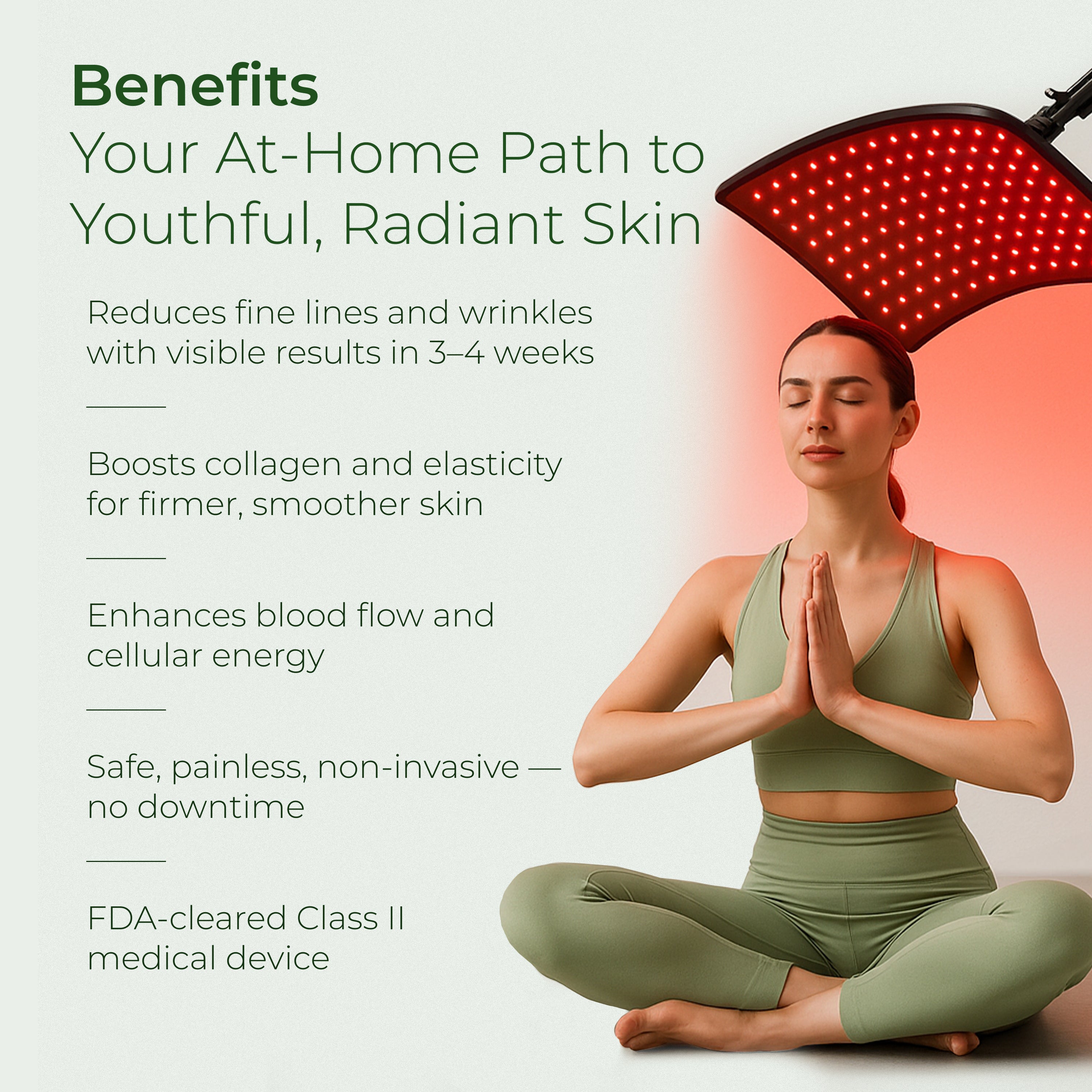
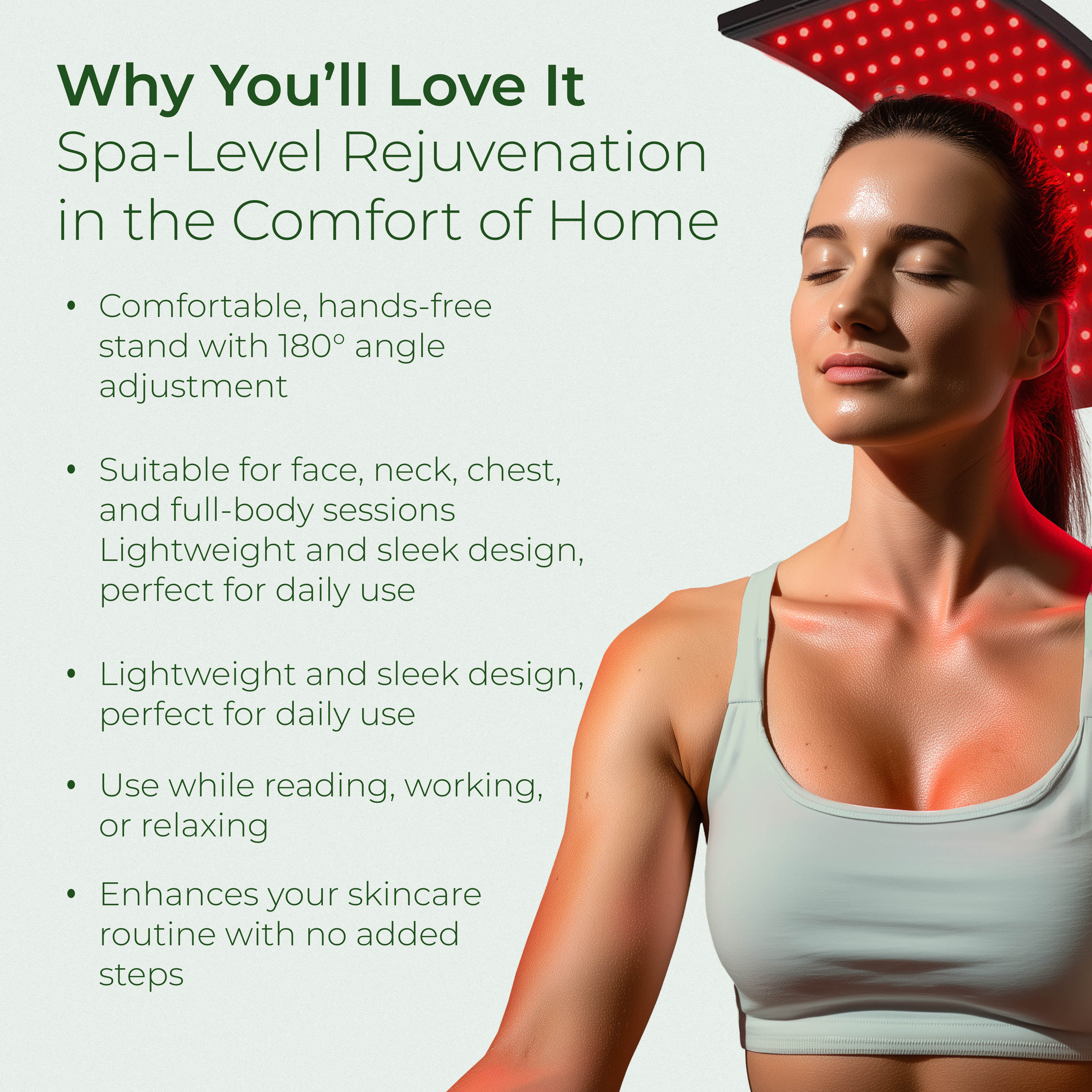
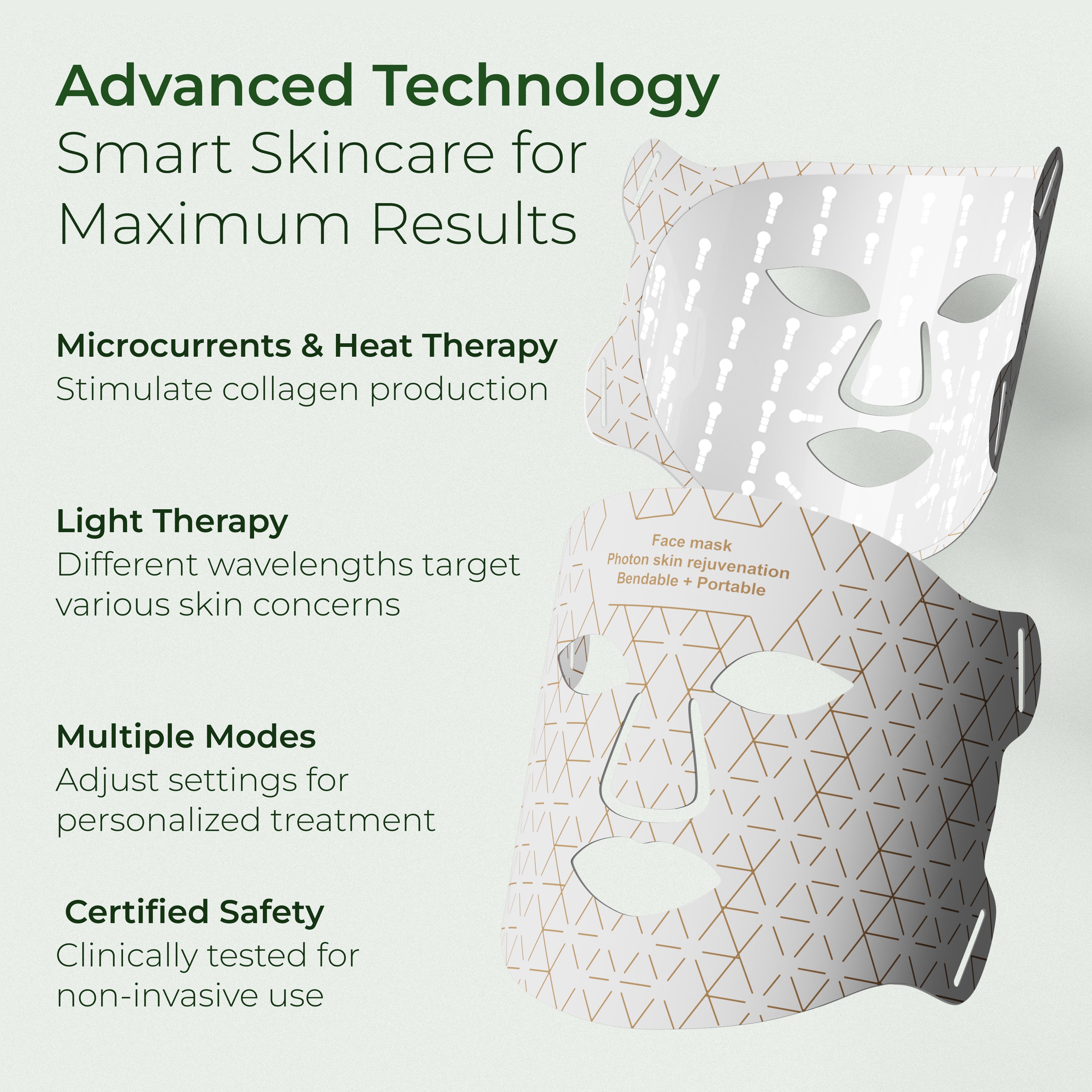
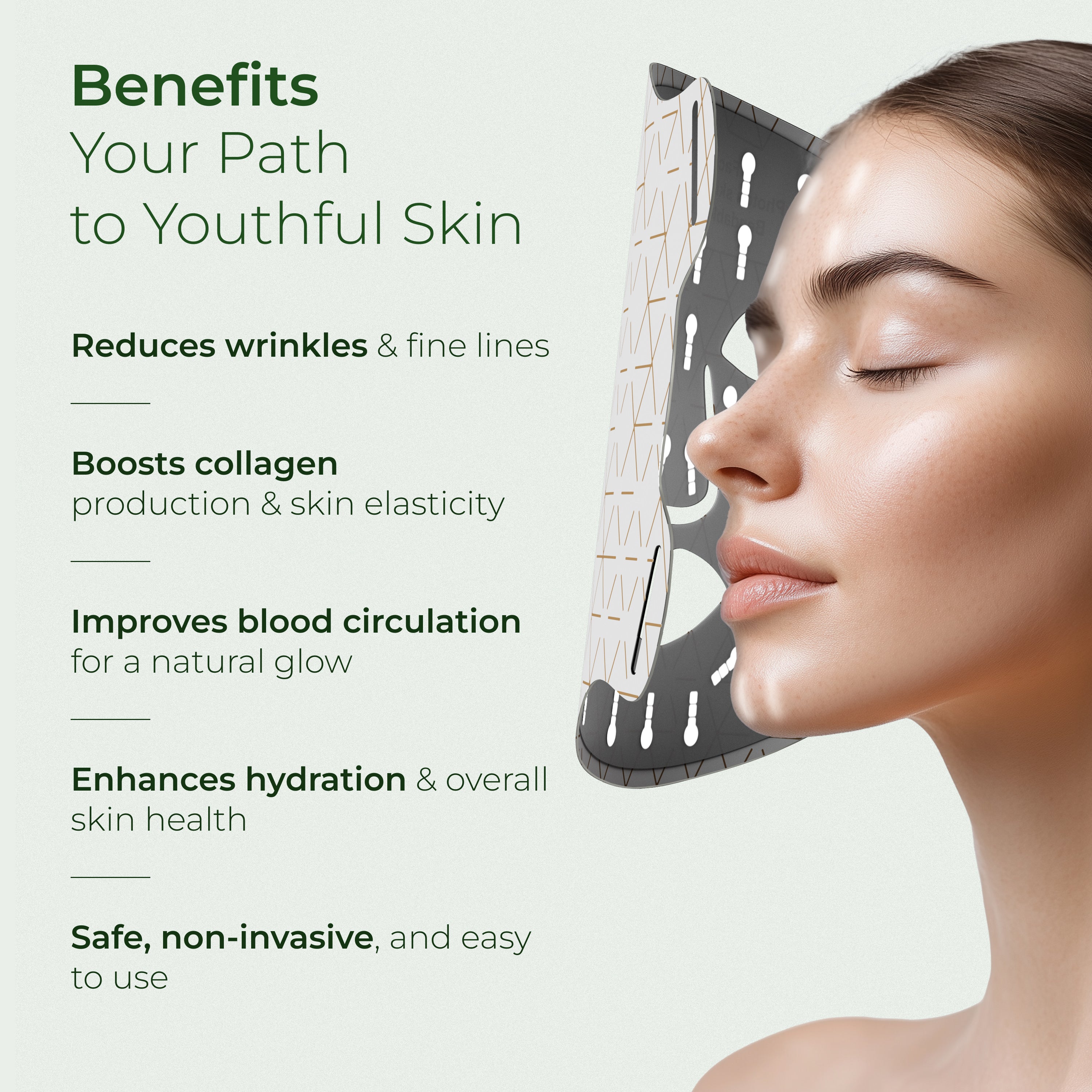
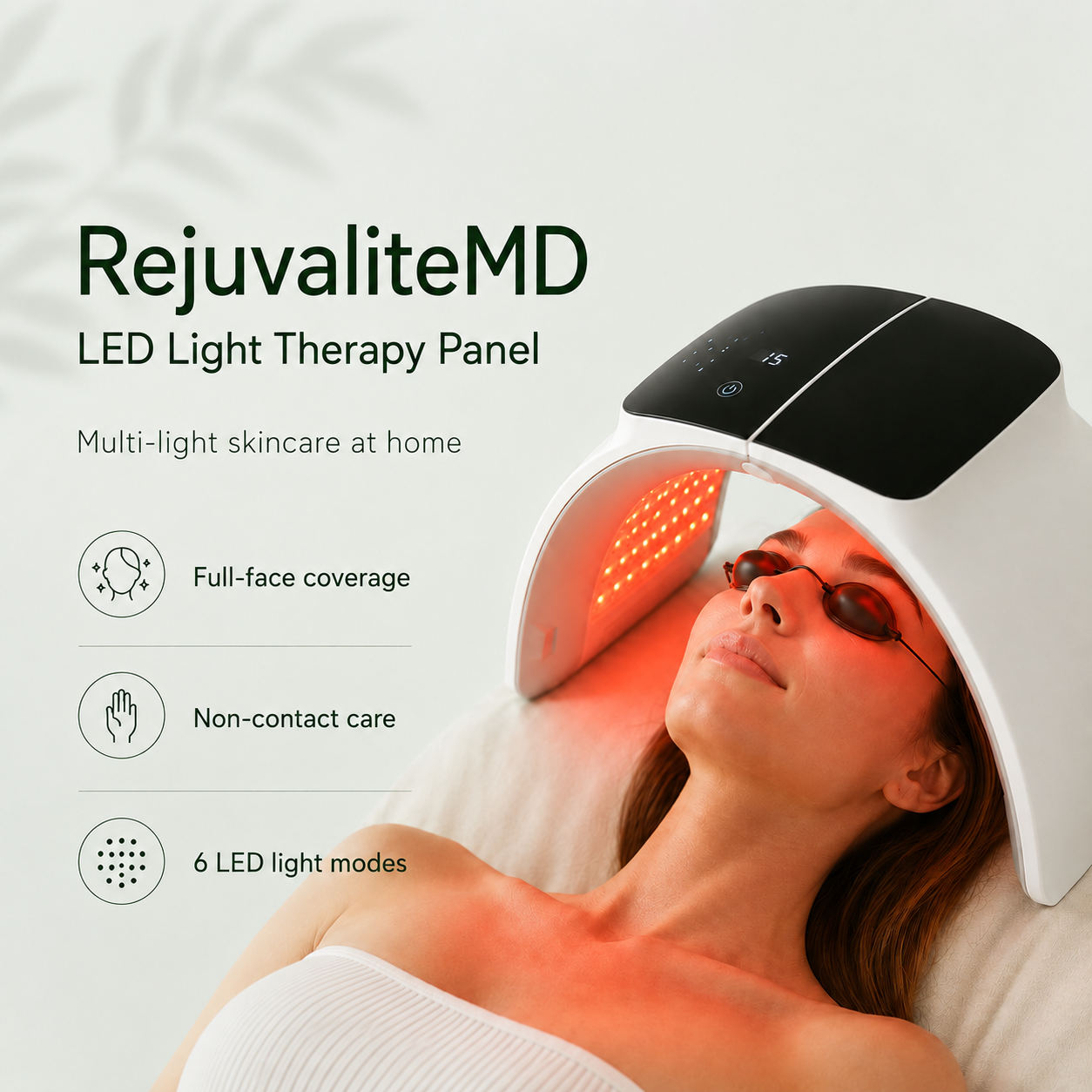
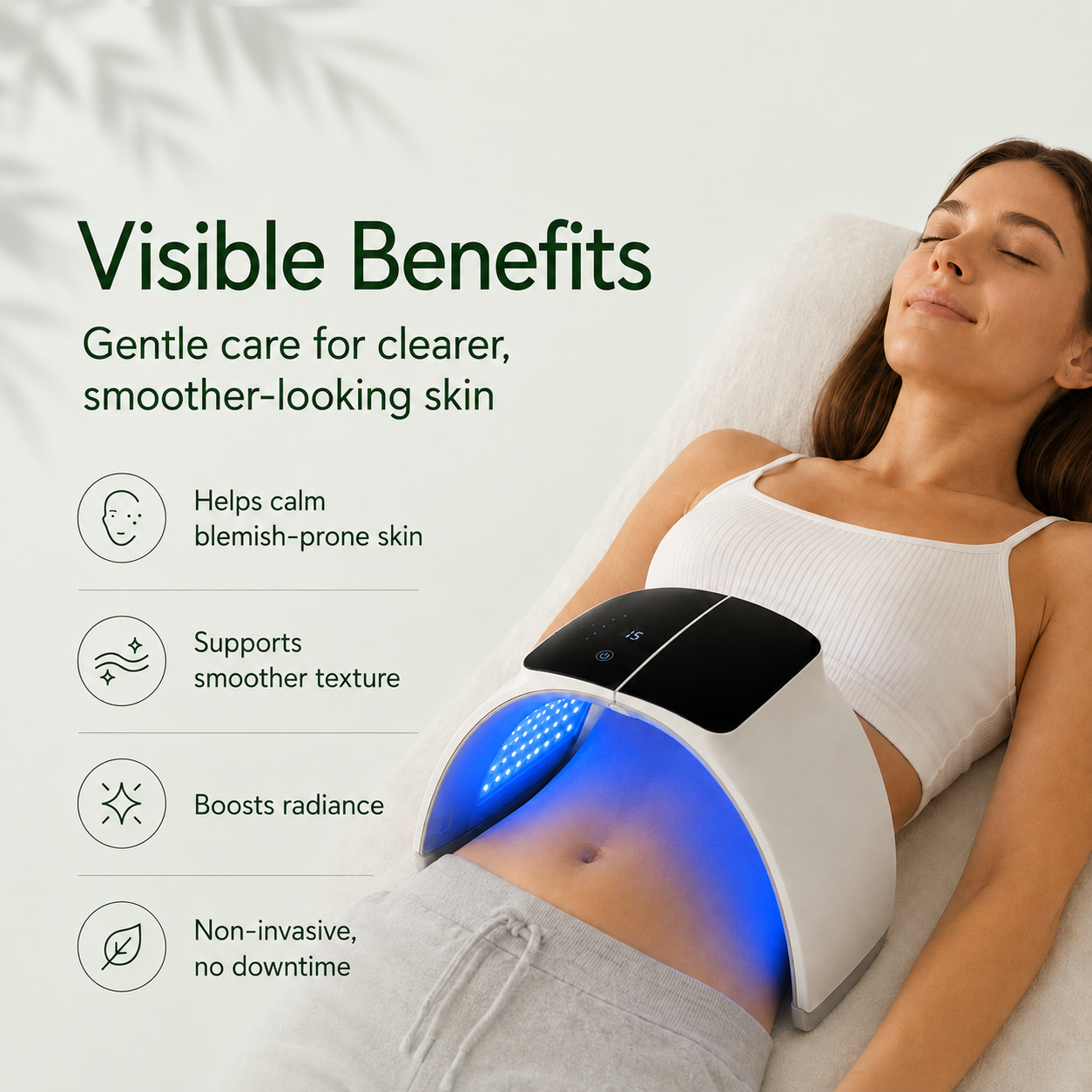
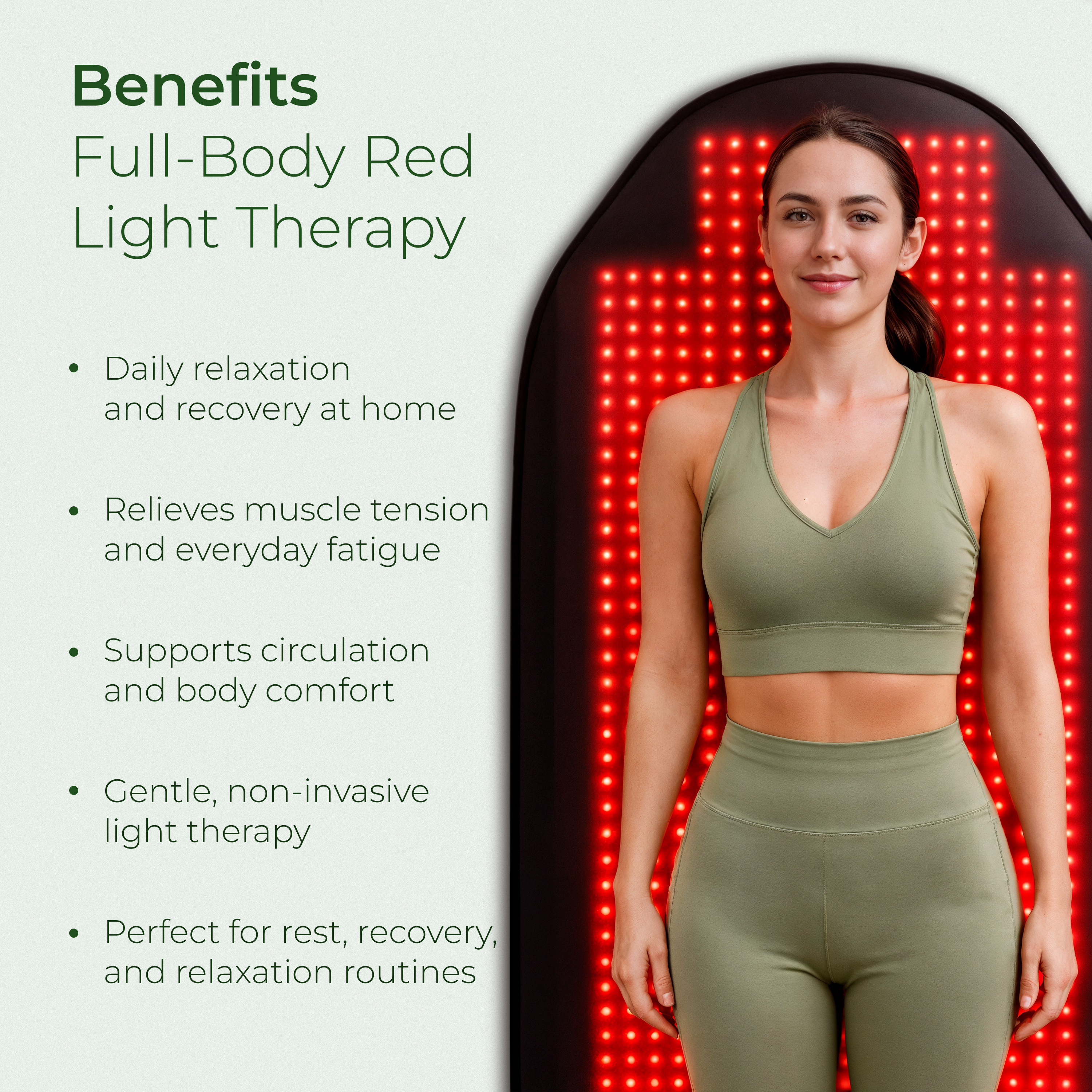
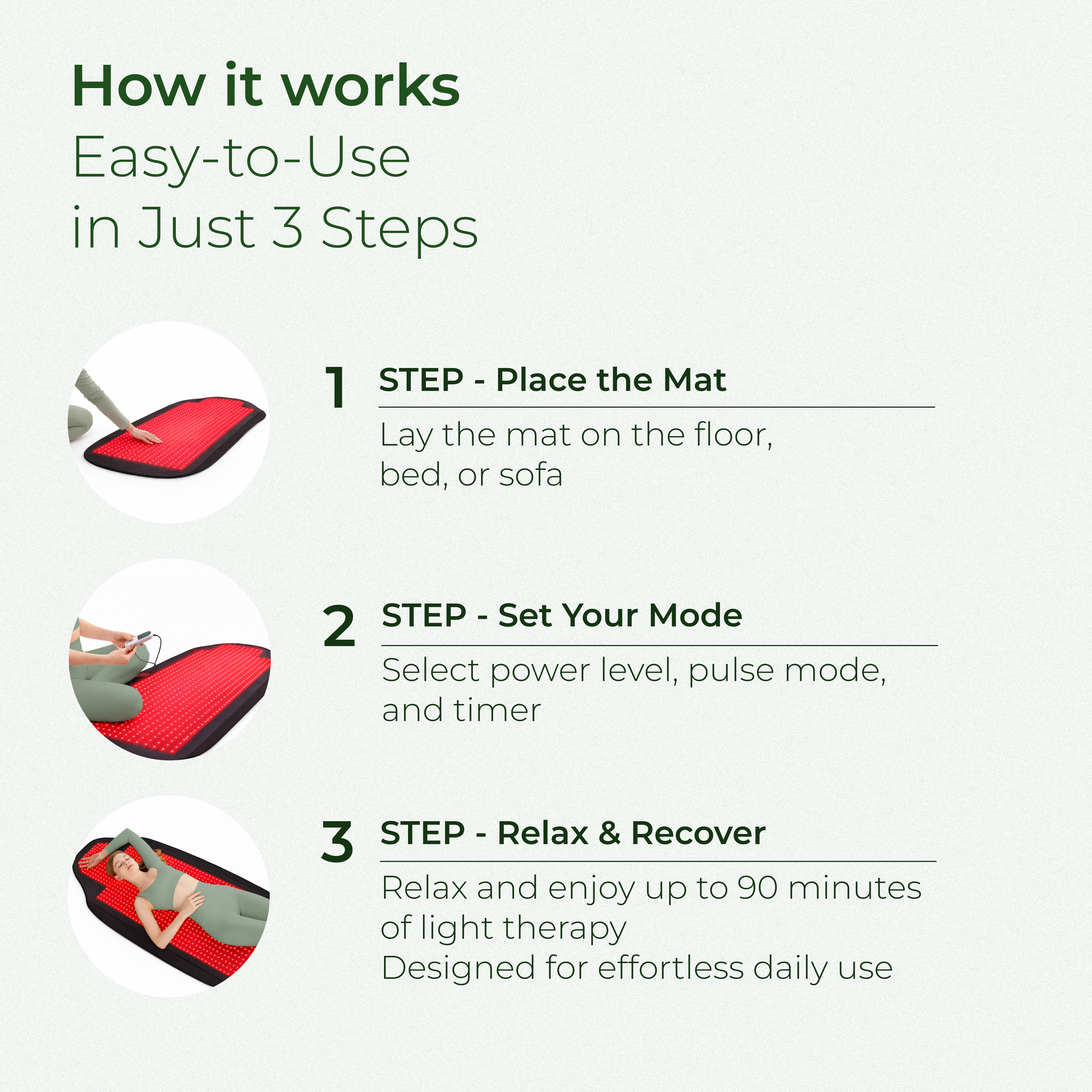
While moisturizers work on the surface, our LED therapy devices stimulate collagen production at a cellular level. Red light therapy in particular has been shown to improve skin firmness, reduce fine lines, and enhance overall skin health—complementing everything your best lotion for mature skin is trying to accomplish.
How TrophySkin Can Help
Ready to take your moisturizing routine to the next level? Our professional-grade microdermabrasion and LED therapy devices are designed specifically for at-home use, helping mature skin absorb products better and look more radiant. Discover why thousands of women over 40 trust TrophySkin for their skincare journey.
Explore Our Devices →Application Tips for Maximum Results
How you apply your moisturizer matters just as much as which one you choose. Follow these dermatologist-approved techniques to get the most from your best moisturizer for aging skin over 50:
Pro Tip: Consider "sandwiching" active ingredients. Apply a thin layer of moisturizer, then your serum or treatment, then another layer of moisturizer. This buffers strong actives while still allowing them to work.
Common Mistakes to Avoid
Even with the best natural moisturizer for mature skin, certain habits can undermine your results:
❌ Using products with too much alcohol. Denatured alcohol can strip natural oils and worsen dryness in aging skin. Check ingredient lists and avoid products where alcohol is in the top five ingredients.
❌ Over-exfoliating. While exfoliation helps absorption, too much can damage your skin barrier. Limit chemical exfoliants to 2-3 times weekly, and microdermabrasion to once per week for mature skin.
❌ Skipping SPF. UV damage is responsible for up to 80% of visible facial aging. Even the best drugstore moisturizer for mature skin won't help if sun damage keeps accumulating. Use SPF 30+ daily.
❌ Expecting overnight results. Skin cell turnover takes weeks. Give any new moisturizer at least 4-6 weeks before judging its effectiveness.
❌ Ignoring body skin. The skin on your arms, legs, and hands ages too. The best lotion for older skin should be part of a head-to-toe moisturizing routine.
What to Expect: Timeline of Results
Week 1-2
Immediate improvement in skin feel—softer, more supple. Surface dryness begins to diminish.
Week 4-6
Visible improvement in skin texture and radiance. Fine lines appear softer as hydration plumps the skin.
Week 8-12
Maximum benefits visible. Skin barrier strengthened, improved firmness, and lasting hydration throughout the day.
Frequently Asked Questions
Your Path to Healthier, More Radiant Mature Skin
Finding the best lotion for older skin isn't about chasing the newest miracle ingredient or the most expensive cream. It's about understanding what your skin needs—hydration, barrier support, and gentle care—and building a consistent routine around those needs.
Remember: the best moisturizer is only as good as your skin's ability to absorb it. Consider adding professional-grade exfoliation to your routine to maximize results. Whether you choose the best drugstore moisturizer for mature skin or invest in luxury formulas, proper skin prep and consistent application will always amplify your results.
⚕️ Medical Disclaimer
This article is for educational purposes only and does not replace professional medical advice. Consult a board-certified dermatologist before starting any new skincare regimen, especially if you have existing skin conditions or take medications.

Leave a comment
This site is protected by hCaptcha and the hCaptcha Privacy Policy and Terms of Service apply.