


Quick Answer: A hydrotherapy massage bed is a therapeutic device that uses pressurized, heated water jets to deliver a full-body massage while you remain completely dry and clothed. These dry hydrotherapy beds offer benefits like muscle relaxation, improved circulation, and stress relief—making them popular in spas, fitness centers, chiropractic clinics, and even homes.
Imagine getting a deeply relaxing full-body massage without undressing, booking an appointment weeks in advance, or even interacting with another person. That's exactly what a hydrotherapy massage bed delivers—and it's transforming how millions of people approach wellness and recovery.
Whether you've spotted these innovative water therapy beds at your local gym, physical therapy clinic, or upscale spa, you're probably curious about how they work and whether they're worth trying. In this comprehensive guide, we'll explore everything you need to know about hydromassage tables, from the science behind the technology to practical tips for getting the most out of your sessions.
What Is a Hydrotherapy Massage Bed?
A hydrotherapy massage bed (also called a hydromassage table or water jet massage table) is a specialized wellness device that uses pressurized streams of heated water to massage your body. The key innovation? You remain completely dry throughout the entire experience.
Inside the bed, powerful water jets move rhythmically beneath a flexible, waterproof membrane. As you lie on top of this surface fully clothed, the jets create wave-like pressure patterns that simulate the sensation of hands-on massage. Modern dry hydrotherapy beds typically heat the water to around 100-105°F (38-40°C), combining the therapeutic benefits of heat with the mechanical action of massage.
Dry vs. Wet Hydromassage: What's the Difference?
Traditional wet hydromassage requires you to submerge in a pool or tub while water jets massage your body. You'll need to change into swimwear and shower afterward. A dry hydrotherapy bed, on the other hand, keeps you completely separated from the water by a waterproof barrier—no undressing, no getting wet, no hassle.
This "dry" approach has made water jet massage tables incredibly popular in settings where convenience matters: busy fitness centers, corporate wellness programs, and healthcare facilities where patients need quick, accessible relaxation options.
How the Technology Works
When you lie down on a hydromassage table, here's what happens beneath the surface:
Powerful pumps propel heated water through strategically positioned jets. These jets spin at approximately 200 revolutions per minute, creating both primary and secondary wave patterns. The water moves in rhythmic, wave-like motions—traveling up and down your body from head to toe, or focusing on specific problem areas you select.
Most modern systems include touchscreen controls that let you adjust pressure intensity, water temperature, jet speed, and targeted zones in real-time. You can focus the massage on your lower back, shoulders, legs, or let it sweep across your entire body.
8 Proven Benefits of Hydrotherapy Massage Beds
While research on hydromassage beds specifically is still emerging, the underlying principles draw from well-established therapeutic techniques. Here are the primary benefits users experience:
1. Deep Muscle Relaxation
The combination of heat and pressure works synergistically to release muscle tension. Warm water naturally relaxes muscle fibers, while the mechanical pressure from jets helps work out knots and trigger points. Users often report feeling "looser" and more flexible after just one session.
2. Improved Blood Circulation
The rhythmic pressure of water jets stimulates blood flow throughout your body. Better circulation means more oxygen and nutrients reaching your tissues, which supports overall healing and recovery. This benefit makes water therapy beds particularly valuable for people with sedentary lifestyles.
Pro Tip: For maximum circulation benefits, schedule your hydromassage session in the afternoon when blood flow naturally decreases due to prolonged sitting. A 15-minute session can help counteract hours of desk work.
3. Effective Stress Relief
The warmth, gentle pressure, and horizontal position create ideal conditions for your nervous system to shift from "fight-or-flight" mode into relaxation. A 2024 meta-analysis found positive correlations between hydrotherapy use and reduced anxiety and depression scores.
4. Enhanced Post-Workout Recovery
Athletes and fitness enthusiasts have relied on hydrotherapy for decades to accelerate recovery. The massage action helps flush lactic acid from muscles, potentially reducing delayed-onset muscle soreness (DOMS). Many gyms now offer hydromassage tables specifically for post-workout use.
5. Pain Management Support
For people dealing with chronic pain conditions like fibromyalgia, arthritis, or lower back issues, regular hydromassage sessions may provide relief. The heat helps reduce joint stiffness while the massage addresses muscle tension that often accompanies chronic pain.
6. Better Sleep Quality
The relaxation response triggered by a hydrotherapy massage bed session doesn't end when you step off. Many users report improved sleep quality on nights following their massage, likely due to reduced muscle tension and lowered stress hormones.
7. No-Contact Convenience
For people who want massage benefits but feel uncomfortable with hands-on touch from another person, dry hydrotherapy beds offer a perfect alternative. There's no therapist, no undressing, and no physical contact—just you and the technology.
8. Time Efficiency
A typical hydromassage session lasts 10-20 minutes, compared to 60-90 minutes for a traditional massage (plus travel and waiting time). You can fit a session into a lunch break, before or after your workout, or between meetings.
The Bottom Line: Hydrotherapy massage beds combine heat, water pressure, and convenience to deliver relaxation and recovery benefits in a fraction of the time required for traditional massage—without the need to undress or interact with a therapist.
How to Use a Hydromassage Table Effectively
Getting the most from your water jet massage table sessions requires a bit of strategy. Here's a step-by-step approach:
Who Should Use a Hydrotherapy Massage Bed?
Hydrotherapy massage beds are versatile enough to benefit a wide range of people:
Athletes and fitness enthusiasts use them for post-workout recovery, reducing muscle soreness and accelerating return to training. Office workers dealing with tension from prolonged sitting find relief for neck, shoulder, and lower back stiffness. Chronic pain sufferers may use hydromassage as part of a broader pain management strategy, often in conjunction with physical therapy.
Older adults appreciate the gentle, non-invasive nature of water massage, especially those who find traditional massage too intense. Busy professionals value the time efficiency—a quick session provides relaxation without disrupting packed schedules. And anyone seeking stress relief can benefit from the calming effects of warmth and rhythmic pressure.
Pro Tip: If you're new to hydromassage, start with 2-3 sessions per week at moderate intensity. This gives your body time to adapt while still providing consistent benefits. After a few weeks, you can adjust frequency based on how you feel.
Precautions and Contraindications
While hydromassage tables are generally safe for most people, certain conditions require caution or avoidance:
Important: Consult your healthcare provider before using a hydrotherapy massage bed if you are pregnant, have high blood pressure, bleeding disorders, open wounds, skin infections, or cardiovascular conditions. People who've had recent surgery should wait until cleared by their doctor.
Additional considerations include: individuals with pacemakers should check with their cardiologist; those with severe osteoporosis may need gentler settings; and anyone currently experiencing fever or acute illness should postpone their session.
Hydromassage Bed vs. Traditional Massage: How They Compare
Understanding the differences helps you choose the right option for your needs:

Enhance Your Home Wellness Routine
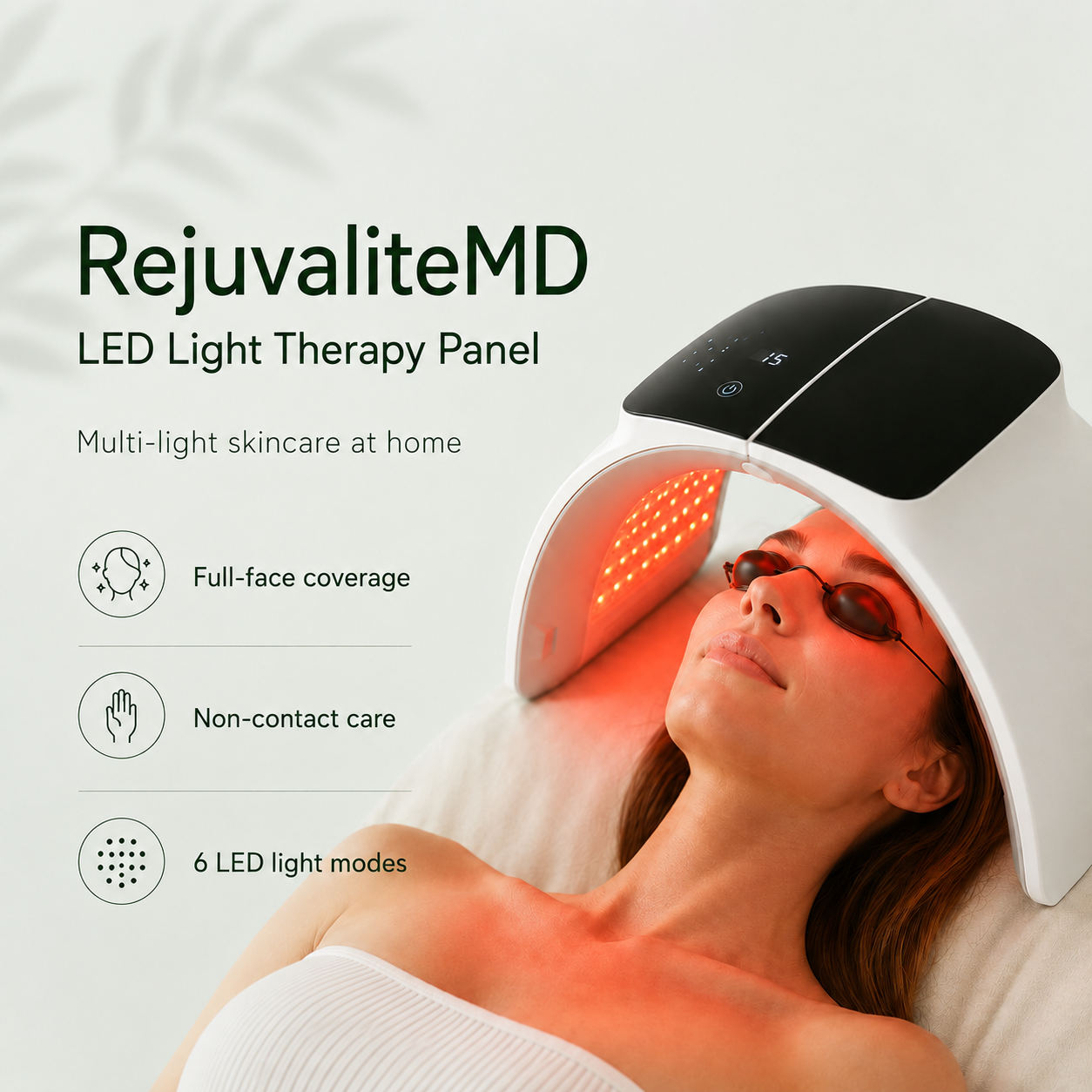
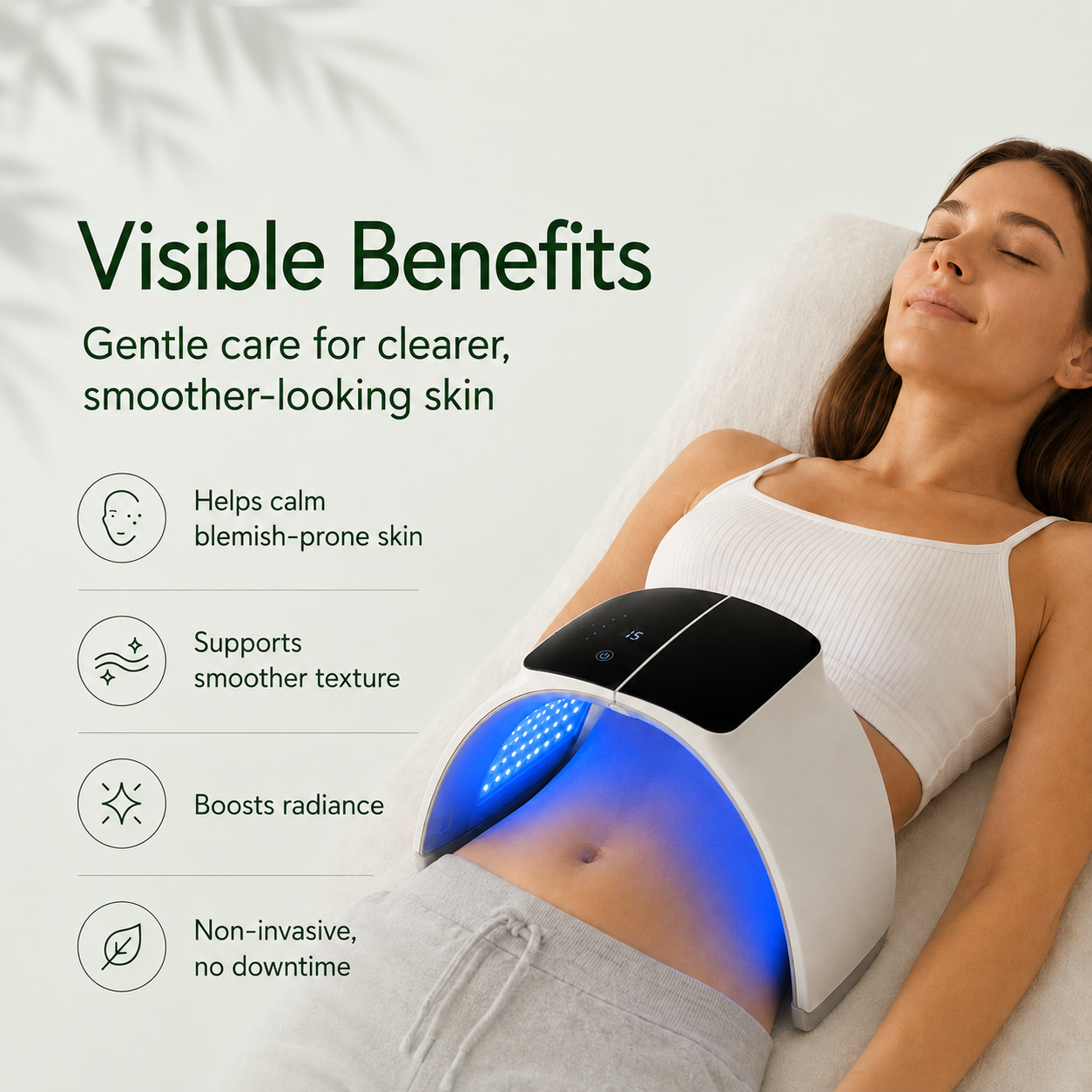
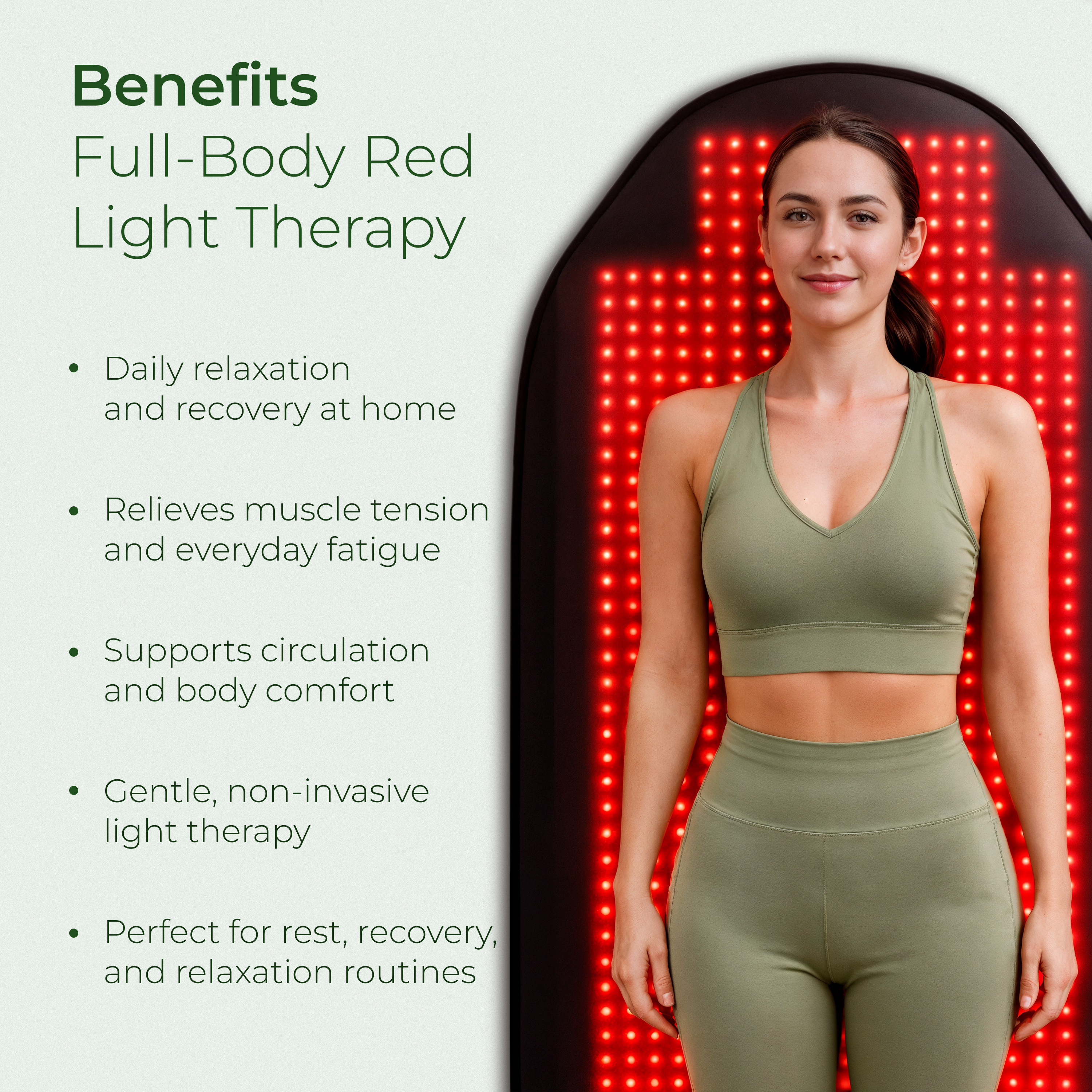
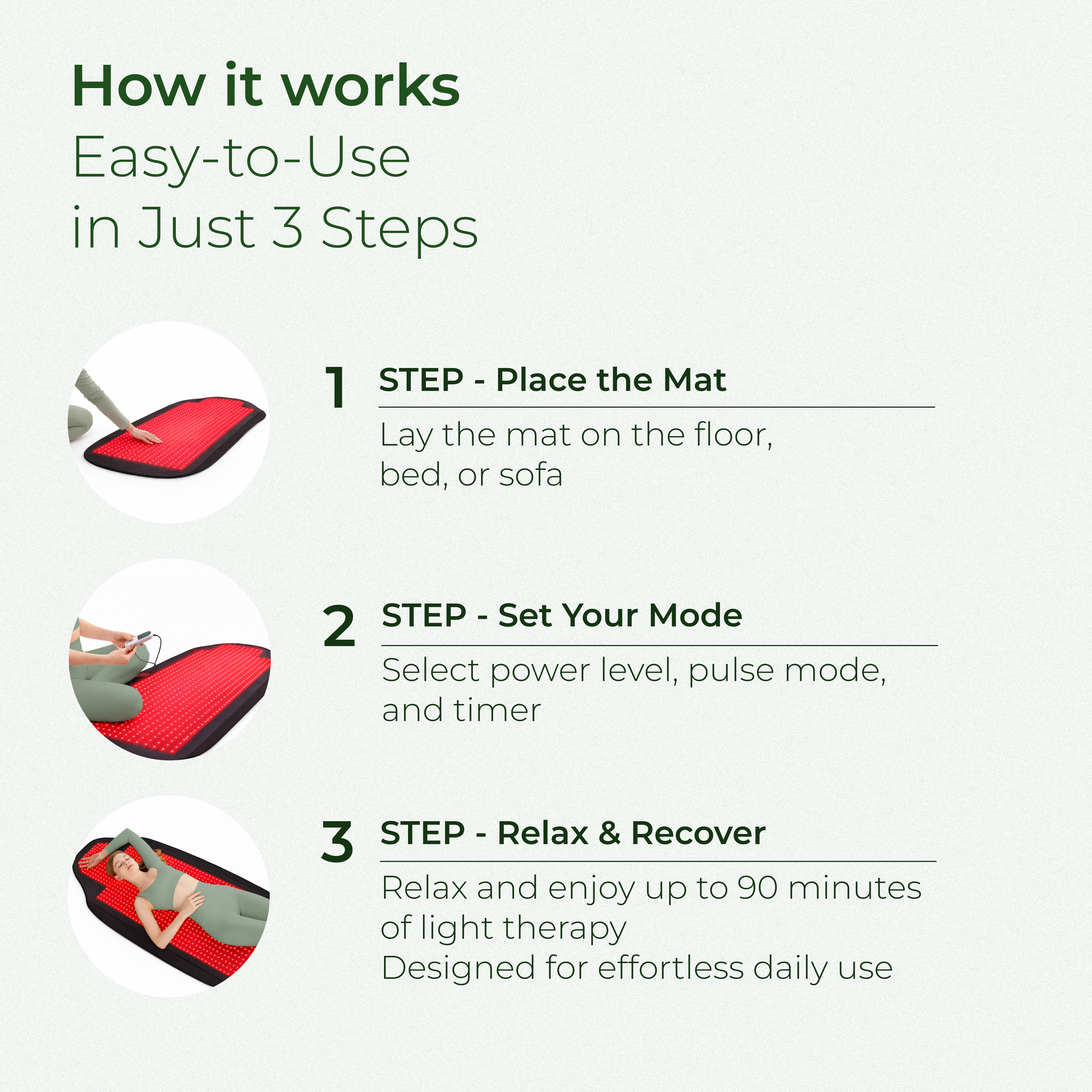
While professional hydrotherapy beds are ideal for spas and clinics, TrophySkin offers home-friendly wellness devices that complement your recovery routine—from LED therapy devices for skin rejuvenation to relaxation tools designed for daily self-care.
Explore Our Collection →Frequently Asked Questions
 Final Thoughts: Is a Hydrotherapy Massage Bed Right for You?
A hydrotherapy massage bed offers a unique blend of convenience, comfort, and therapeutic benefits that traditional massage simply can't match for everyone. If you value your time, prefer privacy, and want regular access to relaxation without the hassle of appointments and undressing, a dry hydrotherapy bed could be exactly what your wellness routine needs.
Whether you find one at your local gym, spa, physical therapy clinic, or consider a home unit, the key is consistency. Like most wellness practices, the benefits of water jet massage tables compound over time. Start with a few sessions, pay attention to how your body responds, and adjust your routine accordingly.
Your journey to better relaxation and recovery might just be one warm, wave-like massage away.
⚕️ Medical Disclaimer
This article is for educational purposes only and does not replace professional medical advice. Consult a board-certified healthcare provider before starting any new wellness regimen, especially if you have existing health conditions, are pregnant, or take medications.


Leave a comment
This site is protected by hCaptcha and the hCaptcha Privacy Policy and Terms of Service apply.