




Quick Answer: Microdermabrasion before and after wrinkles shows visible improvement in fine lines after 4-6 treatments, with most people noticing softer skin texture after just one session. While it won't eliminate deep wrinkles, consistent treatments stimulate collagen production and can reduce the appearance of fine lines by up to 30-40% over time.
If you've been researching ways to reduce fine lines without invasive procedures, you've probably stumbled upon countless microdermabrasion before and after photos. But here's what those images don't tell you: which wrinkles actually respond to treatment, how long results take, and whether professional treatments are really necessary.
We've dug through clinical studies, dermatologist recommendations, and real user experiences to bring you an honest look at what microdermabrasion can — and can't — do for aging skin. Whether you're considering your first treatment or wondering if at-home devices deliver comparable results, this guide covers everything you need to set realistic expectations.
How Microdermabrasion Works to Reduce Wrinkles
Understanding the science behind microdermabrasion before and after wrinkles transformation helps set realistic expectations. This non-invasive treatment works through two primary mechanisms that address the underlying causes of fine lines.
1. Mechanical Exfoliation
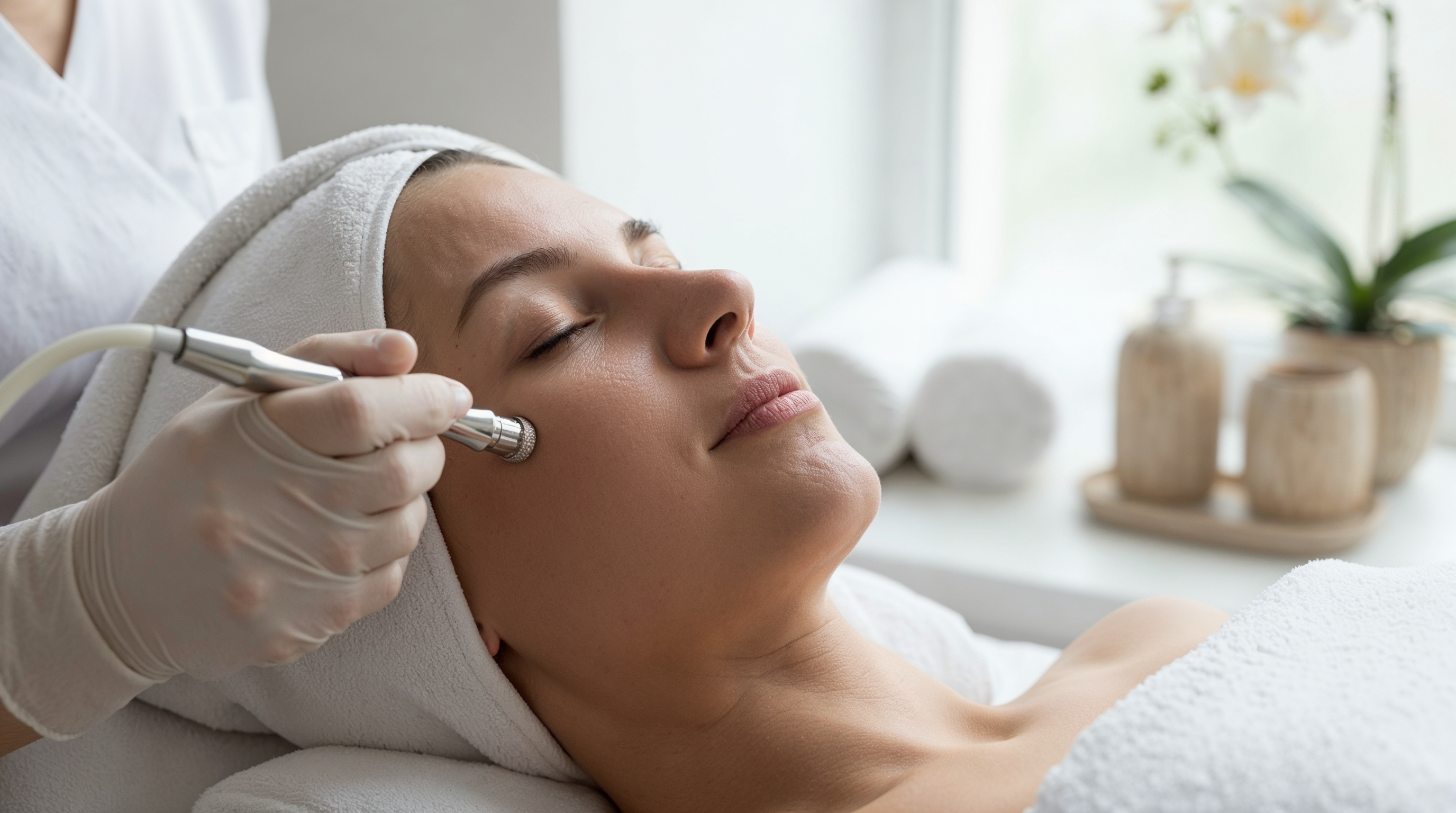
Microdermabrasion uses either diamond-tip wands or fine crystals (like aluminum oxide) to gently remove the stratum corneum — the outermost layer of dead skin cells. This layer naturally thickens as we age, making skin appear dull and emphasizing fine lines. By removing these dead cells, the treatment instantly reveals fresher, smoother skin beneath.
2. Collagen Stimulation
The controlled micro-injury from exfoliation triggers your skin's natural healing response. Your body increases production of collagen and elastin — the proteins responsible for skin's firmness and elasticity. Over multiple treatments, this leads to gradual improvement in skin thickness and wrinkle depth.
The dual action matters: Immediate results come from exfoliation (smoother texture, brighter appearance), while long-term wrinkle reduction depends on consistent treatments that build collagen over 8-12 weeks.
Microdermabrasion Before and After Wrinkles: What to Expect at Each Stage
One of the most common questions is "how long until I see results?" The truth is that microdermabrasion delivers both immediate and progressive benefits. Here's a realistic timeline based on clinical observations and dermatologist recommendations.
After 1 Treatment
Immediately smoother, softer skin texture. Complexion appears brighter and more radiant. Fine lines look temporarily softer due to removal of dull surface layer. Mild redness may occur for a few hours.
After 3-4 Treatments (4-8 Weeks)
Noticeable improvement in overall skin texture. Very fine lines may start to diminish. Skin feels plumper as collagen production begins. Enhanced absorption of anti-aging serums and moisturizers.
After 6 Treatments (10-12 Weeks)
Most visible changes in fine lines around eyes and mouth. Skin tone appears more even. Pores look refined. Forehead lines and crow's feet show measurable softening. This is typically when "before and after" photos show the most dramatic comparison.
Ongoing Maintenance
Monthly treatments help maintain results. Collagen continues building with consistent use. Long-term users report sustained improvement in skin elasticity and reduced progression of new fine lines.
Which Wrinkles Respond Best to Microdermabrasion?
Not all wrinkles are created equal, and understanding the difference is crucial for setting realistic expectations. Dermatologists generally categorize facial lines into two types — and microdermabrasion works significantly better on one than the other.
The sweet spot for microdermabrasion is addressing early signs of aging — those first fine lines that appear in your late 20s to 40s. The treatment works on the epidermis (skin's outer layer), making it ideal for surface-level concerns. For deep-set wrinkles that extend into the dermis, treatments like chemical peels, laser resurfacing, or injectables may be more appropriate.
Pro Tip: Microdermabrasion works best as part of an anti-aging strategy, not a standalone solution. Combine it with retinol products, sunscreen, and hydrating serums for enhanced collagen-boosting benefits.
How Many Microdermabrasion Treatments for Visible Wrinkle Reduction?
According to dermatologists and clinical guidelines, the number of sessions depends on your specific skin concerns and goals. Here's what the research and professional recommendations suggest:
Most practitioners recommend an initial series of 6 treatments spaced 2 weeks apart, followed by maintenance sessions every 4-8 weeks. However, individual factors significantly influence this timeline:
- Age: Those in their 30s may see faster results than those in their 50s
- Sun damage history: More photodamaged skin may require additional treatments
- Skincare routine: Using collagen-boosting products enhances treatment outcomes
- Treatment intensity: Professional-grade treatments may achieve faster results than at-home devices
Home Microdermabrasion vs Professional: Which Works Better for Wrinkles?
This is one of the most debated topics in skincare. Let's break down the honest differences between spa treatments and at-home devices, specifically for targeting wrinkles.
Professional Microdermabrasion
Pros: Higher suction power, medical-grade crystals or diamond tips, customized intensity, trained technician can target specific problem areas, often combined with other treatments (chemical peels, LED therapy).
Cons: Cost ($75-300 per session), requires appointments, travel time, need multiple visits for results.
At-Home Microdermabrasion Devices
Pros: One-time investment (typically $100-250), use at your convenience, consistent weekly treatments build results over time, privacy and comfort of home.
Cons: Lower intensity than professional treatments, requires consistent use, learning curve for proper technique.
The key factor isn't necessarily where you get the treatment — it's consistency. Weekly at-home treatments can accumulate significant results, especially when combined with a comprehensive anti-aging skincare routine. Many dermatologists now acknowledge that modern home devices have closed the gap considerably.
Professional Results at Home
TrophySkin's MicrodermMD uses the same diamond-tip technology and vacuum suction as professional treatments. With regular use, you can achieve visible improvement in fine lines, texture, and skin radiance — all from the comfort of your bathroom.
Explore Microdermabrasion Devices →Tips for Maximizing Your Anti-Wrinkle Results
Whether you choose professional treatments or at-home microdermabrasion, these evidence-based strategies will help you get the most out of every session.
Before Your Treatment
- Pause retinoids 5-7 days prior — they thin the skin and can cause sensitivity
- Skip exfoliating products for 48 hours to avoid over-exfoliation
- Hydrate your skin — well-moisturized skin responds better to treatment
- Avoid sun exposure — sunburned skin should never undergo microdermabrasion
After Your Treatment
- Apply SPF 30+ daily — freshly exfoliated skin is more susceptible to sun damage
- Use hydrating serums — hyaluronic acid penetrates up to 20x deeper post-treatment
- Add vitamin C serum — antioxidants enhance collagen-building effects
- Resume retinol after 48-72 hours — it works synergistically with microdermabrasion for anti-aging
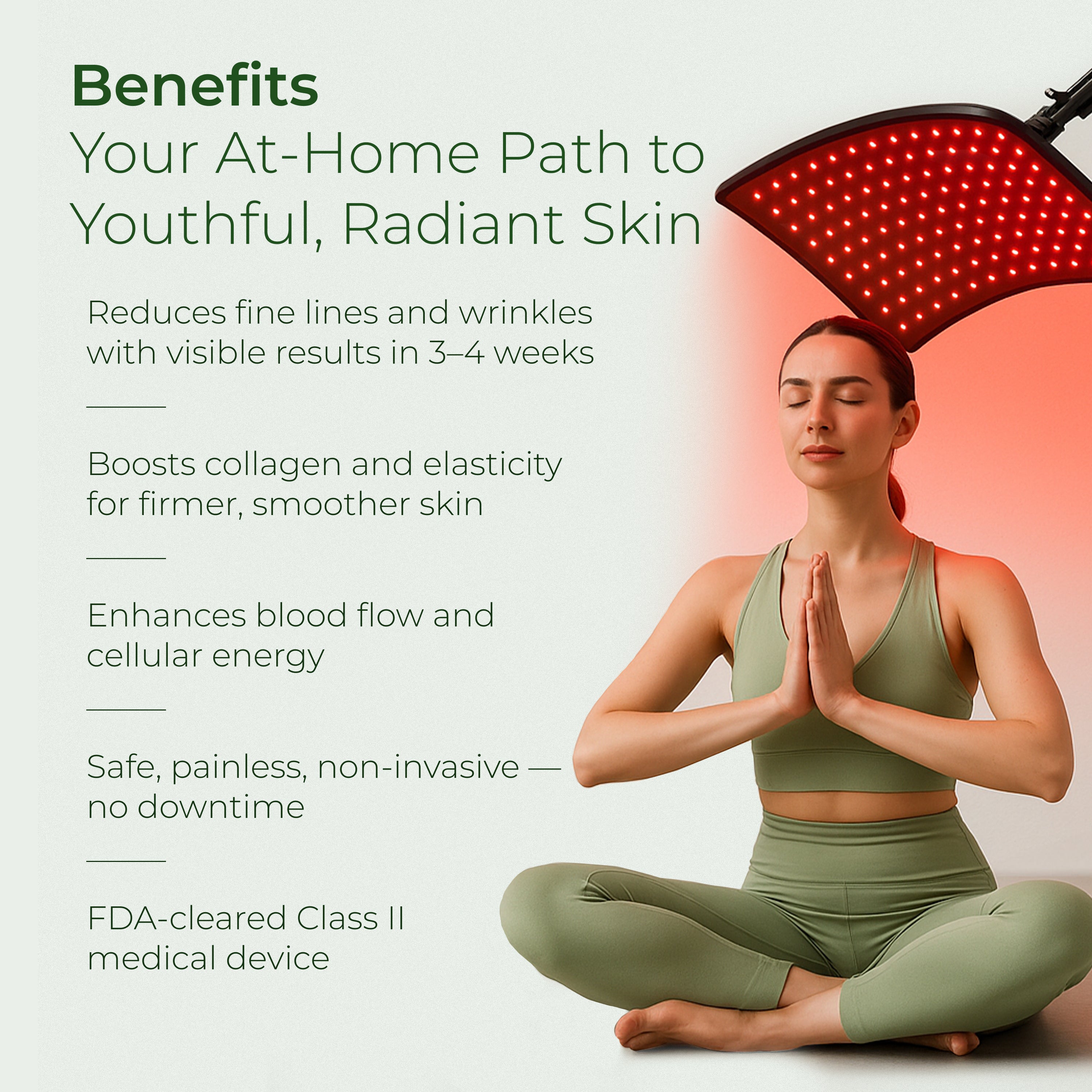
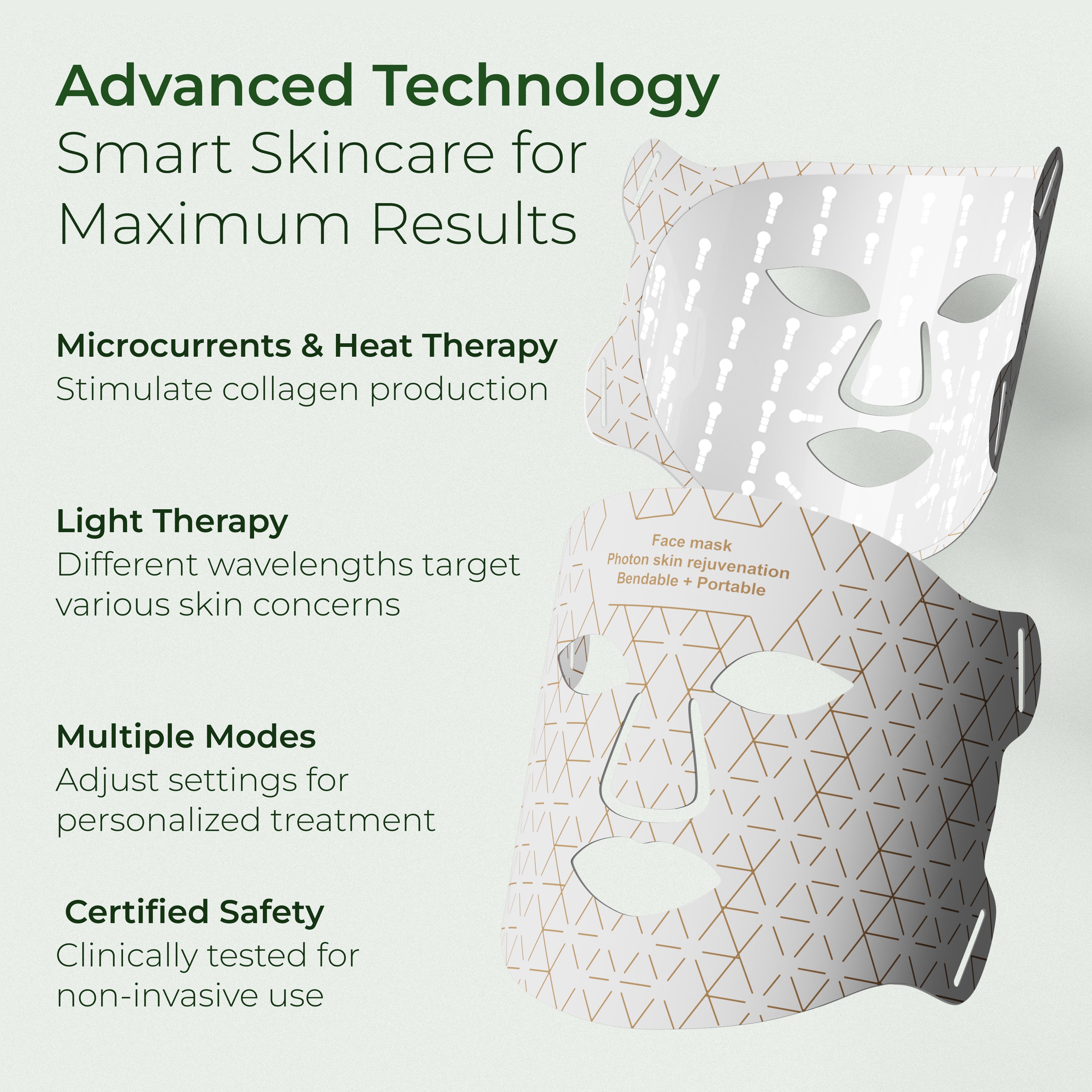
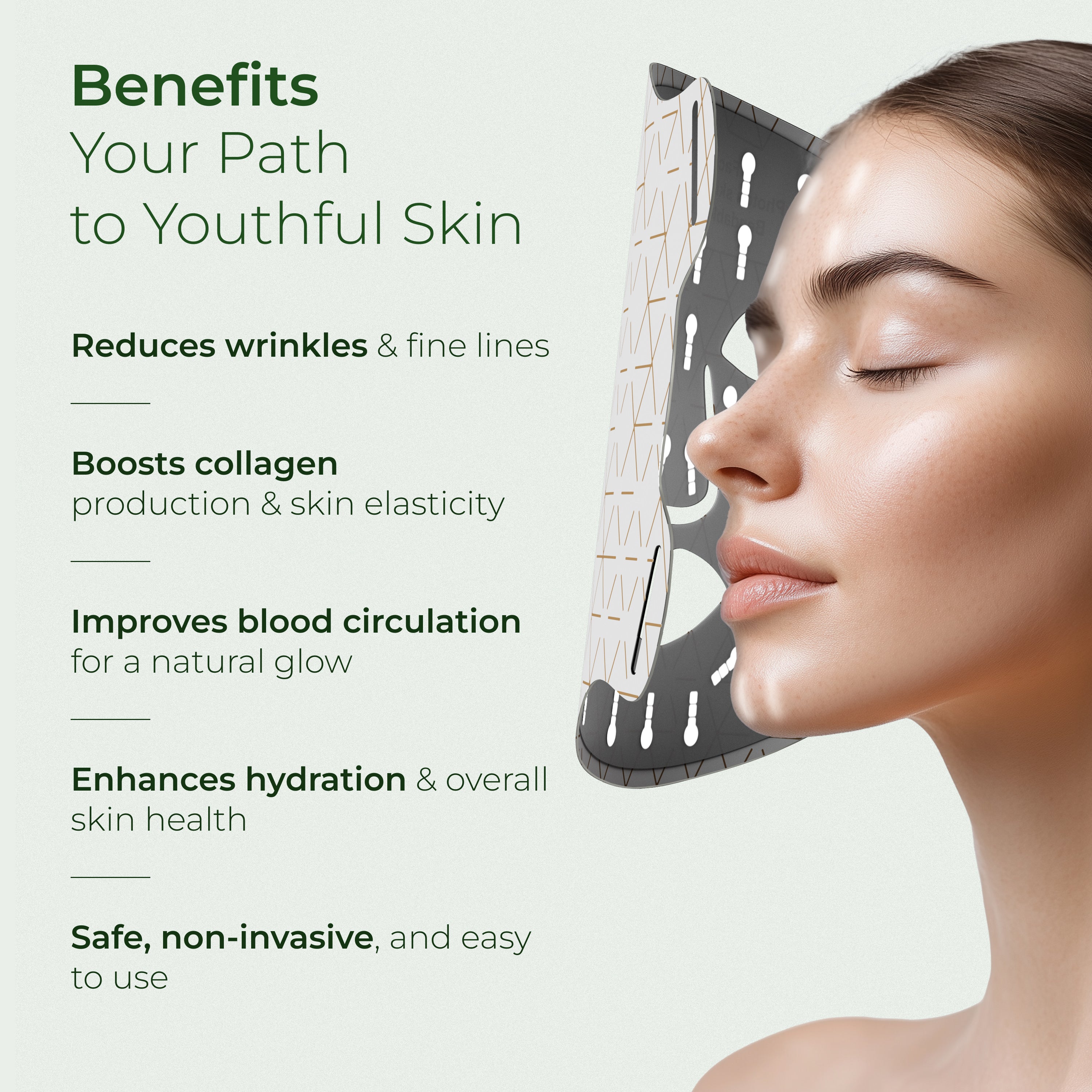
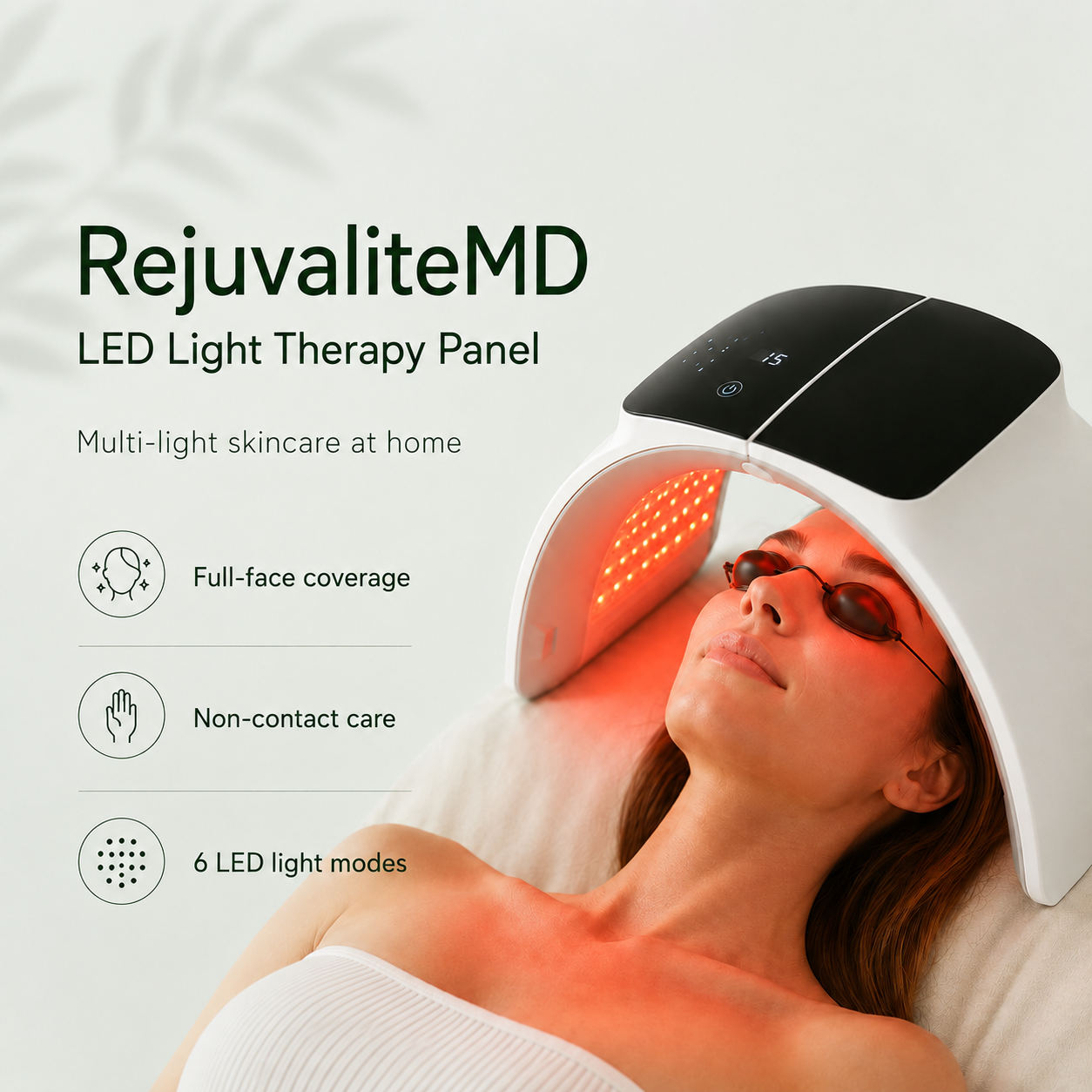
Pro Tip: Consider combining microdermabrasion with LED light therapy. Red light (630-660nm) stimulates collagen production, potentially amplifying your anti-wrinkle results when used after exfoliation.
Important: Never use microdermabrasion on active acne, rosacea flares, open wounds, or sunburned skin. If you're using prescription retinoids (like tretinoin), consult your dermatologist before adding microdermabrasion to your routine.
 Frequently Asked Questions
⚕️ Medical Disclaimer
This article is for educational purposes only and does not replace professional medical advice. Consult a board-certified dermatologist before starting any new skincare regimen, especially if you have existing skin conditions or take medications. Individual results may vary.


Leave a comment
This site is protected by hCaptcha and the hCaptcha Privacy Policy and Terms of Service apply.