



Quick Answer: Terahertz therapy side effects include skin irritation, localized warmth, mild fatigue, and in rare cases, eye sensitivity. While THz radiation is non-ionizing and generally considered safe at low powers, high-intensity or prolonged exposure may affect cellular activity, DNA stability, and protein function. Current research is still evolving, so caution is advised—especially for home devices.
If you've been exploring alternative wellness treatments, you've likely come across terahertz therapy—and with it, big promises about pain relief, improved circulation, and cellular healing. But before investing in a terahertz wand or booking a session, understanding the potential terahertz therapy side effects is essential for making an informed decision about your health.
As terahertz waves (THz) technology moves from research labs to consumer products, questions about safety naturally arise. Is terahertz radiation dangerous? What happens when these electromagnetic waves interact with your skin and cells? Let's examine what current science tells us—without the marketing hype.
What Is Terahertz Therapy?
Terahertz therapy uses electromagnetic waves in the terahertz frequency range—typically between 0.1 and 10 THz. This places terahertz radiation in a unique position on the electromagnetic spectrum, sitting between microwaves and infrared light, often called the "terahertz gap."
Unlike X-rays, terahertz waves are non-ionizing, meaning they don't carry enough energy to directly damage DNA the way ionizing radiation does. This characteristic has made THz technology attractive for medical imaging, security screening, and more recently, wellness applications.
How Terahertz Devices Work
Consumer terahertz devices, particularly the popular "terahertz wands" or "blowers," claim to emit electromagnetic waves that can penetrate 20-30 centimeters into the body. They're marketed for pain relief, improved blood circulation, and cellular regeneration. Most devices combine terahertz-range frequencies with infrared heat and sometimes quartz crystal technology.
However, it's important to note that many commercial devices may not actually produce true terahertz frequencies. Generating THz radiation is technically challenging and expensive—most consumer devices primarily deliver infrared heat with claims of terahertz properties.
Documented Terahertz Therapy Side Effects
Scientific research on terahertz waves biological effects is still emerging, but studies have identified several potential side effects—particularly at higher power levels or with prolonged exposure.
Skin-Related Side Effects
The most commonly reported terahertz wand side effects involve the skin. Because THz waves are largely absorbed within the first millimeter of skin tissue, reactions tend to be superficial but can include redness and mild irritation after repeated treatments, localized warmth or heat sensation during use, potential blistering with improper use or excessive exposure, and temporary skin sensitivity in treated areas.
Research from KAIST (Korea Advanced Institute of Science and Technology) found that high-power terahertz exposure on mice led to increased inflammatory markers in skin cells within hours of treatment—a finding that warrants attention even though consumer devices operate at much lower power levels.
Cellular and Neurological Effects
Research published in peer-reviewed journals has documented cellular-level effects of terahertz radiation that deserve consideration. A 2020 RIKEN study found that THz waves can disrupt actin proteins in living cells without killing them—suggesting biological effects occur even at non-lethal exposure levels. Studies on neural stem cells show dose-dependent impacts on cell proliferation and DNA integrity. High-intensity exposure may affect gene expression and potentially contribute to genomic instability.
The Bottom Line: Terahertz radiation can affect biological systems through both thermal (heating) and non-thermal (molecular resonance) mechanisms. While low-power consumer devices likely pose minimal risk, the long-term effects of regular exposure remain understudied.
Other Reported Side Effects
Users of terahertz therapy devices have reported additional side effects including fatigue or exhaustion lasting 1-3 days post-treatment, temporary increases in body temperature, heart rate, or blood pressure, eye irritation when proper protection isn't used, and rare allergic-type reactions ranging from mild rash to breathing difficulties.
Is Terahertz Radiation Dangerous?
The question "is terahertz radiation dangerous?" doesn't have a simple yes or no answer. Safety depends heavily on exposure parameters—frequency, power density, duration, and cumulative dose.
What Current Research Shows
According to a review published in the Journal of Biomedical Optics, "THz radiation is non-ionizing and is considered to be safe for humans at low powers." However, this statement comes with important caveats. Both IEEE and ANSI safety standards have limits for terahertz exposure, but these limits are based on extrapolation rather than comprehensive human studies. Current research focuses mainly on high-power laboratory sources, not consumer devices. The biological effects of long-term, low-level exposure remain largely unknown.
High-Power vs. Low-Power Exposure
The distinction between research settings and consumer devices is crucial. Most concerning findings come from laboratory studies using high-power THz generators far exceeding anything available in home devices. Consumer terahertz wands typically operate at much lower power densities. However, "lower power" doesn't guarantee complete safety, especially with daily or extended use.
Pro Tip: When evaluating any terahertz device, ask for third-party testing data that verifies the actual frequencies emitted. Many "terahertz" consumer products primarily deliver infrared heat—which has well-studied safety profiles—rather than true THz radiation.
Who Should Avoid Terahertz Therapy?
Given the current state of research, certain groups should exercise extra caution or avoid terahertz devices altogether.
Important: The following groups should consult a healthcare professional before using any terahertz device: pregnant or nursing women, individuals with pacemakers or electronic implants, those with active skin conditions or open wounds, people with photosensitivity disorders, children and adolescents, and anyone taking photosensitizing medications.
Additionally, if you have a history of cancer or are currently undergoing cancer treatment, discuss any electromagnetic therapies with your oncologist first—despite some preliminary research on THz's potential anti-cancer applications, the technology is not approved for cancer treatment.
Terahertz Wand Side Effects: What Users Report
Beyond laboratory research, user experiences with terahertz wands provide real-world insights into potential side effects. Common reports include initial "detox" symptoms like mild headaches or fatigue in the first few sessions, warmth or tingling sensations during treatment, temporary redness that usually resolves within hours, and rare instances of dizziness or lightheadedness.
It's worth noting that many marketed benefits of terahertz wands—like "activating cells" or "balancing energy"—lack substantial scientific validation. The warmth users feel is likely from the infrared component rather than terahertz frequencies, which are technically difficult to generate in handheld devices.
Safety Tips for Terahertz Device Users
If you choose to use a terahertz therapy device, following these precautions can help minimize potential risks.
Start low and slow. Begin with the lowest intensity setting and shortest recommended duration. Increase gradually as you assess your body's response.
Maintain proper distance. Keep the device 8-10 inches from your skin to prevent burns or excessive heat exposure.
Protect your eyes. Never point the device toward your face or eyes. Wear protective eyewear if recommended by the manufacturer.
Stay hydrated. Drink water before and after sessions to support your body's natural processes.
Limit session frequency. Avoid treating the same area more than 2-3 times daily. Allow 24-48 hours of rest between intensive treatments.
Monitor your reactions. Stop use immediately if you experience persistent pain, unusual skin reactions, or any concerning symptoms. Consult a healthcare provider if side effects don't resolve.
Proven Alternatives: LED Light Therapy
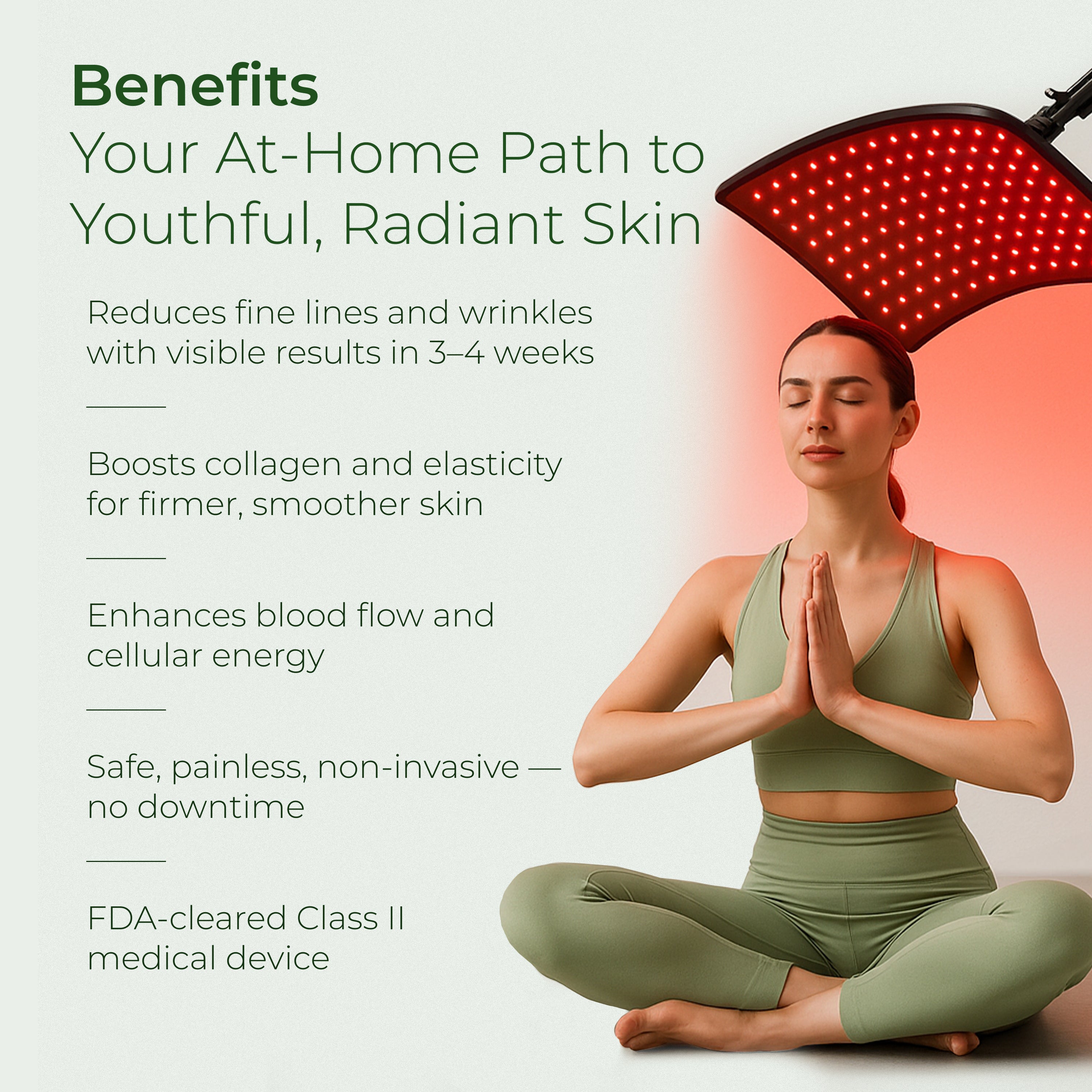
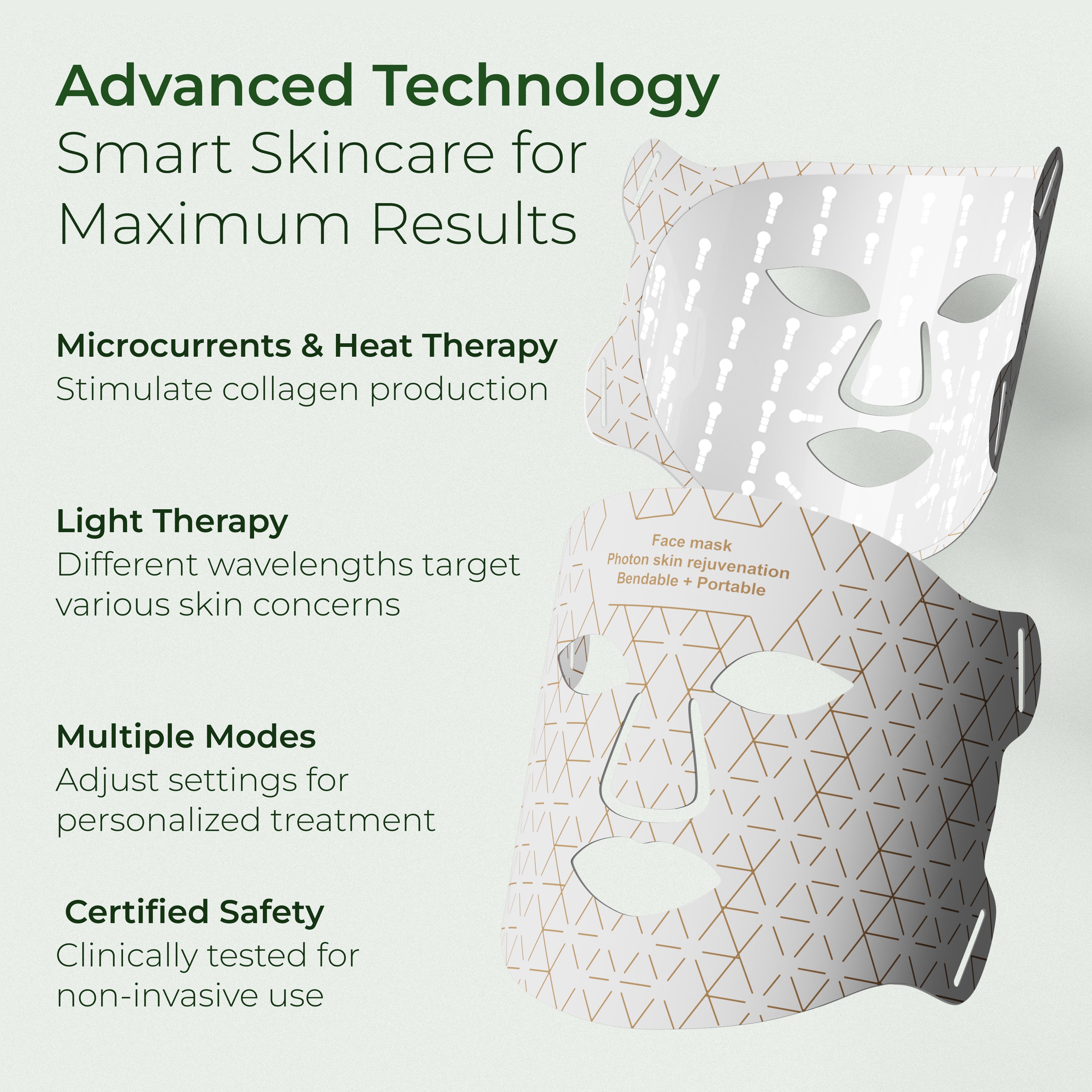
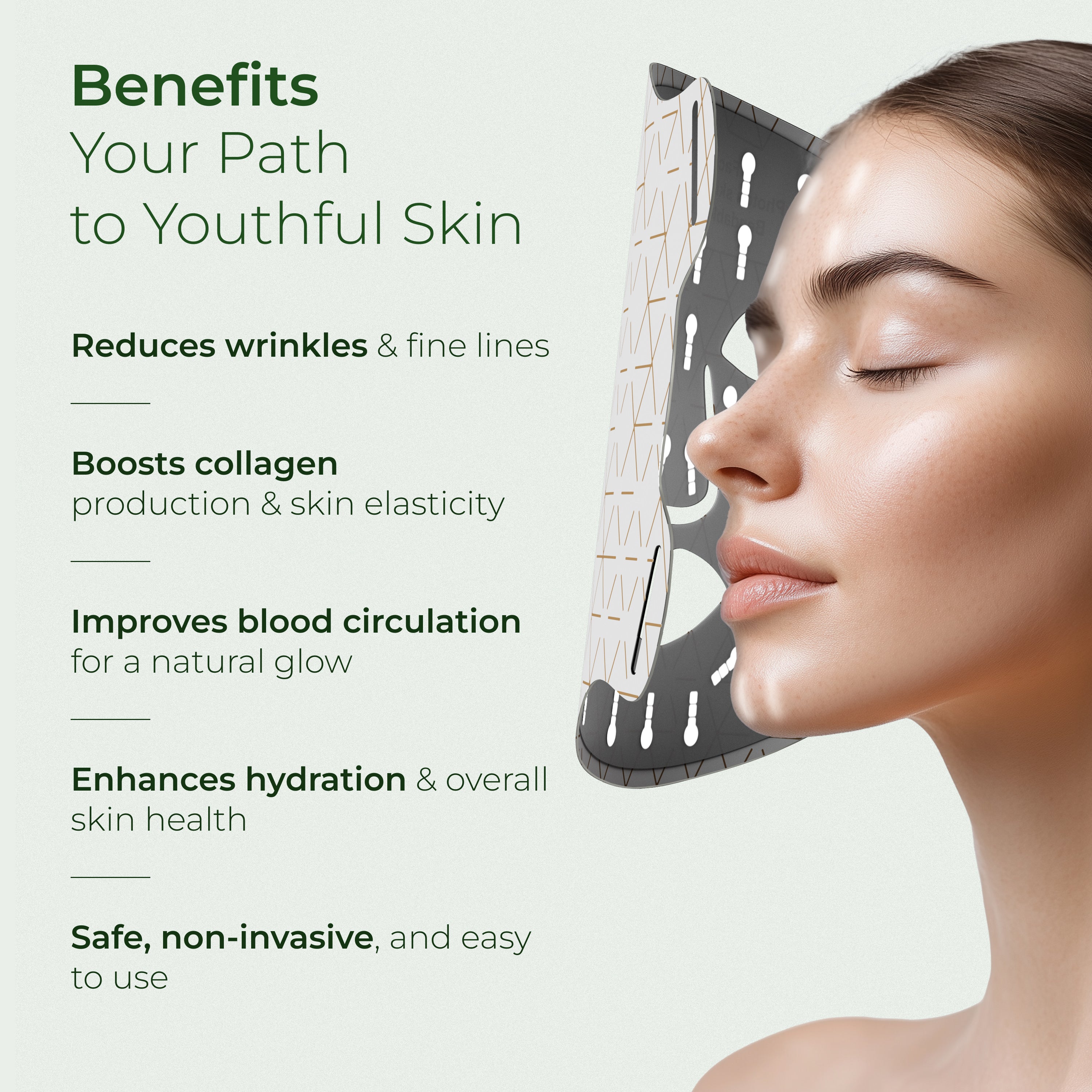
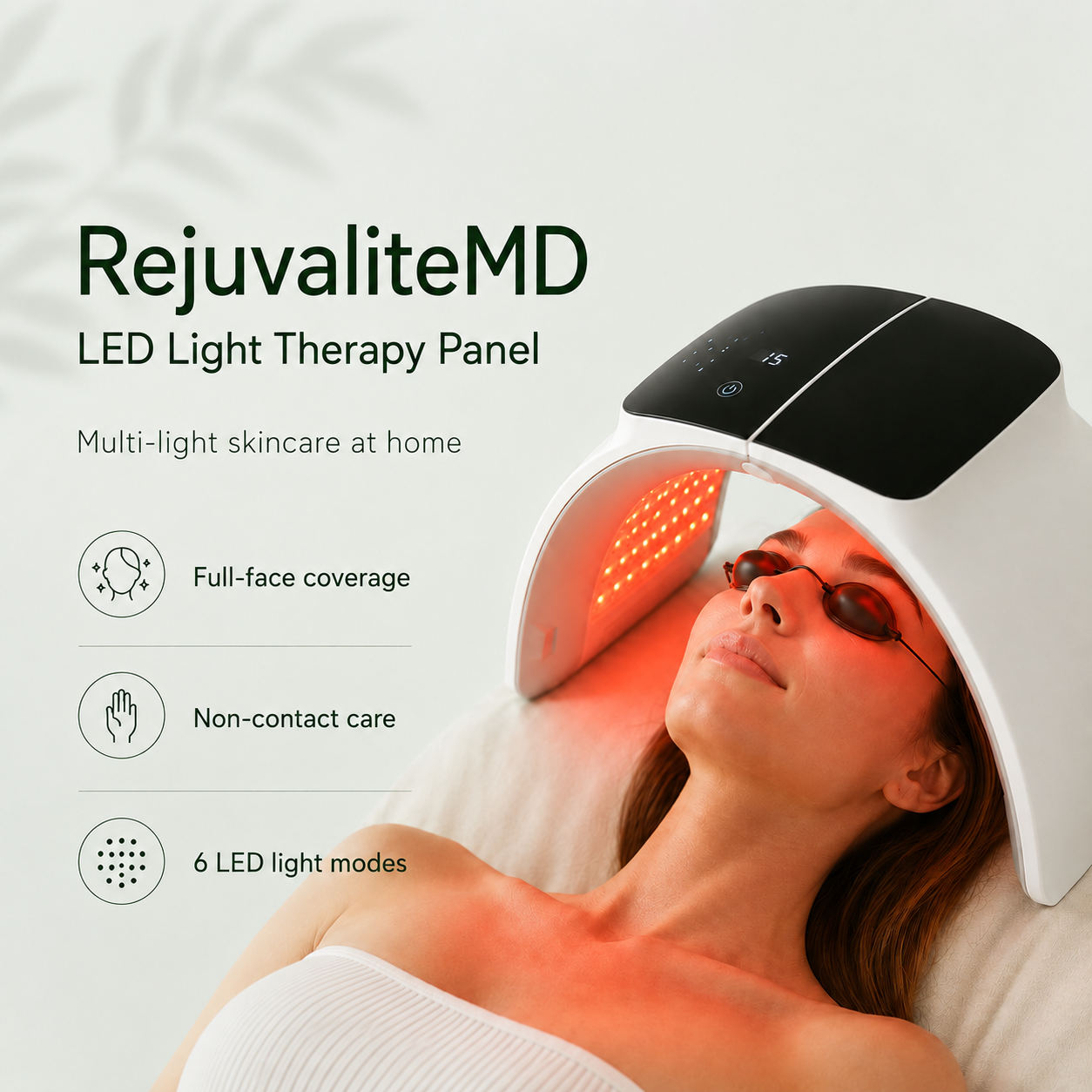
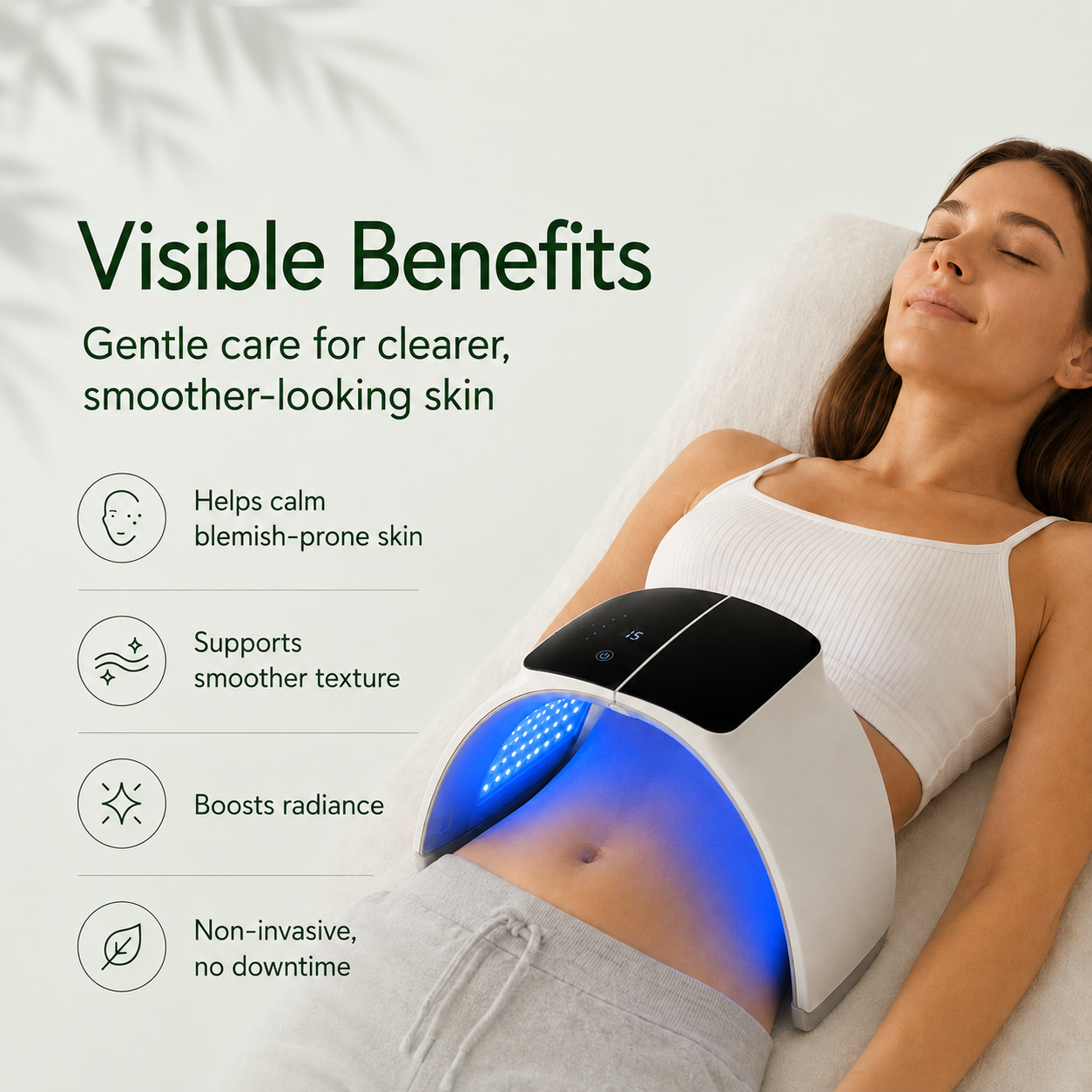
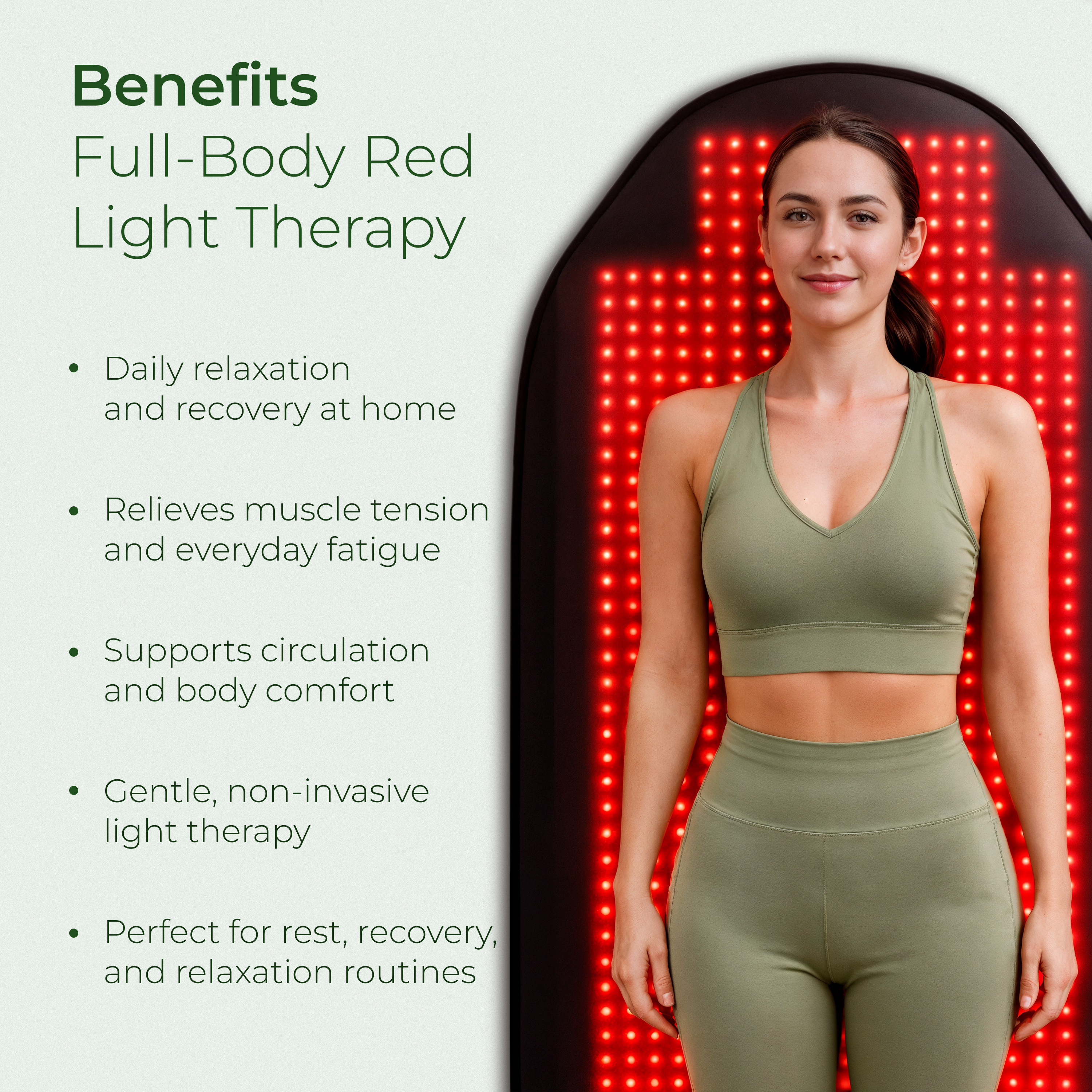
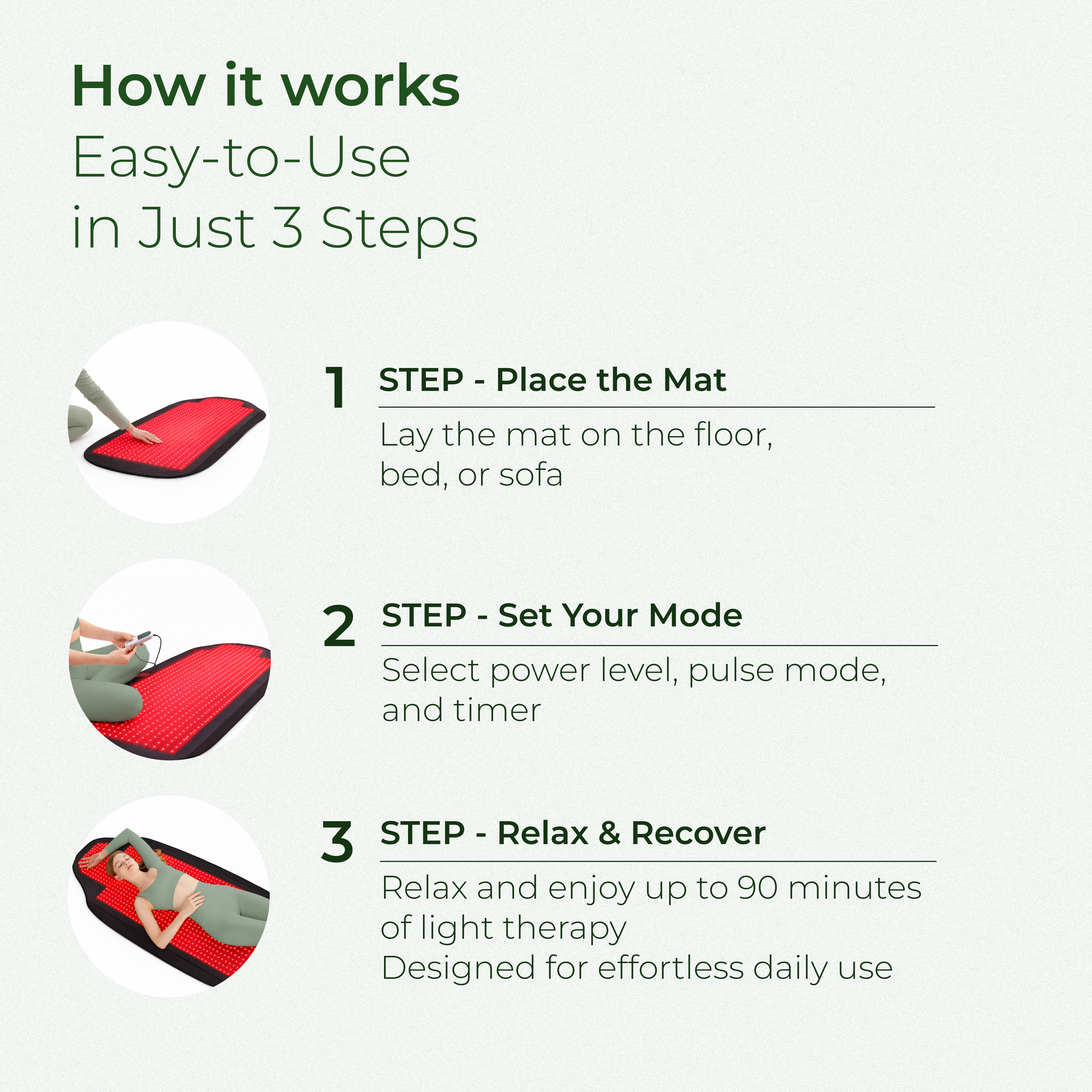
For those seeking home-based light therapy with a stronger evidence base, LED light therapy offers a well-researched alternative. Unlike terahertz technology, LED therapy has been studied extensively for decades and has FDA-cleared devices available for home use.
LED light therapy works at different wavelengths (typically red light at 630-660nm and near-infrared at 810-850nm) to stimulate cellular energy production, boost collagen synthesis, and reduce inflammation. The mechanism is well understood, and side effects are typically limited to mild, temporary warmth.
Looking for Proven Home Light Therapy?
TrophySkin offers professional-grade LED therapy devices backed by clinical research. Our at-home systems deliver the same wavelengths used in dermatology clinics—with established safety profiles and real, visible results for your skin.
Explore LED Therapy Devices →
Frequently Asked Questions
Pro Tip: When researching any emerging therapy technology, look for peer-reviewed studies published in reputable medical journals rather than relying solely on manufacturer claims or testimonials. Science takes time—what seems like a breakthrough today may need years of research before we truly understand the risks and benefits.

⚕️ Medical Disclaimer
This article is for educational purposes only and does not replace professional medical advice. The information provided reflects current research as of the publication date, but terahertz therapy is an evolving field. Consult a board-certified dermatologist or physician before starting any new therapy, especially if you have existing health conditions, are pregnant, or take medications. TrophySkin does not sell terahertz devices and makes no claims about terahertz therapy efficacy.
📚 Scientific Sources Referenced:
- Journal of Biomedical Optics — "Terahertz radiation and the skin: a review"
- RIKEN / Scientific Reports — "Propagation of THz irradiation energy through aqueous layers"
- iScience — "The biological effects of terahertz wave radiation-induced injury on neural stem cells"
- Frontiers in Bioengineering — "The laws and effects of terahertz wave interactions with neurons"
- IntechOpen — "Introduction to the Biological Effects of Terahertz Radiation"
- IEEE C95.1–2005 & ANSI Z136.1–2007 Safety Standards



Leave a comment
This site is protected by hCaptcha and the hCaptcha Privacy Policy and Terms of Service apply.