

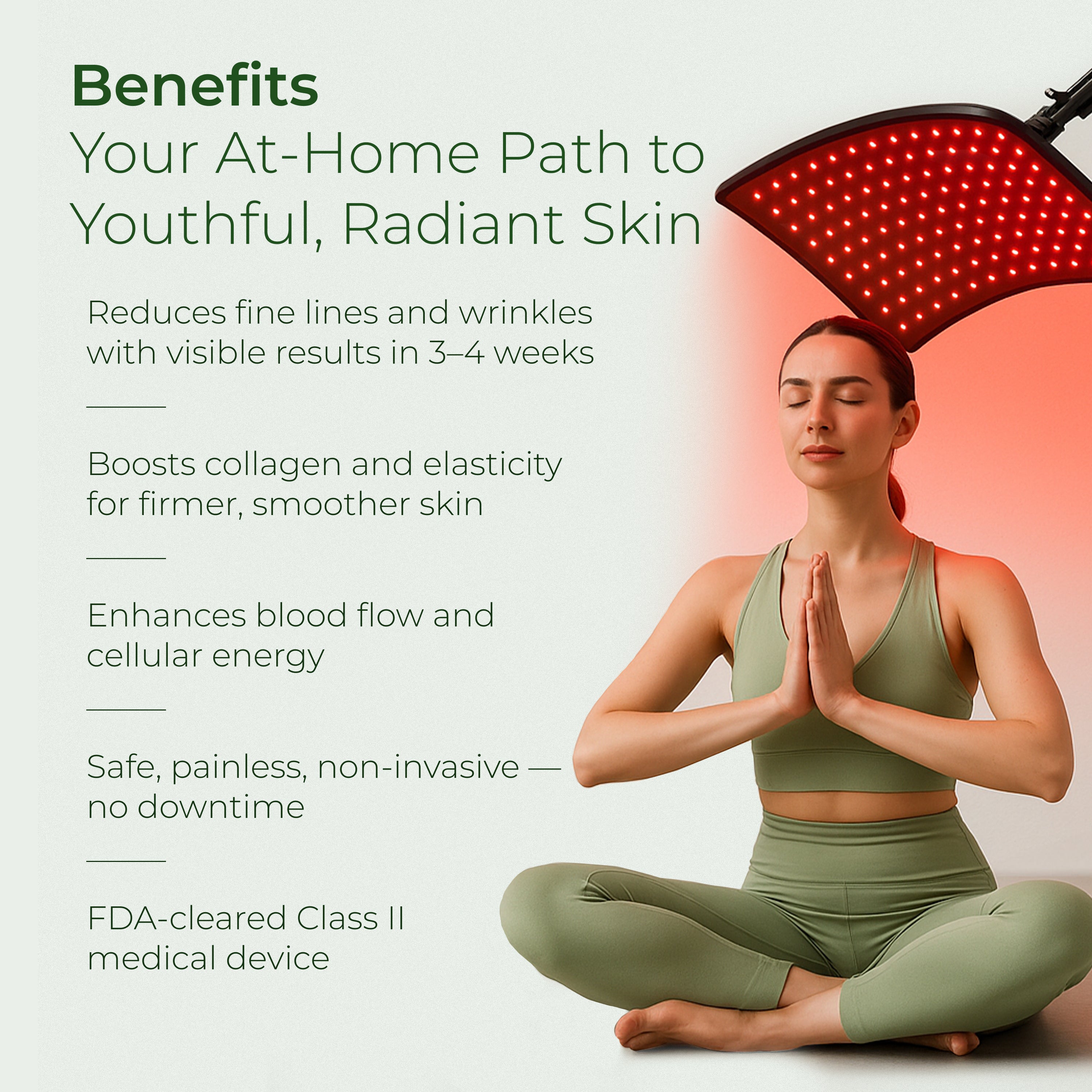
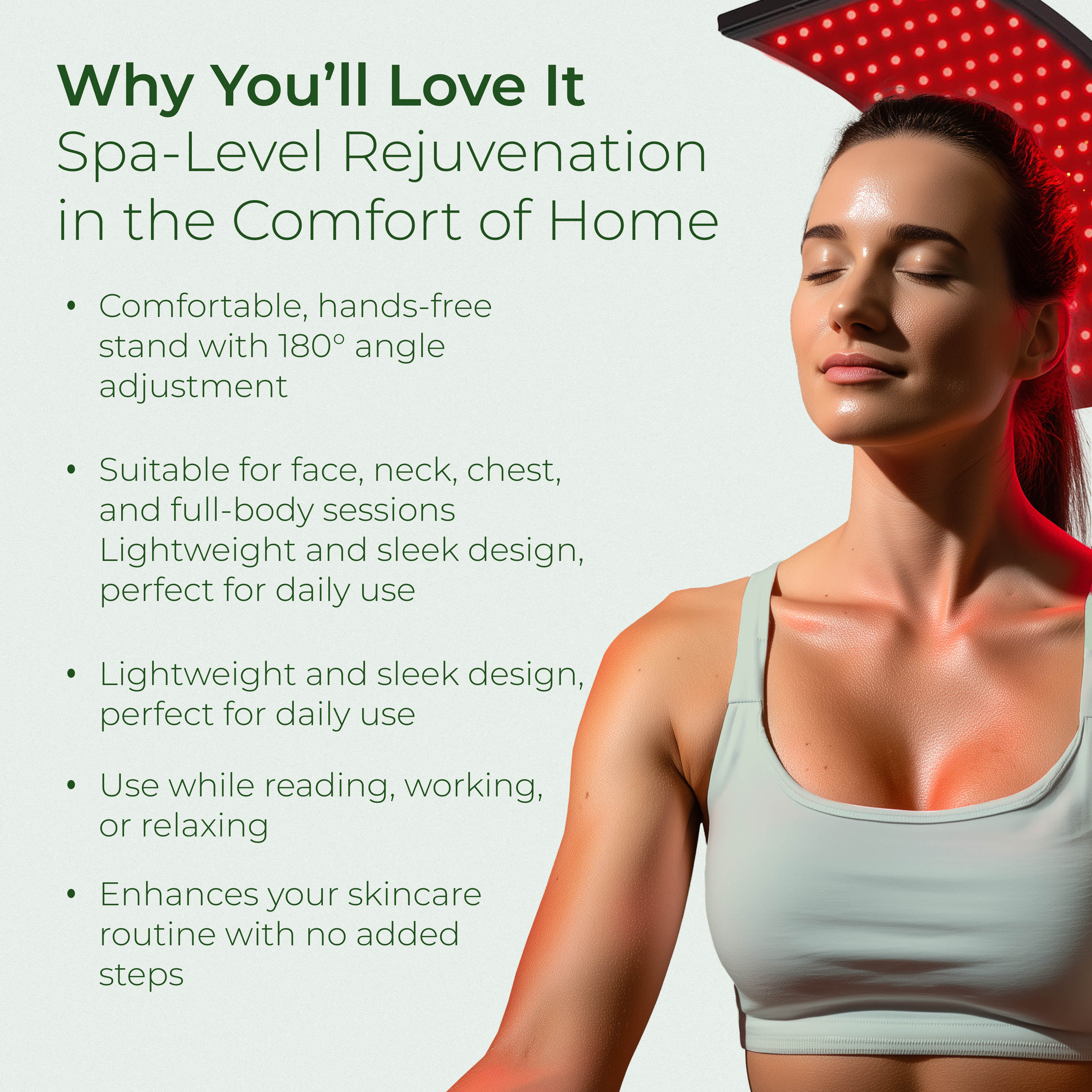
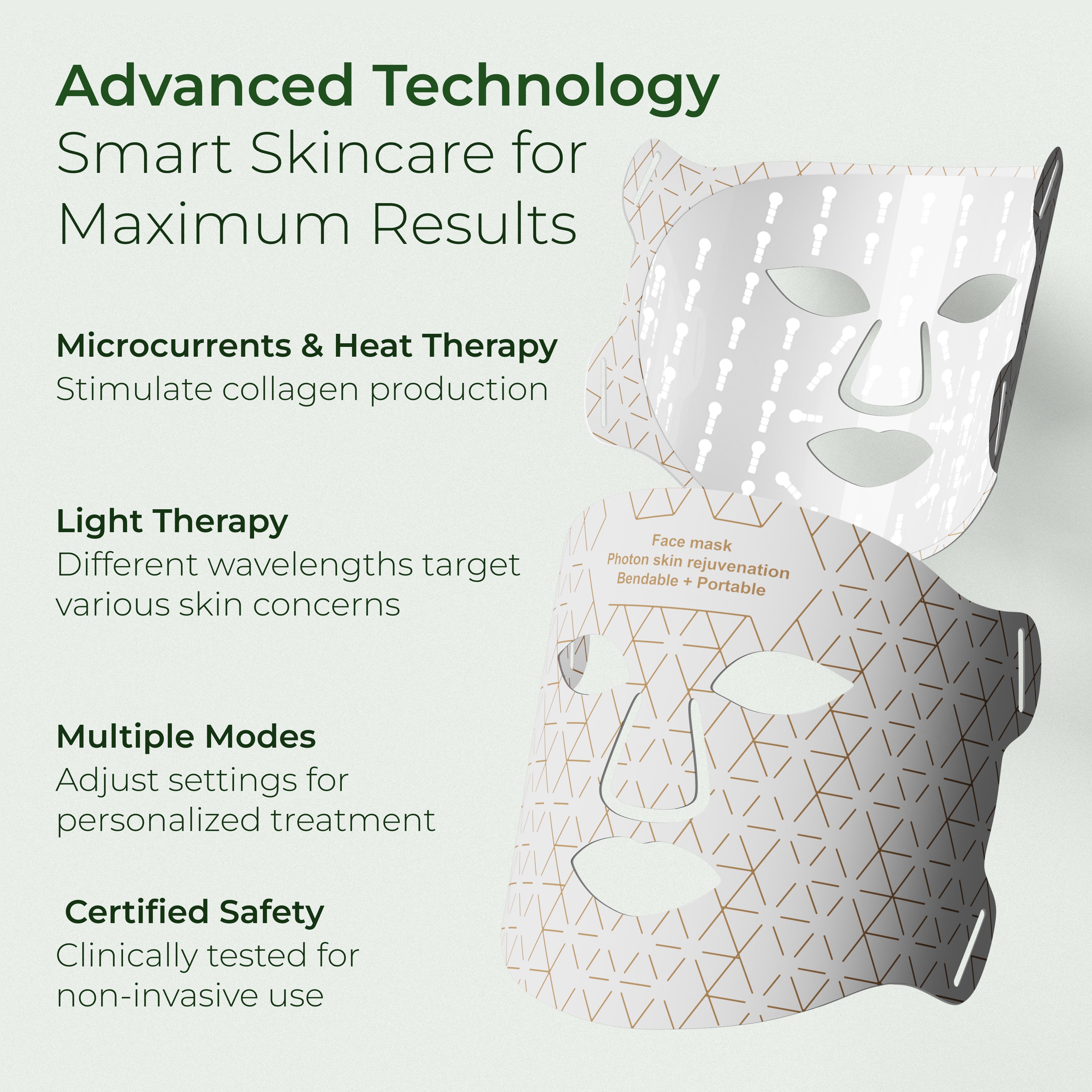
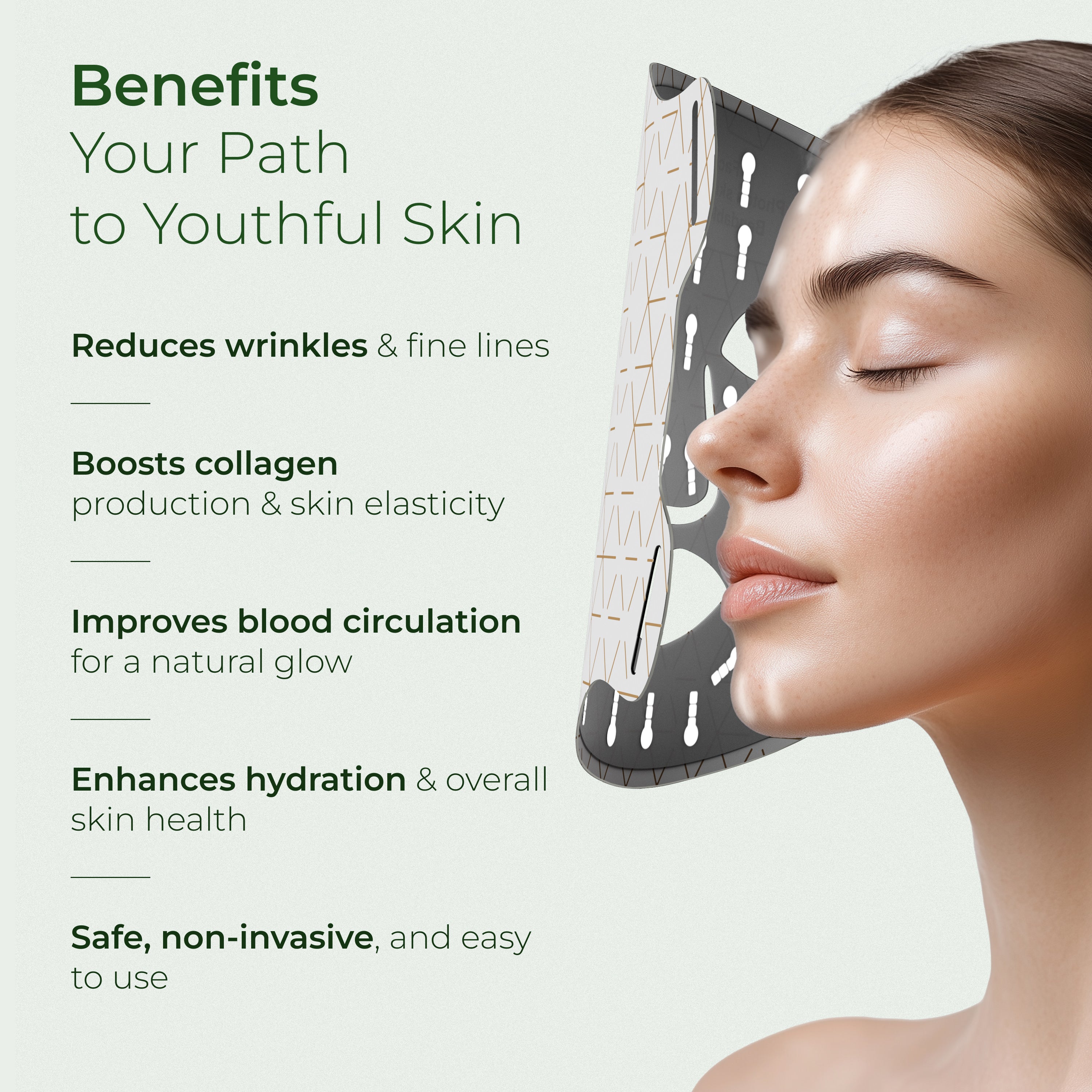
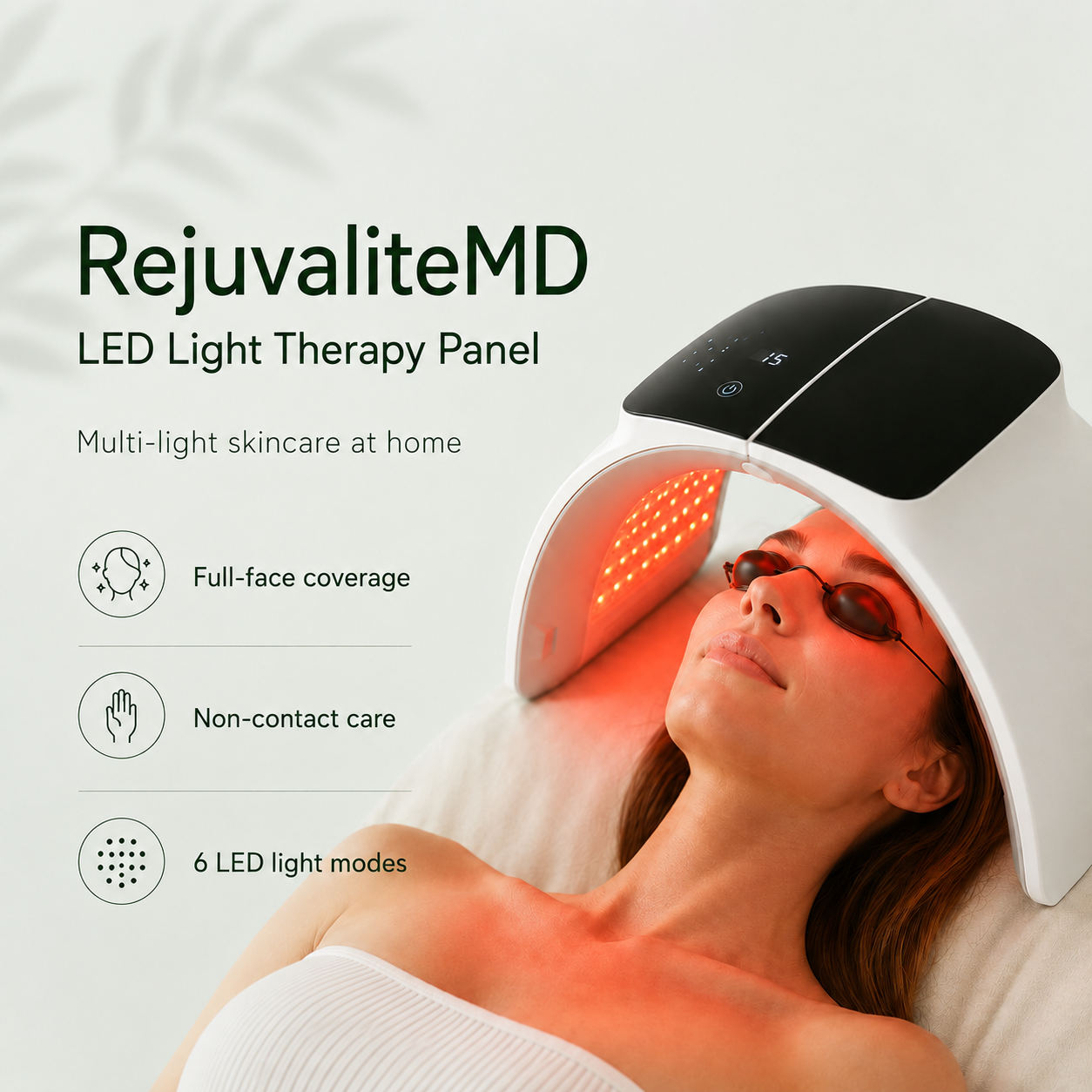
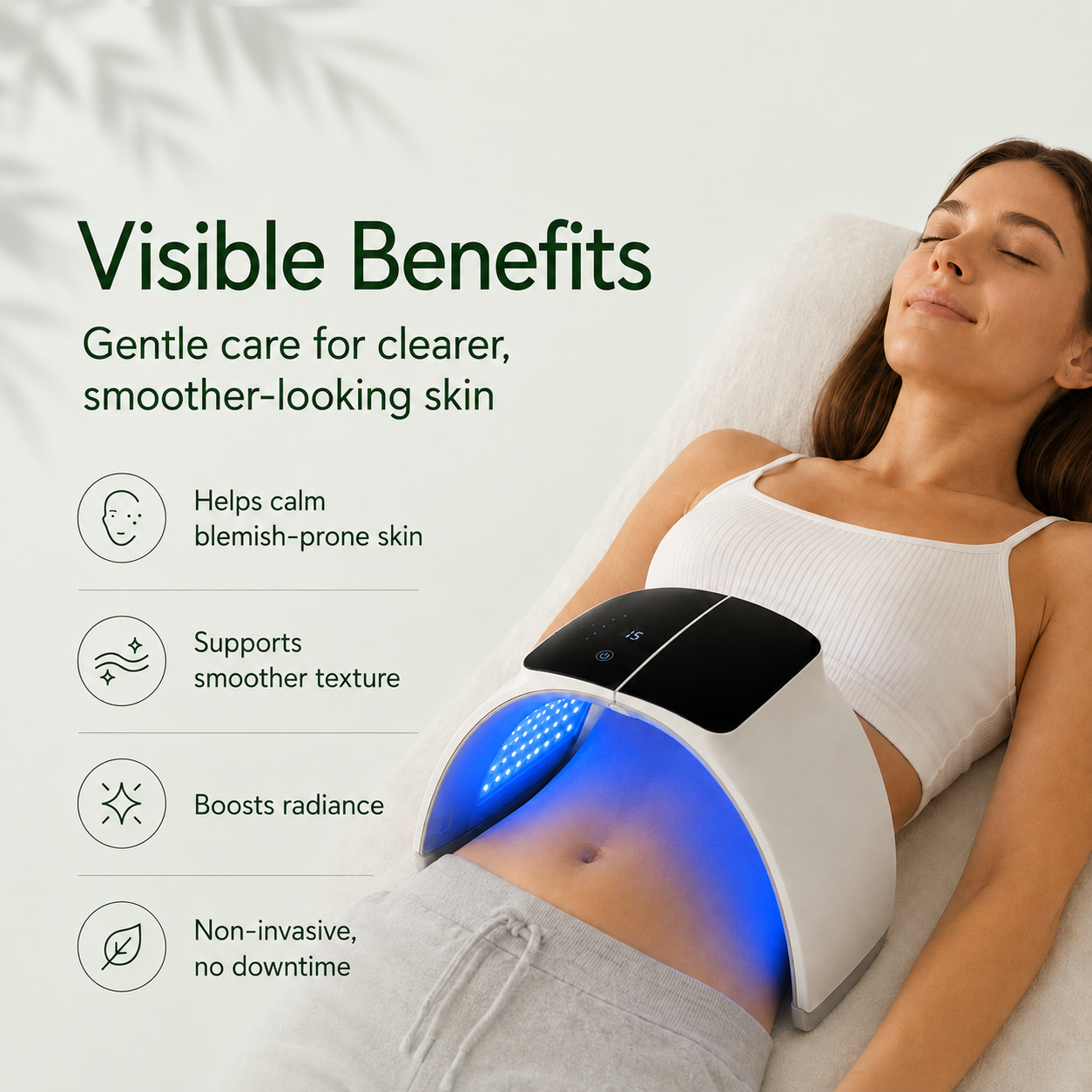
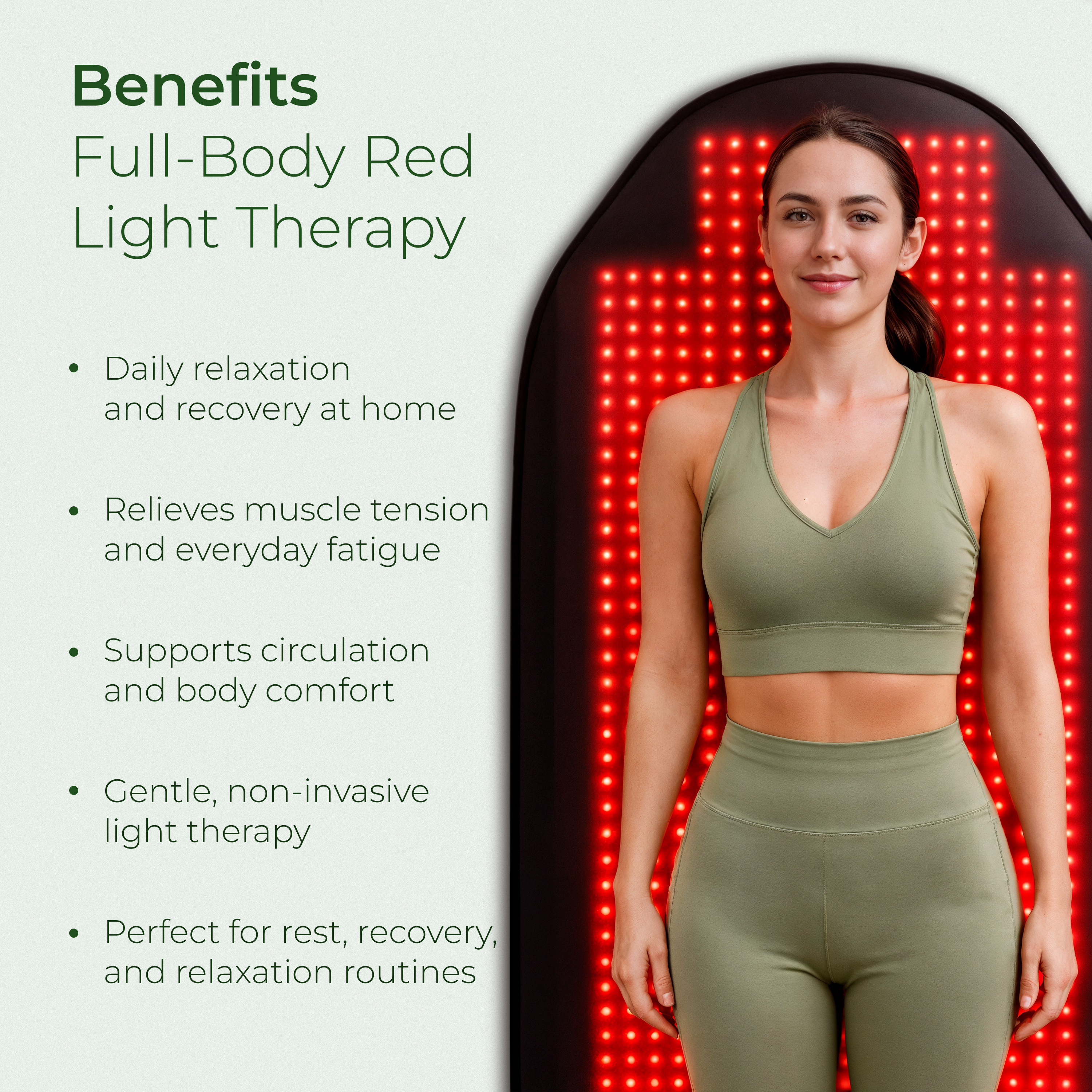
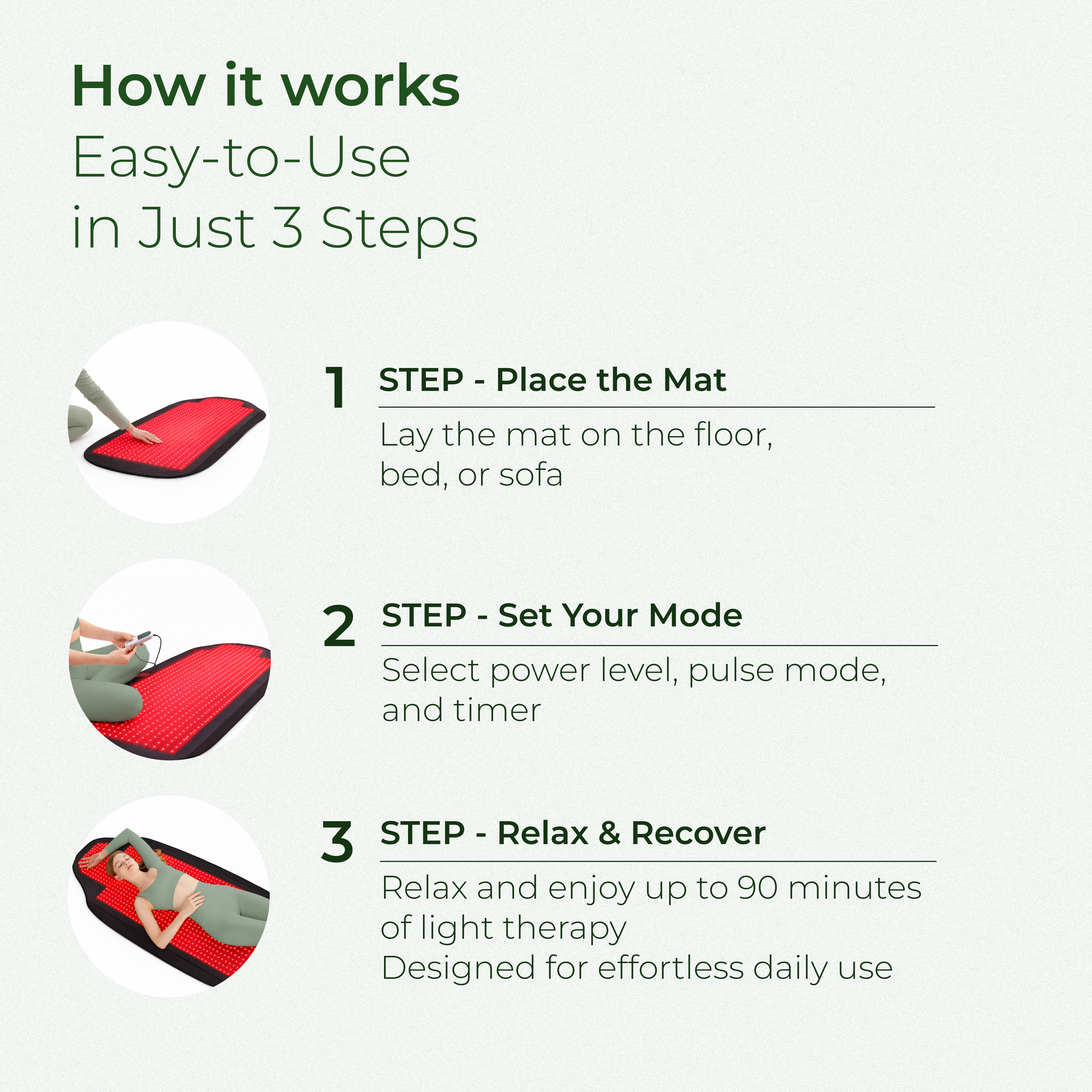
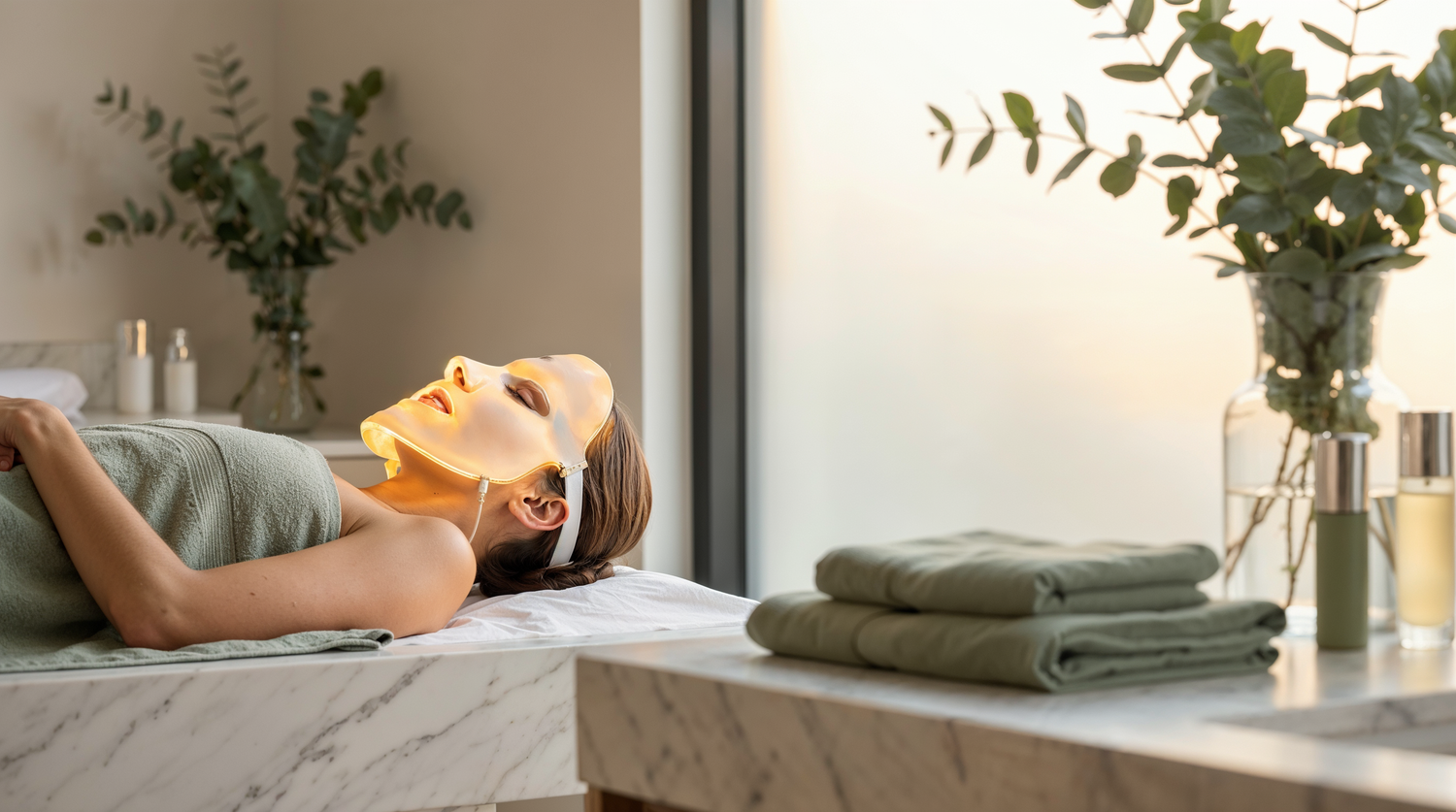
Quick Answer: Yellow LED light therapy (also called amber light therapy) uses wavelengths between 570-590nm to calm redness, boost circulation, and soothe sensitive skin. It's particularly effective for rosacea, post-procedure healing, and achieving that coveted "lit from within" glow — all without irritation or downtime.
If your skin flushes easily, reacts to everything, or just looks perpetually tired, yellow LED light therapy might be the gentle solution you've been searching for. Unlike its more intense cousins (red and blue light), yellow light works at the skin's surface to calm inflammation and improve circulation without overstimulating sensitive complexions.
This therapy has quietly become a favorite among dermatologists and estheticians for post-treatment recovery and chronic redness — and now, with at-home LED devices, you can harness these benefits in your own bathroom. In our comprehensive guide to LED light therapy colors and their benefits, we explore how different wavelengths target different skin concerns. Today, let's dive deep into what makes yellow light special.
What Is Yellow LED Light Therapy?
Yellow LED light therapy — sometimes called amber light therapy — is a non-invasive skin treatment that uses light-emitting diodes at wavelengths between 570 and 590 nanometers. This amber-hued light penetrates the upper layers of skin (about 0.5 to 2mm deep), where it energizes cells and triggers beneficial biological responses.
Unlike red light, which penetrates deeper to stimulate collagen production in the dermis, yellow light focuses on surface-level concerns like redness, uneven tone, and poor circulation. The treatment is completely painless — most people describe it as relaxing, like basking in warm, gentle sunlight.
Pro Tip: Yellow light at 590nm is absorbed by hemoglobin in blood vessels, helping to reduce their visibility. This is why it's particularly effective for rosacea and visible capillaries — the light essentially helps "shrink" dilated blood vessels.
6 Key Yellow LED Light Therapy Benefits
What does yellow light therapy do, exactly? Here are the science-backed benefits that make this treatment worth considering for your skincare routine:
1. Calms Redness and Rosacea
Yellow light's anti-inflammatory properties make it exceptional for soothing flushed, reactive skin. By targeting blood vessels and reducing inflammation, it helps even out skin tone and minimize the chronic redness associated with rosacea.
2. Boosts Circulation and Lymphatic Flow
The amber wavelengths stimulate blood flow and encourage lymphatic drainage, helping to de-puff the face, remove toxins, and deliver more oxygen and nutrients to skin cells. The result? That coveted healthy, lit-from-within glow.
3. Accelerates Post-Treatment Healing
After procedures like microneedling, chemical peels, or laser treatments, yellow LED can speed recovery and reduce redness. Many estheticians use it immediately post-procedure to calm inflammation.
4. Supports Collagen Production
While not as deep-penetrating as red light, yellow light still stimulates fibroblasts — the cells responsible for producing collagen. Studies show a measurable improvement in skin texture with consistent use.
5. Reduces Hyperpigmentation
Research indicates yellow light can help regulate melanin production, potentially fading sun spots and age spots over time. It works by calming overactive melanocytes.
6. Enhances Overall Skin Radiance
By improving circulation and cellular energy, yellow light therapy leaves skin looking more vibrant and healthy — even after just one session.
Bottom line: Yellow LED light therapy is the "sensitive skin specialist" of the LED family — gentle enough for reactive complexions while still delivering visible results for redness, circulation, and overall radiance.
How Yellow Light Works on Your Skin
When yellow LED light reaches your skin, several key mechanisms activate at the cellular level. The light is absorbed by chromophores — light-sensitive molecules in your cells — which then trigger beneficial responses.
Specifically, yellow light interacts with mitochondrial protoporphyrin IX, boosting ATP (cellular energy) production. This energizes cells, accelerating their natural repair and renewal processes. The 590nm wavelength is also absorbed by hemoglobin in blood vessels, which helps reduce visible capillaries and persistent redness.
Interestingly, research has shown that pulsed yellow LED (delivered in specific on-off patterns) may be more effective than continuous light delivery. Professional-grade devices often use patented pulsing sequences to optimize cellular response.
Yellow vs. Red vs. Blue Light Therapy
Each LED color serves a different purpose. Understanding these differences helps you choose the right therapy — or combination — for your skin concerns:
Many multi-light devices combine yellow with red or near-infrared for synergistic benefits. This "polychromatic" approach can address multiple concerns in a single session — like calming surface redness while simultaneously boosting deeper collagen production.
Yellow LED Light Therapy Before and After: What to Expect
Wondering how long until you see results? Here's a realistic timeline based on consistent use (3-4 sessions per week, 15-20 minutes each):
After First Session
Immediate healthy glow and slight de-puffing. Skin feels calm and soothed. These effects last several hours.
Week 2-3
Noticeable reduction in daily redness. Skin appears more even-toned. Post-treatment redness (if using alongside other treatments) resolves faster.
Week 4-6
Significant improvement in chronic redness and rosacea symptoms. Skin texture appears smoother. Fine lines may look softer due to improved hydration.
Week 8+
Cumulative benefits peak. Collagen improvement becomes visible. Maintenance sessions (1-2x weekly) sustain results long-term.
Pro Tip: Consistency matters more than session length. Three 15-minute sessions per week will outperform one 45-minute session. Your skin responds better to regular, moderate stimulation than occasional intense treatments.
How to Use Yellow LED Light Therapy at Home
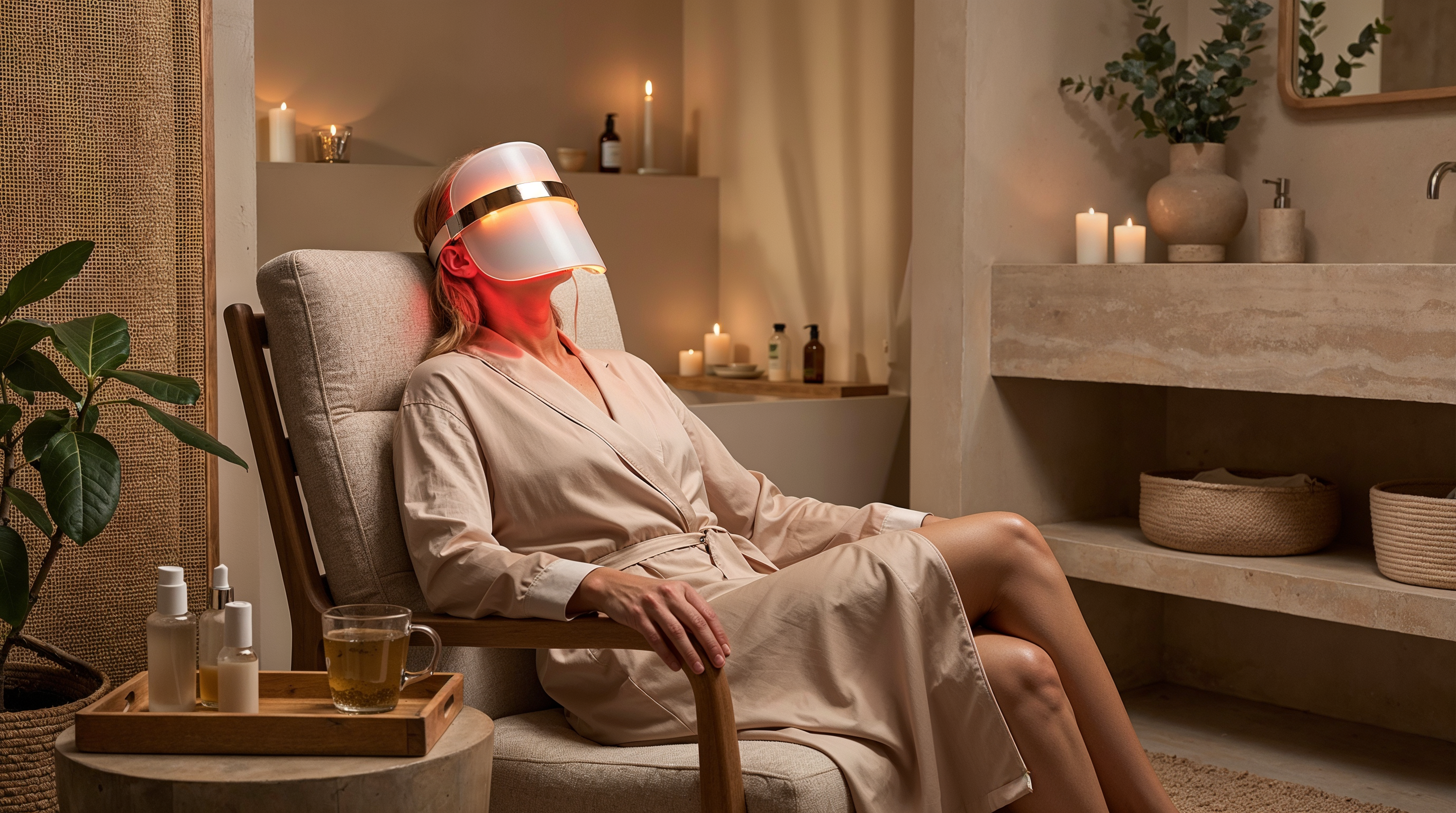
At-home LED devices have made professional-level light therapy accessible to everyone. Here's how to get the most from your yellow LED sessions:
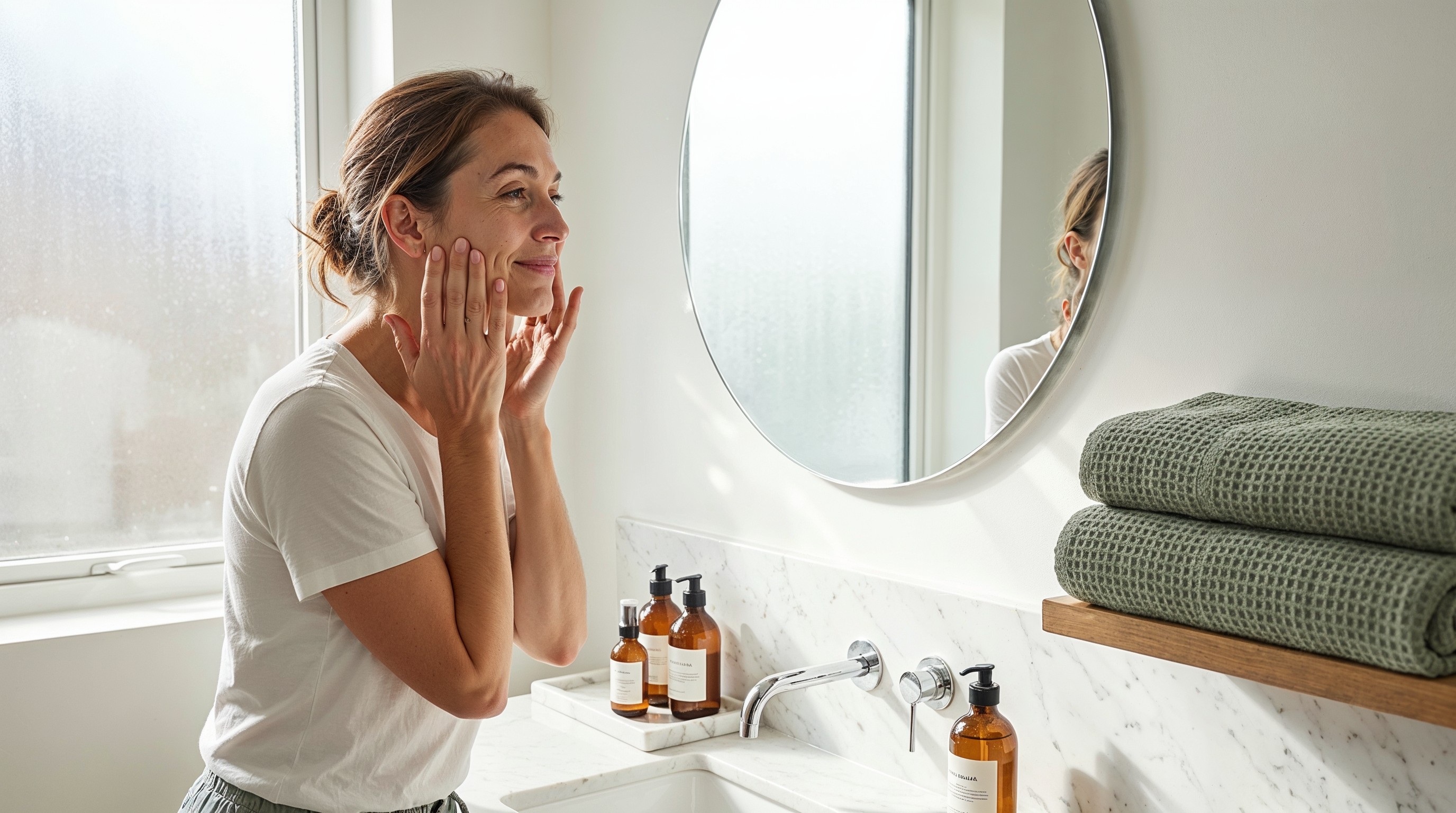
1. Start with clean skin. Remove all makeup, sunscreen, and skincare products. Light needs a clear path to reach skin cells effectively.
2. Protect your eyes. Use the eye protection provided with your device, or keep eyes closed during treatment.
3. Position correctly. Hold handheld devices 6-12 inches from skin, or wear LED masks according to manufacturer instructions.
4. Time your sessions. Most devices recommend 10-20 minutes per session, 3-4 times per week. Don't exceed recommendations — more isn't always better.
5. Apply serums after. Post-LED is the perfect time for your favorite hydrating serums — freshly energized cells absorb active ingredients more effectively.
Discover TrophySkin LED Therapy
Our professional-grade LED devices combine multiple wavelengths — including yellow, red, and near-infrared — to address multiple skin concerns in one convenient at-home treatment. Clinically proven. Spa-level results.
Explore LED Devices →Frequently Asked Questions
Unlike red light, which penetrates deeper to stimulate collagen production in the dermis, yellow light focuses on surface-level concerns like redness, uneven tone, and poor circulation. The treatment is completely painless — most people describe it as relaxing, like basking in warm, gentle sunlight.
📚 Continue Your Reading
Main Guide: LED Light Therapy Colors Explained — Comprehensive overview of all LED wavelengths and their benefits
Complete Resource: Complete Guide to LED Light Therapy — Everything you need to know about at-home light therapy
⚕️ Medical Disclaimer
This article is for educational purposes only and does not replace professional medical advice. Consult a board-certified dermatologist before starting any new skincare regimen, especially if you have existing skin conditions, photosensitivity, or take medications that increase light sensitivity.

Leave a comment
This site is protected by hCaptcha and the hCaptcha Privacy Policy and Terms of Service apply.