







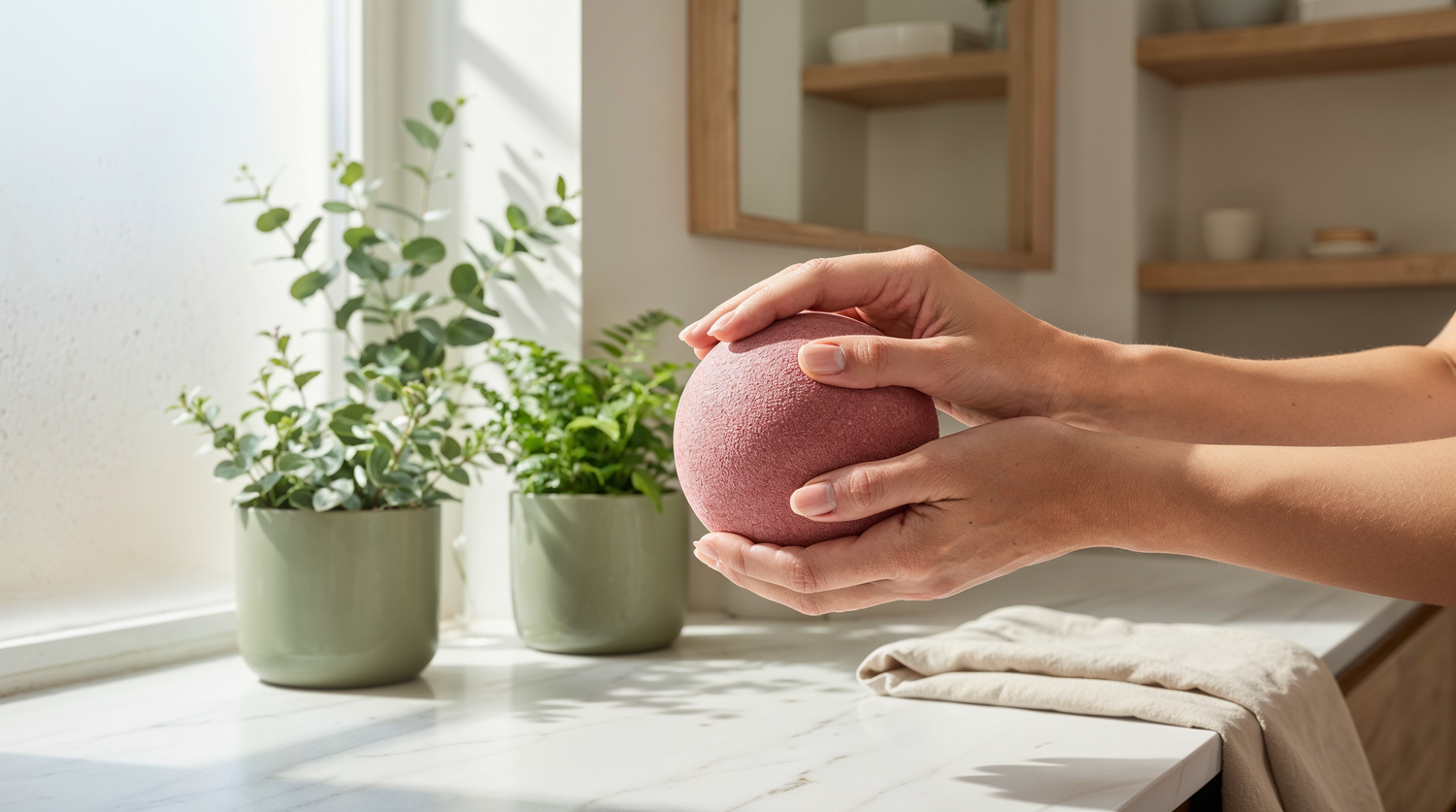
Quick Answer: Hand exercise ball exercises strengthen grip, improve flexibility, and relieve stress through simple squeezing, rolling, and pinching movements. Start with 10-15 repetitions of basic squeezes, 2-3 times daily, using a soft resistance ball. Progress to firmer balls and advanced techniques as your hand strength improves over 4-6 weeks.
Your hands work tirelessly every day—typing emails, scrolling through your phone, carrying groceries, and countless other tasks you barely notice. Yet most of us never think about hand health until something goes wrong. The truth is, hand exercise ball exercises offer one of the simplest and most effective ways to maintain strong, flexible, pain-free hands while melting away the tension that accumulates from modern life.
Whether you're looking to build grip strength, recover from an injury, manage arthritis discomfort, or simply find a mindful way to de-stress during your workday, a simple exercise ball can become your most versatile wellness tool. These hand strengthening exercises with a ball require no gym membership, take just minutes a day, and deliver results you can feel within weeks.
In this comprehensive guide, we'll walk you through everything from choosing the right ball to mastering exercises for every skill level—plus specific routines for common hand conditions.
Why Hand Exercise Ball Exercises Matter
Our hands contain an intricate network of 27 bones, over 30 muscles, and more than 100 ligaments and tendons working in perfect coordination. This remarkable complexity allows for everything from delicate movements like threading a needle to powerful actions like opening a stubborn jar. However, this complexity also means our hands are vulnerable to strain, weakness, and injury—especially in our device-dominated world.
Benefits for Strength and Flexibility
Regular hand exercise ball exercises deliver measurable improvements in grip strength, finger dexterity, and joint flexibility. Research shows that consistent hand strengthening can increase grip power by 20-30% within 8 weeks of regular practice. This translates to real-life benefits: easier jar opening, more comfortable typing, better sports performance, and reduced fatigue during daily tasks.
Beyond strength, these exercises maintain and improve the range of motion in your fingers, thumbs, and wrists. The squeezing and releasing motions pump synovial fluid through your joints, providing natural lubrication that keeps everything moving smoothly. This is particularly valuable as we age, when joint stiffness tends to increase.
The Stress Relief Connection
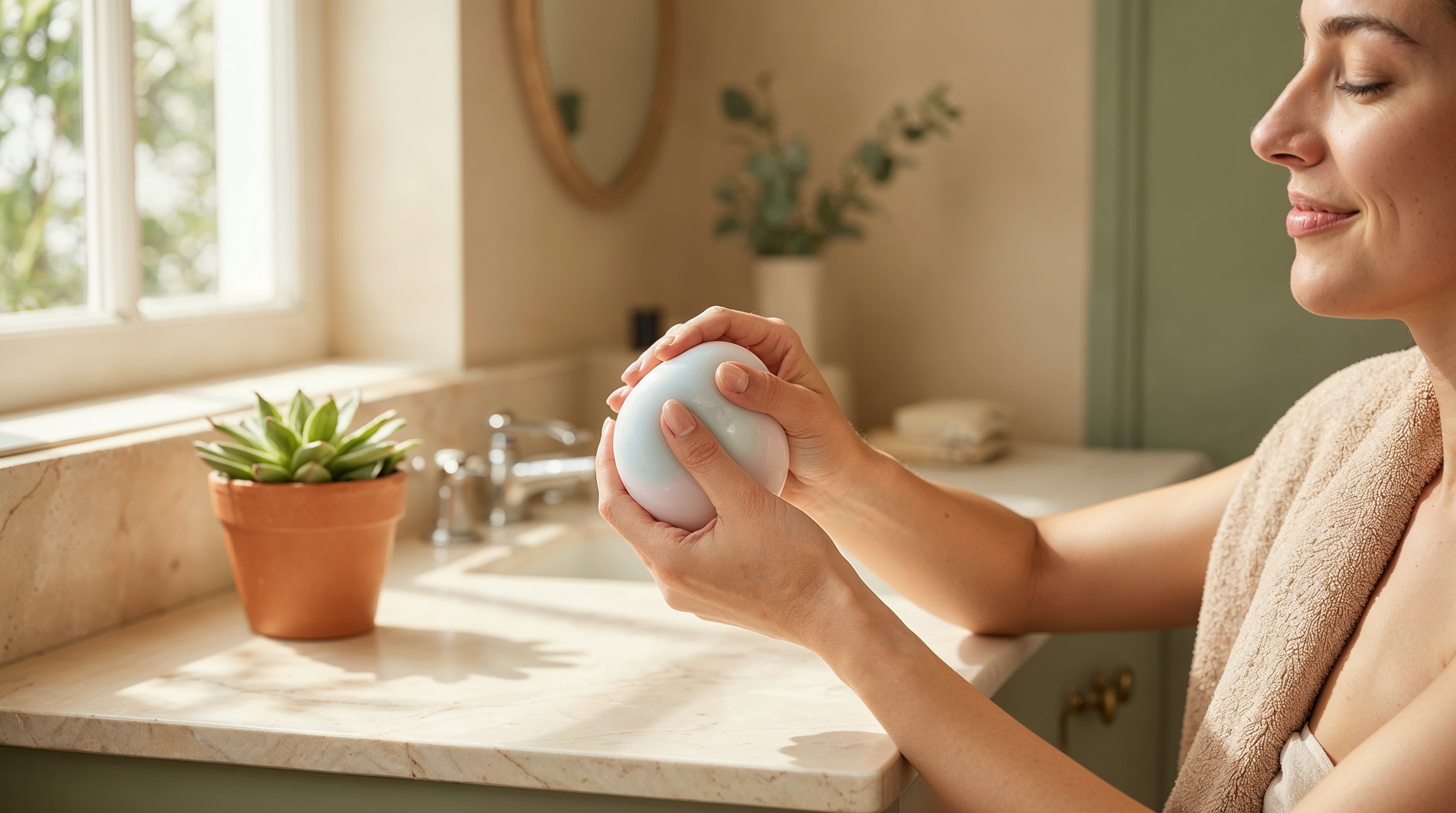
Stress ball exercises aren't just about physical strength—they offer powerful mental health benefits. The repetitive squeezing motion activates the parasympathetic nervous system, triggering a relaxation response that lowers cortisol levels and reduces anxiety. Many therapists recommend stress ball exercises as a simple, accessible tool for managing everyday tension.
The tactile sensation of squeezing a soft ball also provides sensory grounding, which can help interrupt anxious thought patterns and bring focus back to the present moment. This makes stress ball exercises an excellent addition to any mindfulness or self-care practice.
Pro Tip: Keep a stress ball at your desk and squeeze it during stressful calls or while waiting for emails to send. These micro-moments of tension release add up to significant stress reduction throughout your day.
Choosing the Right Hand Exercise Ball
Not all exercise balls are created equal, and selecting the right one can make the difference between effective exercise and frustration. The key factors to consider are resistance level, material, and size—each of which should match your current strength level and goals.
Types of Hand Exercise Balls
Resistance Levels Explained
Most therapy ball sets come color-coded by resistance. While colors vary by brand, a general rule applies: lighter colors indicate softer resistance, while darker colors mean firmer balls. Start with the softest option if you're new to hand exercises or recovering from an injury, and progress to firmer balls as your strength improves.
The right resistance level should allow you to complete 10-15 repetitions with moderate effort. If you can easily do 20+ squeezes without fatigue, it's time to progress to a firmer ball. Conversely, if you struggle to complete 8 repetitions, choose a softer option to avoid strain.
Start soft, progress gradually. It's always better to begin with less resistance and build up than to strain your hands with a ball that's too firm. Your hands should feel pleasantly worked after a session, not painful or fatigued.
12 Best Hand Exercise Ball Exercises
These hand exercise ball exercises progress from foundational movements to advanced techniques. Master each level before moving to the next, and always listen to your body—mild muscle fatigue is normal, but sharp pain is a signal to stop.
🌱 Beginner Exercises
1. Full Hand Squeeze
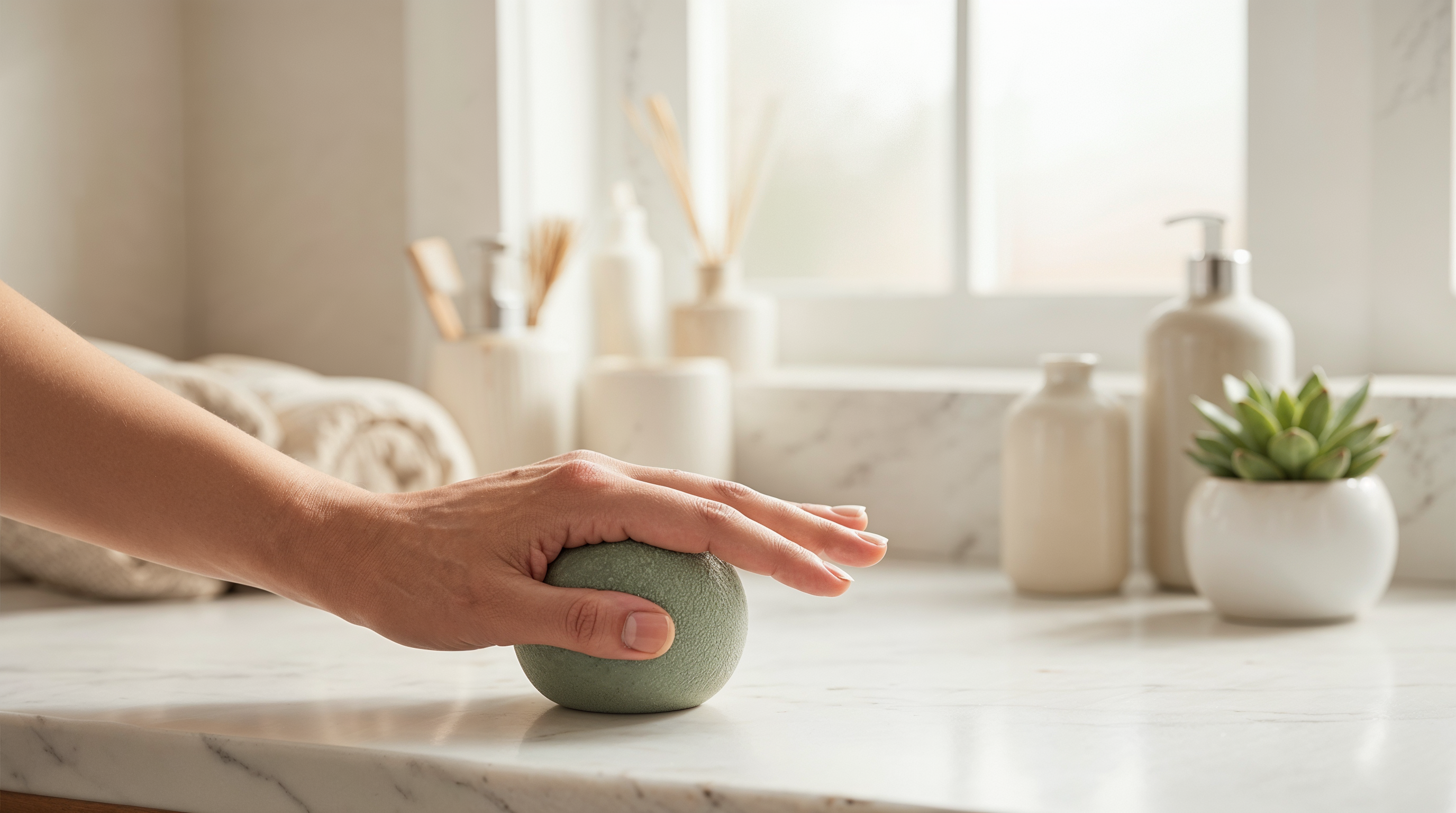
Hold the ball in your palm and wrap all fingers around it. Squeeze firmly for 3-5 seconds, then slowly release. This foundational stress ball exercise engages your entire grip and is perfect for building baseline strength. Perform 10-15 repetitions on each hand, 2-3 times daily.
2. Finger Press
Place the ball on a flat surface and press down using just your fingertips, keeping your palm lifted. This isolates the finger flexor muscles and improves fingertip strength for activities like typing and gripping. Hold each press for 3 seconds, completing 10 repetitions per hand.
3. Thumb Push
Hold the ball in your palm and use your thumb to push into the ball while keeping your fingers still. This targets the thenar muscles at the base of your thumb—essential for pinch strength. Perform 10-12 repetitions, holding each push for 2-3 seconds.
4. Palm Roll
Place the ball on a table and roll it in circles using your palm. Apply gentle downward pressure as you roll. This exercise improves wrist mobility and provides a gentle massage for the palm. Roll for 30 seconds in each direction, then switch hands.
💪 Intermediate Exercises
5. Finger Spread
Press the ball between two extended fingers and squeeze them together against the ball's resistance. Work through each finger pair: index-middle, middle-ring, and ring-pinky. This strengthens the interosseous muscles between your fingers. Complete 8-10 squeezes per finger pair.
6. Pinch Grip
Pinch the ball between your thumb and each finger individually, squeezing for 3 seconds each. This hand therapy ball exercise specifically targets the precision grip used in fine motor tasks. Work through all four fingers on each hand for 2-3 rounds.
7. Wrist Flexion Squeeze
Hold the ball with your wrist bent downward (flexed) and squeeze. This challenges your grip in a different position and strengthens the wrist flexors simultaneously. Hold each squeeze for 5 seconds, completing 8-10 repetitions per hand.
8. Finger Walk
Hold the ball in your palm and "walk" your fingers across its surface, pressing each finger into the ball sequentially. This improves individual finger control and coordination while building strength. Complete 5 "walks" forward and backward on each hand.
Pro Tip: Slow, controlled movements are more effective than fast, rushed squeezes. Focus on feeling the muscle engagement throughout each repetition rather than racing through your sets.
🔥 Advanced Exercises
9. Single Finger Squeeze
Using just one finger at a time (supported by your thumb), press the ball. This isolating movement builds remarkable finger strength and is excellent for musicians, climbers, and anyone needing powerful individual finger control. Start with 5 repetitions per finger and build up gradually.
10. Power Pulse
Squeeze the ball with maximum force for 1 second, release for 1 second, and repeat rapidly for 30-60 seconds. This hand strengthening exercise with a ball builds muscular endurance and is particularly useful for sports performance. Rest 30 seconds between sets.
11. Figure-8 Manipulation
Weave the ball through your fingers in a figure-8 pattern while maintaining light squeezing pressure. This advanced exercise combines strength, dexterity, and coordination. Practice for 1-2 minutes per hand, increasing speed as you improve.
12. Eccentric Release
Squeeze the ball with full force, then release as slowly as possible—taking 5-10 seconds to fully open your hand. The slow, controlled release (eccentric phase) builds strength in a way that quick releases don't. Perform 8-10 repetitions per hand.
Hand Therapy Ball Exercises for Specific Conditions
While the exercises above benefit everyone, certain conditions require modified approaches. These hand therapy ball exercises are adapted for common hand and wrist issues—but always consult your healthcare provider before starting any new exercise program, especially if you're managing a medical condition.
For Arthritis
Arthritis requires a gentle approach focused on maintaining mobility without aggravating inflammation. Use the softest ball available and perform exercises during times when stiffness is highest—typically morning. The Full Hand Squeeze and Palm Roll are particularly beneficial, as they increase blood flow and joint lubrication without excessive strain.
Key modifications: reduce repetitions to 5-8 per exercise, avoid any movements that cause pain, and warm your hands in warm water before exercising. Consistency matters more than intensity—gentle daily practice outperforms occasional intense sessions.
For Carpal Tunnel Syndrome
Carpal tunnel sufferers should focus on exercises that don't require extreme wrist positions. Keep your wrist in a neutral position (not flexed or extended) during all exercises. The Finger Press and Finger Spread exercises are excellent choices because they strengthen hands without compressing the carpal tunnel.
Avoid: prolonged gripping, exercises with bent wrists, and high-resistance balls. Take frequent breaks if you experience tingling or numbness, and consider performing exercises after wrist stretches to prepare the tissues.
For Post-Injury Rehabilitation
After a hand or wrist injury (once cleared by your doctor), therapy balls help rebuild strength progressively. Start with the softest ball and most basic exercises—even if they feel too easy. The goal is gradual tissue adaptation, not immediate strength gains.
Begin with 3-5 repetitions of Full Hand Squeeze and Thumb Push, increasing by 1-2 repetitions weekly. Progress to intermediate exercises only after you can comfortably complete 15 repetitions of all beginner exercises without discomfort.
Important: Stop any exercise immediately if you experience sharp pain, increased swelling, or numbness. These symptoms may indicate that the exercise is too intense or inappropriate for your condition. Consult a healthcare provider before continuing.
Creating Your Hand Exercise Routine
The best exercise routine is one you'll actually follow. For hand exercise ball exercises, consistency trumps duration—five minutes daily delivers better results than occasional 30-minute sessions. Here's how to structure your practice for optimal results.
Daily Routine Structure
Morning (2-3 minutes): Start with gentle exercises to wake up your hands. Palm Rolls and Full Hand Squeezes increase blood flow and prepare your hands for the day's tasks. This is especially valuable if you experience morning stiffness.
Midday (2-3 minutes): Use stress ball exercises as a break from repetitive tasks like typing. Finger Press and Pinch Grip exercises counter the effects of holding your hands in static positions.
Evening (2-3 minutes): End with relaxation-focused exercises like Palm Roll and gentle Full Hand Squeezes. This helps release accumulated tension and prepares your hands for rest.
What to Expect: Your Progress Timeline
Week 1-2: Adaptation
Your hands may feel slightly fatigued after sessions—this is normal. Focus on learning proper technique and establishing the habit. You may notice improved relaxation from stress ball exercises.
Week 3-4: Early Gains
Exercises start feeling easier—a sign your muscles are adapting. You may notice slightly better grip during daily activities and reduced hand fatigue from typing or phone use.
Week 5-8: Measurable Improvement
Noticeable strength improvements. Opening jars becomes easier, you can grip objects more firmly, and your current ball may feel too soft—time to progress to a firmer resistance level.
Week 9+: Maintenance Phase
Continue daily practice to maintain gains. Focus shifts to advanced exercises for continued improvement, or maintain current routine for ongoing hand health and stress relief.
Complete Your Self-Care Routine
At TrophySkin, we believe in holistic wellness that goes beyond skincare. Just as our LED therapy devices support skin health at the cellular level, hand exercises support your overall well-being through mindful movement. Explore our complete range of professional-grade home wellness devices.
Explore Our Collection →Frequently Asked Questions
Conclusion: Your Hands Deserve Attention
Hand exercise ball exercises represent one of the most accessible and effective ways to maintain hand health, build strength, and manage stress—all in just minutes a day. Whether you're using stress ball exercises to decompress during work, hand therapy ball exercises to recover from an injury, or hand strengthening exercises with a ball to improve your grip, the benefits extend far beyond your hands.
Strong, flexible, pain-free hands support everything from your daily activities to your overall quality of life. By starting with the beginner exercises and progressing gradually, you'll build lasting hand health that serves you for years to come. The key is consistency—a few minutes each day compounds into remarkable results over weeks and months.
⚕️ Medical Disclaimer
This article is for educational purposes only and does not replace professional medical advice. Consult a qualified healthcare provider before starting any new exercise program, especially if you have existing hand or wrist conditions, recent injuries, or chronic health conditions. Stop any exercise that causes pain and seek medical attention if symptoms persist.

Hinterlasse einen Kommentar
Diese Website ist durch hCaptcha geschützt und es gelten die allgemeinen Geschäftsbedingungen und Datenschutzbestimmungen von hCaptcha.