



Quick Answer: To get clear skin, follow a consistent routine: cleanse twice daily with a gentle cleanser, exfoliate 2-3 times weekly, moisturize regardless of skin type, wear SPF 30+ daily, and support your skin from within with hydration and balanced nutrition. For faster, more dramatic results, incorporate professional-grade treatments like LED light therapy or microdermabrasion at home.
Did you know that nearly 85% of people experience acne at some point in their lives? If you've ever stood in front of the mirror wondering how to get clear skin once and for all, you're far from alone. The good news is that achieving healthy, glowing skin isn't about expensive spa treatments or complicated 12-step routines—it's about understanding what your skin truly needs and giving it exactly that.
Whether you're battling occasional breakouts, dealing with stubborn texture, or simply want that lit-from-within glow, this comprehensive guide will walk you through everything you need to know. We've combined dermatologist-approved tips with real-world strategies that actually work—plus how modern at-home devices can accelerate your results.
What Causes Unclear Skin?
Before diving into solutions, understanding what's happening beneath the surface can help you target your approach. Clear skin isn't just about what you put on your face—it's a reflection of multiple factors working together.
Excess sebum production happens when your oil glands go into overdrive. This can be triggered by hormonal changes, stress, or using products that strip your skin's natural oils (ironically causing it to produce more).
Dead skin cell buildup is another common culprit. When dead cells don't shed properly, they mix with sebum and block pores—creating the perfect environment for blackheads, whiteheads, and breakouts.
Bacteria and inflammation complete the acne cycle. P. acnes bacteria thrive in clogged pores, triggering the inflammatory response that creates those red, painful bumps we all dread.
Environmental factors like pollution, UV exposure, and even the blue light from your devices can contribute to dullness, premature aging, and skin damage that makes achieving clear skin more challenging.
How to Get Clear Skin: Build Your Daily Routine
Consistency is the real secret to clear skin. Here's a dermatologist-approved routine that works for most skin types:
Step 1: Cleanse Properly (Morning & Night)
Washing your face might seem basic, but most people do it wrong. Use a gentle, pH-balanced cleanser with lukewarm water—hot water strips your skin's protective barrier. Cleanse for a full 60 seconds using gentle circular motions, not harsh scrubbing. The American Academy of Dermatology recommends washing twice daily, plus after sweating.
Pro Tip: Double cleansing at night can be a game-changer. Start with an oil-based cleanser to dissolve makeup and sunscreen, then follow with your regular cleanser to remove any remaining impurities.
Step 2: Exfoliate Wisely (2-3x Weekly)
Exfoliation removes dead skin cells that clog pores and cause dullness. But there's a catch: over-exfoliating damages your skin barrier, leading to more breakouts, not fewer. Chemical exfoliants like salicylic acid (BHA) or glycolic acid (AHA) are generally gentler than physical scrubs—and often more effective at keeping pores clear.
Step 3: Moisturize Every Day
Yes, even oily skin needs moisturizer! When skin is dehydrated, it compensates by producing more oil. Choose a lightweight, non-comedogenic moisturizer that won't clog pores. Look for ingredients like hyaluronic acid for hydration without heaviness, or niacinamide for oil control and skin barrier support.
Step 4: Protect with SPF 30+
Sun damage is one of the biggest enemies of clear, healthy skin. UV rays cause hyperpigmentation (dark spots), premature aging, and can worsen acne scars. Apply a broad-spectrum SPF 30 or higher every morning—yes, even on cloudy days and when staying indoors (windows don't block all UV rays).
The foundation of clear skin is simple: gentle cleansing, regular exfoliation, consistent moisturizing, and daily sun protection. Master these basics before adding any extras to your routine.
How to Get Clear Skin for Your Skin Type
While the basics apply to everyone, tailoring your approach to your specific skin type can accelerate your results significantly.
For Oily Skin
Resist the urge to over-cleanse or skip moisturizer—both backfire. Instead, use oil-free, gel-based products and incorporate salicylic acid to penetrate and clear pores. Blotting papers throughout the day can manage shine without stripping skin. If you have oily hair, washing it daily can prevent oil transfer to your forehead and temples.
For Dry Skin
Dry skin can still experience breakouts, especially from using the wrong moisturizer. Look for cream-based cleansers that won't strip oils, and rich moisturizers with ceramides and hyaluronic acid. Avoid hot water (it's incredibly drying) and consider using a humidifier in your bedroom.
For Combination Skin
The classic T-zone situation—oily forehead and nose, dry cheeks—requires a balanced approach. You might benefit from using different products on different areas: a lighter gel moisturizer on oily zones and a richer cream on dry patches. Multi-masking (using different masks on different areas) can be particularly effective.
For Sensitive Skin
When your skin is easily irritated, less is more. Stick to fragrance-free, hypoallergenic products with minimal ingredients. Introduce new products one at a time, waiting two weeks between additions to identify any reactions. Centella asiatica (cica) and aloe vera are soothing ingredients that help calm inflammation.
Lifestyle Changes for Healthy, Glowing Skin
Your skincare routine is only part of the equation. What you do outside the bathroom matters just as much—maybe more.
Hydration Is Non-Negotiable
Your skin cells need water to function optimally and maintain that plump, healthy appearance. Aim for 8 glasses daily, more if you're active or in a dry climate. Herbal teas count, but caffeinated beverages and alcohol can be dehydrating, so balance them with extra water.
Eat for Your Skin
Research increasingly supports the diet-skin connection. Foods high in refined sugars and dairy have been linked to increased breakouts in some people. On the flip side, foods rich in omega-3 fatty acids (salmon, walnuts), antioxidants (berries, leafy greens), and zinc (pumpkin seeds, chickpeas) support skin health from within.
Pro Tip: Keep a food diary for 2-4 weeks if you suspect dietary triggers. Note what you eat and any breakouts that follow. Many people discover personal triggers like dairy, chocolate, or high-glycemic foods.
Prioritize Quality Sleep
There's a reason it's called "beauty sleep." During deep sleep, your body increases blood flow to the skin, rebuilds collagen, and repairs UV damage. Adults need 7-9 hours per night. Sleeping on a silk pillowcase can reduce friction and help skin (and hair) retain moisture.
Manage Stress
Stress triggers cortisol release, which increases oil production and inflammation—a perfect storm for breakouts. Find what helps you decompress, whether that's exercise, meditation, time in nature, or a good book. Regular physical activity also boosts circulation, delivering more oxygen and nutrients to skin cells.
Important: Never pick or pop pimples! This can push bacteria deeper, increase inflammation, cause scarring, and spread breakouts to surrounding areas. Hands off is the golden rule.
How to Get Clear Skin Faster: Professional Treatments at Home
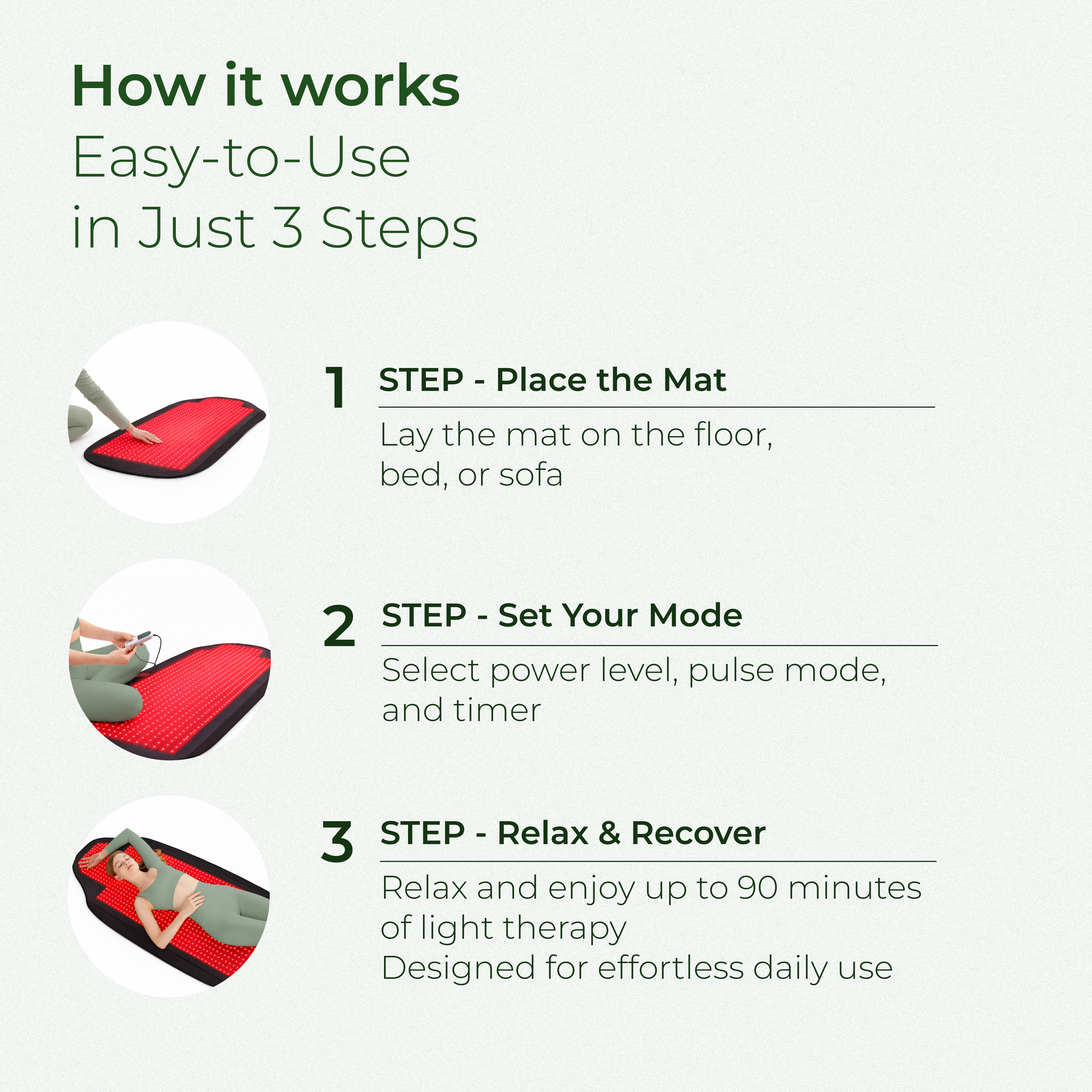
While a solid routine and healthy lifestyle form the foundation, professional-grade treatments can dramatically accelerate your results. The good news? Many spa-level treatments are now available for safe, effective home use.
LED Light Therapy
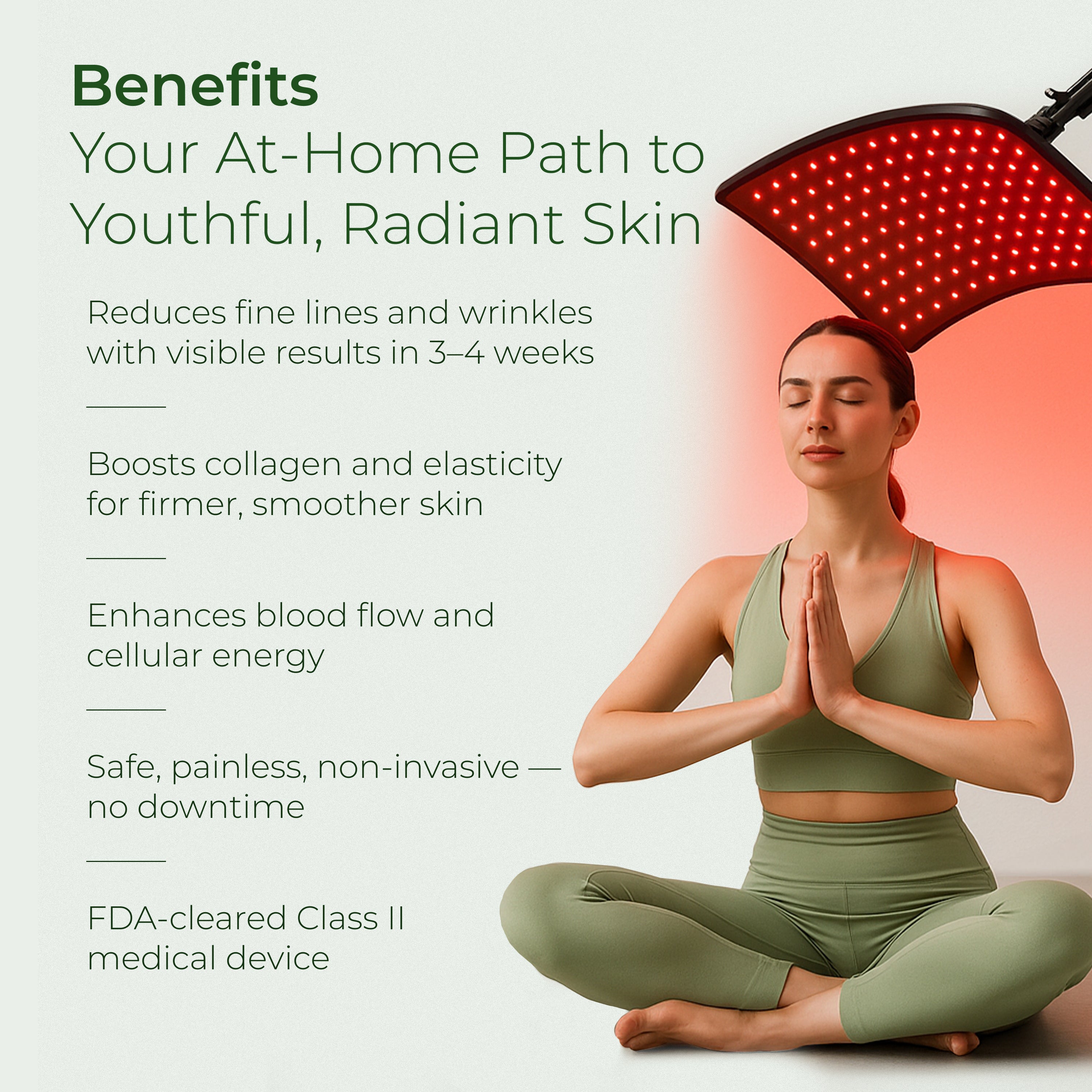
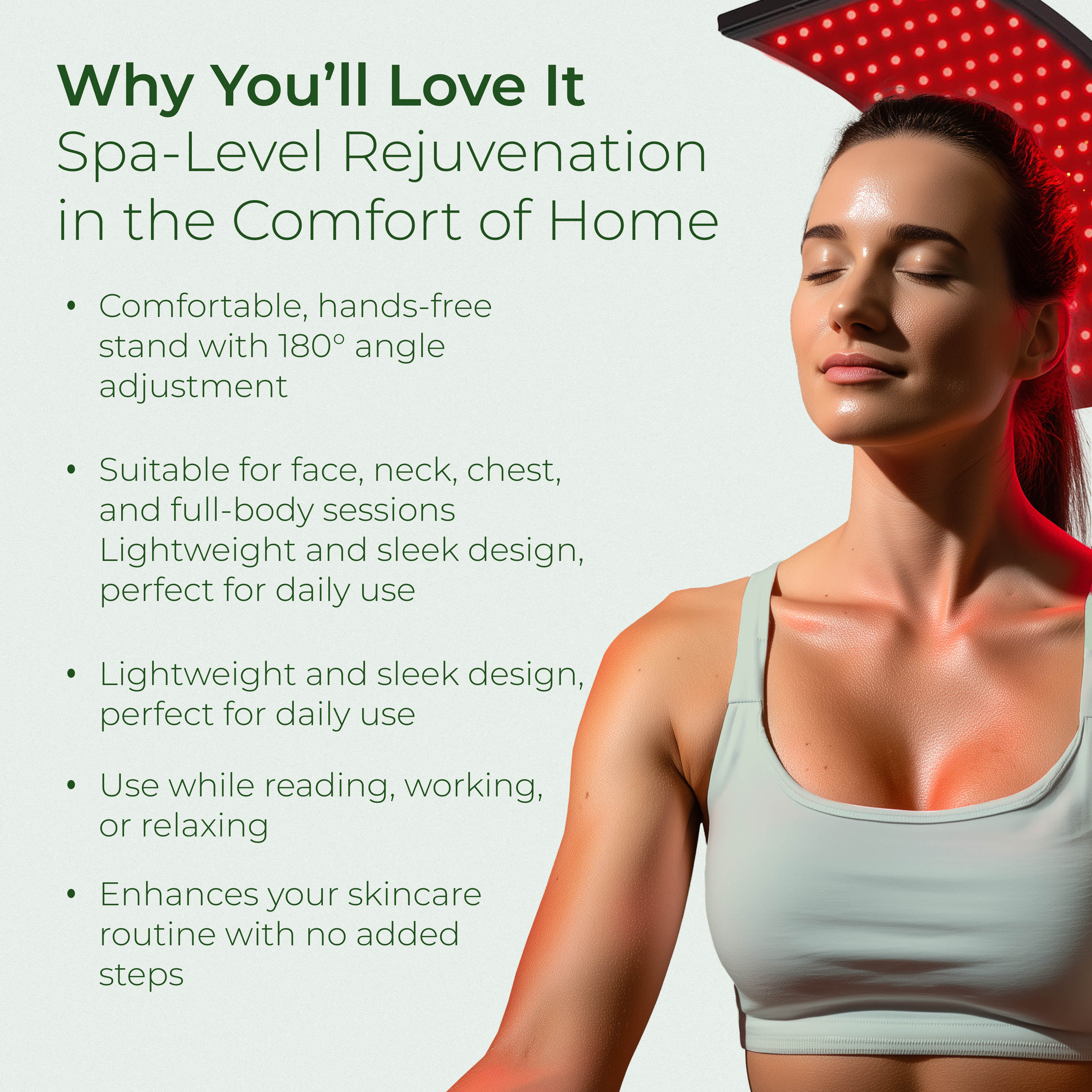
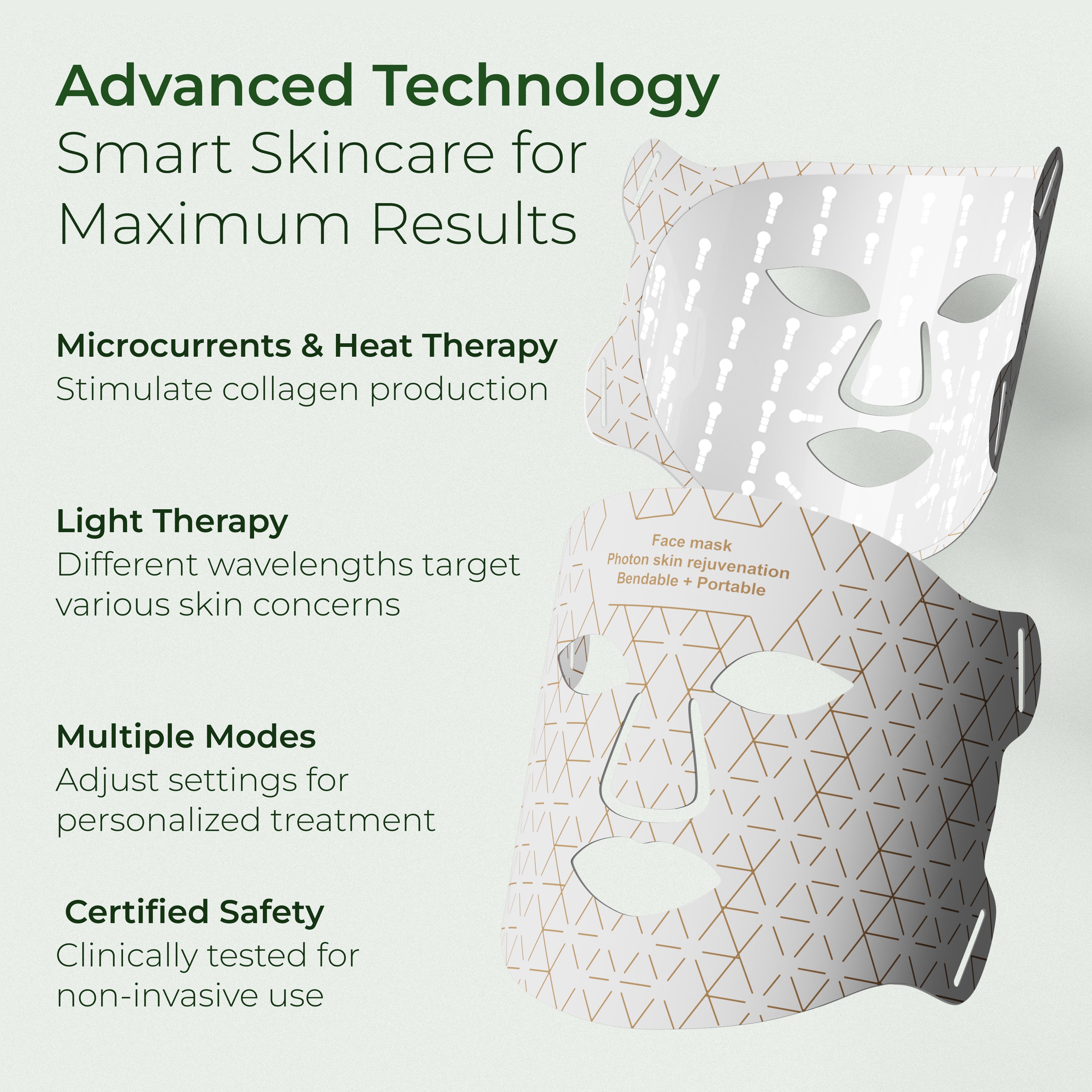
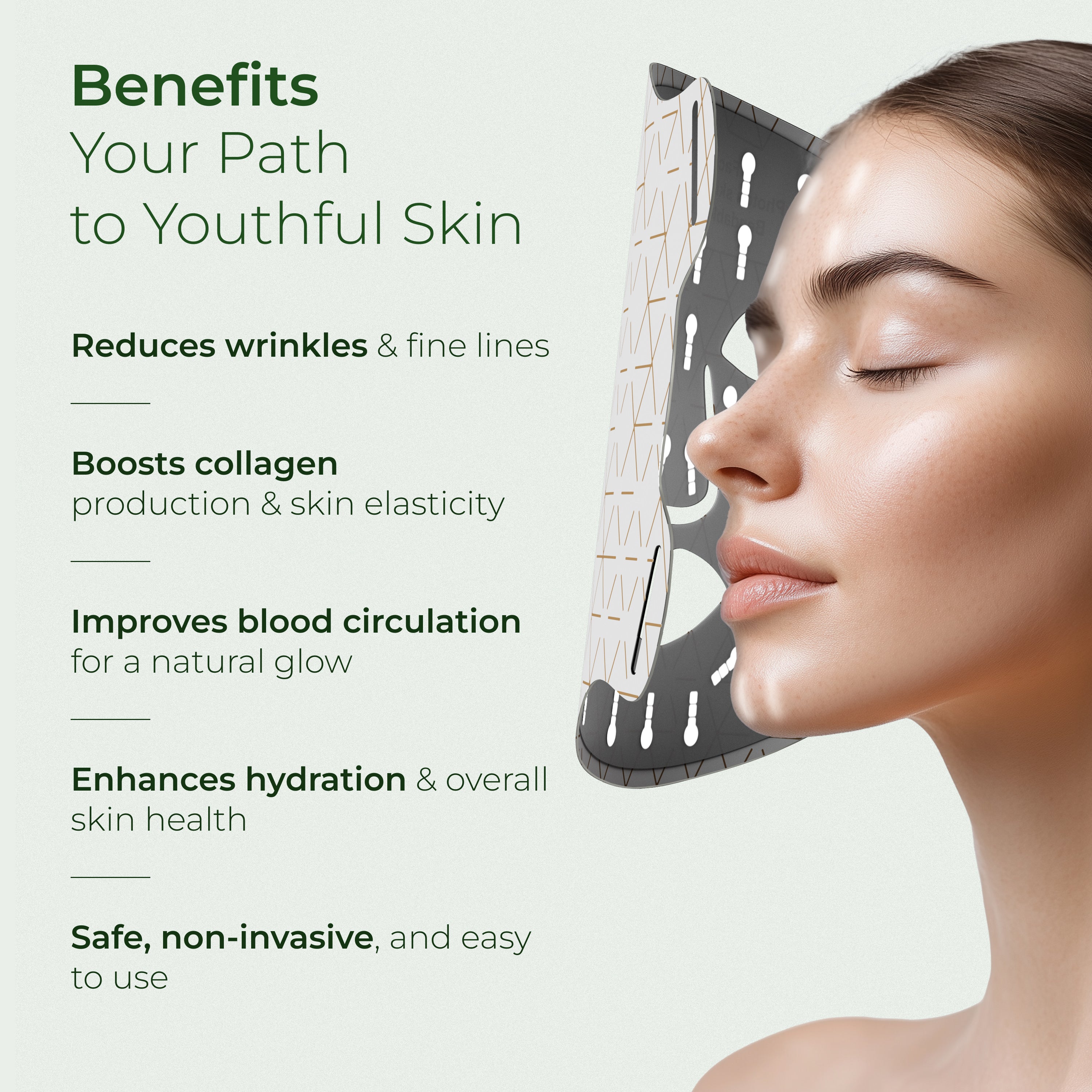
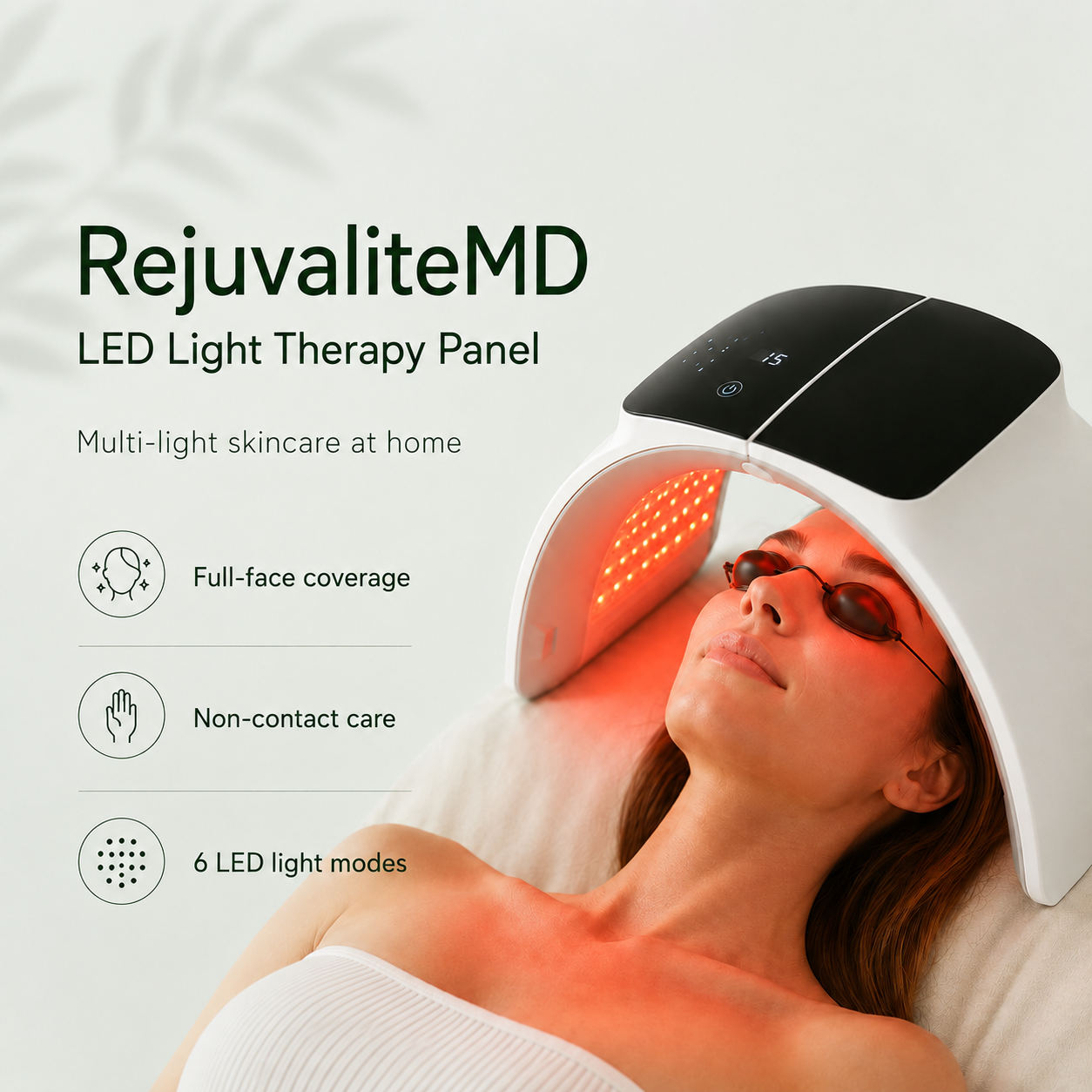
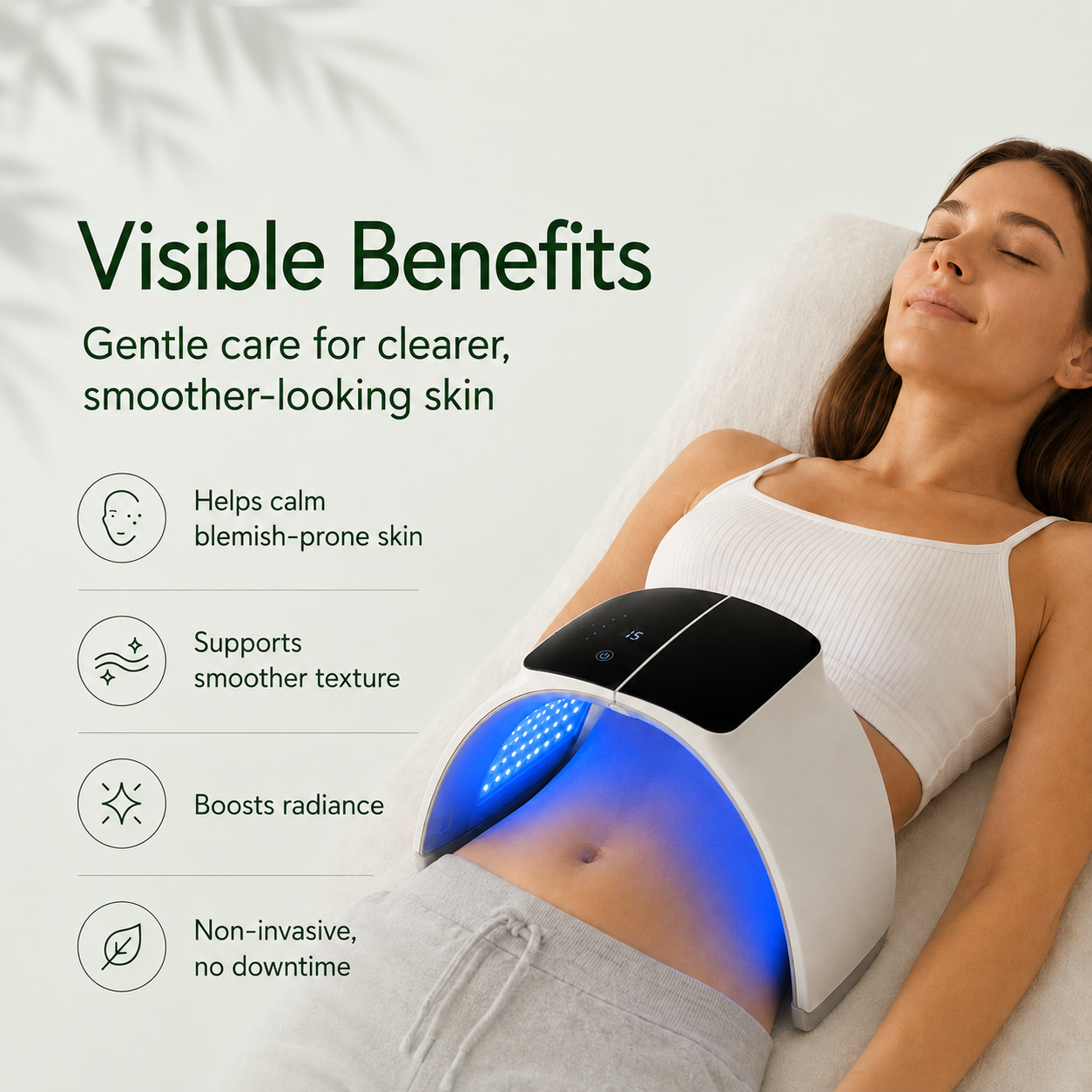
Originally developed by NASA and now backed by thousands of clinical studies, LED light therapy uses specific wavelengths to target different skin concerns. Blue light (around 415nm) kills acne-causing bacteria, while red light (around 630nm) reduces inflammation and stimulates collagen production for faster healing and smoother texture.
Unlike topical treatments that work on the surface, LED light penetrates the skin to work at a cellular level—which is why results can be more comprehensive and longer-lasting. It's also completely non-invasive with no downtime.
Microdermabrasion
This physical exfoliation technique removes the outermost layer of dead skin cells more thoroughly than any scrub or chemical exfoliant. The result? Immediately smoother texture, reduced appearance of pores, and better absorption of all your skincare products. It's particularly effective for dullness, uneven tone, and minor scarring.
At-home microdermabrasion devices deliver professional-grade results with adjustable intensity settings, making them safe for beginners while still being effective for experienced users.
How TrophySkin Can Help
Ready to take your clear skin journey to the next level? TrophySkin's professional-grade devices bring dermatologist-level treatments home. Our LED light therapy devices use clinically-proven wavelengths to target acne at its source, while our microdermabrasion systems deliver spa-quality exfoliation for smoother, brighter, clearer skin—all from the comfort of your bathroom.
Explore Our Devices →How Long Does It Take to Get Clear Skin?
Patience is crucial—your skin didn't get this way overnight, and it won't transform overnight either. Here's a realistic timeline:
Week 1-2
Skin may "purge" as products help bring existing congestion to the surface. This is normal! You might also notice improved hydration and a subtle glow.
Week 4-6
This is when most people start seeing real results—fewer active breakouts, smoother texture, more even tone. Your skin's full renewal cycle takes about 28 days.
Month 2-3
Significant improvement in overall clarity. Post-inflammatory marks begin fading. If using LED therapy or retinoids, collagen production kicks in for firmer, more resilient skin.
Month 3+
Your new baseline! Maintenance becomes the focus. Most stubborn dark spots and scars continue improving. Clear, healthy skin becomes your "new normal."
Pro Tip: Take photos in the same lighting every week. Day-to-day changes are hard to spot, but comparing week 1 to week 8 often reveals dramatic improvement you might not have noticed otherwise.
Frequently Asked Questions About Getting Clear Skin
Your Clear Skin Journey Starts Today
Getting clear skin isn't about finding one miracle product—it's about understanding your skin, being consistent with the basics, and giving yourself patience and grace along the way. Start with the fundamentals: gentle cleansing, regular exfoliation, proper hydration, and sun protection. Support your skin from within with water, nutritious foods, quality sleep, and stress management.
When you're ready to accelerate your results, professional-grade tools like LED light therapy and microdermabrasion can help you achieve dermatologist-level results at home. The most important thing? Start where you are, be consistent, and trust the process. Your clearest, healthiest skin is waiting.
⚕️ Medical Disclaimer
This article is for educational purposes only and does not replace professional medical advice. Consult a board-certified dermatologist before starting any new skincare regimen, especially if you have existing skin conditions or take medications. Results vary by individual.


Hinterlasse einen Kommentar
Diese Website ist durch hCaptcha geschützt und es gelten die allgemeinen Geschäftsbedingungen und Datenschutzbestimmungen von hCaptcha.