






Quick Answer: Poor circulation in feet occurs when blood flow to your lower extremities is reduced, causing symptoms like cold feet, numbness, tingling, and slow-healing wounds. Common causes include peripheral artery disease, diabetes, and sedentary lifestyle. Improving circulation involves regular movement, massage, proper footwear, and addressing underlying health conditions.
Have you noticed your feet feeling unusually cold, even when the rest of your body is warm? Perhaps you've experienced tingling sensations, numbness, or noticed that small cuts on your feet take forever to heal. These could be signs of poor circulation in feet — a condition that affects millions of people and can significantly impact your quality of life.
The good news? Understanding what causes poor foot circulation and learning how to improve blood flow can make a real difference. Whether you're dealing with occasional cold feet or more persistent symptoms, there are practical steps you can take right now to support healthier circulation.
In this comprehensive guide, we'll explore the warning signs of poor circulation in feet, uncover the common causes, and share proven home remedies that can help restore proper blood flow to your lower extremities.
What Is Poor Circulation in Feet?
Poor circulation in feet, medically known as peripheral circulation insufficiency, occurs when blood flow to your feet and lower legs becomes restricted or reduced. Your circulatory system is designed to pump oxygen-rich blood from your heart through arteries to every part of your body, including your extremities. When this process is compromised, your feet are often the first to show symptoms.
Why are feet particularly vulnerable to circulation problems? Simply put, they're the farthest point from your heart. Blood has to travel a long distance to reach your toes, and then it must work against gravity to return through your veins. This makes your feet more susceptible to reduced blood flow than other parts of your body.
When circulation is healthy, your blood delivers oxygen and nutrients to tissues, removes waste products, and helps regulate temperature. Poor blood circulation in feet disrupts all of these functions, leading to the uncomfortable symptoms many people experience.
Warning Signs of Poor Circulation in Feet
Recognizing the symptoms of poor circulation in feet early can help you take action before the condition worsens. Here's what to look for:
Physical Symptoms You Can See
The visible signs of poor circulation in feet are often the first things people notice. Your feet may appear pale, bluish, or have a purple tint, especially when elevated or exposed to cold. You might also observe dry, cracked skin that doesn't seem to improve with moisturizing. Slow-healing wounds, cuts, or sores on your feet are another red flag — when blood flow is restricted, your body struggles to deliver the healing nutrients needed for tissue repair.
Some people notice their toenails becoming brittle, thickened, or growing more slowly than usual. Hair loss on the feet and lower legs can also indicate circulation issues, as hair follicles need adequate blood supply to function properly.
Sensations You Might Feel
Bad blood circulation symptoms often include unusual sensations in your feet. Numbness and tingling are extremely common — that "pins and needles" feeling that doesn't go away. Your feet may feel cold to the touch even in warm environments, or you might experience a burning sensation.
Cramping in your feet or calves, especially during walking or exercise, is another telltale sign. This happens because your muscles aren't receiving enough oxygen to meet their demands. Some people describe a heaviness or fatigue in their legs and feet, even after minimal activity.
When Symptoms Indicate Something Serious
While occasional cold feet aren't typically cause for alarm, certain combinations of symptoms warrant medical attention. If you notice persistent swelling, wounds that won't heal after several weeks, or sudden changes in skin color accompanied by pain, these could indicate more serious circulation problems in the feet that require professional evaluation.
Pro Tip: Keep a symptom diary for one to two weeks, noting when your feet feel cold, numb, or uncomfortable. This information helps both you and your healthcare provider identify patterns and potential triggers.
What Causes Poor Circulation in Feet?
Understanding what causes poor circulation in feet is the first step toward addressing it effectively. The causes range from everyday lifestyle factors to underlying medical conditions.
Lifestyle Factors
Many cases of low circulation in feet stem from habits we can change. Prolonged sitting or standing restricts blood flow — whether you're at a desk job or on your feet all day, your circulation can suffer. Smoking is one of the most damaging factors, as it constricts blood vessels and promotes plaque buildup in arteries.
Lack of physical activity weakens the muscles that help pump blood back to your heart. Wearing tight shoes or crossing your legs for extended periods can also compress blood vessels and impede circulation. Even dehydration plays a role — when you don't drink enough water, your blood becomes thicker and harder to circulate.
Medical Conditions
Several health conditions can contribute to feet circulation issues. Peripheral artery disease (PAD) occurs when fatty deposits build up in arterial walls, narrowing the pathways for blood flow. Diabetes damages blood vessels over time and can lead to diabetic neuropathy, affecting both circulation and nerve function in the feet.
High blood pressure strains your blood vessels, while high cholesterol contributes to plaque formation. Blood clots can block circulation entirely, and conditions like Raynaud's disease cause blood vessels in extremities to narrow excessively in response to cold or stress. Obesity puts extra pressure on your circulatory system, making it work harder to deliver blood to all tissues.
Age-Related Changes
As we age, our blood vessels naturally lose some elasticity, and circulation can become less efficient. This doesn't mean poor foot circulation is inevitable with age, but it does mean that maintaining good habits becomes increasingly important as the years pass.
The main point: Poor circulation in feet often results from a combination of factors. While some causes (like age and genetics) can't be changed, many lifestyle factors are within your control. Addressing modifiable risk factors can significantly improve blood flow to your feet.
How to Improve Circulation in Feet at Home
Learning how to improve blood circulation in feet doesn't require expensive treatments or complicated routines. These home remedies for poor circulation in feet can be incorporated into your daily life starting today.
Daily Movement and Exercises
Movement is one of the most effective ways to increase circulation in feet. Walking is excellent — aim for at least 30 minutes daily to get blood pumping through your lower extremities. If walking is challenging, even gentle foot exercises while seated can help.
Try these simple exercises to stimulate circulation in feet: Point and flex your toes repeatedly, make circles with your ankles in both directions, or practice picking up small objects with your toes. Calf raises are particularly effective because they activate the "muscle pump" that helps push blood back toward your heart.
Self-Massage Techniques
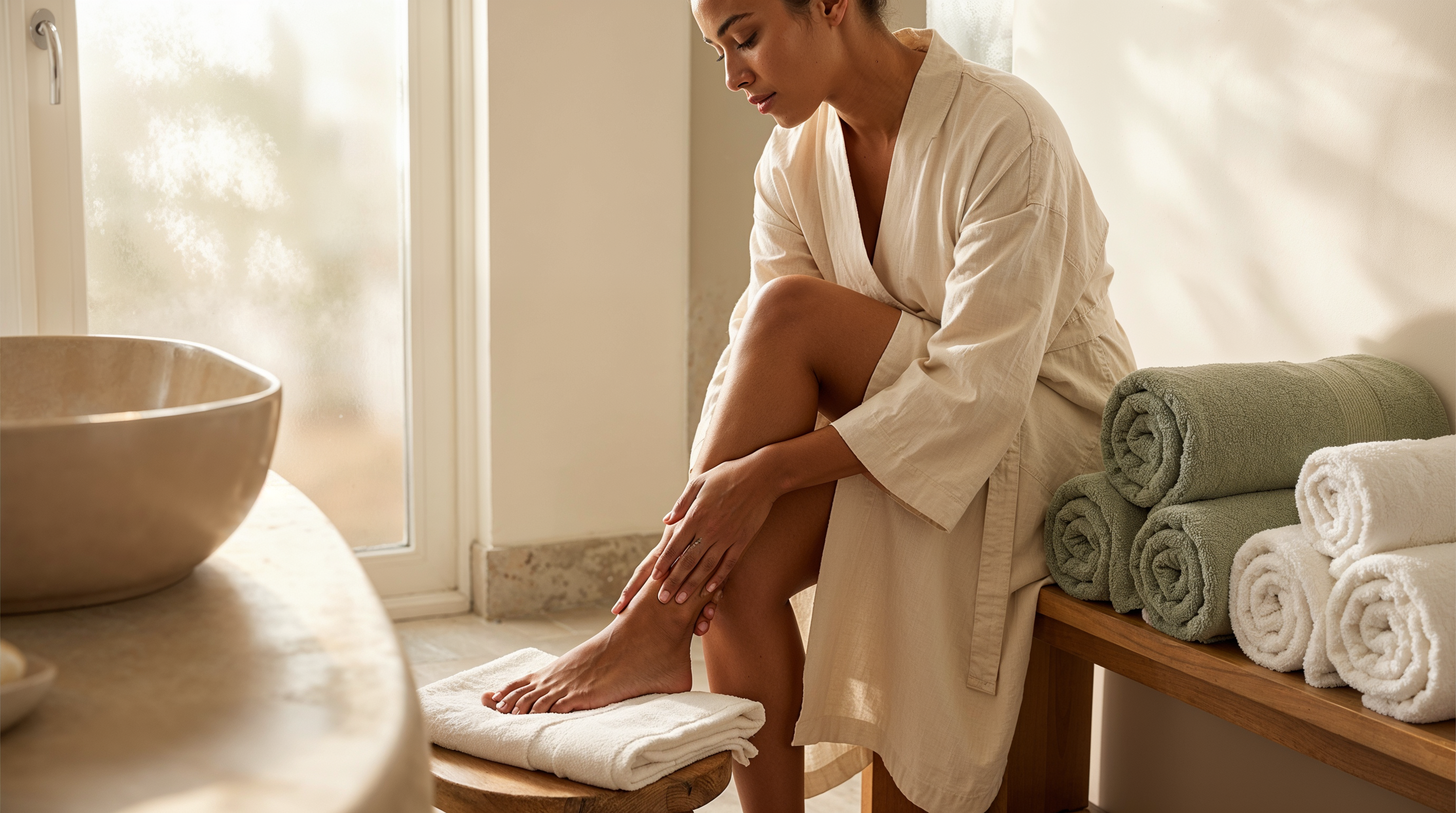
Massage is a powerful tool to get blood flow to feet moving more efficiently. You can perform self-massage using your hands, starting at your toes and working upward toward your ankles and calves. Use firm but comfortable pressure, and focus on areas that feel particularly tense or cold.
Apply a small amount of lotion or oil to reduce friction, and massage for at least five to ten minutes per foot. Pay special attention to the arch of your foot and the spaces between your toes. Regular massage not only improves circulation but also helps you stay aware of any changes in your feet.
Temperature Therapy
Contrast hydrotherapy can help improve foot circulation naturally. Alternate between soaking your feet in warm water (not hot) for three to four minutes, then cool water for one minute. Repeat this cycle three to four times, always ending with warm water. The temperature changes cause blood vessels to dilate and constrict, essentially "exercising" them and promoting better circulation.
Warm foot baths with Epsom salts can also be soothing and may help relax blood vessels. Just be cautious with water temperature if you have diabetes or neuropathy, as reduced sensation can increase the risk of burns.
Elevation and Compression
Elevating your feet above heart level for fifteen to twenty minutes several times daily helps blood return to your heart more easily. This is especially helpful if you've been sitting or standing for extended periods. Simply prop your feet up on pillows while lying down or use an ottoman while seated.
Compression socks provide gentle, graduated pressure that supports blood flow from your feet back up your legs. They're particularly useful during long periods of sitting, such as during travel or at a desk job.
Pro Tip: Set reminders on your phone to move every hour if you have a sedentary job. Even a two-minute walk or a few ankle circles can help prevent blood from pooling in your feet.
The Role of Massage in Boosting Foot Circulation
Massage deserves special attention when discussing how to get better circulation in feet. The mechanical pressure of massage directly stimulates blood flow, pushing blood through congested areas and encouraging fresh, oxygen-rich blood to flow in.
Regular massage does more than provide temporary relief. Over time, it can help maintain blood vessel flexibility and reduce muscle tension that may be impeding circulation. The relaxation response triggered by massage also helps dilate blood vessels, further improving blood flow.
While professional massage therapy is beneficial, it's not always practical for daily use. That's where at-home massage tools and devices become valuable. They allow you to enjoy the circulation-boosting benefits of massage whenever you need it, without scheduling appointments or leaving your home.
Massage devices designed for the face and body often use techniques that translate well to improving circulation in lower extremities. Vibration, for instance, helps stimulate blood flow and can reach deeper tissues than manual massage alone. Consistent use of such devices as part of your self-care routine can contribute to better overall circulation.
Discover the Power of Therapeutic Massage
TrophySkin's professional-grade devices bring spa-quality treatment to your home. Our massage technologies help stimulate blood flow, reduce tension, and support overall skin health — perfect for incorporating into your daily circulation-boosting routine.
Explore Our Devices →Lifestyle Changes for Better Circulation
Beyond targeted exercises and massage, broader lifestyle changes can dramatically improve circulation in feet and throughout your body.
Nutrition for Healthy Blood Flow
What you eat directly affects your circulation. Foods rich in omega-3 fatty acids, like fatty fish, walnuts, and flaxseeds, help reduce inflammation and support healthy blood vessels. Dark leafy greens, beets, and citrus fruits contain compounds that promote blood vessel dilation and improve blood flow.
Reduce your intake of processed foods, excess sodium, and saturated fats, which can contribute to arterial plaque buildup. Some people find that spices like cayenne pepper and ginger, which have natural warming properties, help support circulation when included regularly in their diet.
Hydration Matters
Staying well-hydrated keeps your blood at the right consistency for optimal flow. Aim for eight glasses of water daily, more if you're active or in hot weather. Dehydration thickens the blood, making it harder for your heart to pump it to your extremities.
Quit Smoking
If you smoke, quitting is one of the most impactful things you can do for your circulation. Smoking damages blood vessel walls, promotes plaque formation, and causes blood vessels to constrict. Within weeks of quitting, many people notice improvements in their extremity circulation.
Movement Throughout the Day
Rather than focusing solely on dedicated exercise time, incorporate movement throughout your day. Take the stairs instead of the elevator, park farther from store entrances, or have walking meetings when possible. These small additions accumulate to significantly benefit your circulation.
⏱️ What to Expect: Timeline for Improvement
Week 1-2
You may notice temporary improvements after exercises and massage. Feet may feel warmer immediately after movement.
Week 3-4
With consistent habits, you may experience longer-lasting warmth and reduced numbness or tingling episodes.
Month 2-3
Significant improvements in overall foot circulation. Skin may look healthier, and small wounds may heal faster.
Month 3+
Sustained lifestyle changes lead to lasting improvements. Many people report their feet feeling consistently warmer and more comfortable.
When to See a Doctor
While many cases of poor circulation in feet can be managed with lifestyle changes and home remedies, some situations require professional medical attention. Knowing how do you know if you have poor circulation that needs medical care can prevent serious complications.
Seek Medical Attention If You Experience: Sudden onset of cold, pale, or blue feet; wounds that don't heal after two to three weeks; severe or worsening pain in feet or calves; chest pain or shortness of breath alongside foot symptoms; or signs of infection such as redness, warmth, or discharge from foot wounds.
Your doctor can perform tests to assess your circulation, including ankle-brachial index measurements, ultrasound imaging, and blood tests. Depending on the underlying cause, treatment might include medications to improve blood flow, procedures to open blocked arteries, or management of conditions like diabetes or high blood pressure.
Early intervention is key. The sooner circulation problems are addressed, the better the outcomes tend to be. Don't hesitate to consult a healthcare provider if you're concerned about your symptoms.
Frequently Asked Questions
Take Control of Your Circulation Today
Poor circulation in feet is a common concern, but it doesn't have to control your life. By understanding the signs of poor circulation in feet and what causes it, you're already taking the first step toward improvement. The home remedies for poor circulation in feet we've discussed — from simple exercises and massage to dietary changes and lifestyle adjustments — can make a real difference when practiced consistently.
Remember that improving circulation is a gradual process. Be patient with yourself, celebrate small improvements, and don't hesitate to seek professional guidance if your symptoms persist or worsen. Your feet carry you through life — they deserve the care and attention that keeps them healthy and comfortable.
⚕️ Medical Disclaimer
This article is for educational purposes only and does not replace professional medical advice. Poor circulation can be a symptom of serious underlying conditions. If you experience persistent symptoms of poor circulation in your feet, please consult a qualified healthcare provider for proper diagnosis and treatment. Do not delay seeking medical attention for concerning symptoms.


Hinterlasse einen Kommentar
Diese Website ist durch hCaptcha geschützt und es gelten die allgemeinen Geschäftsbedingungen und Datenschutzbestimmungen von hCaptcha.