

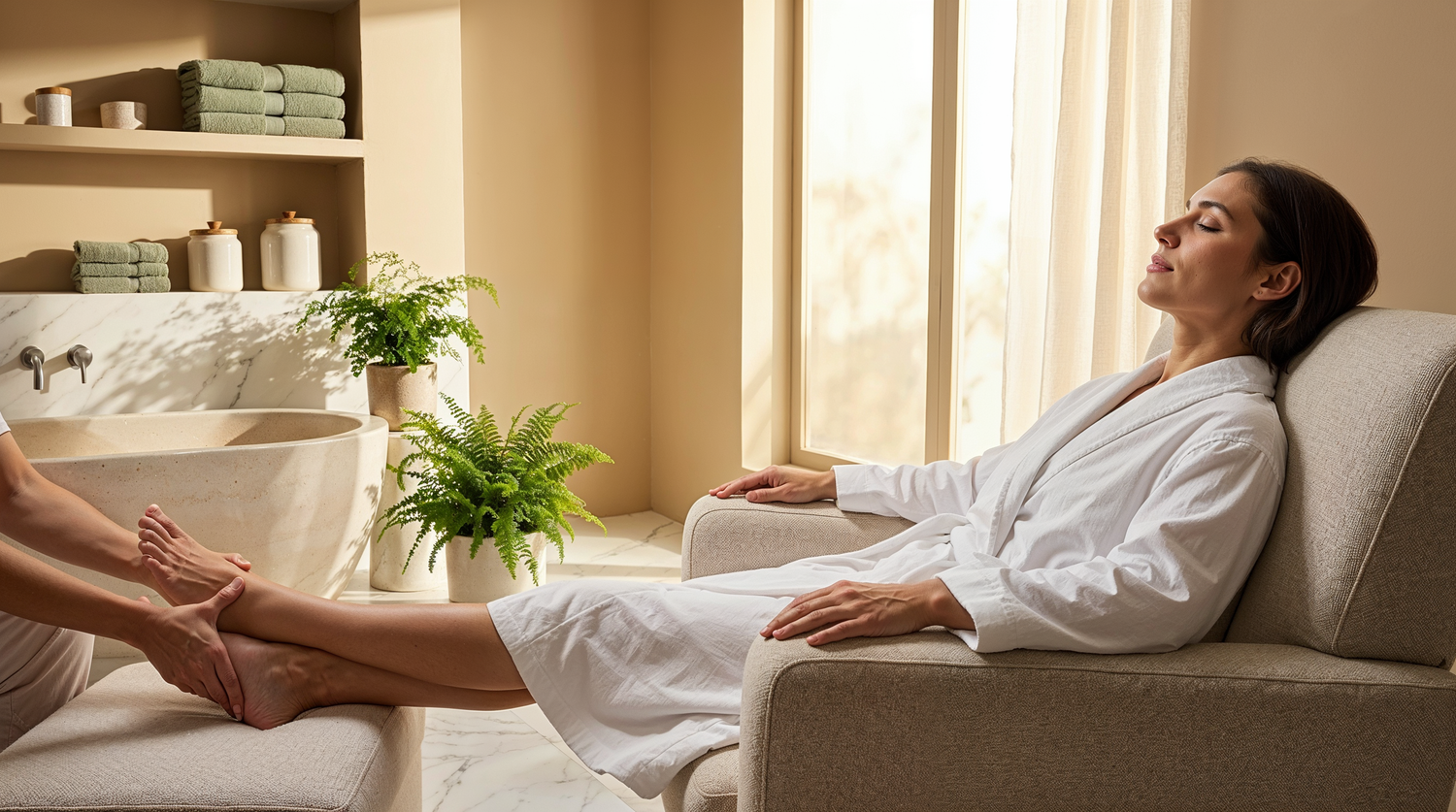
Quick Answer: The health benefits of foot massage include reduced stress and anxiety, improved sleep quality, better blood circulation, pain relief, and lower blood pressure. Research shows that foot massage activates your nervous system, releasing endorphins and oxytocin—the "feel-good" brain chemicals that promote healing and relaxation.
Did you know that your feet contain over 7,000 nerve endings connected directly to your brain? This remarkable network makes foot massage one of the most effective ways to promote whole-body wellness—from easing chronic stress to improving your quality of sleep.
Whether you're recovering from a long day on your feet or seeking natural ways to manage anxiety, understanding the health benefits of foot massage can transform your self-care routine. In this comprehensive guide, we'll explore what science says about foot massage effects on brain function, share proven benefits, and teach you simple techniques for home massage.
What Happens When You Get a Foot Massage?
When skilled hands (or a quality massage device) apply pressure to your feet, something remarkable happens throughout your entire body. The dense network of nerve endings in your feet sends signals directly to your brain, triggering a cascade of healing responses.
First, your nervous system shifts from "fight-or-flight" mode into "rest-and-digest" mode. This parasympathetic response lowers your heart rate, reduces cortisol (the stress hormone), and allows your muscles to release built-up tension. At the same time, your brain releases endorphins and oxytocin—powerful neurochemicals that promote feelings of wellbeing and reduce pain perception.
The Brain-Body Connection
Research using functional MRI (fMRI) scans has revealed fascinating insights into the foot massage effects on brain activity. A study published in Psychoneuroendocrinology found that hand-administered foot massage significantly increases oxytocin release and activates brain regions involved in social cognition and reward—specifically the orbitofrontal cortex and superior temporal sulcus.
This explains why foot massage feels so deeply relaxing: it's not just physical—it's neurochemical. The pressure applied to reflex points on your feet stimulates neural pathways that regulate stress response, pain perception, and emotional wellbeing.
10 Science-Backed Health Benefits of Foot Massage
From ancient Chinese medicine to modern clinical trials, the therapeutic power of health foot massage has been recognized across cultures and centuries. Here are the most significant benefits supported by scientific research.
1. Stress and Anxiety Relief
The most immediate and noticeable benefit of foot massage is profound relaxation. When pressure is applied to specific points on your feet, your parasympathetic nervous system activates, shifting your body from stress mode into calm. A meta-analysis of 26 randomized controlled trials found that foot reflexology significantly reduces anxiety levels across diverse populations, from hemodialysis patients to postmenopausal women.
The mechanism is straightforward: foot massage triggers the release of serotonin and endorphins while lowering cortisol. This neurochemical shift creates a sense of peace that can last for hours after your massage ends.
2. Better Sleep Quality
Struggling with insomnia or restless nights? A study published in Menopause journal found that postmenopausal women who received regular foot massage increased their daily sleep duration by an average of one hour. The calming effect on the nervous system helps your body transition more easily into deep, restorative sleep stages.
Pro Tip: For better sleep, give yourself a 5-10 minute foot massage about 30 minutes before bedtime. Focus on the area just below your toes (connected to brain and sinuses) and the center of your arch (linked to the solar plexus) to maximize relaxation.
3. Improved Blood Circulation
Modern lifestyles often involve prolonged sitting, tight shoes, and limited movement—all of which impair blood flow to the extremities. A 10-minute foot massage can significantly improve circulation in your lower legs and feet, delivering oxygen and nutrients to tissues while helping remove metabolic waste products.
This benefit is particularly important for people with diabetes, peripheral neuropathy, or those who spend long hours on their feet. Enhanced circulation also accelerates healing and recovery from minor injuries.
4. Natural Pain Relief
Harvard Health reports that foot massage provides proven pain relief for various conditions. In one notable study, patients who received foot massage after appendix surgery required fewer painkillers and reported less discomfort. The mechanism involves both the release of natural pain-relieving chemicals (endorphins) and the "gate control" theory—where pleasant sensory input blocks pain signals from reaching the brain.
5. Lower Blood Pressure
Research published in the Journal of Clinical Epidemiology and Global Health demonstrates that regular foot massage can help lower blood pressure in people with hypertension. The relaxation response triggered by massage reduces stress hormones, relaxes blood vessels, and improves overall cardiovascular function.
6. Boosted Immune Function
Foot reflexology has been shown to improve vagus nerve function and enhance immune system response. By reducing sympathetic nerve activity and promoting parasympathetic dominance, regular foot massage supports your body's natural defense mechanisms. Better circulation also helps lymphatic drainage, assisting in the removal of toxins and cellular waste.
7. Headache and Migraine Relief
The connection between your feet and your head may seem distant, but reflexology maps show that the tips of your toes correspond to your brain and sinuses. Frequent foot massages have been linked to reduced severity and frequency of tension headaches and migraines. By releasing pressure in your feet, you may find relief for that persistent head pain.
The health benefits of foot massage extend far beyond your feet. Through neural pathways, hormone release, and improved circulation, a simple foot massage affects your brain, cardiovascular system, immune function, and emotional wellbeing.
8. PMS and Menopause Symptom Relief
Women experiencing hormonal transitions often find significant relief through foot massage. Studies show reduced premenstrual symptoms including bloating, mood swings, and cramping in women who received regular foot reflexology. For menopausal women, foot massage can ease hot flashes, night sweats, and the anxiety that often accompanies this life stage.
9. Enhanced Mood and Mental Clarity
EEG studies have shown that foot reflexology increases beta and gamma brain wave activity in the frontal cortex—regions associated with attention, memory, and cognitive function. This may explain why many people report feeling not just relaxed but also mentally sharper after a good foot massage. The release of dopamine and serotonin also contributes to improved mood and emotional regulation.
10. Prevention of Foot Problems
Regular foot massage helps prevent common foot conditions by maintaining flexibility, strengthening muscles, and identifying potential issues early. People with flat feet experience less pain with regular massage and foot exercises. Those at risk for plantar fasciitis can benefit from massage that keeps the fascia supple and well-supplied with blood.
Foot Massage Effects on Brain: What Science Says
The connection between foot massage and brain function is more profound than most people realize. Modern neuroimaging technology has allowed researchers to observe exactly what happens in the brain during and after foot massage, revealing fascinating insights.
A groundbreaking study using functional MRI found that foot reflexology increases functional connectivity in several key brain networks, including the Default Mode Network (associated with self-reflection and memory), the Sensorimotor Network, and what researchers call the "Neural Network Correlates of Pain." These changes in brain connectivity help explain the wide-ranging effects of foot massage on both physical and emotional wellbeing.
Perhaps most remarkably, research has shown that hand-administered foot massage triggers significant oxytocin release—the same hormone associated with bonding, trust, and social connection. This finding, published in a peer-reviewed neuroscience journal, suggests that foot massage may have therapeutic potential for conditions involving social dysfunction, such as autism spectrum disorders.
Hand-administered massage can potently increase oxytocin release and activity in brain regions involved in social cognition and reward.— Psychoneuroendocrinology Research Study
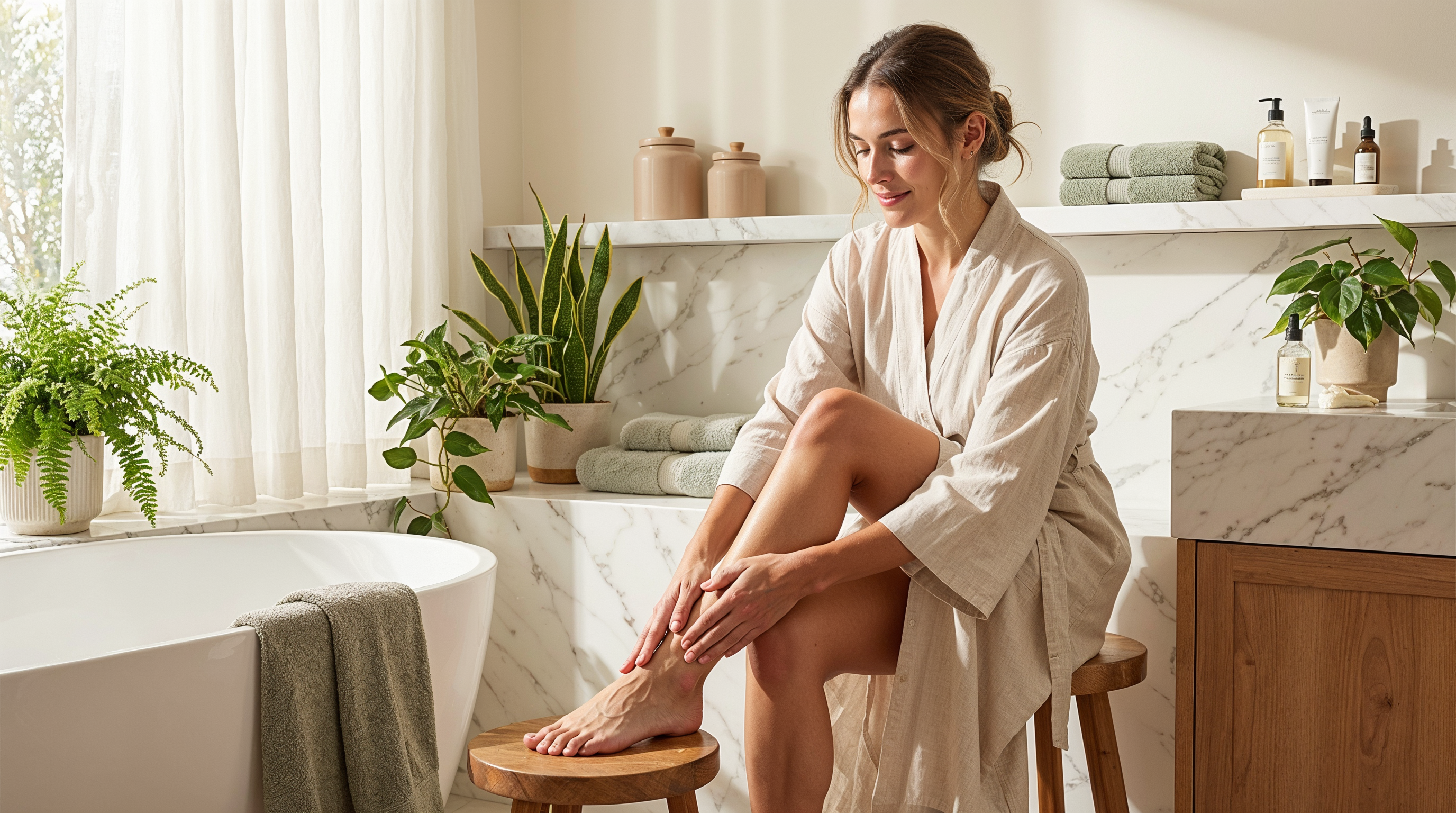
How to Give Yourself a Foot Massage at Home
You don't need to visit a spa to enjoy the health benefits of foot massage. With these simple techniques, you can create a therapeutic self-care routine in the comfort of your home.

Pro Tip: If self-massage feels awkward or tiring, consider using a foot roller or electric foot massager. Quality devices can provide consistent pressure and allow you to relax fully during your massage.
How Often Should You Get a Foot Massage?
The optimal frequency depends on your goals and lifestyle. Research suggests that benefits become more pronounced with regular practice—most studies showing significant improvements used protocols of 2-3 sessions per week for several weeks.
Daily (5-10 minutes)
Ideal for stress management, sleep improvement, and maintaining relaxation. A brief nightly routine can be transformative.
2-3x Weekly (15-20 minutes)
Recommended for therapeutic benefits. This frequency showed significant improvements in clinical studies on anxiety, sleep, and blood pressure.
Monthly (Professional Sessions)
Combine daily self-care with monthly professional reflexology or massage therapy for comprehensive foot health and deeper therapeutic work.
Important: People with certain conditions—including deep vein thrombosis, diabetic neuropathy, open wounds, or recent foot surgery—should consult their healthcare provider before starting foot massage. Pregnant women should also seek medical advice, especially for reflexology.
Elevate Your Self-Care Routine
While foot massage is wonderfully accessible, combining it with professional-grade skincare devices can amplify your wellness routine. Discover TrophySkin's collection of at-home tools designed to bring spa-quality results to your daily self-care.
Explore Our Collection →
 Frequently Asked Questions
⚕️ Medical Disclaimer
This article is for educational purposes only and does not replace professional medical advice. While foot massage is generally safe for most people, consult a healthcare provider before beginning any new wellness practice if you have underlying health conditions or concerns. The information provided is based on available research and should not be used to diagnose or treat any medical condition.
Written by TrophySkin Wellness Team
Our team combines expertise in skincare science, wellness research, and self-care practices to bring you evidence-based content. We review the latest studies and consult with dermatology and wellness professionals to ensure accuracy.
Last Updated:


Dejar un comentario
Este sitio está protegido por hCaptcha y se aplican la Política de privacidad de hCaptcha y los Términos del servicio.