




Quick Answer: To increase blood flow to your face naturally, combine daily facial massage with techniques like gua sha, regular exercise, LED light therapy, and proper hydration. These methods stimulate circulation, delivering more oxygen and nutrients to skin cells for a healthier, more radiant complexion.
That healthy, lit-from-within glow you admire on magazine covers isn't just good lighting—it's the visible result of optimal blood circulation in the face. When blood flows freely through your facial capillaries, it delivers essential oxygen and nutrients while removing toxins that cause dullness and premature aging.
The good news? You don't need expensive spa treatments to improve blood circulation in your face. With the right techniques and tools, you can naturally boost facial blood flow at home, revealing healthier, more vibrant skin in just weeks.
In this comprehensive guide, we'll explore nine proven methods to increase blood flow to your face naturally, from ancient massage techniques to modern LED technology. Whether you're dealing with dull skin, slow healing, or simply want that coveted rosy glow, these strategies will help you achieve blood circulation for healthy skin.
Why Facial Blood Circulation Matters for Healthy Skin
Your skin is the largest organ in your body, and like every organ, it depends on blood flow to stay healthy. Blood circulation to the face delivers oxygen, vitamins, minerals, and amino acids that skin cells need to regenerate and repair themselves. At the same time, proper blood flow removes metabolic waste and toxins that can cause inflammation and accelerate aging.
The Science Behind Blood Flow and Skin Health
Your facial skin contains an intricate network of blood vessels and capillaries located in the dermis layer. When these vessels dilate and blood flows freely, several beneficial processes occur. Fibroblasts receive the nutrients they need to produce collagen and elastin. Skin cells get adequate oxygen for optimal cellular respiration. Antioxidants from your bloodstream neutralize free radicals at the skin level.
Research published in the Journal of Investigative Dermatology shows that improved microcirculation correlates with better skin elasticity, faster wound healing, and reduced appearance of fine lines. This explains why people with poor circulation often notice their skin looks dull, heals slowly, and ages prematurely.
Signs of Poor Facial Circulation
How do you know if your facial blood flow needs improvement? Watch for these common indicators: a persistently dull, grayish complexion even with adequate sleep; dark circles under the eyes that don't respond to topical treatments; skin that feels cold to the touch; slow healing of blemishes or minor cuts; and a general lack of that healthy "glow" that comes from well-nourished skin.
If you recognize these signs, the methods below will help you naturally increase circulation in your face and restore your skin's vitality.
9 Natural Ways to Improve Blood Circulation in Face
Improving facial blood circulation doesn't require complicated procedures or expensive treatments. These nine proven methods range from ancient techniques to modern technology, giving you multiple options to find what works best for your lifestyle and skin needs.
1. Facial Massage Techniques
Manual facial massage remains one of the most effective ways to increase blood flow to the face naturally. The mechanical pressure stimulates blood vessels, encouraging vasodilation and improved circulation. Studies show that just five minutes of facial massage can increase blood flow by up to 25% in the treated area.
For best results, use upward and outward strokes starting from the center of your face. Pay special attention to areas that tend to hold tension, like the jaw, temples, and forehead. Incorporate tools like jade rollers or gua sha stones to enhance the massage effect and provide lymphatic drainage benefits.
Pro Tip: Always massage on clean skin with a facial oil or serum to prevent tugging. The slip helps tools glide smoothly while the massage pushes beneficial ingredients deeper into your skin.
2. Facial Exercises
Just like exercising your body improves overall circulation, exercising your facial muscles boosts blood flow to your face. Facial yoga and targeted exercises strengthen the underlying muscles while stimulating blood vessel activity in the overlying skin.
Try exercises like puffing your cheeks and holding for 10 seconds, making exaggerated vowel sounds, or gently pressing your fingertips against your forehead while raising your eyebrows. Consistent practice—even just 5-10 minutes daily—can noticeably improve how to increase blood circulation to your face.
3. LED Light Therapy
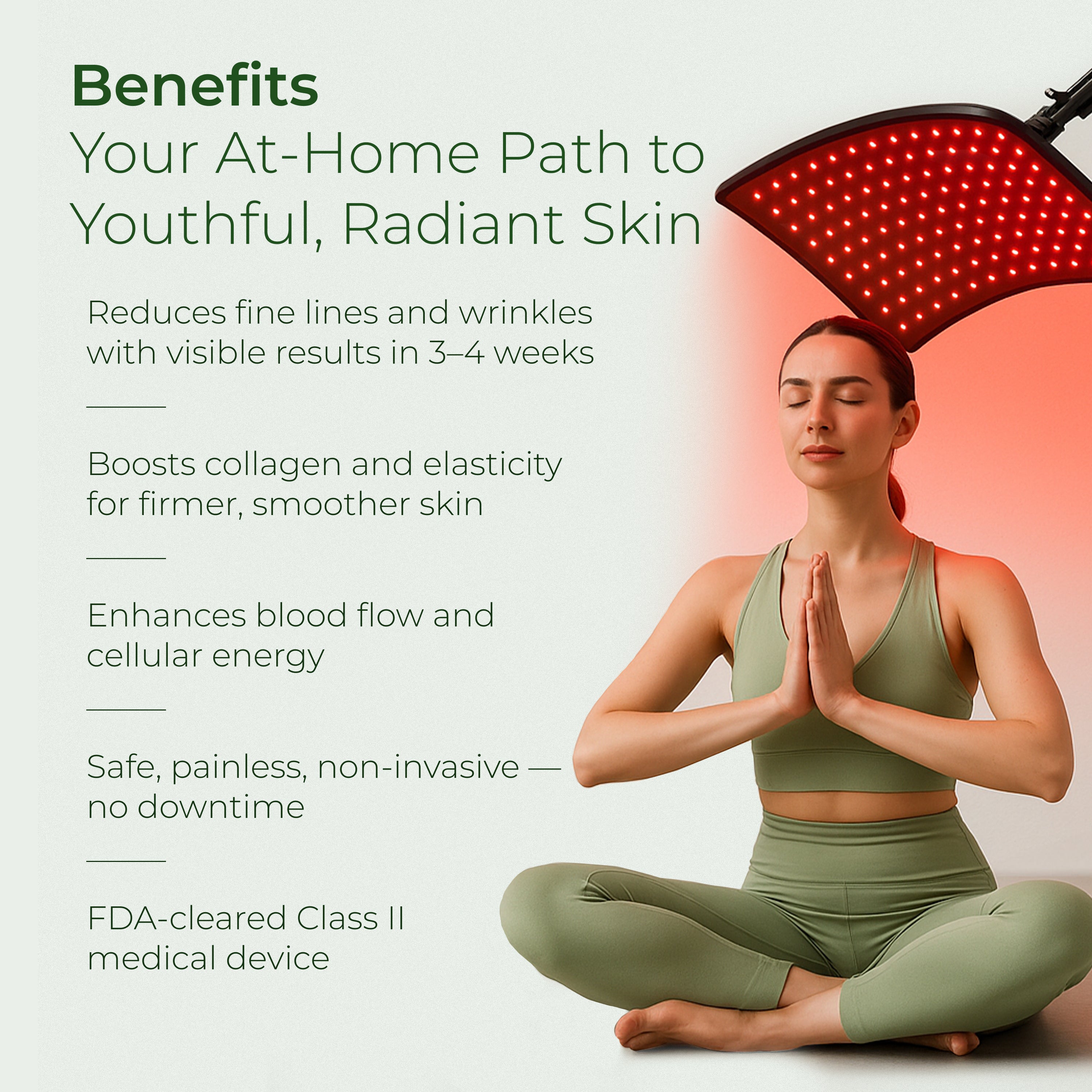
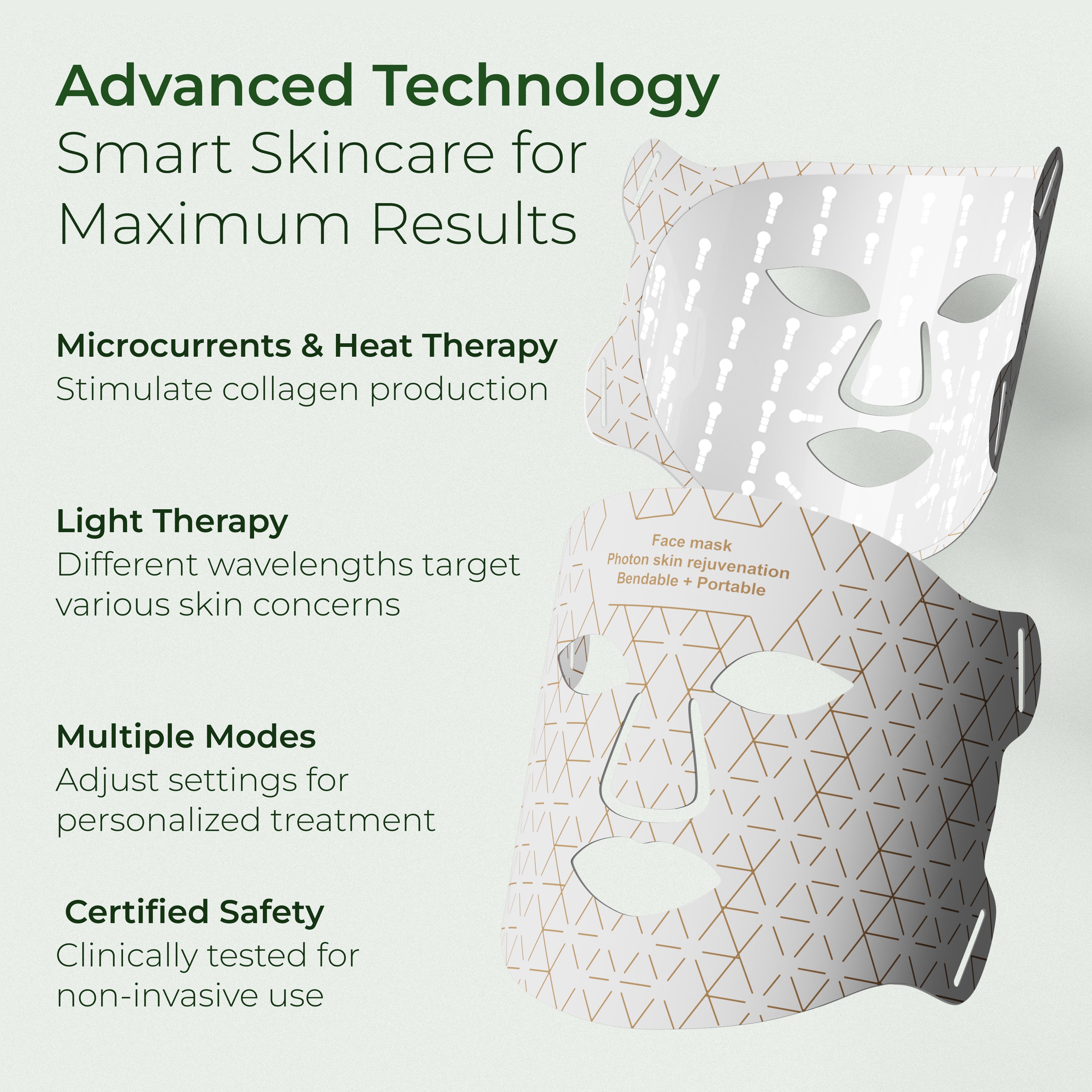
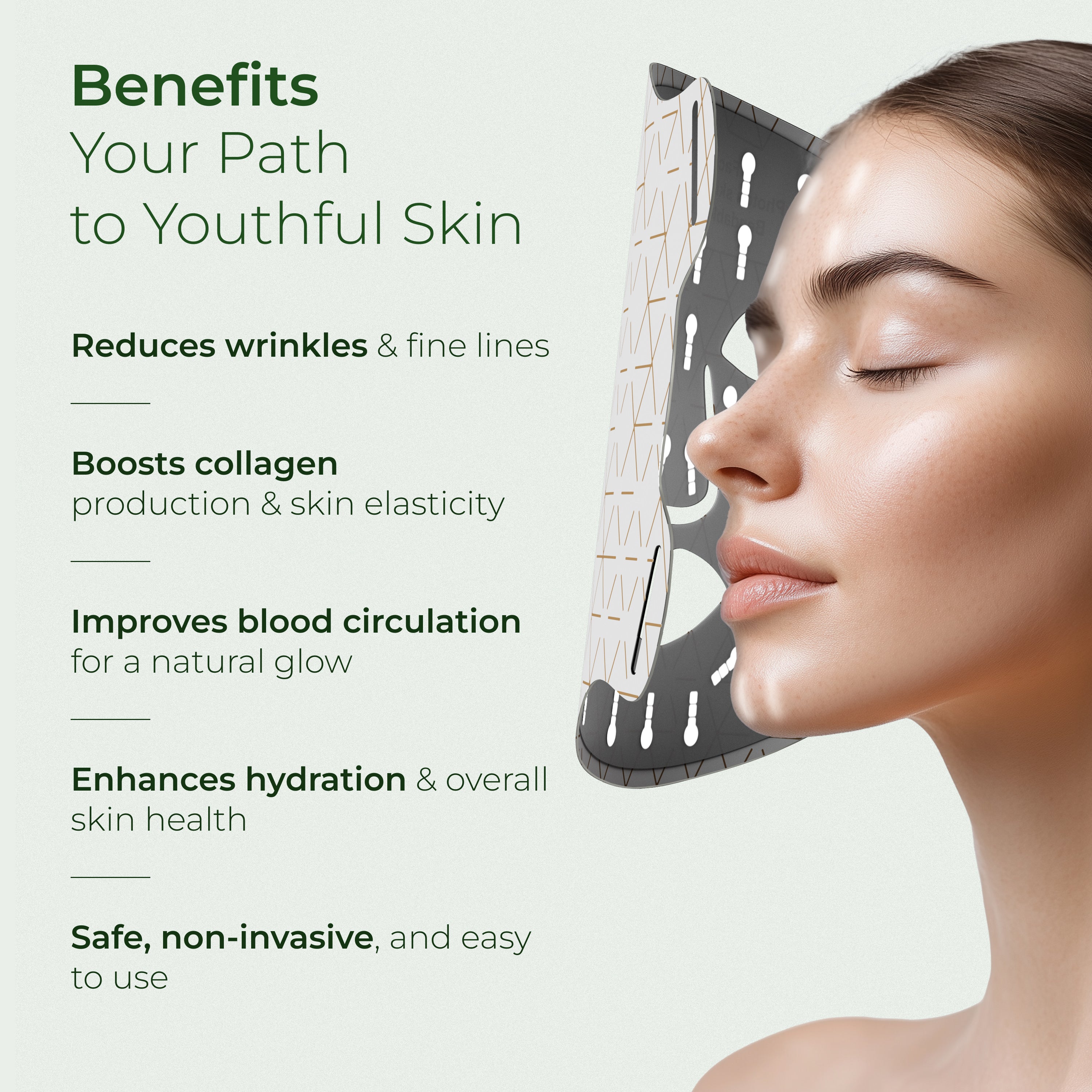
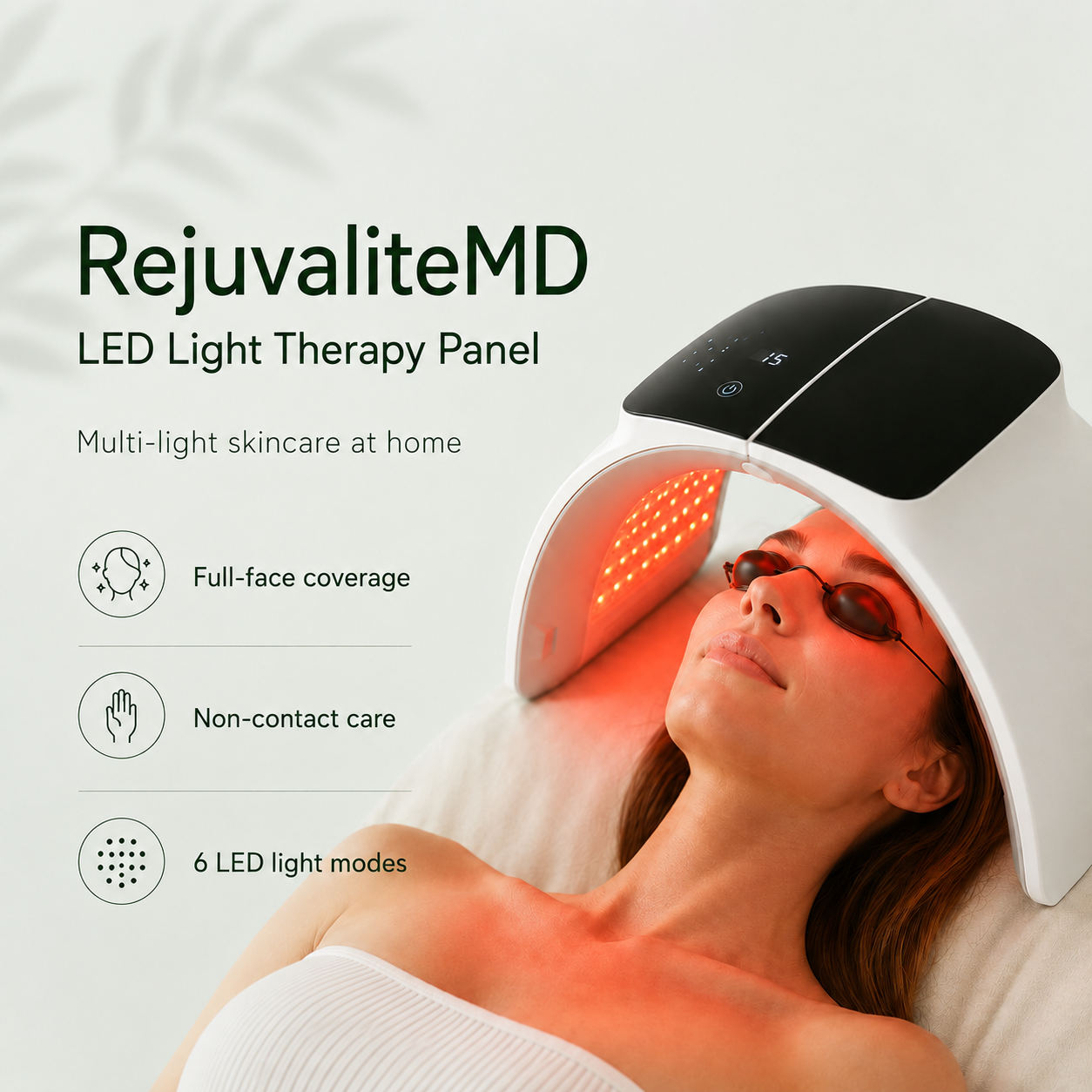
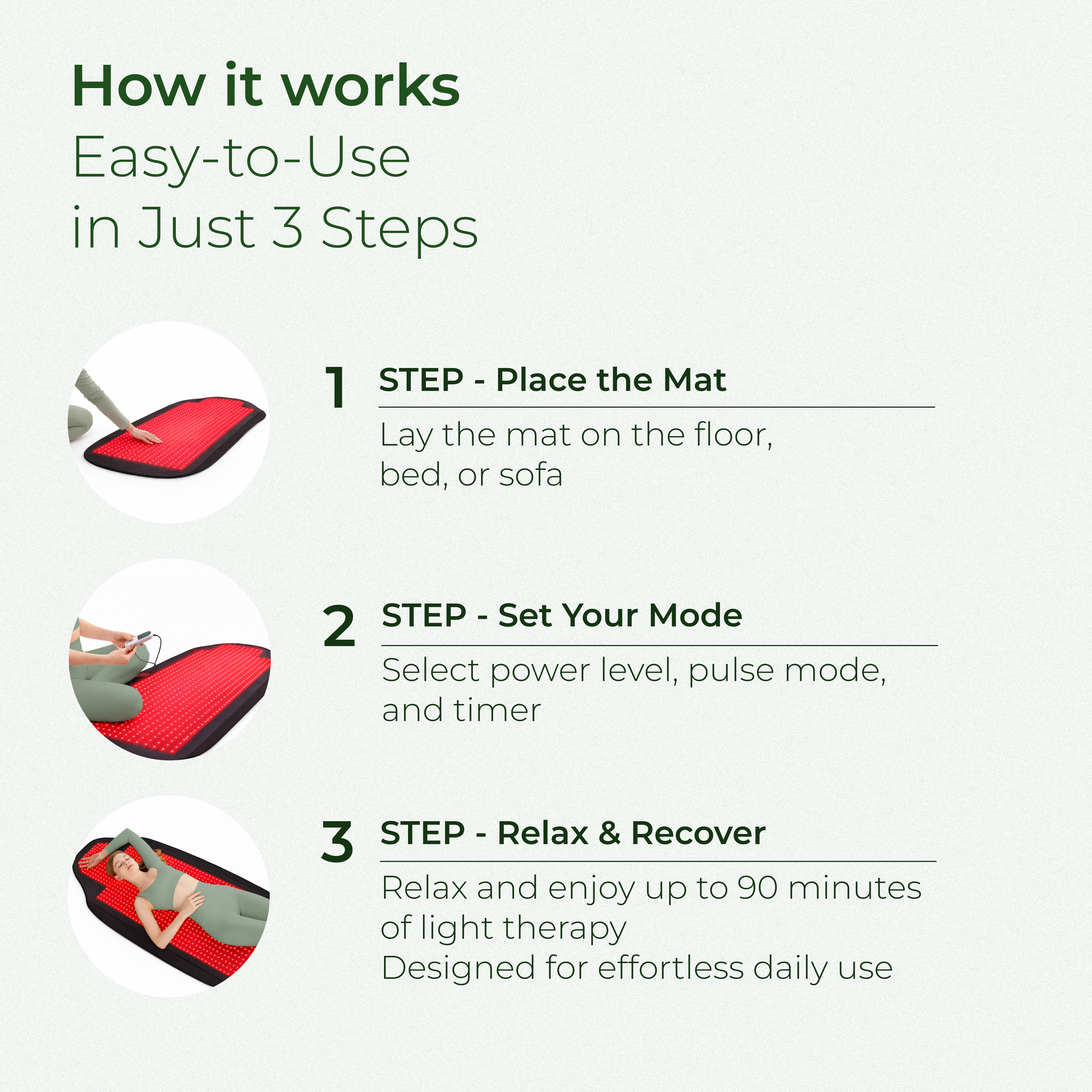
Red and near-infrared LED light therapy represents one of the most scientifically-backed methods to improve blood circulation in the face. These specific wavelengths penetrate the skin and stimulate mitochondrial activity in cells, triggering a cascade of beneficial effects including vasodilation and increased blood flow.
Clinical studies demonstrate that red light at 630-660nm wavelengths significantly improves microcirculation in treated areas. The increased blood flow delivers more nutrients while also boosting collagen production, making LED therapy a dual-action approach to healthier skin.
4. Microdermabrasion
Microdermabrasion creates a controlled micro-trauma to the skin's surface, triggering an immediate increase in blood flow as part of the skin's natural healing response. This rush of circulation delivers healing factors and nutrients while the exfoliation removes dead cells that can impede healthy skin function.
Modern at-home microdermabrasion devices make this professional-grade treatment accessible for regular use. The combination of mechanical stimulation and increased cell turnover provides both immediate glow and long-term improvements in facial blood circulation.
5. Hot and Cold Therapy
Alternating between warm and cool temperatures causes blood vessels to dilate and constrict, essentially giving your facial circulation a workout. This thermal contrast therapy has been used for centuries in various cultures to promote skin health and vitality.
Start with a warm compress or steam for 2-3 minutes to open blood vessels, then follow with a cool (not ice-cold) compress for 30-60 seconds. Repeat this cycle 2-3 times. The pumping action of expansion and contraction dramatically increases blood flow to face tissues.
6. Cardiovascular Exercise
What benefits your heart benefits your skin. Regular cardiovascular exercise improves overall circulation, including blood flow to your face. When you exercise, your heart pumps more efficiently, and new capillaries can develop in all tissues—including facial skin.
Aim for at least 150 minutes of moderate aerobic activity per week. Activities like brisk walking, swimming, cycling, or dancing all count. Many people notice an immediate post-workout glow as blood rushes to the skin's surface during and after exercise.
7. Circulation-Boosting Foods
Nutrition plays a crucial role in how to improve blood circulation for better skin. Certain foods contain compounds that support healthy blood flow by reducing inflammation, strengthening blood vessel walls, or promoting vasodilation.
Focus on foods rich in nitrates (beets, leafy greens), omega-3 fatty acids (fatty fish, walnuts), flavonoids (berries, dark chocolate), and vitamin C (citrus, bell peppers). These nutrients support the endothelial cells that line your blood vessels and help maintain optimal circulation throughout your body, including your face.
8. Stay Hydrated
Dehydration thickens your blood, making it harder for your heart to pump efficiently and reducing circulation to peripheral tissues like your skin. Adequate water intake keeps blood flowing smoothly through even the smallest capillaries in your face.
Aim for at least 8 glasses of water daily, more if you exercise or live in a dry climate. Herbal teas and water-rich foods like cucumbers and watermelon also contribute to your daily hydration goals.
9. Reduce Stress
Chronic stress triggers the release of cortisol and adrenaline, which constrict blood vessels and redirect blood flow away from the skin toward vital organs. This stress response, designed for short-term emergencies, becomes problematic when it's constantly activated.
Incorporate stress-reduction practices like meditation, deep breathing exercises, yoga, or simply spending time in nature. When stress hormones decrease, blood vessels relax and circulation improves naturally—including blood circulation to your face.
Best Results Come from Combining Methods: While each technique helps individually, combining multiple approaches—like daily massage, weekly LED sessions, regular exercise, and a circulation-boosting diet—creates synergistic effects that dramatically improve facial blood flow.
How LED Therapy Boosts Facial Blood Flow
LED light therapy deserves special attention when discussing how to increase blood flow to the face naturally. Unlike topical products that work on the skin's surface, LED wavelengths penetrate into deeper tissue layers where they can directly influence blood vessel behavior and cellular energy production.
Red light at 630-660nm wavelengths is absorbed by chromophores in the mitochondria, the powerhouses of your cells. This absorption triggers increased production of ATP (cellular energy) and releases nitric oxide, a molecule that causes blood vessels to relax and dilate. The result is improved microcirculation that delivers more oxygen and nutrients to skin cells.
Near-infrared light (800-850nm) penetrates even deeper, reaching muscle tissue and affecting larger blood vessels. Studies published in Lasers in Surgery and Medicine show that NIR light therapy increases blood flow velocity and tissue oxygenation for hours after treatment.
The beauty of LED therapy for improving circulation lies in its cumulative effects. Regular sessions—typically 3-5 times per week—lead to lasting improvements in microcirculation, not just temporary boosts. Over time, your skin develops better baseline blood flow even between treatments.
Pro Tip: For maximum circulation benefits, use LED therapy after cleansing and before applying serums. The increased blood flow helps your skin better absorb active ingredients, essentially supercharging your skincare routine.
Microdermabrasion: Professional Circulation Enhancement at Home
Microdermabrasion works on a different principle than LED therapy but achieves similar circulation-boosting results. The controlled abrasion of the skin's surface triggers what dermatologists call the "wound healing response"—even though no actual wound is created.
When your skin perceives the microdermabrasion treatment, it immediately increases blood flow to the area to deliver healing factors. This response includes vasodilation, increased white blood cell activity, and enhanced delivery of growth factors that stimulate collagen production. The result is both immediate radiance from increased blood flow to the face and long-term improvement in skin health.
Professional-grade home microdermabrasion devices allow you to achieve these benefits regularly without spa visits. The key is consistency—weekly treatments maintain elevated circulation levels while progressively improving skin texture and tone.
How TrophySkin Can Help
TrophySkin's professional-grade home devices combine the power of LED light therapy and microdermabrasion to maximize facial blood circulation. Our MicrodermMD delivers spa-quality exfoliation that stimulates healthy blood flow, while our LED therapy devices use clinically-proven wavelengths to boost circulation at the cellular level.
Explore Our Devices →
 What to Expect: Timeline of Results
Patience and consistency are key when working to improve blood circulation in your face. While some methods provide immediate visible effects, lasting changes in baseline circulation take time to develop. Here's what you can realistically expect:
Immediately
After facial massage, exercise, or thermal therapy, you'll notice temporary flushing and a healthy glow. This is blood rushing to the skin's surface—proof that circulation is improving.
Week 1-2
With consistent daily practices, you may notice your skin looks less dull and feels more energized. Morning puffiness may decrease as lymphatic drainage improves alongside circulation.
Week 4-6
Baseline circulation begins to improve. Your complexion may appear more even-toned, with less visible dark circles. Blemishes heal faster, and skin texture becomes smoother.
Month 2-3
Significant improvements in skin radiance and overall health. Collagen production increases from better nutrient delivery, leading to firmer, more youthful-looking skin.
Month 3+
Long-term circulation benefits are established. Your skin maintains its healthy glow more easily, responds better to skincare products, and shows improved resilience overall.
Common Mistakes That Reduce Facial Blood Flow
While working to improve circulation in your face, avoid these common habits that can undermine your efforts:
Smoking and excessive alcohol both constrict blood vessels and impair circulation. Even secondhand smoke exposure can negatively affect skin blood flow. If you're serious about improving facial circulation, reducing or eliminating these habits will dramatically accelerate your results.
Sleeping face-down compresses blood vessels in your face for hours each night. This can lead to chronic puffiness, accelerated wrinkle formation, and impaired circulation. Try sleeping on your back, or at minimum, alternate sides regularly.
Excessive salt intake causes water retention and can impair blood vessel function. While the occasional salty meal won't undo your progress, chronic high sodium consumption works against your circulation goals.
Skipping sunscreen leads to cumulative UV damage that degrades collagen and damages blood vessel walls. Sun-damaged skin has compromised microcirculation. Protect your investment in healthy circulation with daily SPF 30 or higher.
Important: If you have a medical condition affecting circulation (such as diabetes, Raynaud's, or cardiovascular disease), consult your healthcare provider before starting any intensive circulation-boosting regimen. Some techniques may need to be modified for your specific situation.
 Frequently Asked Questions
Conclusion: Your Path to Better Facial Circulation
Learning how to increase blood flow to your face naturally is one of the most impactful steps you can take for healthier, more radiant skin. By combining multiple approaches—from daily facial massage and exercises to weekly LED therapy and microdermabrasion—you create a comprehensive strategy that addresses circulation from multiple angles.
Remember that consistency trumps intensity. Small daily habits like a 5-minute morning massage, staying hydrated, and regular exercise will produce better long-term results than occasional intensive treatments. Your skin's improved blood circulation will not only give you that coveted healthy glow but also enhance the effectiveness of every other product in your skincare routine.
Start with one or two methods that fit easily into your lifestyle, then gradually add more as they become habit. Your future radiant, healthy complexion is just a few weeks of consistent care away.
⚕️ Medical Disclaimer
This article is for educational purposes only and does not replace professional medical advice. If you have concerns about your circulation or underlying health conditions, consult a board-certified dermatologist or healthcare provider before starting any new skincare regimen.



Dejar un comentario
Este sitio está protegido por hCaptcha y se aplican la Política de privacidad de hCaptcha y los Términos del servicio.