



Quick Answer: The best hyperpigmentation treatment for dark skin combines gentle, melanin-targeting ingredients like hydroquinone, vitamin C, and niacinamide with consistent sun protection using tinted SPF. Unlike lighter skin tones, dark skin requires extra caution with aggressive treatments like lasers and deep chemical peels, as these can trigger post-inflammatory hyperpigmentation (PIH) and make dark spots worse. Safe at-home options include LED light therapy and gentle microdermabrasion.
If you have dark skin and struggle with stubborn dark spots, patches, or uneven skin tone, you're not alone. Hyperpigmentation is one of the top five most commonly diagnosed skin conditions in Black and Brown individuals. The frustrating truth? Many mainstream treatments designed for lighter skin tones can actually make hyperpigmentation worse on melanin-rich skin.
This comprehensive guide covers everything you need to know about hyperpigmentation treatment for dark skin — from understanding why your skin responds differently, to finding ingredients and at-home devices that deliver real results without the risks. Let's dive in.
Why Hyperpigmentation Treatment for Dark Skin Is Different
Melanin-rich skin contains larger, more active melanocytes — the cells responsible for producing pigment. While this offers natural protection against UV damage and premature aging, it also means your skin is far more reactive to inflammation, injury, and irritation.
When anything triggers inflammation in dark skin — whether it's an acne breakout, a bug bite, an aggressive skincare product, or even a professional treatment — those hyperactive melanocytes can go into overdrive. The result? Post-inflammatory hyperpigmentation (PIH), leaving behind dark marks that can last months or even years.
This is precisely why treatments that work beautifully on lighter skin tones can backfire on dark skin. Aggressive laser treatments, deep chemical peels, and harsh exfoliants can cause the very inflammation that triggers more hyperpigmentation. It's a frustrating cycle — but one that can be broken with the right approach.
The golden rule for treating hyperpigmentation on dark skin: Gentle, consistent treatment always beats aggressive, quick-fix approaches. Irritation is your enemy — it triggers more melanin production and worsens discoloration.
Types of Hyperpigmentation in Black Skin
Understanding your specific type of hyperpigmentation helps you choose the most effective treatment. Here are the most common types affecting dark skin:
Post-Inflammatory Hyperpigmentation (PIH)
This is the most common type in melanin-rich skin. PIH appears as dark spots or patches where skin was previously inflamed or injured. Common triggers include acne, eczema, psoriasis, razor bumps, insect bites, cuts, and burns. The dark marks appear at the exact location of the original inflammation.
Melasma
Melasma causes larger, symmetrical patches of discoloration, typically on the forehead, cheeks, upper lip, and chin. It's primarily triggered by hormonal changes (pregnancy, birth control) combined with sun exposure. Melasma tends to be more challenging to treat and has a higher recurrence rate.
Sun Spots (Solar Lentigines)
While dark skin offers more natural sun protection, sun spots can still develop on frequently exposed areas like the face, hands, and arms. These tend to appear as small, flat, darkened spots that develop over time from cumulative UV exposure.
Periorbital Hyperpigmentation
Dark circles under the eyes are extremely common in darker skin tones. This can be caused by genetics, allergies, eczema, or even excessive rubbing of the delicate eye area.
Best Ingredients for Hyperpigmentation Treatment on Dark Skin
Not all brightening ingredients work equally well on melanin-rich skin. Some specifically target the type of melanin (eumelanin) that's predominant in darker skin tones, while others work better on lighter complexions. Here's what the research shows:
Pro Tip: For best results on dark skin, look for products that combine multiple brightening ingredients. A common dermatologist-recommended combination is hydroquinone + tretinoin + a mild corticosteroid, often called "triple combination therapy." This approach is more effective than using any single ingredient alone.
Safe At-Home Hyperpigmentation Treatments for Dark Skin
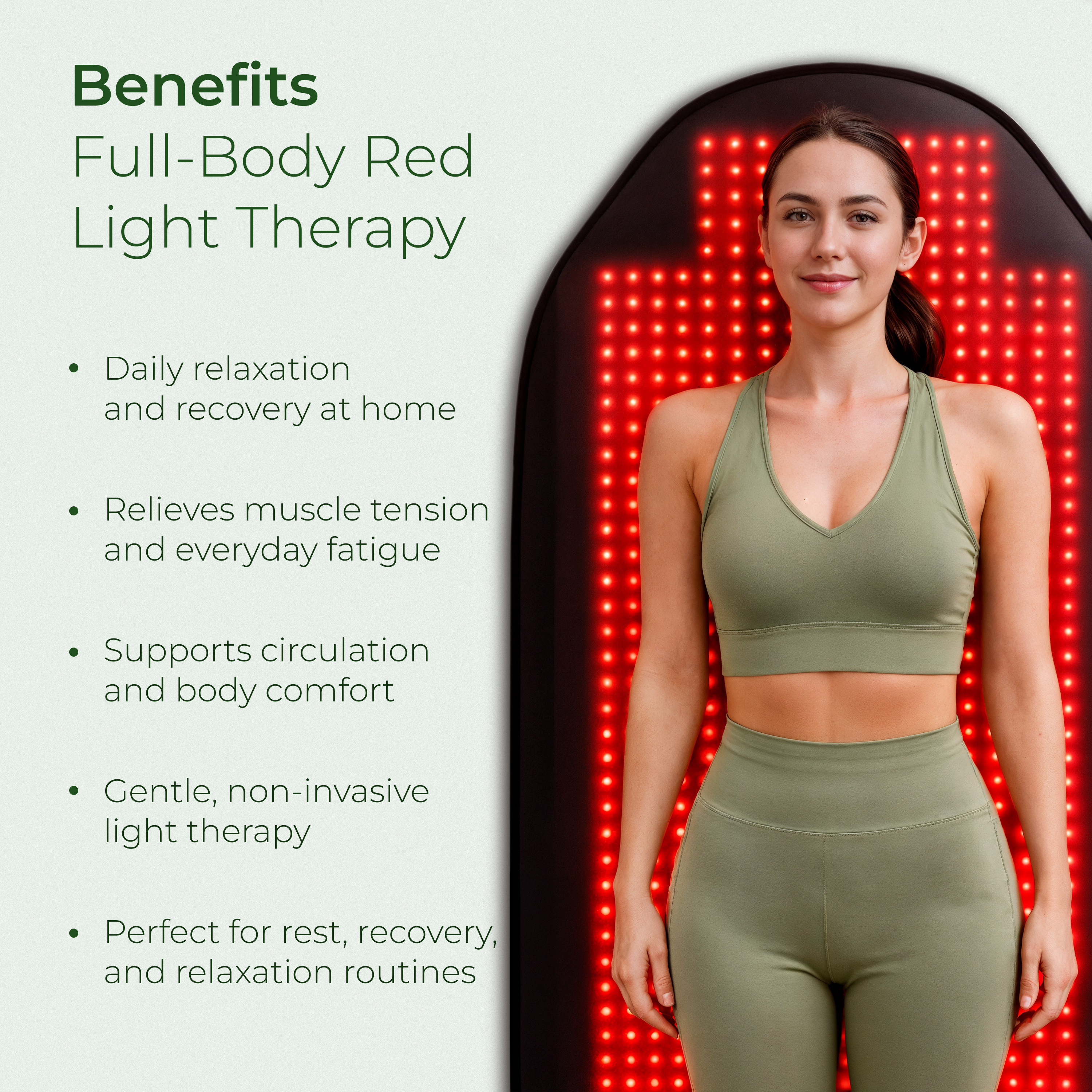
Beyond topical products, certain at-home devices can help accelerate hyperpigmentation treatment — without the risks associated with aggressive professional procedures. The key is choosing devices designed for safe use on all skin tones.
LED Light Therapy
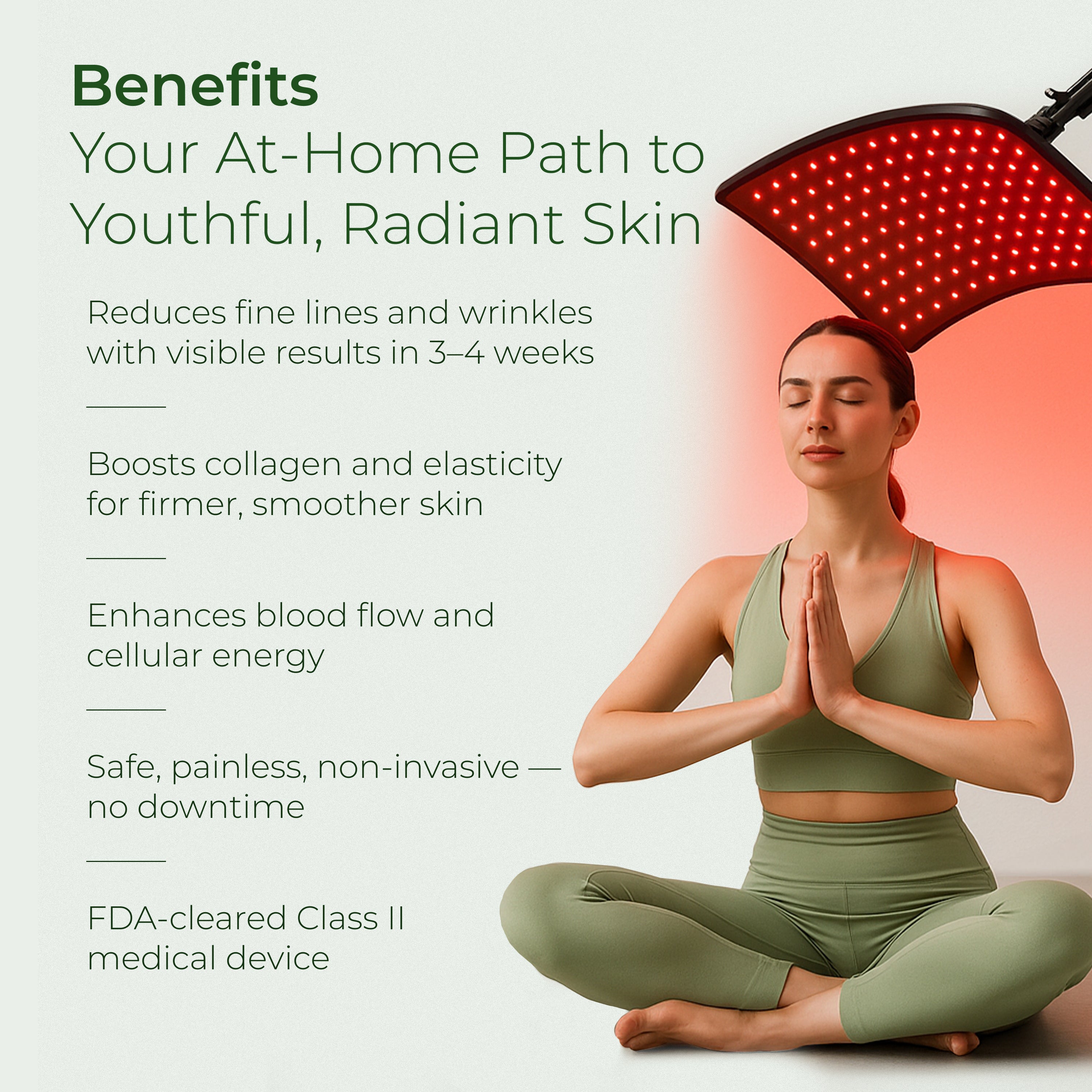
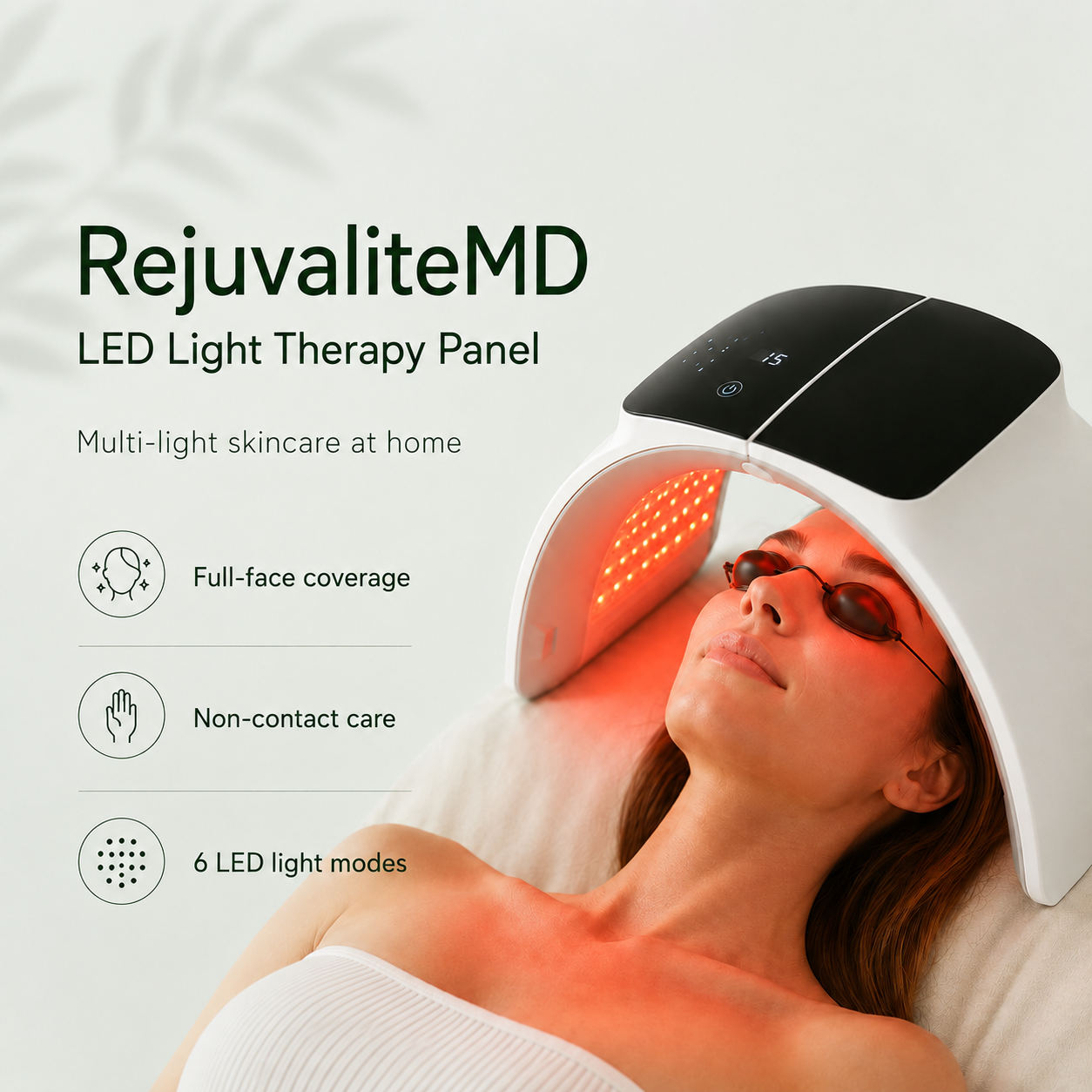
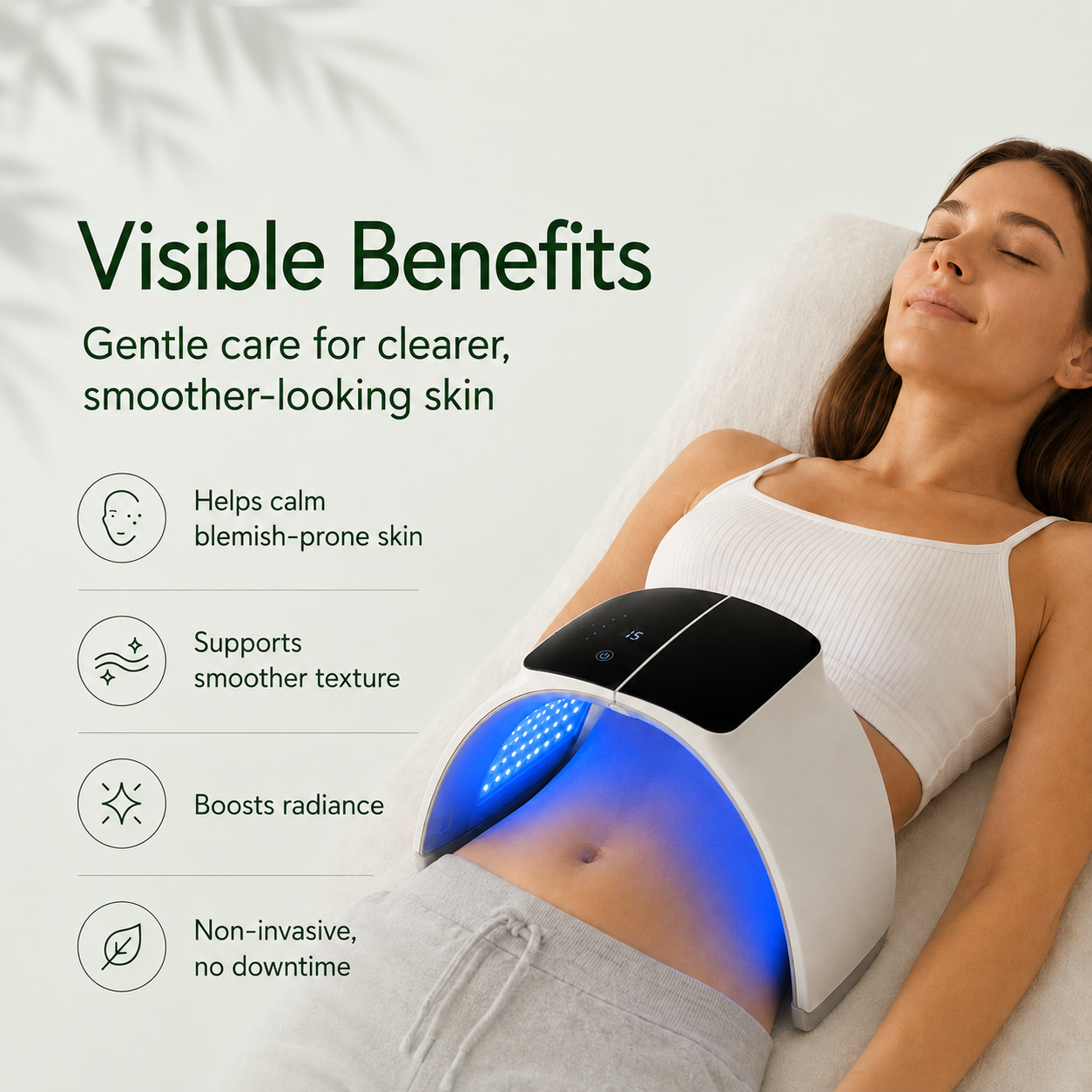
LED light therapy is one of the safest and most effective at-home treatments for dark skin. Unlike lasers that can trigger PIH, LED uses gentle, non-thermal light wavelengths that don't damage melanocytes or cause inflammation.
For hyperpigmentation, red and amber wavelengths are particularly beneficial. Red light (620-700nm) promotes cellular healing and reduces inflammation, while amber light targets melanin production and helps even out skin tone. Studies show consistent LED therapy can significantly improve pigmentation disorders without adverse effects on darker skin.
Gentle Microdermabrasion
When performed correctly and with adjustable intensity, at-home microdermabrasion can help fade superficial hyperpigmentation by removing the outer layer of dead skin cells where excess melanin accumulates. The key is using the lowest effective setting and never over-treating.
Unlike professional dermabrasion (which can be too aggressive for dark skin), at-home microdermabrasion devices allow you to control the intensity and frequency. This prevents the over-exfoliation that can trigger PIH. Always follow with hydrating products and SPF.
Important: Never use physical scrubs with rough particles on hyperpigmented skin. The abrasive action can cause micro-tears that lead to inflammation and worsen dark spots. Opt for gentle chemical exfoliants or controlled microdermabrasion devices instead.
How TrophySkin Can Help
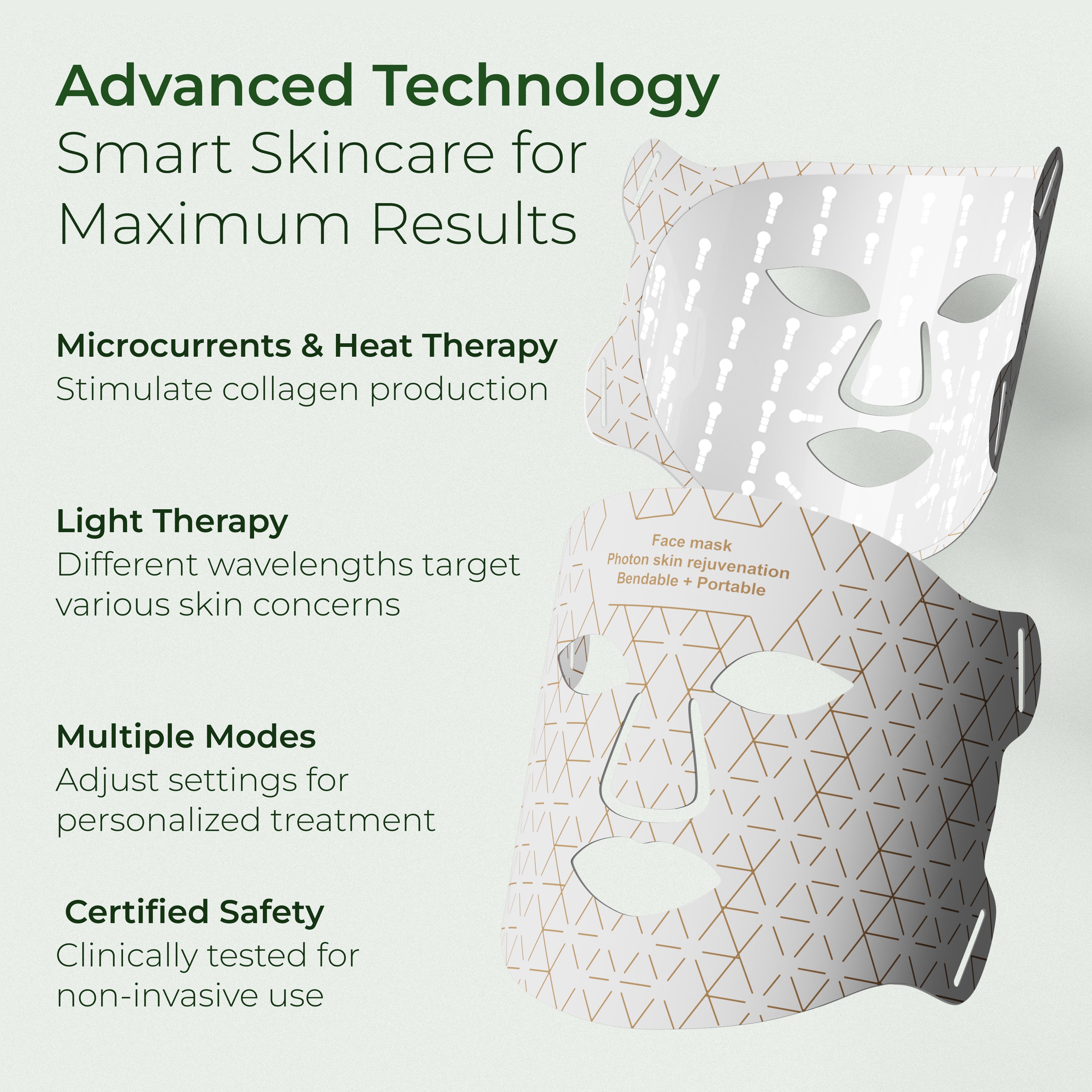
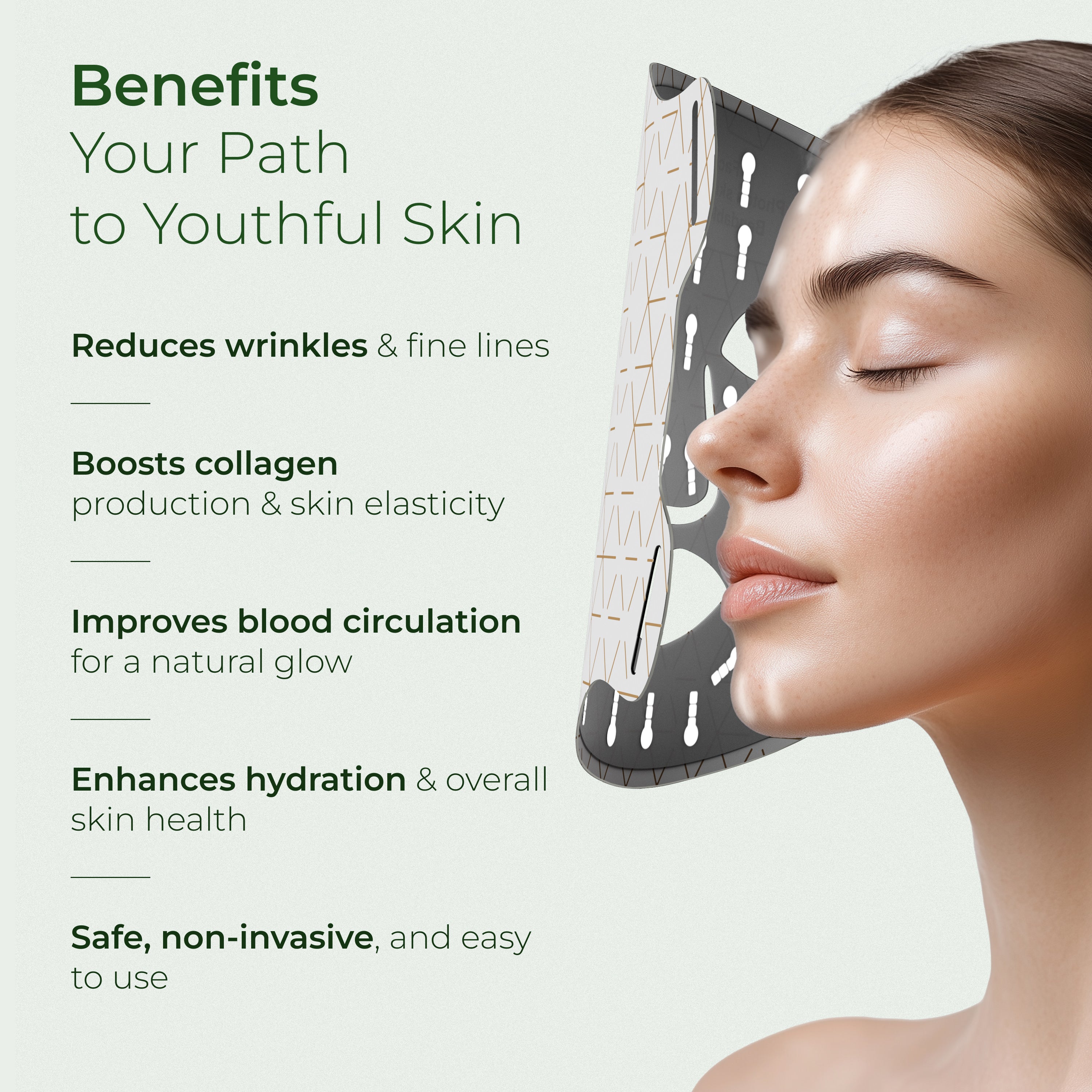
Our professional-grade at-home devices are designed to be safe for all skin tones, including dark skin. LED light therapy panels deliver targeted wavelengths that help even out skin tone without inflammation, while our adjustable microdermabrasion systems allow you to customize intensity for gentle yet effective exfoliation.
Explore LED Therapy Devices →Professional Hyperpigmentation Treatments (With Cautions for Dark Skin)
If at-home treatments aren't delivering the results you want, professional treatments may help. However, it's crucial to see a dermatologist who specializes in skin of color — the approach for darker skin tones differs significantly from standard protocols.
Chemical Peels
Superficial peels using glycolic acid, salicylic acid, or Jessner's solution can be safe for dark skin when performed by an experienced provider. Deep peels with high concentrations of TCA should generally be avoided, as they carry a significant risk of PIH and permanent discoloration.
Laser Treatments
Laser therapy is where the most caution is needed. Traditional ablative lasers are generally not recommended for Fitzpatrick skin types IV-VI due to high PIH risk. However, newer technologies like low-fluence Q-switched lasers and certain fractional lasers may be options when used by specialists with extensive experience treating dark skin.
Building Your Hyperpigmentation Treatment Routine
Consistency is everything when treating hyperpigmentation on dark skin. Here's a complete routine framework:
Pro Tip: When starting new active ingredients like retinoids, begin with 2-3 times per week and gradually increase as your skin builds tolerance. This "slow and steady" approach prevents the irritation that leads to PIH in dark skin.
Timeline: When to Expect Results
Patience is essential. Hyperpigmentation on dark skin often takes longer to fade than on lighter skin — but with consistent treatment, you will see improvement. Here's a realistic timeline:
Weeks 1-4
Skin adjusts to new routine. You may notice improved texture and slight reduction in inflammation. No significant fading yet — this is normal.
Weeks 4-8
Early signs of improvement. Superficial discoloration begins to lighten. Skin tone starts looking more even overall.
Months 3-6
Significant improvement visible. Most superficial PIH should show 50-70% fading. Deeper discoloration continues to improve gradually.
Months 6-12
Optimal results for most hyperpigmentation types. Deep dermal pigmentation may require continued treatment beyond 12 months.
Preventing Hyperpigmentation from Coming Back
Treatment only works if you're also preventing new dark spots from forming. Here's how to protect your progress:
- Daily SPF is non-negotiable: Apply tinted SPF 30+ every morning and reapply every 2 hours if outdoors
- Treat skin conditions promptly: Don't pick at acne or let eczema flares go untreated
- Use gentle products: Avoid anything that burns, stings, or leaves skin red
- Wear protective clothing: Wide-brimmed hats and UPF clothing when in direct sun
-
Manage inflammation: Anti-inflammatory ingredients like niacinamide help prevent PIH

Frequently Asked Questions
⚕️ Medical Disclaimer
This article is for educational purposes only and does not replace professional medical advice. Consult a board-certified dermatologist before starting any new skincare regimen, especially if you have existing skin conditions or take medications. For best results with hyperpigmentation treatment, seek a dermatologist who specializes in skin of color.


Dejar un comentario
Este sitio está protegido por hCaptcha y se aplican la Política de privacidad de hCaptcha y los Términos del servicio.