

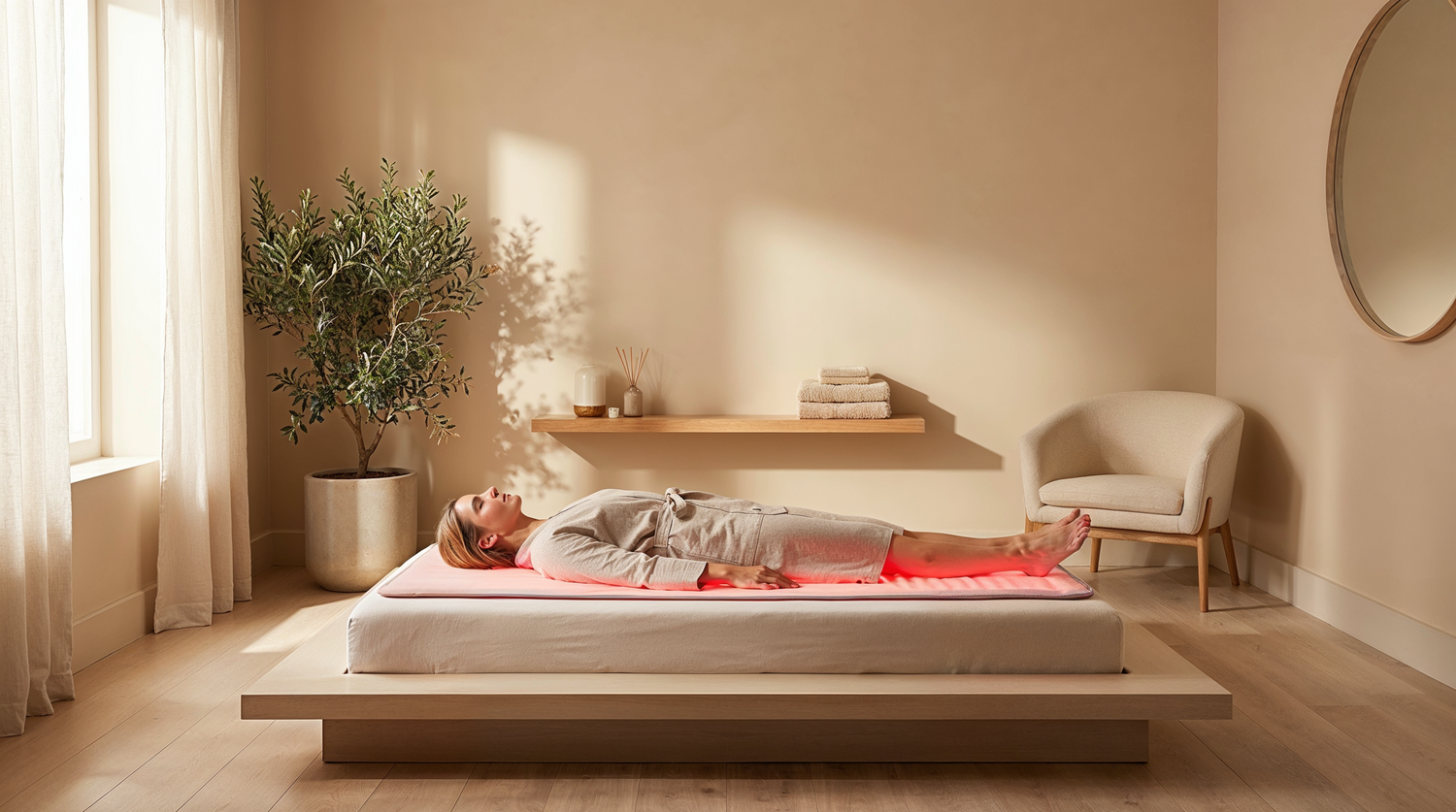
Quick Answer: A red light therapy mat is a flexible, full-body LED device that delivers therapeutic wavelengths (660nm red + 850nm near-infrared) directly to your skin while you lie down. The best mats feature 1,000+ LEDs, dual wavelengths, medical-grade certifications, and irradiance of 30+ mW/cm² for effective home treatments targeting skin rejuvenation, pain relief, and muscle recovery.
If you've been researching ways to boost your skincare routine, ease chronic pain, or accelerate muscle recovery from home, you've likely encountered red light therapy mats. These innovative devices have transformed from exclusive spa equipment into accessible at-home wellness tools that deliver professional-grade light therapy while you simply relax.
But with so many options flooding the market—each promising "the best" results—how do you actually choose a red light therapy mat that's worth your investment? This comprehensive guide breaks down everything you need to know: the science behind the wavelengths, key features to prioritize, real benefits backed by research, and how to maximize your results.
What Is a Red Light Therapy Mat?
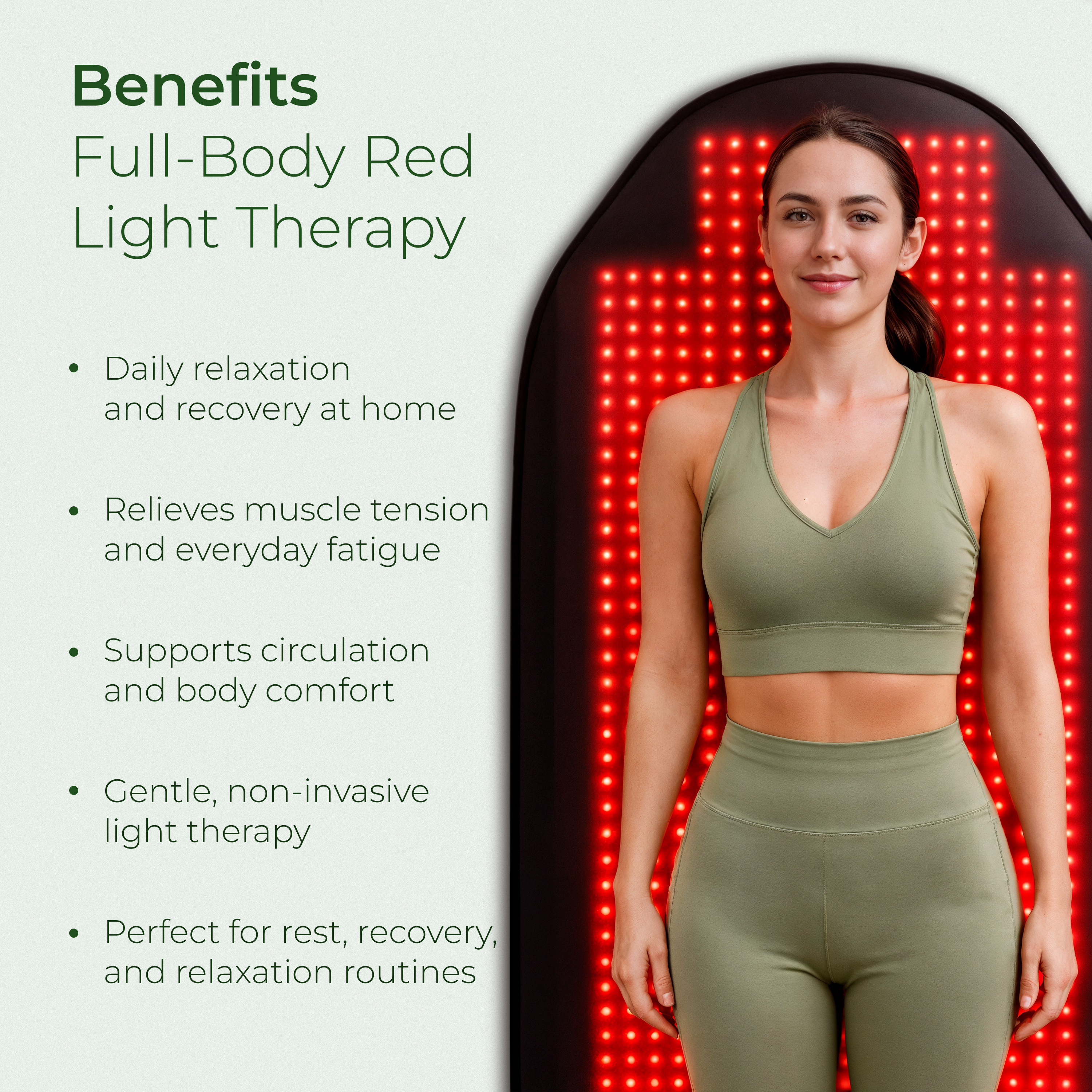
A red light therapy mat is a flexible, portable device embedded with hundreds or thousands of LED lights that emit specific wavelengths of red and near-infrared light. Unlike rigid panels that require you to stand or sit at a distance, mats allow you to lie down comfortably while receiving full-body light exposure directly against your skin.
These mats typically range from small targeted pads (around 12"×24") to full-body designs (70"×30" or larger). The LEDs emit light at therapeutic wavelengths—primarily 660nm red light for surface-level treatment and 850nm near-infrared light for deeper tissue penetration.
The direct skin contact that mats provide is actually a key advantage: it minimizes light reflection and maximizes absorption, ensuring more therapeutic photons reach your cells compared to devices used from a distance.
How Red Light Therapy Works: The Science
Red light therapy—also known as photobiomodulation (PBM) or low-level light therapy (LLLT)—works at the cellular level by stimulating your mitochondria, the "powerhouses" of your cells. When specific wavelengths of light penetrate your skin, they're absorbed by a molecule called cytochrome c oxidase within the mitochondria.
This absorption triggers a cascade of beneficial effects: increased production of ATP (cellular energy), enhanced blood circulation, reduced oxidative stress, and the release of nitric oxide—all of which support your body's natural healing and regeneration processes.
Understanding Wavelengths: 660nm vs 850nm
Not all light is created equal when it comes to therapeutic benefits. Research has identified two primary "therapeutic windows" that deliver optimal results:
The best red light therapy mats combine both wavelengths in a dual-wavelength system. This allows you to target surface-level skin concerns and deeper muscle and joint issues simultaneously during a single treatment session.
Pro Tip: Look for mats that offer a 1:2 or 1:3 ratio of red to near-infrared light. This combination is considered optimal for full-body wellness, addressing both skin health and deeper tissue recovery simultaneously.
 Benefits of Red Light Therapy Mats
Research on red light therapy has expanded significantly over the past decade, with hundreds of peer-reviewed studies supporting various applications. Here are the key benefits that a quality red light mat can deliver:
🌟 Skin Rejuvenation & Anti-Aging
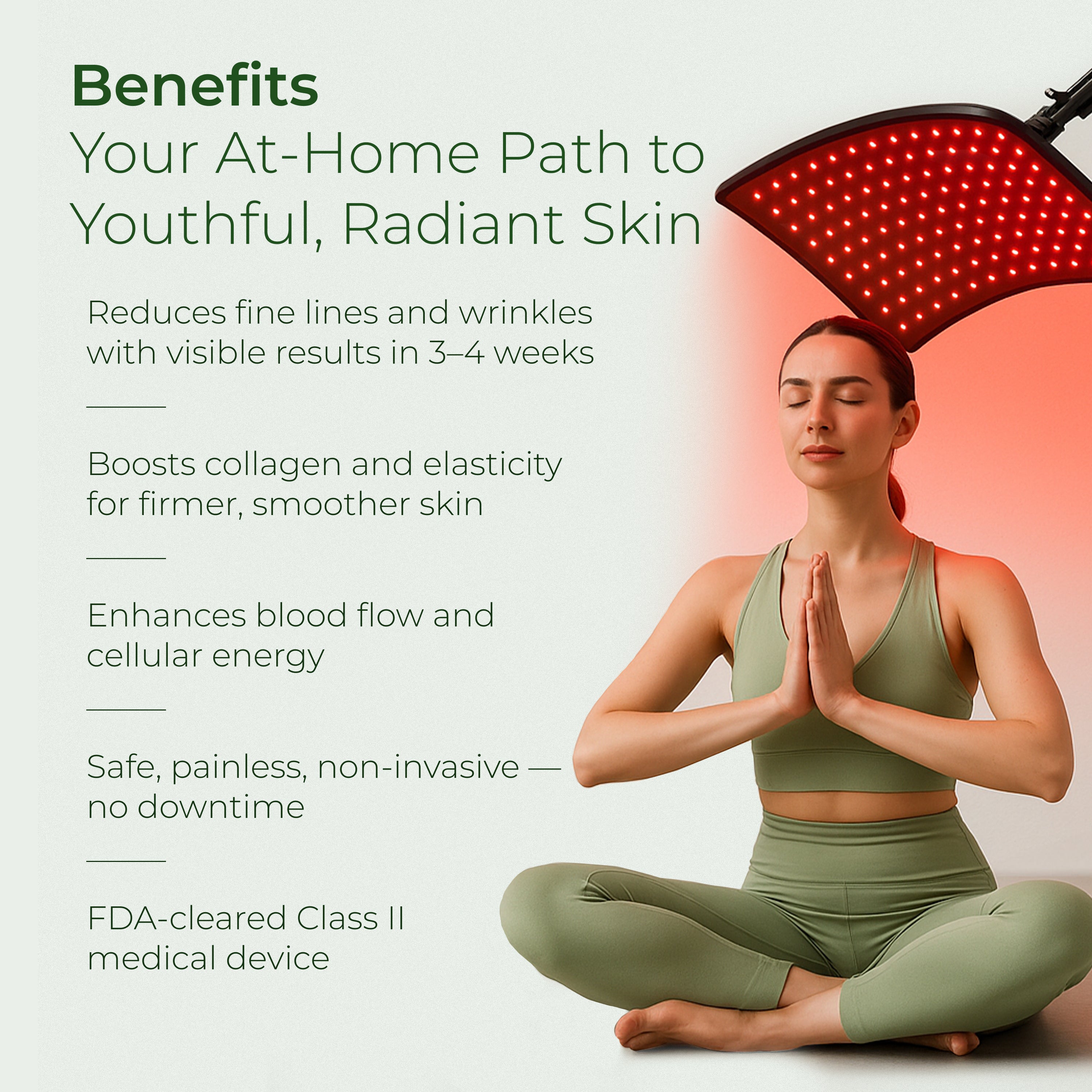
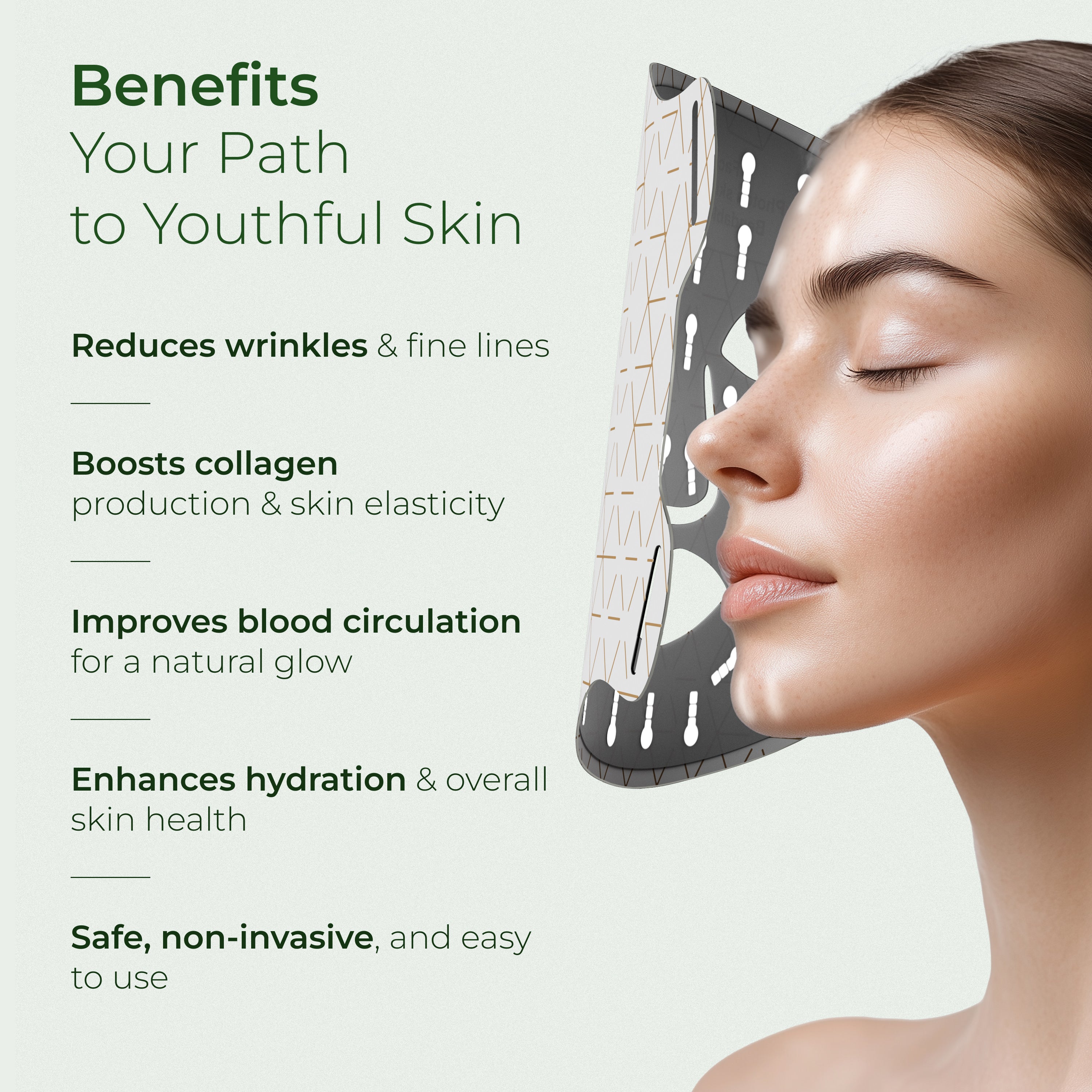
Red light at 660nm stimulates fibroblasts—the cells responsible for producing collagen and elastin. Regular use can help reduce fine lines and wrinkles, improve skin texture and tone, accelerate wound healing, and diminish the appearance of scars and stretch marks. Studies have shown visible improvements in skin complexion and collagen density after consistent use.
💪 Muscle Recovery & Athletic Performance
Athletes and fitness enthusiasts increasingly use infrared light therapy for faster post-workout recovery. The near-infrared wavelengths penetrate deep into muscle tissue, reducing delayed-onset muscle soreness (DOMS), decreasing inflammation, and supporting tissue repair. Many professional sports teams now incorporate red light therapy into their recovery protocols.
🩹 Pain Relief & Inflammation Reduction
For those dealing with chronic pain conditions like arthritis, back pain, or joint stiffness, red light mats offer a non-invasive, drug-free option. The therapy works by reducing inflammatory markers, increasing blood flow to affected areas, and promoting cellular repair. Many users report significant relief after consistent treatment.
😴 Better Sleep & Mood
Unlike blue light from screens that disrupts your circadian rhythm, red light supports natural melatonin production. Evening sessions can help regulate your sleep-wake cycle, reduce stress hormones like cortisol, and promote relaxation. Some studies also suggest benefits for mood and cognitive function.
Red Light Therapy Mat vs Panel: Which Is Better?
When shopping for portable red light therapy devices, you'll encounter two main form factors: mats and panels. Both deliver red light therapy effectively, but they're designed for different use cases. Understanding the differences will help you choose the right device for your needs.
The key advantage of a red light therapy mat is the direct skin contact. Because the LEDs are placed right against your body, there's minimal light loss through air or reflection. This makes mats particularly efficient for their power level—you get more therapeutic benefit per LED compared to panels used at a distance.
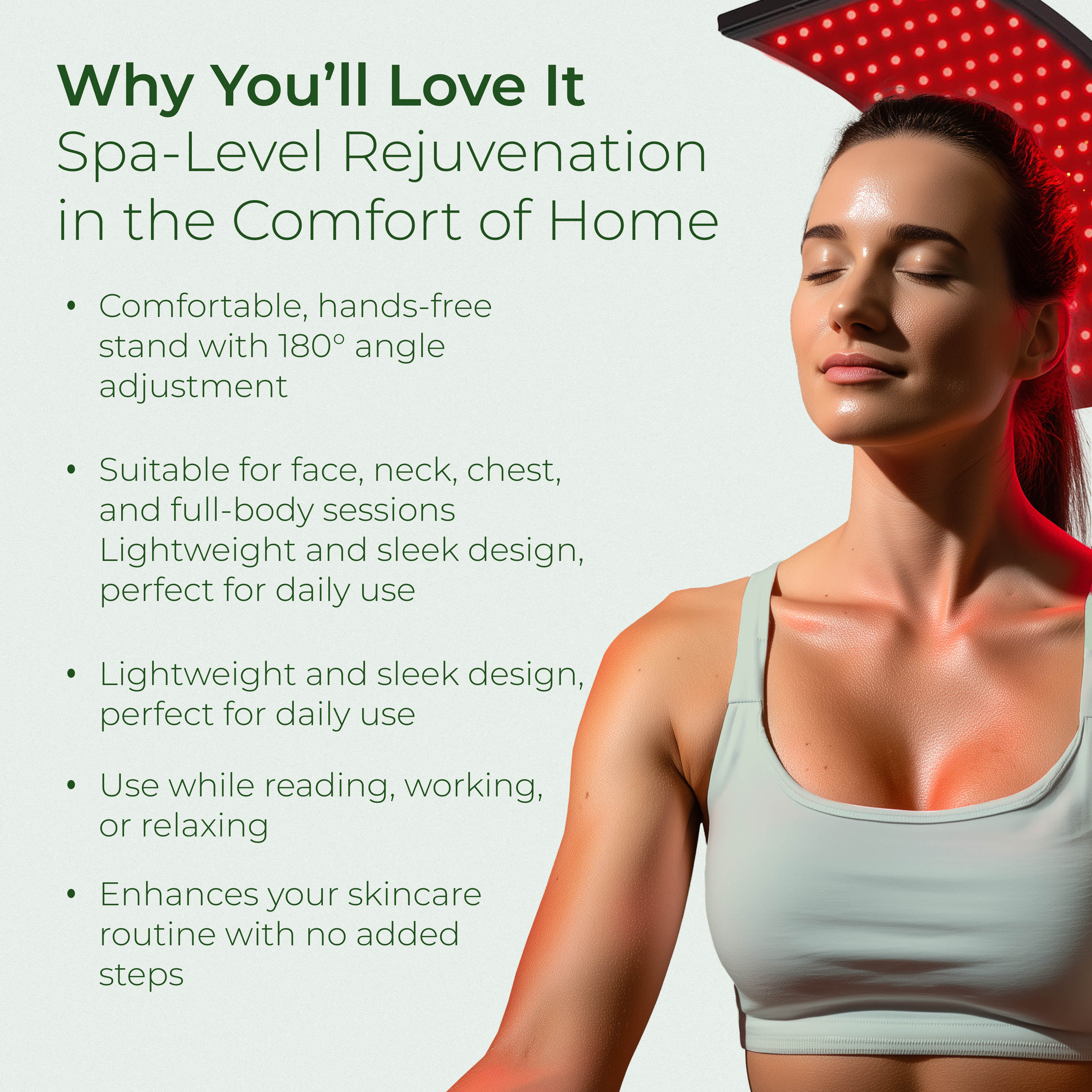
Mats also excel in comfort and convenience. Instead of standing in front of a panel for 15-20 minutes, you can lie down on a mat while reading, meditating, or even napping. This makes it much easier to maintain a consistent treatment routine.
Choose a mat if you want comfortable, hands-free full-body treatments and prioritize convenience and relaxation. Choose a panel if you need maximum power output for targeted facial treatments or have specific areas requiring high irradiance.
How to Choose the Best Red Light Therapy Mat
With so many affordable red light therapy options on the market, it's crucial to know what separates a worthwhile investment from ineffective junk. Here's your checklist of essential features to evaluate:
1. Wavelength Specifications
This is non-negotiable. The mat should clearly state it uses 660nm red light and 850nm near-infrared light (or wavelengths very close to these). Some mats also include additional beneficial wavelengths like 630nm, 810nm, or 830nm. Avoid any product that doesn't specify exact wavelengths—this is often a sign of low-quality LEDs.
2. Irradiance (Power Output)
Irradiance measures how much light energy actually reaches your skin, expressed in mW/cm² (milliwatts per square centimeter). For effective treatment, look for mats with at least 30 mW/cm² irradiance at skin contact. Professional-grade red light therapy devices range from 50-150 mW/cm². Higher irradiance means faster, more effective treatments.
3. LED Count and Density
More LEDs generally mean better coverage with fewer "dead spots." For a full-body mat, you want at least 1,000 LEDs. Premium mats feature 3,000+ LEDs packed densely together. Look for products that specify "no dead zones" or show uniform LED spacing in product images.
4. Size and Coverage Area
Consider what you want to treat. For full-body red light therapy at home, choose a mat at least 60 inches long. For targeted treatment of back pain, knee joints, or specific areas, a smaller portable pad may be more practical and affordable. Many users opt for a medium-sized mat that can cover the torso and back effectively.
Pro Tip: Calculate your coverage needs by lying down and measuring from your shoulders to your hips for torso coverage, or from head to toe for full-body treatment. Add a few inches for comfort.
5. Safety Certifications
Reputable medical grade infrared light therapy devices should have certifications like FDA registration, IEC 60601 (medical device safety standard), FCC certification, and CE marking for European markets. These indicate the product has passed safety testing for electrical components, EMF emissions, and light output.
6. EMF Levels
Since you'll be in direct contact with a red light therapy mat for extended periods, low EMF (electromagnetic field) emissions are important. Look for products that specifically advertise "low EMF" or provide actual EMF readings. Quality mats typically emit less than 0.5 μT (microtesla) when measured at the surface.
7. Timer and Controls
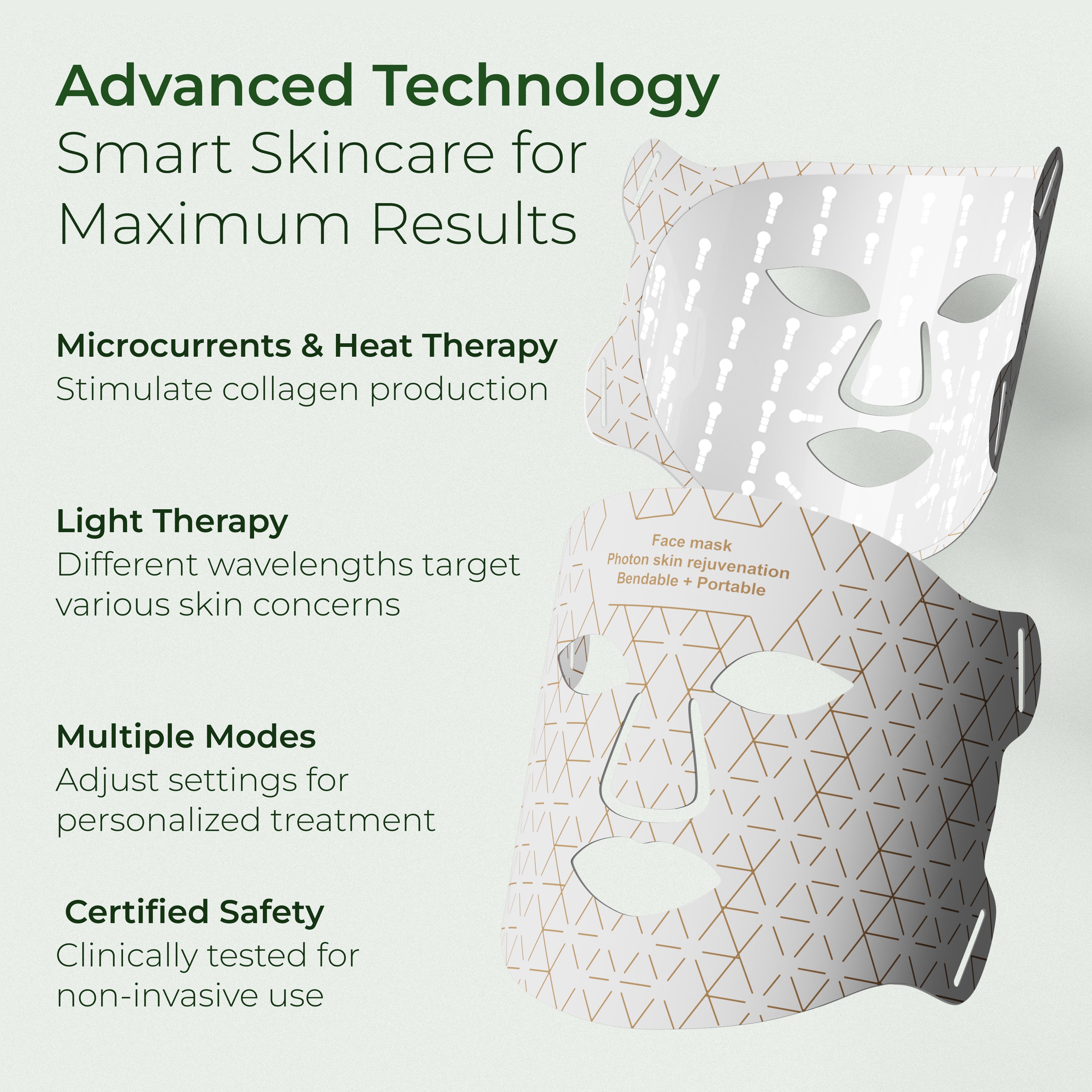
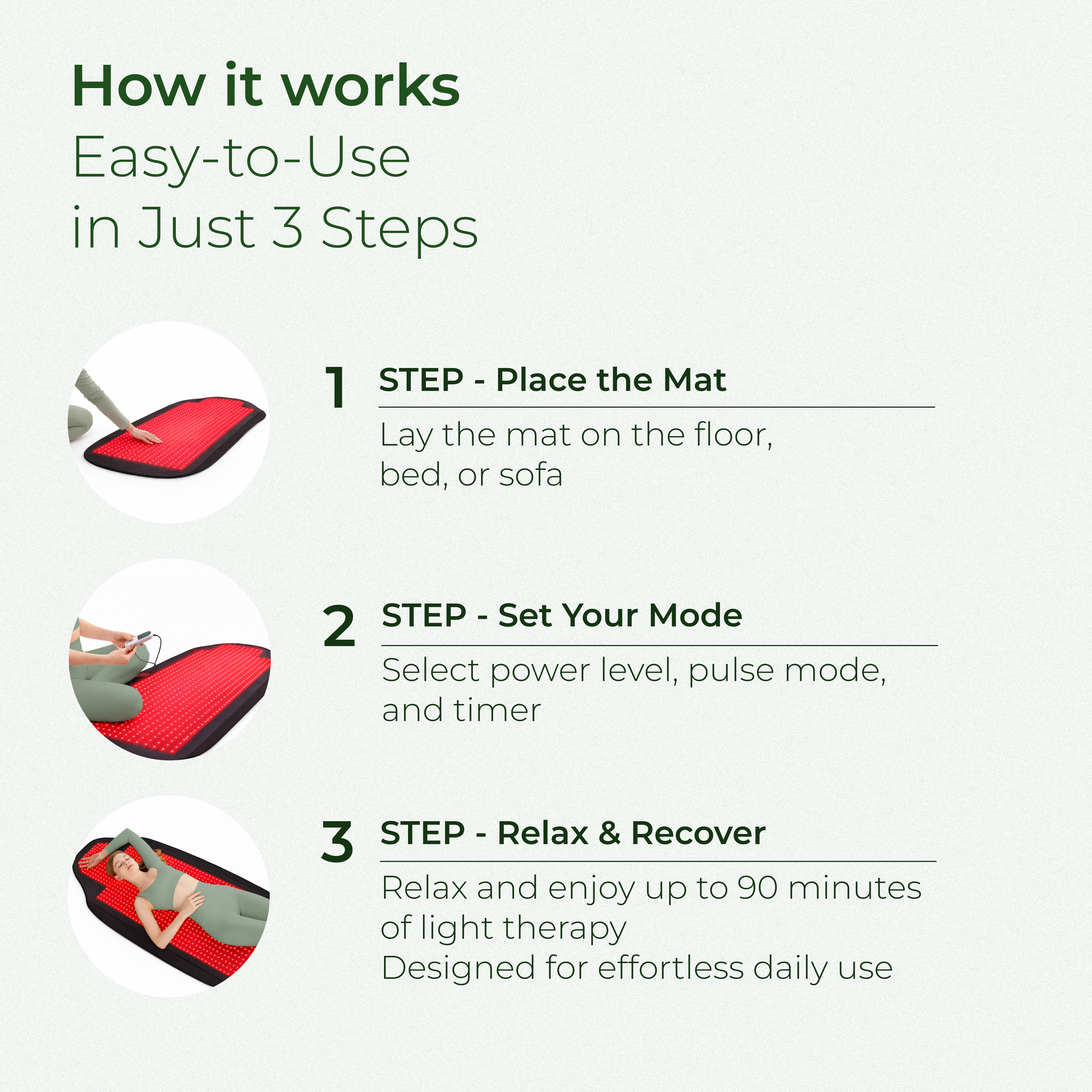
User-friendly controls make a big difference in daily use. Look for built-in timers, auto-shutoff features, adjustable intensity levels, and pulse mode options. Some advanced mats offer different modes (continuous, 10Hz pulse, 40Hz pulse) for targeting various conditions.
🎯 What's Your Primary Concern?
How to Use Your Red Light Therapy Mat
Getting the most from your red light mat requires understanding proper usage. While the technology is straightforward, following best practices will help you see results faster and more consistently.
Recommended Treatment Protocols
Important: While red light therapy is generally safe, avoid using it over active cancers, directly on your eyes without protection, or if you're taking photosensitizing medications. If pregnant or have a medical condition, consult your healthcare provider before starting treatment.
Results Timeline: What to Expect
Red light therapy isn't an overnight miracle—it's a cumulative treatment that builds results over time. Understanding the timeline helps set realistic expectations and keeps you motivated to maintain consistency.
Week 1-2: Initial Phase
You may notice improved mood and relaxation immediately. Some users report better sleep within the first week. Subtle skin "glow" may appear as circulation improves.
Week 4-6: Building Momentum
Reduction in muscle soreness and faster recovery times become noticeable. Skin texture starts to improve. Inflammation and minor aches may begin to decrease.
Week 8-12: Visible Results
Most users see significant improvements in skin appearance including reduction in fine lines. Chronic pain may show meaningful improvement. Collagen production effects become visible.
Month 3+: Maintenance
Continue regular sessions to maintain results. Many users reduce frequency to 2-3 times weekly once goals are achieved. Ongoing benefits include sustained skin health, pain management, and wellness support.
Discover TrophySkin LED Light Therapy
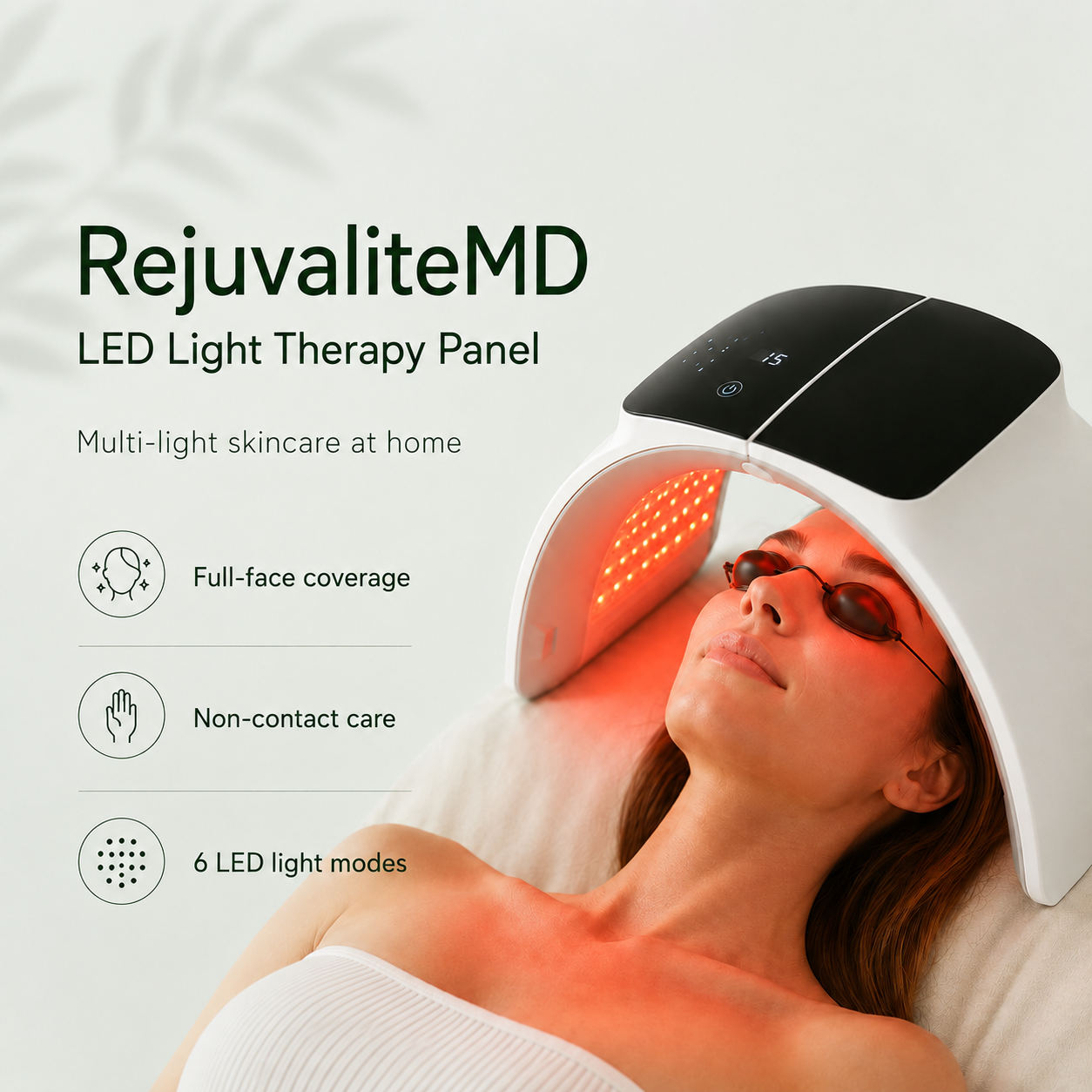
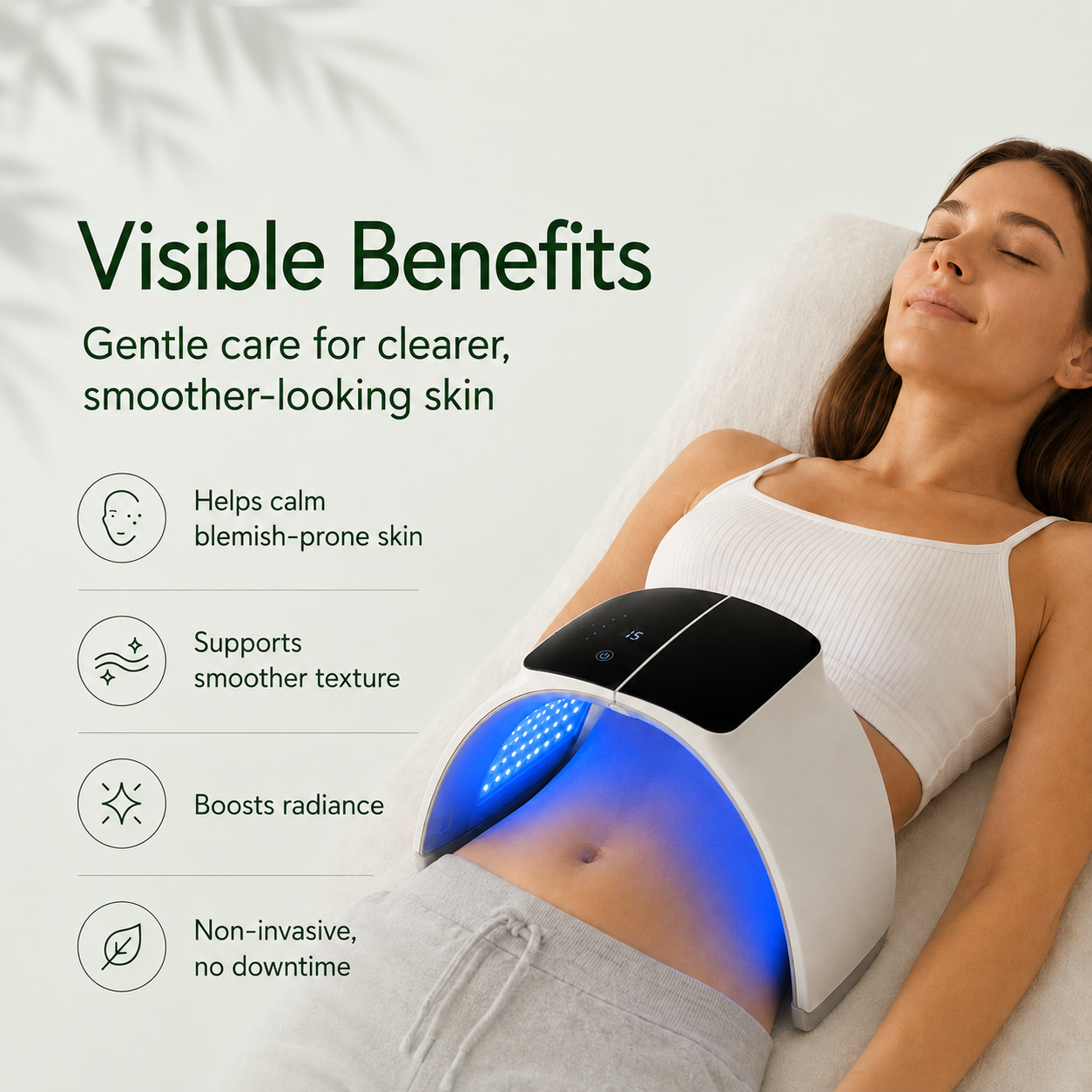
Ready to experience the benefits of professional-grade light therapy at home? TrophySkin offers FDA-cleared LED devices designed for effective, convenient skincare. Whether you're targeting fine lines, dullness, or simply want to enhance your self-care routine, our collection has the perfect solution for you.
Explore LED Collection →
 Frequently Asked Questions
The Bottom Line: A quality red light therapy mat is a worthwhile investment for anyone serious about skin health, pain management, or overall wellness. Focus on dual-wavelength devices (660nm + 850nm), adequate LED count, and reputable certifications. With consistent use, most people see meaningful results within 8-12 weeks.
⚕️ Medical Disclaimer
This article is for educational purposes only and does not replace professional medical advice. Red light therapy should not be used as a substitute for medical treatment. Consult a board-certified dermatologist or healthcare provider before starting any new therapy regimen, especially if you have existing skin conditions, are pregnant, or take photosensitizing medications. Results may vary.
FDA Cleared
Science-Backed
Expert Reviewed
At-Home Convenience


Dejar un comentario
Este sitio está protegido por hCaptcha y se aplican la Política de privacidad de hCaptcha y los Términos del servicio.