






Quick Answer: An arthritis ball (also called a squeeze ball for arthritis) is a therapeutic hand exercise tool designed to strengthen grip, improve joint flexibility, and reduce stiffness in arthritic hands. Regular use for 10-15 minutes daily can significantly improve hand function and decrease pain over 4-8 weeks.
Living with arthritis doesn't mean accepting limited hand function as your new normal. Whether you're struggling to open jars, finding it painful to grip your morning coffee, or noticing stiffness that makes everyday tasks challenging, there's a simple, affordable solution that millions of people swear by: the humble arthritis ball.
Hand exercises using a squeeze ball for arthritis have been recommended by rheumatologists and occupational therapists for decades. The science is clear—regular, gentle exercise can maintain joint mobility, strengthen the muscles that support arthritic joints, and even help manage pain without medication.
In this comprehensive guide, we'll explore everything you need to know about choosing and using an arthritis ball effectively, from understanding the different types available to mastering exercises that can transform your hand health.
What Is an Arthritis Ball?
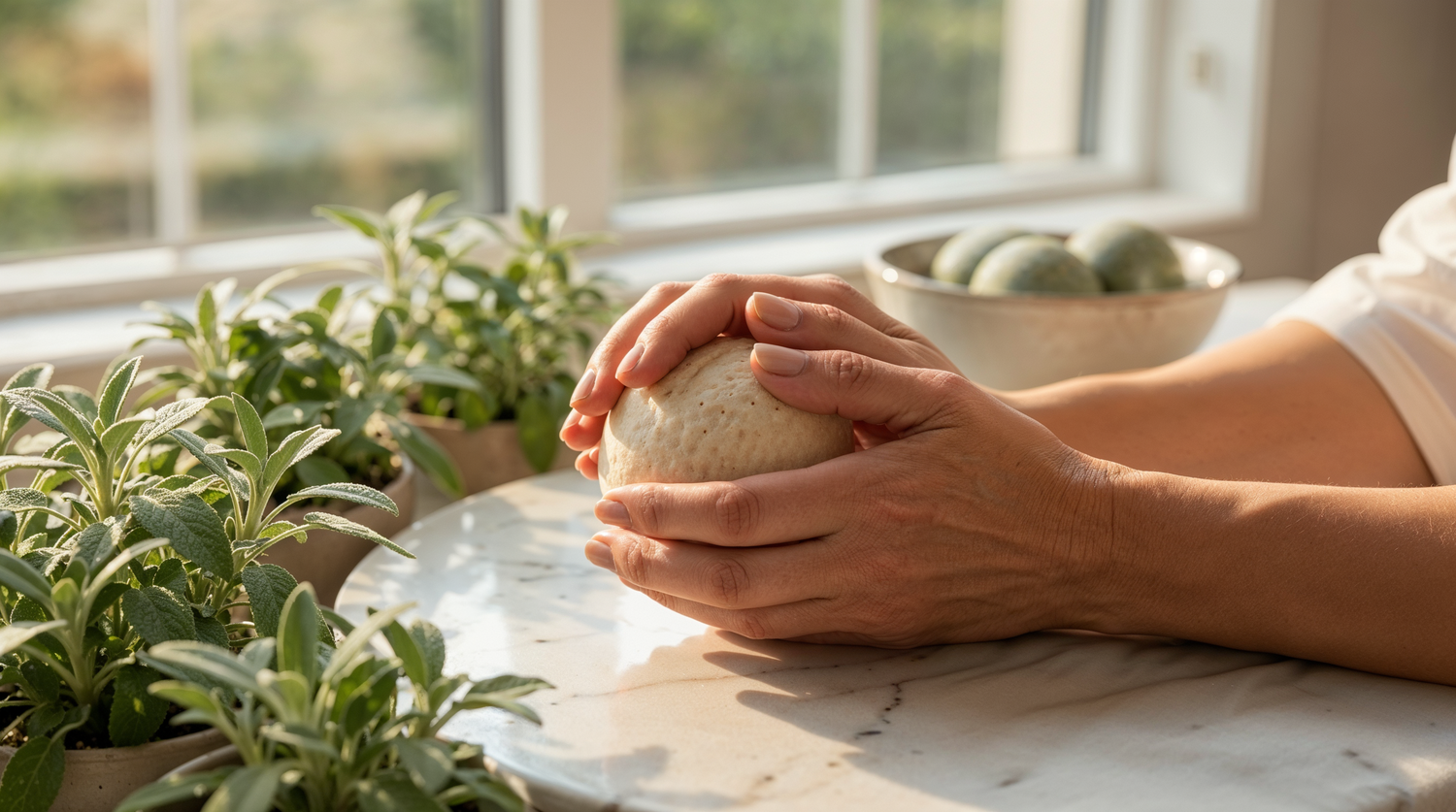
An arthritis ball is a specially designed hand therapy tool that provides gentle resistance when squeezed. Unlike regular stress balls, these therapeutic squeeze balls for arthritis are engineered with specific resistance levels and ergonomic designs to accommodate tender, stiff, or swollen joints while still providing effective exercise.
These simple yet effective tools have been a cornerstone of hand rehabilitation programs for over 50 years. Occupational therapists frequently prescribe them because they're accessible, affordable, and can be used almost anywhere—while watching television, during work breaks, or even during phone calls.
The beauty of an arthritis ball lies in its simplicity. There are no batteries, no complicated instructions, and no learning curve. Yet despite this simplicity, the therapeutic benefits are backed by substantial research showing improvements in grip strength, dexterity, and overall hand function.
How Squeeze Balls Help Arthritis: The Science
Understanding why a simple squeeze ball for arthritis works so well requires a quick look at what happens inside arthritic joints. Arthritis causes inflammation, cartilage breakdown, and often leads to muscle weakness from disuse. When joints hurt, we naturally avoid using them—but this creates a vicious cycle where inactivity leads to more stiffness and weakness.
Squeezing an arthritis ball breaks this cycle through several mechanisms. First, the gentle repetitive motion increases blood flow to the hands, delivering oxygen and nutrients that support joint health. Second, the resistance training strengthens the muscles surrounding your joints, providing better support and reducing strain on the joints themselves.
Perhaps most importantly, regular movement helps maintain the production of synovial fluid—the natural lubricant inside your joints. Think of it like keeping a door hinge oiled; without regular motion, joints become "rusty" and movement becomes progressively more difficult.
Benefits of Regular Arthritis Ball Use
The benefits extend far beyond just joint health. Regular use of a squeeze ball for arthritis can improve your ability to perform daily tasks like buttoning shirts, writing, cooking, and typing. Many users report decreased morning stiffness, reduced need for pain medication, and improved confidence in their hand function.
Research published in the Journal of Hand Therapy found that participants who used hand exercise balls consistently for eight weeks showed significant improvements in grip strength, pinch strength, and overall hand dexterity compared to those who didn't exercise. These improvements translated directly into better performance of everyday activities.
Types of Arthritis Balls: Finding Your Perfect Match
Not all arthritis balls are created equal. The market offers a variety of options designed to meet different needs, severity levels, and personal preferences. Understanding these differences will help you choose the most effective tool for your specific situation.
Gel Squeeze Balls
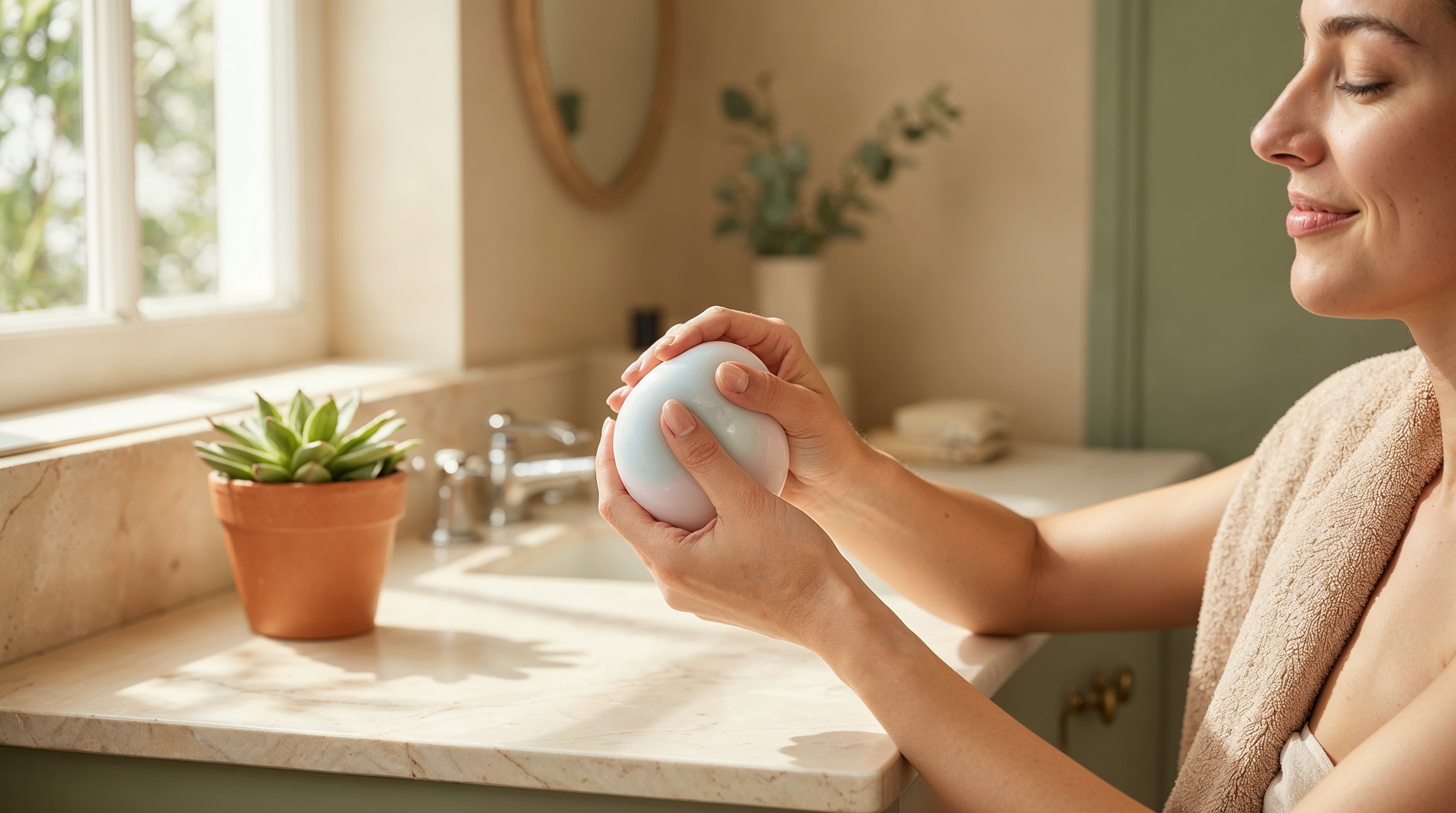
Gel-filled balls are among the most popular options for arthritis sufferers. They typically come in graduated resistance levels (soft, medium, firm) and offer smooth, consistent resistance throughout the squeeze. The gel interior conforms slightly to your hand shape, making them comfortable for extended use. Many people appreciate that these can also be warmed or cooled for additional therapeutic benefits.
Foam Therapy Balls
Foam balls are excellent for those with severe arthritis or during flare-ups when even gentle resistance feels challenging. They're typically the softest option available and are virtually impossible to over-squeeze, making them safe for fragile hands. The texture also provides gentle sensory stimulation that some users find soothing.
Pro Tip: Keep multiple resistance levels on hand. Use softer balls during morning stiffness or flare-ups, and progress to firmer resistance as your hands warm up throughout the day or as your strength improves over time.
Egg-Shaped Exercisers
Ergonomically designed egg shapes allow for different grip positions and can target specific finger joints more effectively than round balls. These are particularly useful for working on pinch grip (thumb-to-finger strength) which is essential for tasks like picking up coins, turning keys, or buttoning clothes.
Textured Therapy Balls
Some arthritis balls feature nubs, ridges, or spiky textures that provide additional sensory feedback and can help improve circulation. While these aren't for everyone—some people with sensitive hands find them uncomfortable—others appreciate the gentle massage-like sensation they provide during exercise.
Choosing the Right Arthritis Ball for Your Needs
Selecting the best squeeze ball for arthritis depends on several factors including your current hand strength, the severity of your arthritis, and your specific goals. Here's how to make an informed choice:
The golden rule is to start softer than you think you need. It's better to progress to a firmer ball than to aggravate your joints by starting with too much resistance. A proper squeeze ball for arthritis should feel challenging but never painful. You should be able to complete your exercise session without increased joint pain afterward.
Important: If you experience sharp pain, increased swelling, or lasting discomfort after using your arthritis ball, stop immediately and consult your healthcare provider. Some discomfort during flare-ups is normal, but persistent pain isn't—it may indicate you need a softer resistance or different approach.
Best Exercises with Your Arthritis Ball
Having the right arthritis ball is only half the equation—using it effectively matters just as much. Here are the most beneficial exercises recommended by occupational therapists, designed to target different aspects of hand function.
The complete routine takes approximately 10-15 minutes. For best results, perform these exercises twice daily—once in the morning after your joints have loosened up, and once in the evening. Consistency matters far more than intensity; daily gentle exercise beats occasional aggressive sessions.
Pro Tip: Warm up your hands before exercising by soaking them in warm water for 5-10 minutes or applying a warm towel. Warm muscles and joints are more pliable and less prone to strain. Some people also find that using their arthritis ball right after a warm shower maximizes comfort and range of motion.
What Results to Expect: A Realistic Timeline
Understanding what to expect—and when—helps maintain motivation and set realistic goals. While everyone's experience with an arthritis ball differs based on their starting point and consistency, here's a general timeline of improvements most users report:
Week 1-2: Initial Adjustment
Mild muscle fatigue as hands adapt to new activity. Some people notice slightly increased stiffness initially—this is normal. Focus on building the habit rather than intensity.
Week 3-4: Early Improvements
Noticeable reduction in morning stiffness. Exercises feel easier and more natural. May begin to notice improved grip during daily activities like opening containers.
Week 5-8: Meaningful Progress
Measurable grip strength improvements. Ready to progress to firmer resistance. Everyday tasks feel noticeably easier. Many users report reduced reliance on over-the-counter pain relievers.
Month 3+: Long-Term Benefits
Sustained improvements in hand function and quality of life. Exercise becomes a natural part of routine. Continued use helps maintain gains and may slow progression of joint deterioration.
Consistency is everything: A squeeze ball for arthritis works best when used regularly over time. Skip a few days and you won't lose all progress, but the real benefits come from making hand exercises a non-negotiable part of your daily self-care routine—like brushing your teeth.
A Holistic Approach to Joint and Skin Care
While an arthritis ball addresses joint health directly, caring for the hands involves more than just exercise. The skin on our hands is particularly vulnerable to aging and damage—it's thinner than facial skin, has fewer oil glands, and is constantly exposed to environmental stressors.
Many people with arthritis notice that their hands also show signs of aging more prominently. Sun damage, dryness, and loss of collagen can make hands look older than they are. This is where combining physical therapy with targeted skin treatments can make a real difference in overall hand health and appearance.
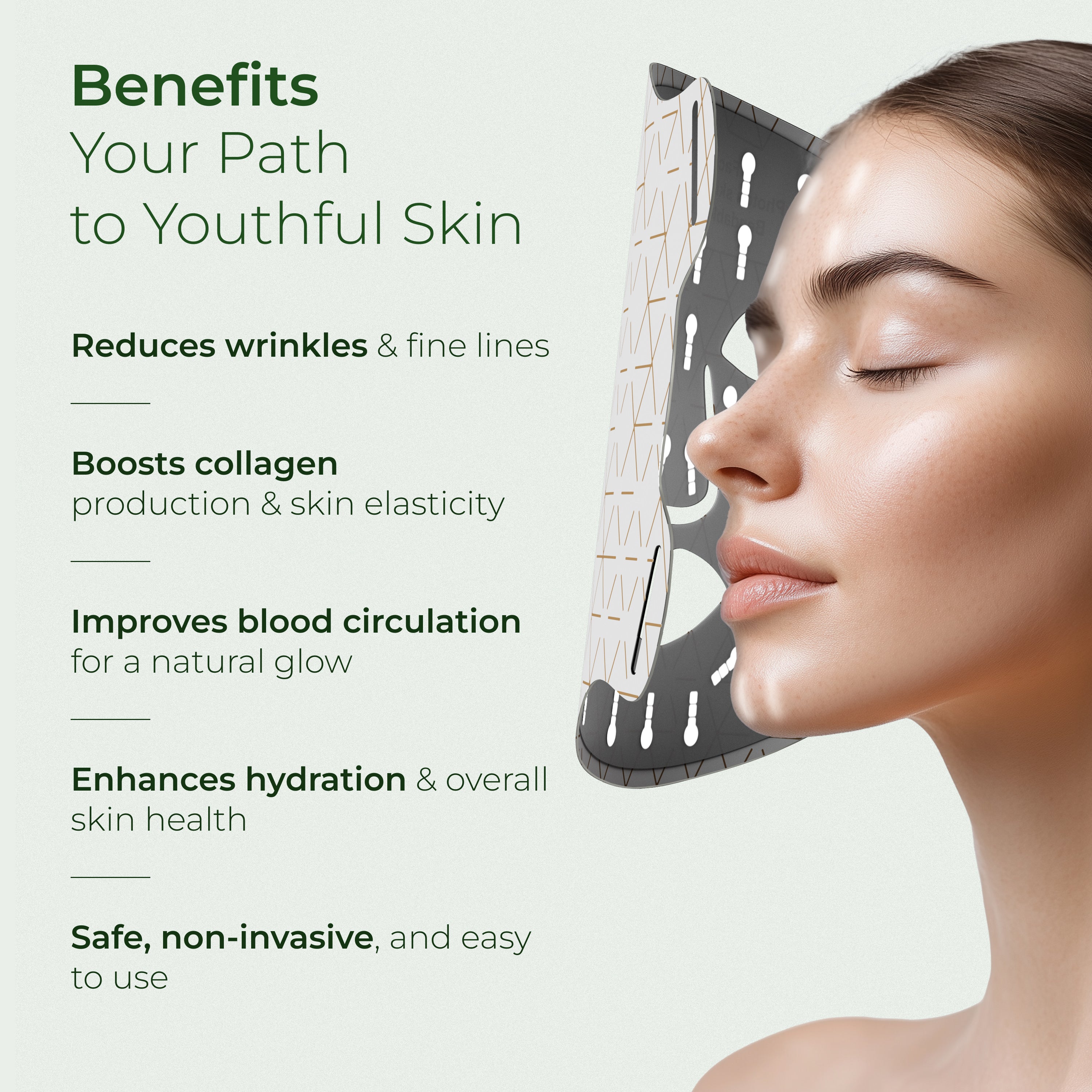
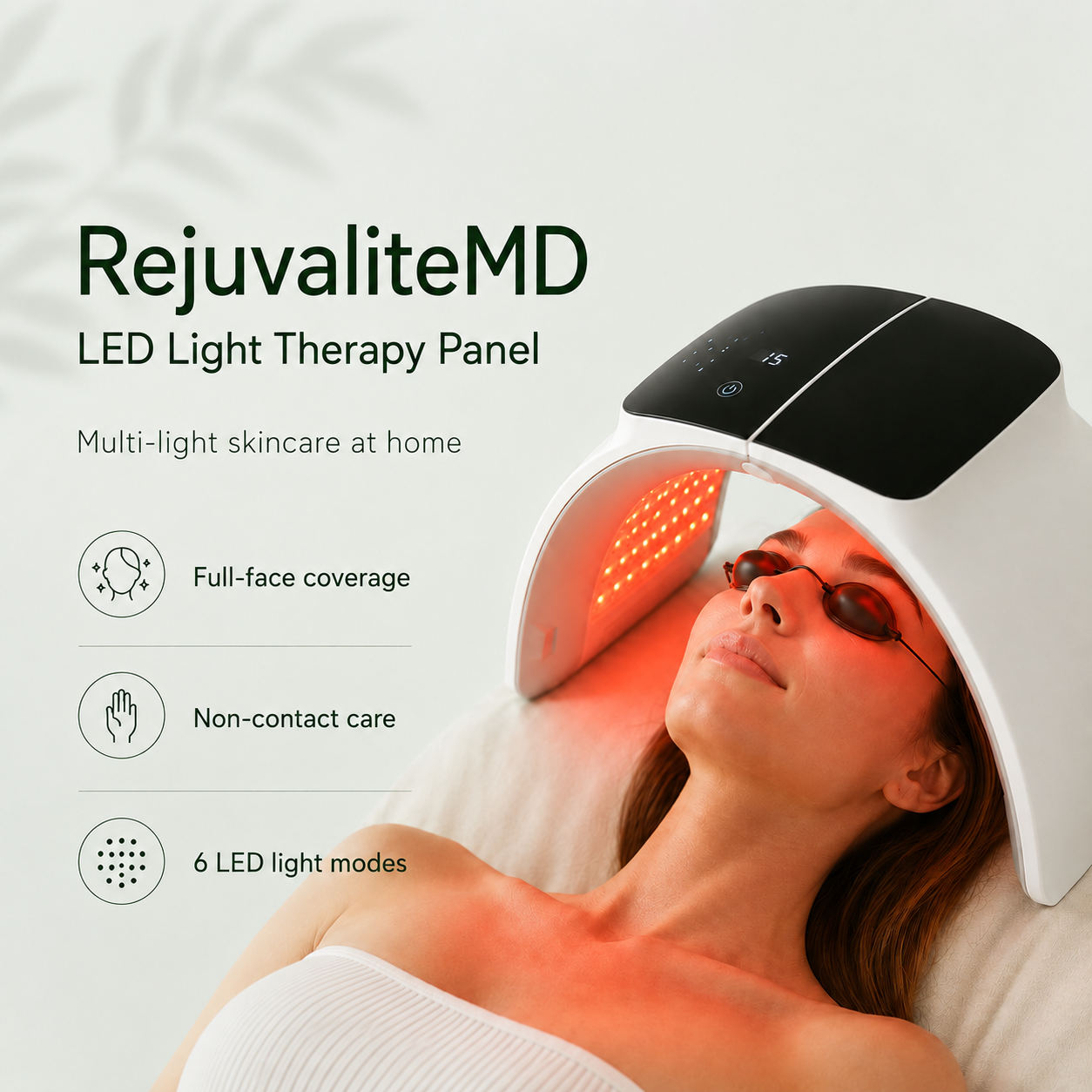
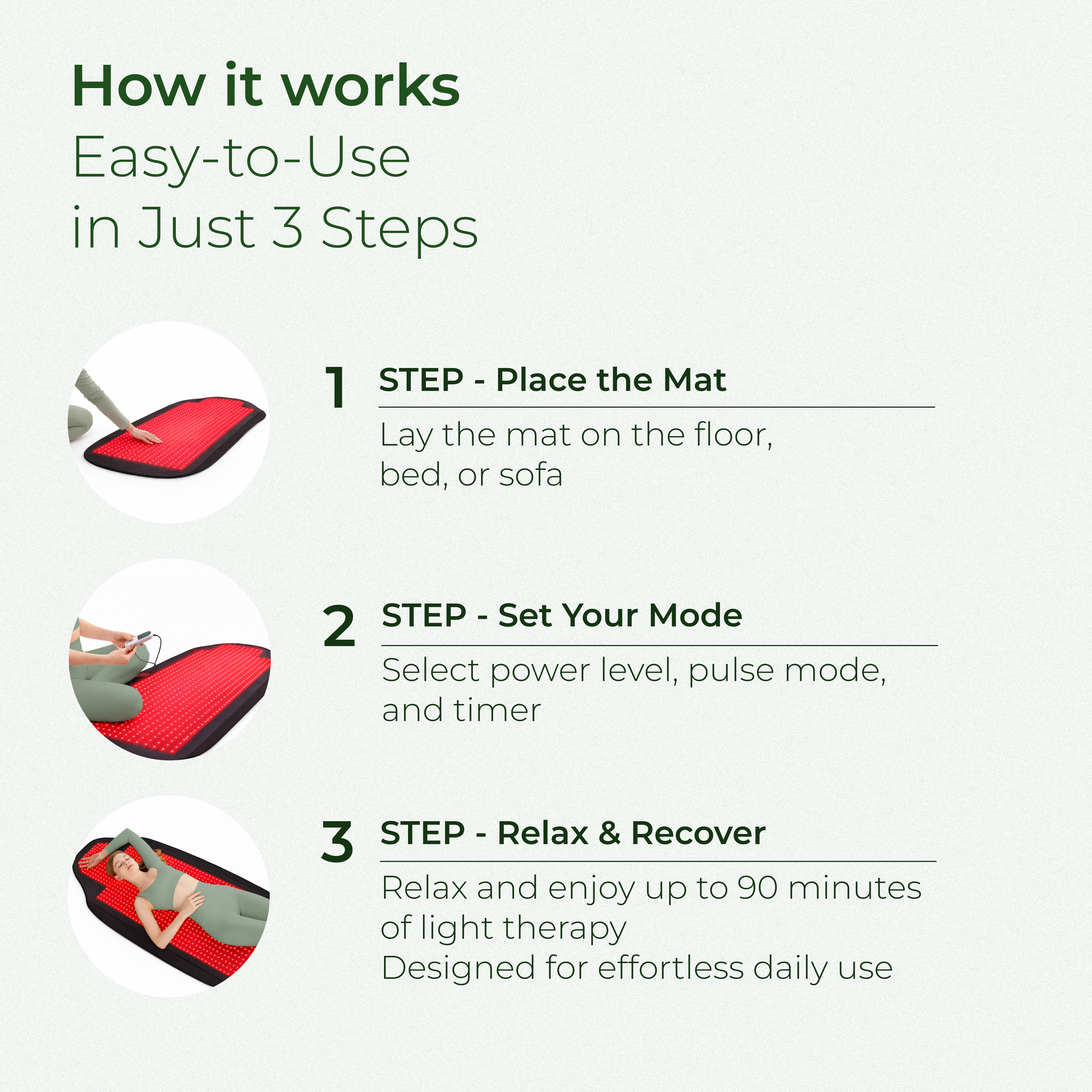
Consider pairing your arthritis ball routine with gentle skin therapies. After exercising your hands, the increased circulation makes it an ideal time to apply moisturizers or treatments that can better penetrate warm, well-circulated skin. Some people find that LED light therapy, which uses specific wavelengths to support cellular health, complements their joint care routine by addressing both skin rejuvenation and circulation.
Complete Hand & Skin Wellness
TrophySkin's at-home devices offer professional-grade treatments that complement your hand care routine. LED therapy and microdermabrasion can help address aging skin concerns while you work on joint health with your arthritis exercises.
Explore Our Devices →Common Mistakes to Avoid
Even with something as simple as an arthritis ball, there are pitfalls that can reduce effectiveness or even cause harm. Here are the most common mistakes people make and how to avoid them:
Starting too hard, too fast. Enthusiasm is wonderful, but jumping into intensive exercise with a firm ball can aggravate joints and set back your progress. Always begin with softer resistance and shorter sessions, gradually building up over weeks.
Exercising during active flares. When your joints are hot, swollen, and inflamed, rest is often more beneficial than exercise. Wait until the acute flare subsides, then resume with gentle movements and soft resistance.
Inconsistent practice. Doing intensive exercises once a week is far less effective than gentle daily practice. The benefits of squeeze ball therapy are cumulative—regular, moderate exercise builds strength and flexibility over time.
Gripping too tightly. The goal is controlled, moderate squeezes—not white-knuckled death grips. Excessive force puts unnecessary strain on already stressed joints. Quality of movement matters more than intensity.
Neglecting other forms of treatment. An arthritis ball is one tool in your toolbox, not a complete solution. Continue working with your healthcare providers and don't abandon other prescribed treatments in favor of exercise alone.
Pro Tip: Keep an arthritis ball in multiple locations—by your bed, on your desk, near the TV, in your purse or car. When the tool is always within reach, you're far more likely to use it regularly throughout the day rather than forgetting about it.
Frequently Asked Questions
Taking Control of Your Hand Health
Living with arthritis presents daily challenges, but it doesn't have to mean accepting declining hand function as inevitable. An arthritis ball is one of the most accessible, affordable, and effective tools available for maintaining and improving hand strength, flexibility, and comfort.
The key to success lies not in finding the "perfect" ball or doing exercises perfectly, but in showing up consistently. Ten minutes of gentle squeezing each day, week after week, creates cumulative benefits that can genuinely transform your quality of life. Tasks that once felt impossible become manageable; activities you'd given up become possible again.
Remember that caring for arthritic hands is a holistic endeavor. Your squeeze ball for arthritis works best as part of a broader self-care routine that may include proper nutrition, adequate rest, gentle stretching, and attention to skin health. The hands that serve you so faithfully deserve comprehensive care.
Start where you are, with what you have. Choose a soft ball, commit to five minutes a day, and build from there. Your future self—the one who opens jars without wincing and writes holiday cards with ease—will thank you for beginning today.
⚕️ Medical Disclaimer
This article is for educational purposes only and does not replace professional medical advice. Consult a board-certified rheumatologist or occupational therapist before starting any new exercise program, especially if you have rheumatoid arthritis, have had hand surgery, or experience significant joint damage. Individual results vary, and what works for one person may not be appropriate for another.

Laisser un commentaire
Ce site est protégé par hCaptcha, et la Politique de confidentialité et les Conditions de service de hCaptcha s’appliquent.