

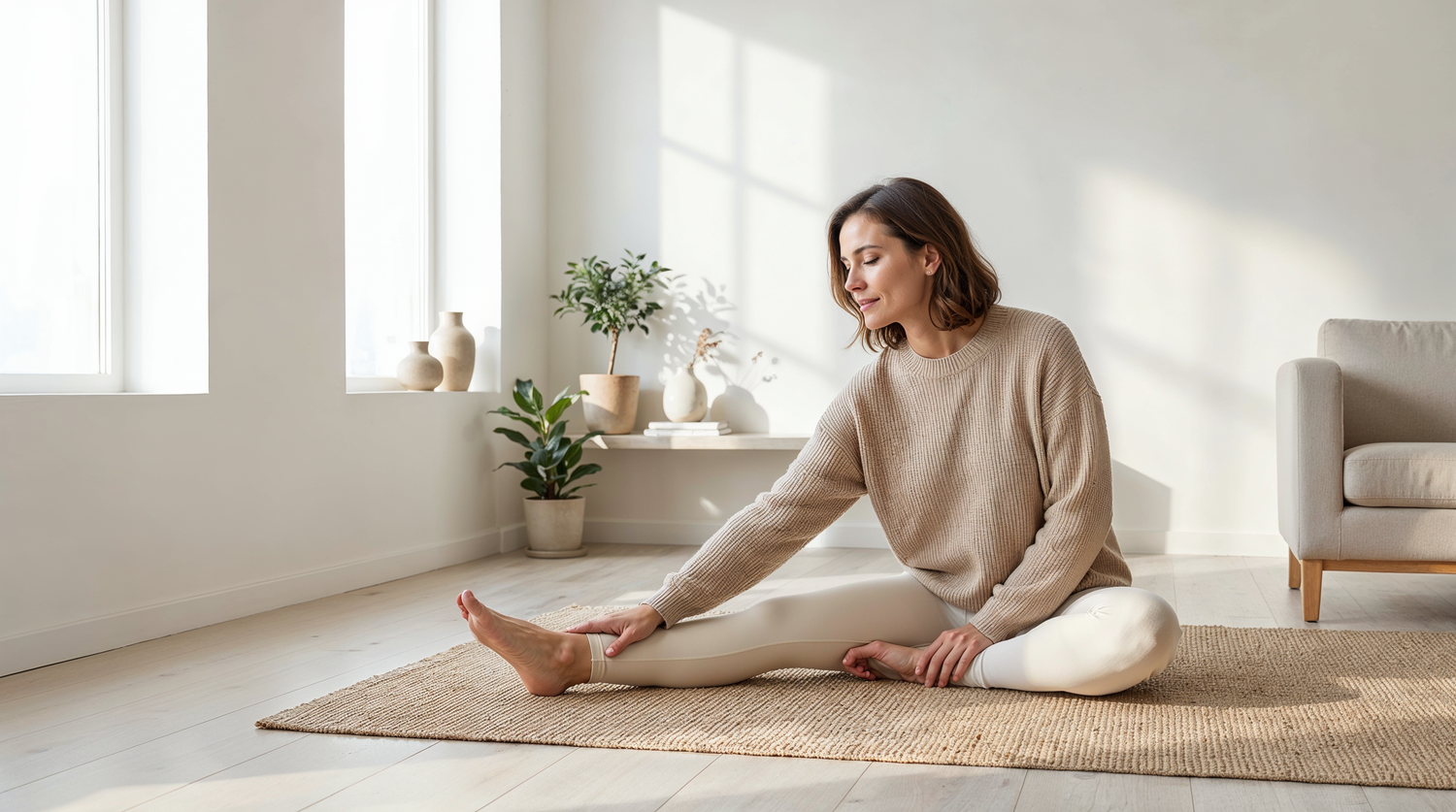
Quick Answer: The best exercises to increase circulation include walking (30 minutes daily), calf raises, ankle pumps, leg lifts, and cycling. For immediate results, try ankle rotations and heel-toe raises while sitting. Consistency matters more than intensity—even 5-minute movement breaks throughout your day can significantly improve blood flow to your legs, feet, and entire body.
Did you know that your blood travels approximately 12,000 miles through your body every single day? That's nearly half the distance around the Earth—and when this incredible journey slows down, you feel it everywhere. From cold hands and tired legs to dull skin that lacks that healthy glow, poor circulation affects more than just your energy levels.
The good news? Simple exercises to increase circulation can transform how you feel—and how your skin looks. Whether you're dealing with swollen ankles after a long day, numbness in your feet, or simply want better blood flow for healthier-looking skin, the right movements can make a remarkable difference.
In this comprehensive guide, we'll explore 15 science-backed circulation exercises you can do anywhere—lying down, sitting at your desk, or standing during a quick break. Plus, discover how modern skincare technology can complement your efforts for that coveted healthy, radiant complexion.
Why Exercises to Increase Circulation Matter for Your Health
Your circulatory system is the body's superhighway—delivering oxygen, nutrients, and immune cells to every tissue while removing waste products and toxins. When blood flow slows or becomes restricted, the effects ripple throughout your entire body.
Poor circulation doesn't just cause cold feet and tired legs. It can lead to slower wound healing, increased risk of blood clots, reduced cognitive function, and yes—dull, lifeless skin. Your skin cells depend on healthy blood flow to receive the oxygen and nutrients they need for renewal and repair.
Signs that you might benefit from exercises to improve circulation include:
- Numbness, tingling, or cold sensations in hands and feet
- Swelling in ankles and lower legs, especially after sitting
- Muscle cramps during physical activity
- Slow-healing cuts or wounds
- Dull, tired-looking skin that lacks radiance
- Fatigue and low energy levels
The Science Behind Blood Flow and Exercise
Understanding how exercise improves circulation helps you maximize your efforts. When you move your muscles, several powerful mechanisms kick into action.
First, your heart rate increases, pumping more blood throughout your body. But that's just the beginning. Your arteries sense the increased demand and respond by releasing nitric oxide—a natural compound that relaxes blood vessel walls and allows them to expand. This vasodilation means more blood can flow through with less resistance.
Your leg muscles play a particularly important role. Often called the "second heart" or "peripheral heart," your calf muscles act as a pump that pushes blood upward against gravity back toward your heart. Every time you contract these muscles—whether walking, doing calf raises, or simply flexing your feet—you're actively supporting venous return.
Pro Tip: Your calf muscles are called the "peripheral heart" because they pump blood back toward your heart. Even simple ankle pumps throughout the day can significantly improve circulation—try doing 10 pumps every hour if you work at a desk.
Research shows that regular exercise doesn't just provide temporary benefits. Over time, consistent physical activity helps maintain the elasticity of blood vessels, reduces inflammation, and can even promote the development of new small blood vessels (collateral circulation) that improve blood delivery to tissues.
The best part? You don't need to train for a marathon to see results. Studies indicate that even brief periods of movement—as short as 5-minute walking breaks—can counteract the negative effects of prolonged sitting on vascular function.
Best Exercises to Increase Circulation in Legs
These targeted leg circulation exercises can be done in any position—choose based on your situation and ability level. Consistency matters more than duration, so find moves you'll actually do regularly.
🧍 Standing Exercises for Better Circulation
1. Calf Raises — The gold standard for activating your "peripheral heart." Stand with feet hip-width apart, rise onto your toes, hold for 2 seconds, then lower slowly. Repeat 15-20 times. For added challenge, try single-leg raises or hold onto a wall for balance.
2. Walking — The simplest and most effective blood flow exercise. Aim for 30 minutes daily at a pace that feels comfortable but purposeful. Can't commit to 30 minutes? Three 10-minute walks work just as well for circulation.
3. Mini Squats — Stand with feet shoulder-width apart and lower into a shallow squat, keeping your weight in your heels. Rise back up and repeat 10-15 times. This engages your thighs and calves simultaneously.
4. Tip-Toe Walking — Walk around your room on your toes for 30-60 seconds. This intensively works your calf muscles and gets blood pumping immediately.
🪑 Seated Exercises for Blood Circulation in Legs
Perfect for desk workers, long flights, or anyone who spends extended periods sitting—these exercises can be done discreetly anywhere.
5. Ankle Rotations — Lift one foot slightly and rotate your ankle in circles—10 times clockwise, then 10 counterclockwise. Switch feet. This gentle movement keeps blood flowing without requiring much space.
6. Heel-Toe Raises — With feet flat on the floor, lift your heels while keeping toes grounded. Lower heels and immediately lift your toes while heels stay down. Create a rocking motion for 20-30 repetitions.
7. Seated Marching — Alternate lifting your knees toward your chest in a marching motion while seated. Continue for 30-60 seconds. This engages hip flexors and promotes blood flow from your lower legs.
8. Leg Extensions — Extend one leg out straight in front of you, flex your foot (toes pointing up), hold for 3 seconds, then lower. Repeat 10 times per leg. You'll feel this in your thighs and calves.
Desk workers, take note: Setting a timer to do 2 minutes of seated circulation exercises every hour can reduce your risk of blood clots and help prevent that heavy, achy feeling in your legs by day's end.
🛏️ Lying Down Exercises to Improve Circulation
These are ideal for morning and evening routines, recovery periods, or anyone with mobility limitations. Gravity assists these movements, making them particularly effective.
9. Ankle Pumps — Lying on your back with legs extended, flex and point your feet like pressing a gas pedal. Do 20-30 pumps. This is the top exercise recommended after surgery to prevent blood clots.
10. Knee Bends — Draw one knee toward your chest, then extend it back down. Alternate legs for 10 repetitions each. This movement helps push blood from your lower legs toward your heart.
11. Leg Lifts — Keep one leg bent with foot flat. Lift the other leg (keeping it straight) until your knees are level. Lower slowly. Repeat 10 times per leg. Strengthens muscles while improving blood flow.
12. Legs Up the Wall — A yoga-inspired move that uses gravity to encourage blood flow. Lie on your back with your legs extended up against a wall. Stay for 5-10 minutes. This is especially helpful for reducing swelling after long periods on your feet.
Circulation Exercises for Your Whole Body
While leg exercises target your lower extremities, these full-body movements boost circulation everywhere—including to your brain and skin.
13. Swimming — The buoyancy of water reduces stress on joints while providing excellent cardiovascular benefits. The horizontal position also helps blood flow more easily throughout your body. Aim for 20-30 minutes, 3-4 times weekly.
14. Cycling — Whether on a stationary bike or outdoors, the pedaling motion continuously engages your leg muscles while elevating your heart rate. This combination makes cycling one of the most effective exercises for circulation.
15. Yoga — Certain yoga poses are specifically designed to improve blood flow. Inverted poses like Downward Dog and Legs Up the Wall encourage blood return from the extremities, while twisting poses help stimulate blood flow to internal organs.
Pro Tip: Combine your circulation exercises with deep breathing. Oxygen-rich blood is more beneficial to your tissues, and deep breathing itself helps stimulate lymphatic flow, reducing puffiness in your face and body.
How TrophySkin Technology Supports Healthy Circulation
While exercises to increase circulation provide foundational benefits for your whole body, targeted skincare technology can help boost microcirculation specifically where it matters for your complexion—the delicate skin on your face.
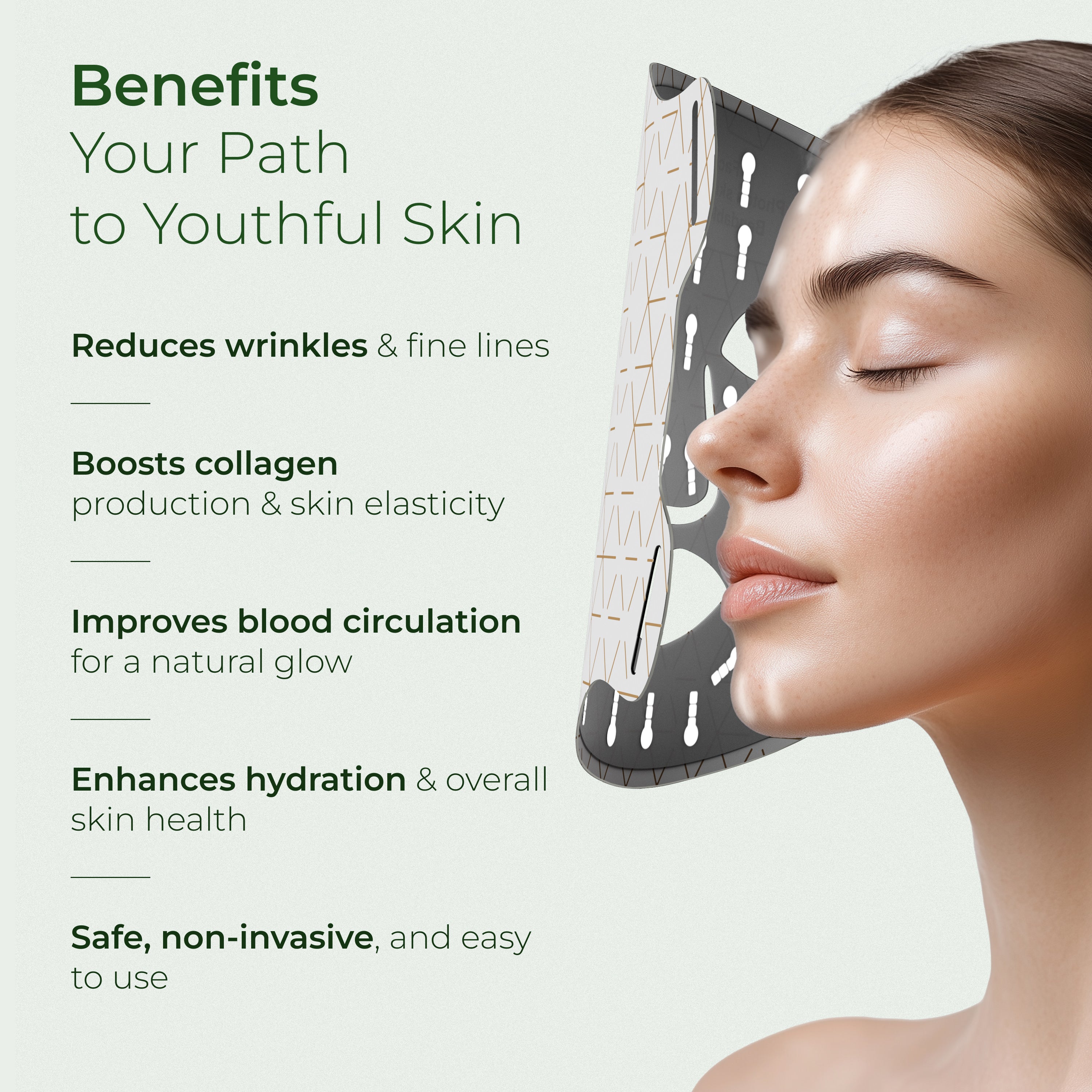
When blood flow to facial skin improves, cells receive more oxygen and nutrients for repair and renewal. The result? Skin that looks more vibrant, plump, and healthy—that coveted "glow" that no amount of concealer can replicate.
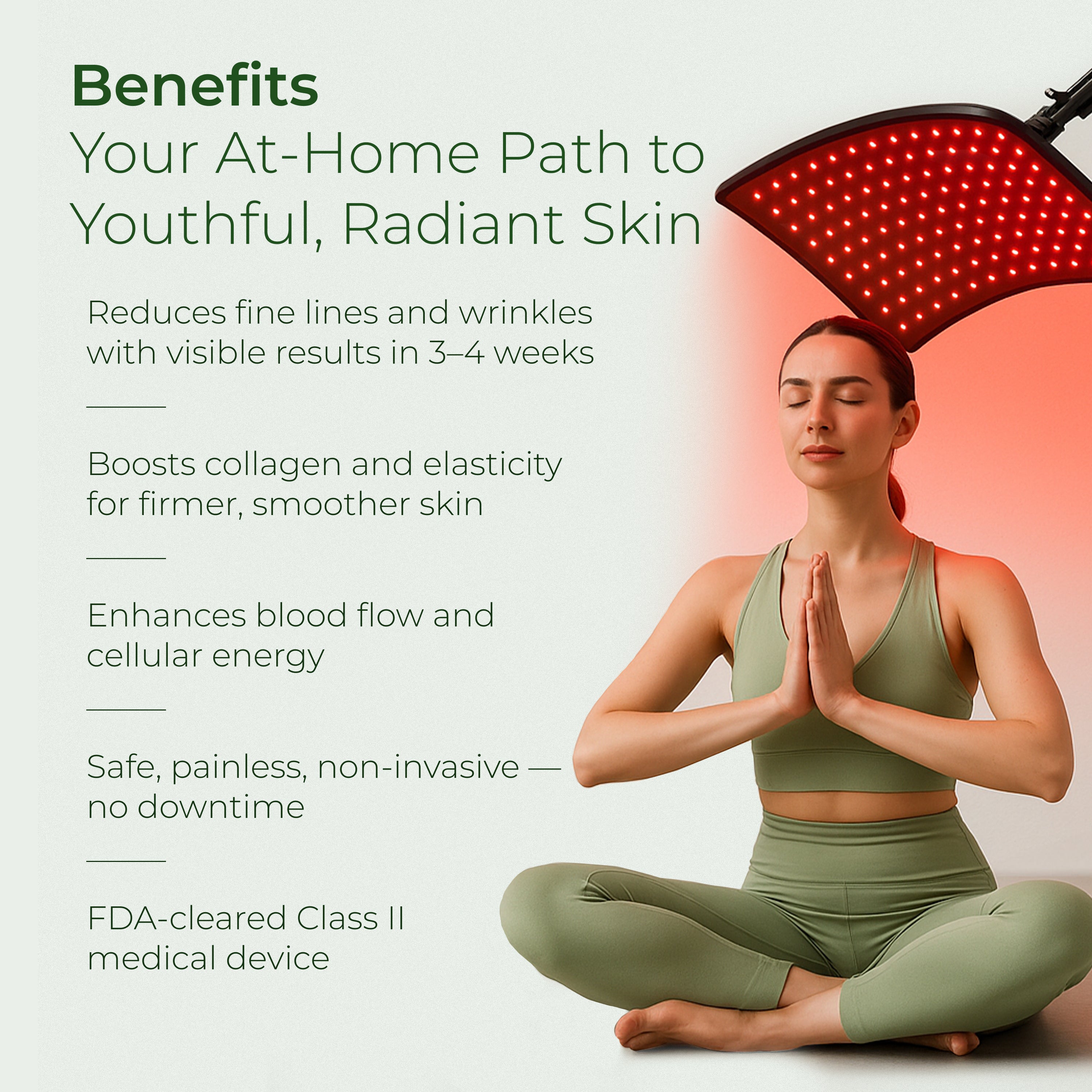
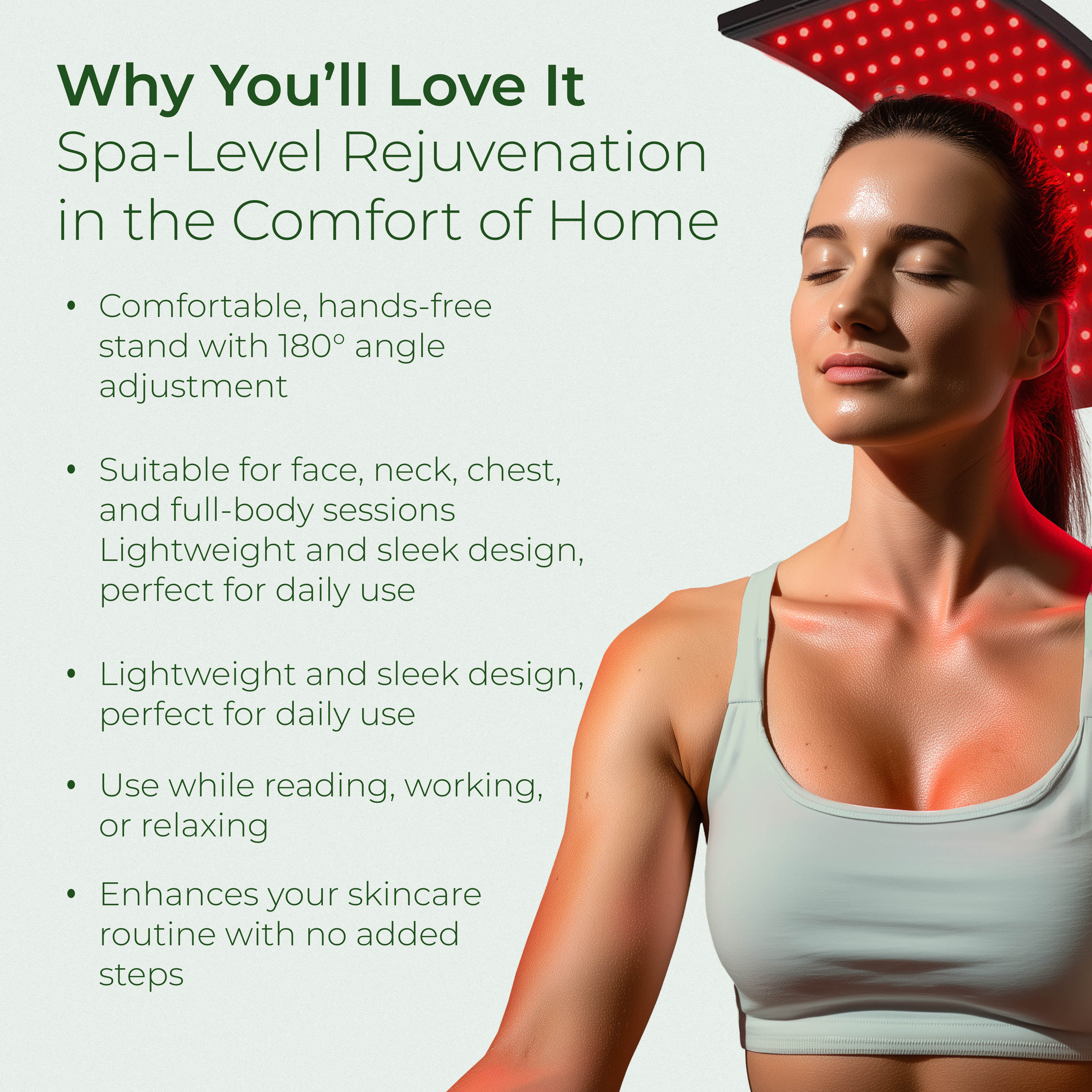
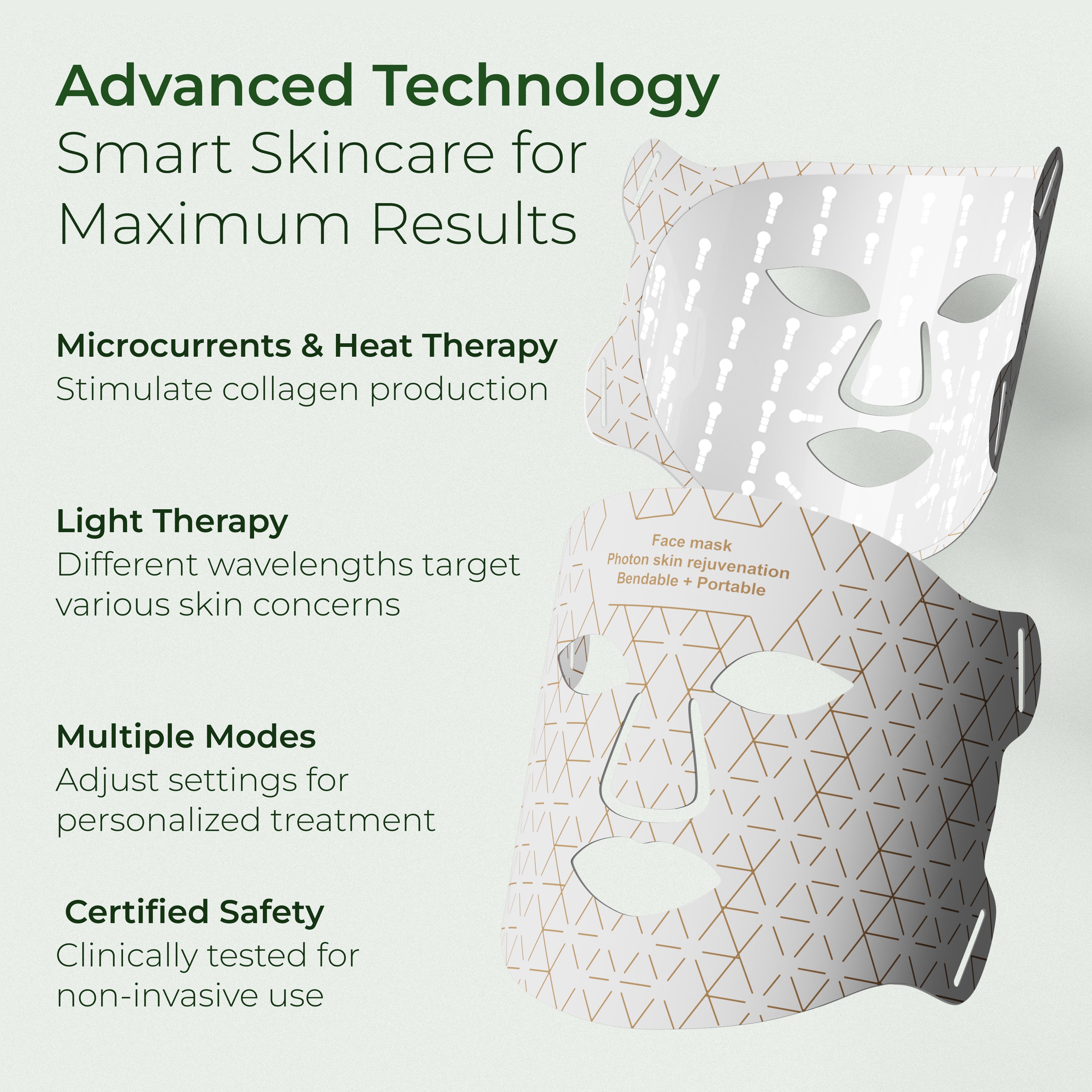
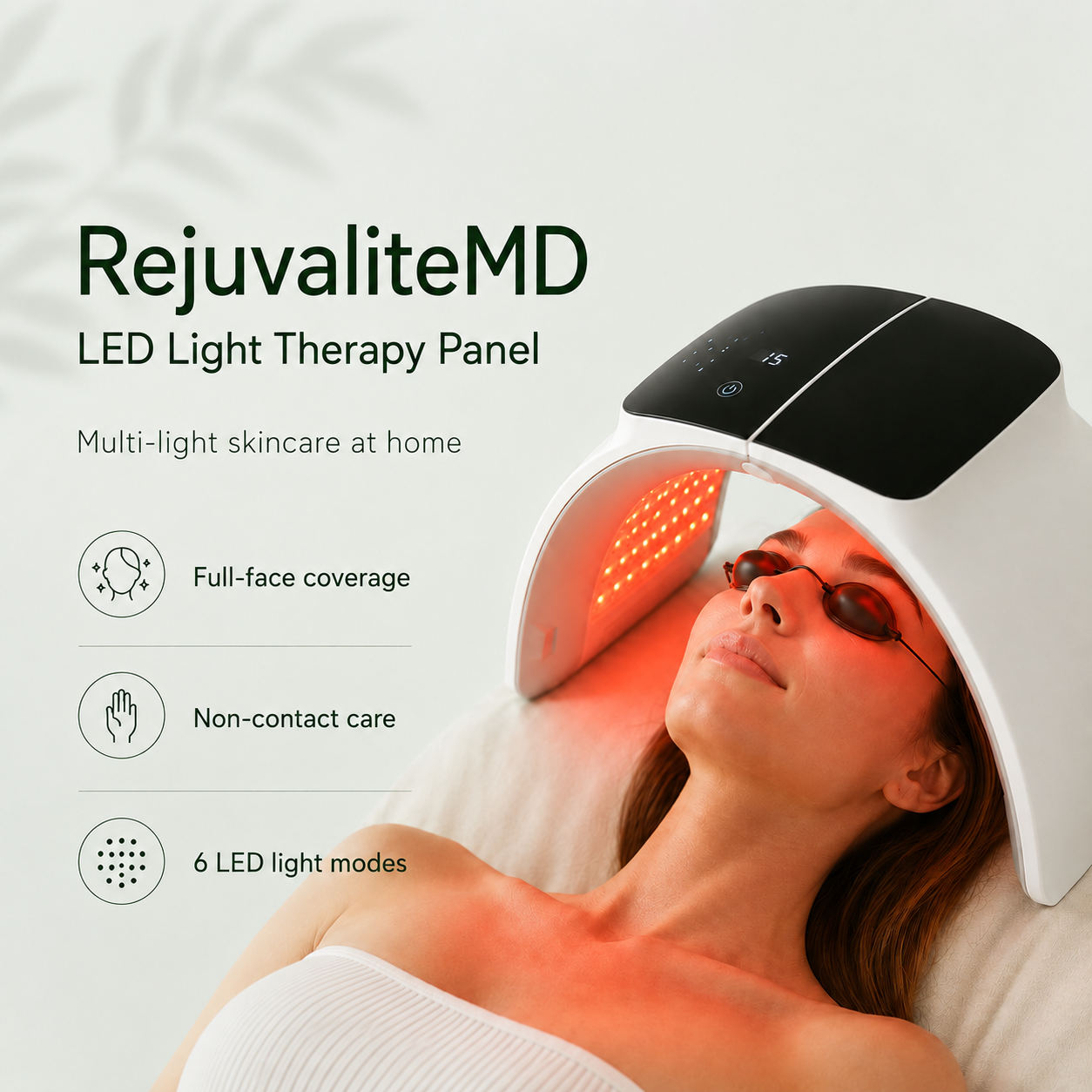
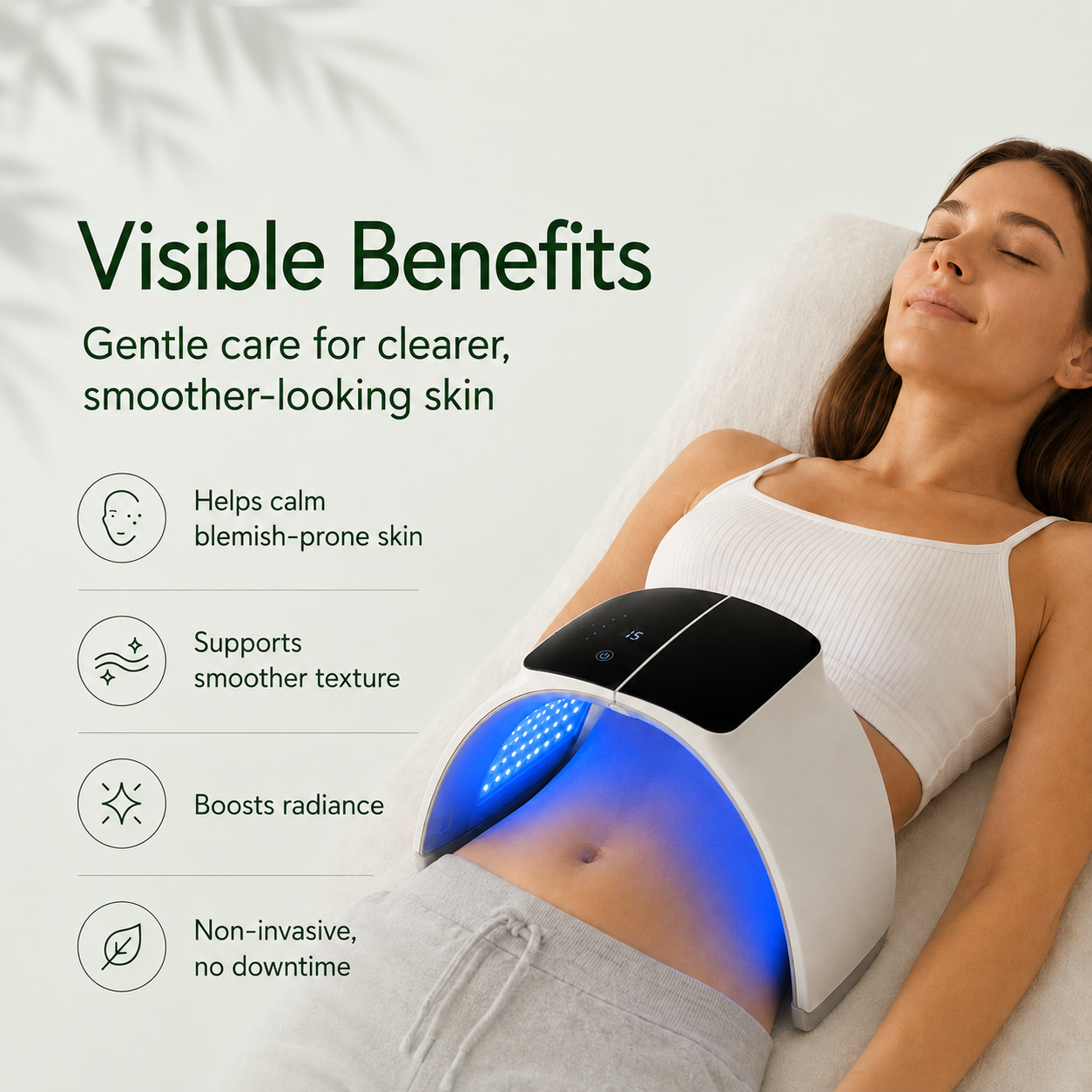
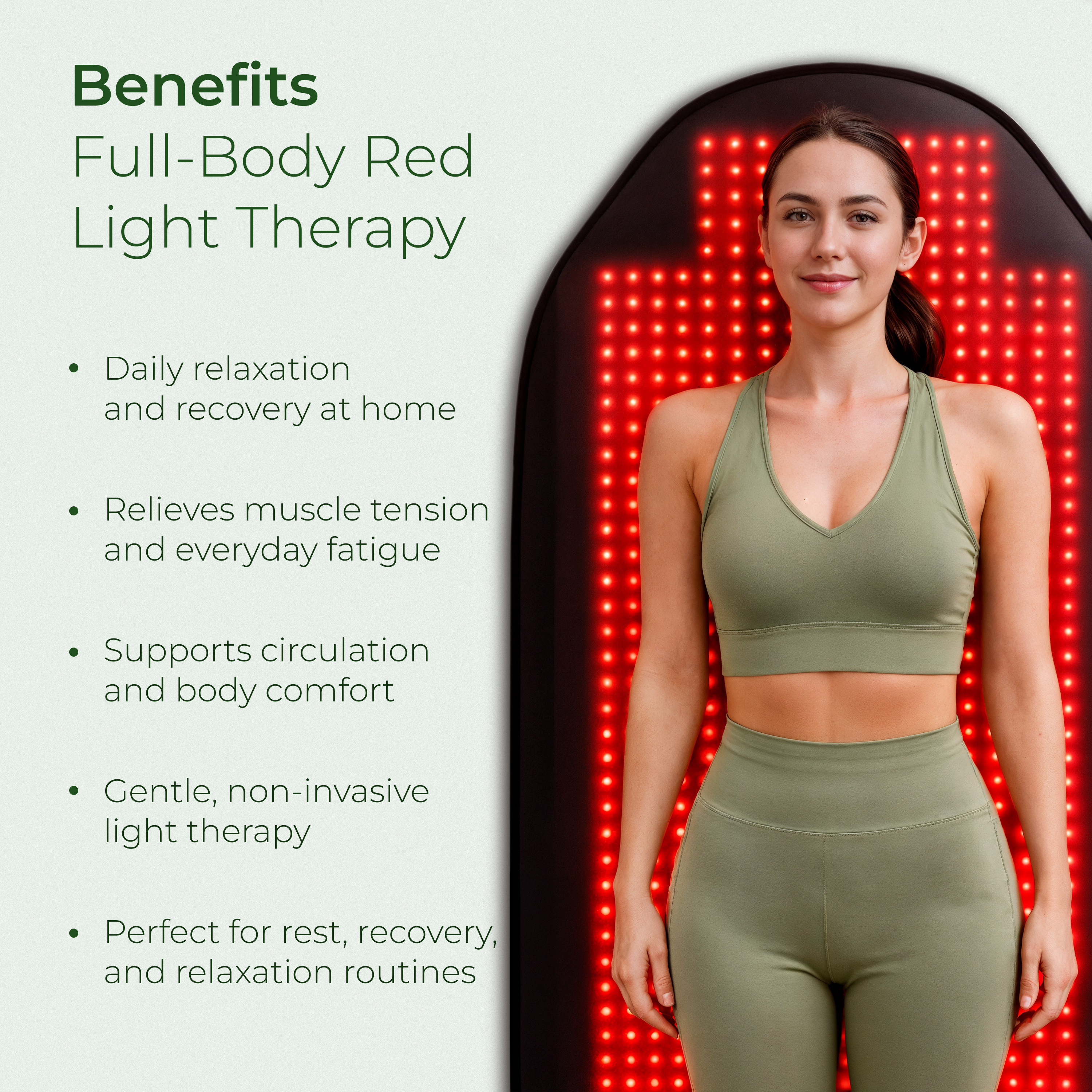
LED light therapy, particularly red and near-infrared wavelengths, has been studied for its ability to stimulate cellular activity and support healthy blood flow in the skin. Combined with gentle facial massage techniques using specialized tools, you can create a complete circulation-boosting skincare routine that complements your exercise efforts.
How TrophySkin Can Help
Our professional-grade LED therapy devices and facial massagers are designed to complement your circulation-boosting routine. Red and near-infrared light therapy supports cellular health, while our facial massage tools help stimulate microcirculation for healthier-looking, more radiant skin.
Explore LED Therapy →Common Mistakes That Hurt Your Circulation
Even with the best exercise intentions, certain habits can undermine your circulation efforts. Here's what to avoid:
Crossing your legs while sitting — This compresses blood vessels and restricts flow. If you catch yourself crossing, uncross and try the ankle rotation exercise instead.
Wearing too-tight clothing — Restrictive waistbands, tight socks, or constrictive shapewear can impede blood flow. Opt for comfortable fits, especially during long periods of sitting.
Sitting or standing for hours without breaks — Even the best exercise routine can't fully compensate for 8+ hours of immobility. Set reminders to move every 30-60 minutes.
Important: Smoking is one of the most damaging habits for circulation. Nicotine constricts blood vessels and reduces oxygen delivery. If you smoke and struggle with circulation issues, quitting may provide more benefit than any exercise program.
Dehydration — Your blood is about 50% water. When you're dehydrated, blood becomes thicker and flows less efficiently. Aim for 8 glasses of water daily—more if you exercise or it's hot outside.
Skipping the basics for intense workouts only — High-intensity exercise is great, but brief movement breaks throughout the day may matter more for circulation than one intense gym session followed by hours of sitting.
What to Expect: Your Circulation Improvement Timeline
Wondering how quickly you'll see results from circulation exercises? Here's a realistic timeline based on consistent practice:
Immediately
After just one session, you may notice warmer hands and feet, reduced stiffness, and a feeling of alertness as blood flow increases.
Week 1-2
With daily practice, many people notice reduced leg heaviness by end of day, improved energy levels, and less swelling in ankles.
Week 4-6
More significant changes appear: improved skin tone and glow, better endurance during activities, and noticeably less cramping or numbness.
Month 3+
Long-term vascular adaptations occur: blood vessels become more elastic, resting heart rate may decrease, and overall cardiovascular health improves measurably.
 Frequently Asked Questions
Start Your Circulation Journey Today
Improving your circulation doesn't require expensive equipment, gym memberships, or dramatic lifestyle overhauls. It starts with simple, consistent movements that you can fit into your existing routine—whether that's ankle pumps while watching TV, calf raises while waiting for your coffee, or a daily walk around your neighborhood.
The exercises to increase circulation we've covered work for nearly everyone, regardless of fitness level or mobility. Start with what feels manageable and build from there. Your body will thank you with more energy, healthier-looking skin, and fewer of those uncomfortable symptoms that come with sluggish blood flow.
Remember: every movement counts. Even small, frequent breaks from sitting can make a meaningful difference in how you feel and how your skin glows.
⚕️ Medical Disclaimer
This article is for educational purposes only and does not replace professional medical advice. If you experience persistent symptoms of poor circulation such as severe leg pain, numbness, non-healing wounds, or sudden changes in skin color, please consult a healthcare provider. Those with conditions like peripheral artery disease, diabetes, or blood clotting disorders should seek personalized medical guidance before starting any new exercise regimen.



Laisser un commentaire
Ce site est protégé par hCaptcha, et la Politique de confidentialité et les Conditions de service de hCaptcha s’appliquent.