





Quick Answer: To check circulation in your feet at home, perform the capillary refill test by pressing on your toenail for 5 seconds and timing how quickly the color returns (healthy is under 2 seconds). You can also check for temperature differences between feet, look for skin color changes, and assess pulse points at the ankle and top of foot.
Poor circulation in your feet isn't just uncomfortable—it can signal underlying health concerns that deserve attention. Whether you've noticed cold toes, numbness, or simply want to stay proactive about your vascular health, knowing how to perform a simple circulation test at home empowers you to monitor changes and seek help when needed.
This comprehensive guide walks you through every method for checking foot circulation, from professional medical tests to easy at-home assessments you can do right now. You'll learn exactly what healthy circulation looks like, recognize warning signs, and discover practical ways to support better blood flow to your lower extremities.
Why Foot Circulation Matters for Your Health
Your feet are the furthest point from your heart, making them particularly vulnerable to circulation problems. Blood must travel a considerable distance and then return against gravity, which means even minor vascular issues often show up in your feet first.
Healthy circulation delivers oxygen and nutrients to skin, muscles, and nerves while removing metabolic waste. When blood flow diminishes, tissues become starved of these essential elements, leading to symptoms that range from mild discomfort to serious complications requiring medical intervention.
Understanding why circulation testing matters becomes clearer when you consider the conditions associated with poor blood flow. Peripheral artery disease affects approximately 8.5 million Americans, and many don't know they have it until symptoms become severe. Diabetes-related foot complications, often stemming from circulation issues, lead to over 70,000 amputations annually in the United States alone.
Regular circulation checks serve as an early warning system. By establishing your baseline and monitoring for changes, you become an active participant in your vascular health rather than a passive observer waiting for problems to develop.
Warning Signs of Poor Circulation in Feet
Before learning how to check circulation in feet, it's helpful to understand what symptoms might prompt such an assessment. Poor circulation rarely announces itself dramatically—instead, it develops gradually with subtle signs that are easy to dismiss.
Temperature changes represent one of the most noticeable indicators. Feet with compromised circulation often feel cold to the touch, even in warm environments. You might notice one foot feels consistently colder than the other, or that your feet take much longer to warm up after exposure to cold.
Color changes provide another important clue. Healthy feet maintain a consistent pinkish tone that matches your overall skin color. Poor circulation can cause feet to appear pale, bluish, or in some cases, develop a reddish-purple discoloration when hanging down that fades when elevated.
Skin texture and appearance often change with circulation problems. Watch for dry, shiny, or thin-looking skin, particularly on the shins and feet. Hair loss on the lower legs and tops of feet can indicate long-standing circulation issues, as hair follicles require adequate blood flow to function.
Important: Sudden onset of cold, pale, or painful feet requires immediate medical attention as it may indicate acute arterial blockage—a medical emergency.
Numbness and tingling sensations deserve attention, particularly if they occur regularly or persist for extended periods. While occasional "pins and needles" from sitting in one position is normal, chronic numbness suggests nerve damage potentially related to circulation problems.
Slow wound healing on feet and lower legs signals that tissues aren't receiving adequate blood supply for repair. Even minor cuts, blisters, or scrapes that take unusually long to heal warrant investigation of your circulatory health.
5 Home Circulation Tests You Can Do Right Now
Learning how to check circulation in feet doesn't require medical training or expensive equipment. These five circulation tests give you practical ways to assess your vascular health at home, helping you decide when professional evaluation might be needed.
1. The Capillary Refill Test
This classic circulation test measures how quickly blood returns to tissue after being compressed. It's the same test healthcare providers use and takes only seconds to perform.
2. The Temperature Comparison Test
This simple assessment uses your hands as thermometers to detect temperature asymmetry between your feet.
Sit comfortably and place the back of your hand against the top of one foot for 10-15 seconds. Repeat on the other foot using the same hand. In healthy individuals, both feet should feel approximately the same temperature.
Noticeable temperature differences between feet can indicate circulation problems affecting one side more than the other. Consistently cold feet compared to your hands and the rest of your body also warrant attention.
For more accurate assessment, perform this test when you've been at rest for at least 15 minutes in a comfortable room temperature. Avoid testing immediately after exercise, bathing, or exposure to temperature extremes.
Pro Tip: Keep a simple log of your circulation test results. Note the date, time, room temperature, and findings. This creates a valuable record to share with healthcare providers and helps you spot gradual changes over time.
3. The Pulse Point Check
Feeling for pulses in your feet confirms that arterial blood is reaching these distant extremities. Two main pulse points exist in each foot.
The dorsalis pedis pulse is located on the top of your foot, roughly in line with the space between your big toe and second toe. Place two fingers (not your thumb) about two inches below your ankle joint and feel for a rhythmic pulse.
The posterior tibial pulse sits behind and slightly below your inner ankle bone. Curve your fingers around the ankle and press gently in the hollow area just behind the bone. This pulse can be easier to find in some people.
Finding both pulses in both feet with good strength indicates healthy arterial circulation. Weak, difficult-to-find, or absent pulses suggest reduced blood flow that deserves medical evaluation. Remember that pulse strength varies between individuals—what matters most is whether your pulses remain consistent over time and between feet.
4. The Elevation Color Change Test (Buerger's Test)
This circulation test reveals how well blood flows to and from your feet by observing color changes in different positions.
Lie flat on your back and elevate both legs to approximately 45 degrees (use pillows or rest against a wall). Hold this position for one minute, observing the color of your soles. Then sit up and let your legs hang off the edge of the bed for two minutes.
In healthy circulation, your feet may become slightly paler when elevated but should return to normal color within 10-15 seconds of hanging down. Concerning signs include feet that become very pale or white when elevated and take more than 15-20 seconds to regain color when lowered—or that turn bright red or purple when hanging.
5. The Skin and Tissue Assessment
This observational test looks for physical changes associated with chronic circulation problems.
Examine your feet and lower legs in good lighting. Look for skin that appears shiny, thin, or almost translucent. Notice areas of unusual dryness or scaling that don't respond well to moisturizer. Check for loss of hair on your toes and lower legs, which can indicate long-standing circulation reduction.
Feel the skin texture—circulation-compromised skin often feels cool, thin, and less elastic than healthy tissue. Press gently on your shin or ankle to check for edema (fluid retention), indicated by an impression that remains for several seconds after releasing pressure.
Examine your toenails for changes including thickening, brittleness, slow growth, or discoloration. While these changes can have multiple causes, combined with other circulation signs they contribute to the overall picture.
No single test tells the whole story. The value of home circulation testing comes from combining multiple assessments and tracking changes over time. A borderline result on one test combined with normal results on others is less concerning than marginal findings across multiple tests.
Professional Circulation Tests: What to Expect
While home circulation tests provide valuable screening information, certain situations call for professional medical assessment. Understanding what these tests involve helps you prepare and participate actively in your care.
Ankle-Brachial Index (ABI)
The ankle-brachial index represents the gold standard for diagnosing peripheral artery disease. This non-invasive test compares blood pressure in your ankle to blood pressure in your arm.
During an ABI test, you'll lie flat while a technician measures blood pressure in both arms using a standard cuff. Then, using a similar cuff and a handheld Doppler device to detect blood flow sounds, they'll measure pressure at your ankles.
The ABI calculation divides your ankle pressure by your arm pressure. A normal ABI falls between 1.0 and 1.4. Values below 0.9 suggest peripheral artery disease, with lower numbers indicating more severe blockages. The test takes approximately 15 minutes and involves no needles or discomfort beyond the normal sensation of a blood pressure cuff.
Doppler Ultrasound
This imaging test uses sound waves to visualize blood flow through your arteries and veins. A technician applies gel to your skin and moves a handheld device along the blood vessels in your legs and feet.
Doppler ultrasound shows the speed and direction of blood flow, revealing areas of blockage, narrowing, or abnormal patterns. The test is completely painless and provides immediate real-time information about vascular function. It's particularly useful for evaluating both arterial and venous circulation.
Toe-Brachial Index (TBI)
For people with certain conditions like diabetes that can cause falsely elevated ABI readings, the toe-brachial index offers an alternative assessment. This test measures blood pressure in your big toe compared to arm pressure.
A small cuff wraps around your toe while a sensor detects blood flow. TBI results below 0.7 suggest significant circulation problems. This test proves especially valuable for evaluating small vessel disease that the ABI might miss.
How to Improve Circulation in Your Feet
Whether your home circulation test revealed concerning results or you simply want to support optimal blood flow, numerous strategies can enhance circulation to your lower extremities. Many of these approaches require no equipment and can be integrated into daily life.
Movement and Exercise
Physical activity stands as the most powerful tool for improving circulation. Walking remains the single best exercise for leg and foot circulation—the calf muscle acts as a "second heart," pumping blood back toward your body with each step.
Aim for at least 30 minutes of walking most days. If pain limits your distance, walk until discomfort begins, rest briefly, and continue. This interval approach, often called "stop-start walking," actually helps develop new blood vessel pathways around blockages over time.
Simple exercises while seated can also help. Ankle circles, toe raises, and heel lifts all activate the muscles that support venous return. Try performing 20 repetitions of each several times daily, especially during long periods of sitting.
Temperature Therapy
Alternating warm and cool water exposure creates a pumping action in blood vessels. Fill two basins—one with warm (not hot) water and one with cool (not cold) water. Soak feet in warm water for 3-4 minutes, then cool for 30 seconds. Repeat 3-4 cycles, ending with warm.
This hydrotherapy approach causes blood vessels to dilate then constrict, exercising their walls and improving overall tone. Avoid temperature extremes, especially if you have diabetes or neuropathy, as reduced sensation increases burn or frostbite risk.
Elevation Strategies
Gravity works against blood returning from your feet. Elevating your legs above heart level for 15-20 minutes several times daily helps blood flow back more easily and reduces swelling.
Use pillows while lying down or invest in a leg elevation wedge. When sleeping, a slight elevation of the foot of your mattress (4-6 inches) can provide overnight circulatory benefits.
Compression Support
Graduated compression socks or stockings apply the most pressure at the ankle and gradually decrease up the leg. This gradient supports the veins' natural blood-moving function and prevents blood from pooling.
Compression garments come in various pressure levels measured in mmHg. Mild compression (15-20 mmHg) suits general wellness and mild symptoms. Moderate compression (20-30 mmHg) addresses more significant concerns but may require adjustment time. Consult a healthcare provider before using high-compression garments.
Pro Tip: Put on compression socks first thing in the morning before getting out of bed. Legs swell throughout the day, making proper fit increasingly difficult. Morning application ensures you get the full benefit of graduated compression.
Lifestyle Factors
Smoking causes blood vessel constriction and accelerates atherosclerosis. Quitting smoking remains the single most impactful lifestyle change for vascular health, with improvement beginning within weeks of cessation.
Maintaining healthy weight reduces strain on your circulatory system. Even modest weight loss of 5-10% can measurably improve circulation markers and reduce symptoms.
Diet affects circulation through multiple pathways. Foods rich in omega-3 fatty acids (fatty fish, walnuts, flaxseed), nitrates (leafy greens, beets), and flavonoids (berries, dark chocolate) support vascular health. Reducing sodium intake helps control blood pressure and associated vessel damage.
Staying well-hydrated ensures blood maintains optimal viscosity for flow. Dehydration leads to thicker blood that moves more slowly through vessels, particularly small ones in the extremities.
Massage and Stimulation
Foot and leg massage promotes blood flow through mechanical stimulation. You can perform self-massage or use electric massagers designed for circulation support. Work from the feet upward toward the heart, following the direction of venous return.
Dry brushing involves using a stiff-bristled brush on dry skin, moving in upward strokes toward the heart. Advocates suggest this stimulates blood flow and lymphatic drainage, though scientific evidence remains limited.
Week 1-2
Begin daily walking and foot exercises. Introduce elevation periods. You may notice feet feel slightly warmer.
Week 3-4
Walking distance may improve. Compression socks feel more comfortable. Capillary refill times may begin improving.
Week 6-8
Noticeable reduction in cold feet. Less swelling. Skin texture improvements may become visible.
Month 3+
Sustained improvements in circulation test results. New exercise tolerance levels become your new normal. Continue maintaining these habits.
When to See a Doctor About Foot Circulation
Home circulation tests and self-care strategies work well for monitoring and mild concerns, but certain situations require professional medical evaluation.
Seek prompt medical attention if you experience sudden onset of cold, pale, or blue feet, especially with pain. This could indicate acute arterial blockage requiring emergency intervention.
Schedule an appointment with your healthcare provider if your home circulation tests consistently show concerning results, particularly if multiple tests suggest poor blood flow. Capillary refill times over 3 seconds, absent pulses, or significant color changes during the Buerger's test all warrant professional assessment.
Non-healing wounds on your feet or lower legs need medical attention. Even small cuts or blisters that don't heal within 2-3 weeks suggest circulation may be insufficient for proper tissue repair. This is especially important for people with diabetes.
Pain in your calves or feet that occurs with walking and resolves with rest (called claudication) represents a classic sign of peripheral artery disease. While mild claudication can often be managed conservatively, it deserves diagnosis and monitoring.
Numbness, tingling, or burning sensations that persist should be evaluated. While these symptoms have many potential causes, circulation problems and associated nerve damage represent important considerations.
Risk Factors for Poor Circulation
Understanding what increases your risk for circulation problems helps contextualize your home test results and guide prevention efforts. Multiple factors contribute to vascular health, and many are modifiable.
Age represents a non-modifiable risk factor—blood vessels naturally stiffen and accumulate plaque over time. However, the rate of this process varies dramatically based on other factors, meaning your lifestyle choices matter more than your birth date.
Diabetes significantly increases circulation problems through multiple mechanisms. High blood sugar damages vessel walls and promotes atherosclerosis while also affecting the small vessels and nerves in feet. People with diabetes should perform circulation tests regularly and maintain strict glucose control.
High blood pressure strains blood vessels continuously, accelerating damage and stiffening. High cholesterol contributes to plaque buildup that narrows vessels and restricts flow. Both conditions often cause no symptoms until significant damage has occurred, making screening and control essential.
Smoking remains the most powerful modifiable risk factor for peripheral artery disease. Tobacco chemicals directly damage vessel walls, promote clotting, and cause vasoconstriction. The good news: quitting at any age provides meaningful vascular benefits.
Sedentary lifestyle allows blood to pool, reduces vessel tone, and contributes to other risk factors like obesity. Regular movement provides powerful protection for circulation health.
Family history of vascular disease increases your risk but doesn't determine your fate. Knowing your family history helps you and your healthcare provider make informed decisions about screening and prevention.
Supporting Your Overall Skin Health
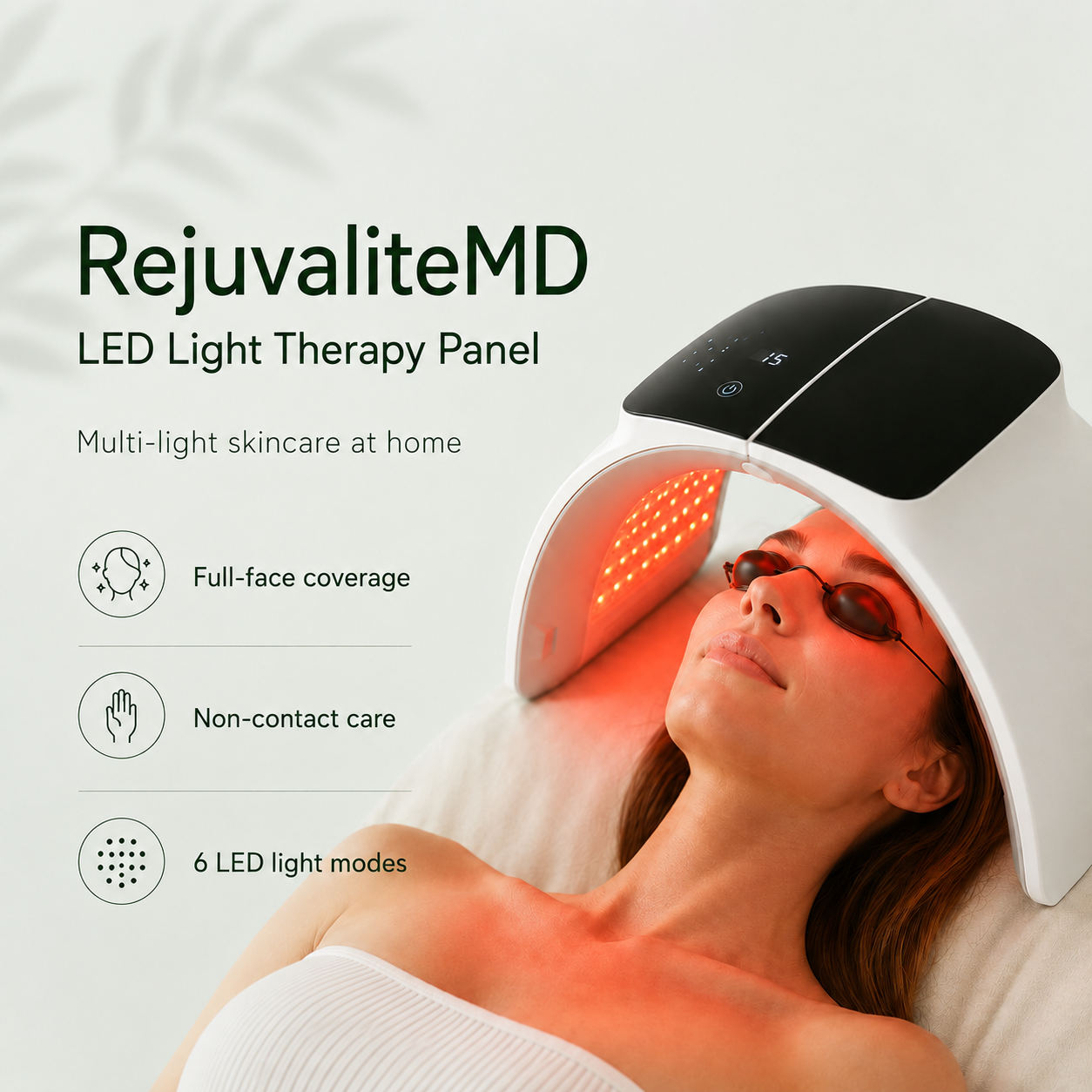
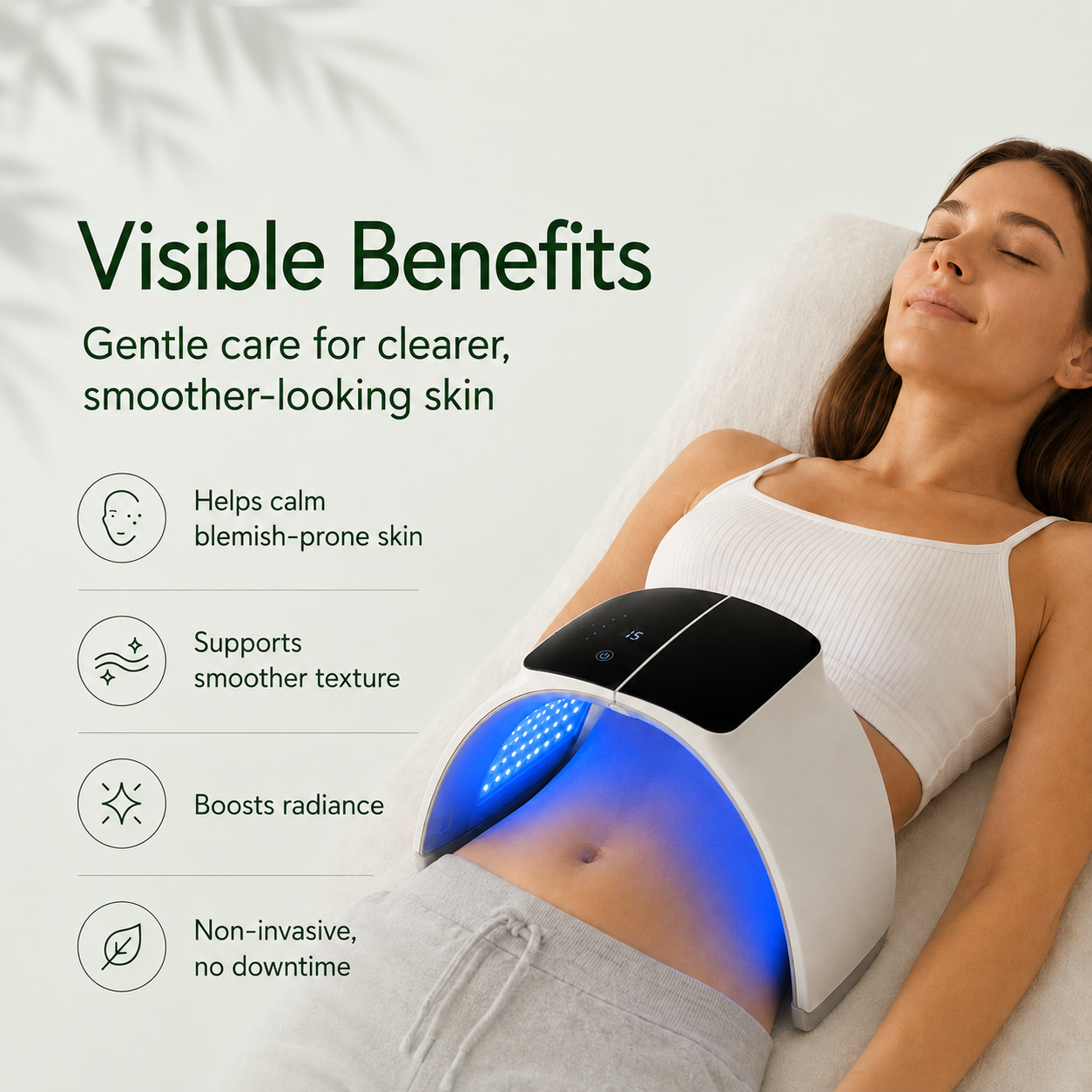
Just as blood flow nourishes your skin from within, targeted skincare treatments enhance your complexion from outside. TrophySkin's professional-grade devices bring spa-quality care to your daily routine, helping you look and feel your best.
Explore Our Collection →Frequently Asked Questions
Conclusion: Take Charge of Your Circulation Health
Learning how to check circulation in feet puts valuable health information at your fingertips. These simple tests—capillary refill, temperature comparison, pulse checks, elevation testing, and visual assessment—require no equipment and take only minutes, yet provide meaningful insight into your vascular health.
Remember that home circulation tests work best as screening tools and tracking methods rather than diagnostic tests. Establish your baseline when you're feeling well, record your findings, and watch for changes over time. Concerning results or new symptoms deserve professional evaluation, where tests like the ankle-brachial index and Doppler ultrasound can provide definitive answers.
Most importantly, don't just test—take action. The lifestyle factors that support circulation, including regular movement, healthy weight, smoking cessation, and good nutrition, benefit your entire body. Every step you take literally pumps blood through your legs, every healthy meal nourishes your vessels, and every day without cigarettes allows healing to occur.
Your feet carry you through life. They deserve the attention and care that keeps blood flowing freely to every toe. Start your first circulation test today, and make monitoring your vascular health a regular part of your self-care routine.
⚕️ Medical Disclaimer
This article is for educational purposes only and does not replace professional medical advice. Home circulation tests provide screening information but cannot diagnose medical conditions. Consult a qualified healthcare provider for proper evaluation of circulation concerns, especially if you have diabetes, heart disease, or other health conditions. Seek immediate medical attention for sudden onset of cold, pale, or painful feet.



Laisser un commentaire
Ce site est protégé par hCaptcha, et la Politique de confidentialité et les Conditions de service de hCaptcha s’appliquent.