

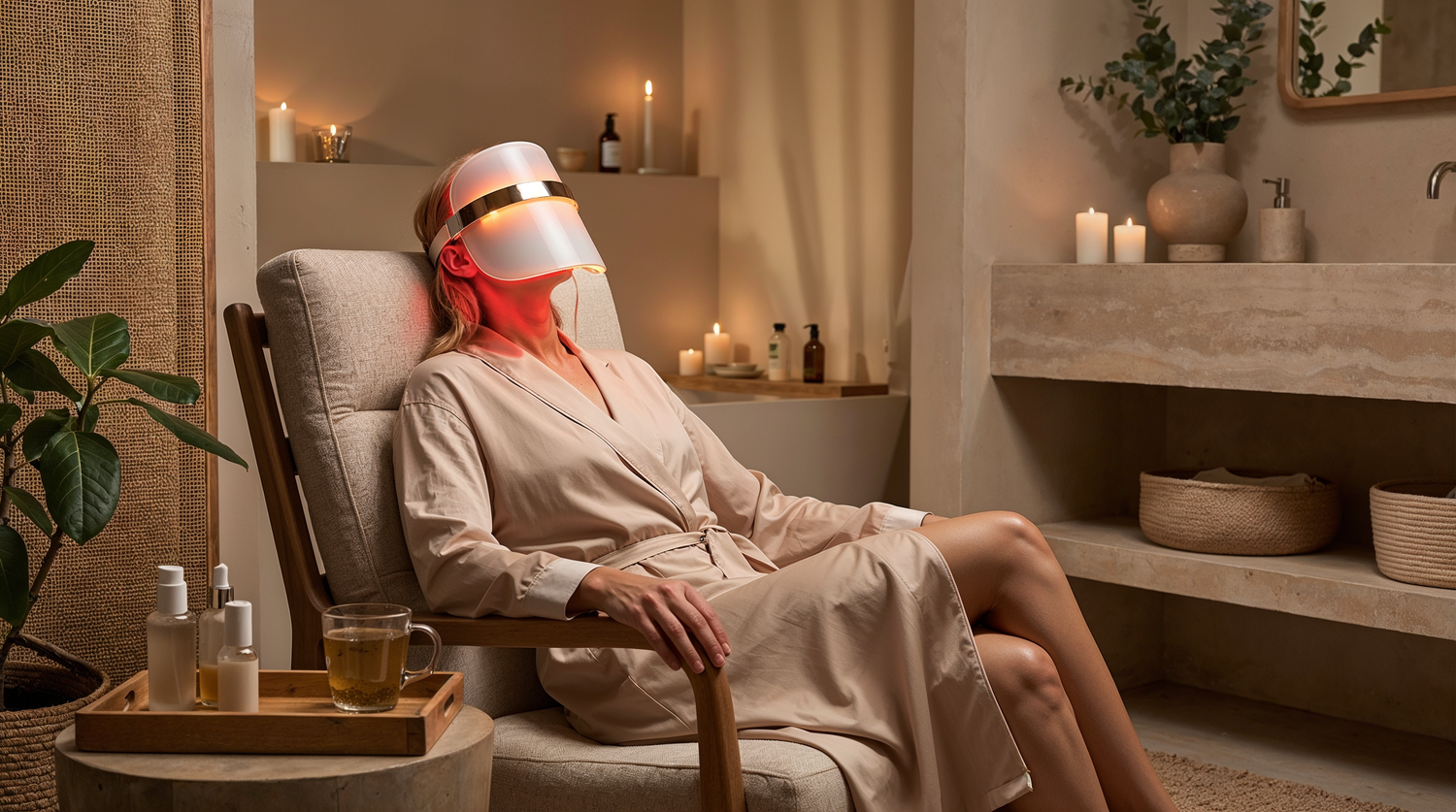
Quick Answer: No, red light and infrared light are not the same. Red light (630-660nm) is visible and treats the skin's surface, while infrared light (700nm+) is invisible and penetrates deeper into muscles and tissues. Both fall within the "therapeutic window" and offer unique benefits — and many LED devices combine them for comprehensive results.
If you've ever wondered whether red light and infrared light are the same thing, you're definitely not alone. With LED therapy becoming increasingly popular for skincare, pain relief, and overall wellness, there's a lot of confusion about what each type of light actually does — and whether one is better than the other.
The short answer? They're related but distinctly different. Think of them as siblings in the light spectrum family: they share some DNA, but each has its own personality and strengths. Understanding these differences will help you choose the right therapy for your specific skincare and wellness goals.
Understanding the Light Spectrum: Red vs Infrared
Before diving into the differences between infrared vs red light therapy, let's get clear on what we're actually talking about. All light travels in waves, and we measure these waves in nanometers (nm). The human eye can only see a small portion of this spectrum — roughly 380nm to 700nm — which includes all the colors of the rainbow.
What Is Red Light? (630-660nm)
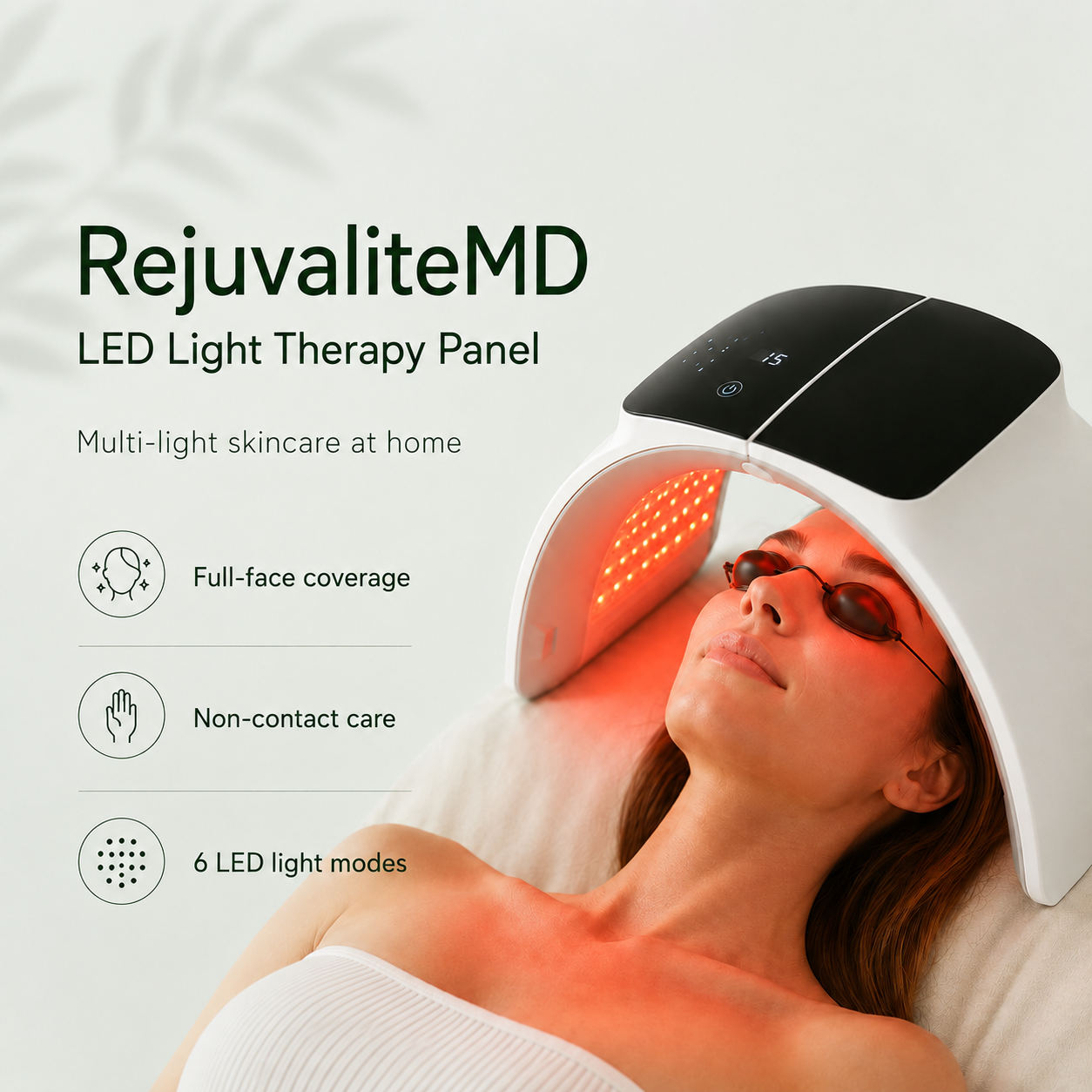
Red light sits at the "long end" of visible light, with wavelengths typically between 630nm and 700nm. This is the warm, visible glow you see when using LED therapy devices. Red light is particularly effective for treating concerns at the skin's surface because it penetrates to a depth of approximately 2-3mm.
When red light enters your skin, it's absorbed by the mitochondria — the energy-producing powerhouses in your cells. This stimulates a process called photobiomodulation (PBM), which essentially gives your cells an energy boost to repair, regenerate, and function optimally.
What Is Infrared Light? (700nm+)
Infrared light begins where visible red light ends — at wavelengths longer than 700nm. Here's the key distinction: infrared light is invisible to the human eye. You won't see a glow, but you might feel it as gentle warmth on your skin. Infrared is further divided into three categories:
- Near-Infrared (NIR): 700nm to 1,400nm
- Mid-Infrared: 1,400nm to 3,000nm
- Far-Infrared: 3,000nm to 1mm (commonly used in infrared saunas)
What Is Near-Infrared (NIR) Light?
Near-infrared light, particularly the 810-850nm range, is often grouped with red light in therapy devices. Why? Because it shares the same mechanism of action — stimulating cellular energy production — while penetrating deeper into the body. NIR can reach muscles, joints, and even bone tissue, making it valuable for both skincare and pain relief.
Red Light vs Infrared Light: Key Differences
Now that we understand the basics, let's break down the difference between red light and infrared in practical terms. This comparison will help you understand which type of light therapy might work best for your specific needs.
Wavelength and Visibility
The most obvious difference between infrared and near infrared — and red light — is visibility. When you use a red LED device, you'll see that characteristic warm glow. Infrared devices, however, may appear to be "off" or show only a faint red indicator light, even though they're actively working. This is because infrared wavelengths are beyond what our eyes can detect.
Penetration Depth
Here's where it really matters: the longer the wavelength, the deeper the light penetrates. Red light primarily affects the epidermis (outer skin layer) and dermis (where collagen lives). Near-infrared light passes through these layers to reach subcutaneous tissue, muscles, and even joints. Far-infrared works primarily by heating tissues rather than through photobiomodulation.
Heat Generation: Infrared Heat vs Infrared Light
There's an important distinction between infrared heat vs infrared light for therapy. Red light and near-infrared (NIR) therapy are considered "non-thermal" — they work through cellular stimulation rather than heat. Far-infrared therapy, like that used in infrared saunas, primarily works by raising your body temperature to promote sweating and circulation. Both have benefits, but the mechanisms are quite different.
Pro Tip: When shopping for LED therapy devices, look for those that combine both red (630-660nm) and near-infrared (810-850nm) wavelengths. This dual-wavelength approach treats both surface skin concerns and deeper tissue simultaneously.
Is Red Light Therapy the Same as Infrared Therapy?
This is probably the most common question we hear: "Is red light therapy the same as infrared light therapy?" The answer requires a bit of nuance.
Technically, no — they use different wavelengths and penetrate to different depths. However, in the wellness and skincare industry, the term "red light therapy" often encompasses both visible red light AND near-infrared light, since many devices combine both. This umbrella term can cause confusion.
Why People Confuse Them
Several factors contribute to the red light vs infrared confusion. First, they're neighbors on the electromagnetic spectrum — red light literally sits right next to infrared. Second, they share similar benefits and mechanisms (both stimulate mitochondrial function). Third, many devices market themselves as "red light therapy" while actually using a combination of wavelengths.
The "Therapeutic Window" Explained
Both red light (630-700nm) and near-infrared (700-1100nm) fall within what scientists call the "therapeutic window" or "optical window." This is the range of wavelengths that can effectively penetrate human tissue and stimulate beneficial cellular responses without causing damage. Wavelengths outside this window are either absorbed too quickly (like UV) or reflected by the skin (like some far-infrared).
The most researched and effective wavelengths within this window are 630nm, 660nm, 810nm, 830nm, and 850nm — which is why quality LED therapy devices typically focus on these specific frequencies.
Red Light vs Infrared Light Benefits for Your Skin
Understanding the red light vs infrared light benefits will help you determine which therapy — or combination — is right for your skincare goals. Let's break down what each wavelength does best.
Red Light Therapy Benefits (630-660nm)
Red light therapy is the gold standard for surface-level skin rejuvenation. Clinical research has shown that consistent use can lead to measurable improvements in skin quality. A landmark 2014 study published in Photomedicine and Laser Surgery found that subjects using red and near-infrared light experienced significantly improved skin complexion, skin smoothness, and increased collagen density.
Key benefits of red light for skin include:
- Stimulated collagen and elastin production
- Reduced appearance of fine lines and wrinkles
- Improved skin tone and texture
- Accelerated wound healing
- Reduced inflammation and redness
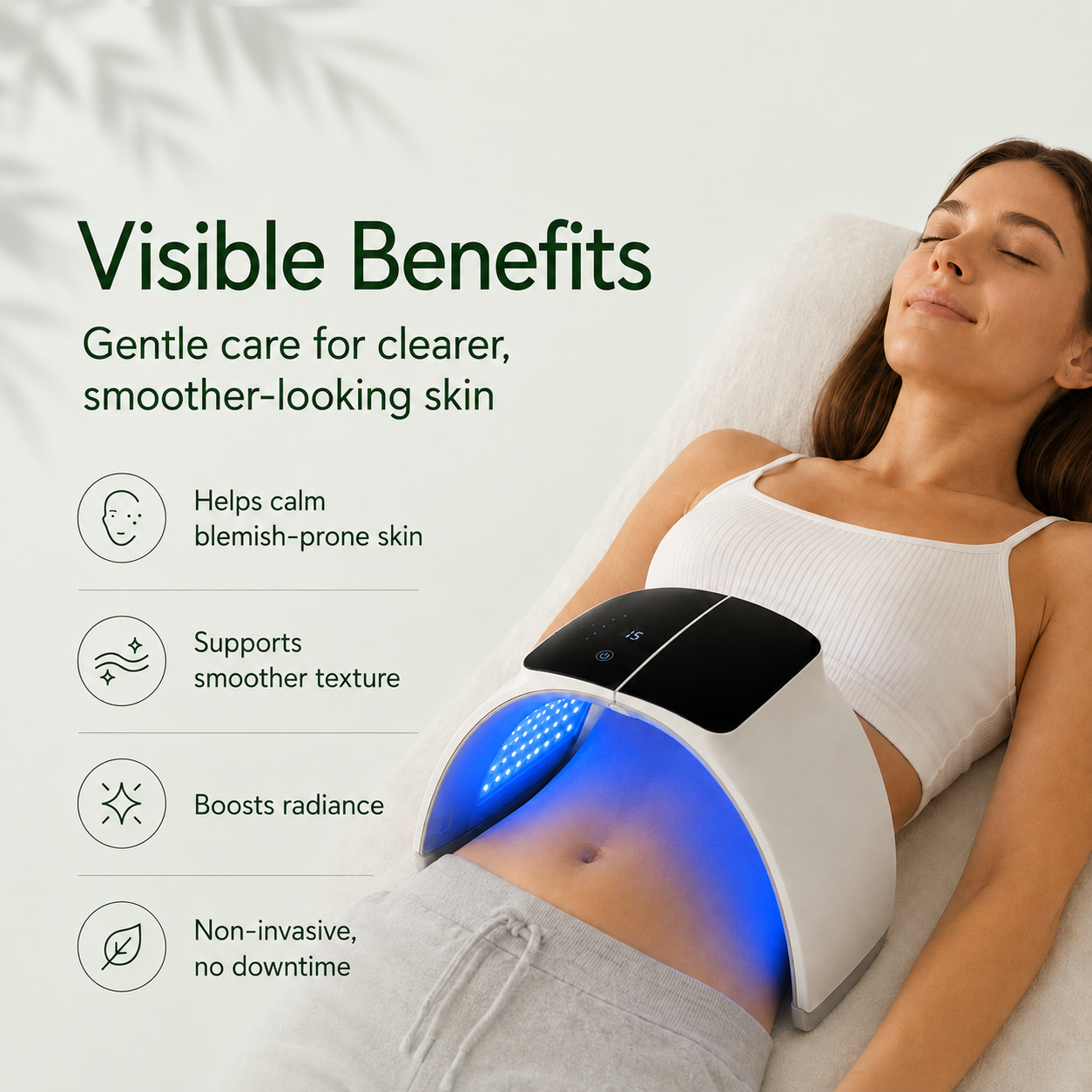
- Support for acne treatment (often combined with blue light)
- Enhanced blood circulation at the skin's surface

Near-Infrared Light Benefits (810-850nm)
While red light excels at treating the skin's surface, near-infrared light provides benefits that extend deeper. NIR light passes through the skin to reach the underlying structures that support skin health from within.
Key benefits of near-infrared light include:
- Deep tissue repair and regeneration
- Muscle recovery and reduced soreness
- Joint pain relief and improved mobility
- Enhanced circulation in deeper tissues
- Support for wound healing from within
- Neurological benefits (under ongoing research)
- Improved cellular energy production at all tissue depths
Which Is Better for Wrinkles: Red Light or Infrared?
When it comes to the battle of red light vs infrared light for face concerns like wrinkles, the science suggests that both play important roles. Red light directly stimulates the fibroblasts in your dermis that produce collagen, while near-infrared light supports the deeper facial structures and improves overall tissue health.
A study in the Journal of the American Academy of Dermatology found that treating skin with both 640nm (red) and 830nm (NIR) LED lights resulted in significant increases in hyaluronic acid, collagen, and elastin synthesis in as little as three days. The combination approach appears to be more effective than using either wavelength alone.
The Bottom Line: For anti-aging and wrinkle reduction, combining red light with near-infrared light gives you the best of both worlds — surface-level collagen stimulation plus deep tissue support. This is why the most effective LED therapy devices offer both wavelengths.
Red Light vs Infrared for Face: Which Should You Choose?
Choosing between red light versus infrared for facial treatments depends on your specific goals. Here's a practical guide to help you decide.
Choose Red Light (630-660nm) If Your Focus Is:
- Fine lines and wrinkles — Red light directly stimulates collagen in the dermis
- Skin texture and tone — Improves surface-level cell turnover
- Acne and inflammation — Reduces redness and supports healing
- Skin healing — Accelerates recovery from minor wounds or procedures
- Overall radiance — Boosts circulation for healthy glow
Choose Near-Infrared (810-850nm) If Your Focus Is:
- Deep wrinkles and sagging — Supports underlying facial structures
- Facial muscle tension — Relieves TMJ and tension headaches
- Post-procedure recovery — Reduces inflammation deep in tissues
- Sinus support — Penetrates deeper facial structures
- Comprehensive anti-aging — Works from the inside out
Can You Use Both Together?
Absolutely! In fact, this is the approach recommended by most experts in the field. Using red and near-infrared light together creates what's called "layered treatment" — you're addressing skin concerns at multiple depths simultaneously. This synergistic effect is why which is better red light therapy or infrared is really the wrong question. The answer is: use both.
Pro Tip: For facial treatments, consistency matters more than intensity. Aim for 10-15 minute sessions, 3-5 times per week. Most people start seeing visible improvements within 4-8 weeks of regular use.
How to Choose the Right Light Therapy Device
With so many options on the market, selecting the right red light therapy vs infrared device can feel overwhelming. Here are the key factors to consider.
What to look for in a quality LED therapy device:
- Dual wavelengths: Devices offering both red (630-660nm) AND near-infrared (810-850nm) provide the most comprehensive treatment
- Adequate power output: Measured in mW/cm² — look for at least 30-60mW/cm² for effective treatment
- FDA clearance: Indicates the device meets safety standards
- Quality LEDs: Medical-grade LEDs deliver consistent wavelengths with minimal variation
-
Comfortable design: For facial treatments, masks and panels that fit well encourage consistent use

How TrophySkin Can Help
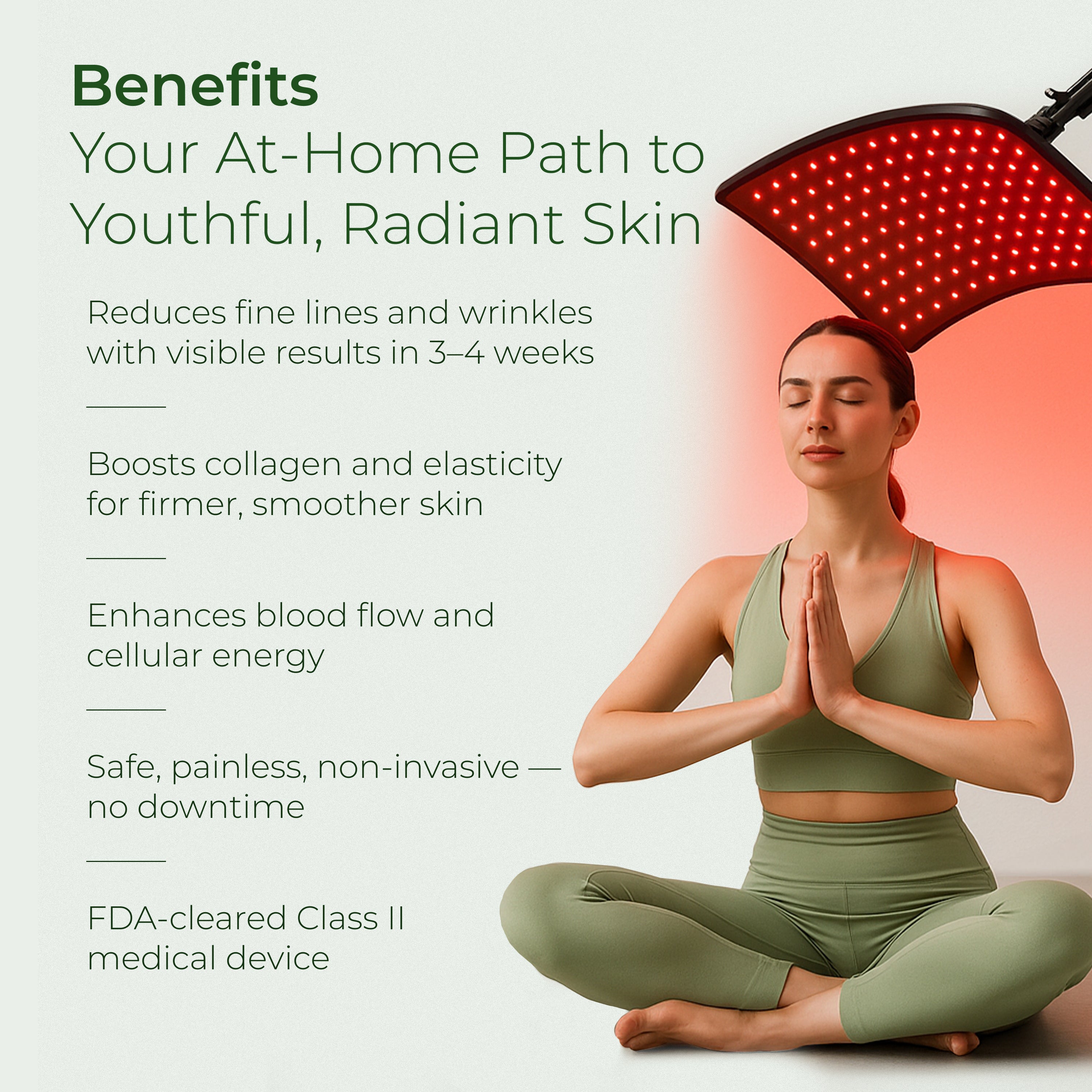
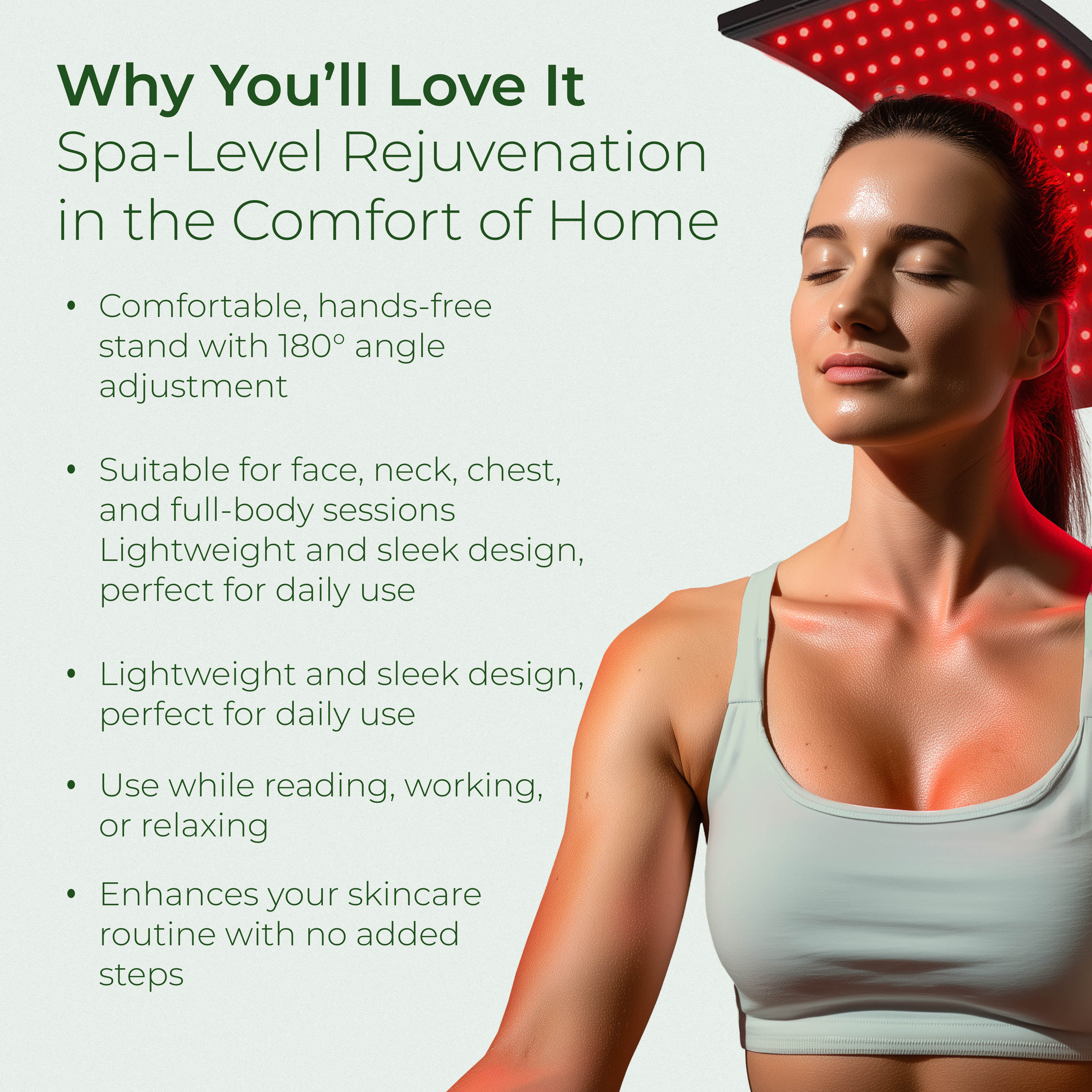
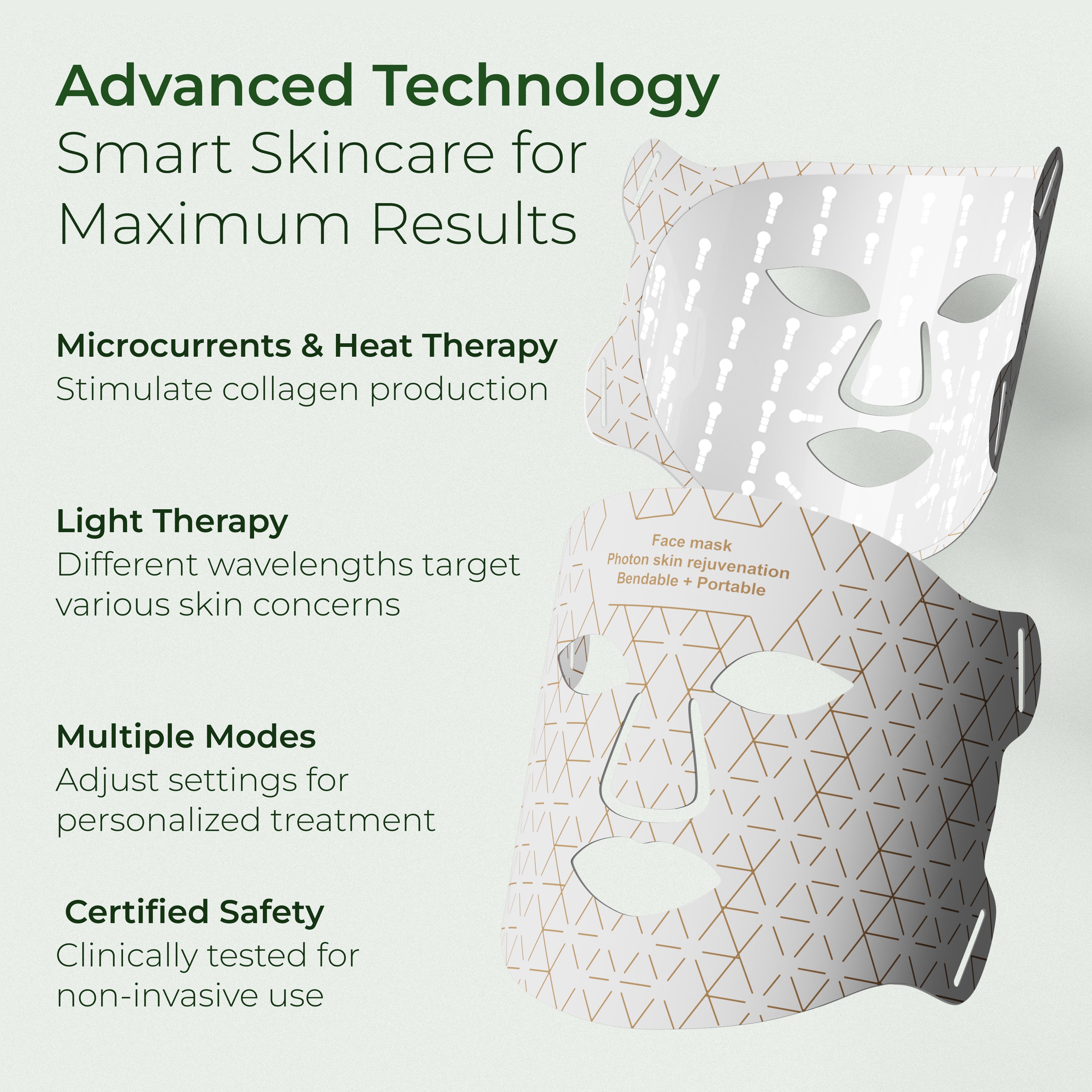
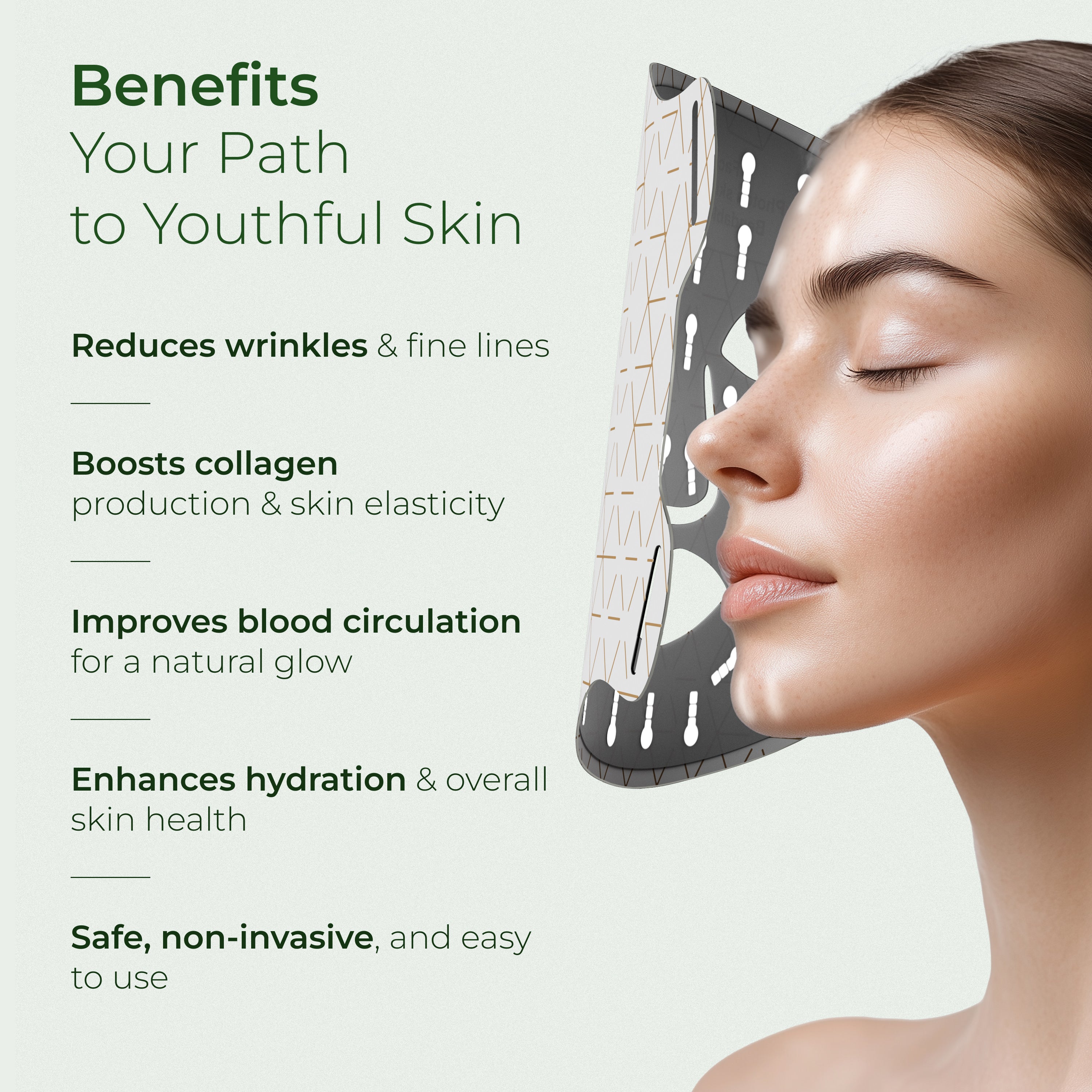
Ready to experience the benefits of professional LED light therapy at home? TrophySkin offers FDA-cleared devices that combine red and near-infrared wavelengths for comprehensive skin rejuvenation. Our LED therapy collection is designed for easy, effective treatments that fit seamlessly into your skincare routine.
Explore LED Therapy Collection →Frequently Asked Questions
⚕️ Medical Disclaimer
This article is for educational purposes only and does not replace professional medical advice. While LED light therapy is generally considered safe, consult a board-certified dermatologist before starting any new skincare regimen, especially if you have existing skin conditions, are pregnant, or take photosensitizing medications.



Laisser un commentaire
Ce site est protégé par hCaptcha, et la Politique de confidentialité et les Conditions de service de hCaptcha s’appliquent.