

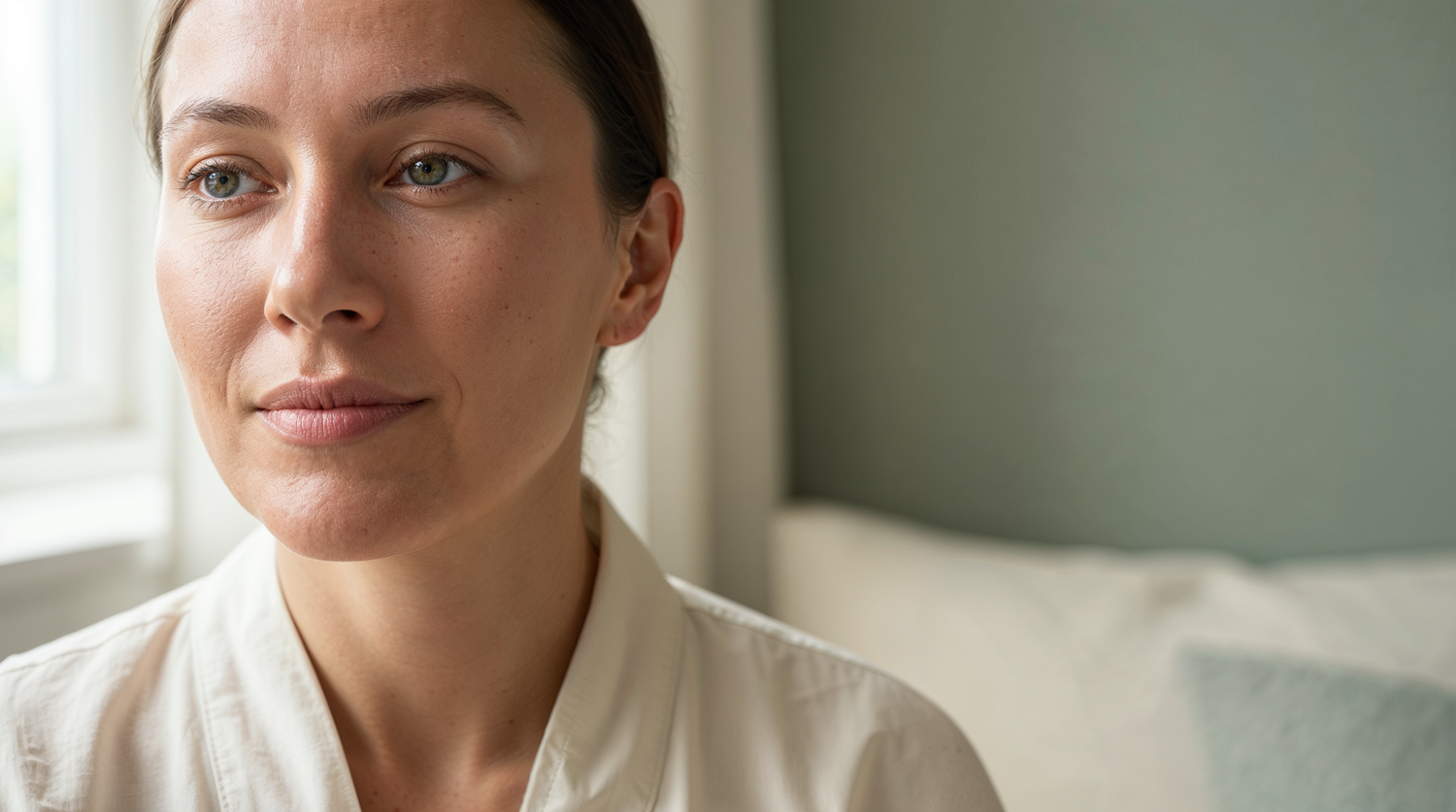
Quick Answer: The best pore minimizer approach combines proper cleansing, exfoliation with BHAs or AHAs, and treatments like retinoids or niacinamide. While you can't permanently shrink pores, consistent skincare and tools like microdermabrasion can significantly reduce their appearance by keeping them clean and improving overall skin texture.
If you've ever looked in the mirror and wished your pores would just disappear, you're not alone. Large pores are one of the most common skincare concerns, affecting people of all ages and skin types. The good news? While you can't eliminate pores entirely (they're essential for healthy skin), the right pore minimizer strategies can dramatically reduce their visibility.
Whether you're dealing with enlarged pores on your nose, cheeks, or entire face, this comprehensive guide will walk you through everything you need to know. From understanding why your pores look so big to discovering the best pore reducing products and professional-grade at-home treatments, you'll learn exactly how to get that smooth, refined complexion you've been dreaming of.
Why Are My Pores So Large? Understanding Pore Size
Before diving into how to reduce pores on face, it helps to understand what pores actually are and why some people have larger, more visible pores than others. This knowledge will help you choose the most effective pore minimizer approach for your specific situation.
The Science Behind Pores
Pores are tiny openings in your skin that house hair follicles and sebaceous glands. These glands produce sebum (your skin's natural oil), which travels up through the pore to moisturize and protect your skin's surface. Every single person has pores — they're essential for healthy skin function.
The size of your pores is largely determined by genetics. If your parents have visible pores, you're likely to have them too. However, several factors can make pores appear even larger than their genetic baseline.
Common Causes of Enlarged Pores
Excess sebum production is one of the primary culprits. When your skin produces too much oil, it can accumulate in the pores, stretching them out and making them more noticeable. This is why people with oily skin often struggle more with visible pores.
Age and sun damage play significant roles as well. As we age, our skin loses collagen and elastin — the proteins that keep skin firm and bouncy. This loss of structural support causes pores to sag and appear larger. UV exposure accelerates this process dramatically.
Clogged pores filled with dead skin cells, makeup residue, and debris will naturally look bigger. When pores are stuffed with gunk, they stretch to accommodate the buildup. This is why proper cleansing is foundational to any pore minimizing routine.
Hormonal fluctuations can trigger increased oil production, which explains why many people notice their pores looking larger during puberty, pregnancy, or menstrual cycles.
Can You Actually Shrink Pores? Myths vs. Facts
Let's clear up some confusion. The beauty industry loves to promise "pore shrinking" and "pore erasing" miracles, but what does science actually say about how to make pores smaller?
What Really Works (And What Doesn't)
Here's the honest truth: you cannot permanently change the physical size of your pores. Your pore size is determined by genetics, and no product or treatment can alter that underlying structure. However — and this is important — you can absolutely minimize the appearance of pores and prevent them from looking larger than they need to.
The best pore minimizer strategies work by keeping pores clean and unclogged, improving skin texture around pores, boosting collagen to provide structural support, controlling excess oil production, and creating optical effects that blur pore visibility.
The goal isn't to eliminate pores — it's to minimize their appearance so your skin looks smoother and more refined. With the right approach, most people can achieve significant visible improvement.
Best Pore Minimizing Ingredients to Look For
When shopping for the best pore minimizing products, knowing which ingredients actually work will save you time and money. Here are the science-backed superstars that dermatologists recommend for how to reduce pore size.
Niacinamide (Vitamin B3)
Niacinamide is arguably the best pore minimizing serum ingredient available. This multitasking vitamin works by regulating sebum production (less oil = less stretched pores), strengthening the skin barrier, improving overall skin texture, and reducing the appearance of pore size. Studies show that 2-5% niacinamide can visibly reduce pore appearance within 4-8 weeks of consistent use.
Retinoids (Vitamin A Derivatives)
Retinoids are the gold standard for overall skin improvement, including pore reduction. They work by increasing cell turnover, which keeps pores clear of dead skin buildup, stimulating collagen production for firmer skin around pores, and normalizing oil production over time. Start with a lower concentration (0.25-0.5%) and work up slowly to avoid irritation.
BHA (Salicylic Acid)
Salicylic acid is oil-soluble, meaning it can actually penetrate into pores and dissolve the sebum and debris trapped inside. This makes it exceptional for keeping pores clean and minimized. Look for the best pore minimizing toner or cleanser with 0.5-2% salicylic acid for daily use.
AHA (Glycolic Acid)
While AHAs work on the skin's surface rather than inside pores, they're excellent for smoothing texture and removing the dead skin cells that can make pores look more prominent. Glycolic acid also stimulates collagen production over time.
Pro Tip: Layer your pore-minimizing ingredients strategically. Use BHA in the morning (it's also anti-inflammatory) and retinoids at night. Add niacinamide to either routine — it plays well with almost everything.
How to Reduce Pores on Face: Complete Skincare Routine
Knowing the right ingredients is only half the battle. Here's exactly how to minimize pores on face with a strategic morning and evening routine.
Morning Routine for Pore Minimizing
Evening Routine for Pore Reduction
Your evening routine is where the real pore-minimizing magic happens. This is when you can use stronger treatments like retinoids and physical exfoliation.
Double cleanse if you wear makeup or sunscreen. Start with an oil-based cleanser to dissolve products, then follow with your regular cleanser. This ensures pores are completely clean before treatment products go on.
Apply retinoid 2-3 times per week (or nightly if your skin tolerates it). Start slow and build up gradually. Retinoids are the best long-term investment for how to reduce pores.
Seal with moisturizer to prevent dryness and support your skin barrier. A compromised barrier leads to more oil production and larger-looking pores.
How to Minimize Pores on Nose: Targeted Solutions
The nose is ground zero for visible pores. This area has more sebaceous glands per square inch than almost anywhere else on your face, making large pores on nose one of the most common skincare complaints. Here's how to specifically target this troublesome zone.
First, let's address a common confusion: those dark dots on your nose are likely sebaceous filaments, not blackheads. Sebaceous filaments are natural, normal structures that help oil flow to the surface. You'll never completely eliminate them, but you can minimize their appearance with consistent care.
To shrink pores on nose effectively, use a clay mask 1-2 times weekly to absorb excess oil and draw out impurities. Apply BHA directly to the nose area daily for deeper pore cleansing. Consider using a pore strip occasionally (no more than once weekly) for immediate but temporary results. Physical exfoliation with microdermabrasion can help smooth the nose's textured surface.
Important: Never squeeze or pick at pores on your nose. This can stretch them further, cause inflammation, and potentially lead to scarring — making the problem worse, not better.
Best Pore Minimizing Products and Tools
While topical products are essential, the most dramatic improvements in pore appearance often come from professional-grade treatments. The good news? Many of these pore shrinking products and devices are now available for at-home use.
Microdermabrasion for Pores
Microdermabrasion is one of the most effective treatments for how to decrease pores. This physical exfoliation technique removes the outermost layer of dead skin cells, which immediately smooths skin texture and reveals fresher, more refined skin underneath.
When it comes to pores specifically, microdermabrasion clears debris and buildup from inside pores, smooths the skin around pores so they're less visible, stimulates collagen production for long-term firmness, and improves the absorption of your pore-minimizing serums and treatments. Professional microdermabrasion treatments typically cost $100-200 per session, with recommended treatments every 2-4 weeks. However, at-home devices can deliver similar results at a fraction of the cost.
LED Light Therapy Benefits
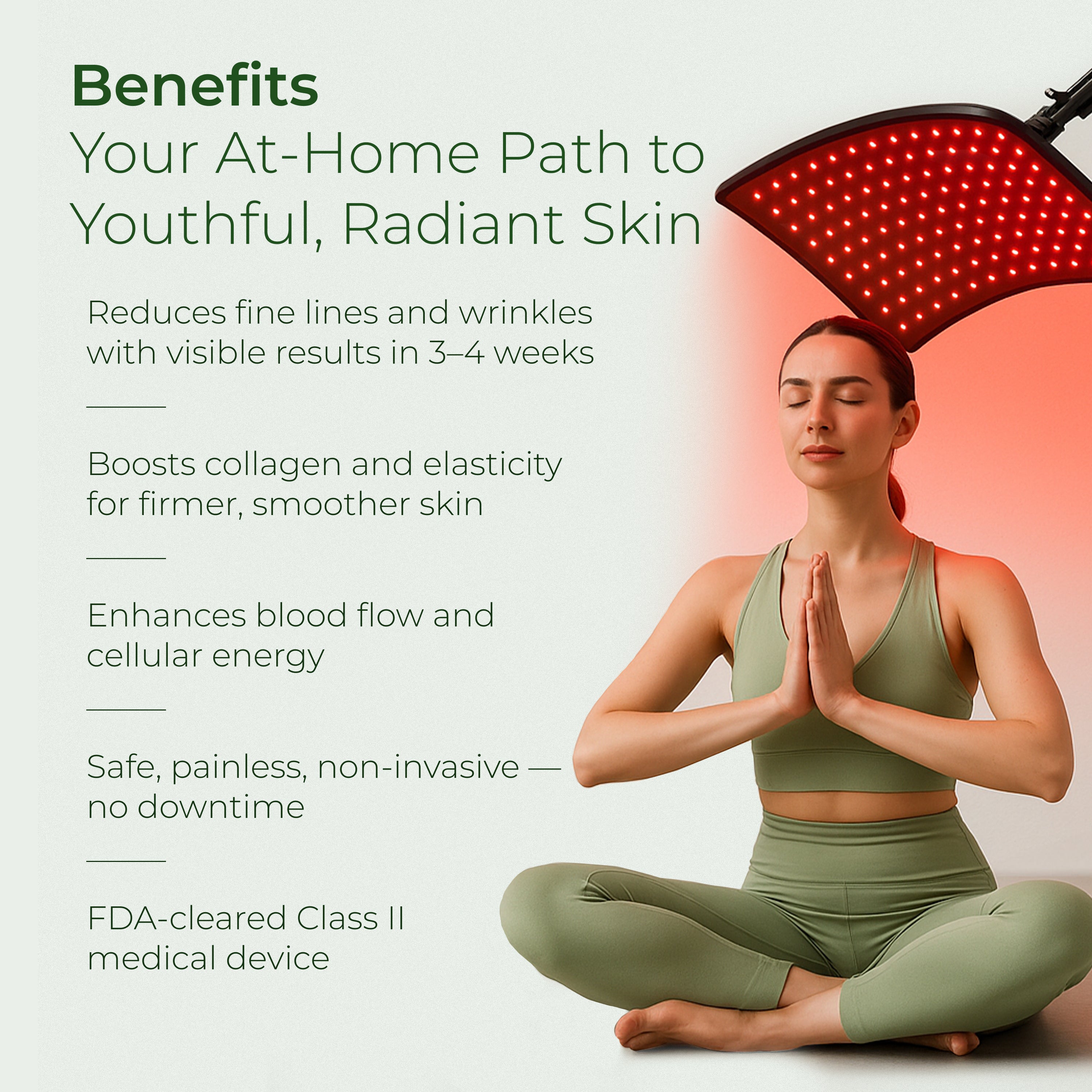
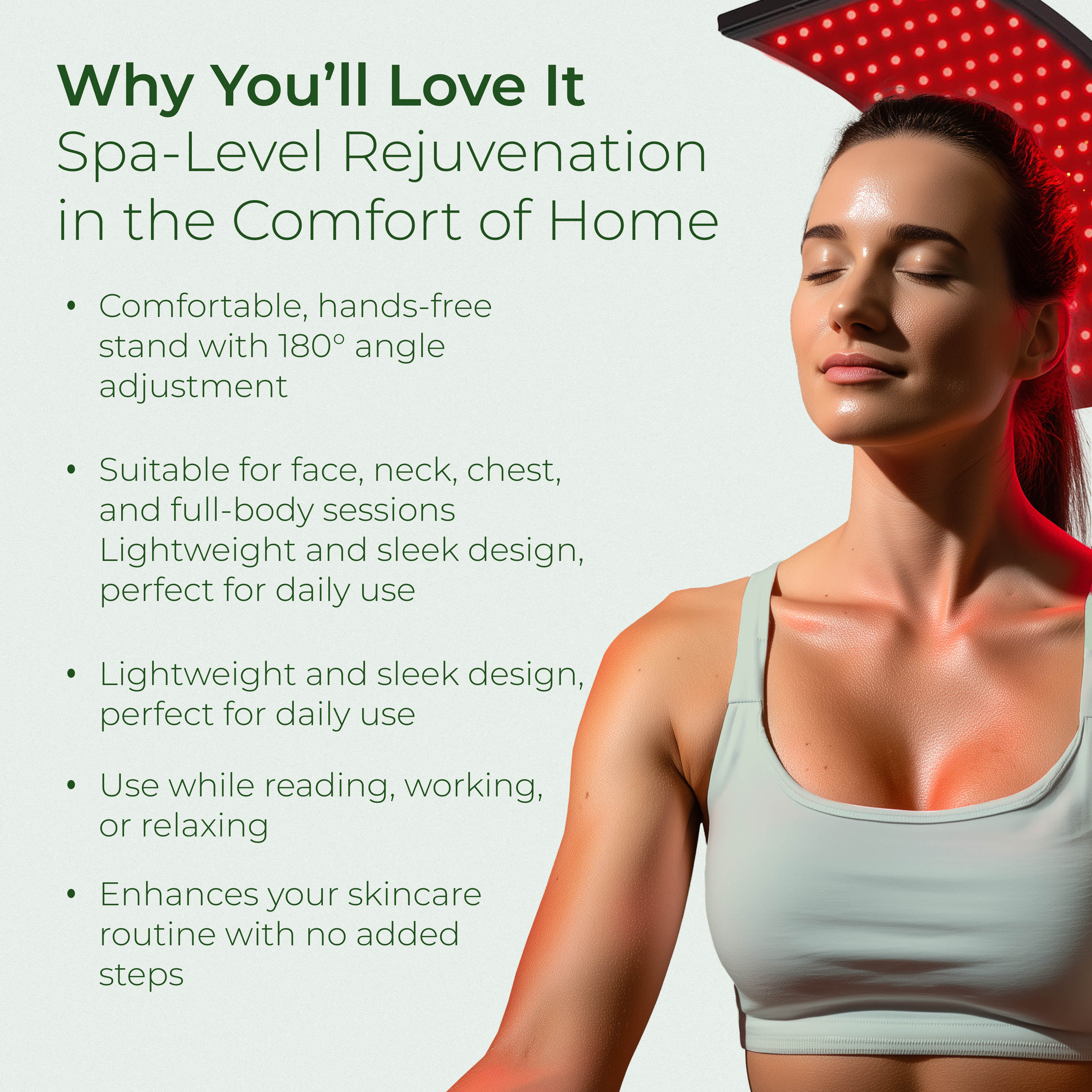
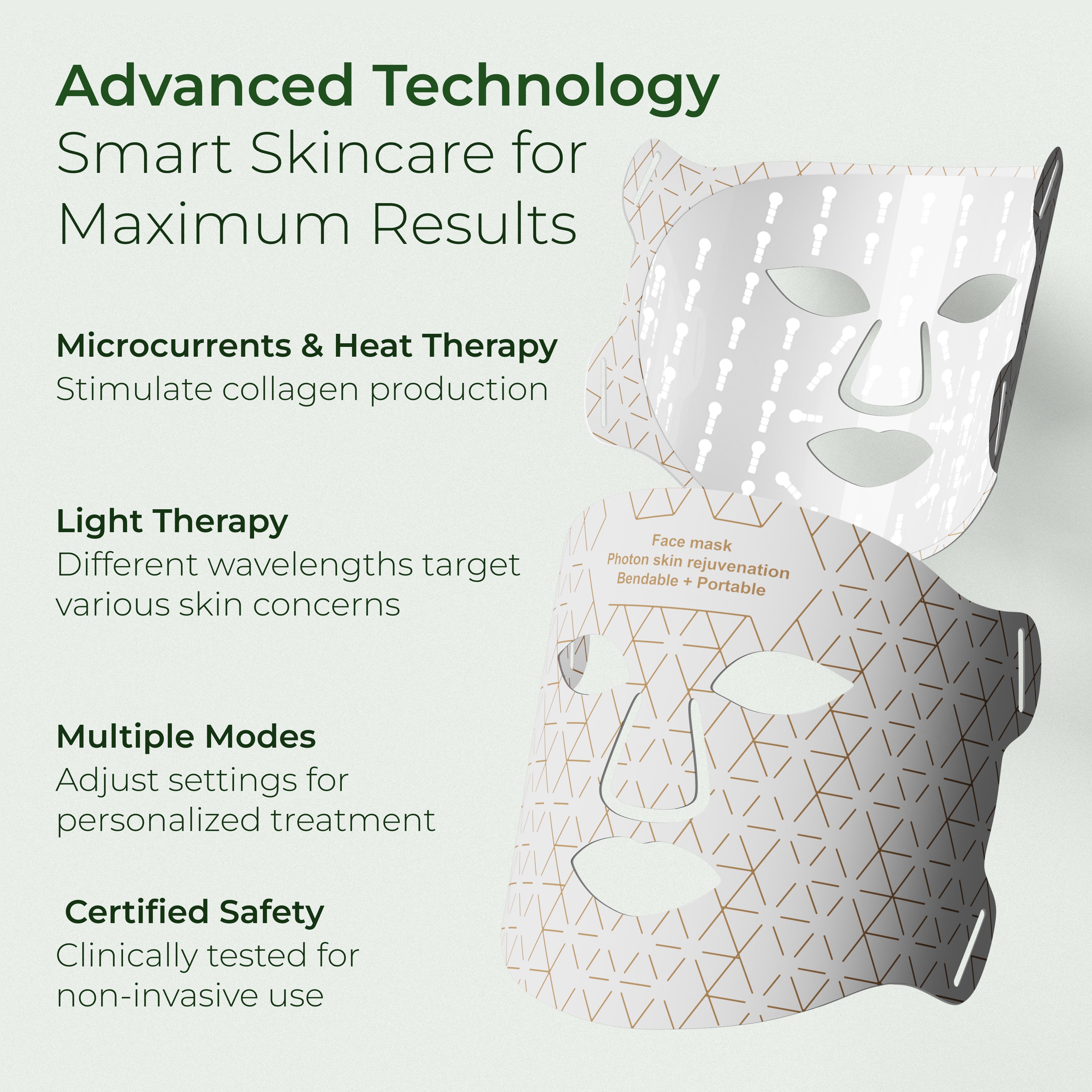
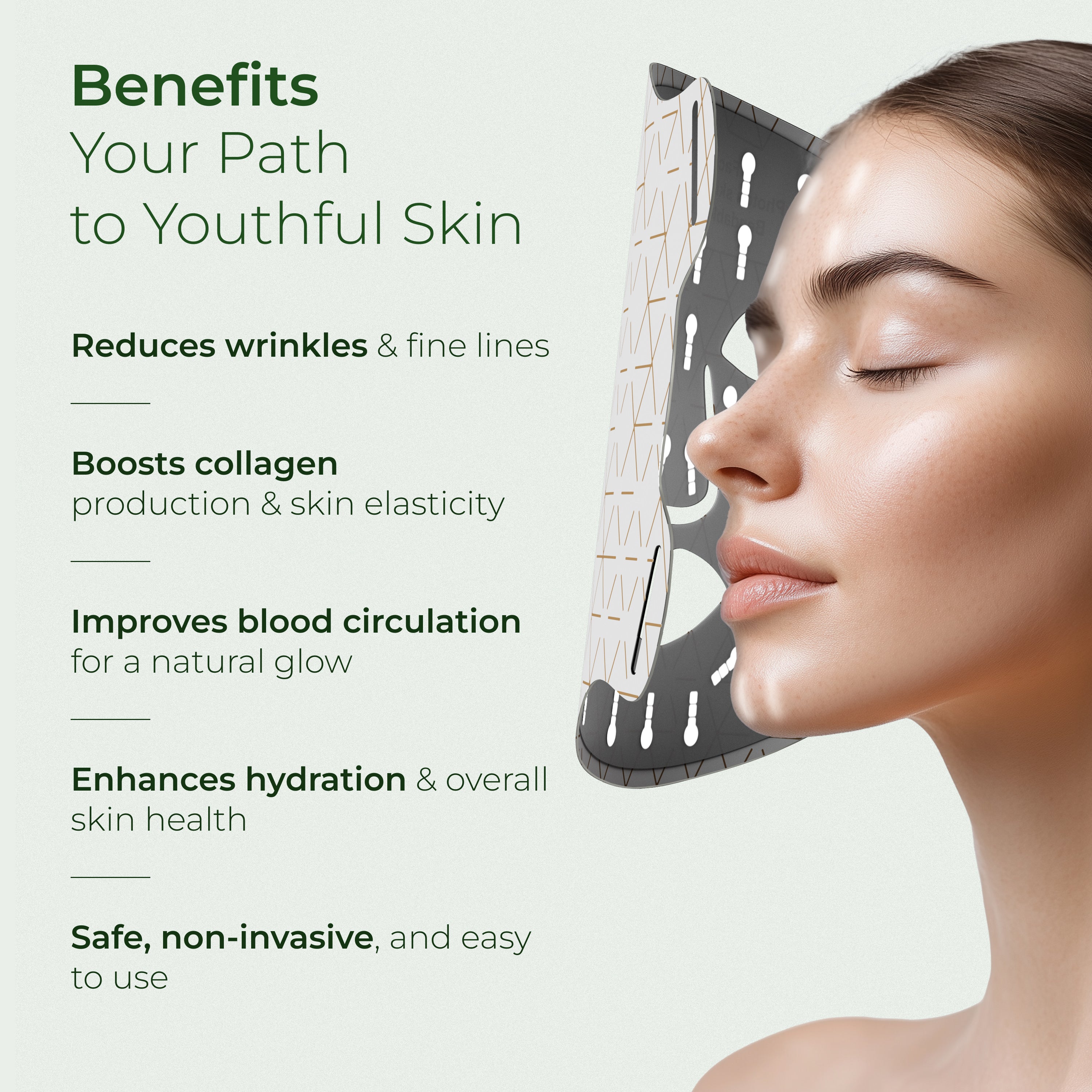
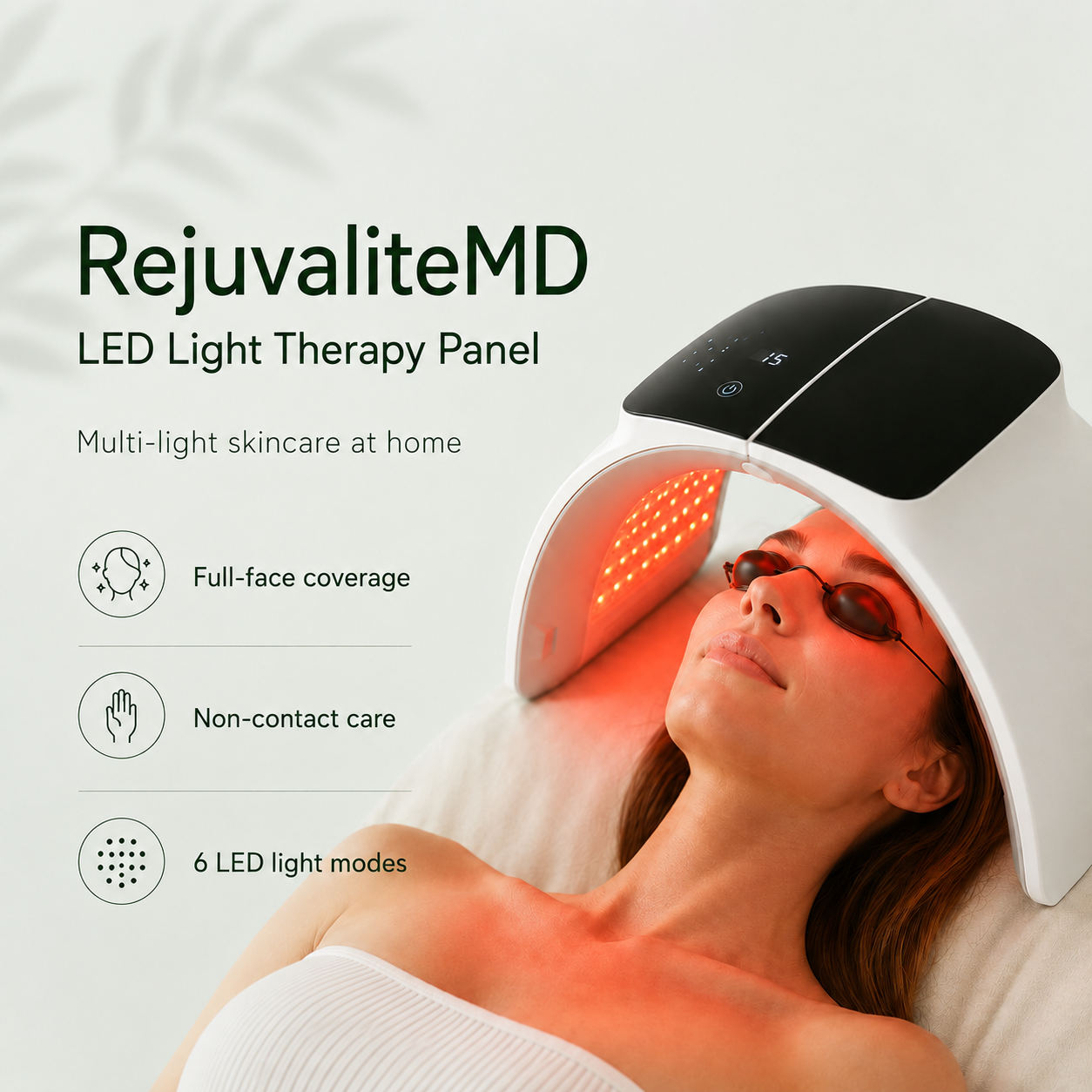
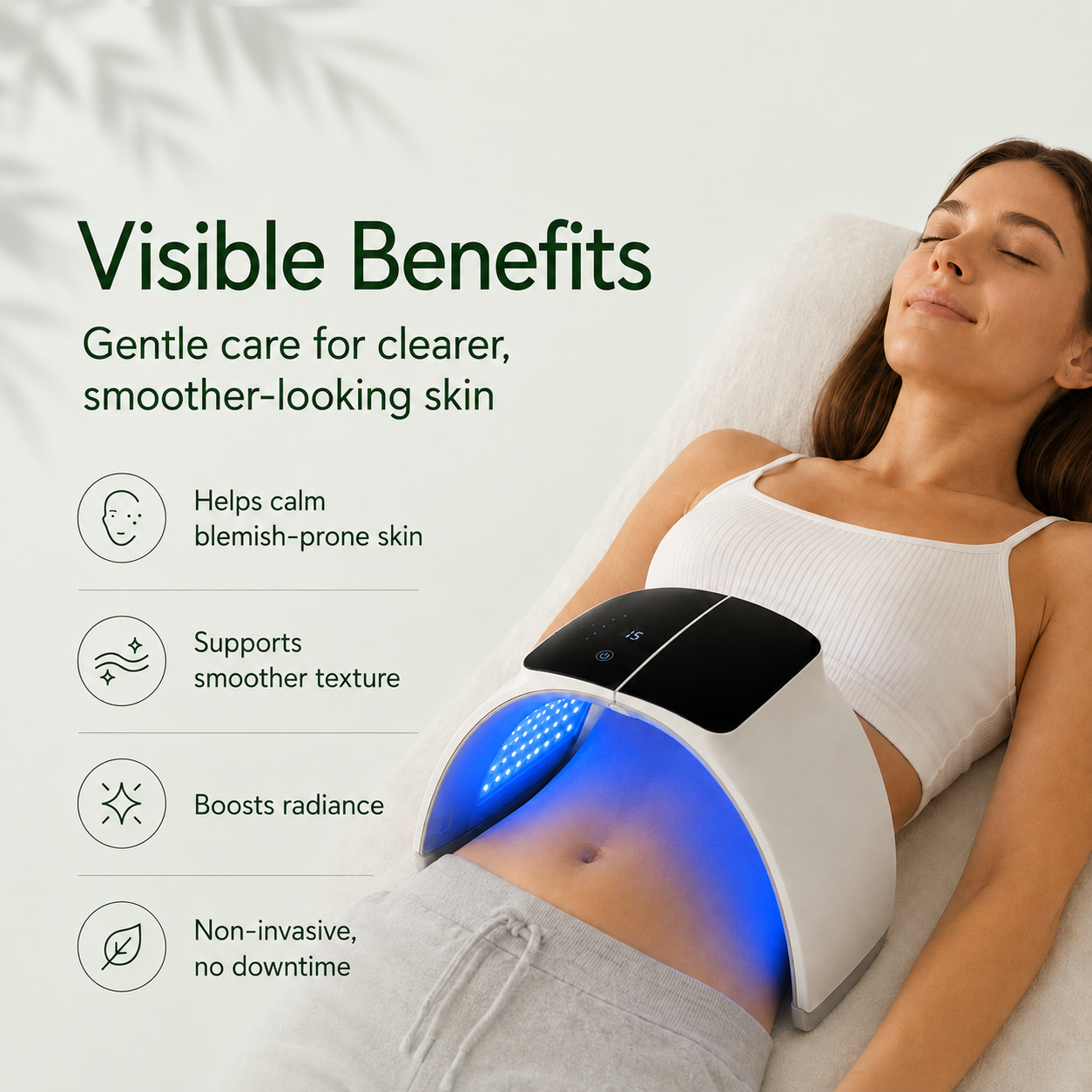
LED light therapy is another pore reducer that works beneath the skin's surface. Different wavelengths target different concerns. Red light (630-700nm) stimulates collagen production, which provides structural support to keep pores looking smaller over time. Blue light (405-420nm) kills acne-causing bacteria, preventing the breakouts that can stretch and damage pores. Combining LED therapy with microdermabrasion creates a powerful one-two punch for pore minimizing.
How TrophySkin Can Help
TrophySkin's professional-grade home devices combine microdermabrasion and LED therapy technology — the same treatments used in dermatology offices — for spa-quality results at home. Regular use can help keep pores clean, boost collagen production, and improve overall skin texture for visibly minimized pores.
Explore Our Devices →Professional vs. At-Home Pore Treatments
When considering how to get rid of large pores, you have two main paths: professional treatments or at-home care. Both have their place in a comprehensive pore-minimizing strategy.
For most people, a combination approach works best: invest in quality at-home devices and products for consistent maintenance, and supplement with occasional professional treatments for intensive results when needed.
Pro Tip: Consistency beats intensity. Using an at-home microdermabrasion device weekly will deliver better long-term results for pore minimizing than a single professional treatment every few months.
How Long Does It Take to See Results?
One of the most common questions about pore reducing products is how quickly they work. Here's a realistic timeline for what to expect when following a consistent pore-minimizing routine.
Week 1-2: Cleaner Pores
With consistent cleansing and BHA use, you'll notice pores looking cleaner and less congested. Skin may feel smoother to the touch.
Week 4-6: Visible Improvement
Niacinamide starts showing oil-regulating effects. Microdermabrasion results in smoother overall texture. Pores begin looking visibly smaller.
Week 8-12: Significant Results
Retinoid benefits kick in — increased cell turnover and collagen production. Most users report noticeable pore minimizing at this stage.
Month 3-6: Optimal Results
Long-term collagen remodeling from retinoids and LED therapy. Maximum pore minimizing achieved with continued maintenance.
Frequently Asked Questions
Conclusion: Your Path to Minimized Pores
While you can't change your genetic pore size, the right pore minimizer routine can dramatically improve how your pores look. The key is consistency: daily cleansing with the right products, regular exfoliation (both chemical and physical), collagen-boosting treatments, and protection from sun damage.
Start with the basics — a good BHA cleanser and niacinamide serum — then add in more advanced treatments like retinoids and microdermabrasion as your skin adjusts. Within 4-8 weeks, you should start seeing noticeable improvements in pore appearance and overall skin texture.
Remember, the best pore minimizing products are the ones you'll actually use consistently. Choose a routine that fits your lifestyle and stick with it. Your future self (and your pores) will thank you.
⚕️ Medical Disclaimer
This article is for educational purposes only and does not replace professional medical advice. Consult a board-certified dermatologist before starting any new skincare regimen, especially if you have existing skin conditions or take medications.

Laisser un commentaire
Ce site est protégé par hCaptcha, et la Politique de confidentialité et les Conditions de service de hCaptcha s’appliquent.