

Quick Answer: The best anti-aging sunblock combines broad-spectrum SPF 30+ protection with skin-nourishing ingredients like zinc oxide, hyaluronic acid, niacinamide, and antioxidants. For mature skin, mineral sunscreens with added moisturizing benefits offer superior protection against photoaging while supporting collagen preservation and hydration.
Here's a fact that might surprise you: up to 80% of visible facial aging is caused by sun exposure, not simply the passage of time. That means those fine lines, wrinkles, age spots, and loss of firmness you're noticing aren't inevitable—they're largely preventable with the right sun protection strategy.
Finding the best anti-aging sunblock isn't just about preventing sunburn. It's about preserving your skin's collagen, maintaining elasticity, and stopping photoaging before it starts. Whether you're looking for the best sunscreen to prevent aging or searching for an anti-aging sunscreen for mature skin, this comprehensive guide will help you understand what truly protects your skin—and what features matter most.
Why Sunscreen Is the #1 Anti-Aging Product
Dermatologists consistently rank sunscreen as the single most effective anti-aging product available—more effective than retinol, vitamin C serums, or any other cosmetic treatment. A landmark 4-year Australian study published in the Annals of Internal Medicine confirmed what skin experts have long believed: regular sunscreen use significantly slows skin aging, even in middle-aged adults.
The study found that participants who used broad-spectrum sunscreen daily were 24% less likely to show increased signs of aging compared to those who used sunscreen only occasionally. Even more remarkable? Some participants showed actual reversal of existing sun damage signs after consistent use.
How UVA and UVB Rays Accelerate Skin Aging
Understanding how the sun damages your skin is essential for choosing the best anti-aging sunblock for your needs. The sun emits two types of harmful ultraviolet radiation that affect your skin differently—and both contribute to premature aging.
UVA Rays: The "Aging" Rays
UVA rays penetrate deep into the dermis (the thickest layer of your skin) and are the primary culprit behind photoaging. These rays break down collagen and elastin—the proteins responsible for keeping your skin firm and bouncy. UVA exposure triggers the production of matrix metalloproteinases (MMPs), enzymes that literally "eat away" at your skin's support structures.
What makes UVA particularly sneaky? These rays are present all year round, penetrate through clouds and windows, and cause damage without any visible warning signs like sunburn. You could be accumulating years of aging damage without realizing it.
UVB Rays: The "Burning" Rays
UVB rays primarily affect the epidermis (outer skin layer) and are responsible for sunburns and most skin cancers. While SPF ratings specifically measure protection against UVB rays, these rays also contribute to photoaging by generating free radicals and damaging skin cell DNA.
Pro Tip: Look for "broad-spectrum" on sunscreen labels—this ensures protection against both UVA and UVB rays. A high SPF alone doesn't guarantee UVA protection!
Key Ingredients in the Best Anti-Aging Sunblock
Not all sunscreens are created equal, especially when it comes to anti-aging benefits. The best sunscreen for aging skin goes beyond basic UV protection to include ingredients that actively support skin health and combat existing damage.
UV Filters: Your First Line of Defense
Zinc Oxide: Considered the gold standard for sun protection, zinc oxide provides excellent broad-spectrum coverage against both UVA and UVB rays. It sits on top of the skin and physically deflects UV radiation, making it ideal for sensitive and mature skin types.
Titanium Dioxide: Another mineral filter that works alongside zinc oxide to reflect UV rays. Modern formulations have largely eliminated the white cast that used to make mineral sunscreens less cosmetically elegant.
Anti-Aging Powerhouse Ingredients
Hyaluronic Acid: This hydration hero can hold up to 1,000 times its weight in water, plumping fine lines and keeping mature skin supple. Look for the best moisturizing sunscreen for mature skin with hyaluronic acid to combat dryness while protecting.
Niacinamide (Vitamin B3): This multitasking ingredient stimulates collagen production, improves skin texture, reduces hyperpigmentation, and strengthens the skin barrier. Many dermatologists consider it essential in formulas designed for aging skin.
Antioxidants (Vitamins C & E): UV exposure generates free radicals that accelerate aging. Antioxidants neutralize these damaging molecules, providing an extra layer of defense that sunscreen alone can't offer. Studies show sunscreens with antioxidants reduce free radical formation more effectively than sunscreen alone.
Ceramides: These lipid molecules are essential for maintaining your skin's protective barrier. As we age, natural ceramide production decreases, making supplementation through skincare products increasingly important.
Mineral vs Chemical Sunscreen: Which Is Better for Aging Skin?
When searching for the best sunscreen for mature skin, you'll encounter two main categories: mineral (physical) and chemical sunscreens. Each has distinct advantages, and understanding the differences helps you make the right choice.
Mineral (Physical) Sunscreens
Mineral sunscreens use zinc oxide and titanium dioxide to create a physical barrier that reflects UV rays away from your skin. A recent survey of 62 dermatologists found that 96.8% recommend mineral sunscreen as the top product for preventing fine lines and wrinkles—ranking it equally important to retinoids.
Best for: Sensitive skin, rosacea-prone skin, post-procedure skin, anyone seeking the gentlest option. Mineral sunscreens work immediately upon application—no waiting period required.
Chemical Sunscreens
Chemical sunscreens absorb UV rays and convert them to heat, which is then released from the body. Modern formulations include ingredients like avobenzone, octisalate, and newer European filters that offer excellent protection with elegant, invisible finishes.
Best for: Those who prefer lightweight textures, anyone concerned about white cast, and situations requiring longer-lasting protection during outdoor activities.
How to Choose the Best Anti-Aging Sunscreen for Your Skin
Selecting the right anti-aging sunscreen depends on your specific skin concerns, lifestyle, and preferences. Here's what to prioritize based on your needs:
For Dry, Mature Skin
The best sunscreen for older women with dry skin should include hydrating ingredients like hyaluronic acid, glycerin, and ceramides. Look for cream-based formulas that double as moisturizers and provide at least SPF 30 broad-spectrum protection. Avoid mattifying formulas, which can emphasize fine lines and create a chalky appearance.
For Combination or Oily Mature Skin
Choose lightweight, gel-based or serum formulations that won't clog pores or feel heavy. Many modern sunscreens are labeled "oil-free" or "non-comedogenic" and include mattifying ingredients to control shine without over-drying.
For Hyperpigmentation and Age Spots
If uneven skin tone is a concern, tinted sunscreens offer additional benefits. The iron oxides in tinted formulas provide protection against visible light (including blue light from screens), which can worsen melasma and hyperpigmentation. Formulas with niacinamide and vitamin C further help brighten existing dark spots.
Remember: The best sunscreen is one you'll actually use every single day. Prioritize a formula you enjoy wearing—elegant texture, pleasant scent (or fragrance-free), and compatibility with your skincare and makeup routine make all the difference in consistency.
Proper Sunscreen Application for Maximum Anti-Aging Protection
Even the best anti-aging sunblock won't work if applied incorrectly. Studies show most people apply only 25-50% of the recommended amount, dramatically reducing protection. Here's how to ensure you're getting full benefits:
Important: Sunscreen is essential even on cloudy days and when spending time indoors near windows. Up to 80% of UV rays penetrate clouds, and UVA rays pass through glass. Make daily sunscreen a non-negotiable habit.
Building a Complete Anti-Aging Skincare Routine
While sunscreen forms the foundation of any anti-aging strategy, combining it with other proven treatments amplifies results. A comprehensive approach addresses both prevention (what sunscreen does brilliantly) and repair (where targeted treatments shine).
Morning Routine Order
The optimal morning sequence for anti-aging: cleanser → antioxidant serum (like vitamin C) → moisturizer → sunscreen. Each layer works synergistically—antioxidants boost sunscreen's protective effects, while moisturizer helps sunscreen apply more evenly and comfortably.
Evening Repair Treatments
Nighttime is when your skin shifts into repair mode. This is the ideal time for active ingredients like retinoids, which boost collagen production and cell turnover. These ingredients can make skin more sensitive to sunlight, making consistent morning sunscreen use even more critical.
Professional At-Home Treatments
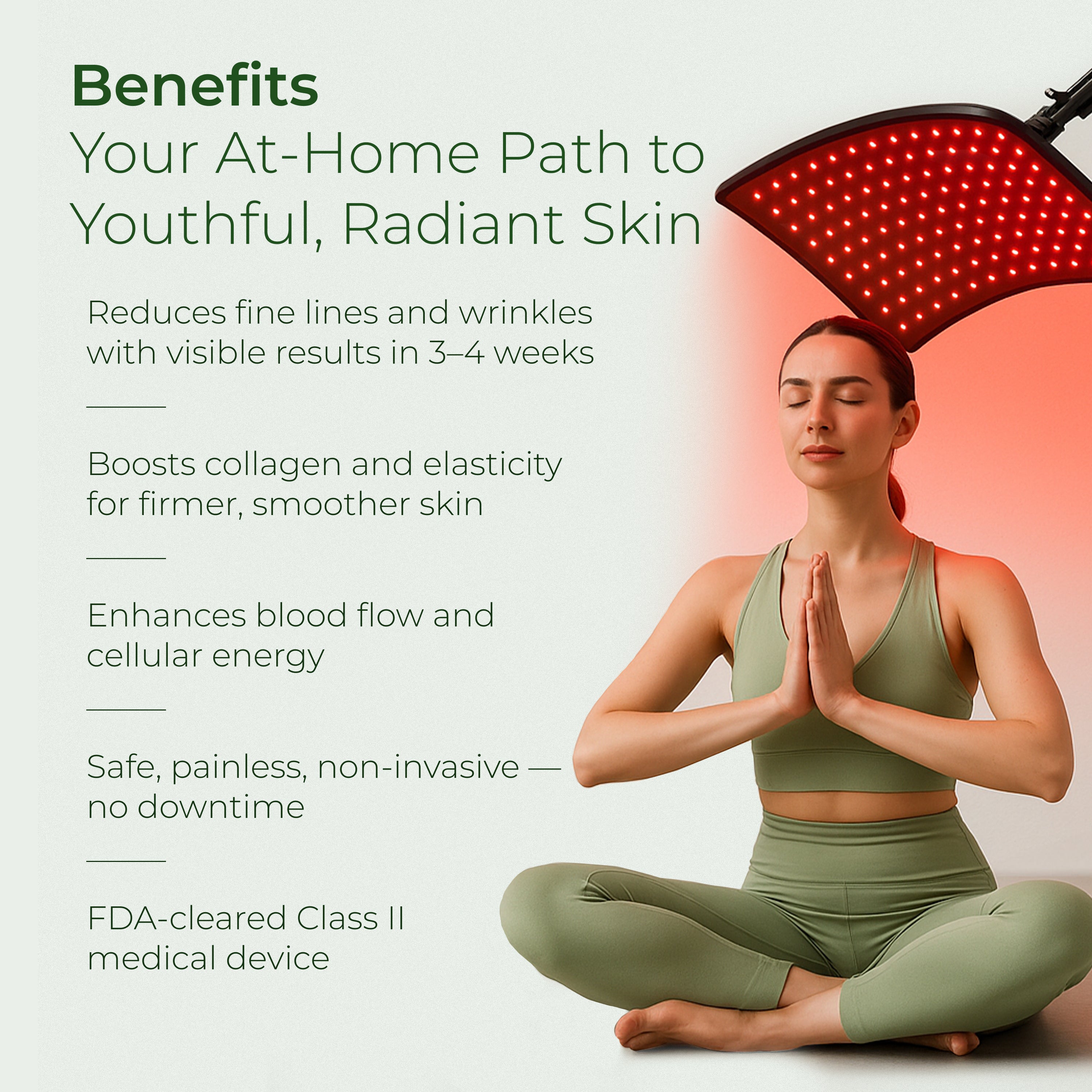
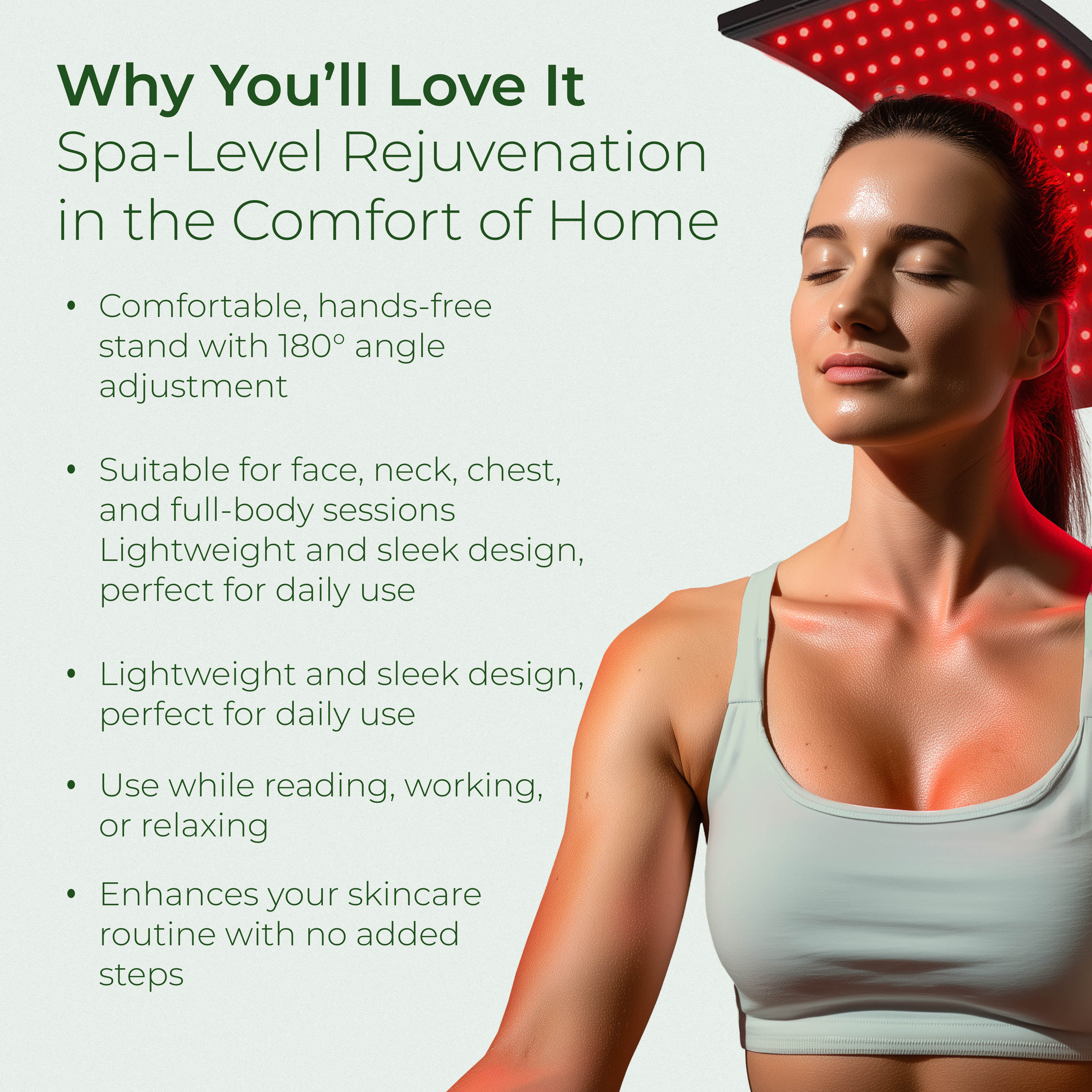
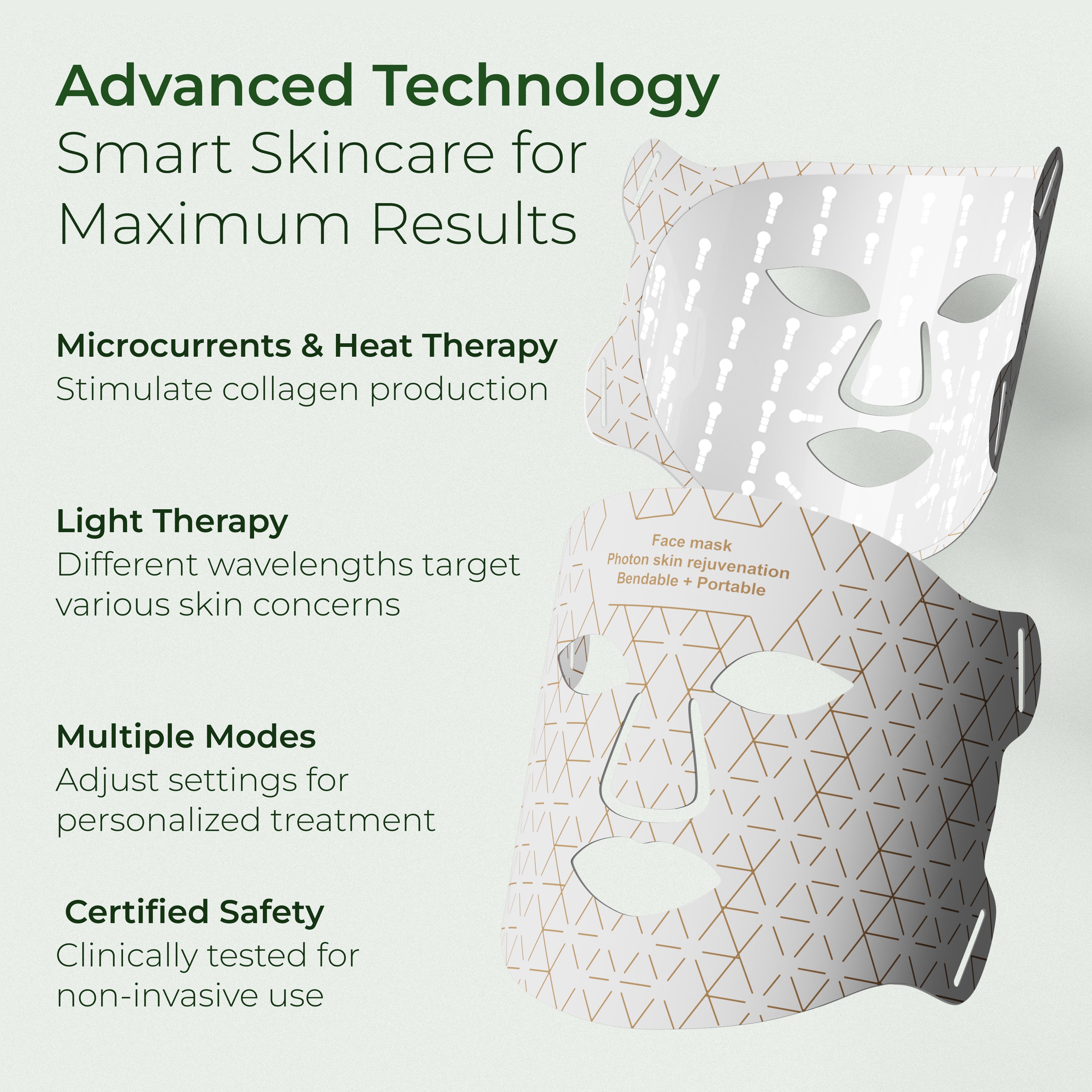
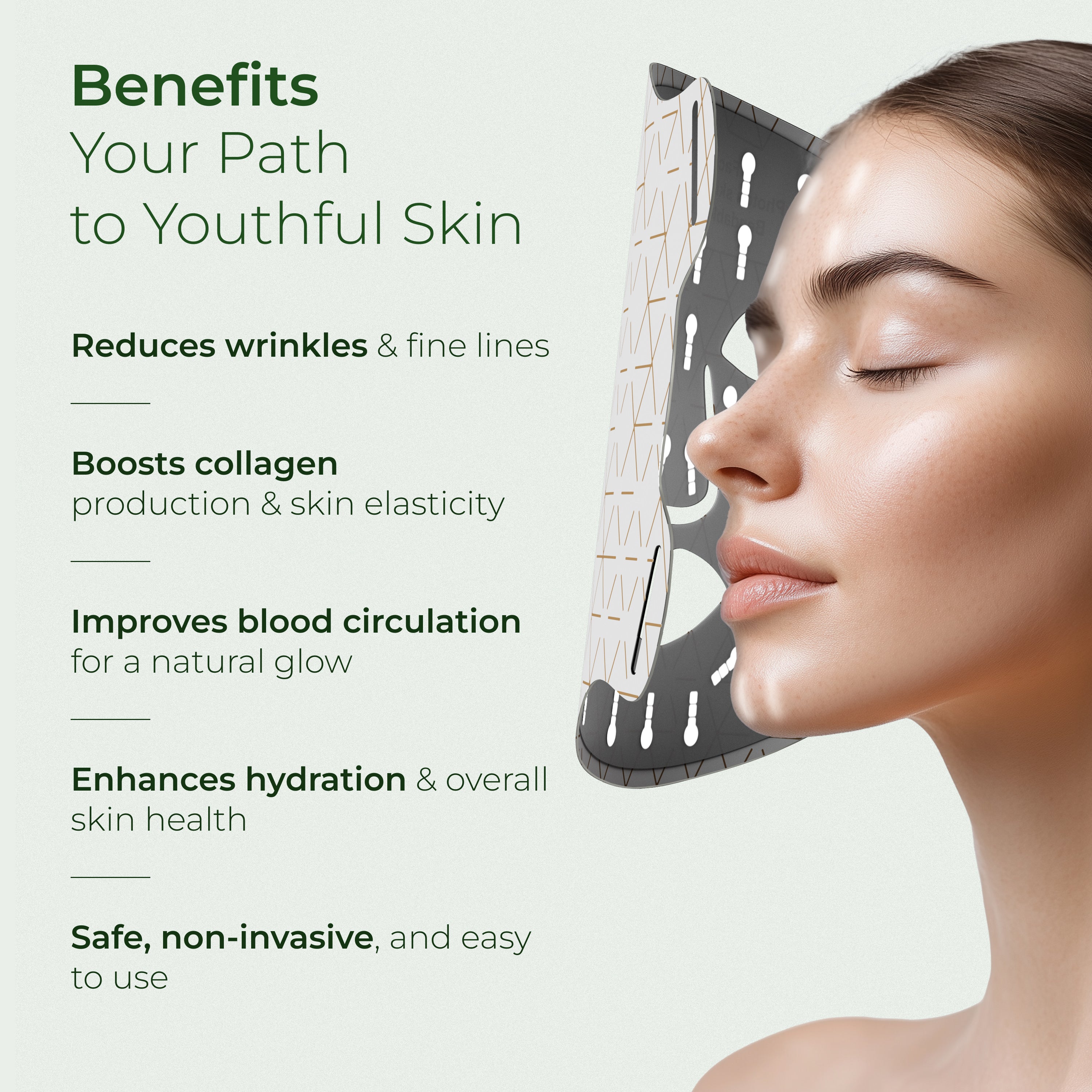
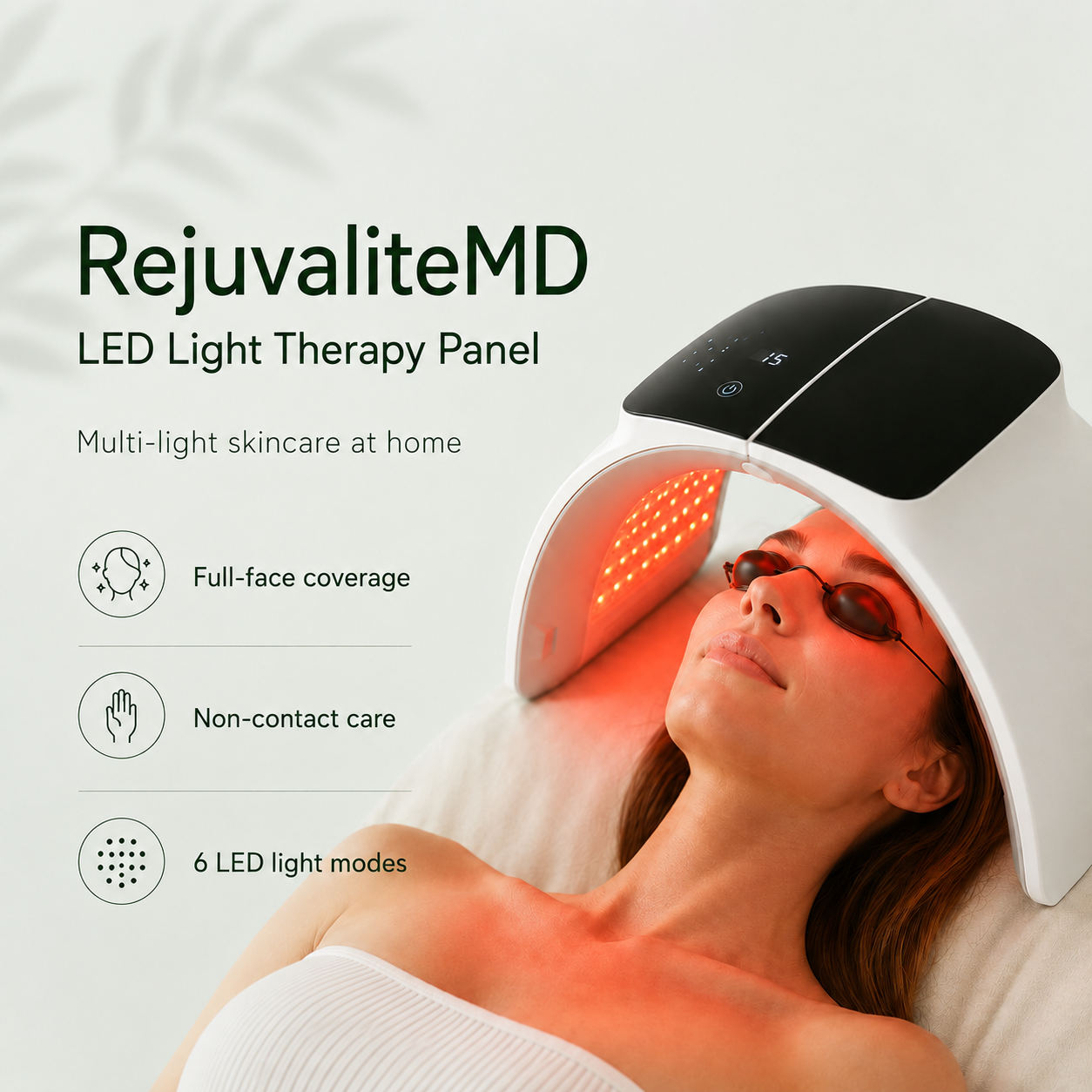
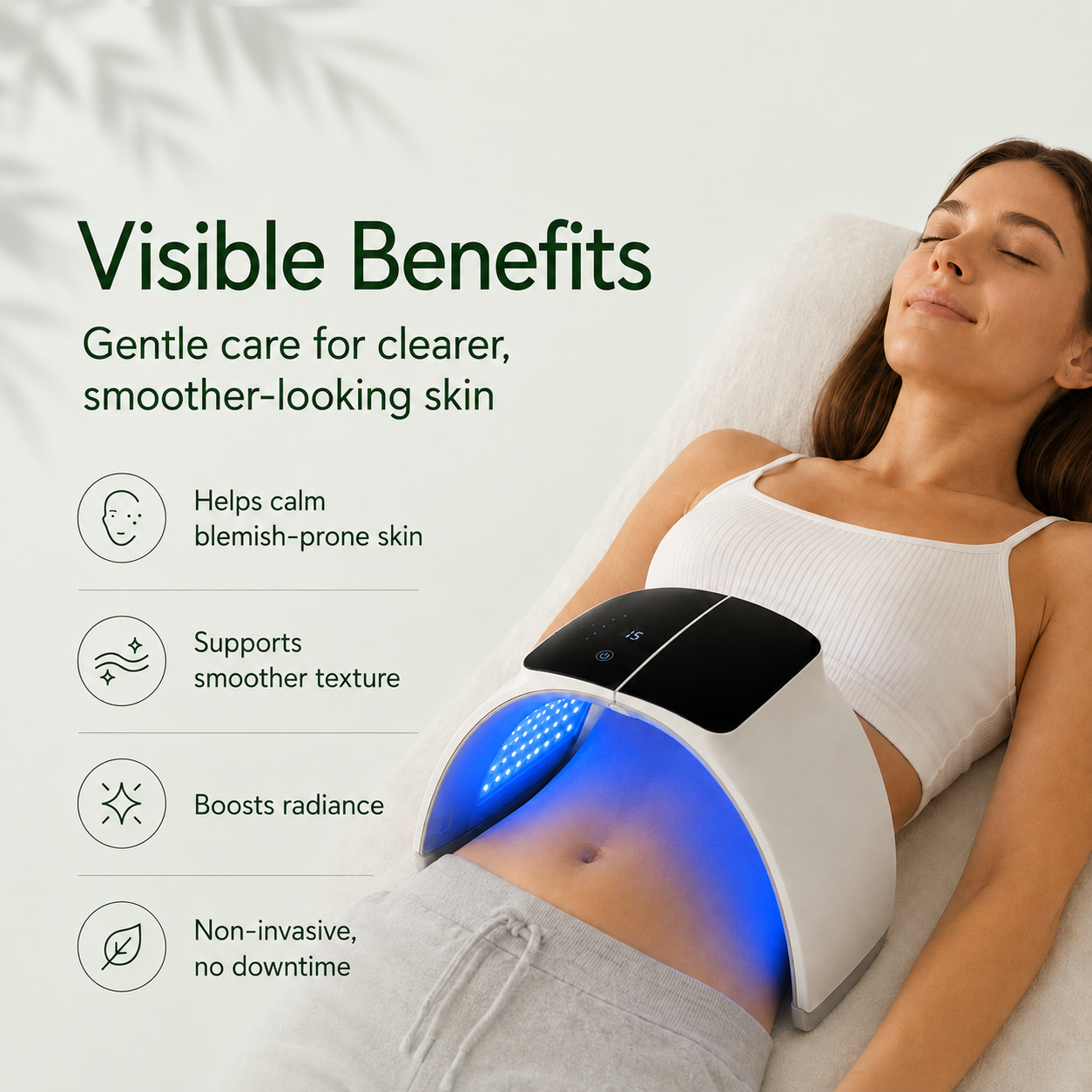
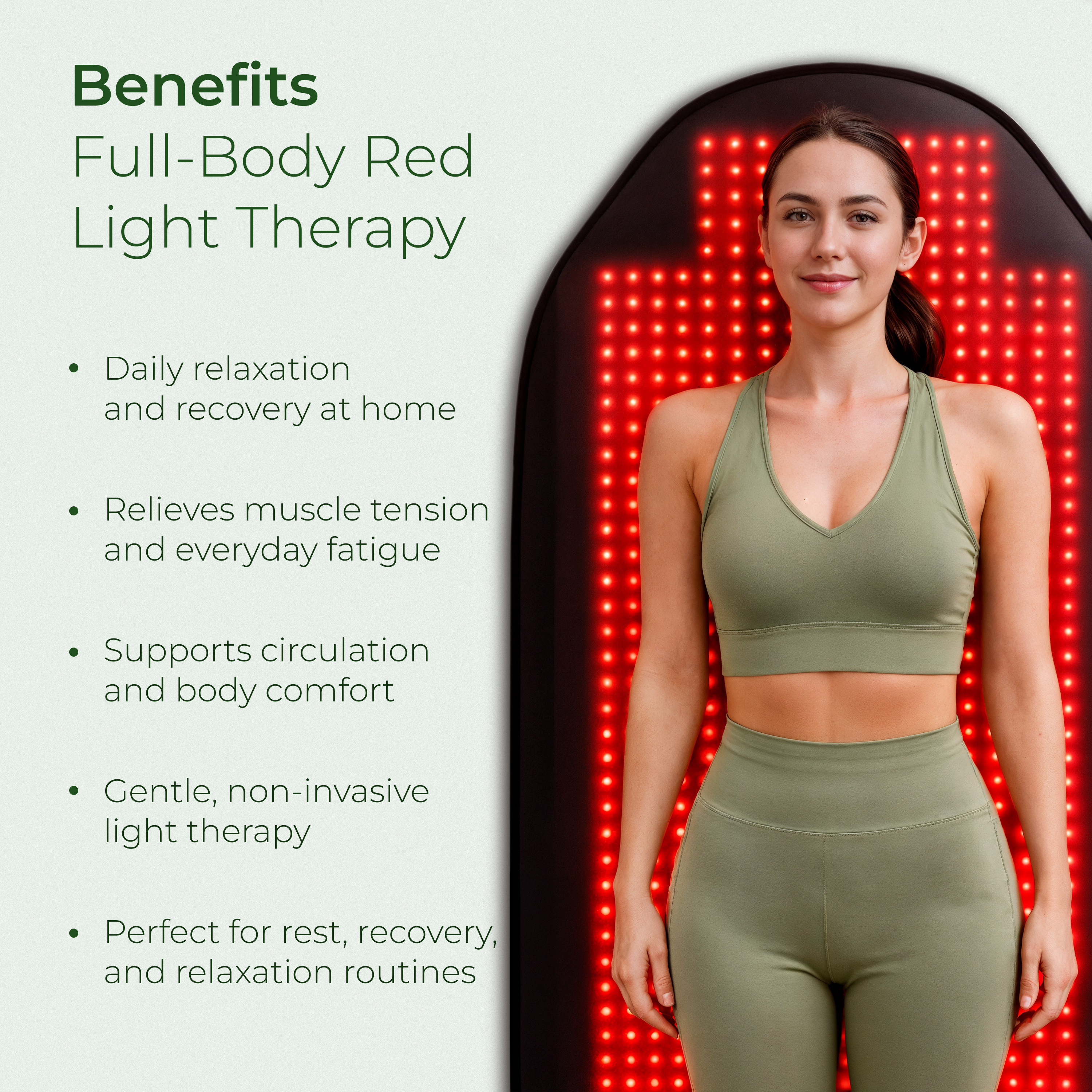
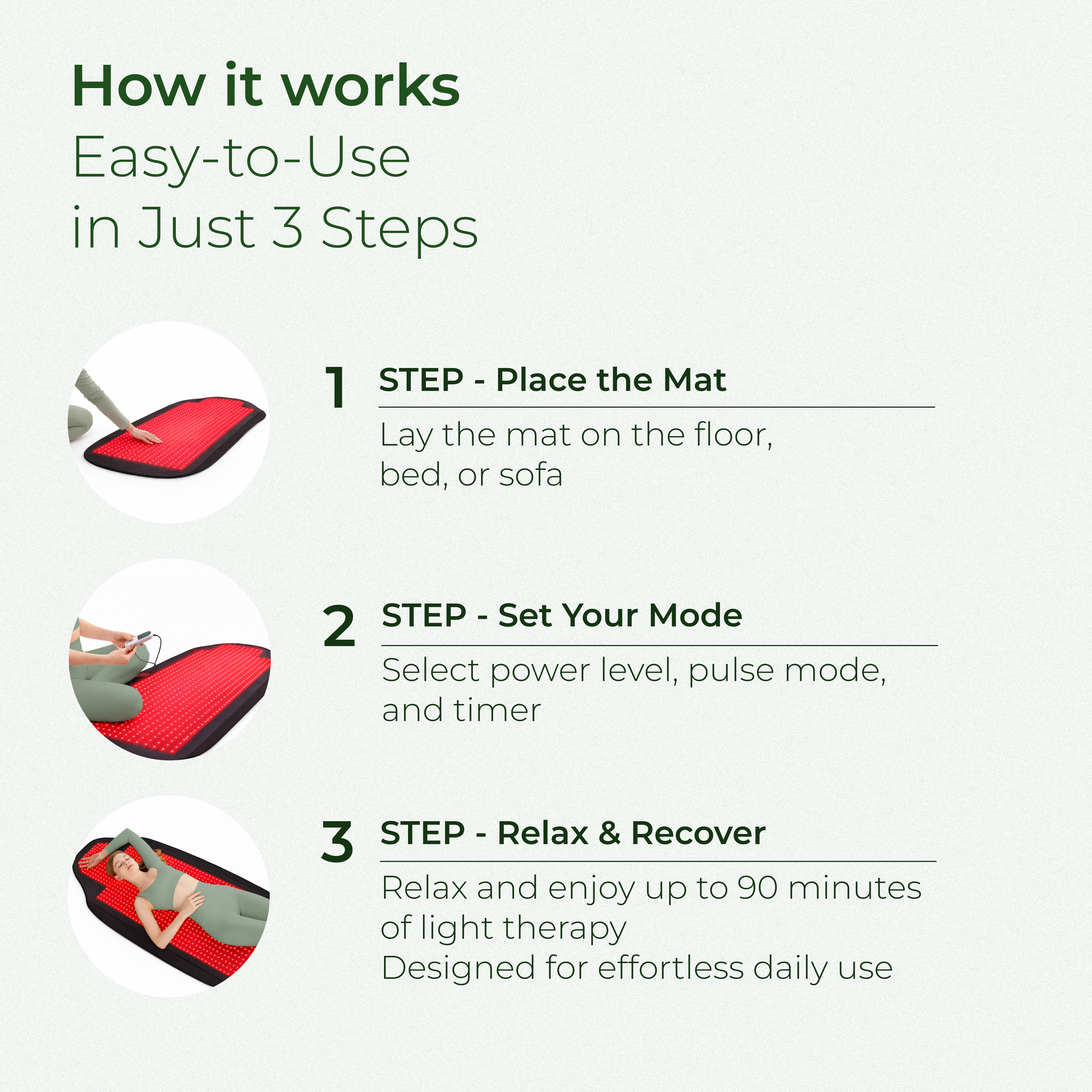
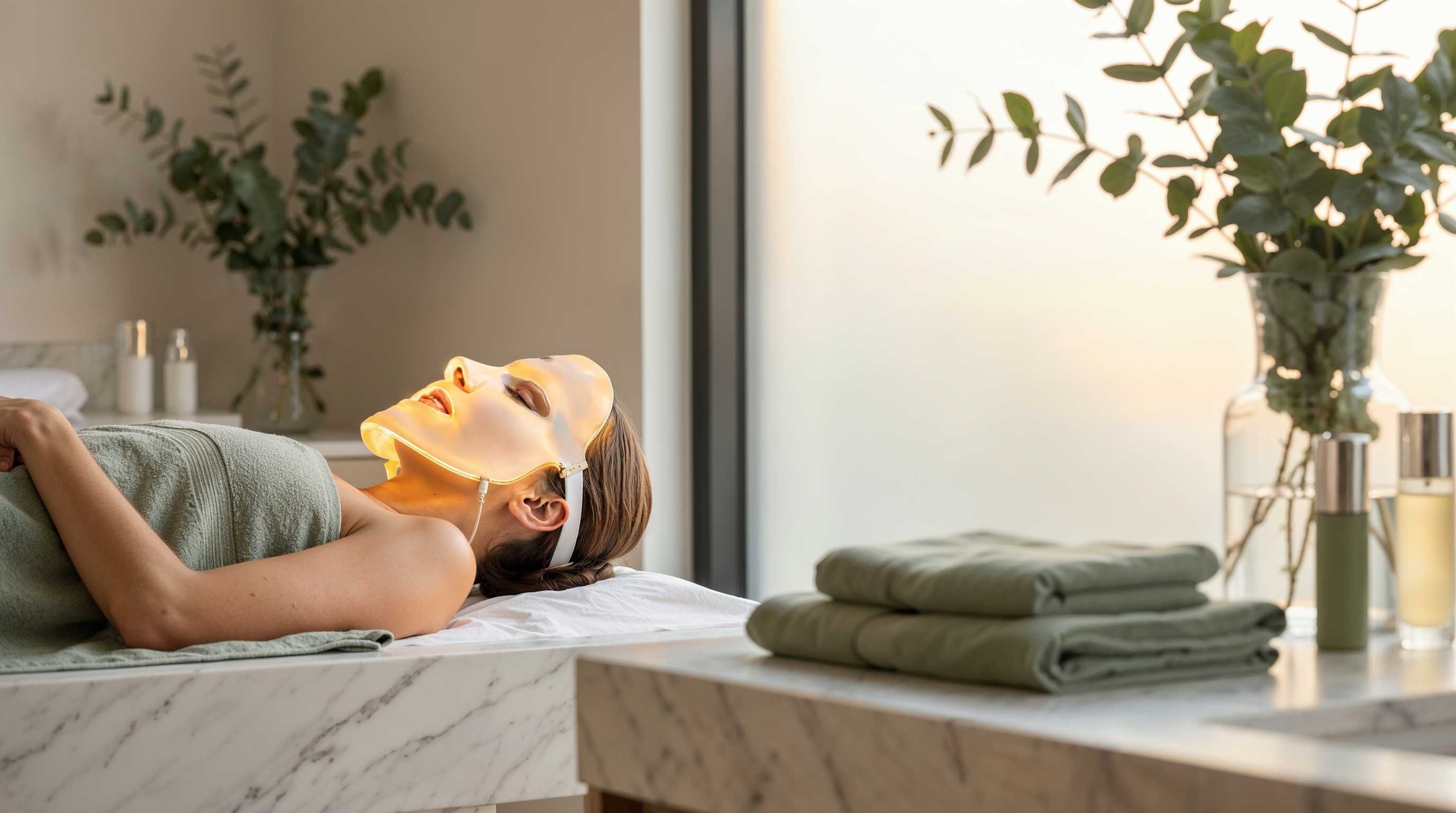
Modern technology has made professional-grade treatments accessible at home. LED light therapy uses specific wavelengths to stimulate collagen production and reduce inflammation, complementing your daily sun protection efforts. Similarly, microdermabrasion devices help remove dead skin cells and improve product absorption—including your sunscreen.
Pro Tip: After using at-home devices like microdermabrasion, your skin becomes more receptive to products but also more vulnerable to sun damage. Always apply extra sunscreen following these treatments for optimal protection and results.
How TrophySkin Can Help
Maximize your anti-aging results by combining daily sun protection with professional at-home skincare devices. Our LED therapy masks stimulate collagen production that UV rays destroy, while microdermabrasion systems smooth texture and enhance product penetration—helping your sunscreen work better than ever.
Explore Our Devices →What to Expect: Anti-Aging Sunscreen Timeline
Week 1-2
Improved hydration and skin comfort. Protection from additional UV damage begins immediately.
Month 1-3
Visible improvement in skin clarity and texture. Studies show measurable changes in skin appearance after consistent use.
Year 1+
Significant prevention of new wrinkles and age spots. Research shows people who use sunscreen daily are 24% less likely to show increased aging signs.
Long-Term
Preserved collagen levels, maintained skin elasticity, and reduced risk of hyperpigmentation and skin cancers. The cumulative benefits compound over time.
 Frequently Asked Questions
⚕️ Medical Disclaimer
This article is for educational purposes only and does not replace professional medical advice. Consult a board-certified dermatologist before starting any new skincare regimen, especially if you have existing skin conditions, are taking medications that increase sun sensitivity, or have a history of skin cancer. Individual results from sunscreen and skincare treatments vary.
TrophySkin Editorial Team
Our content is reviewed by skincare experts and backed by scientific research. We're committed to providing accurate, evidence-based information to help you achieve your healthiest skin.
Last updated: January 2025

Deixe um comentário
Este site está protegido pela Política de privacidade da hCaptcha e da hCaptcha e aplicam-se os Termos de serviço das mesmas.