





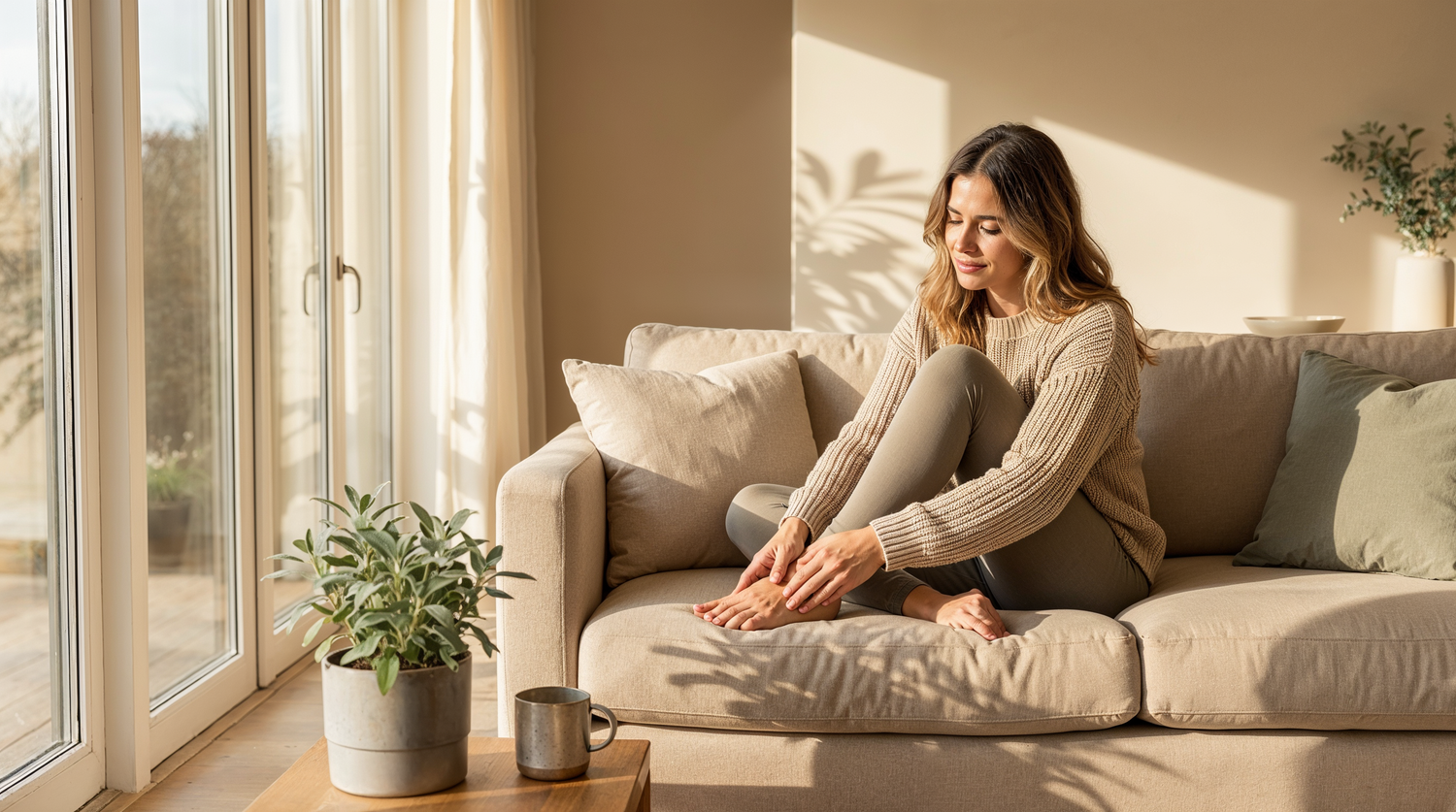
Quick Answer: The most effective plantar fasciitis massage points include the heel attachment area, central arch, ball of the foot, Achilles tendon junction, and two key calf muscle trigger points (gastrocnemius and soleus). Massage these areas for 5-10 minutes, 2-3 times daily, using firm but gentle circular pressure to reduce inflammation, break down adhesions, and promote healing.
If you've ever experienced that sharp, stabbing pain in your heel during your first morning steps, you know how debilitating plantar fasciitis can be. Affecting more than 2 million Americans each year, this common foot condition doesn't have to control your life. Understanding the right plantar fasciitis massage points can be your first step toward natural, lasting relief.
The good news? Research shows that targeted massage therapy, when performed correctly on specific pressure points, can significantly reduce heel pain and promote tissue healing. Whether you're wondering "do foot massages help plantar fasciitis?" or searching for the best plantar fascia treatment massage techniques, this comprehensive guide has you covered.
What Is Plantar Fasciitis?
Plantar fasciitis is an inflammatory condition affecting the plantar fascia—a thick band of connective tissue that runs along the bottom of your foot, connecting your heel bone to your toes. Think of it as a natural "shock absorber" that supports your arch with every step you take.
When this tissue experiences repetitive stress and tension, it can develop tiny tears and become painfully inflamed. The result? That characteristic stabbing heel pain that's typically worst in the morning or after periods of rest.
Common risk factors include spending long hours on your feet, high-impact activities like running, wearing unsupportive footwear, having flat feet or high arches, and being overweight. The encouraging news is that conservative treatments—including targeted massage—work for the vast majority of sufferers.
Do Foot Massages Help Plantar Fasciitis?
Yes—when done correctly, plantar fascia treatment massage can significantly reduce pain and promote healing. Research published in the International Journal of Therapeutic Massage & Bodywork found that massage therapy, including trigger point release, effectively decreased both pain and functional impairments in plantar fasciitis patients over a five-week treatment period.
Here's how targeted massage works to relieve your heel pain:
Increases blood flow: Massage stimulates circulation, delivering vital oxygen and nutrients to damaged tissues while flushing out inflammatory byproducts.
Breaks down adhesions: Targeted pressure helps break up scar tissue and those stubborn "knots" that form during healing.
Releases endorphins: Massage triggers your body's natural pain relief response, providing both immediate and lasting comfort.
Reduces muscle tension: By addressing tight calf muscles connected to your plantar fascia, massage treats the root cause—not just the symptoms.
Pro Tip: Self-massage techniques have been shown to be just as effective as professional massage for plantar fasciitis relief. This means you can get spa-quality results in the comfort of your own home—no expensive appointments required.
 6 Key Plantar Fasciitis Massage Points for Maximum Relief
Understanding exactly where to apply pressure is crucial for effective plantar fasciitis massage points therapy. The plantar fascia connects to muscles and tendons throughout your lower leg, which is why a comprehensive approach targets both your foot and calf.
1. Heel Attachment Point (Primary)
This is where your plantar fascia connects to the heel bone (calcaneus)—typically the most painful spot. Located at the bottom of your heel, slightly toward the inside of your foot, this point is where most inflammation occurs.
How to massage: Use your thumb to apply firm, circular pressure for 30-60 seconds. Start gently and gradually increase pressure as tolerated. You should feel a "good hurt"—uncomfortable but relieving.
2. Central Arch Point
The middle of your arch is where the plantar fascia is most accessible and often holds significant tension. This area responds well to both direct pressure and lengthwise strokes.
How to massage: Use both thumbs to apply pressure along the length of your arch, moving from heel to ball of foot. Work across the entire width of the arch in slow, deliberate strokes.
3. Ball of Foot Points
The plantar fascia fans out near your toes, attaching to the ball of your foot at multiple points. Tension here can pull on the entire fascial band, contributing to heel pain.
How to massage: Use your knuckles to apply broad pressure across the ball of your foot, rolling slowly back and forth. Pay attention to any particularly tender spots.
Remember: Plantar fasciitis is often a "myofascial meridian problem"—meaning the pain in your heel frequently originates from tight calf muscles. Don't skip the calf massage points!
4. Achilles Tendon Junction
Where your Achilles tendon meets your heel bone is directly connected to plantar fascia tension. Tightness here is extremely common in plantar fasciitis sufferers and often overlooked.
How to massage: Gently pinch and roll the Achilles tendon between your thumb and fingers, working from the heel attachment up toward the calf. Use moderate pressure—this area can be sensitive.
5. Gastrocnemius Trigger Points (Upper Calf)
The gastrocnemius is the large, visible calf muscle with two "heads." Trigger points here—particularly at acupuncture point BL 57, located in the belly of the muscle—directly refer pain down to the heel.
How to massage: Sit with your calf resting on a firm ball or foam roller. Apply pressure to the tender spots and hold, or perform small cross-fiber movements (side to side) for 1-2 minutes per spot.
6. Soleus Trigger Points (Lower Calf)
The soleus lies beneath the gastrocnemius and is often the hidden culprit behind persistent heel pain. Acupuncture points BL 58 and BL 59 in this area can refer sensations directly to the Achilles and plantar fascia.
How to massage: Target the lower portion of your calf, slightly to the outer side. Use a ball or your thumbs to apply sustained pressure to tender points, holding for 30-90 seconds until the sensation decreases.
Best Plantar Fascia Treatment Massage Techniques
Now that you know where to focus, let's explore the most effective techniques for your self-massage routine.
Additional effective techniques include cross-fiber friction (massaging perpendicular to the muscle fibers), myofascial release (sustained pressure held for 1-2 minutes), and ice massage using a frozen water bottle—which combines the benefits of cold therapy with massage.
When to Massage (And When to Avoid)
Timing matters when it comes to plantar fasciitis massage. Understanding when to apply these techniques—and equally important, when to hold back—can make the difference between healing and aggravating your condition.
Best Times to Massage
Morning, before getting up: This is arguably the most important time. Massaging your feet while still in bed helps warm up the plantar fascia before you put weight on it, reducing that dreaded first-step pain.
Evening, after activity: End-of-day massage helps release tension built up throughout the day and promotes overnight healing.
After prolonged sitting: If you work at a desk, a quick massage before standing can prevent stiffness and pain.
Important — When NOT to Massage: Avoid massaging directly on the plantar fascia during the acute phase (severe pain, noticeable swelling). Deep tissue massage during acute inflammation can worsen your condition. Wait until the initial intense pain subsides before applying firm pressure to the foot itself. During acute flares, focus only on calf massage and ice therapy.
 Tools for Effective Self-Massage
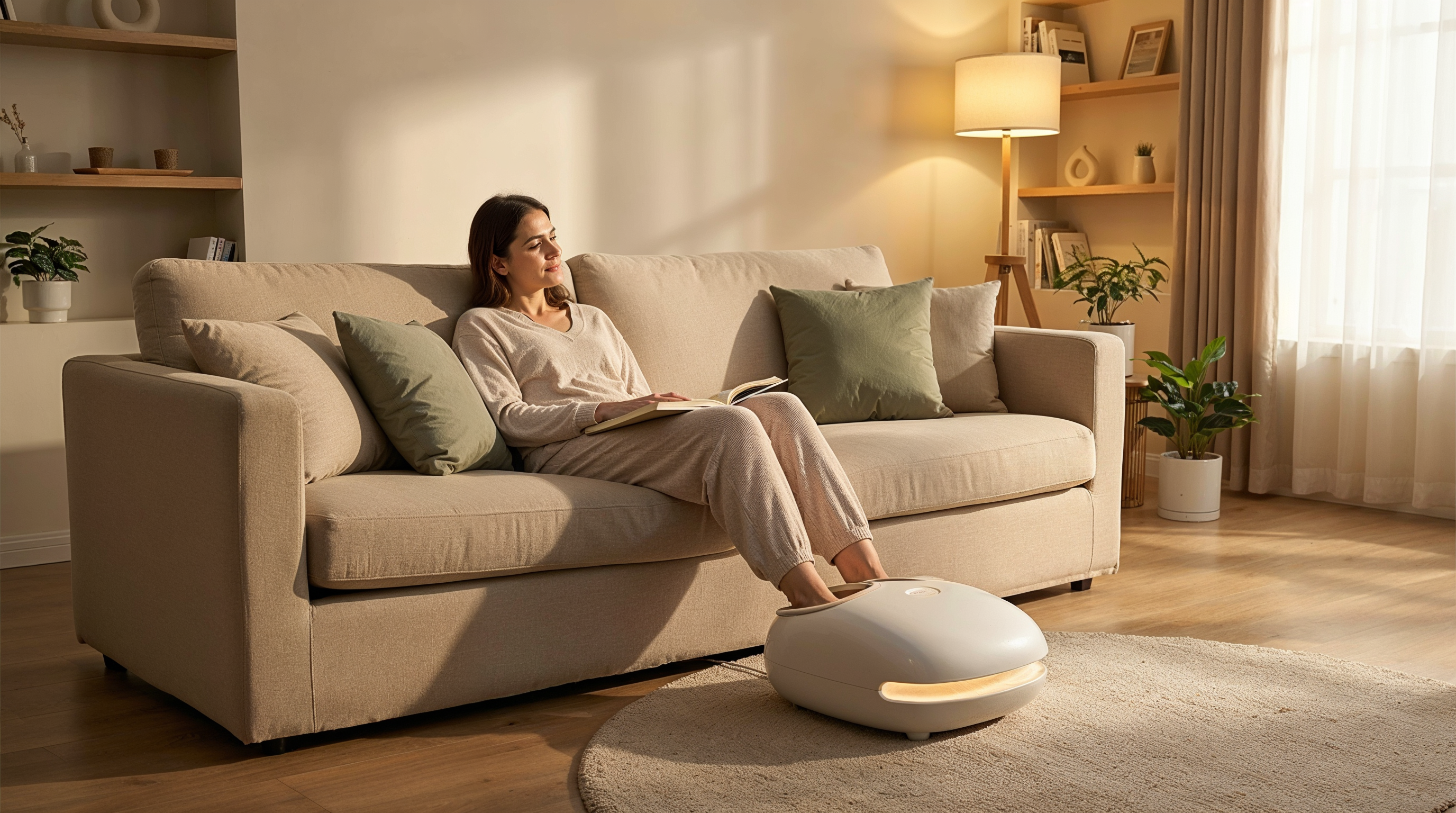
While your hands are perfectly capable of effective plantar fasciitis massage, the right tools can enhance your results and make the process easier on your fingers and thumbs.
Pro Tip: Keep a frozen water bottle in your freezer specifically for plantar fasciitis massage. The cold reduces inflammation while the rolling motion massages the fascia—a two-in-one treatment that many podiatrists recommend.
What to Expect: Your Healing Timeline
Week 1-2
Morning pain may begin to decrease. Focus on gentle massage and establishing a consistent routine.
Week 3-6
Noticeable improvement in pain levels. You can begin increasing massage pressure as tolerated.
Month 2-6
Most people experience significant healing. Continue maintenance massage 2-3 times weekly.
Ongoing
Prevention is key. Regular calf stretches and occasional foot massage help prevent recurrence.

Professional Self-Care at Home
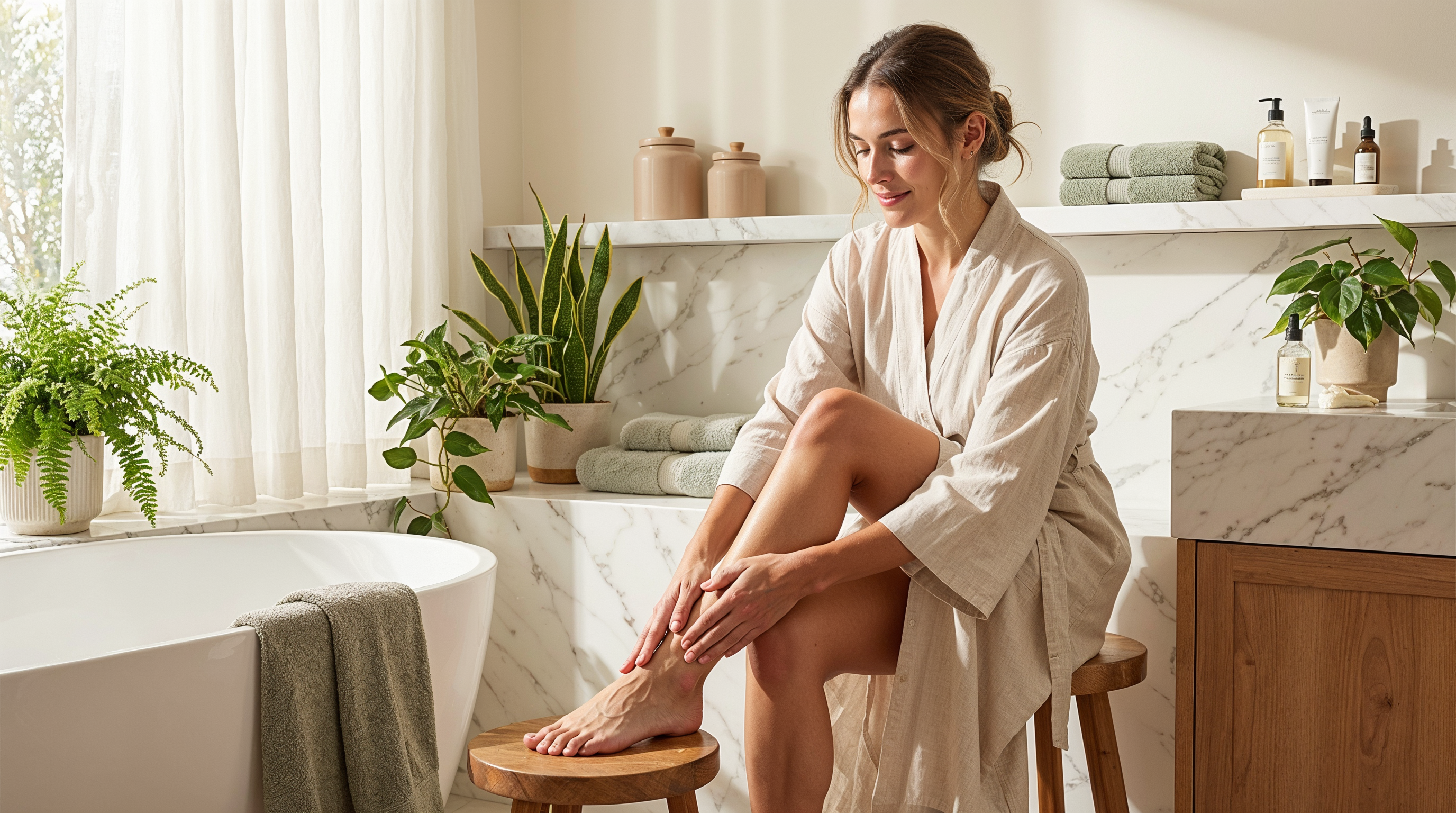
At TrophySkin, we believe everyone deserves access to professional-quality self-care. Just like our skincare devices bring spa-level treatments home, effective plantar fasciitis massage puts healing in your own hands. Explore our collection of at-home wellness tools designed to help you feel your best.
Explore Our Collection →Frequently Asked Questions
⚕️ Medical Disclaimer
This article is for educational purposes only and does not replace professional medical advice. Plantar fasciitis can mimic other foot conditions. Consult a board-certified podiatrist or healthcare provider before starting any new treatment regimen, especially if your pain is severe, doesn't improve with conservative treatment, or is accompanied by numbness, tingling, or significant swelling.

Deixe um comentário
Este site está protegido pela Política de privacidade da hCaptcha e da hCaptcha e aplicam-se os Termos de serviço das mesmas.