

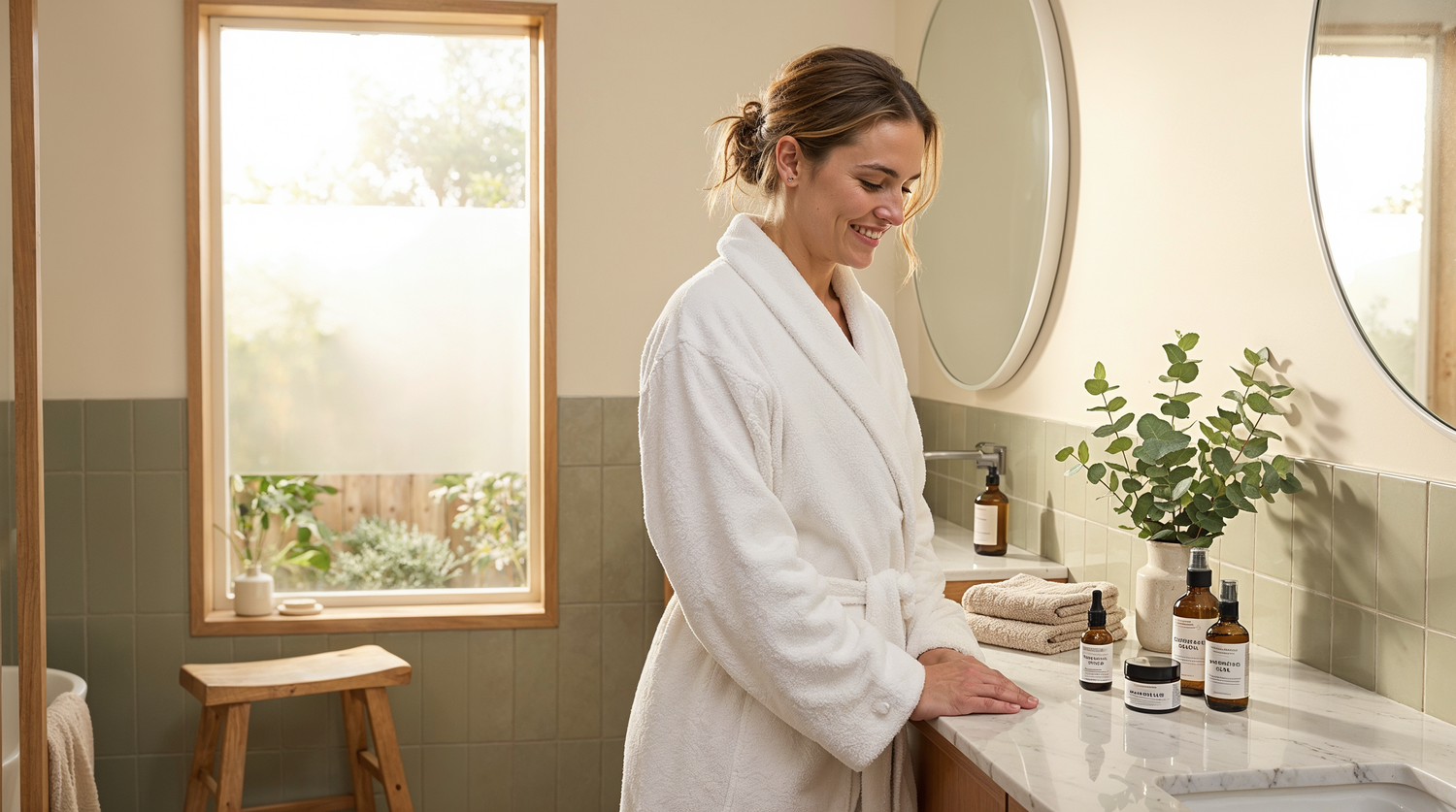
Quick Answer: The best face masks depend on your skin type and concerns. For dry skin, look for hydrating masks with hyaluronic acid. Oily skin benefits from clay masks with kaolin or bentonite. Sensitive skin thrives with soothing masks containing aloe vera or chamomile. For maximum results, pair your favorite mask with proper skin prep and LED light therapy to boost ingredient absorption.
Did you know that the global face mask market is projected to reach $12 billion by 2027? There's a reason millions of people have made face masks a non-negotiable part of their skincare routine. When used correctly, the best face masks can transform tired, dull complexions into radiant, glowing skin in just 10-20 minutes.
But with countless options lining store shelves—from Korean sheet masks to volcanic clay formulas—finding the right facial mask for your skin can feel overwhelming. Whether you're searching for a good moisturizing face mask, the best Korean sheet mask, or a beauty face mask that actually delivers results, this comprehensive guide will help you navigate every option and maximize your masking routine.
What Makes a Great Face Mask? The Science Behind Beautiful Skin
Face masks work differently than your daily skincare products. While serums and moisturizers sit on the skin's surface, masks create an occlusive barrier that forces active ingredients deeper into the epidermis. This concentrated delivery system is why you see noticeable results after just one use.
How Face Masks Work on Your Skin
When you apply a face mask, the formula creates a seal that prevents evaporation. This occlusion increases skin hydration and allows active ingredients to penetrate more effectively. Depending on the mask type, you'll experience different benefits: clay masks draw out impurities through absorption, sheet masks flood your skin with hydrating serums, and overnight masks work while you sleep to repair and renew.
Key Ingredients to Look For in Face Masks
The best skin masks contain targeted ingredients that address specific concerns. Here's what dermatologists recommend for each skin goal:
 Best Face Masks by Skin Type
Choosing the right facial mask starts with understanding your skin type. What works wonders for your friend might cause breakouts for you. Here's how to find your perfect match:
🎯 Select Your Skin Type
💧 Best Face Masks for Dry Skin
If your skin feels tight, flaky, or uncomfortable after cleansing, you need a good moisturizing face mask that delivers intense hydration. Great face masks for dry skin typically contain moisture-binding ingredients that plump and soften the skin barrier.
What to look for: Hyaluronic acid (holds 1,000x its weight in water), ceramides, squalane, honey, avocado oil, and glycerin. Cream masks and hydrogel sheet masks work best for dry complexions because they deliver concentrated hydration without evaporating too quickly.
What to avoid: Clay masks and anything with alcohol or astringent ingredients, which can further strip your skin's natural oils.
✨ Best Face Masks for Oily Skin
Shiny T-zone by midday? Enlarged pores? You need a skin mask that controls excess sebum without over-drying. The best face masks for oily skin absorb oil while still maintaining healthy hydration levels.
What to look for: Kaolin clay, bentonite clay, activated charcoal, salicylic acid, and tea tree oil. Clay and mud masks are particularly effective because they physically absorb oil and draw out impurities from pores.
What to avoid: Heavy cream masks or anything too occlusive that could trap oil and lead to breakouts.
Pro Tip: Even oily skin needs hydration! Using a hydrating mask once a week alongside your clay mask can actually help regulate oil production. When skin is properly hydrated, it produces less sebum to compensate.
🌸 Best Face Masks for Sensitive Skin
Redness, stinging, or irritation after skincare? Your skin barrier needs gentle support. Face masks for sensitive skin should calm inflammation and strengthen your skin's protective layer without triggering reactions.
What to look for: Centella asiatica (cica), aloe vera, chamomile, oatmeal, and panthenol. Korean sheet masks are often excellent choices because they deliver ingredients in gentle, hydrating formulas without rubbing or irritation.
What to avoid: Fragrances, essential oils, harsh acids, and peel-off masks that can irritate delicate skin.
⚖️ Best Face Masks for Combination Skin
Oily forehead but dry cheeks? Welcome to combination skin—the most common skin type. Your best approach is "multi-masking": applying different masks to different areas of your face simultaneously.
What to look for: Balanced formulas with niacinamide (regulates oil and hydrates), green tea, or lightweight hyaluronic acid serums. Sheet masks with balancing properties work well for the entire face.
Multi-masking strategy: Apply a clay mask to your T-zone (forehead, nose, chin) and a hydrating cream mask to your cheeks. This targeted approach addresses both concerns simultaneously.
🔴 Best Face Masks for Acne-Prone Skin
Dealing with breakouts, blackheads, or congested pores requires a strategic approach. The best face masks for acne-prone skin clear existing blemishes while preventing new ones from forming.
What to look for: Salicylic acid (BHA) penetrates pores to dissolve sebum plugs, sulfur reduces inflammation, and benzoyl peroxide kills acne-causing bacteria. Clay masks help absorb excess oil that contributes to breakouts.
What to avoid: Heavy, occlusive masks that could clog pores, and harsh scrubs that spread bacteria and cause micro-tears.
Types of Face Masks: Which One Is Right for You?
From Asian face masks to at-home peel formulas, the variety of beauty face masks can be overwhelming. Here's your guide to every type:
Korean Sheet Masks
Good Korean sheet masks have taken the skincare world by storm—and for good reason. These serum-soaked fabric masks conform to your face shape, delivering concentrated ingredients without any mess. They're perfect for hydration, brightening, and calming inflammation.
Best for: Hydration, brightening, soothing, travel-friendly skincare. Look for Korean face masks with snail mucin for repair, hyaluronic acid for hydration, or vitamin C for a face mask for glowing skin.
Clay & Mud Masks
These powerhouse formulas use natural minerals to draw out impurities and absorb excess oil. As the mask dries, it tightens slightly—a sign it's working to refine pores and clarify skin.
Best for: Oily skin, acne-prone skin, deep cleansing, detoxifying. The best at-home face mask for pore concerns is often a clay formula.
Overnight/Sleeping Masks
These leave-on formulas work while you sleep, providing extended treatment time for maximum ingredient penetration. Wake up to plump, radiant skin without any extra effort.
Best for: Dry skin, anti-aging, intense hydration, busy lifestyles. A good moisturizing face mask overnight can transform dehydrated skin.
Hydrogel & Bio-Cellulose Masks
These premium masks hold more serum than traditional sheet masks and adhere better to facial contours. The gel material creates optimal conditions for ingredient absorption.
Best for: Special occasions, anti-aging treatments, under-eye concerns, the best glow mask for face results.
How to Supercharge Your Face Mask Results
Getting good results from face masks is one thing—getting professional-grade results at home is another. Here's how skincare experts maximize every masking session:
Step 1: Prep Your Skin with Exfoliation
Dead skin cells create a barrier that prevents mask ingredients from penetrating effectively. Before applying your masque for face, gently exfoliate to clear the way for better absorption. Microdermabrasion devices are particularly effective for this—they physically remove the dull outer layer of skin, allowing your face mask to work up to 3x more effectively.
Step 2: Boost Absorption with LED Light Therapy
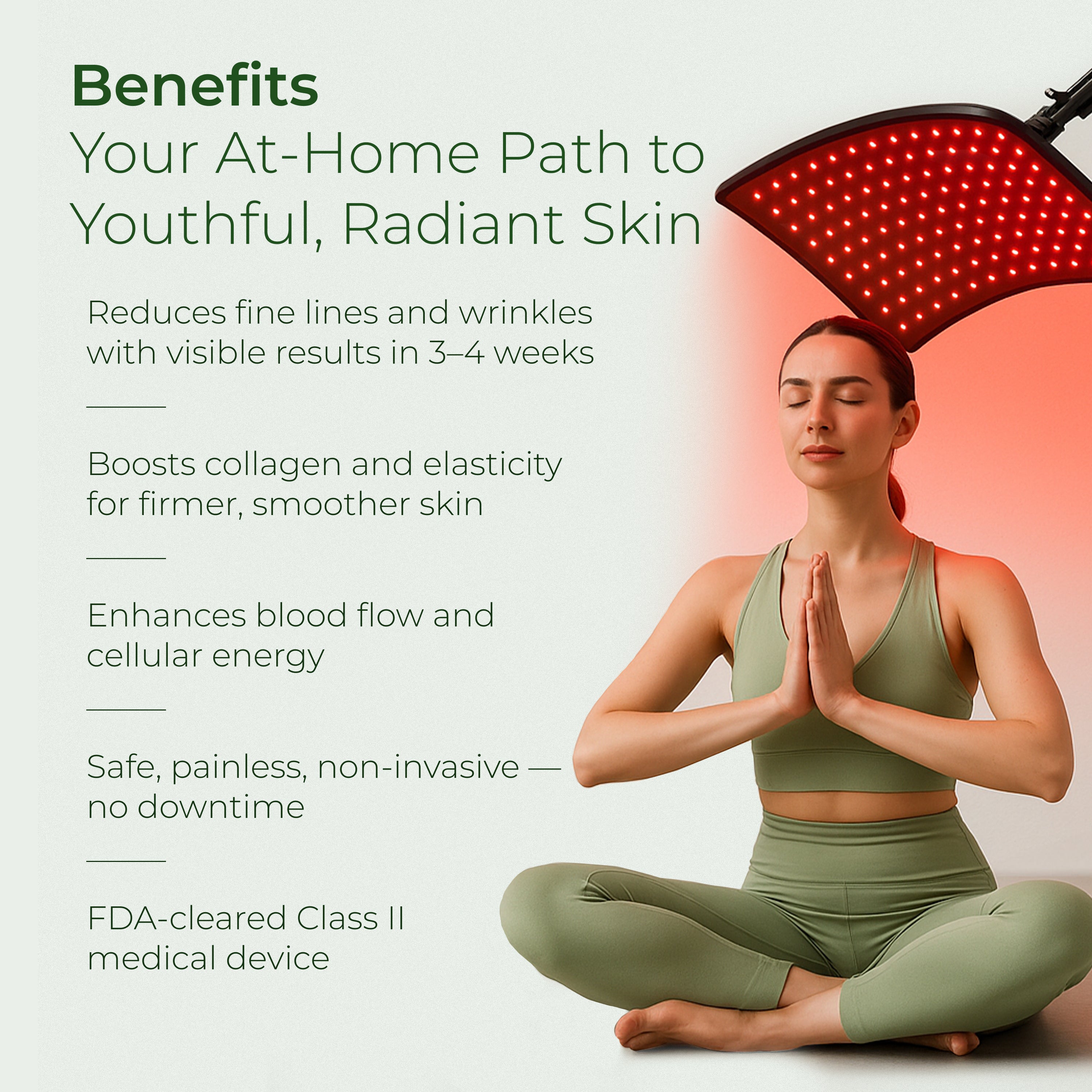
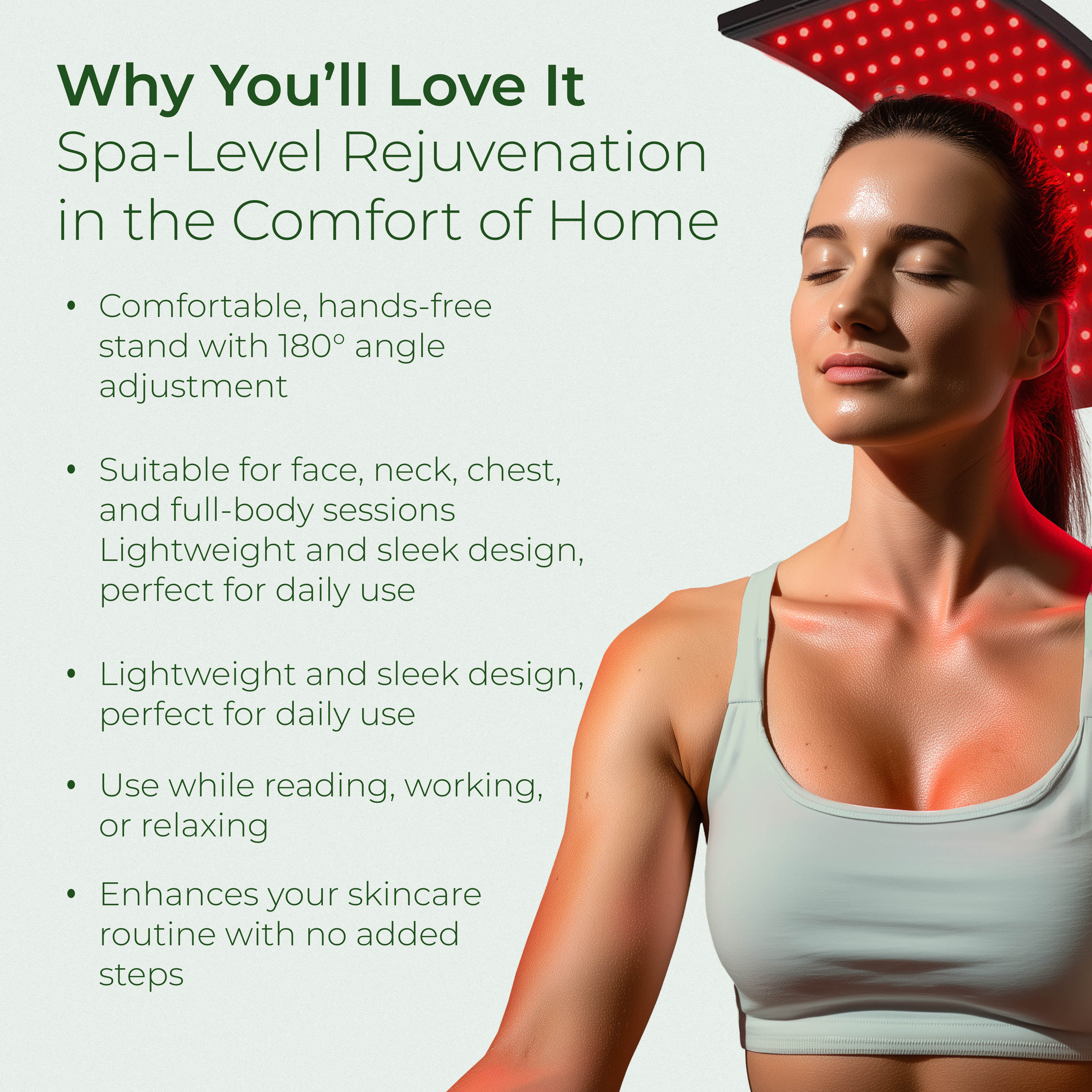
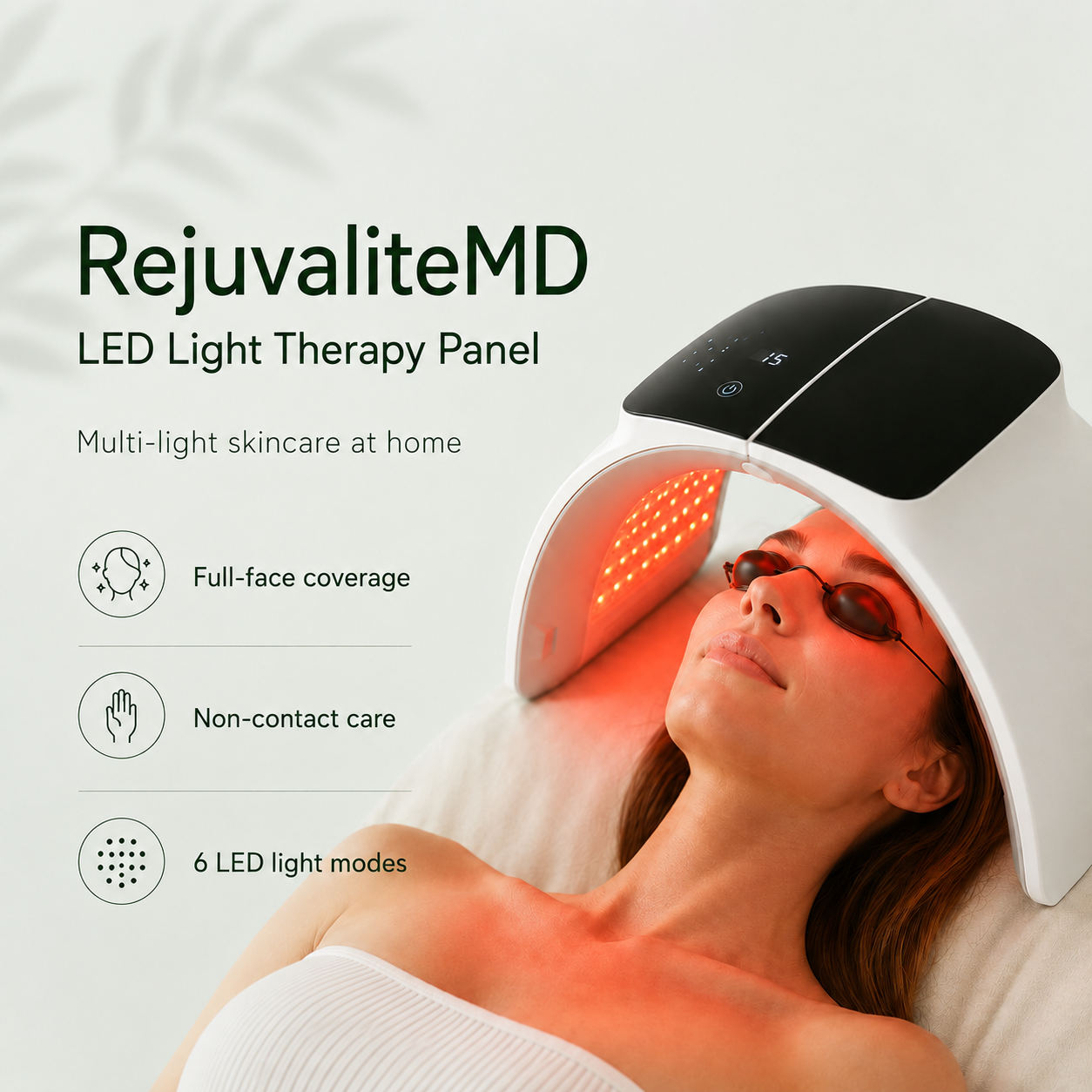
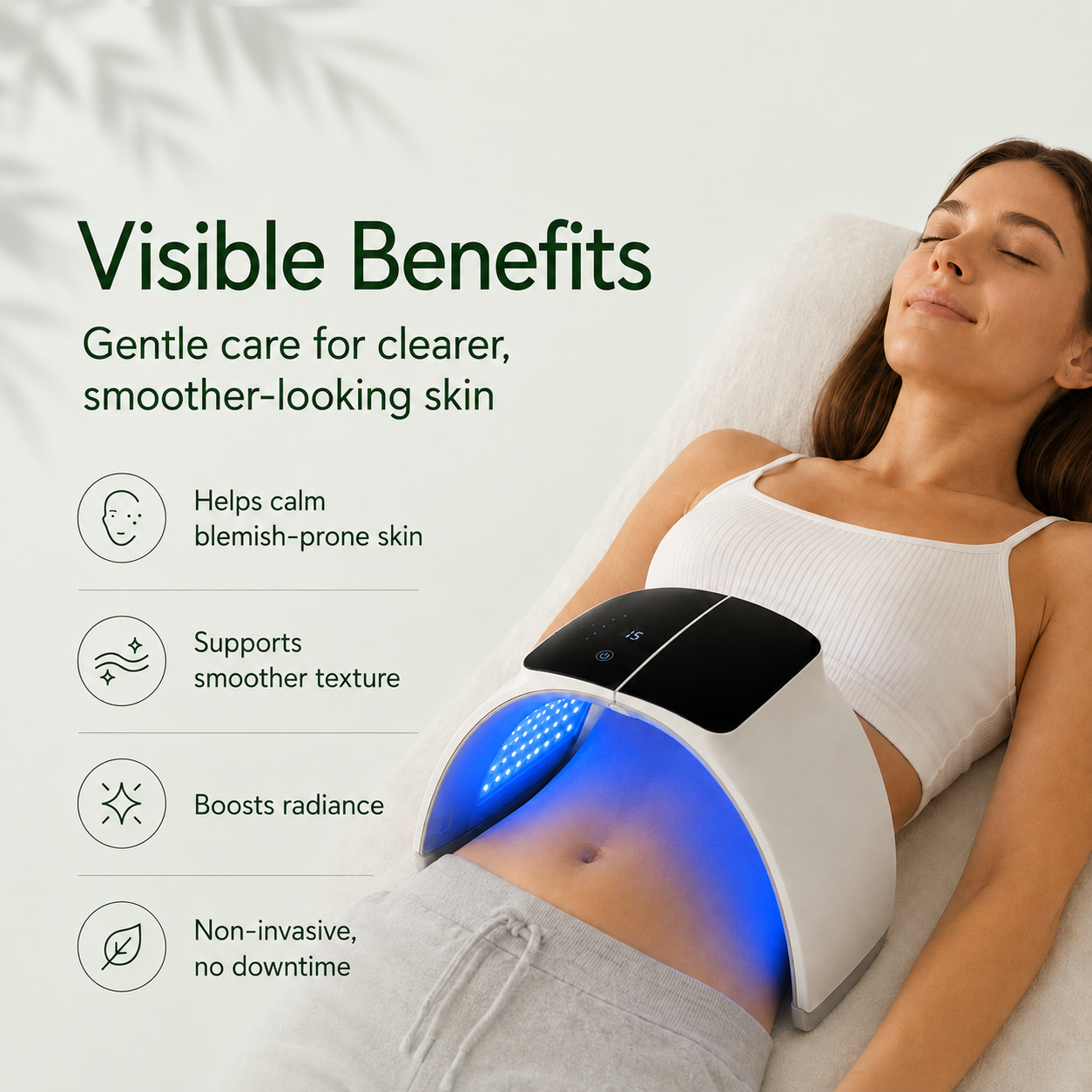
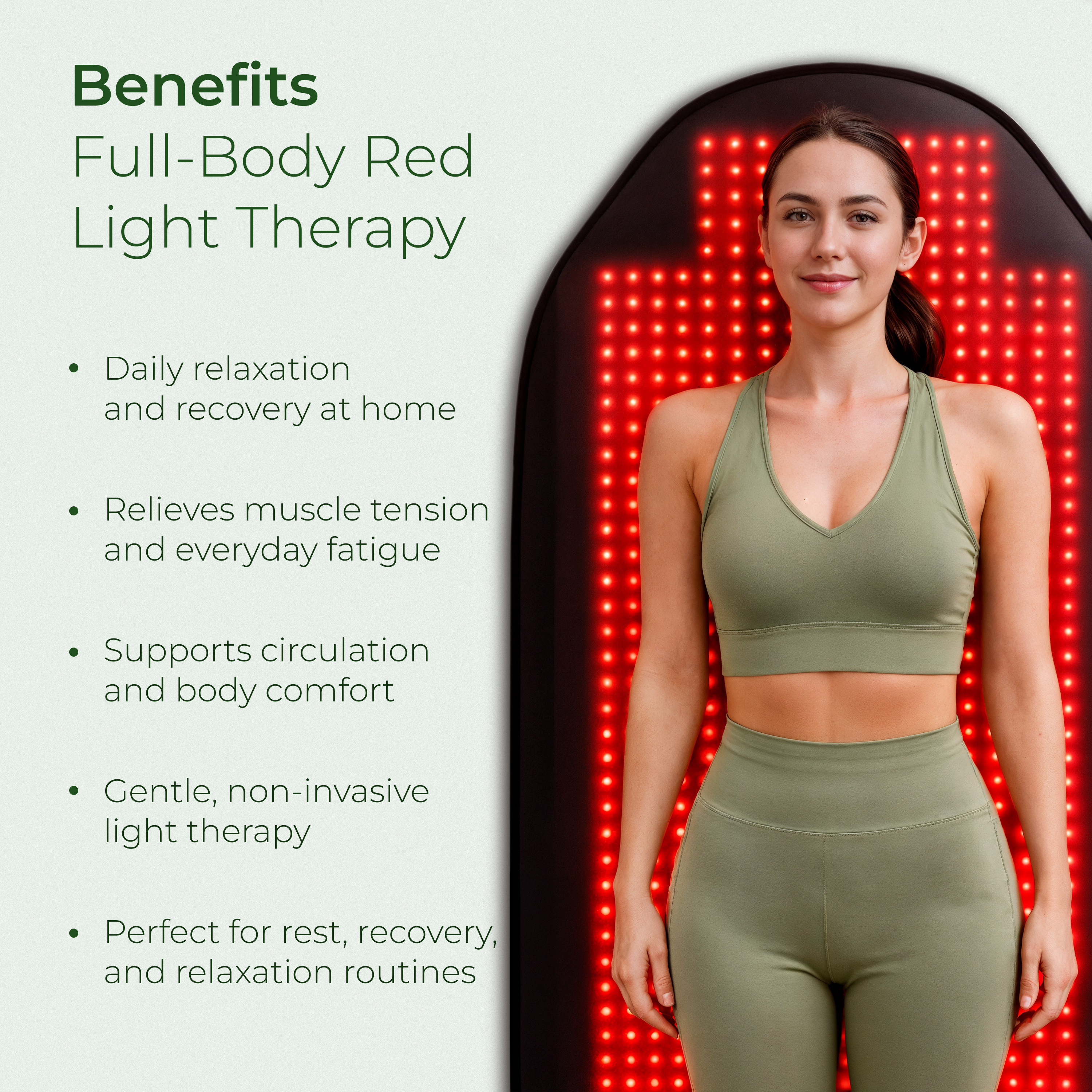
Here's a game-changing tip most people don't know: LED light therapy dramatically enhances the effects of your face mask. Red light therapy (around 630nm) increases blood circulation and stimulates collagen production, while your mask's active ingredients work on the surface. Using LED after your mask can extend and amplify benefits.
How TrophySkin Can Elevate Your Masking Routine
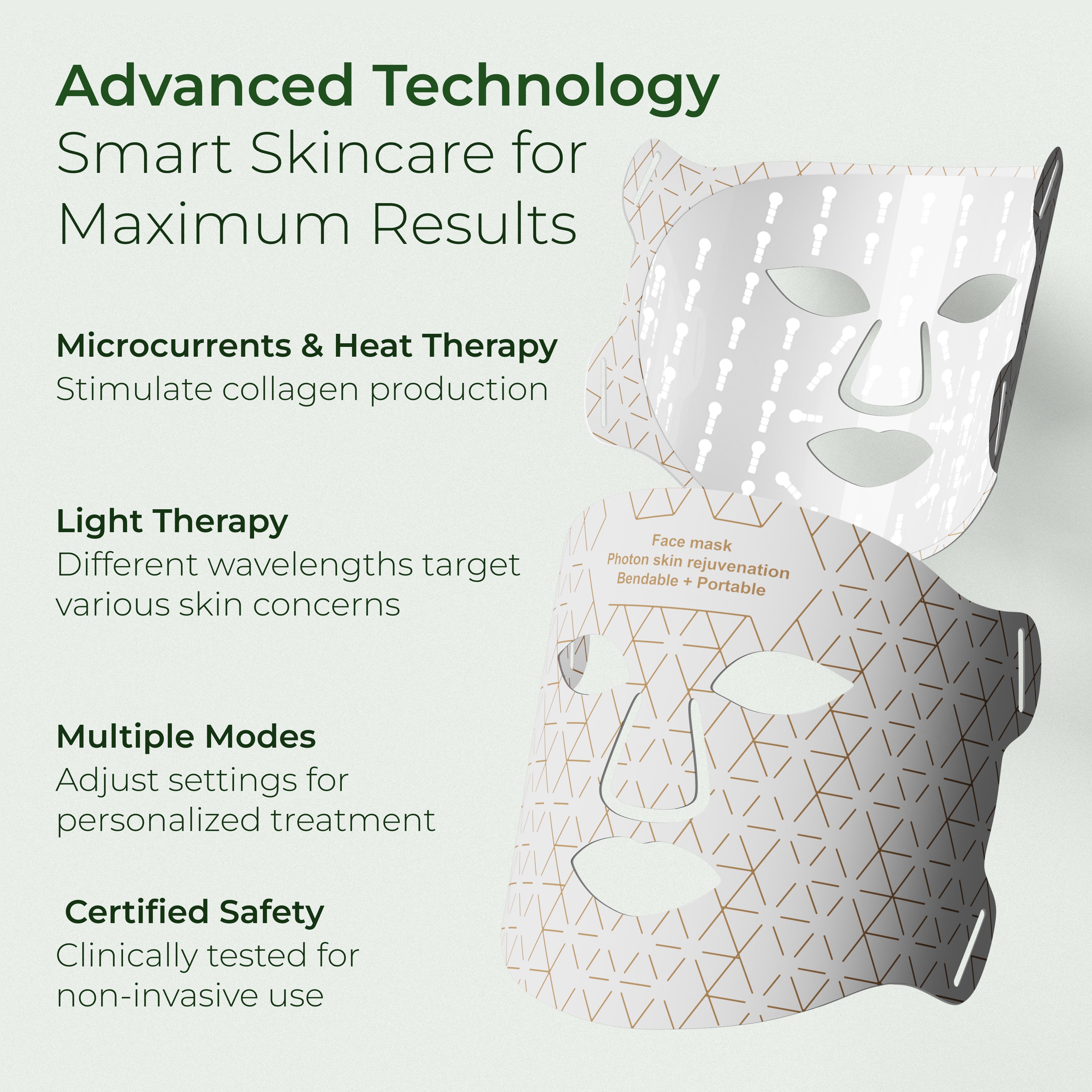
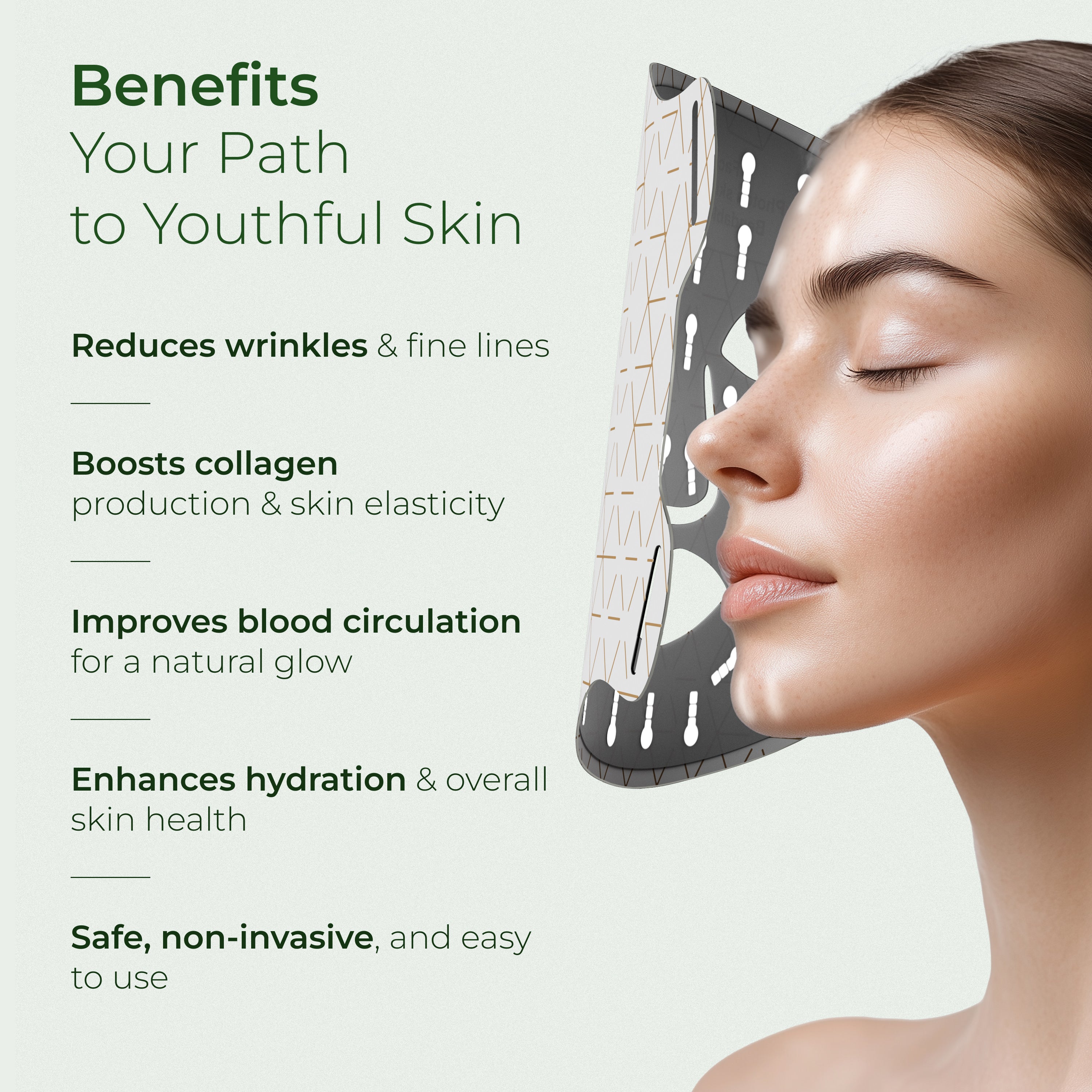
Combine your favorite face masks with TrophySkin's professional-grade at-home devices for spa-worthy results. Our microdermabrasion systems prep skin for maximum mask absorption, while LED therapy extends the benefits of your treatment. It's like giving your face masks a professional upgrade.
Explore Our Devices →Step 3: Lock in Benefits with Proper Aftercare
What you do after removing your mask matters just as much as the mask itself. For sheet masks, don't rinse—gently pat the remaining serum into your skin. Follow with a moisturizer to seal in the hydration. For clay masks, rinse thoroughly and immediately apply a hydrating serum and moisturizer to prevent any tightness.
The Formula for Best Results: Exfoliate first (consider microdermabrasion for deep prep) → Apply your face mask → Follow with LED light therapy → Seal with moisturizer. This combination delivers results comparable to professional facial treatments.
How Often Should You Use Face Masks?
Consistency is key for face mask skincare, but more isn't always better. Here's a realistic timeline for seeing results:
Week 1-2: Immediate Glow
You'll notice instant hydration and radiance after each masking session. Use 1-2 masks per week to introduce your skin to the routine.
Week 3-4: Texture Improvements
Pores appear smaller, skin texture becomes smoother, and your complexion looks more even. Continue with 2-3 masks per week.
Month 2+: Visible Transformation
Consistent masking combined with a good skincare routine shows cumulative benefits: improved elasticity, reduced dark spots, and lasting radiance.
Common Face Mask Mistakes to Avoid
Even the best face masks won't deliver results if you're making these common mistakes:
1. Skipping the cleanse first. Applying a mask over makeup, sunscreen, or dirt means the active ingredients can't reach your skin. Always start with a clean face.
2. Using the wrong mask for your skin type. A clarifying clay mask will make dry skin worse, while a heavy cream mask might cause breakouts on oily skin. Match your mask to your skin's needs.
3. Over-masking. Using masks too frequently can overwhelm your skin. Stick to 2-3 times per week maximum, and alternate between mask types.
4. Letting sheet masks dry out. Once a sheet mask dries, it can actually pull moisture back out of your skin. Remove it while still damp.
5. Forgetting aftercare. A mask is just one step in your routine. Always follow with serums and moisturizers to lock in the benefits.
Important: Always patch test new face masks on a small area of skin before full application, especially if you have sensitive or acne-prone skin. Wait 24 hours to check for any reaction.

Pro Tip: Keep set face masks (multi-packs) in your fridge! The cooling effect helps reduce puffiness and feels amazing on irritated skin. Plus, cool temperatures can help temporarily tighten pores.
Frequently Asked Questions About Face Masks
 Your Path to Glowing Skin Starts Here
Finding the best face masks for your skin doesn't have to be complicated. Start by identifying your skin type, choose masks with targeted ingredients, and follow proper application techniques. Whether you're drawn to the convenience of Korean sheet masks, the deep-cleansing power of clay, or the overnight repair of sleeping masks, consistency is key.
Remember: face masks are just one piece of the puzzle. For truly transformative results, consider pairing your favorite masks with professional-grade at-home treatments. Exfoliation with microdermabrasion preps your skin for better absorption, while LED light therapy extends and enhances every masking session. It's time to give your skin the spa treatment it deserves—right at home.
⚕️ Medical Disclaimer
This article is for educational purposes only and does not replace professional medical advice. Consult a board-certified dermatologist before starting any new skincare regimen, especially if you have existing skin conditions, allergies, or take medications that affect your skin.
Expert Reviewed
Science-Backed
Skincare Experts
Updated 2025


Leave a comment
This site is protected by hCaptcha and the hCaptcha Privacy Policy and Terms of Service apply.