









Quick Answer: A complete morning skincare routine follows 6 essential steps in this order: cleanse, tone, serum (vitamin C), eye cream, moisturize, and sunscreen. The key is applying products from thinnest to thickest consistency, allowing 30-60 seconds between each step. Your AM routine focuses on protection and preparation, while your PM routine handles repair and renewal.
Did you know that your skin faces over 100 environmental stressors before noon? From UV rays to pollution and blue light from screens, your morning skincare routine is your first line of defense against daily damage. Yet studies show that 60% of people apply their products in the wrong order—significantly reducing their effectiveness.
Building an effective morning skincare routine doesn't have to be complicated. Whether you're a skincare minimalist or a 10-step enthusiast, the core principles remain the same: protect, hydrate, and prepare your skin for the day ahead. In this comprehensive guide, we'll walk you through exactly what your skin needs each morning, the precise order of skincare products, and expert tips to maximize every step.
Why Your Morning Skincare Routine Matters
Your morning skincare routine serves a fundamentally different purpose than your nighttime regimen. While your PM routine focuses on repair and renewal, your AM skincare routine is all about protection and preparation. Think of it as putting on armor before heading into battle—except the battle is against UV rays, pollution, and environmental stressors.
During sleep, your skin loses moisture through transepidermal water loss (TEWL) and produces natural oils. Your morning routine replenishes hydration, removes overnight buildup, and creates a protective barrier. According to dermatologists, this protection phase is critical: the right morning skin routine can prevent up to 80% of visible aging caused by environmental factors.
 The 6 Essential Steps of a Morning Skincare Routine
The golden rule of skin care routine order is simple: apply products from thinnest to thickest consistency. This ensures each layer penetrates properly and that heavier products don't block lighter ones from reaching your skin. Here's your complete morning face routine order:
Step 1: Cleanse — Start Fresh
Even though you cleansed the night before, your skin accumulates oils, sweat, and residue from pillowcases while you sleep. A gentle morning cleanser removes this buildup without stripping your skin's natural moisture barrier. Look for a pH-balanced, hydrating formula—aggressive cleansers can disrupt your skin's acid mantle and make subsequent products less effective.
For dry skin, opt for cream or milk cleansers. Oily and combination skin types benefit from gel-based formulas. If you're short on time, even splashing with lukewarm water can help refresh your complexion and remove surface debris.
Step 2: Tone — Balance and Prep
Modern toners are far from the alcohol-heavy, skin-stripping formulas of the past. Today's essentials for face care include hydrating toners that balance your skin's pH (ideally around 5.5), minimize the appearance of pores, and prep your skin to absorb serums more effectively.
Apply toner to slightly damp skin using a cotton pad or your fingertips in gentle patting motions. Look for ingredients like hyaluronic acid for hydration, niacinamide for pore refinement, or calming ingredients like chamomile for sensitive skin.
Pro Tip: Apply your toner while your skin is still slightly damp from cleansing. This helps lock in extra hydration and makes your skin more receptive to the products that follow.
Step 3: Apply Serum — Target Your Concerns
Serums are concentrated powerhouses that deliver active ingredients deep into your skin. For your AM skincare routine, vitamin C is the gold standard. This potent antioxidant neutralizes free radicals from UV exposure and pollution, brightens your complexion, and stimulates collagen production.
Apply 3-4 drops of serum to your fingertips and press gently into your skin, working from the center of your face outward. Allow 30-60 seconds for full absorption before moving to the next step. Avoid layering vitamin C with niacinamide in the same routine—while safe together, they work best when separated between AM and PM.
Step 4: Eye Cream — Protect the Delicate Area
The skin around your eyes is up to 10 times thinner than the rest of your face, making it more susceptible to fine lines, puffiness, and dark circles. A dedicated eye cream addresses these concerns with gentler, targeted formulas that won't irritate this sensitive area.
Use your ring finger (it applies the least pressure) to dab a small amount along your orbital bone, never directly on the eyelid. Look for ingredients like caffeine to reduce puffiness, peptides for firming, and hyaluronic acid for hydration.
Step 5: Moisturize — Lock It All In
Moisturizer creates a protective seal over all your previous products while adding an essential layer of hydration. Even oily skin needs moisturizer—skipping it can actually trigger more oil production as your skin tries to compensate for the lost moisture.
Choose your texture based on skin type: gel-based for oily skin, lotion for normal/combination, and cream for dry skin. Apply in upward, outward strokes to encourage circulation and product absorption. Don't forget your neck and décolletage—they age just as quickly as your face!
Step 6: Sunscreen — The Non-Negotiable
If you do nothing else in your morning skincare routine, wear sunscreen. SPF is the single most effective anti-aging product you can use—period. UV damage causes up to 90% of visible skin aging, including wrinkles, dark spots, and loss of elasticity.
Apply a broad-spectrum SPF 30 or higher as the final step of your skincare (before makeup). Use about a nickel-sized amount for your face, and don't forget your ears, neck, and any exposed areas. Mineral sunscreens sit on top of skin, while chemical sunscreens absorb—both are effective when applied correctly.
Important: UV rays penetrate through windows and clouds. Apply sunscreen every morning—even when you're staying indoors or on cloudy days. Reapply every 2 hours if you're outdoors or after sweating.
Morning vs. Night Skincare: Key Differences
Understanding how to create a skincare routine means knowing the distinct goals of your AM and PM regimens. Your morning skin routine emphasizes protection—antioxidants, hydration, and SPF shield your skin from daily damage. Your nighttime skincare routine focuses on repair—this is when you use active ingredients like retinol, exfoliating acids, and heavier treatments.
How to Enhance Your Morning Skincare Routine with At-Home Devices
While a solid product-based routine forms the foundation of healthy skin, at-home skincare devices can significantly amplify your results. Professional-grade treatments like LED light therapy and microdermabrasion, once available only in dermatologist offices, are now accessible for home use—bringing spa-quality skincare to your bathroom.
LED Light Therapy for Morning Glow
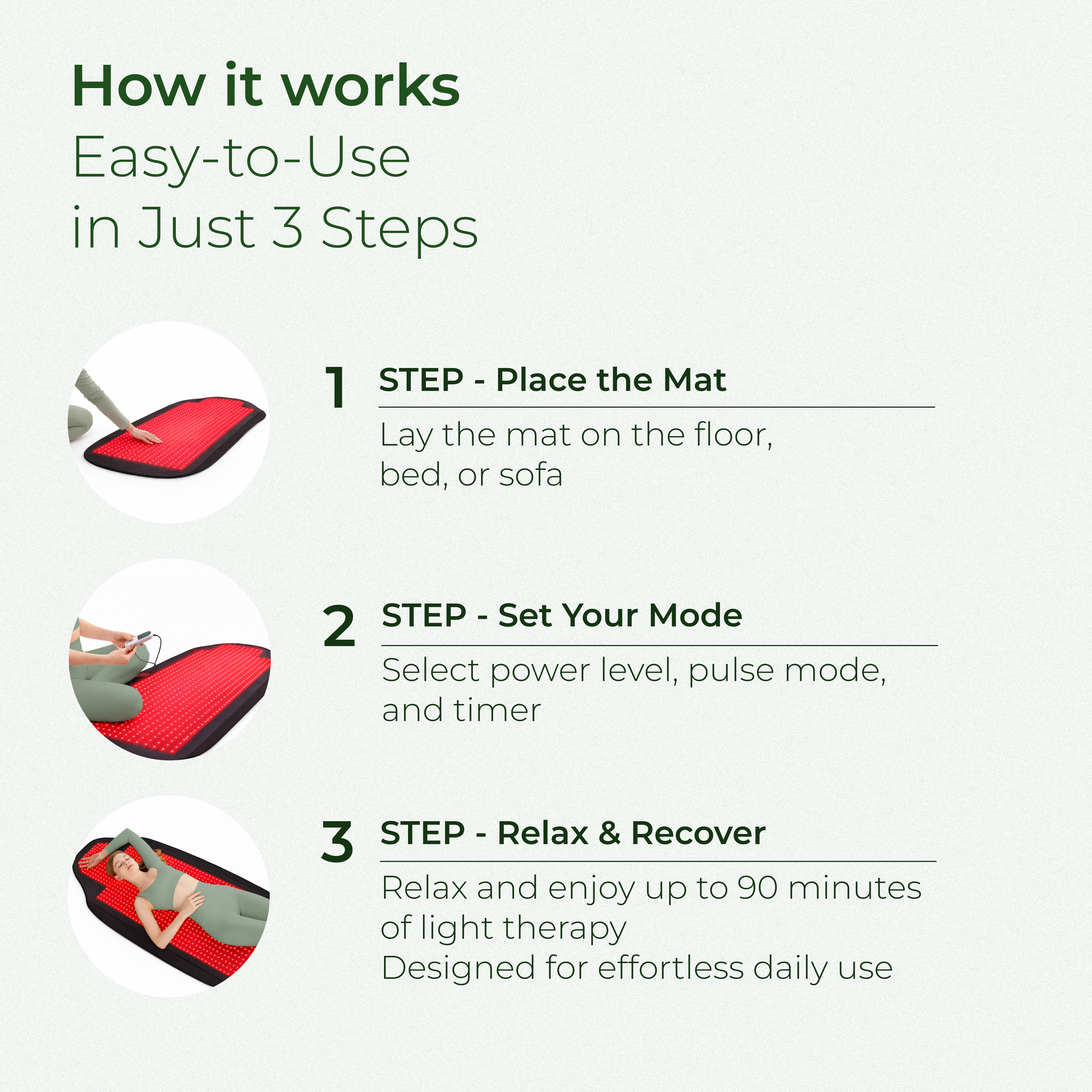
LED therapy uses specific wavelengths of light to stimulate cellular activity beneath your skin's surface. Red light (around 630-660nm) promotes collagen production and reduces inflammation, while near-infrared light penetrates deeper to accelerate healing and improve skin texture. Just 3-5 minutes of LED therapy in your morning routine can boost radiance and prepare your skin for the day.
Microdermabrasion for Enhanced Absorption
Home microdermabrasion devices gently exfoliate dead skin cells, improving texture and allowing your morning products to absorb more effectively. Best used 2-3 times per week in the evening, you'll see smoother, more radiant skin each morning. The removal of the outer dead cell layer means your vitamin C serum and moisturizer can penetrate deeper, maximizing their benefits.
Pro Tip: Use LED light therapy after applying your serum for enhanced penetration. The light energy helps active ingredients absorb deeper into the skin, amplifying the benefits of your skincare products.
How TrophySkin Can Help
Ready to take your morning skincare routine to professional levels? TrophySkin's collection of LED therapy devices and microdermabrasion systems bring spa-quality treatments to your bathroom. Our devices are FDA-cleared, dermatologist-recommended, and designed for easy at-home use.
Explore Our Collection →Morning Skincare Routine Timeline: When to Expect Results
Consistency is the secret ingredient in any effective skin care ritual. While some benefits are immediate (hello, hydrated skin!), most meaningful changes take time. Here's what to expect as you commit to your daily routine:
Week 1-2: Immediate Hydration
Skin feels cleaner, more hydrated. You may notice improved texture and a subtle glow.
Week 4-6: Visible Improvements
Visible improvements in skin tone, brightness, and overall radiance. Fine lines may appear softer.
Month 2-3: Significant Changes
Significant changes in skin health, clarity, and youthfulness. Hyperpigmentation fading, pores appearing smaller.
Month 6+: Long-term Benefits
Long-term benefits become evident: improved elasticity, reduced wrinkles, even skin tone. Your consistent routine is paying off!
Main Point: Skincare is a marathon, not a sprint. Give your routine at least 6-8 weeks before evaluating results. The skin cell turnover cycle is approximately 28 days, so true changes require patience and consistency.
Common Morning Skincare Mistakes to Avoid
Even the best skincare routine can be undermined by common mistakes. Here are the top pitfalls to watch out for in your morning regimen:
1. Skipping Cleansing: "But I washed my face last night!" is a common excuse. Overnight, your skin produces oils and sheds cells that accumulate on your pillow. A gentle morning cleanse sets the stage for product absorption.
2. Wrong Product Order: Applying products from thickest to thinnest prevents proper penetration. Your water-based serum can't get through a thick moisturizer layer. Always go thin to thick.
3. Not Enough Sunscreen: Most people apply only 25-50% of the recommended amount of SPF. Use a nickel-sized dollop for your face alone, and don't forget ears and neck.
4. Over-Exfoliating: While exfoliation is important, doing it every morning can damage your moisture barrier. Limit physical or chemical exfoliants to 2-3 times per week, preferably at night.
5. Ignoring Your Neck: The neck and chest show signs of aging just as quickly as your face. Extend every product in your routine down to your décolletage for comprehensive protection.
Pro Tip: Set a 60-second timer between each skincare step. This gives products time to absorb fully before you layer the next one, preventing pilling and maximizing effectiveness.
 Frequently Asked Questions
Conclusion: Your Path to Radiant Morning Skin
Building an effective morning skincare routine doesn't have to be overwhelming. Start with the essentials—cleanser, moisturizer, and sunscreen—and gradually add targeted treatments as you learn what your skin needs. Remember: consistency beats complexity. A simple routine you follow daily will always outperform an elaborate regimen you abandon after two weeks.
The key takeaways for your skin care ritual: apply products from thinnest to thickest, never skip sunscreen, and give your routine time to work. Your future self will thank you for the commitment you make today.
⚕️ Medical Disclaimer
This article is for educational purposes only and does not replace professional medical advice. Consult a board-certified dermatologist before starting any new skincare regimen, especially if you have existing skin conditions or take medications.



Leave a comment
This site is protected by hCaptcha and the hCaptcha Privacy Policy and Terms of Service apply.