



Quick Answer: The best face serum for glowing skin contains proven brightening ingredients like Vitamin C, niacinamide, or hyaluronic acid. Apply 2-3 drops to clean, slightly damp skin before moisturizer—morning and evening for optimal radiance. Pro tip: Pair your skincare serum with LED therapy to enhance ingredient absorption by up to 40%.
If you've ever scrolled through skincare content wondering how some people achieve that lit-from-within glow, you're not alone. The secret often lies in one powerful product: a well-chosen face serum for glowing skin. Unlike heavier creams that sit on top of the skin, facial serums penetrate deeper, delivering concentrated active ingredients exactly where your skin needs them most.
Whether you're dealing with dullness, uneven texture, or simply want to elevate your skincare routine, understanding how to select and use the right skincare serum can transform your complexion in ways you never thought possible from at-home care.
What Makes a Great Face Serum for Glowing Skin?
A face serum is essentially a lightweight, fast-absorbing liquid packed with high concentrations of active ingredients. What sets good serums apart from average moisturizers is their molecular structure—serum molecules are significantly smaller, allowing them to penetrate up to 10 layers deeper into your skin.
The Science Behind Skin Radiance
That coveted "glow" isn't just about surface-level moisture. True radiance comes from healthy cell turnover, balanced hydration, and even skin tone. When dead skin cells accumulate on the surface, light doesn't reflect evenly—resulting in that tired, dull appearance we all want to avoid.
The best glow serum formulas work on multiple levels: they exfoliate gently to reveal fresh cells, hydrate to plump fine lines, and deliver antioxidants that protect against environmental damage. This multi-pronged approach is what separates a transformative serum from one that simply sits on your skin.
Key Ingredients to Look For
When shopping for facial serums, you'll encounter dozens of promising ingredients. But dermatologists consistently recommend a core group for radiance: Vitamin C for brightening, hyaluronic acid for hydration, niacinamide for tone evening, and peptides for skin repair. The best serum for radiant skin typically combines two or three of these powerhouses.
How to Choose the Right Face Serum for Your Skin Type
Not every serum works for every complexion. Your skin type dramatically influences which ingredients will help—and which might cause irritation or breakouts. Here's how to match your skin serum to your unique needs.
🎯 Select Your Skin Type
Dry Skin
If your skin feels tight, flaky, or rough, prioritize hydrating serums with hyaluronic acid, glycerin, or squalane. These humectants draw moisture into the skin and lock it there. Look for serums labeled "hydrating" or "plumping"—they'll give you that dewy finish dry skin craves without feeling heavy.
Oily Skin
Oily complexions benefit from lightweight, water-based serums containing niacinamide or salicylic acid. These ingredients help regulate sebum production while still delivering glow-boosting benefits. Avoid oil-based serums, which can clog pores and increase shine in the wrong way.
Combination Skin
The good news? Combination skin can handle most serum types. Consider using two different products—a hydrating serum on dry areas and a balancing formula on your T-zone. Alternatively, look for gel-cream serums that offer the best of both worlds.
Sensitive Skin
Sensitive complexions should proceed with caution. Choose serums with soothing ingredients like centella asiatica, aloe vera, or chamomile. Avoid high concentrations of active acids, at least initially. Always patch test new products and introduce them gradually.
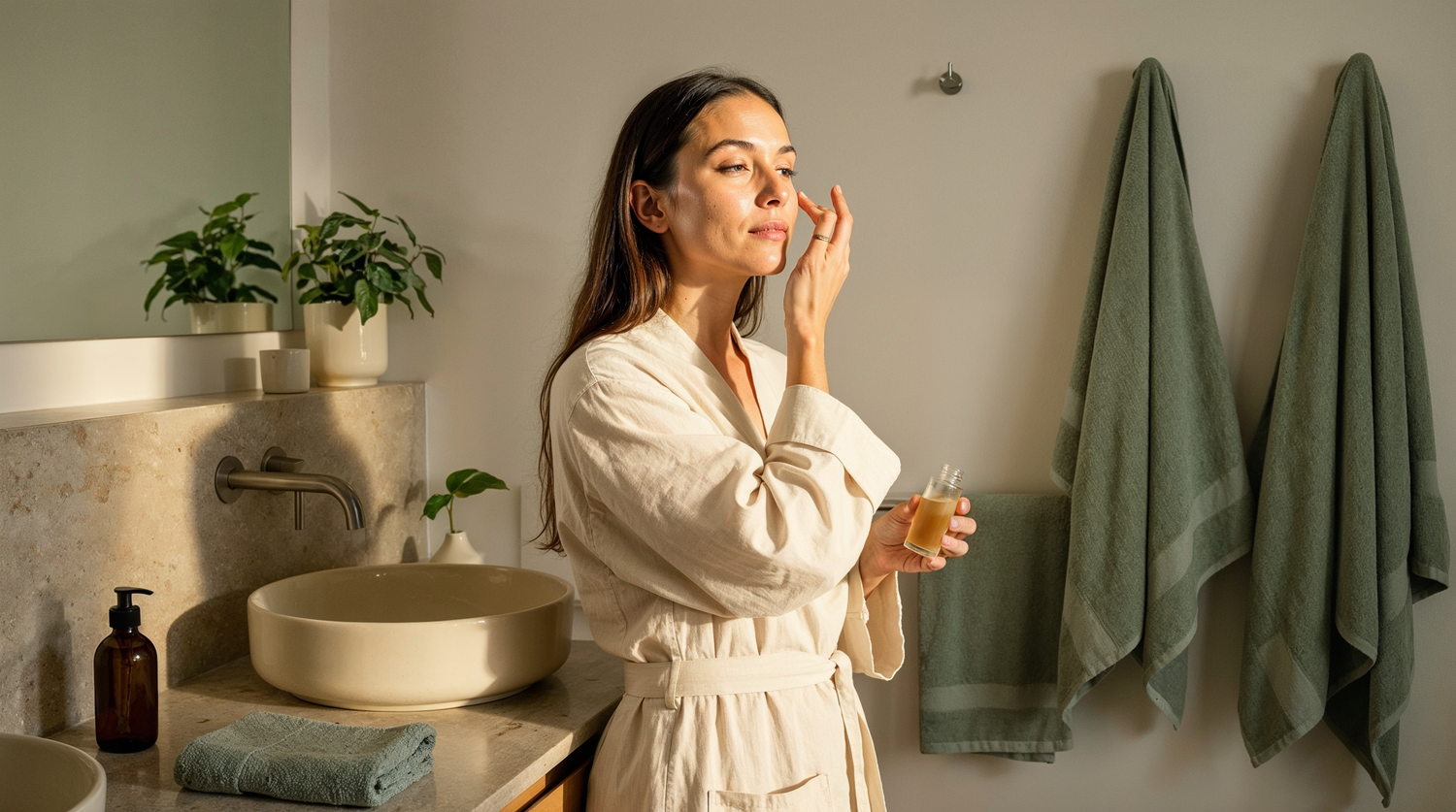
Pro Tip: Always apply serums to slightly damp skin—this helps active ingredients absorb better and prevents any pulling or tugging on delicate facial tissue.
Best Glow-Boosting Ingredients Explained
Let's dive deeper into the ingredients that dermatologists consistently recommend for achieving luminous, healthy-looking skin. Understanding what each does will help you shop for facial serums more confidently.
Vitamin C remains the gold standard for brightening serums. It's a potent antioxidant that neutralizes free radicals from sun exposure and pollution while inhibiting melanin production—meaning fewer dark spots and more even-toned skin. For best results, use it in the morning under SPF.
Hyaluronic acid is naturally found in your skin but depletes with age. When applied topically, this moisture-magnet can hold up to 1000 times its weight in water, giving skin an instant plumping effect. It works beautifully for all skin types, including oily complexions, since it's oil-free and lightweight.
Niacinamide (Vitamin B3) is a multitasking wonder. It helps regulate sebum, minimize enlarged pores, reduce redness, and strengthen the skin barrier. For those seeking the best daytime serum that won't cause sensitivity, niacinamide is an excellent choice that plays well with other ingredients.
How to Apply Face Serum for Maximum Results
Even the top rated night serum won't deliver results if applied incorrectly. The order, amount, and technique all matter when it comes to getting that coveted glow.
Morning vs. Evening Routine
Not all serums belong in both your AM and PM routines. Morning serums should focus on protection—Vitamin C, niacinamide, and antioxidants help shield skin from daily environmental stress. Always follow with SPF 30 or higher.
Evening serums are when repair happens. This is the time for retinol, peptides, or exfoliating acids. Your skin regenerates during sleep, making nighttime the optimal window for cell-renewing ingredients.
Boost Your Serum Results with At-Home Technology
Here's a secret dermatologists know: the right at-home skincare devices can dramatically enhance how well your face serum works. Professional treatments have long combined topical products with technology—and now you can replicate that synergy at home.
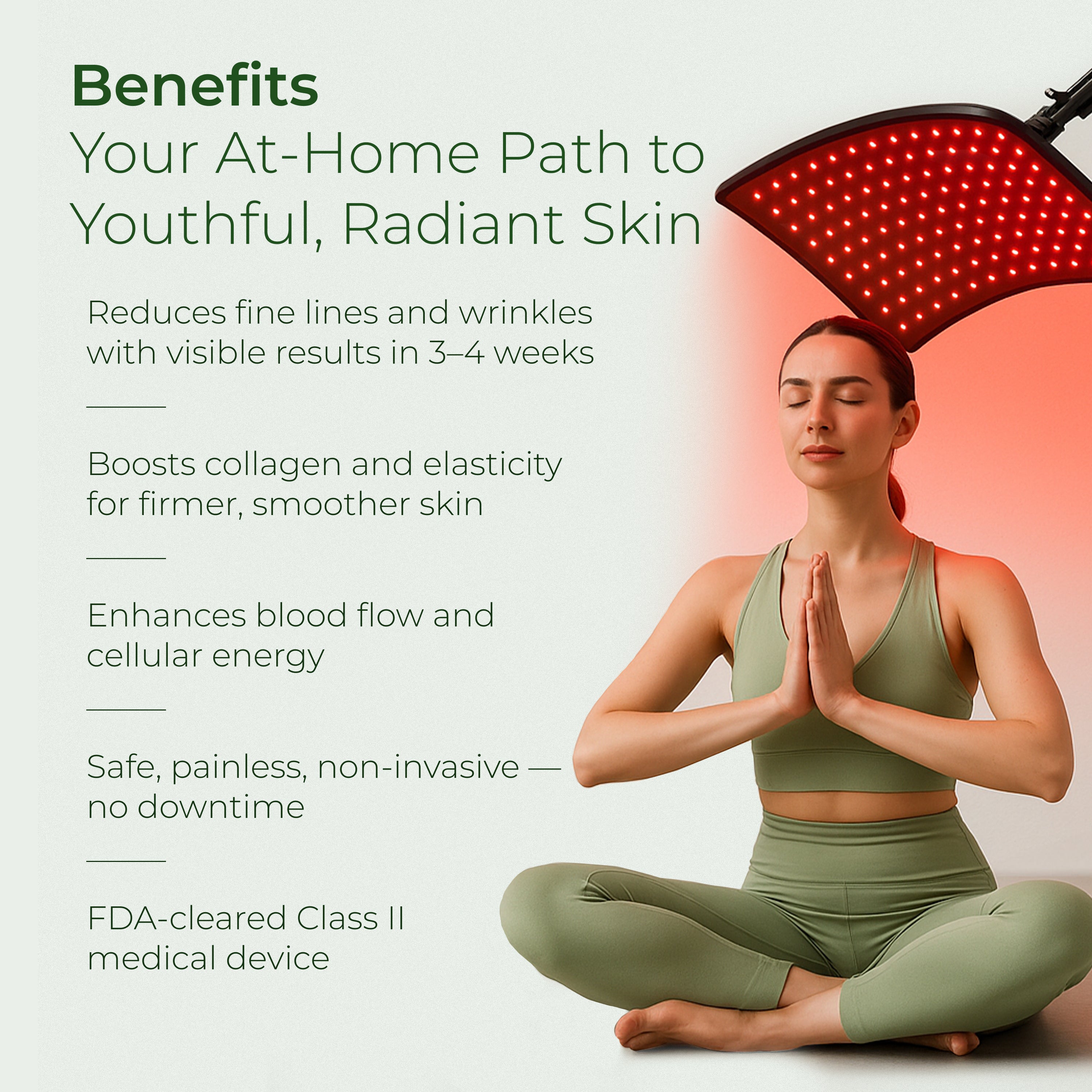
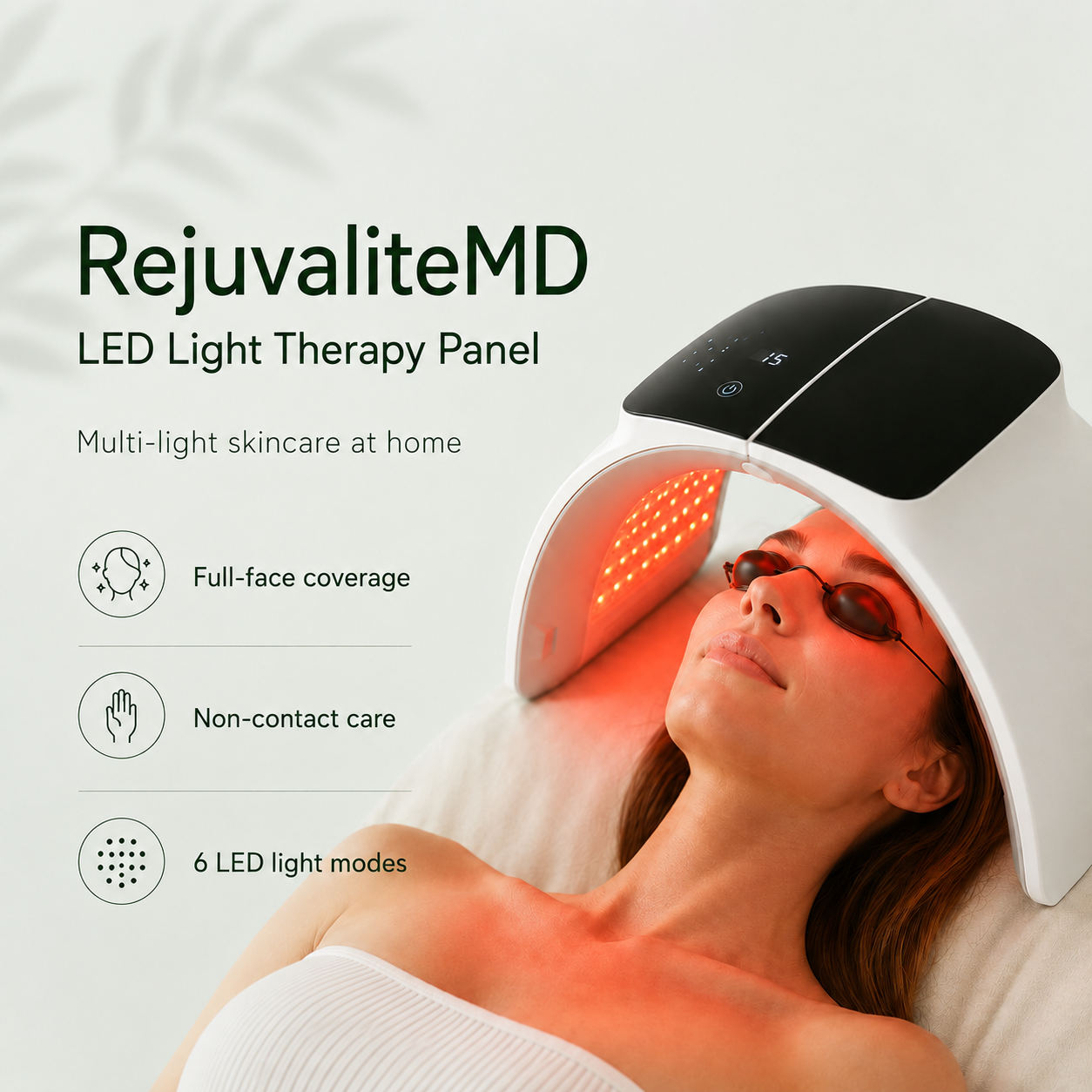
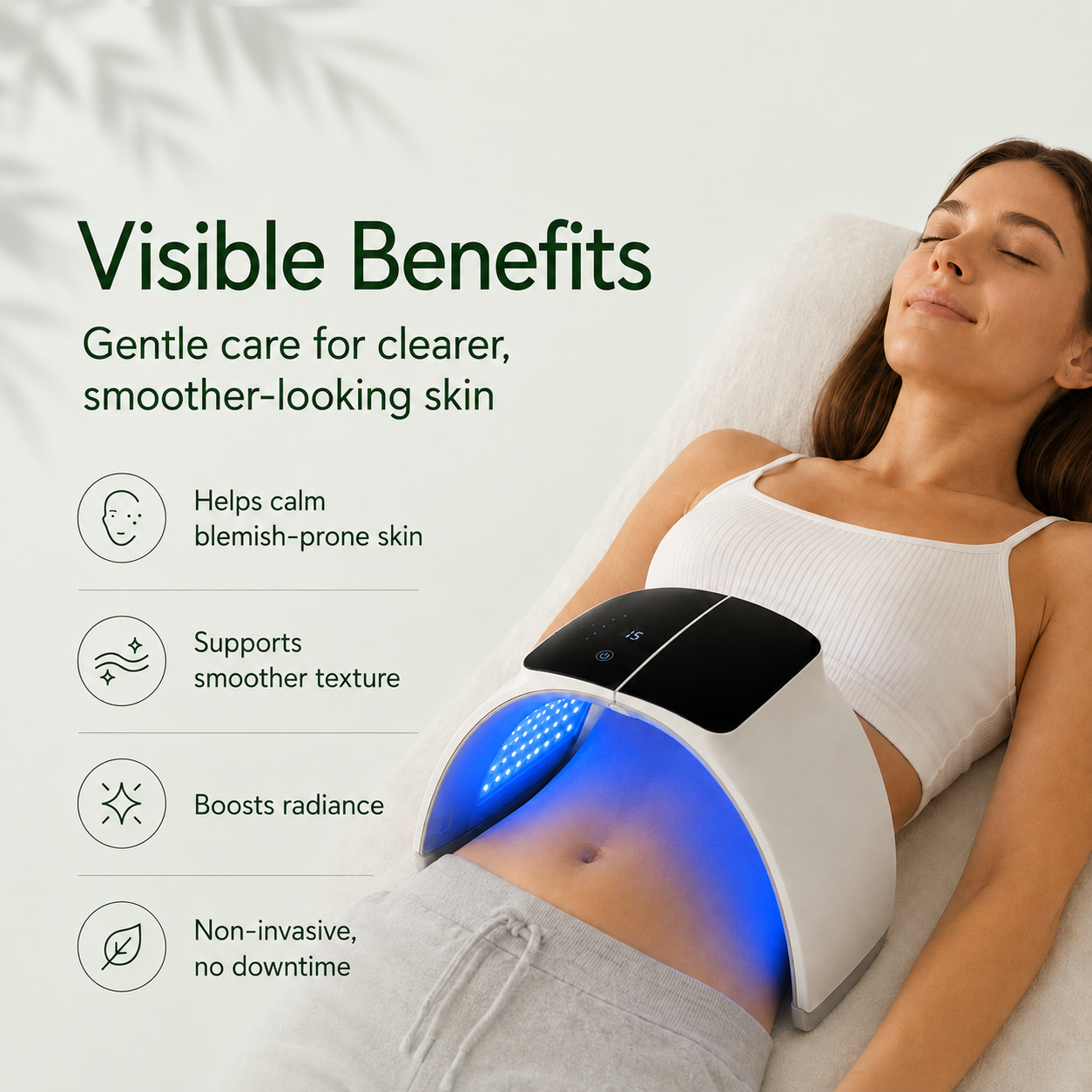
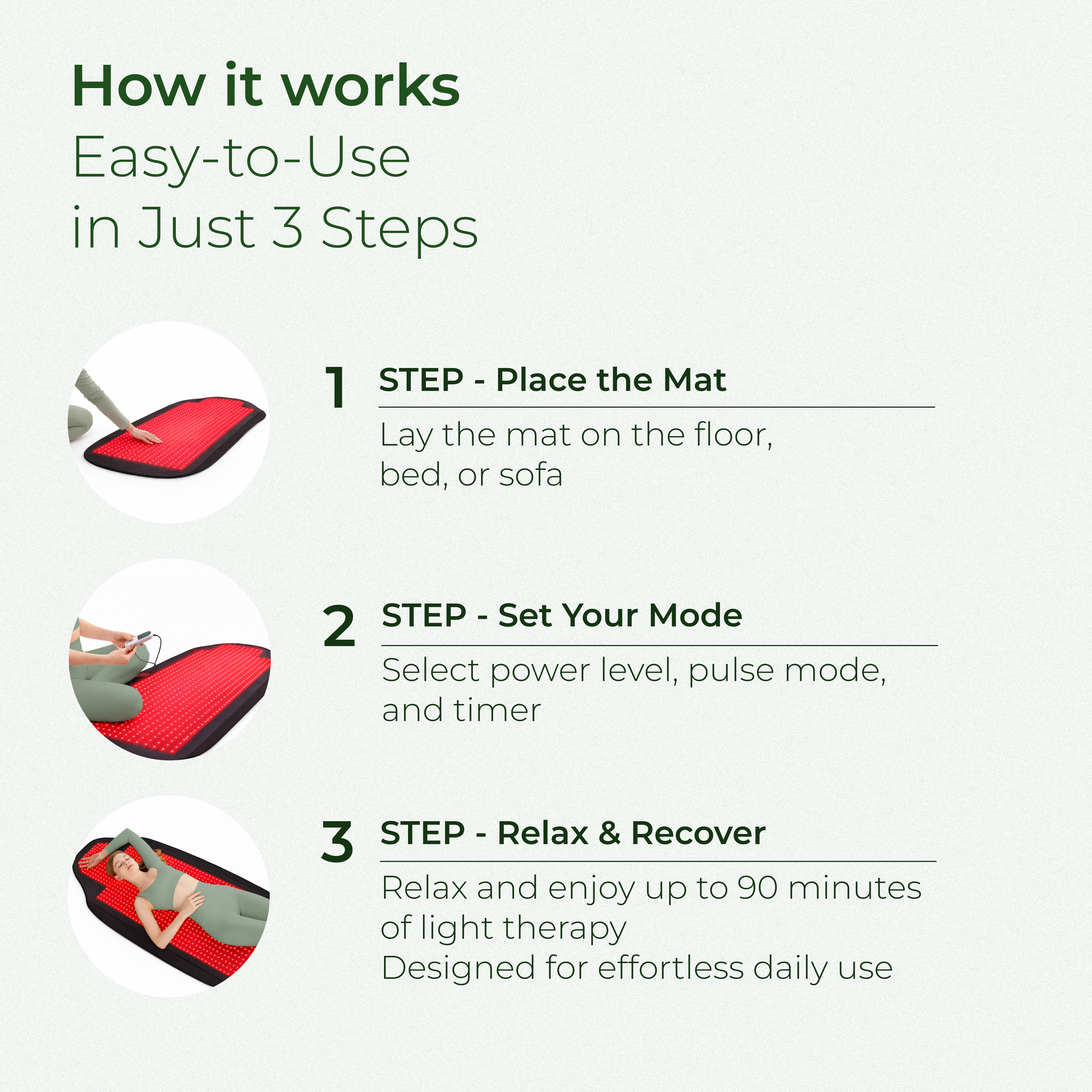
LED light therapy is one of the most effective ways to supercharge your serum routine. Red light stimulates collagen production and increases blood circulation, while blue light targets acne-causing bacteria. When used immediately after applying serum, LED therapy can enhance ingredient penetration and boost visible results.
Microdermabrasion devices gently exfoliate the skin's surface, removing dead cells that can block serum absorption. Using microdermabrasion before your skincare routine essentially creates a "clean slate" for active ingredients to penetrate more effectively. Think of it as opening doors that were previously closed.
How TrophySkin Can Help
Ready to amplify your serum results? TrophySkin's professional-grade at-home devices—from LED therapy panels to microdermabrasion systems—are designed to work synergistically with your skincare products. Our customers consistently report brighter, more radiant skin when combining their favorite serums with our technology.
Shop All Devices →Common Serum Mistakes to Avoid
Even skincare enthusiasts make these common errors. Avoiding them can mean the difference between "my serum doesn't work" and "where has this been all my life?"
Using too many active ingredients at once. Layering Vitamin C, retinol, and exfoliating acids in the same routine is a recipe for irritation. Stick to one or two key actives per session, and alternate stronger treatments between days.
Applying serum to dry skin. Damp skin is more permeable, allowing ingredients to penetrate more effectively. If your skin dries completely before you apply serum, mist it with water or toner first.
Expecting overnight results. Most serums need 4-8 weeks of consistent use before showing visible improvements. Cell turnover takes time—patience is key.
Important: Always patch test new serums on a small area of skin (like behind your ear) 24-48 hours before applying to your full face—especially if you have sensitive or reactive skin.
The Bottom Line: The best face serum for glowing skin isn't necessarily the most expensive—it's the one that matches your skin type, contains proven ingredients, and is used consistently with proper technique. Pair it with skin-prep technology for professional-level results at home.
 Frequently Asked Questions
⚕️ Medical Disclaimer
This article is for educational purposes only and does not replace professional medical advice. Consult a board-certified dermatologist before starting any new skincare regimen, especially if you have existing skin conditions, are pregnant, or take medications that may affect skin sensitivity.


Leave a comment
This site is protected by hCaptcha and the hCaptcha Privacy Policy and Terms of Service apply.