


Quick Answer: The best face sunscreen for daily use should be broad-spectrum SPF 30 or higher, non-comedogenic, and suited to your skin type. For oily skin, choose lightweight mineral or gel formulas. For dry skin, opt for moisturizing chemical sunscreens with hydrating ingredients. Apply about a teaspoon to your face 15 minutes before sun exposure and reapply every two hours.
Did you know that up to 90% of visible skin aging comes from sun exposure? Yet studies show most people apply only 25 to 50 percent of the recommended amount of face sunscreen—leaving their skin vulnerable to premature wrinkles, dark spots, and more serious damage.
Finding the right face sunscreen shouldn't feel overwhelming. Whether you're searching for a non-greasy sunscreen for face that won't clog pores or the best facial sunscreen for oily skin, this guide will help you navigate your options with confidence. We'll cover everything from SPF basics to application techniques that actually work.
Your daily SPF is the most important step in any skincare routine—more impactful than any serum or treatment. Let's make sure you're doing it right.
Why Your Face Needs Dedicated Sun Protection
The skin on your face is fundamentally different from the rest of your body. It's thinner, more exposed to environmental stressors, and contains more oil glands. This makes choosing the right sunscreen cream for face protection essential—not optional.
Body sunscreens are typically formulated with heavier textures designed for larger areas. When applied to facial skin, these can clog pores, trigger breakouts, and feel uncomfortably greasy. A dedicated face sun block, on the other hand, is specifically engineered to work with your facial skin's unique needs.
The Real Cost of Skipping Daily SPF
UV damage happens every single day—not just at the beach. UVA rays penetrate clouds and windows, quietly breaking down collagen and elastin in your skin. The result? Fine lines, uneven texture, hyperpigmentation, and that "weathered" look that makes skin appear years older than it is.
Research published in dermatology journals consistently shows that consistent sunscreen use can reduce melanoma risk by up to 50% and significantly slow visible signs of aging. Your morning SPF isn't just about preventing sunburn—it's about protecting the investment you make in your entire skincare routine.
Pro Tip: Think of sunscreen as the "lock" on your skincare routine. All those serums, treatments, and moisturizers you apply? UV exposure can undo their benefits within hours. Your daily SPF protects and preserves every other product you use.
Understanding SPF: What the Numbers Actually Mean
SPF stands for Sun Protection Factor, and it measures how well a sunscreen protects against UVB rays—the ones primarily responsible for sunburn. But here's what many people get wrong: the numbers don't work the way you might think.
Notice that jumping from SPF 30 to SPF 50 only adds about 1% more protection. The real difference lies in proper application and reapplication—not just higher numbers. Dermatologists consistently recommend SPF 30 as the minimum for daily protection, with SPF 50 for extended sun exposure.
Broad Spectrum: The Non-Negotiable Feature
SPF only measures UVB protection. For complete defense, you need "broad spectrum" on the label, which means the formula also protects against UVA rays. These deeper-penetrating rays cause premature aging, dark spots, and contribute to skin cancer risk. Never settle for a face sunscreen that isn't broad spectrum.
The Golden Standard: Choose a broad-spectrum, water-resistant face sunscreen with SPF 30 or higher. Apply generously 15 minutes before sun exposure and reapply every two hours—regardless of the SPF number.
Mineral vs Chemical Face Sunscreen: Which Is Right for You?
Walk down any skincare aisle and you'll face this choice: mineral (physical) or chemical sunscreen? Both protect your skin, but they work in fundamentally different ways—and one may suit your face better than the other.
Mineral (Physical) Sunscreen
Mineral sunscreens use zinc oxide and titanium dioxide to create a physical barrier on your skin's surface. Think of them as tiny mirrors that reflect UV rays away from your face. They start working immediately upon application and are generally considered gentler on sensitive skin.
Best for: Sensitive skin, acne-prone skin, rosacea, those who want immediate protection, and environmentally-conscious consumers (mineral formulas are reef-safe).
Considerations: Can leave a white cast (though modern formulations have improved significantly), may feel slightly heavier, and often requires more frequent reapplication.
Chemical Sunscreen
Chemical sunscreens contain organic compounds (like avobenzone, octinoxate, and oxybenzone) that absorb UV rays, convert them to heat, and release them from the skin. These formulas tend to be lighter, more easily absorbed, and leave no visible residue.
Best for: Those who want a lightweight, invisible finish, people with deeper skin tones (no white cast), and anyone who wears makeup daily.
Considerations: Requires 15-20 minutes to become effective, may irritate very sensitive skin, and some filters are under FDA review for safety data.
Best Face Sunscreen for Your Skin Type
The "best" sunscreen is the one you'll actually use every day. That means finding a formula that feels good on your specific skin type. Here's what to look for based on your unique needs:
🎯 Find Your Perfect Face Sunscreen
Best Facial Sunscreen for Oily Skin
If you have oily skin, the struggle is real: most sunscreens leave you looking like a glazed donut by noon. The solution? Look for a non greasy sunscreen for face with these characteristics:
- Oil-free and mattifying formulas — These absorb excess sebum throughout the day
- Gel or fluid textures — The lightest face sunscreen options that won't feel heavy
- Mineral options with zinc oxide — Naturally oil-absorbing and pore-friendly
- Niacinamide-infused formulas — Help control oil production while you protect
Look for labels that say "non-comedogenic," "oil-free," or "matte finish." A good non greasy sun cream for face should feel like nothing on your skin within minutes of application.
Best Face Sunscreen for Dry Skin
Dry skin needs sun protection lotion for face that doubles as a moisturizer. Look for formulas enriched with hyaluronic acid, ceramides, glycerin, or squalane. These ingredients lock in moisture while creating a protective barrier.
Chemical sunscreens often work well for dry skin because they absorb fully and allow hydrating ingredients to penetrate. A cream-based sunscreen cream for face will provide the richness your skin craves without that tight, uncomfortable feeling.
Best Face Sunscreen for Sensitive Skin
Sensitive skin responds best to mineral sunscreens with zinc oxide as the active ingredient. Zinc is naturally soothing and anti-inflammatory, making it ideal for reactive skin. Avoid fragrance, alcohol, and chemical filters that might trigger irritation.
Pro Tip: If you have sensitive skin, patch test any new sunscreen on your inner arm for 24-48 hours before applying to your face. Look for "fragrance-free" rather than "unscented"—the latter may still contain masking fragrances.
Best Face Sunscreen for Acne-Prone Skin
Breakout-prone skin needs special attention when choosing a sunblock cream for face. The wrong formula can trap bacteria and oil in pores, triggering new breakouts. Choose formulas that are non-comedogenic, oil-free, and ideally contain acne-fighting ingredients like niacinamide or salicylic acid.
Mineral sunscreens are often recommended for acne-prone skin because they sit on top of the skin rather than absorbing into it, reducing the chance of pore congestion. If you're using acne treatments like retinoids or benzoyl peroxide, SPF becomes even more critical—these ingredients make skin more sun-sensitive.
How to Apply Face Sunscreen Correctly
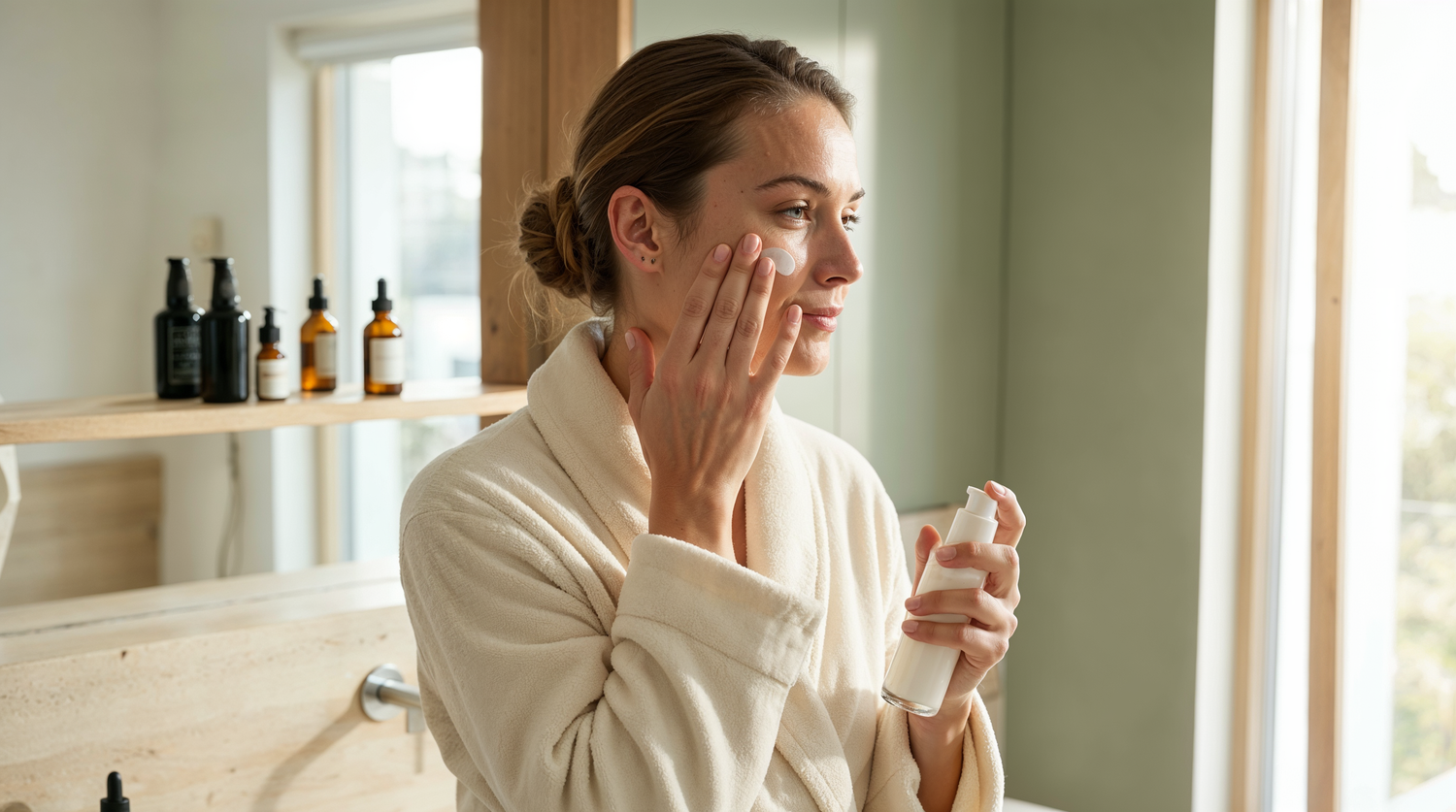
Even the top sunscreens for face won't work if you're not applying them properly. Most people use only 25-50% of the amount needed for adequate protection—essentially cutting their SPF in half (or worse).
Reapplication: The Step Most People Skip
Sunscreen breaks down with UV exposure, sweat, and time. For continuous protection, reapply every two hours when outdoors—or immediately after swimming or heavy sweating. If you wear makeup, consider a setting spray or powder with SPF for midday touch-ups, or use a lightweight SPF mist over your makeup.
Important: SPF in makeup and moisturizers provides a base layer of protection, but you shouldn't rely on it alone. Most people don't apply enough foundation or powder to achieve the SPF stated on the label. Always use a dedicated sunscreen underneath.
Beyond Face Sunscreen: Complete Skin Protection
Daily SPF is your first line of defense—but it's not the only way to protect and care for your skin. A comprehensive approach to skin health combines sun protection with treatments that repair existing damage and strengthen your skin's natural resilience.
Antioxidants: Your Sunscreen's Best Friend
Vitamin C serum applied before sunscreen provides an extra layer of protection against free radical damage caused by UV exposure. This powerful antioxidant also helps brighten skin and fade existing sun spots. Think of it as backup protection for the small percentage of UV rays that make it past your SPF.
Repair and Renew: Evening Skincare
While daytime is for protection, nighttime is for repair. Retinoids boost cell turnover to repair UV damage and maintain youthful skin. However, they also increase sun sensitivity—making your morning face sunscreen even more essential.
How TrophySkin Can Help
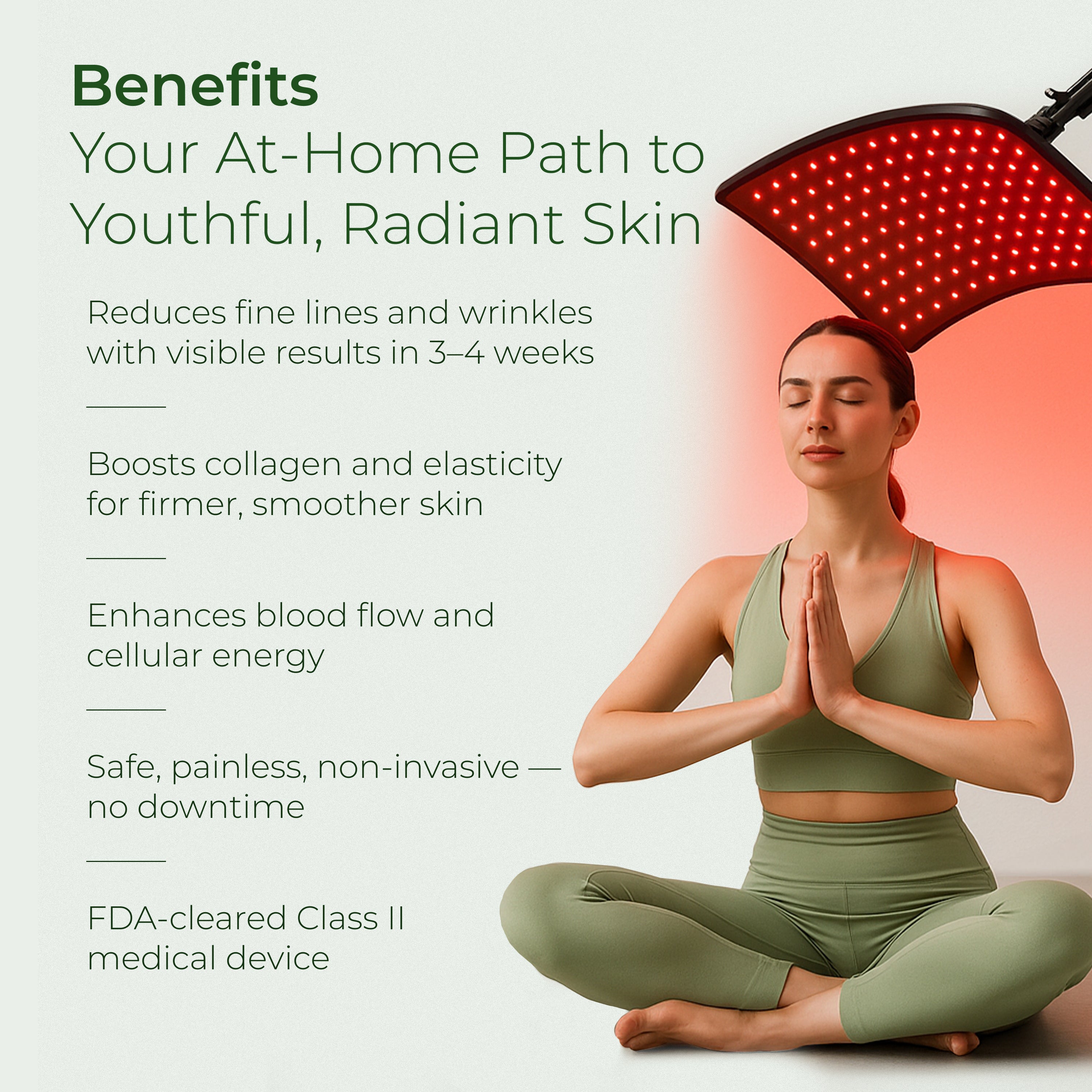
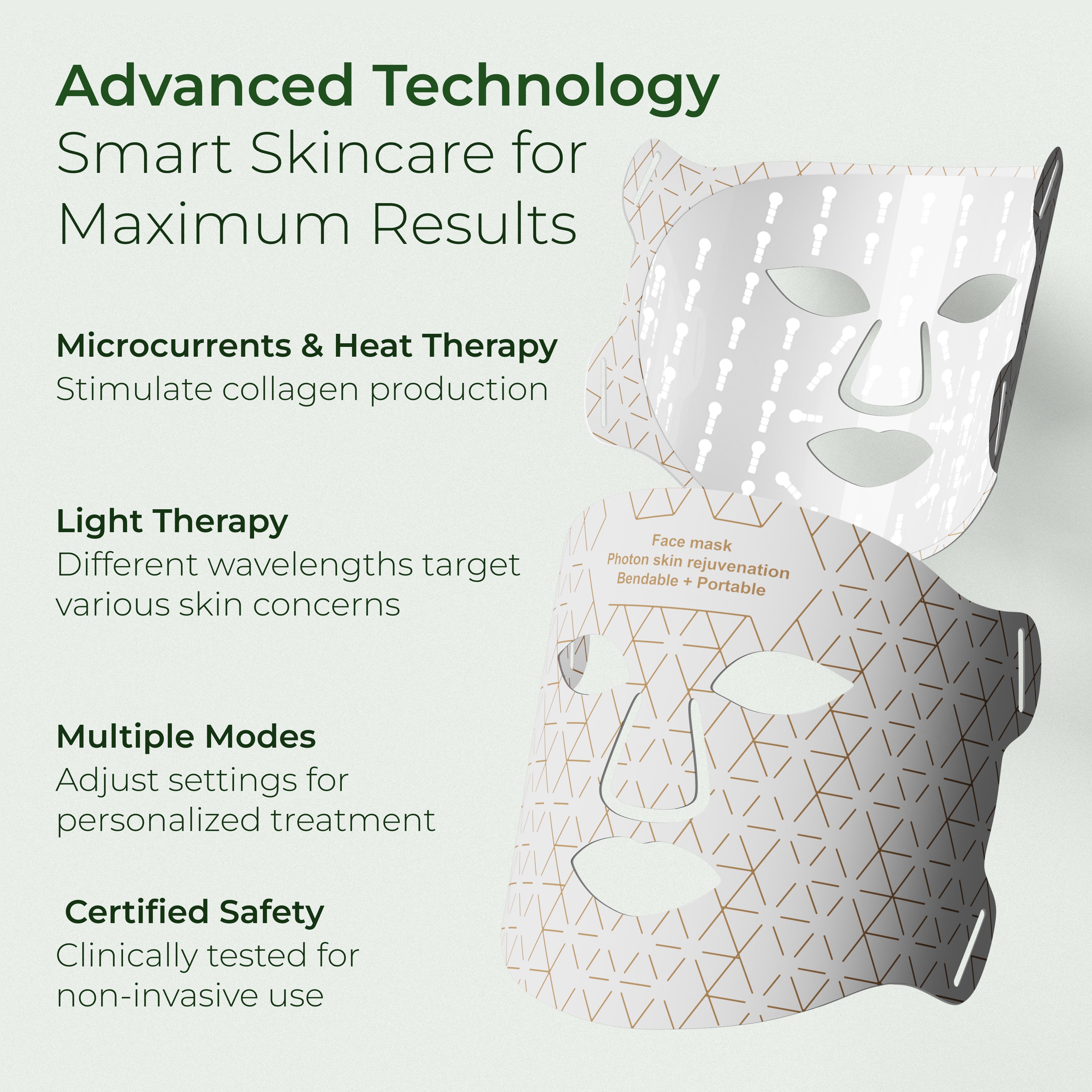
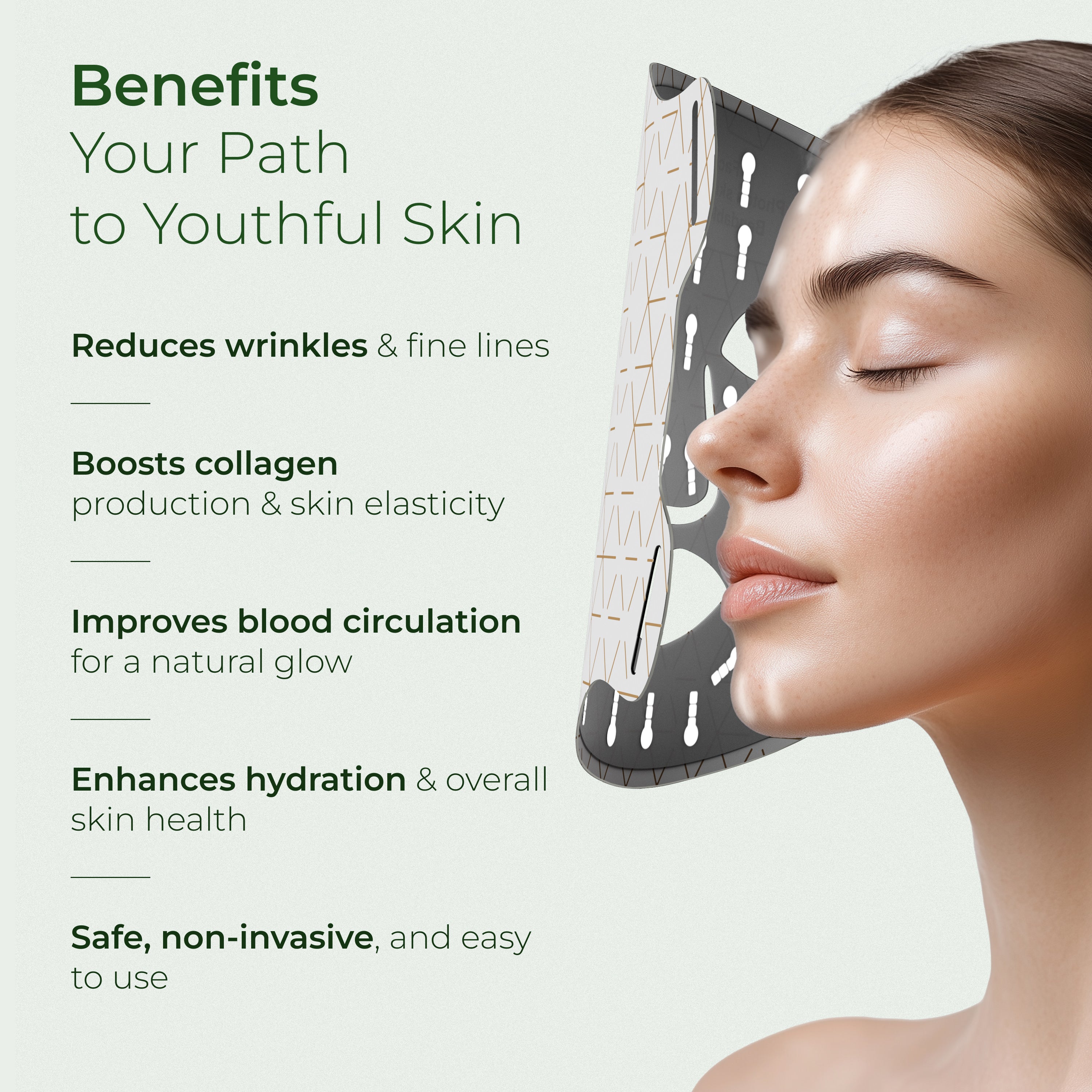
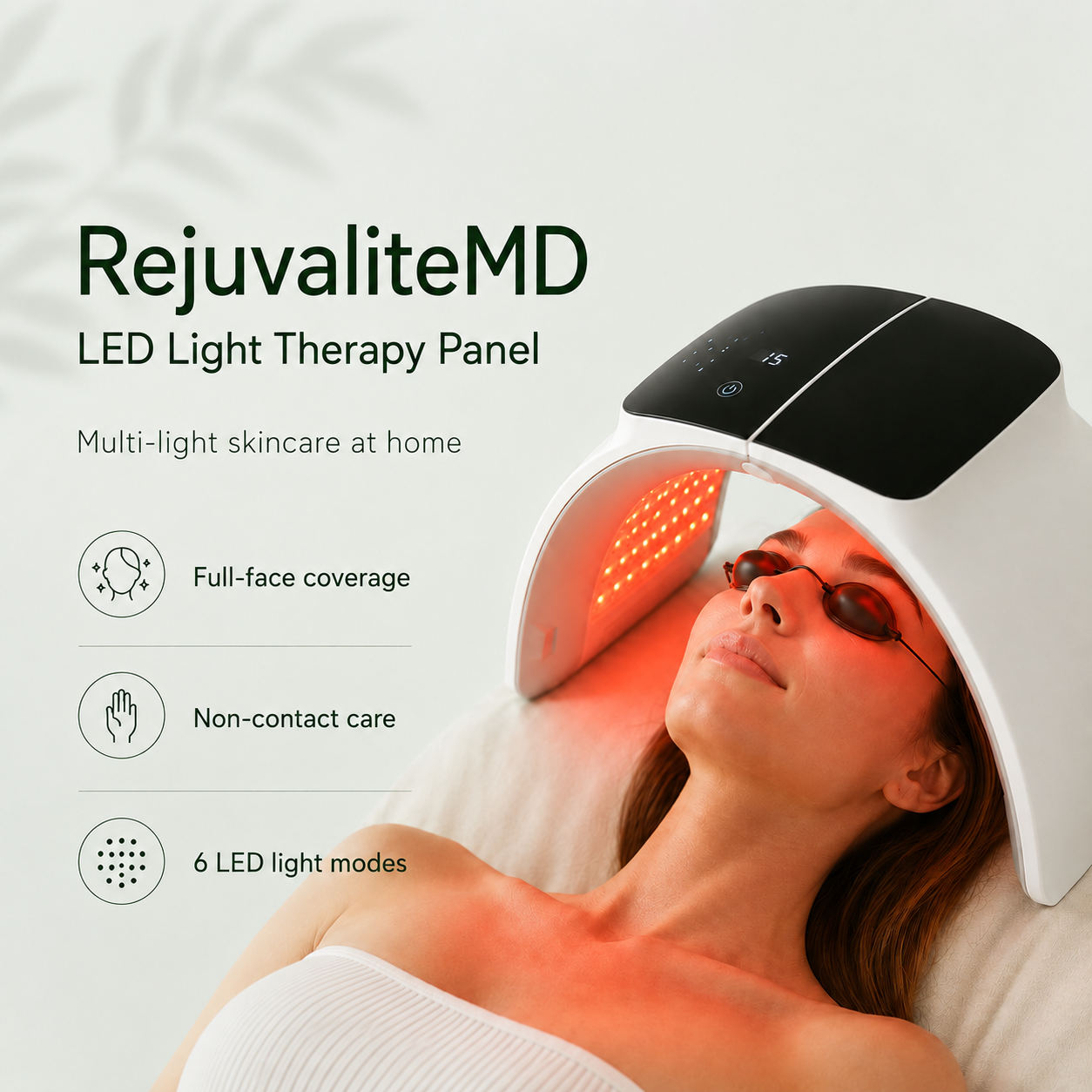
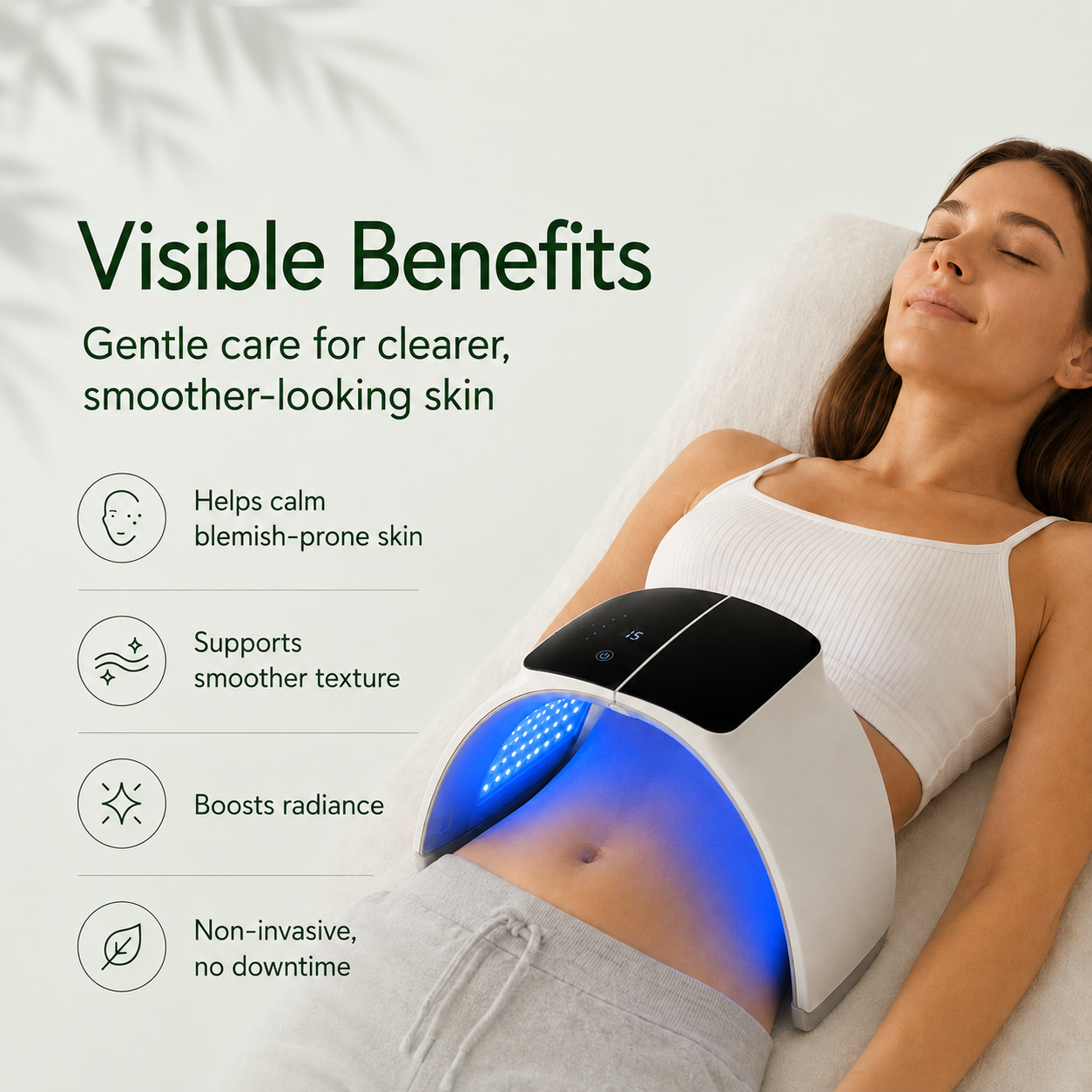
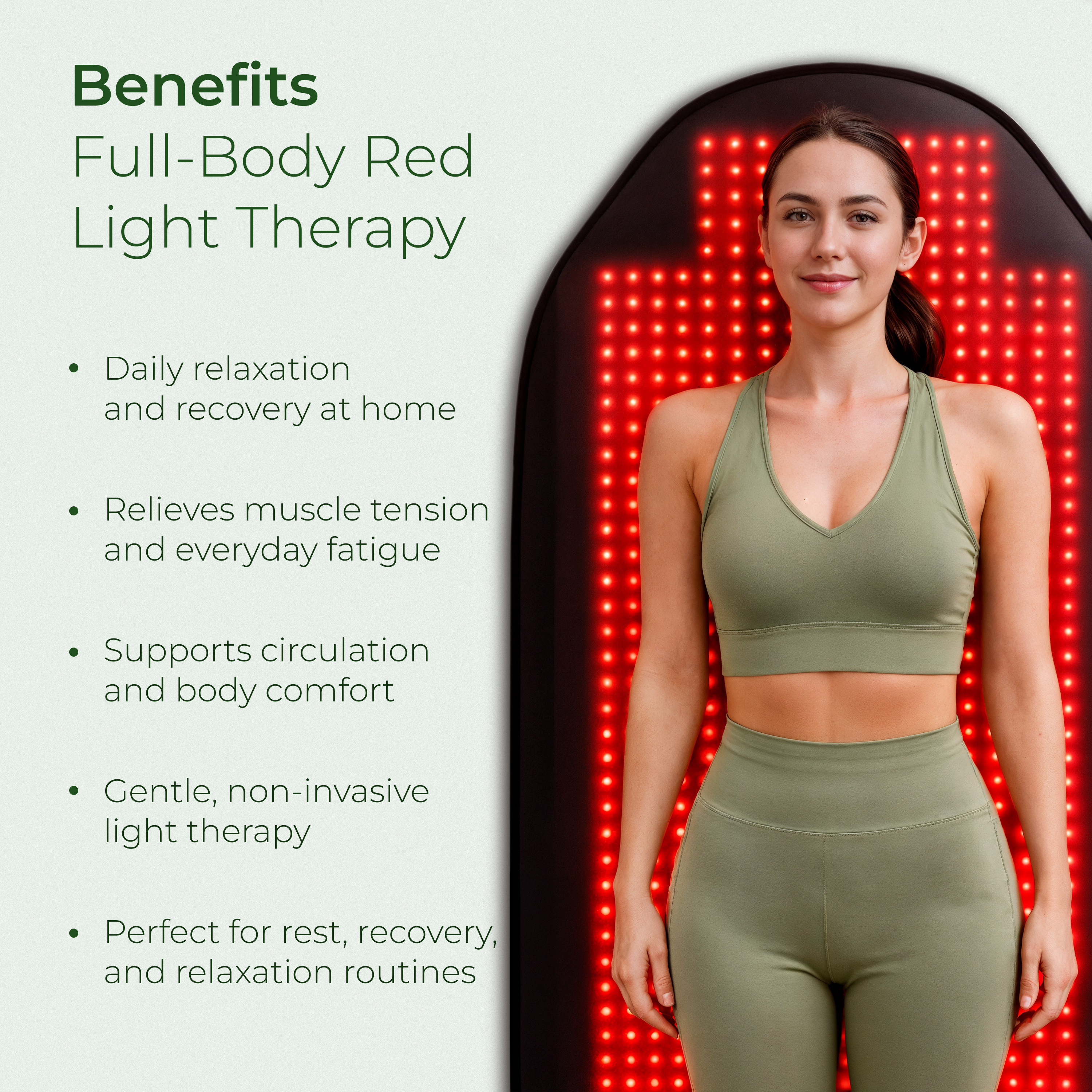
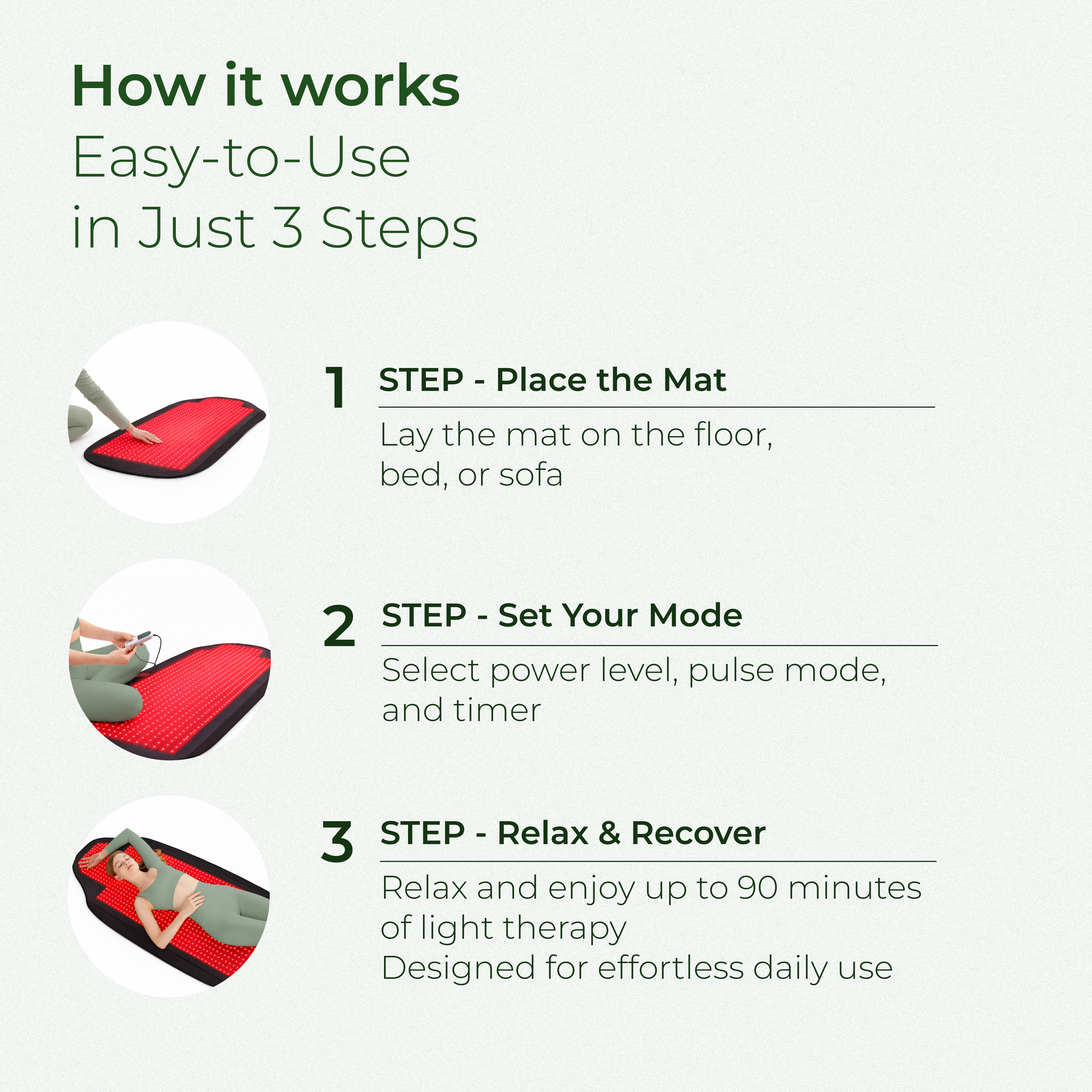
Your daily SPF protects your skin from new damage, but what about treating existing sun damage? TrophySkin's at-home skincare devices work alongside your sun protection routine to help repair, renew, and rejuvenate your skin. LED light therapy helps stimulate collagen production to address fine lines and uneven texture, while microdermabrasion gently exfoliates to reveal fresher, more radiant skin beneath.
Explore Our Devices →Professional Treatments That Complement Daily SPF
Treatments like LED light therapy, microdermabrasion, and proper exfoliation can enhance your skin's appearance and repair past sun damage. However, these treatments also make skin temporarily more sensitive to UV rays—which is why pairing them with diligent face sunscreen use is essential.
The Complete Approach: Daily SPF prevents new damage. Antioxidants provide backup protection. At-home treatments and professional devices help repair existing damage. Together, these elements create a comprehensive strategy for maintaining healthy, youthful skin.
Frequently Asked Questions About Face Sunscreen
Making Face Sunscreen a Daily Habit
Choosing the right face sunscreen doesn't have to be complicated. Focus on finding a broad-spectrum formula with SPF 30 or higher that suits your skin type—whether that's a non greasy sunscreen for face if you're oily, a hydrating sunscreen cream for face if you're dry, or a gentle mineral option if you're sensitive.
Remember: the best facial sunscreen is one you'll actually use every single day. Make it easy on yourself by keeping sunscreen on your bathroom counter, next to your moisturizer, so it becomes as automatic as your morning coffee.
Your future self will thank you for the protection you give your skin today.
⚕️ Medical Disclaimer
This article is for educational purposes only and does not replace professional medical advice. Consult a board-certified dermatologist before starting any new skincare regimen, especially if you have existing skin conditions, are taking medications that increase sun sensitivity, or have a personal or family history of skin cancer.


Leave a comment
This site is protected by hCaptcha and the hCaptcha Privacy Policy and Terms of Service apply.