

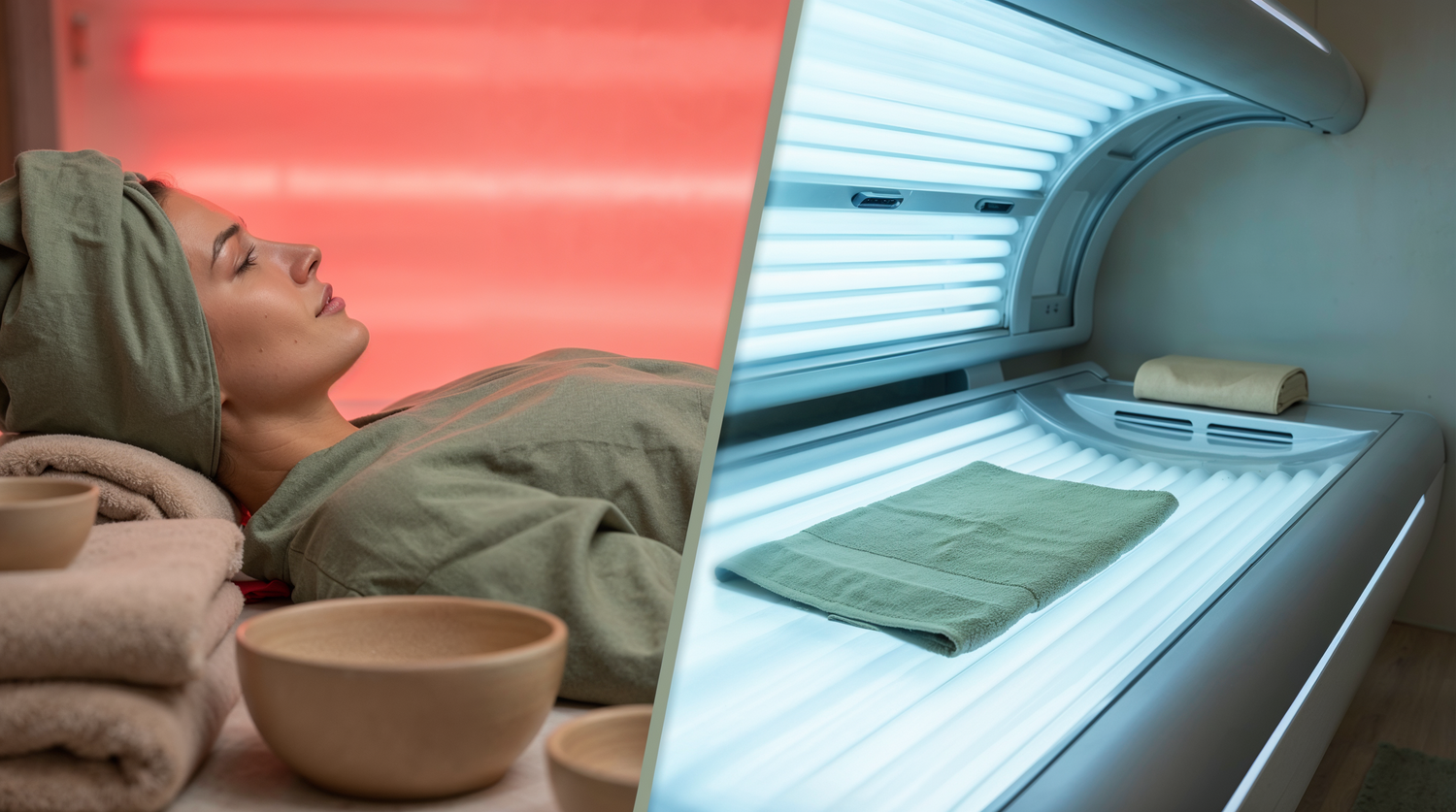
Quick Answer: Red light therapy vs tanning bed — they may look similar, but they work in completely opposite ways. Red light therapy uses safe, non-UV wavelengths (620-900nm) to rejuvenate skin and boost collagen production. Tanning beds emit harmful UV radiation (300-400nm) that darkens skin but increases cancer risk by up to 75%. For healthy, glowing skin without the dangers, red light therapy is the clear winner.
If you've walked into a spa or wellness center recently, you've probably noticed both tanning beds and red light therapy devices. At first glance, they might seem similar — after all, they both involve lying under lights. But when it comes to red light therapy vs tanning bed, the differences couldn't be more dramatic.
One heals your skin from the inside out. The other damages it from the outside in. Understanding this distinction is crucial for anyone who cares about their skin health and wants to make informed decisions about their beauty routine.
How Red Light Therapy and Tanning Beds Work
The fundamental difference between red light therapy and tanning bed technology lies in the type of light they emit and how that light interacts with your skin cells.
Red Light Therapy: The Science of Healing Light
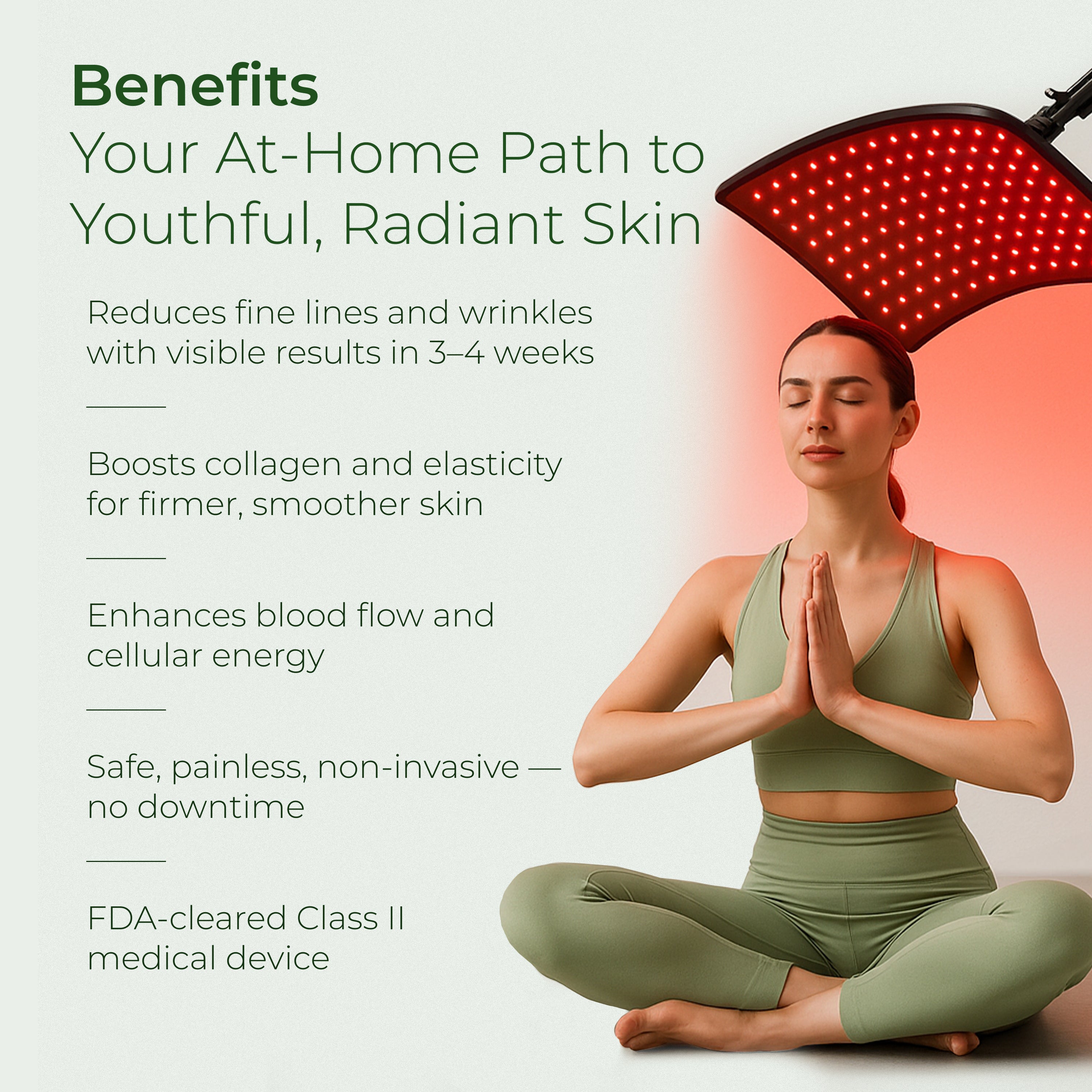
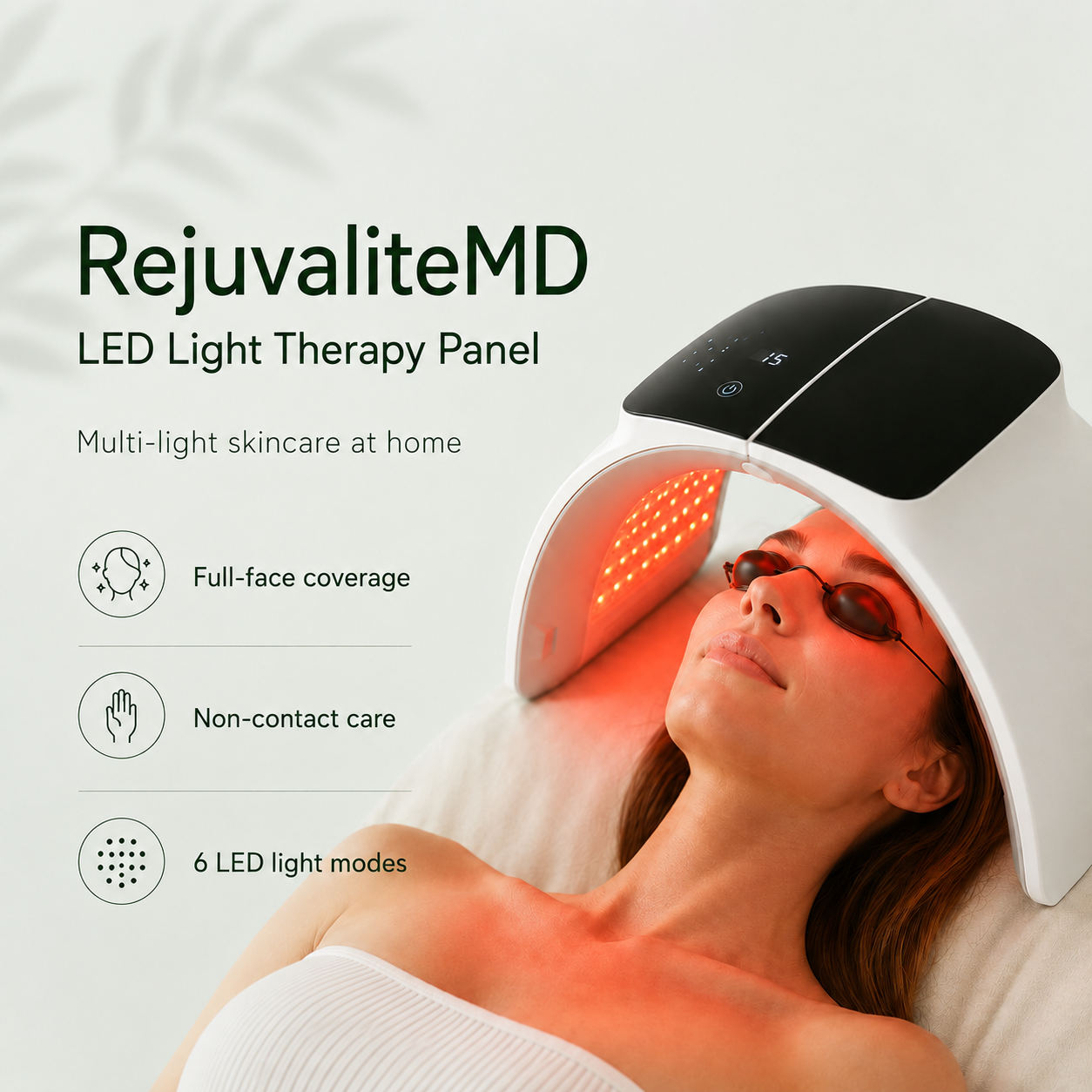
Red light therapy (also known as photobiomodulation or low-level light therapy) uses specific wavelengths of visible red light (620-700nm) and near-infrared light (800-900nm). These wavelengths penetrate deep into your skin — reaching the dermis layer where collagen and elastin are produced.
When red light reaches your cells, it's absorbed by the mitochondria — the "powerhouses" of your cells. This triggers increased production of ATP (adenosine triphosphate), the energy currency that powers cellular repair, regeneration, and collagen synthesis. The result? Healthier, more youthful-looking skin over time.
Tanning Beds: UV Radiation and Skin Darkening
Tanning beds work on an entirely different principle. They emit ultraviolet (UV) radiation — primarily UVA rays (320-400nm) with some UVB rays (280-320nm). These are the same types of rays that come from the sun, just concentrated and delivered indoors.
When UV rays hit your skin, they trigger melanin production — the pigment that darkens your skin to create a tan. However, this "protective" response is actually your skin's damage control mechanism. The tan itself is evidence that cellular damage has occurred.
5 Key Differences Between Red Light Therapy and Tanning Beds
Let's break down the most important distinctions between these two technologies:
1. Light Wavelength and Penetration
Red light therapy uses longer wavelengths that penetrate deeper into skin tissue, reaching the cellular level where real regeneration happens. Tanning bed UV rays affect primarily the upper skin layers, triggering the melanin response that creates visible darkening.
2. Purpose and Results
The goal of red light therapy is therapeutic — to heal, rejuvenate, and improve overall skin health. Tanning beds have a purely cosmetic purpose: to change your skin color. While a tan might look nice temporarily, it comes at a significant cost to your skin's long-term health.
3. Impact on Collagen
This is where the contrast becomes stark. Red light therapy actively stimulates fibroblasts to produce more collagen, the protein responsible for skin firmness and elasticity. UV radiation from tanning beds does the opposite — it accelerates collagen breakdown, leading to wrinkles, sagging, and that "leathery" texture often seen in longtime tanners.
Pro Tip: If you've spent years using tanning beds, red light therapy can actually help repair some of that UV damage by boosting collagen production and improving skin texture. It's never too late to switch to healthier skincare habits!
4. Safety Profile
Is red light therapy safer than tanning beds? Absolutely. Red light therapy is FDA-recognized as safe when used as directed, with no known serious side effects. It doesn't burn, doesn't increase cancer risk, and doesn't cause DNA damage.
Tanning beds, on the other hand, are classified as carcinogenic by the World Health Organization. The FDA requires warning labels on all tanning equipment, and many countries have banned their use for minors.
5. Visible Results Timeline
Tanning beds deliver instant (though temporary) results — you'll see a color change after just one session. Red light therapy works more gradually, with most people noticing improvements in skin texture and tone after 4-8 weeks of consistent use. However, these results are lasting and compound over time.
Safety Comparison: What the Research Says
When comparing red light therapy vs tanning bed safety, the scientific evidence is overwhelming and clear.
Tanning Bed Risks: The Hard Facts
According to the American Academy of Dermatology (AAD), indoor tanning significantly increases your risk of developing skin cancer. The statistics are sobering: using tanning beds before age 35 increases melanoma risk by 75%. Regular use raises basal cell carcinoma risk by 24% and squamous cell carcinoma risk by 58%.
Beyond cancer risk, UV exposure from tanning beds causes eye damage (including cataracts and ocular melanoma), immune suppression, and accelerated skin aging. The cumulative nature of UV damage means effects may not appear until years after exposure — but by then, the damage is done.
Important: There is no such thing as a "safe tan" from UV exposure. According to the FDA, even a base tan offers no protective benefit and still represents skin damage. If you want bronze-colored skin, consider sunless tanning products instead.
Red Light Therapy Safety Profile
Red light therapy has an excellent safety record. Because it uses non-UV wavelengths, it doesn't cause burns, doesn't trigger melanin production, and doesn't damage DNA. Clinical studies have found no serious adverse effects when RLT is used as directed.
The most common "side effect" is temporary redness or warmth at the treatment site — which typically resolves within hours. Unlike many skincare treatments, red light therapy is gentle enough for all skin types, including sensitive skin.
Skin Benefits: Why Red Light Therapy Wins
While tanning beds offer only cosmetic color change (at a significant health cost), red light therapy provides genuine therapeutic benefits for your skin:
Anti-Aging Effects: By stimulating collagen and elastin production, red light therapy helps reduce the appearance of fine lines and wrinkles. Studies have shown significant improvements in skin texture, firmness, and overall complexion with consistent use.
Wound Healing: Red light accelerates the body's natural healing processes. This makes it effective for treating acne scars, surgical scars, and other skin injuries.
Inflammation Reduction: The anti-inflammatory properties of red light can help calm conditions like rosacea, eczema, and psoriasis. It's also beneficial for reducing post-treatment redness from other skincare procedures.
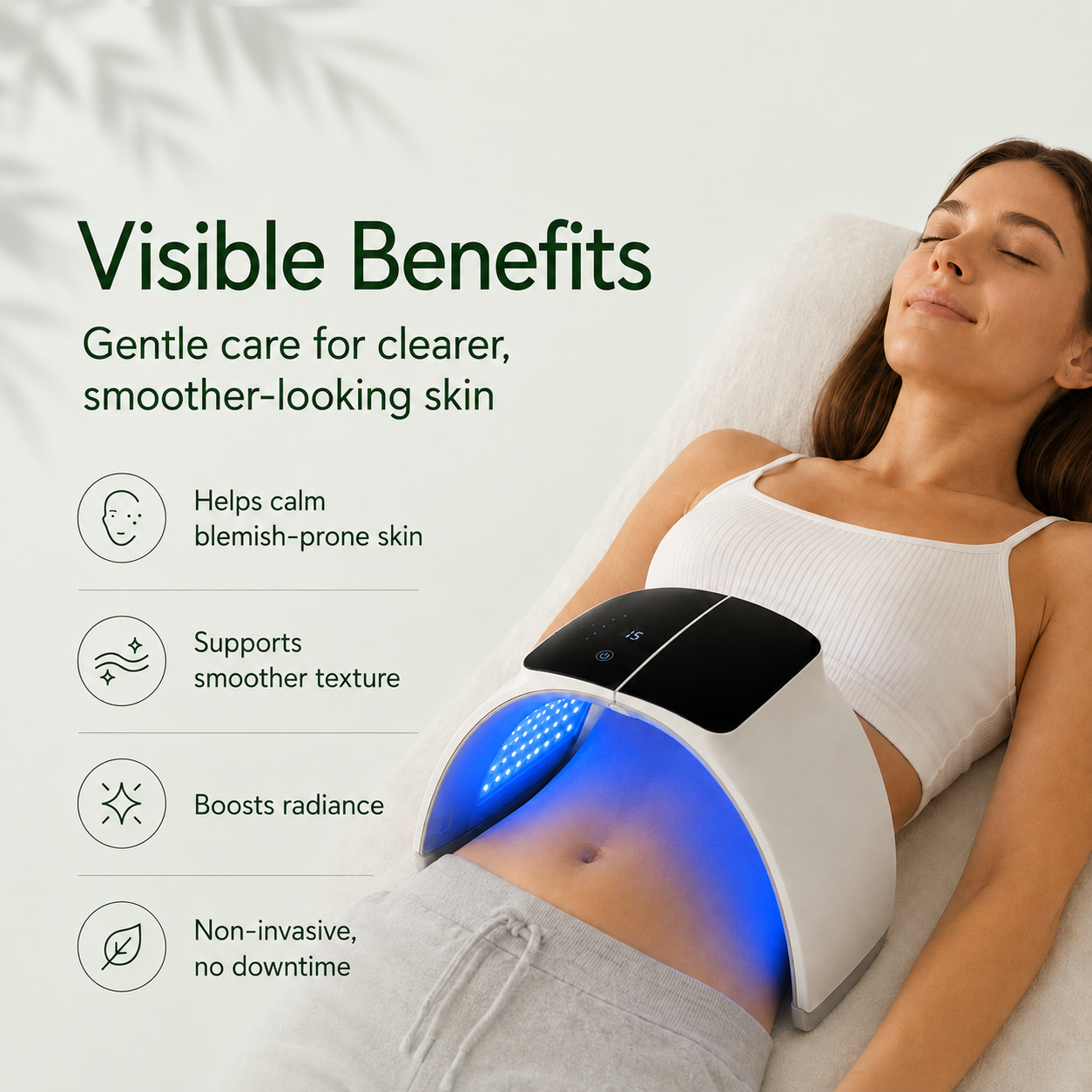
Acne Treatment: Red light therapy helps reduce acne by decreasing inflammation and supporting healthy skin cell turnover. When combined with blue light therapy, it can be particularly effective for breakout-prone skin.
Improved Skin Tone: Regular use can help even out skin tone and reduce the appearance of hyperpigmentation — including sun damage from previous tanning bed use.
Bottom Line: Red light therapy builds healthier skin over time. Tanning beds break it down. If your goal is beautiful, youthful-looking skin in the long term, there's really no comparison.
Results Timeline: What to Expect from Red Light Therapy
Unlike the immediate (but damaging) results of tanning beds, red light therapy works gradually to deliver lasting improvements. Here's what you can typically expect:
Week 1-2: Initial Response
You may notice improved skin hydration and a subtle "glow" after sessions. Inflammation and redness from existing conditions may begin to calm. These early changes indicate your cells are responding to the treatment.
Week 4-6: Visible Improvements
Skin texture typically starts showing noticeable improvement. Fine lines may appear softer. Acne scars and hyperpigmentation begin to fade. Many users report their skin looks "healthier" overall.
Week 8-12: Significant Results
This is when most people see their best results. Collagen production has had time to build up, resulting in firmer, more elastic skin. Wrinkles and scarring show more dramatic improvement.
Ongoing: Maintenance Phase
After achieving your desired results, you can reduce treatment frequency to 2-3 times per week for maintenance. Consistent use helps preserve benefits and continues to support skin health.
Pro Tip: For best results, use red light therapy consistently — ideally 3-5 times per week during the initial treatment phase. Combine it with a good skincare routine including SPF for daytime protection to maximize your results.
At-Home Red Light Therapy: Convenient and Effective
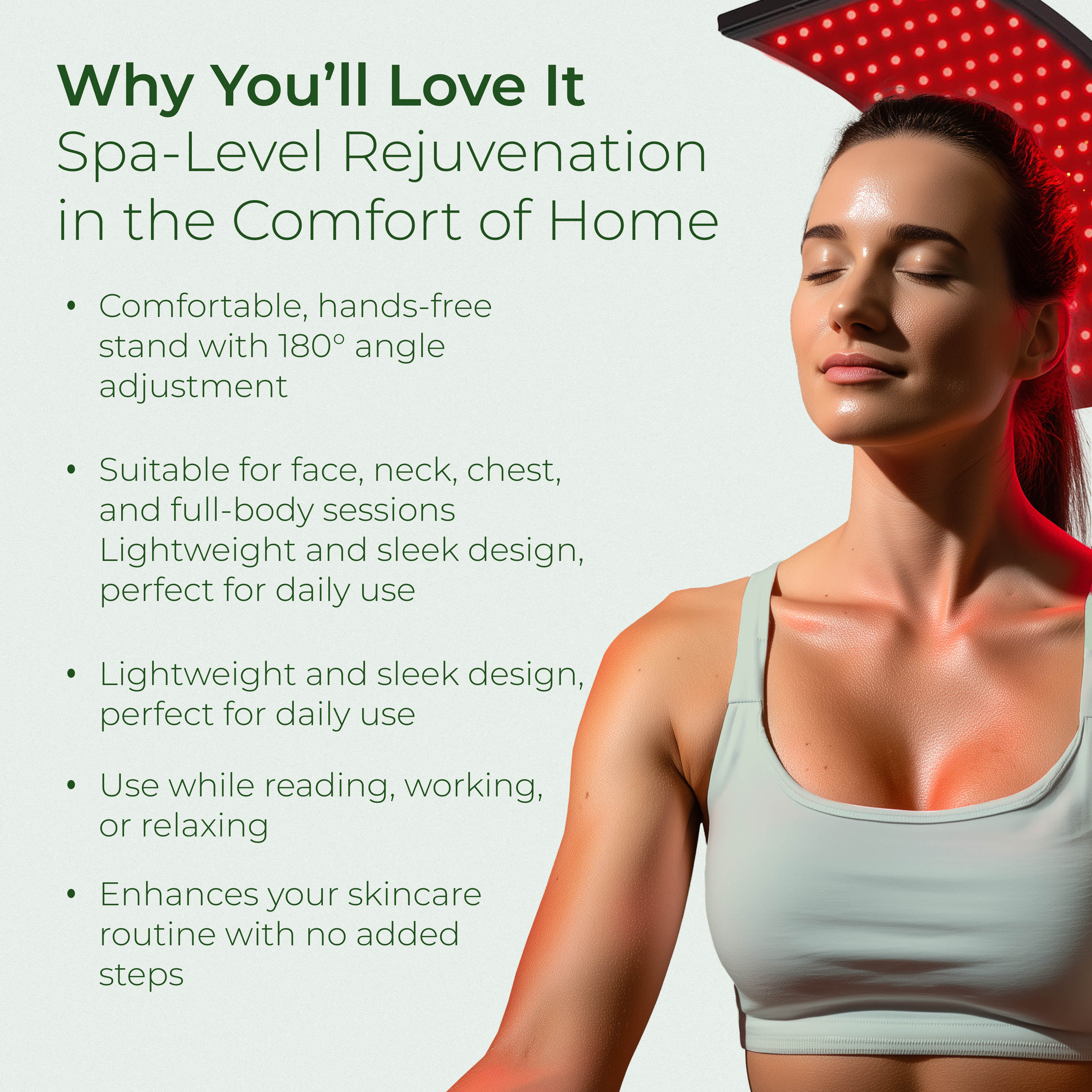
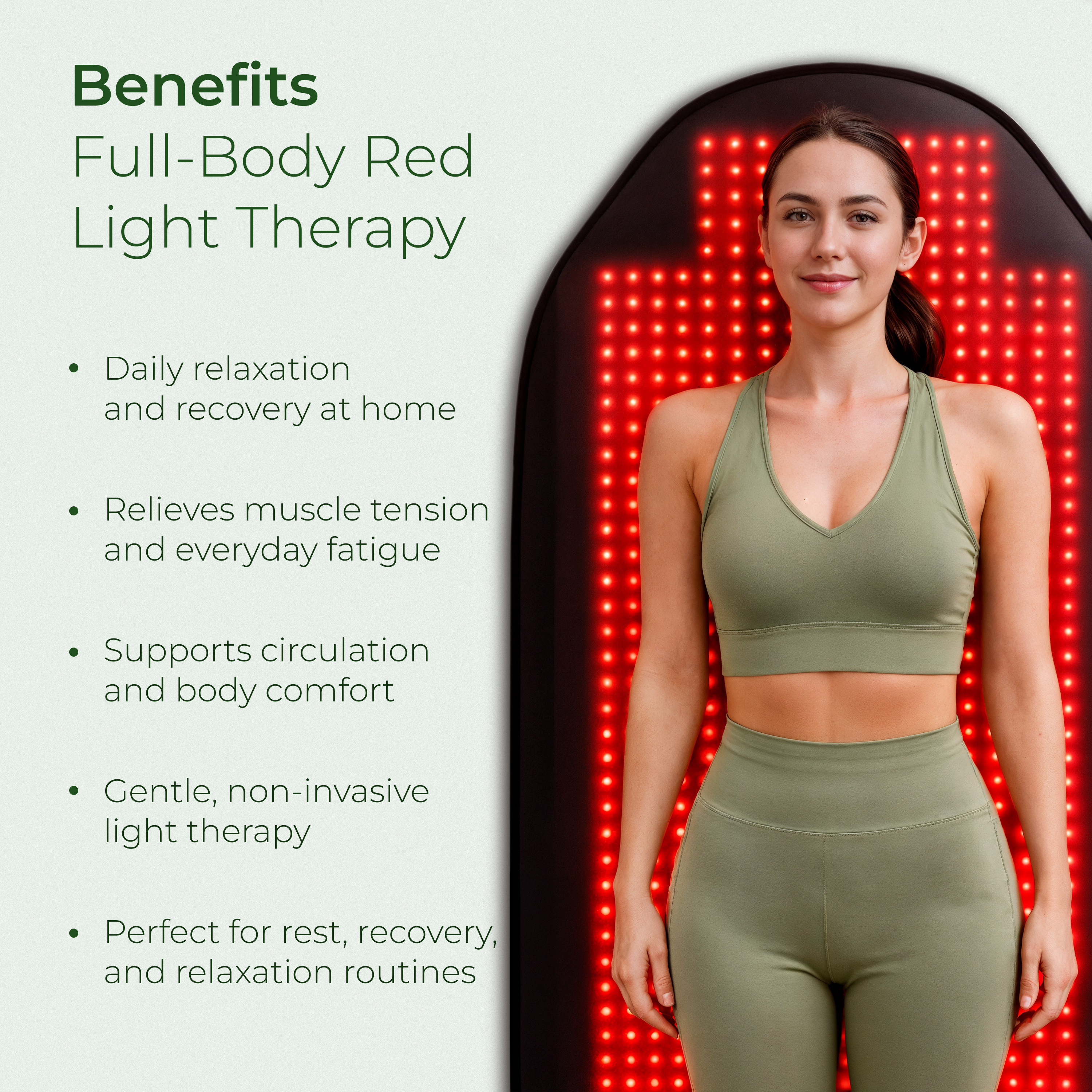
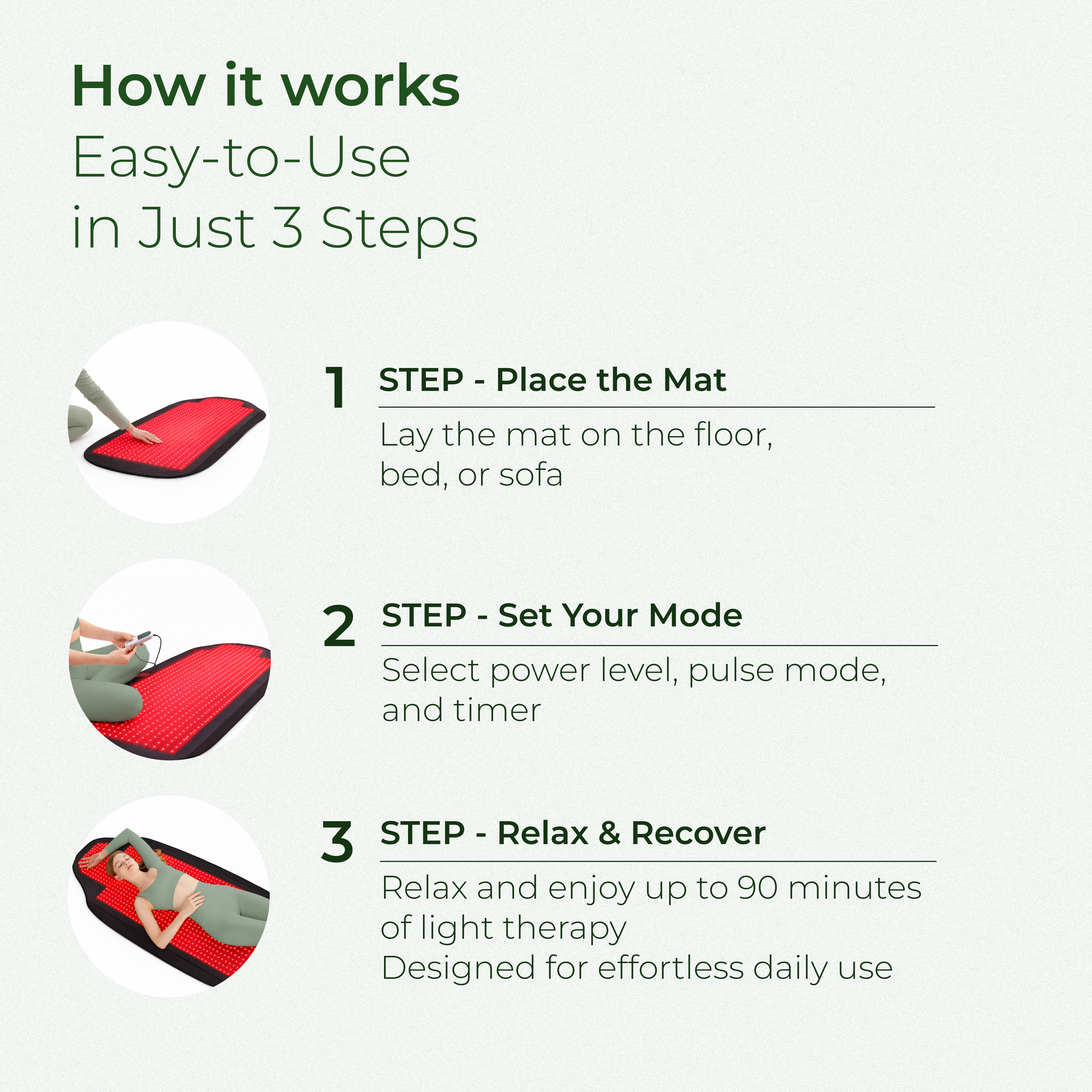
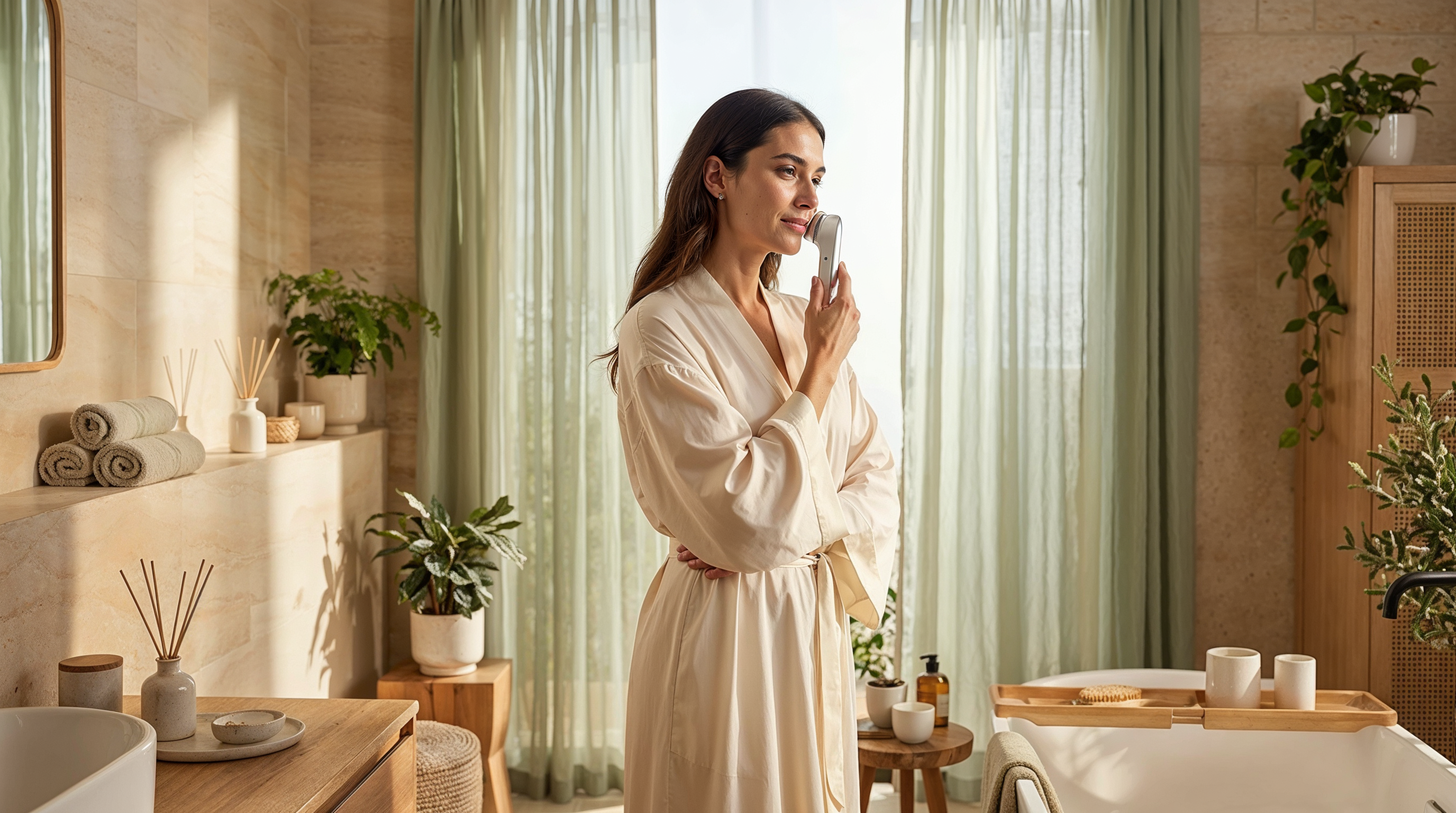
One of the best things about red light therapy is that you don't need to visit a spa or salon to benefit from it. High-quality at-home devices have become increasingly accessible, allowing you to incorporate LED therapy into your daily skincare routine.
When choosing an at-home red light therapy device, look for medical-grade LED bulbs that are specifically designed to be UV-free. Quality devices use wavelengths in the therapeutic range (typically 630-660nm for red light and 830-850nm for near-infrared) to deliver effective treatment.
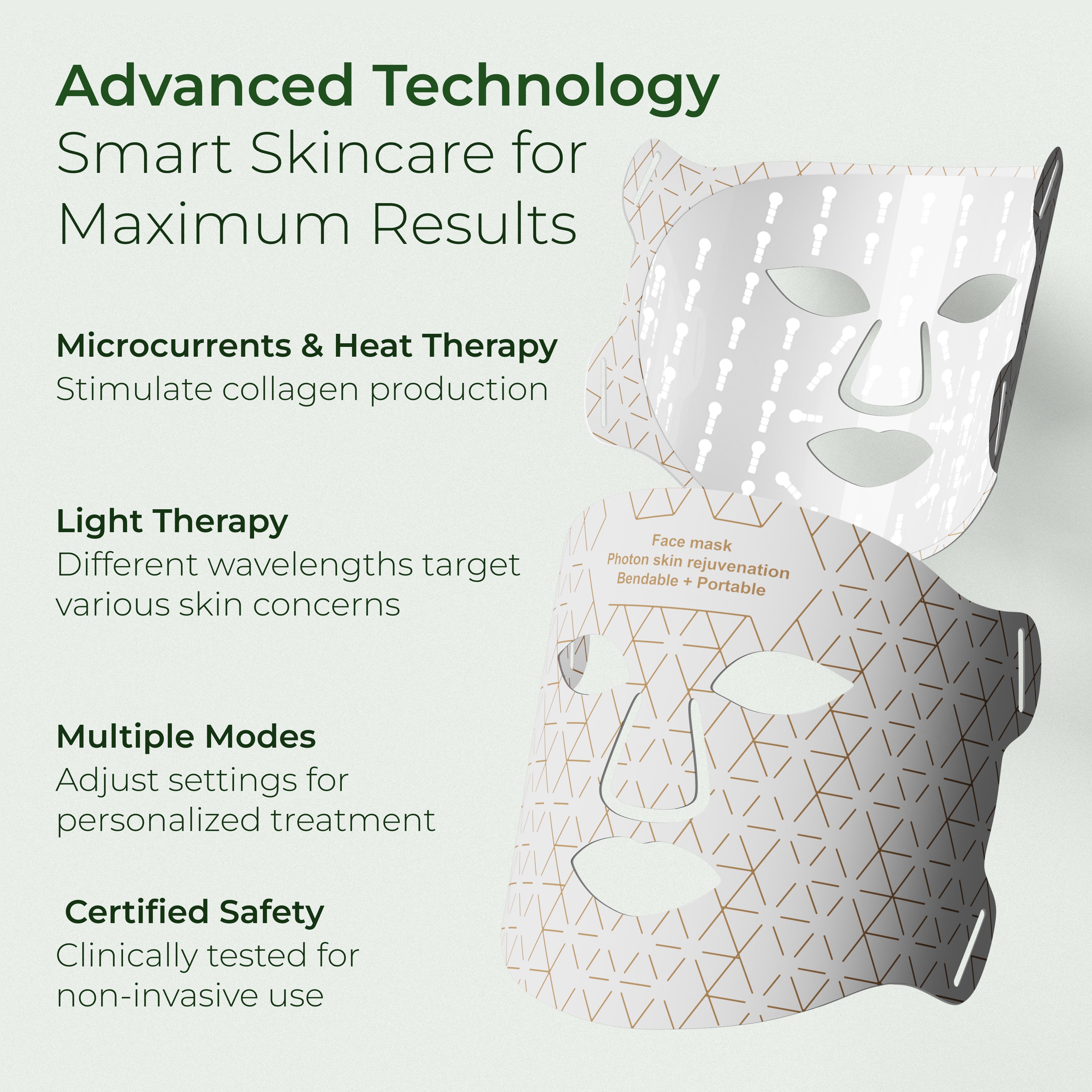
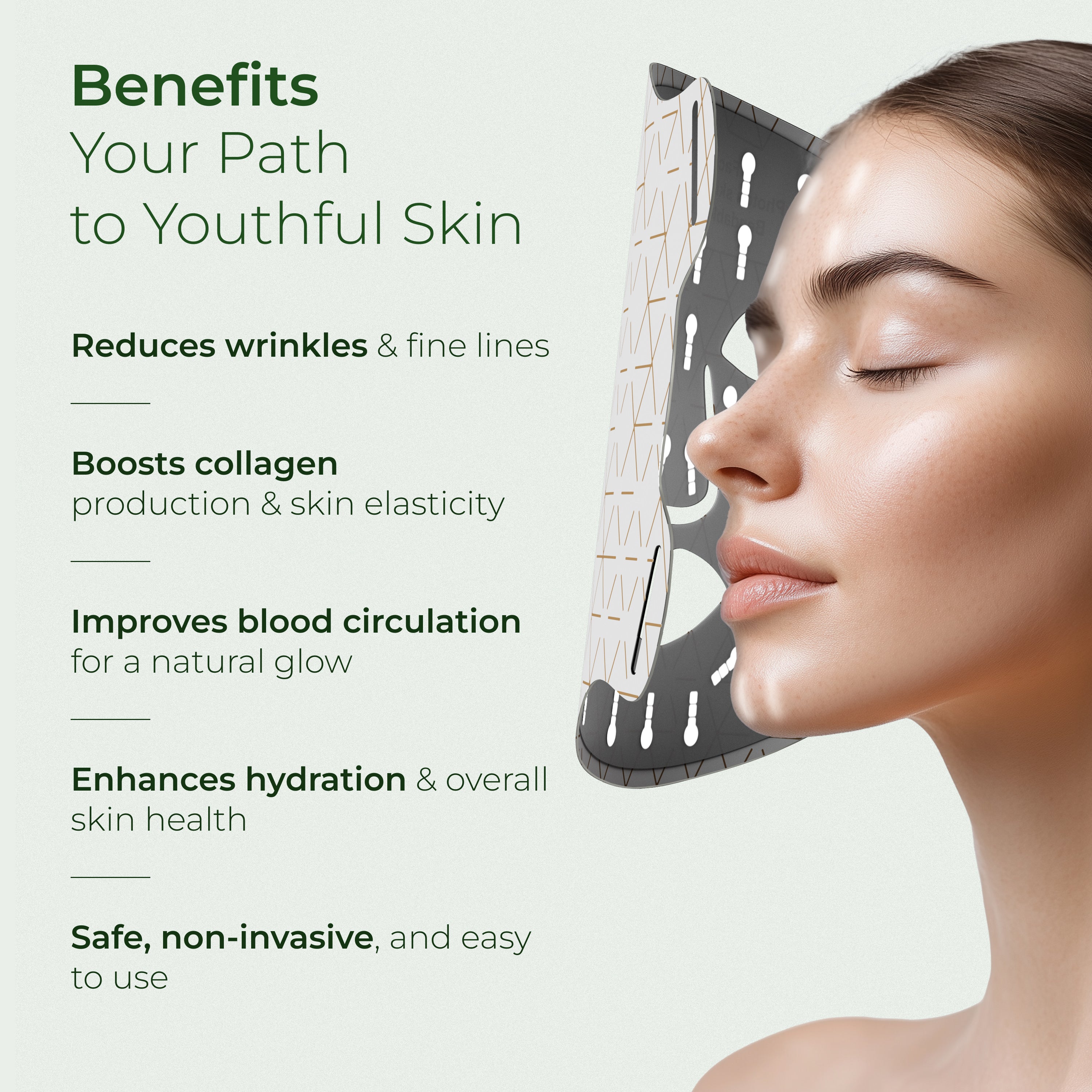
At-home LED devices come in various forms, from handheld wands to full-face masks. The key advantage over salon visits is consistency — having a device at home makes it easy to maintain the regular treatment schedule needed for optimal results.
How TrophySkin Can Help
Ready to experience the benefits of professional-grade LED therapy at home? TrophySkin offers a range of dermatologist-developed LED light therapy devices designed for safe, effective skincare. Our devices use medical-grade LEDs with optimal wavelengths to deliver spa-quality results in the comfort of your home.
Explore LED Therapy Devices →
 Frequently Asked Questions
⚕️ Medical Disclaimer
This article is for educational purposes only and does not replace professional medical advice. Consult a board-certified dermatologist before starting any new skincare regimen, especially if you have existing skin conditions, a history of skin cancer, or take photosensitizing medications.
FDA-Cleared Technology
UV-Free & Safe
Clinically Studied
At-Home Convenience


Leave a comment
This site is protected by hCaptcha and the hCaptcha Privacy Policy and Terms of Service apply.