

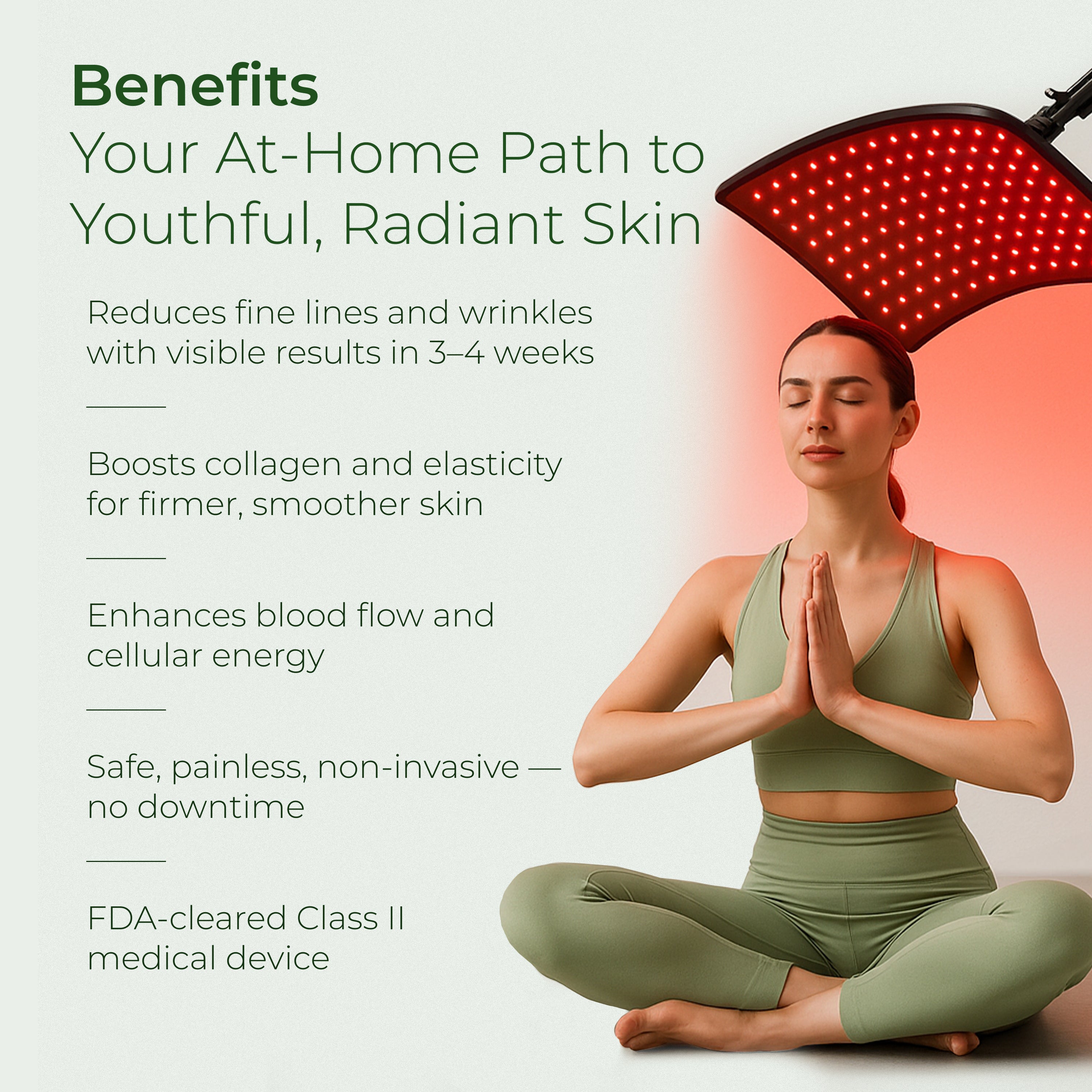
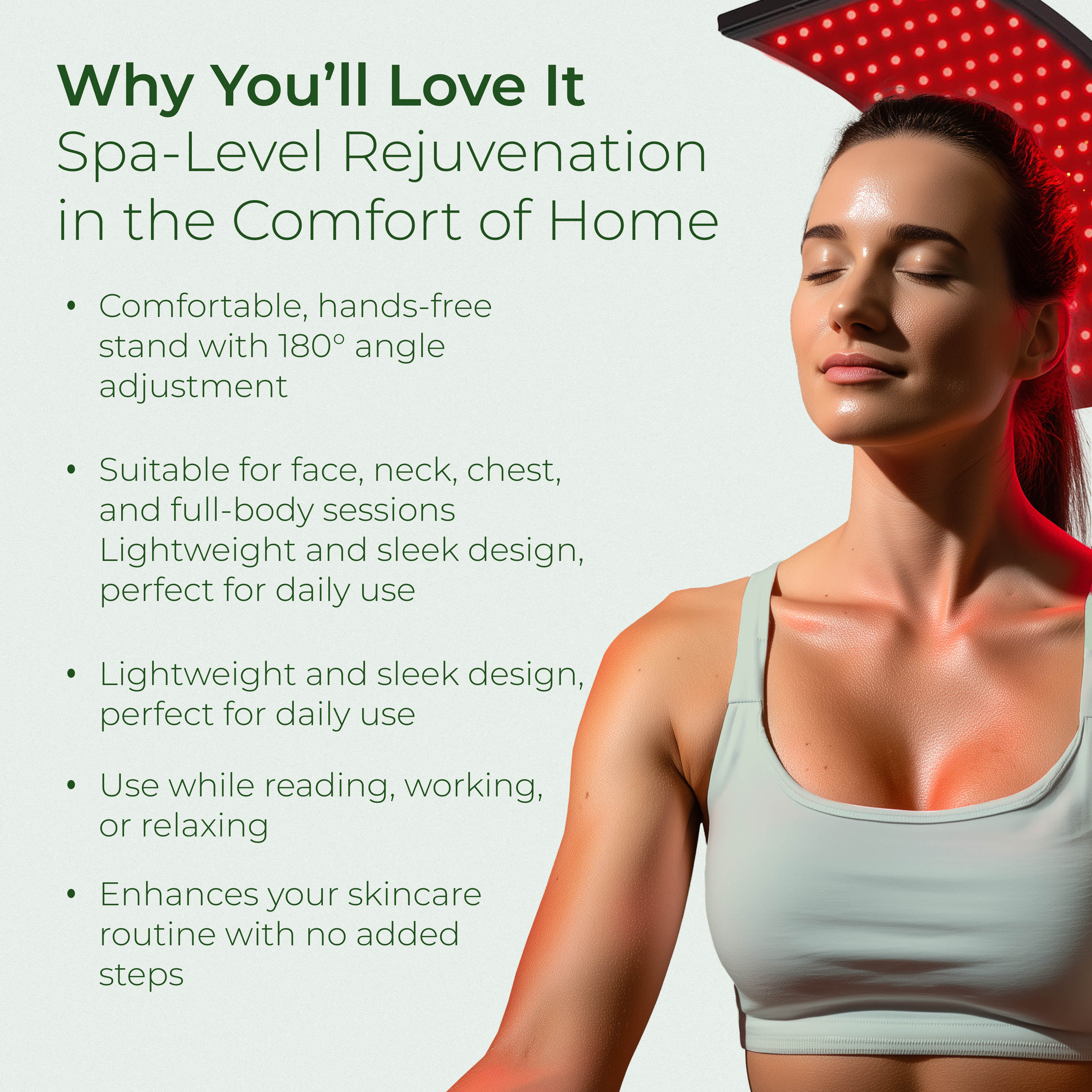
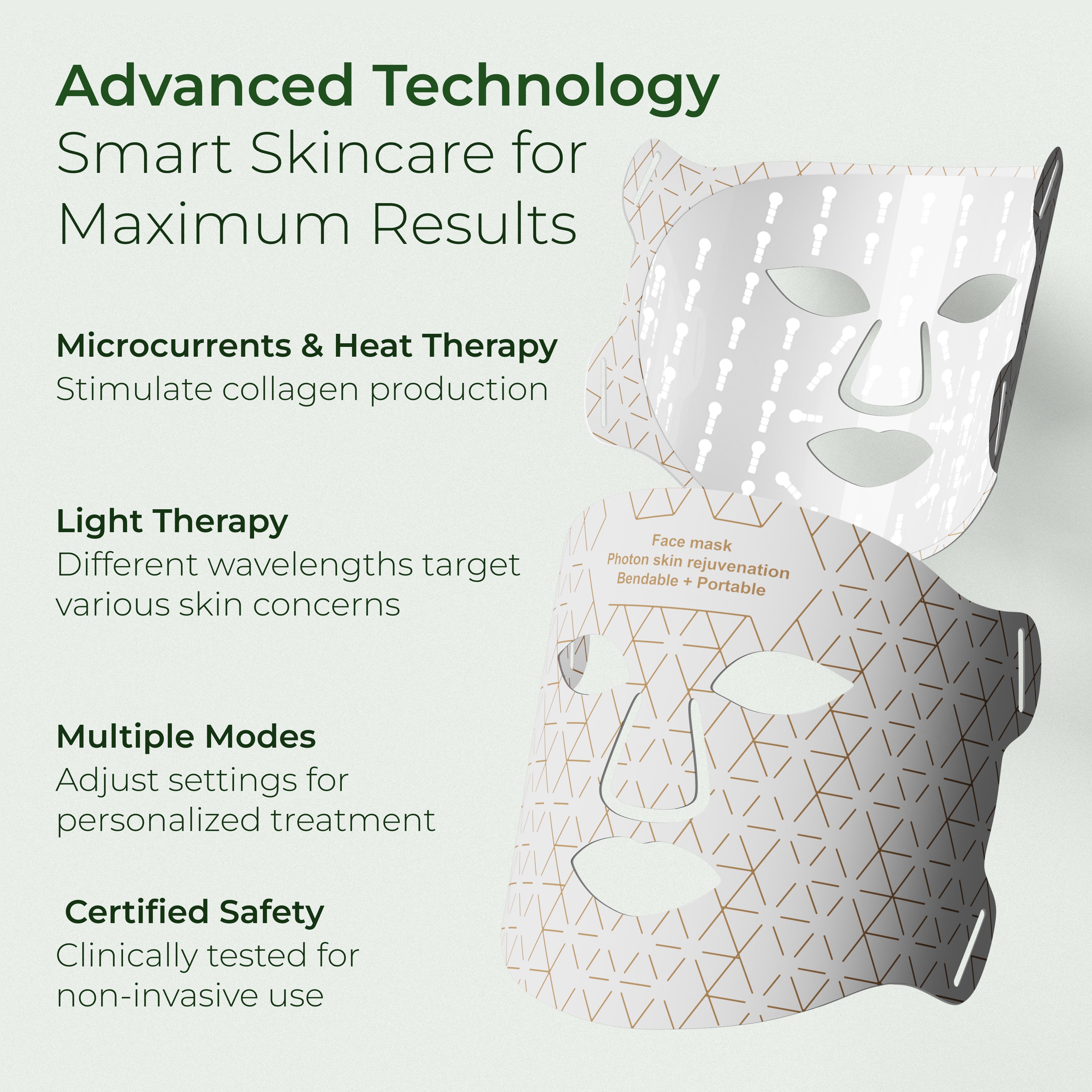
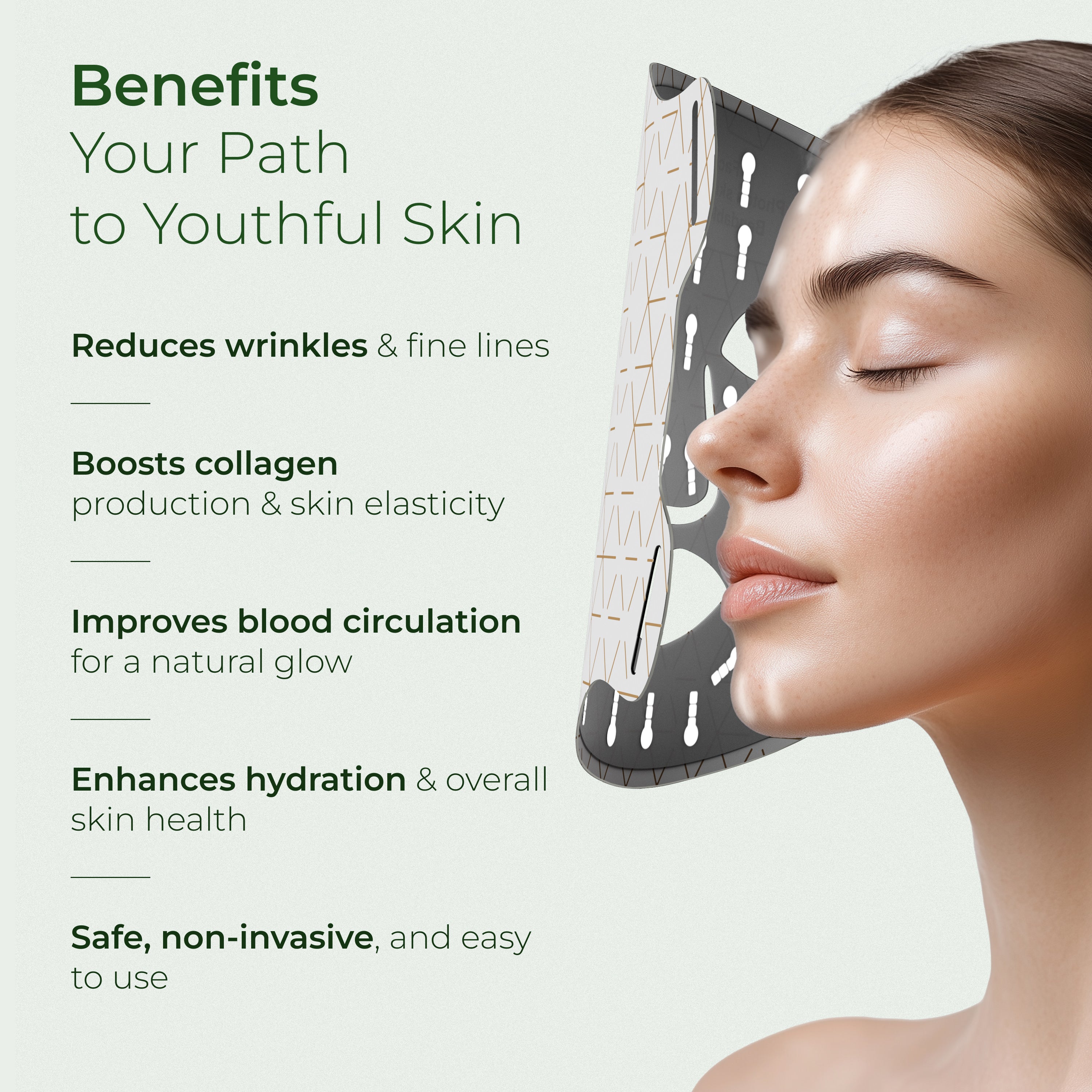
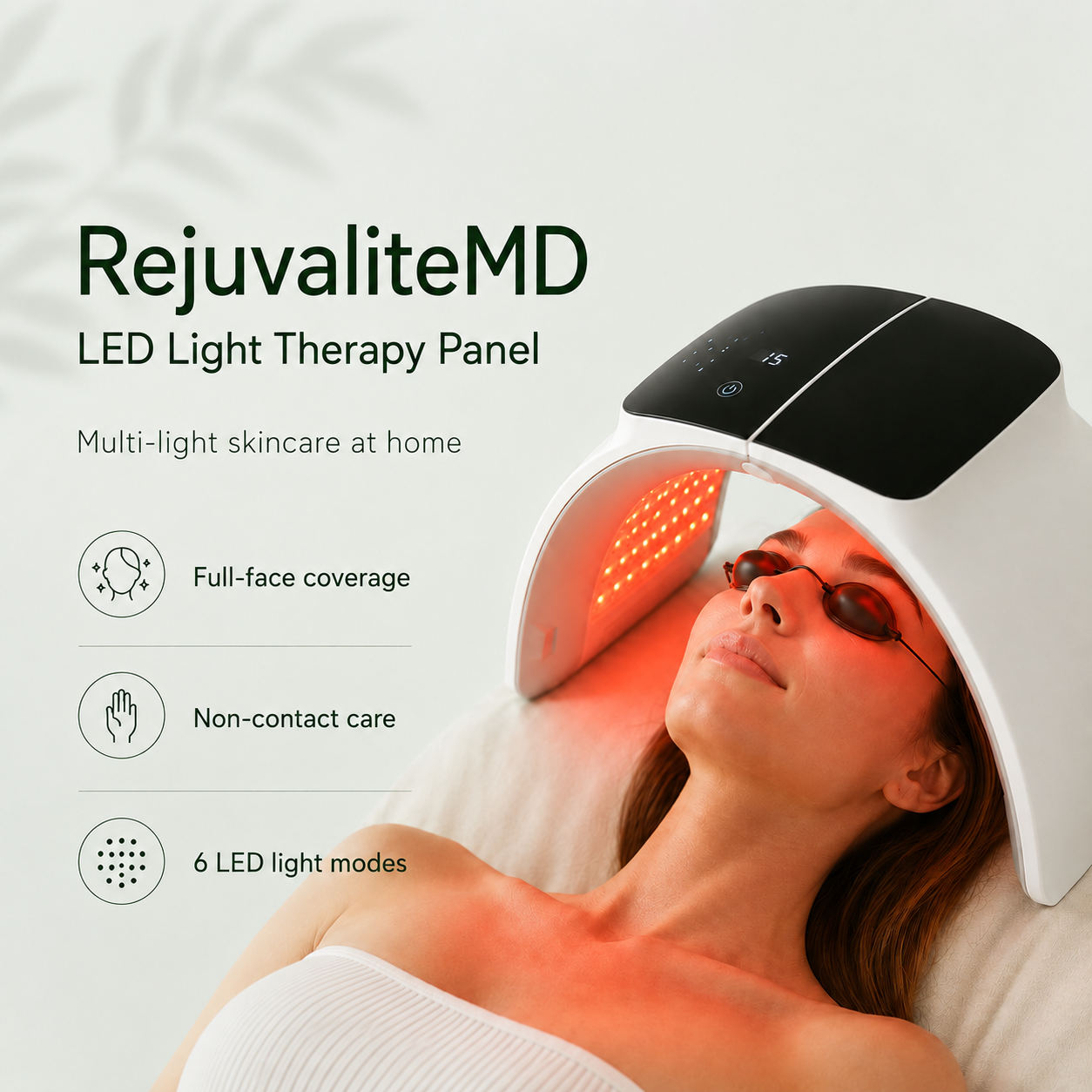
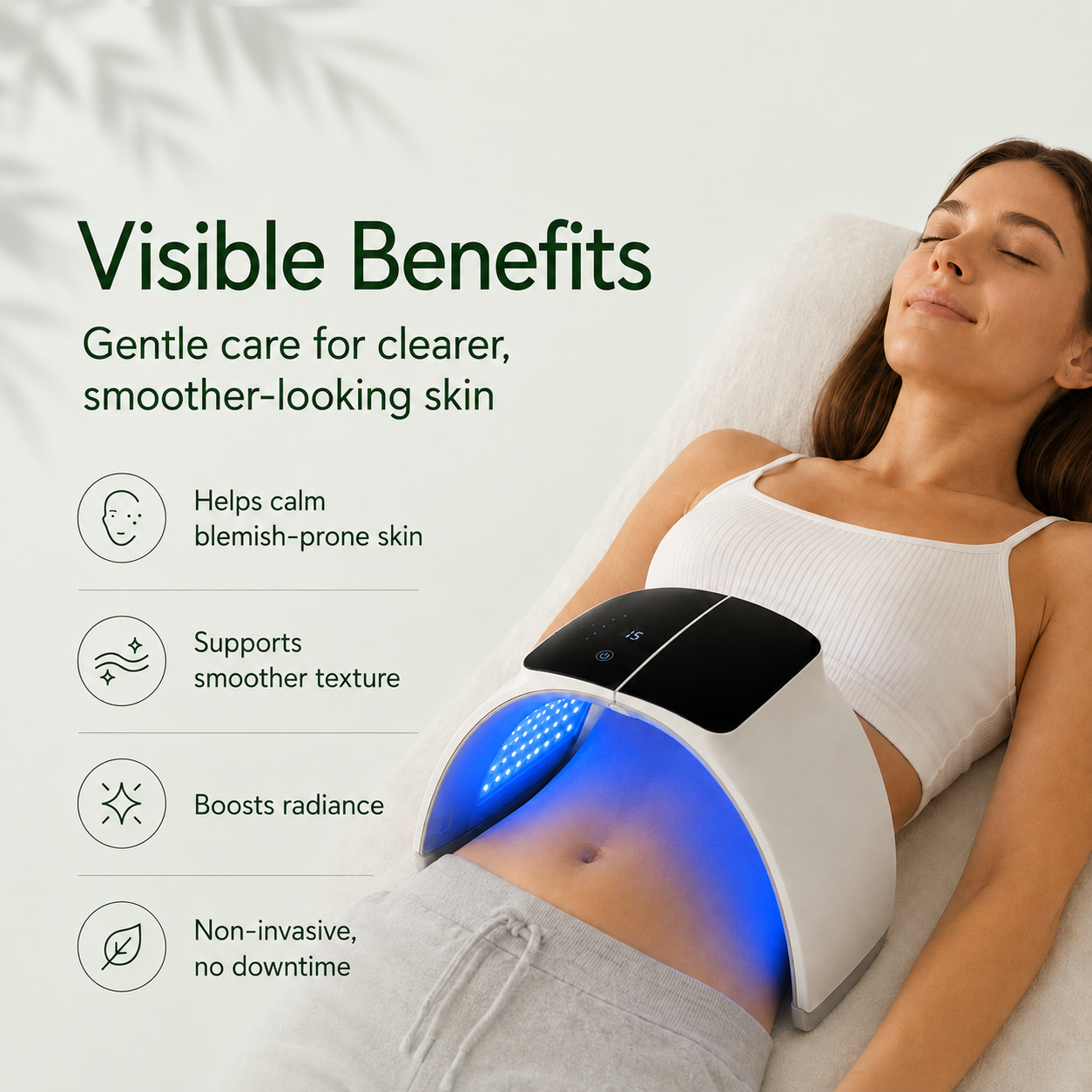
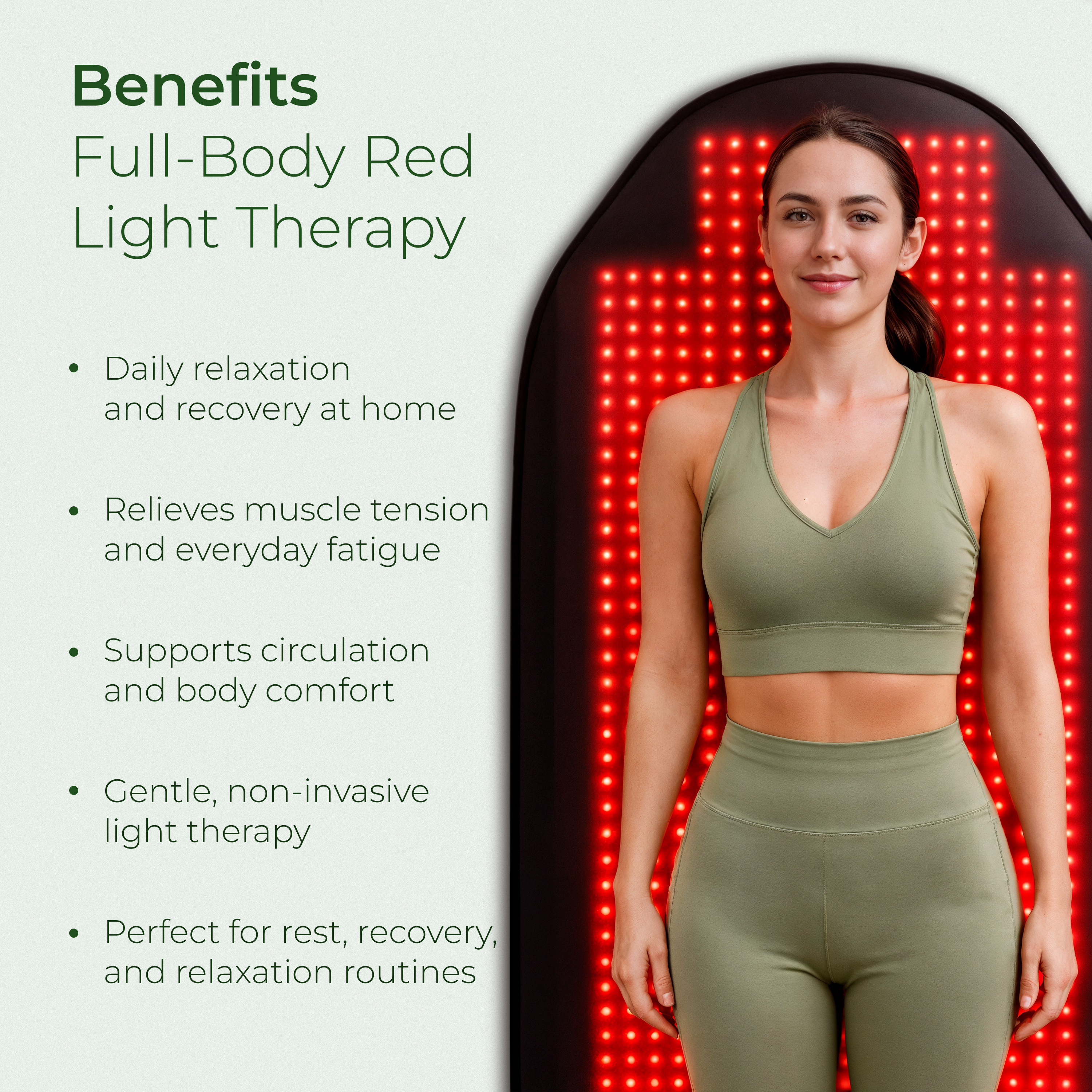
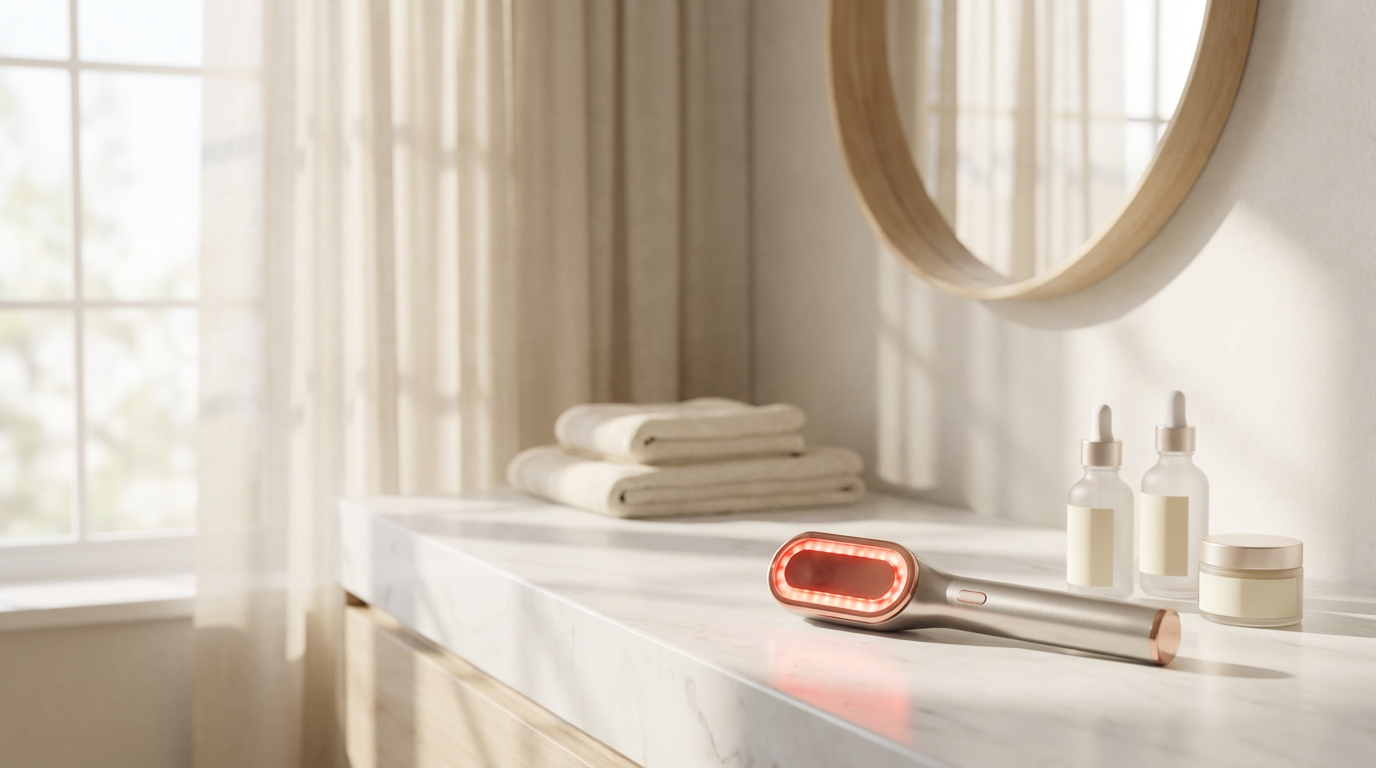
Quick Answer: Light treatment (phototherapy) uses specific wavelengths to trigger changes in skin cells. Red light (630-700nm) boosts collagen production, blue light (405-420nm) fights acne-causing bacteria, and near-infrared supports deep tissue healing. Once exclusive to clinics, these technologies are now available in safe, effective home devices.
Light therapy has evolved from a celebrity secret to an essential part of modern skincare routines. What was once exclusive to red carpets and dermatology offices now sits comfortably on bathroom shelves around the world.
The science behind phototherapy is elegant: when specific wavelengths touch your skin, they trigger cellular reactions that have been documented in thousands of peer-reviewed studies. NASA originally researched LED therapy for wound healing in astronauts—now you can harness the same technology at home.
🔬 What Is Light Treatment?
Phototherapy is beautifully simple: it uses specific wavelengths of light to help your body heal and regenerate. Your skin doesn't just passively receive light—it actively reacts to it. Different wavelengths penetrate to different depths, triggering distinct biological responses.

The magic happens through photobiomodulation. When light hits your cells, light-sensitive molecules called chromophores—especially cytochrome c oxidase in your mitochondria—absorb the energy. This triggers increased ATP production, reduced oxidative stress, and enhanced cellular communication.
Think of it as a wake-up call for your skin cells. This isn't marketing hype—thousands of peer-reviewed studies document these effects.
Pro Tip: NASA originally researched LED therapy for wound healing in astronauts. The same technology that helps astronauts recover in space is now available for your bathroom counter.
🌈 Types of Light Therapy for Skin
Understanding the different types of light therapy helps you choose the right approach for your specific skin concerns.
🔴 Red Light Therapy (630-700nm)
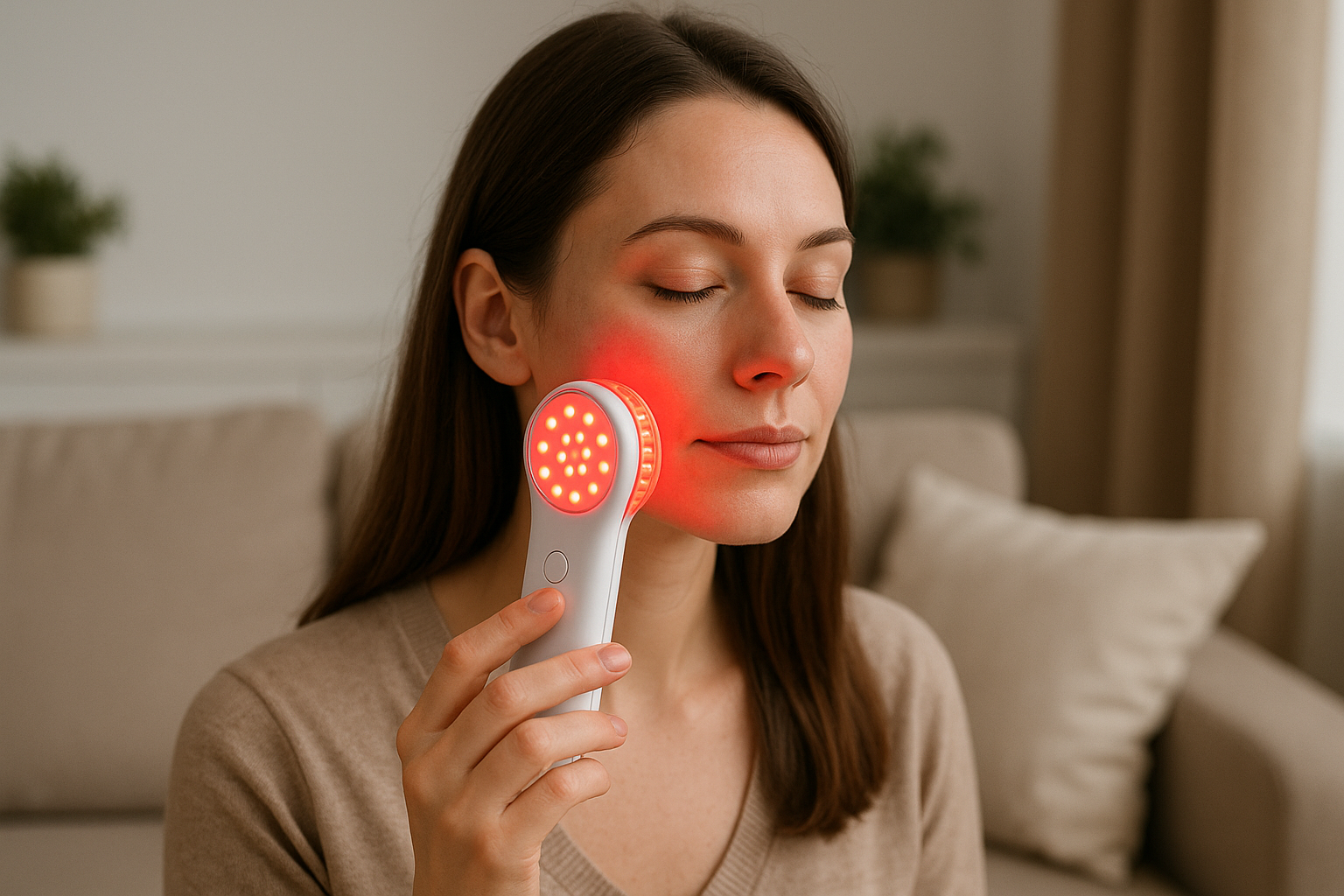
Red light penetrates into the dermis where collagen lives. It stimulates fibroblast activity, helping your skin produce more collagen naturally. The results? Improved texture, reduced fine lines, and a plumper appearance. Red light also accelerates wound healing and calms inflammation.
🔵 Blue Light Therapy (405-420nm)
Blue light works near the skin's surface, targeting Propionibacterium acnes bacteria. It activates porphyrins inside the bacteria, which then destroy them from within—without harming surrounding tissue. This makes blue light an excellent antibiotic-free alternative for acne treatment.
🟠 Near-Infrared Light (700-1000nm)
Near-infrared light lies beyond the visible spectrum and reaches deeper subcutaneous tissue. It complements visible light therapy by reducing inflammation and improving circulation in areas that visible light cannot reach.
⚡ UV Light Therapy (Medical Only)
UV light therapy remains a medical-only treatment, used under dermatologist supervision for conditions like psoriasis, eczema, and vitiligo. Home LED devices do not emit UV light—they use only safe, beneficial wavelengths.
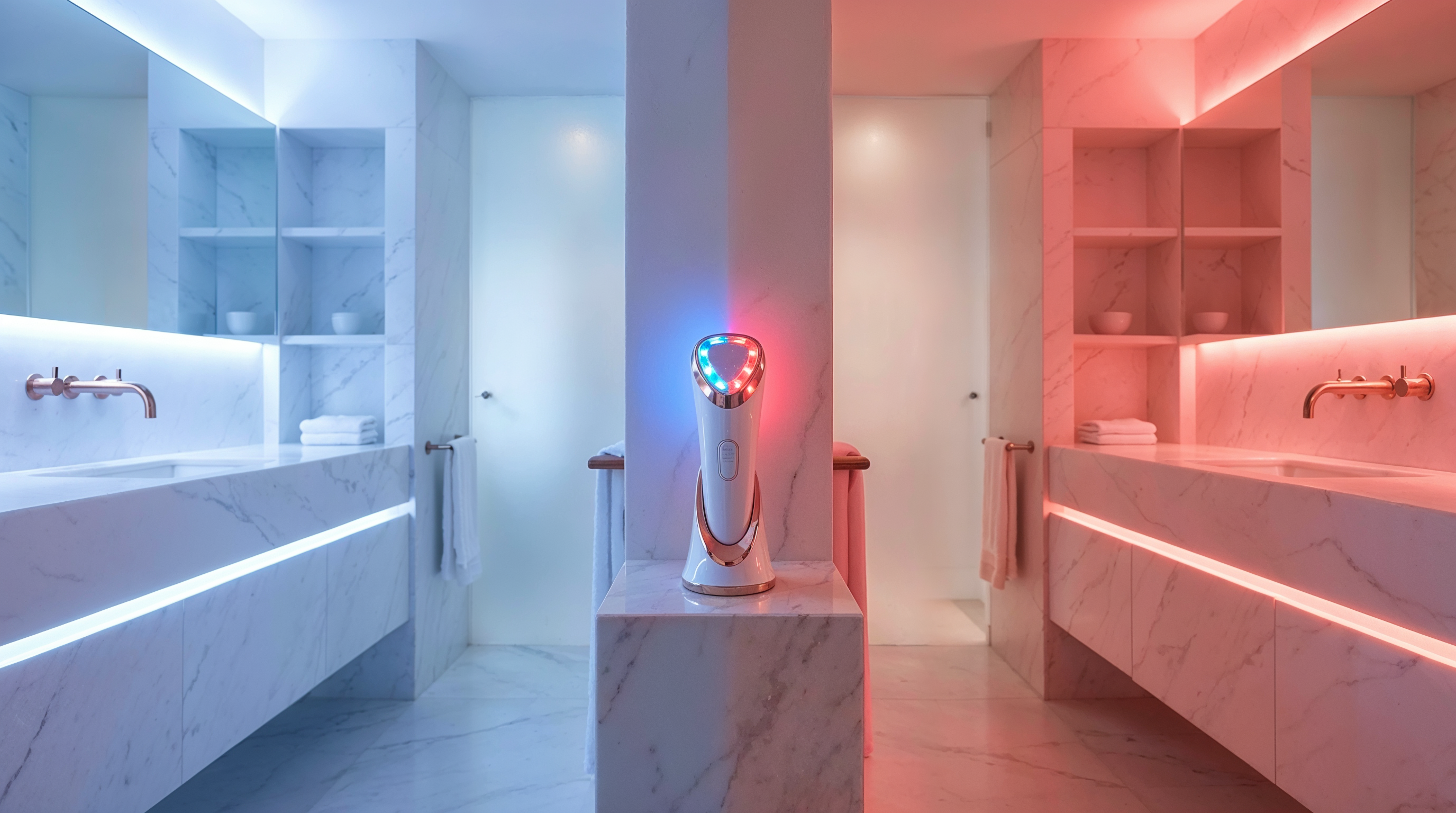
Choose your wavelength wisely: Red and near-infrared target anti-aging concerns (collagen, fine lines, healing). Blue light fights acne bacteria and improves skin clarity. UV therapy remains medical-only. Home devices use safe LED wavelengths with zero UV exposure.
✨ What Does Light Treatment Do to Your Skin?

At the cellular level, light therapy provides your cells with the tools they need for optimal function:
- Increased ATP production: More cellular energy for repair and renewal
- Improved circulation: Better oxygen and nutrient delivery, enhanced waste removal
- Reduced oxidative stress: Less free radical damage—a primary cause of aging
- Enhanced collagen synthesis: Stronger, more resilient skin structure
These cellular changes compound over time, bringing visible improvements: softer fine lines, smoother texture, more even tone. For acne sufferers, breakouts become less frequent and heal faster. Many people notice a healthy "glow" that comes from skin functioning at its best.
🏠 Light Therapy at Home vs. Professional Treatments
Can home devices match dermatology office results? Professional LED panels are more powerful and cover larger areas. A single in-office session can deliver the energy equivalent of several home treatments.
However, the gap has narrowed significantly. Quality home devices use the same LED technology and therapeutic wavelengths. What they lack in per-session intensity, they make up for with accessibility. You can use a home device 3-5 times per week, building cumulative benefits that may exceed occasional professional visits.
There's also the comfort factor. Light therapy in your bathroom becomes part of a relaxing self-care routine, offering consistency that clinic appointments simply cannot match.
Pro Tip: Think of professional treatments and home devices as complementary. An occasional professional session can jumpstart results, while consistent home use maintains and builds upon those gains.
⚠️ Common Mistakes to Avoid
Expecting instant miracles. Light therapy supports natural processes that need time to work. Think in weeks and months, not days.
Inconsistent use. Benefits compound over time with regular use. Sporadic sessions won't deliver the same results as a consistent routine.
Wrong product timing. Some ingredients like retinol can interact with light therapy. Always use devices on clean skin, then apply serums afterward.
Skipping eye protection. Even non-UV light can cause eye discomfort. Always use provided eyewear or keep eyes closed during treatment.
Mismatching wavelengths to goals. Red light won't clear acne; blue light won't boost collagen. Match your tool to your specific concern.
Important: If you have a history of skin cancer, take photosensitizing medications, or have eye conditions, consult your healthcare provider before starting light therapy.
📅 What to Expect: Your Light Therapy Timeline
Weeks 1-2
Skin may feel slightly softer. Some people experience minor purging as congestion surfaces—this typically clears quickly.
Weeks 3-4
Subtle but noticeable texture improvements. Blue light users often see a drop in new breakouts. The "glow effect" often begins here.
Weeks 6-8
Others start noticing improvements. Fine lines soften, tone evens out, acne frequency drops significantly.
Months 3-6
Compounded benefits. Collagen remodeling takes time but delivers the most significant anti-aging improvements during this period.
Patience pays off: Consistency for 8-12 weeks brings noticeable improvements. Maintenance sessions 2-3 times weekly help keep results long-term.
🛠️ How to Build Your Light Therapy Routine
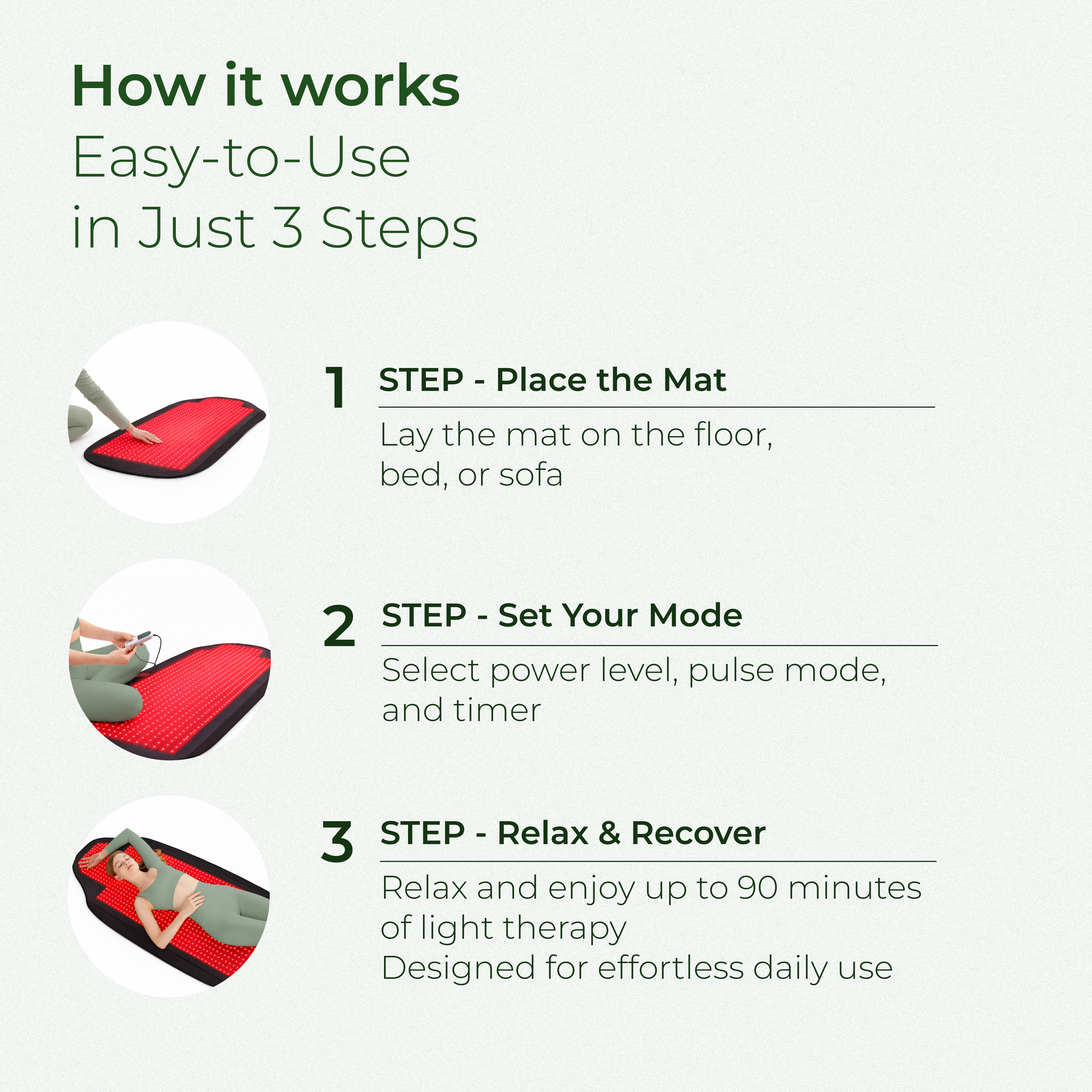
Recommended frequency: 3-5 sessions weekly during initial months, transitioning to 2-3 weekly for maintenance.
Pro Tip: Combine LED therapy with microdermabrasion for enhanced results. Exfoliation removes dead cells, allowing light to work on fresh, responsive skin underneath. Together, they produce better outcomes than either treatment alone.

💚 How TrophySkin Can Help
TrophySkin's LED light therapy devices deliver professional-grade wavelengths optimized for home use. With medical-grade LEDs, built-in timers, and comprehensive treatment guides, they take the guesswork out of achieving radiant, healthier skin.
Explore LED Collection →❓ Frequently Asked Questions

Light treatment isn't magic—it's science you can harness at home. The same wavelengths that researchers study in laboratories are now accessible on your bathroom counter. Choose a quality device, stay consistent, be patient, and let your skin reveal its natural radiance.
⚕️ Medical Disclaimer
This article is for educational purposes only and does not replace professional medical advice. Consult a board-certified dermatologist before starting any new skincare regimen, especially if you have existing skin conditions or take medications that may cause photosensitivity.

Leave a comment
This site is protected by hCaptcha and the hCaptcha Privacy Policy and Terms of Service apply.