

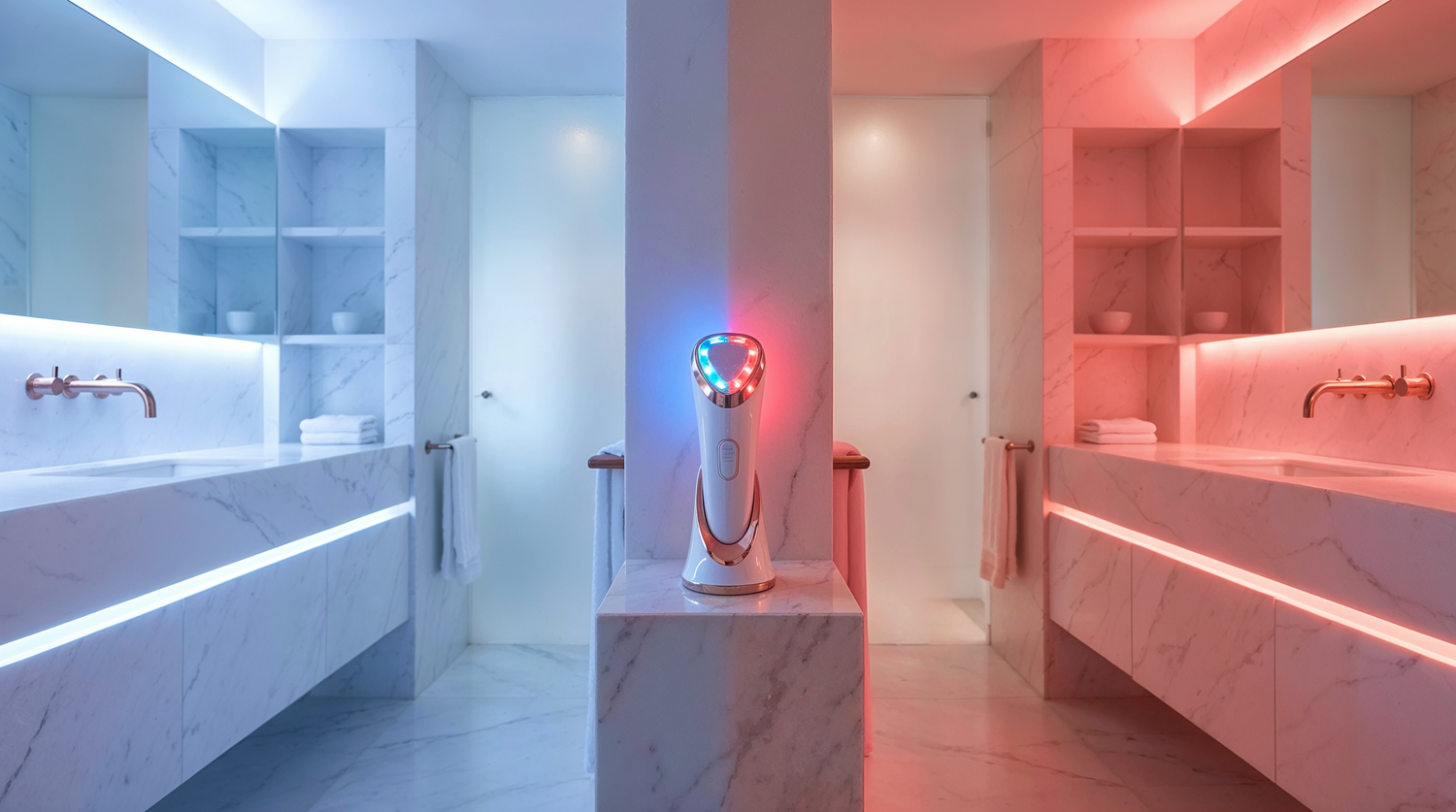
Quick Answer: Blue light therapy (405-420nm) kills acne-causing bacteria and works best for breakouts and oily skin. Red light therapy (630-850nm) penetrates deeper, stimulates collagen production, and reduces fine lines — ideal for anti-aging. Many people benefit from using both: blue light clears active acne while red light promotes healing and prevents scarring.
Choosing between blue light therapy and red light therapy is like standing in front of a paint swatch wall — both options look promising, but which one actually fits your skincare routine? The good news: for many people, red and blue light therapy isn't an either-or choice. They can work together beautifully.
Red light therapy and blue light therapy treat different skin concerns through distinct mechanisms. Red light works at a deeper level in the dermis, while blue light targets the surface where acne bacteria live. Understanding these differences helps you get real results and avoid wasting time on the wrong treatment.
Let's break down what each type of light does, when to use each one, and how to combine them for the best results at home.
What's the Real Difference Between Red and Blue Light Therapy?
The fundamental difference is wavelength. Wavelength determines how deep the light penetrates into tissue and which cellular processes it triggers. Think of wavelength like a radio frequency — different wavelengths carry different signals and reach different destinations within your skin.
Red Light Therapy: The Anti-Aging Powerhouse
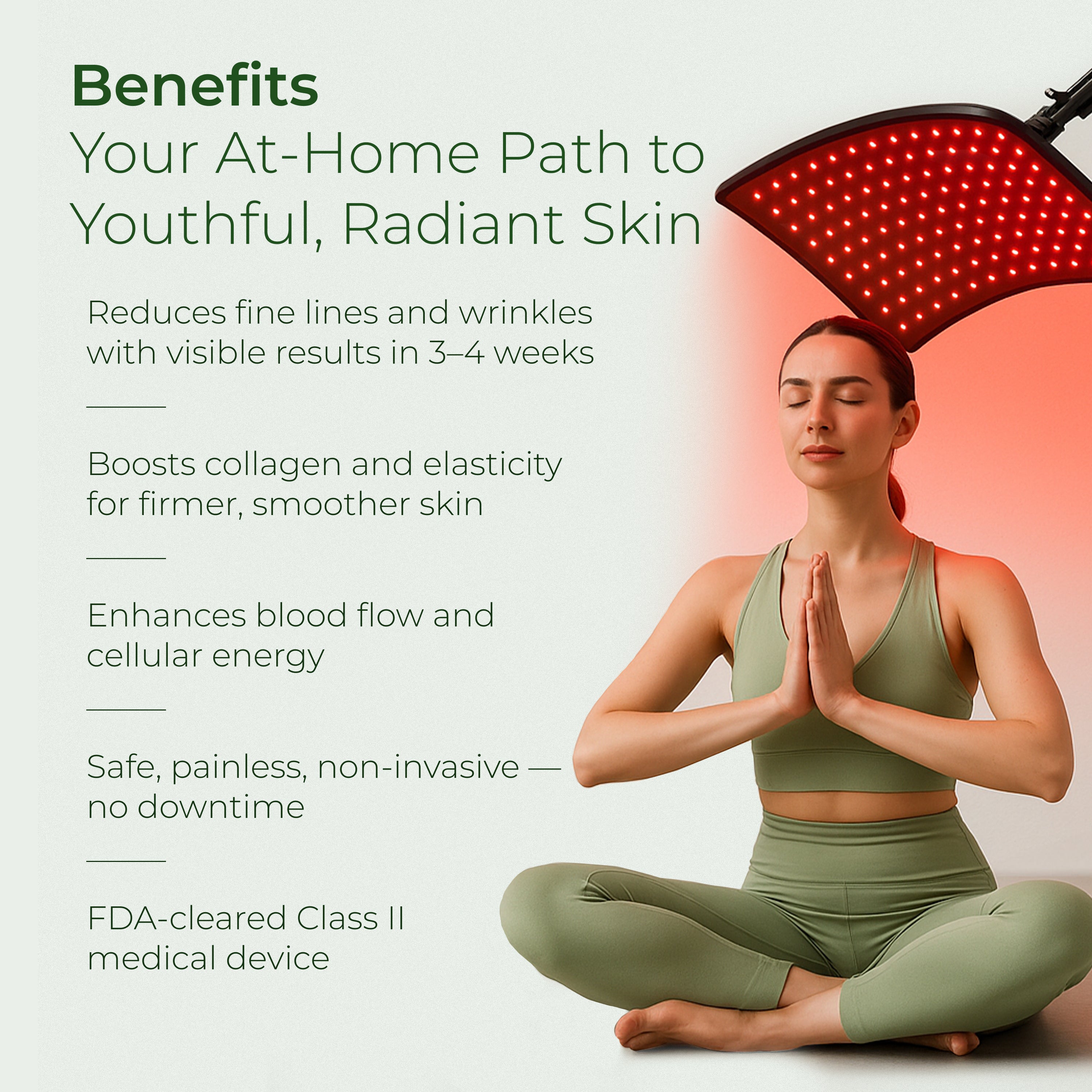
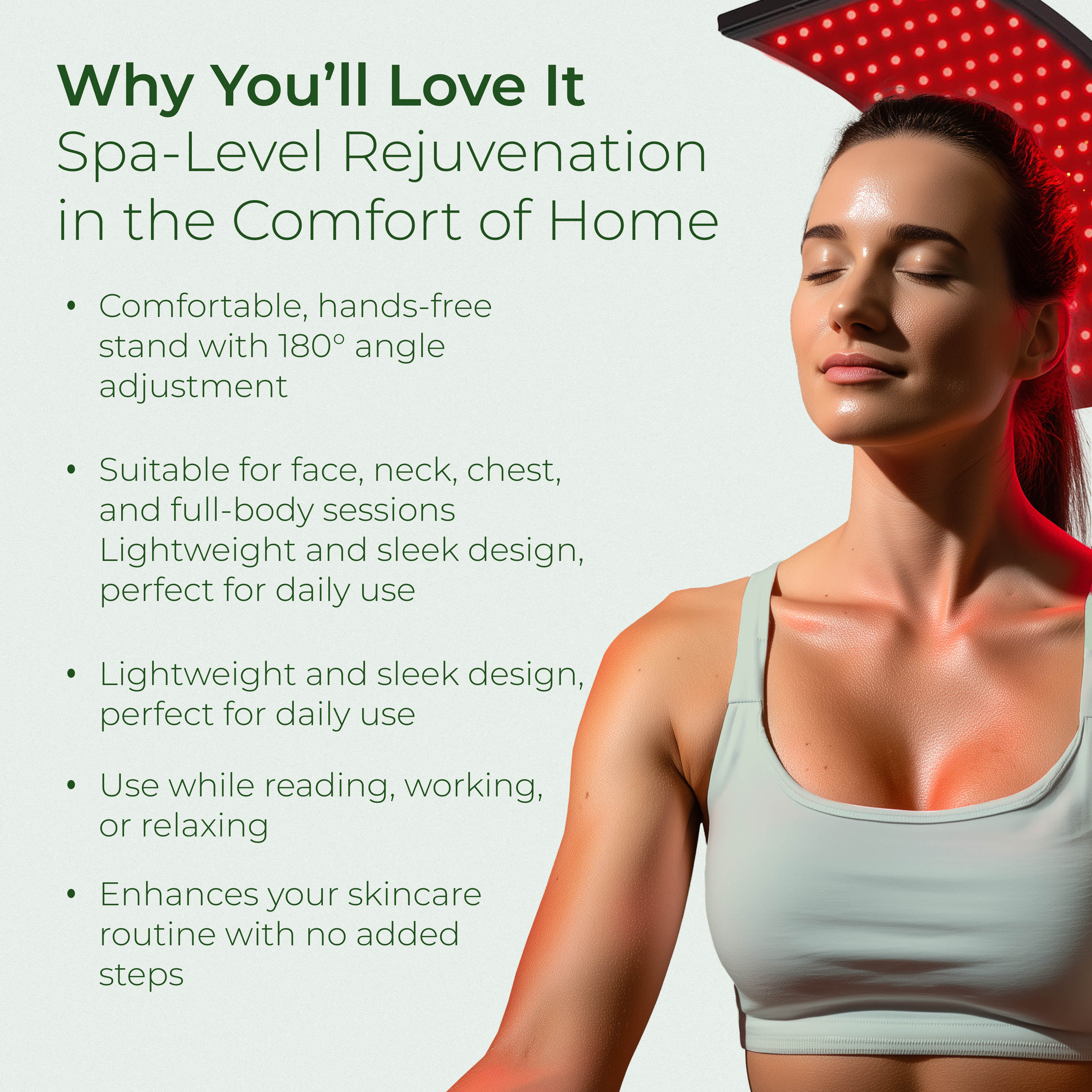
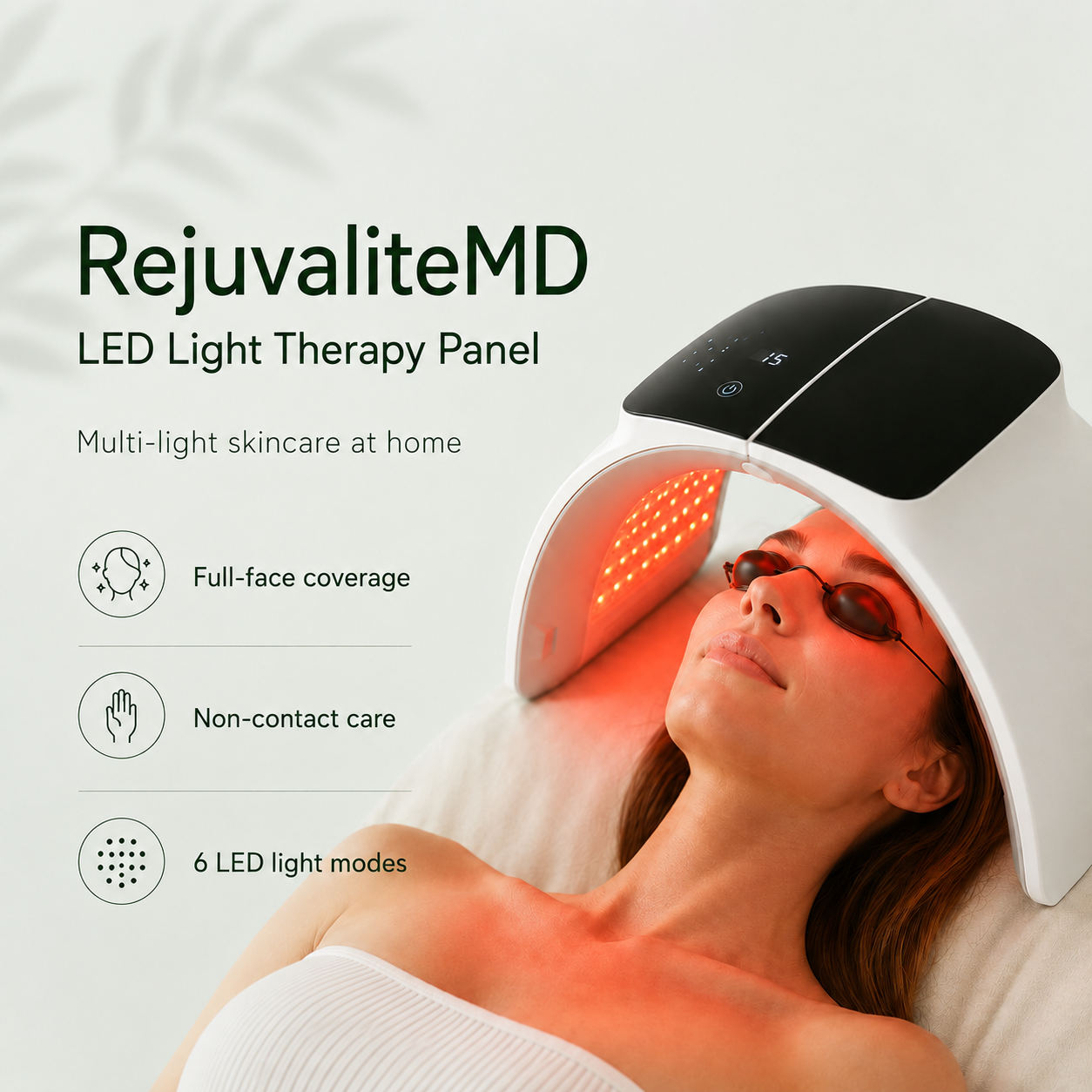
Red light therapy uses wavelengths between 630 and 700 nanometers, with some devices extending into the near-infrared range up to 850 nanometers. These longer wavelengths penetrate beyond the surface to reach the dermis — where collagen and elastin live.
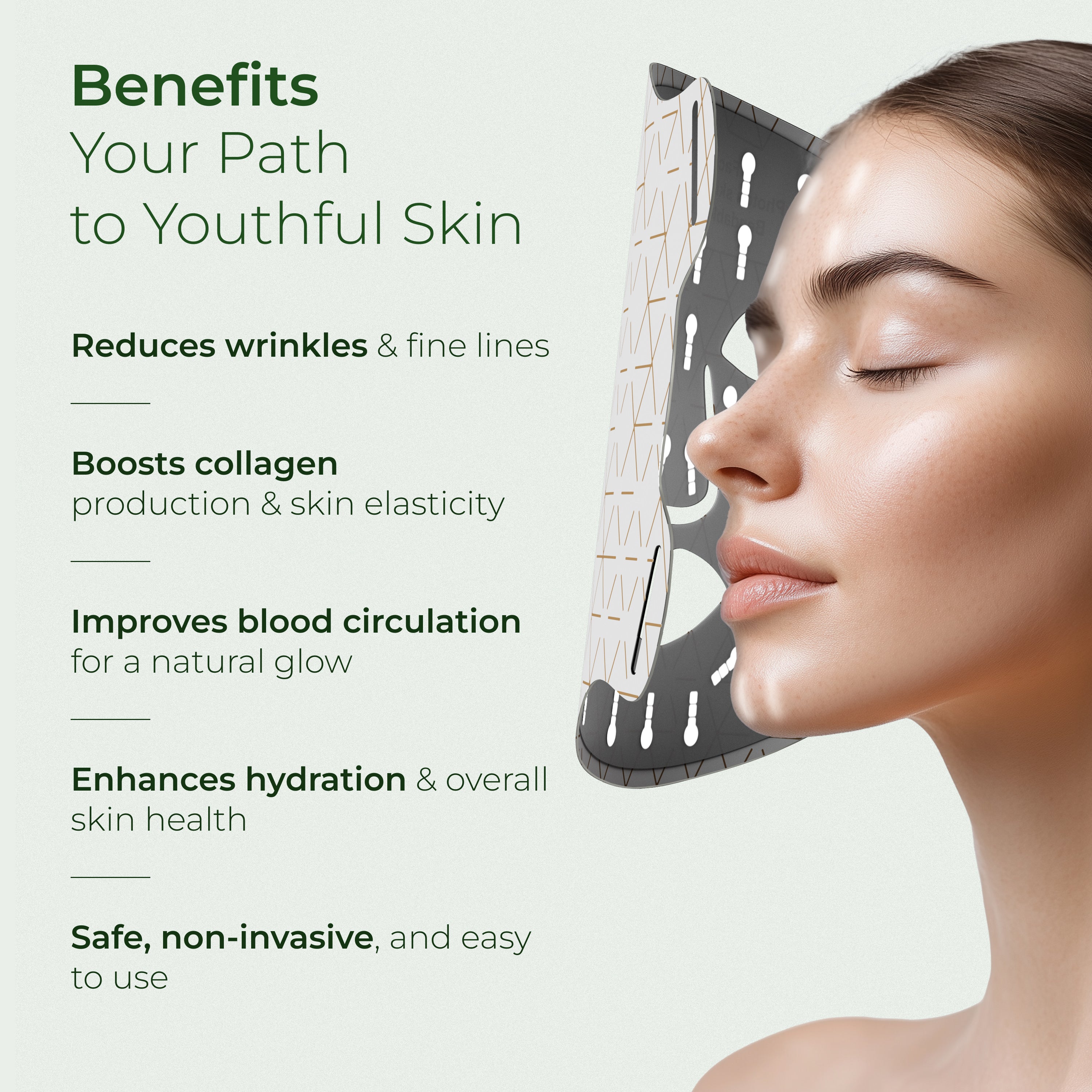
When red light reaches skin cells, the mitochondria (the energy factories inside each cell) absorb it and produce more ATP. This cellular fuel powers collagen synthesis, tissue repair, and inflammation reduction. The visible results include smoother texture, fewer fine lines, improved skin tone, and faster healing. Red light also calms redness and irritation, making it beneficial for rosacea and post-procedure recovery.
Blue Light Therapy: Your Acne-Fighting Ally
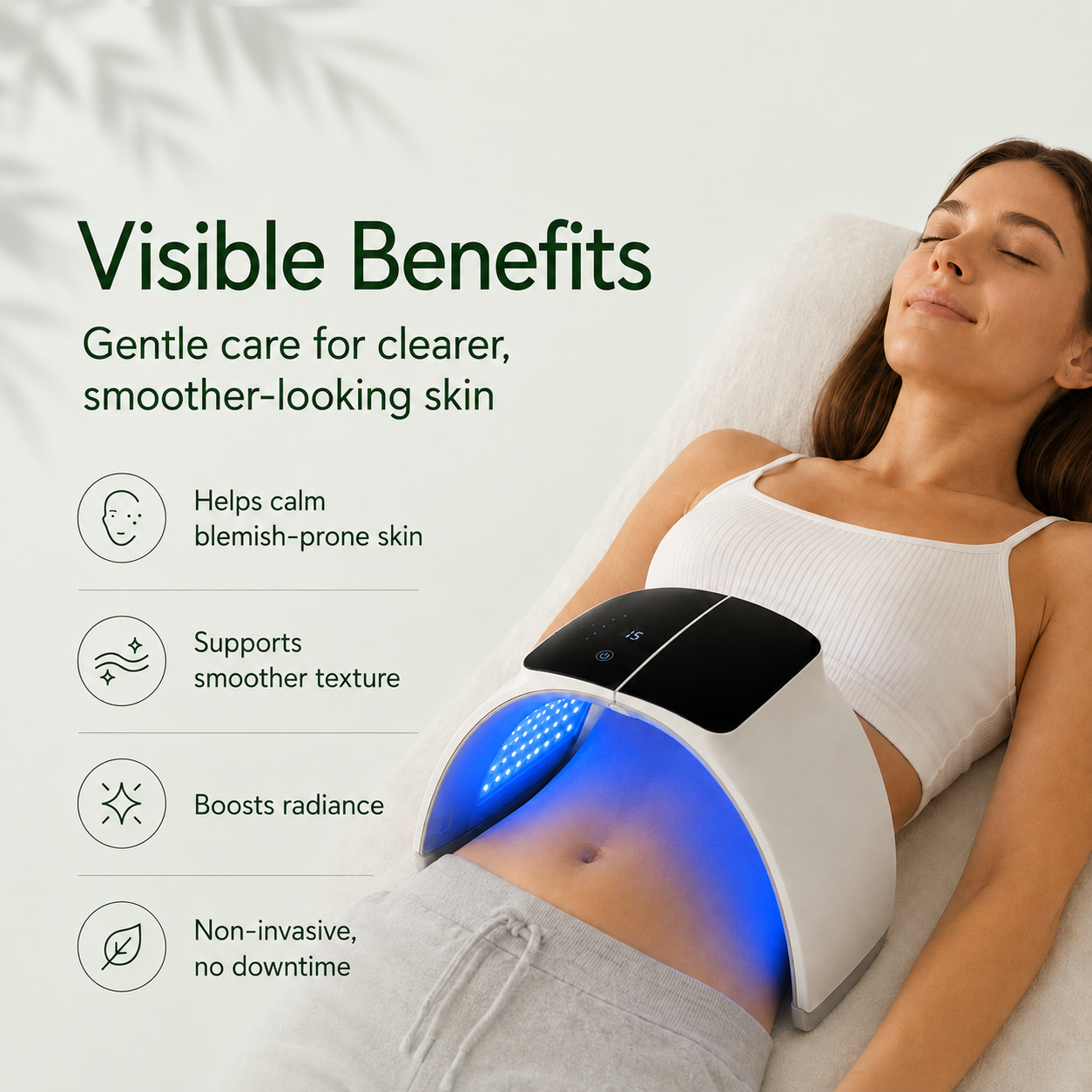
Blue light operates at wavelengths between 405 and 420 nanometers. It doesn't penetrate as deeply as red light — and that's precisely the point. Blue light stays near the surface where it can target Propionibacterium acnes, the bacteria responsible for inflammatory acne.
These bacteria produce porphyrin as part of their metabolism. When blue light hits porphyrin, it triggers a photochemical reaction that destroys the bacteria from the inside out. No antibiotics, no harsh topicals — just light triggering a natural self-destruct mechanism. Blue light also helps regulate sebum production over time, addressing one of the root causes of acne rather than just treating symptoms.
How Red Light and Blue Light Really Work on the Skin

Understanding the mechanism helps you use each light more effectively and set realistic expectations for what each can achieve.
Red Light: Deep Cellular Renewal
Red and near-infrared light reaches fibroblasts — the cells responsible for producing collagen, elastin, and hyaluronic acid. The light energy triggers a cascade of cellular activity: increased blood flow brings more oxygen and nutrients to the area, while elevated ATP production gives fibroblasts the fuel they need for repair and regeneration.
This isn't a surface-level treatment. The changes happen at the cellular level, and results build gradually over weeks and months. Red light therapy doesn't mask problems — it improves the underlying structure of your skin. Research shows consistent red light therapy can increase collagen density by up to 31% over 12 weeks.
Pro Tip: Red light therapy works best on clean, bare skin. Remove makeup and skip serums before treatment — you want nothing blocking the light from reaching your cells. Apply your skincare routine after the session.
Blue Light: Bacteria-Targeting Precision
The porphyrins in acne bacteria absorb blue light and convert it into reactive oxygen species — molecules that damage bacterial cell membranes and DNA. Within days, the bacterial population in your pores drops significantly.
What makes blue light particularly valuable is that bacteria can't develop resistance to it the way they can with antibiotics. The mechanism is physical, not chemical — there's no adaptation over time. This makes blue light a sustainable long-term solution for acne-prone skin, not just a temporary fix.
Blue light also has anti-inflammatory effects, helping calm existing breakouts while preventing new ones. Some studies suggest it may help normalize oil production over time, though this effect requires consistent use.
Key Takeaway: Red light penetrates deep, stimulates collagen, and supports tissue repair. Blue light stays at the surface and eliminates acne bacteria. They're not competitors — they're complementary tools that address different concerns.
Which Should You Choose: Red Light or Blue Light?
Your primary skin concern determines which wavelength to prioritize. Here's a clear breakdown:
Choose red light therapy if you're dealing with:
- Fine lines and wrinkles
- Loss of firmness or elasticity
- Dull, tired-looking skin
- Post-inflammatory marks from old breakouts
- Redness, rosacea, or irritation
- Slow-healing skin or wounds
- Sun damage or uneven texture
Choose blue light therapy if you're dealing with:
- Active inflammatory acne (red, swollen pimples)
- Frequent breakouts on chin, cheeks, or forehead
- Oily skin with clogged pores
- Mild to moderate acne that hasn't responded to topicals
- Hormonal acne patterns
Here's what most articles won't tell you: many people need both. If you have acne and you're starting to notice fine lines, or if you've struggled with breakouts that leave marks behind, combination therapy often delivers the best results. Blue light clears active acne while red light heals the damage and prevents scarring.
Can You Use Red and Blue Light Therapy Together?

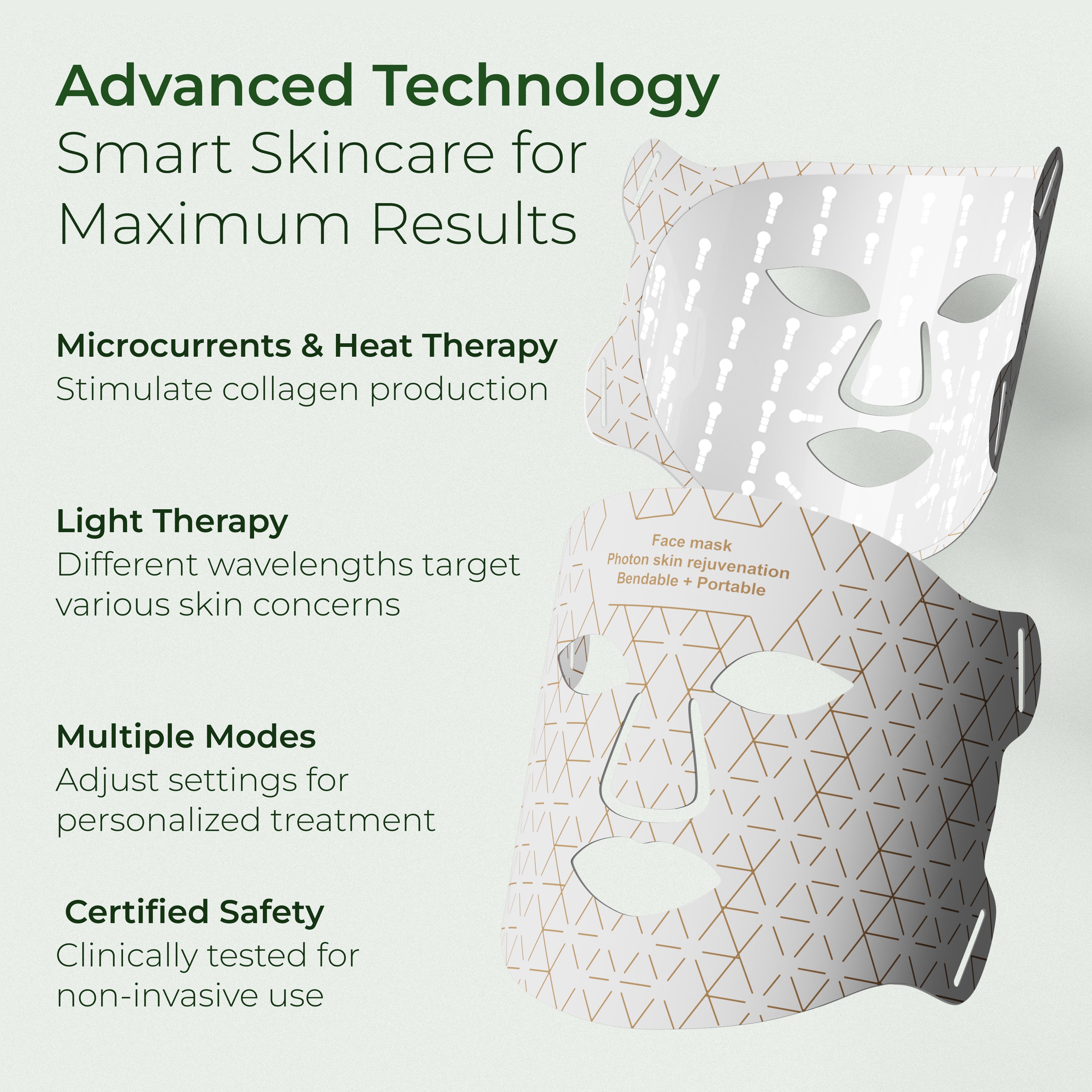
Absolutely — and in many cases, you should. The two wavelengths don't interfere with each other. They work on different targets at different depths, so using them together or in sequence can address multiple concerns simultaneously.
The Power of Combination Therapy
Research on combination red and blue light therapy shows impressive results for acne. Clinical studies found that patients using both wavelengths saw greater improvement than those using either light alone. Blue light kills bacteria and reduces breakouts, while red light calms inflammation, speeds healing, and helps prevent the dark marks that often follow pimples.
For aging skin with occasional breakouts — increasingly common as hormones shift in your 30s and 40s — combination therapy is often the ideal approach. You're not choosing between clear skin and preventing wrinkles; you're addressing both.
How to Layer Red and Blue Light Treatments
There are two effective approaches:
Sequential treatment: Start with blue light to target bacteria, then follow with red light to reduce inflammation and promote healing. This order works because blue light clears bacteria first, and red light supports recovery afterward. Wait a minute or two between wavelengths to let your skin settle.
Alternating days: Use blue light one day and red light the next. This works well when treatments are longer or when you prefer to focus on one concern at a time. Some people find their skin responds better to dedicated single-wavelength sessions.
Pro Tip: If you have inflamed acne, start with blue light exclusively for 2-3 weeks until the worst breakouts calm down. Then add red light sessions to support healing and prevent future breakouts from leaving marks.
Common Mistakes to Avoid with LED Light Therapy
LED light therapy is remarkably safe, but certain habits can undermine your results. Here are the most common pitfalls:
Inconsistency is the biggest issue. LED therapy works by building cumulative effects over time. Skipping sessions or using your device sporadically won't give cells the consistent stimulus they need for visible changes. Three sessions per week, every week, beats seven sessions in one week followed by nothing.
Holding the device too far from skin reduces intensity dramatically. Light intensity drops significantly with distance. For optimal results, keep the device 1-2 inches from your face — holding it at arm's length delivers only a fraction of the therapeutic dose.
Treating through makeup or heavy skincare blocks light penetration. Oils, silicones, and pigments interfere with treatment. Cleanse your face and skip serums before sessions; apply your skincare routine afterward.
Expecting overnight results leads to disappointment. LED therapy isn't a quick fix — it's a long-term investment. Collagen takes weeks to build; bacterial populations need time to decrease significantly. Commit to 4-6 weeks of consistent use before evaluating results.
Using the wrong wavelength for your concern wastes time. Blue light won't help wrinkles; red light won't kill acne bacteria. Match your treatment to your actual problem.
Important: If you're using photosensitizing medications — including retinoids, certain antibiotics, or some acne treatments — consult your dermatologist before starting LED therapy. These medications increase light sensitivity and may require adjusted treatment protocols.
What Results to Expect (And When)
Setting realistic expectations helps you stay committed through the early weeks when changes are happening beneath the surface but aren't yet visible.
Red Light Therapy Timeline
Weeks 1-2: Skin feels slightly smoother and more hydrated. Some people notice a subtle glow from increased circulation and improved cellular hydration. These are real changes, though not yet structural.
Weeks 3-4: Inflammation and redness improve visibly. If you had irritation or sensitivity, it may start calming down. Skin texture feels noticeably smoother.
Weeks 6-8: Collagen production shows visible results. Fine lines appear softer, skin feels firmer, and tone looks more even. Each session builds on the last.
Week 12+: Significant structural improvement. Studies show measurable increases in collagen density after 12 weeks of consistent use. At this point, you're maintaining and building on established results.
Blue Light Therapy Timeline
Week 1: Existing pimples come to a head faster and heal more quickly. You may experience mild purging as bacteria die off and congestion clears.
Weeks 2-3: Fewer new breakouts appear. Overall inflammation decreases and skin looks calmer.
Weeks 4-6: Acne frequency and severity decrease significantly. Pores appear smaller as congestion clears. Oiliness often reduces.
Ongoing: Blue light works best as maintenance therapy. After clearing active acne, 2-3 sessions per week helps prevent recurrence.

Frequently Asked Questions
Can I use red light therapy and blue light therapy on the same day?
Yes, you can use both in the same session. Many dermatologists recommend starting with blue light to target bacteria, then following with red light to reduce inflammation and support healing. Alternatively, you can alternate days if you prefer longer single-wavelength sessions.
How often should I do LED light therapy at home?
Most devices recommend 3-5 sessions per week. Consistency matters more than frequency — three sessions every week delivers better results than daily use for one week followed by nothing. Always follow your specific device's guidelines, as power levels and session lengths vary.
Is LED light therapy safe for all skin types?
LED light therapy is generally safe for all skin types and tones. Unlike some laser treatments, it doesn't carry hyperpigmentation risks for darker skin tones. However, if you have a photosensitivity condition or are taking photosensitizing medications, consult your dermatologist first.
Will blue light therapy make my acne worse before it gets better?
Some people experience a brief purging phase during the first week as bacteria die off and clogged pores clear. This typically resolves within 7-10 days. If irritation continues or worsens, reduce frequency and consult a skincare professional if it persists.
Can LED light therapy replace my skincare products?
LED therapy complements your skincare routine rather than replacing it. Think of it as an enhancement that works at the cellular level while your cleansers, moisturizers, and SPF continue protecting the surface. The combination often produces better results than either approach alone.
How long do LED light therapy results last?
LED therapy builds cumulative results that persist as long as you maintain treatments. If you stop completely, skin gradually returns to baseline over several months. Most people find that 1-2 maintenance sessions per week preserves their results effectively.
Is at-home LED therapy as effective as professional treatments?
Professional devices are typically more powerful, but home devices compensate through more frequent use over time. Regular at-home treatment can achieve results comparable to occasional professional sessions. The key is consistency — weeks and months of steady use.
Making Your Choice
The question isn't really "red light versus blue light" — it's understanding what your skin needs right now. If active acne is your primary concern, start with blue light. If aging and firmness are your focus, red light is your tool. And if you're dealing with both (which describes most of us at some point), combination therapy offers the most comprehensive approach.
What matters more than choosing the "perfect" wavelength is consistency. A modest device used regularly will outperform an expensive one sitting in a drawer. Pick the treatment that matches your primary concern, commit to using it 3-4 times per week, and give it at least six weeks before judging results.
Your skin is capable of remarkable renewal when given the right support. Light therapy simply provides the stimulus — your cells do the actual work of rebuilding, healing, and regenerating. Trust the process, stay consistent, and the results will follow.

Medical Disclaimer: This article is for informational purposes only and does not constitute medical advice. LED light therapy results vary by individual. If you have a skin condition, are pregnant, have epilepsy, or are taking photosensitizing medications, consult a healthcare professional before beginning any light therapy treatment. TrophySkin devices are intended for cosmetic use only.

Leave a comment
This site is protected by hCaptcha and the hCaptcha Privacy Policy and Terms of Service apply.