

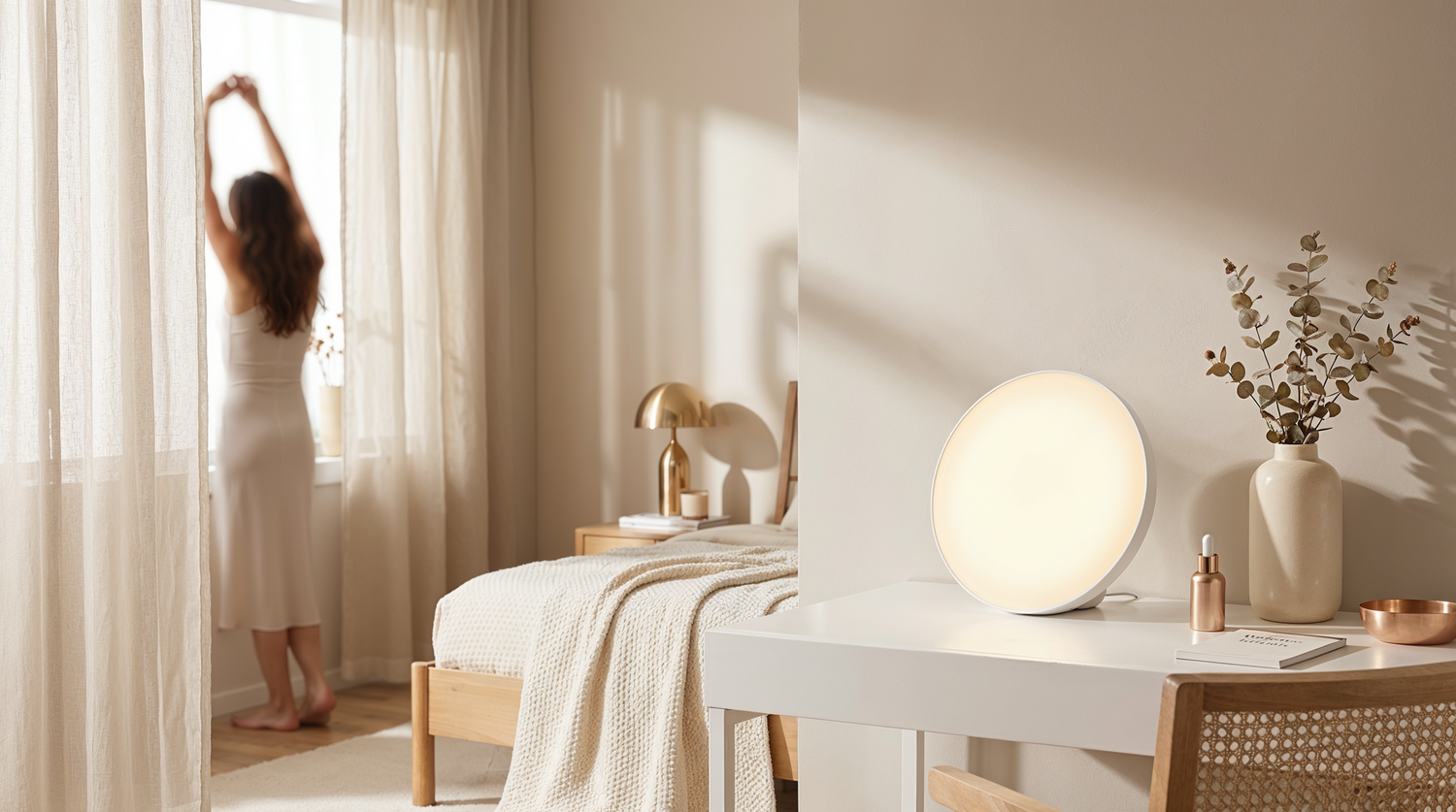
Quick Answer: The best light therapy lamps depend on your goals. For depression and energy, bright light boxes delivering 10,000 lux work best. For skincare, anti-aging, and wrinkles, LED devices in the 630-850nm range stimulate collagen production. Many wellness enthusiasts use both types as part of a complete self-care routine.
Searching for the best light therapy lamps can feel overwhelming. The market offers SAD lamps, red light panels, infrared devices, and portable wands—each promising different benefits. Most guides don't tell you that light therapy lamps aren't one-size-fits-all. The lamp that helps your coworker beat winter blues might do nothing for your fine lines.
We've spent years helping people understand the science behind skincare technology. Light therapy sits at the crossroads of mood, energy, and skin health. Choosing the right device means understanding what each type of light actually does for your body.
What Are Light Therapy Lamps & How Do They Work?
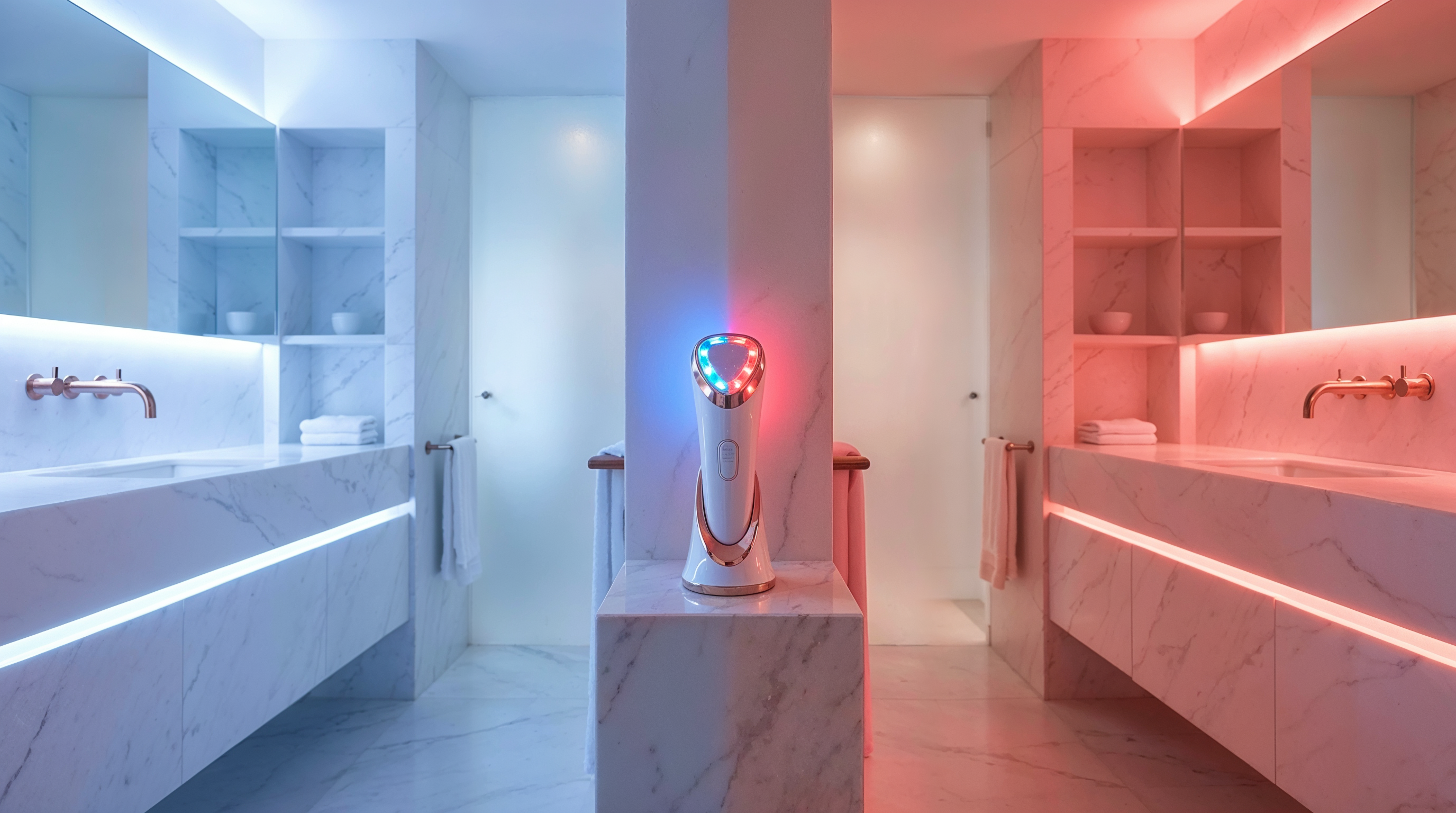
Light therapy uses specific wavelengths of light to trigger beneficial responses in your body. Here's the key insight: different wavelengths do completely different things. A bright light box for seasonal affective disorder works on your brain's circadian system, while a red light therapy panel works directly on your skin cells and mitochondria. Same concept—entirely different mechanisms.

Bright Light Therapy (10,000 Lux) — For Mood and Energy
Traditional light therapy boxes emit bright white or blue-enriched light at approximately 10,000 lux. They mimic natural sunlight, signaling your hypothalamus to regulate melatonin and serotonin production. The results? Better sleep cycles, improved mood, and more daytime energy. Doctors commonly recommend these for seasonal affective disorder, jet lag, and circadian rhythm disruptions.
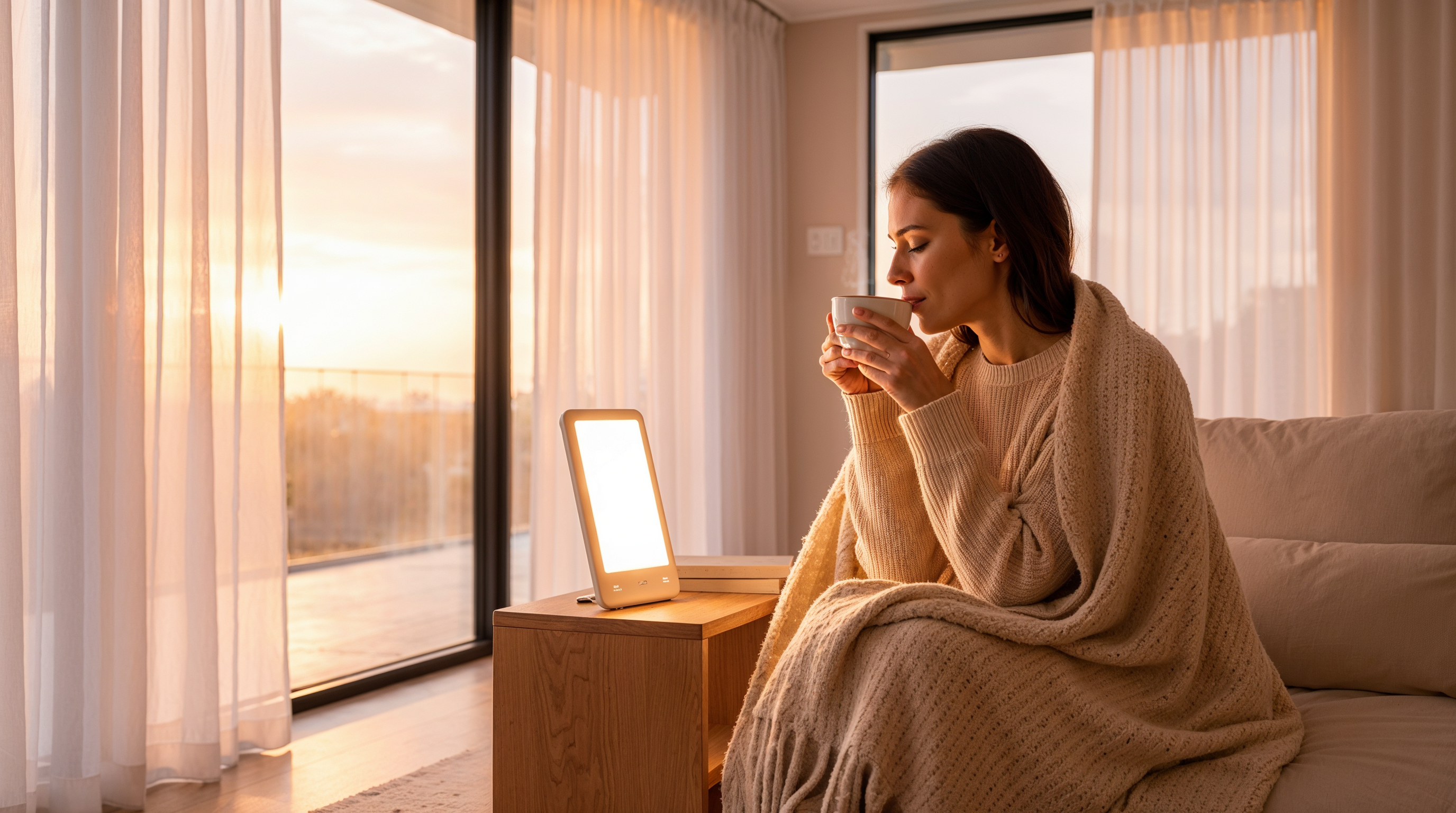
Using a bright light box follows a specific routine. Position it at arm's length in the morning and sit with it for 20-30 minutes while eating breakfast or checking email. The light doesn't need to touch your skin—it works through your eyes (though you shouldn't stare directly at it).
Red Light Therapy (630-850nm) — For Skin and Healing
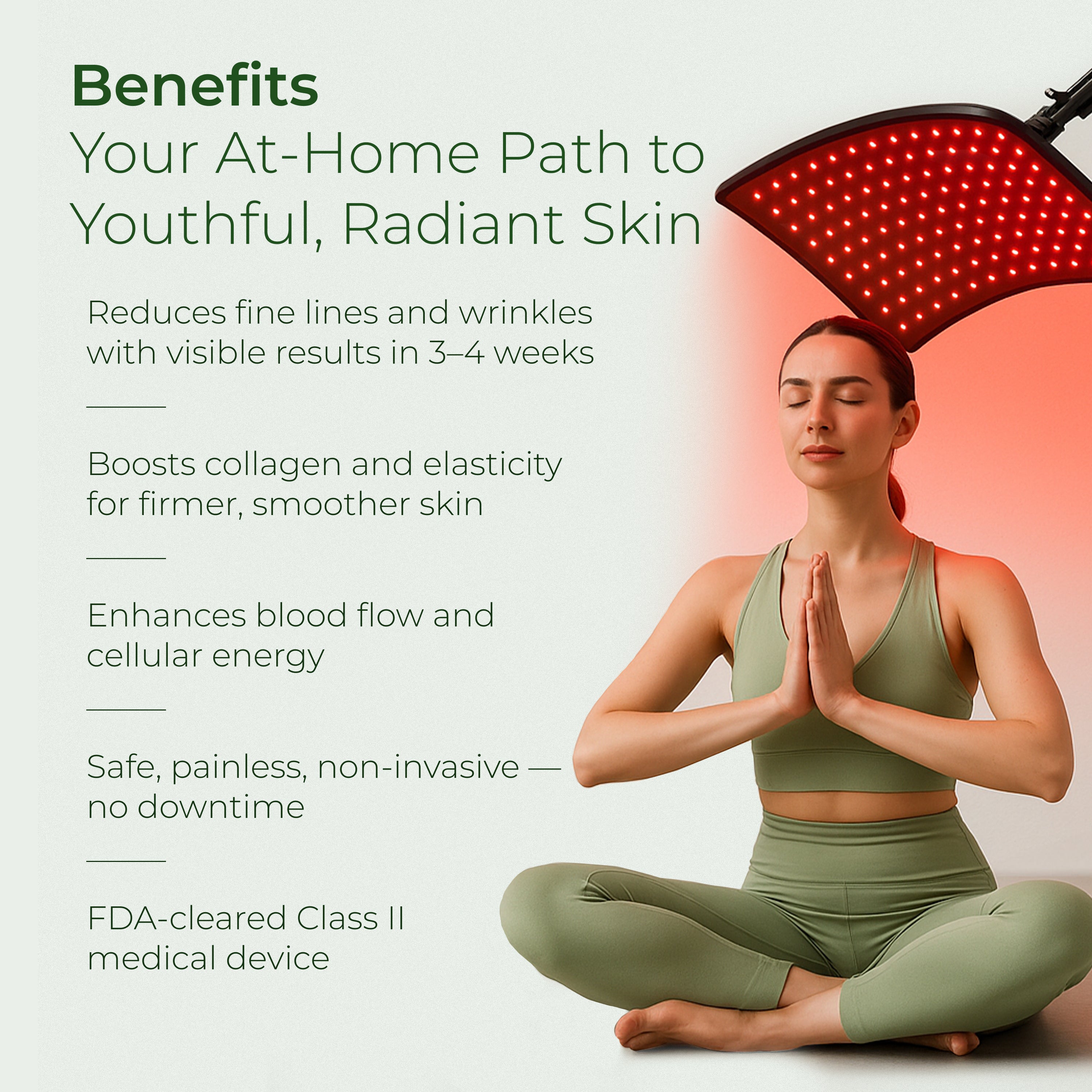
Red light therapy operates in a completely different wavelength range. Devices emit light between 630 nanometers (visible red) and 850 nanometers (near-infrared, invisible to the eye). This light penetrates your skin where mitochondria—the cellular powerhouses—absorb it. The result is increased ATP production, giving cells more energy for repair, regeneration, and collagen synthesis.
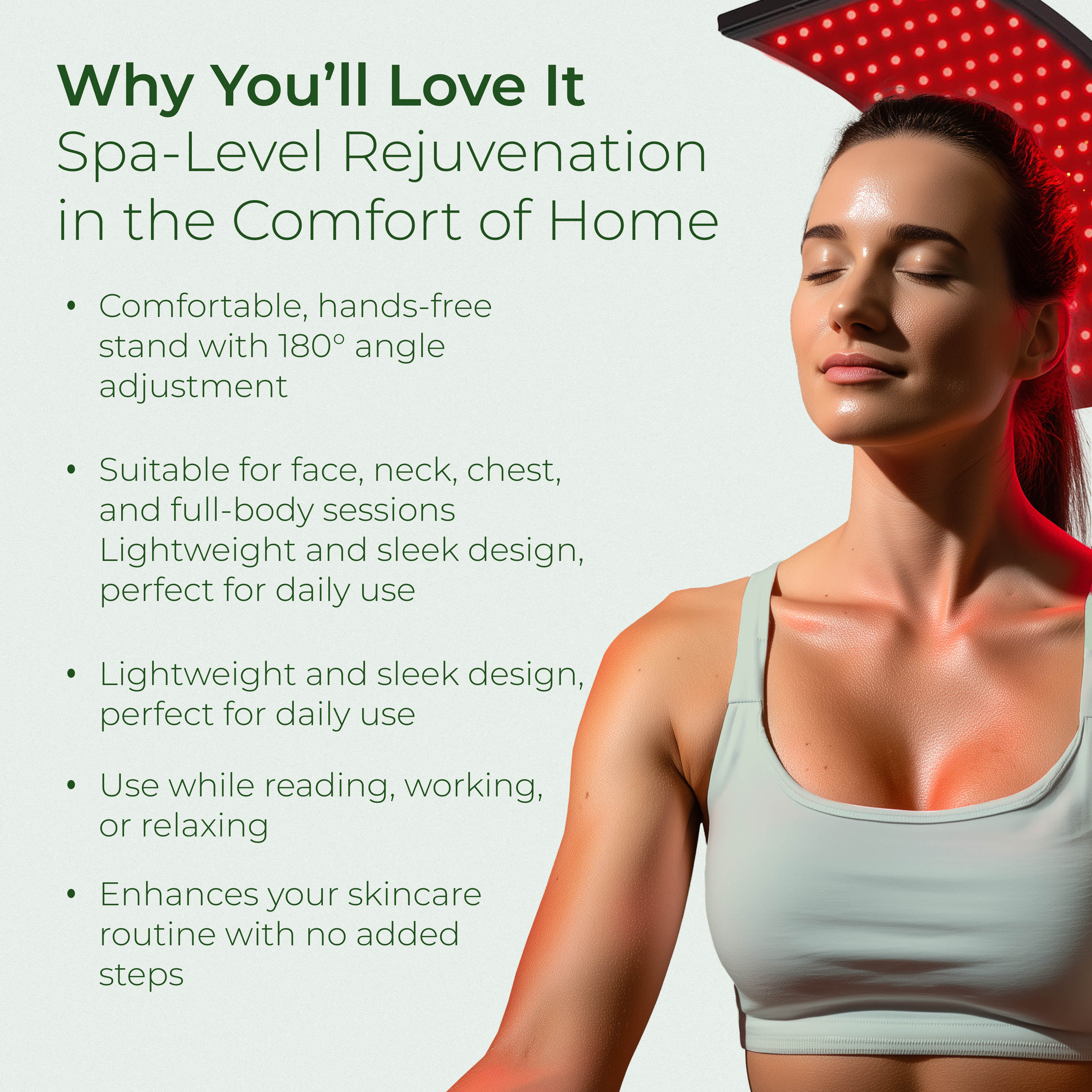
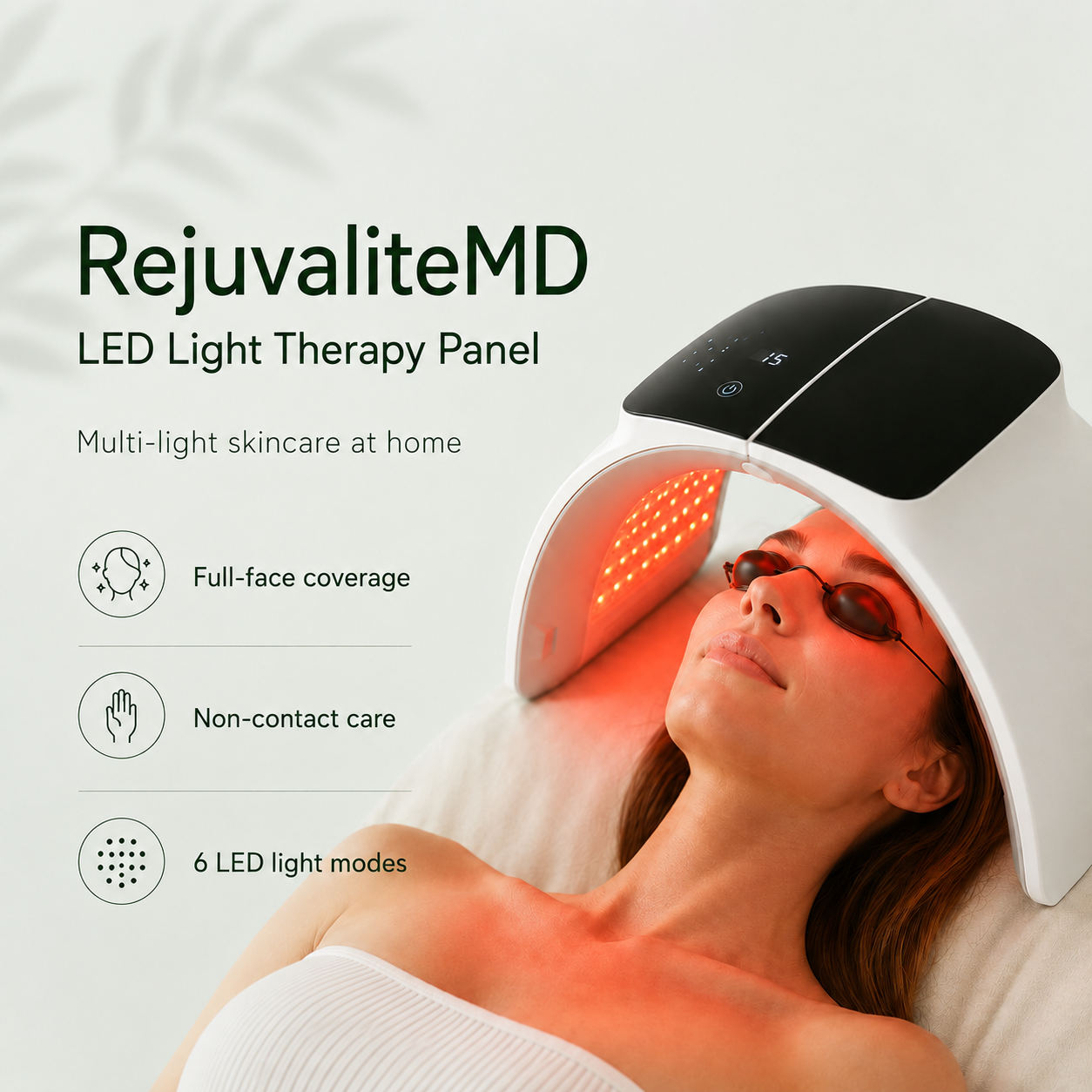
Unlike SAD lamps, red light therapy devices need to be close to or touching your skin. Sessions typically run 10-20 minutes and can happen morning or evening. The best facial devices combine both 630nm and 850nm wavelengths, providing both surface-level benefits and deeper tissue penetration.
Pro Tip: Many wellness enthusiasts use both types of light therapy together. Bright light in the morning boosts mood and energy, while red light therapy in the evening supports skin benefits. These treatments complement rather than compete with each other.
Best Light Therapy Lamps by Category
Let's break down what to look for across different use cases. Your goals determine which device makes sense.
Best for Seasonal Depression (SAD)
For fighting winter blues and seasonal affective disorder, you need a device delivering 10,000 lux at a comfortable distance. Look for UV-filtering to protect your eyes, adjustable brightness settings, and a large enough surface area that you don't have to sit uncomfortably close. Desktop models fit naturally into morning routines.
Quality SAD lamps typically cost $40-$150. The technology is straightforward, so even affordable options work well. The key is consistent daily use during darker months.
Best Red Light Therapy Device for Face
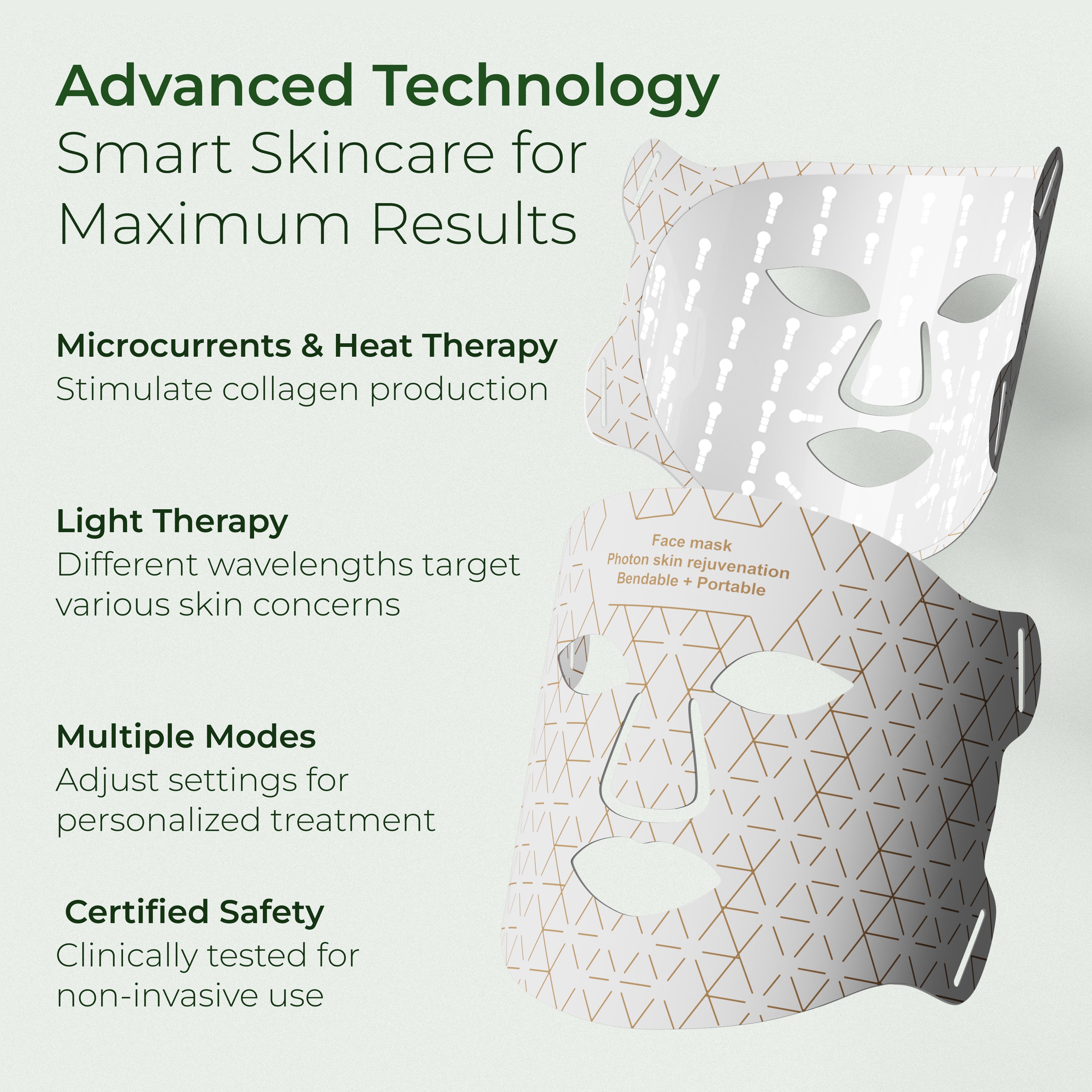
Facial red light therapy requires specific considerations. You want wavelengths in the 630-660nm range for surface concerns (fine lines, texture, tone) and 830-850nm near-infrared for deeper penetration supporting collagen production and inflammation reduction. Devices combining both wavelength ranges with adequate power density deliver therapeutic doses in reasonable session times.
Look for devices listing irradiance specifications (how much light energy reaches your skin per square centimeter). Marketing without numbers often indicates underpowered devices. Quality facial panels range from $150-$500 depending on treatment area size.
Best Affordable Red Light Therapy Options
Budget-conscious shoppers can find effective devices with some trade-offs. Smaller treatment areas mean longer sessions to cover your entire face. Lower power output extends treatment times. Devices under $50 often lack wavelength verification and sufficient power—they may glow red without delivering enough energy for cellular effects.
The sweet spot for budget red light therapy falls in the $100-$200 range. At this price point, you can find devices with verified wavelengths, decent power output, and solid build quality.
Best Portable Red Light Therapy Device
Travel-friendly options have improved significantly. Red light therapy now comes in wands, foldable panels, and compact handheld units. The trade-off is smaller treatment areas. For targeted use around eyes, forehead, or neck, portability can outweigh the coverage limitations.
Key features for portable devices include USB charging, lightweight construction, and protective cases. These also work well as desk-side devices for midday sessions.
Best Infrared Light Therapy for Deep Tissue
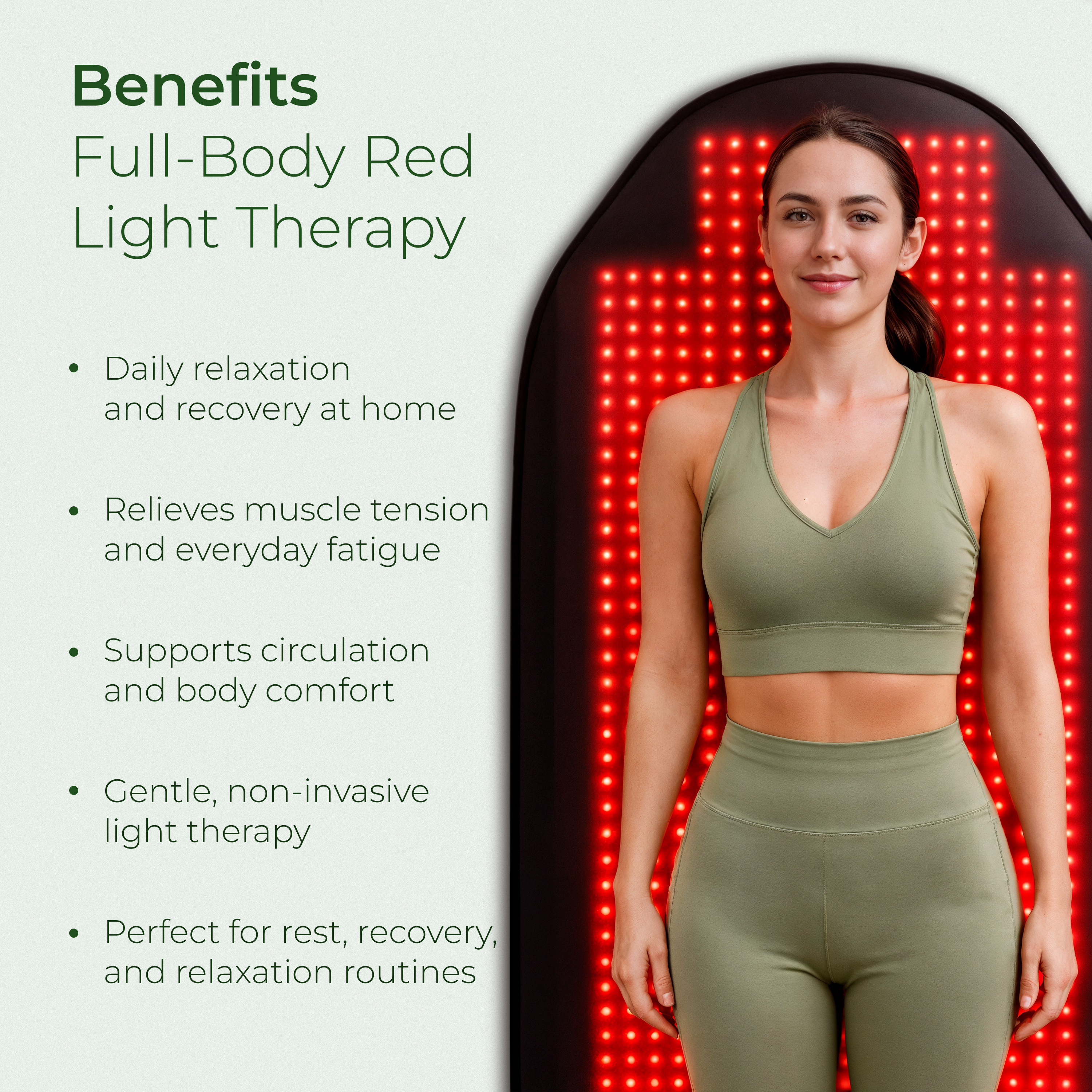
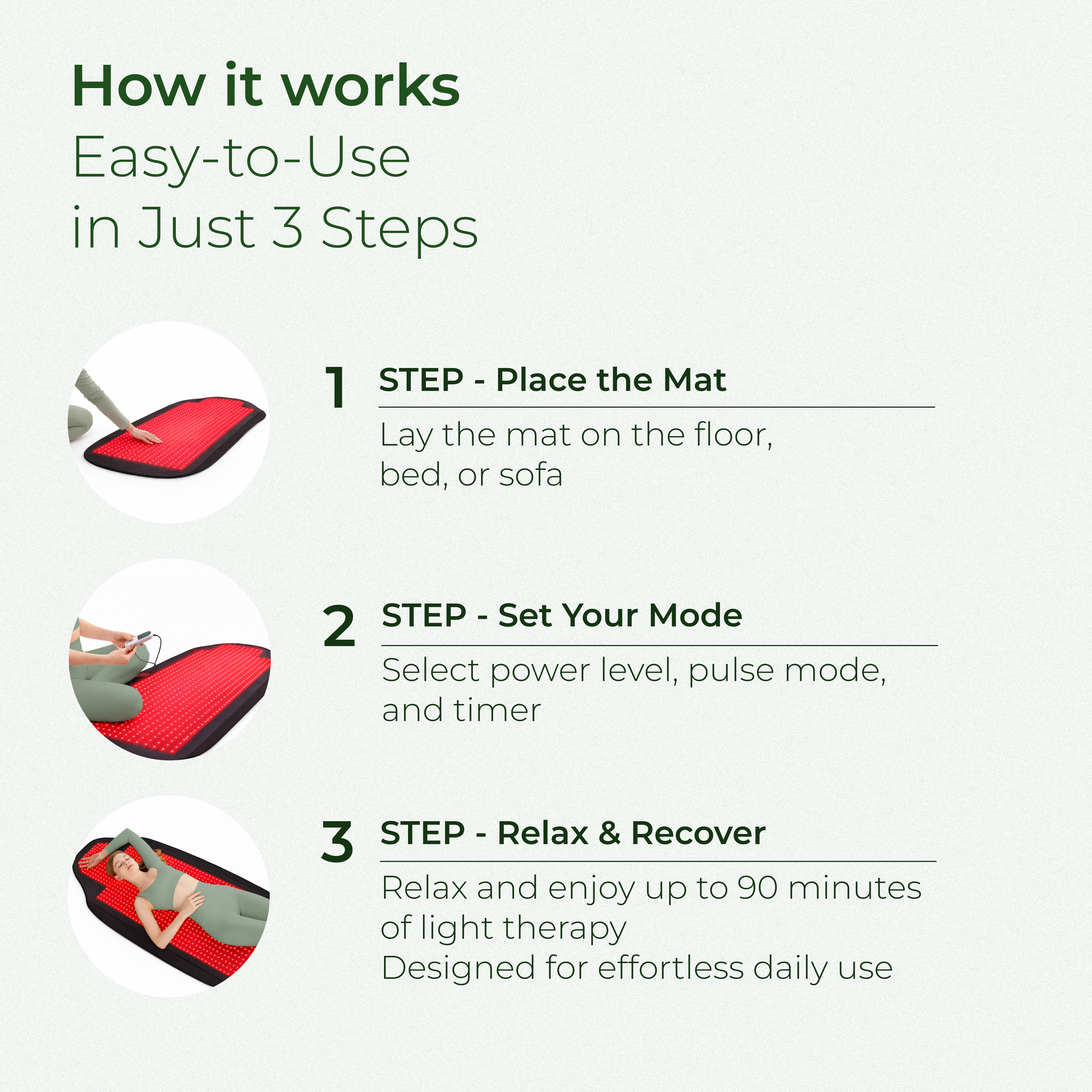
Infrared wavelengths (800-850nm) penetrate deeper than visible red light, reaching muscles, joints, and connective tissue. Athletes and people dealing with chronic inflammation, recovery needs, or pain management often choose infrared devices. Body-focused panels or mats cover larger surface areas for whole-body treatment.
Match the device to your goal: SAD needs 10,000 lux bright light. Skincare needs 630-660nm red light. Deep tissue benefits from 830-850nm infrared. Many quality devices combine red and infrared for versatile treatment options.
Red Light Therapy for Skin: What Science Says
Unlike many beauty trends, red light therapy for skincare has peer-reviewed research backing its claims. The applications have drawn significant attention over the past decade.

Best Red Light Therapy for Wrinkles
Multiple studies demonstrate that red light therapy can improve skin texture and reduce fine lines. A 2014 study in Photomedicine and Laser Surgery found participants using red light therapy showed improved skin complexion, increased collagen density, and reduced wrinkles after 30 treatment sessions.
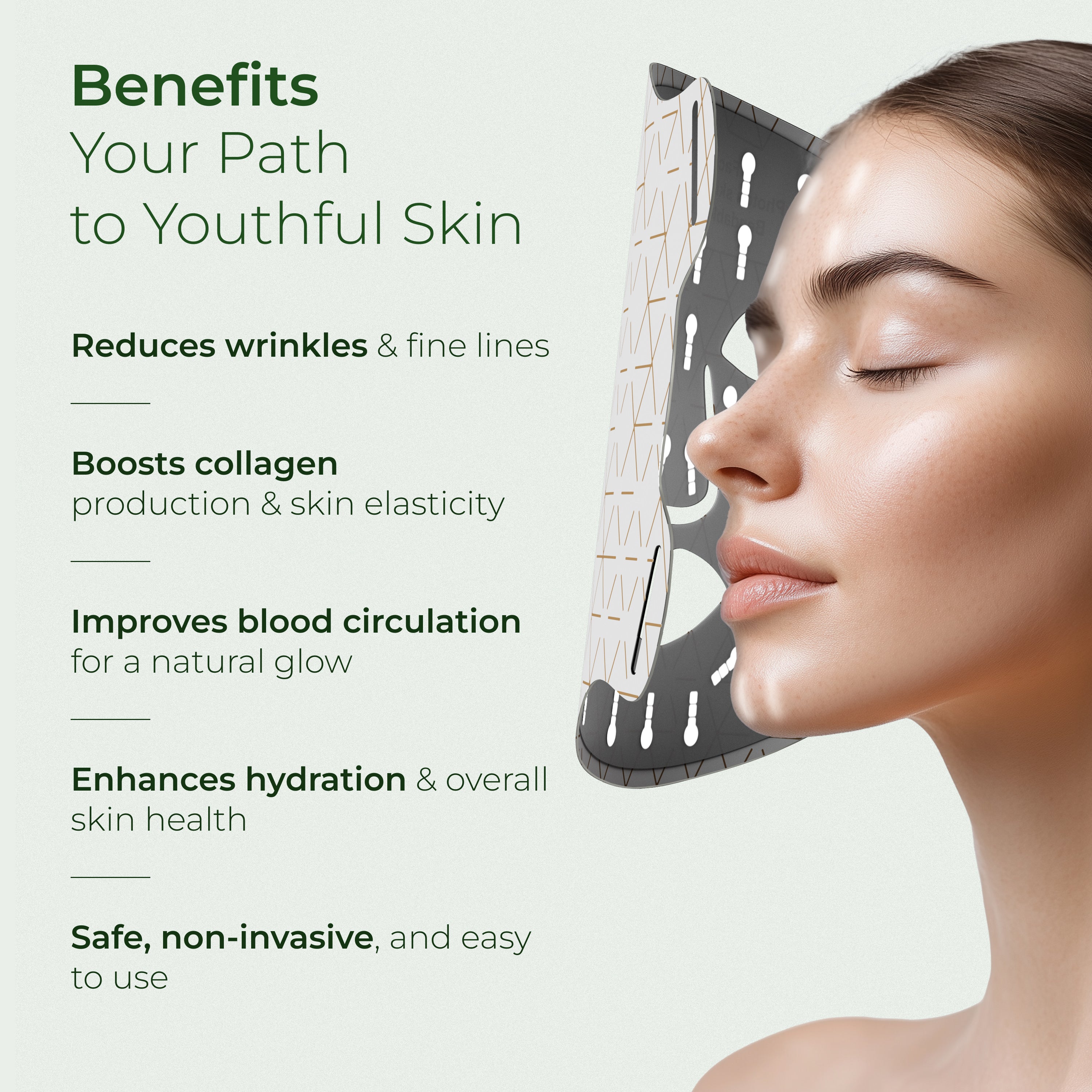
The mechanism is straightforward: red light at 630-660nm stimulates fibroblasts—the cells producing collagen and elastin. When energized, they increase production. The best devices for wrinkles deliver consistent wavelengths at adequate power over time. Results aren't instant; most people see improvement after 8-12 weeks of regular use.
Best Red Light for Skin Tightening
Combination devices work best for skin tightening. Visible red light (630nm) treats the epidermis and upper dermis, while infrared (850nm) reaches the deeper dermis where collagen networks form. This dual-wavelength approach addresses skin laxity from multiple angles.
Consistency wins. Three 10-minute sessions per week typically outperform one 30-minute session. Your skin needs recovery time between treatments to synthesize new collagen proteins.
Important: Red light therapy enhances your skincare routine but doesn't replace the basics. Sun protection, hydration, and consistent care amplify light therapy benefits. Think of it as one powerful tool in a comprehensive approach.
How to Choose Your Light Therapy Device
With dozens of options on the market, narrowing down the best light therapy device requires understanding a few technical details.
Wavelength Matters
This is non-negotiable. Look for devices listing exact wavelengths—ideally around 630-660nm for red and 830-850nm for infrared. If a product description just says "LED" without wavelength specifications, that's usually a sign of lower quality. Reputable manufacturers always publish their specs.
For SAD lamps, focus on intensity rather than wavelength. Verify that the lamp delivers 10,000 lux at the recommended sitting distance.
Power and Treatment Area
Bigger isn't always better, but coverage matters for efficiency. Small handheld devices can deliver good power density but require you to move them across your face section by section. Larger panels cover more area at once, reducing total treatment time.
Check irradiance specifications when available (measured in mW/cm²). Higher irradiance means more energy delivered per second, enabling shorter sessions or deeper penetration.
Budget Considerations
Light therapy device prices vary significantly. Here's a realistic breakdown:
- SAD lamps: $40-$150 for quality options. Above $100 usually adds convenience features or better light output.
- Handheld red light devices: $100-$300 for effective units. Below $80 often lacks sufficient power.
- Red light panels (face): $200-$500 for solid performers with verified specs.
- Full-body panels: $500-$2000+ depending on size and features.
- Red light mats and belts: $200-$600 for targeted body applications.
Affordable options exist, but very cheap devices often disappoint. When something costs $30 and claims professional-grade results, healthy skepticism is warranted.
✨ How TrophySkin Can Help

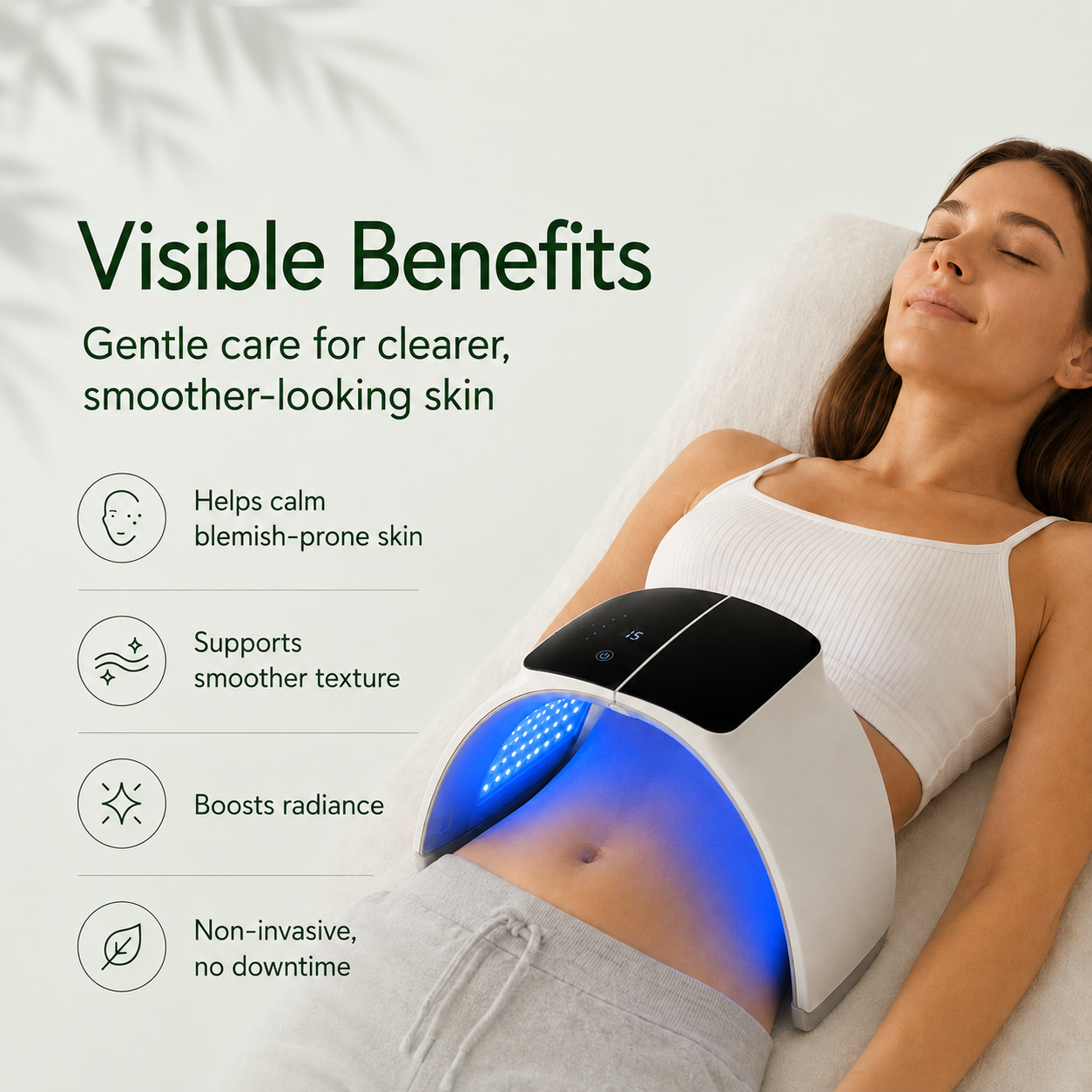
Our LED light therapy devices bring professional-grade wavelengths into user-friendly home formats—no spa visits required. Each device clearly shows its wavelength output so you know exactly what you're getting. Designed for consistency, they fit seamlessly into daily routines.
Explore LED Collection →Common Mistakes with Light Therapy Lamps
Even with a quality device, usage errors can undermine your results. Here are the pitfalls to avoid:
Inconsistent use. Both SAD lamps and red light therapy require regular exposure. Missing sessions disrupts the cellular and circadian changes you're building. Set reminders, link sessions to existing habits, and keep your device visible.
Wrong timing for SAD lamps. Bright light therapy in the evening can interfere with sleep by suppressing melatonin at the wrong time. Morning use works with your body's natural clock; evening use works against it.
Incorrect distance. Red light intensity drops dramatically with distance. Holding a device 12 inches away delivers far less energy than 4 inches. Follow manufacturer recommendations for treatment distance.
Expecting instant results. Light therapy isn't a one-session solution. SAD lamps typically need 1-2 weeks before mood improvements become noticeable. Red light therapy for wrinkles usually requires 8-12 weeks for visible texture changes. Patience is part of the process.
Ignoring specifications. Two lights can look identical but perform completely differently. One might deliver 630nm at therapeutic power density while another produces generic red glow with minimal benefit. Read specs, not marketing.
Skipping safety measures. High-powered red light panels require eye protection during use. SAD lamps must filter UV light. Follow all manufacturer guidelines for safe use.
Pro Tip: Keep a simple log or use an app to track your sessions. Seeing your consistency (or gaps) helps maintain accountability and shows how usage patterns correlate with results over time.
What to Expect: Your Light Therapy Timeline
Results vary based on your goals, device quality, and consistency. Here's a realistic framework:
☀️ SAD / Bright Light Therapy
Days 1-3: Possible subtle mood lift • Week 1-2: Noticeable energy and better sleep • Week 3-4: Fuller benefits appear • Ongoing: Daily use maintains benefits through darker months
🔴 Red Light Therapy for Skin
Week 1-2: Subtle radiance, calmer skin • Week 4-6: Clear texture improvements, reduced inflammation • Week 8-12: Measurable collagen changes, visible fine line reduction • Month 3+: Cumulative benefits continue with consistent use
🟠 Infrared for Pain/Recovery
Sessions 1-3: Temporary relief, sometimes within hours • Week 2-4: Longer-lasting benefits with regular use • Ongoing: Maintenance sessions preserve improvements
These timelines assume consistent use with properly powered devices. Underpowered equipment or irregular usage will extend these windows significantly.
Frequently Asked Questions
Bringing Light Into Your Routine
Whether for winter blues or skin renewal, light therapy works best as a habit, not a one-time experiment. The science supports both applications, and benefits compound over time with regular use.

Start with your primary goal. If seasonal depression or low energy drives your search, a quality SAD lamp will deliver meaningful benefits. If fine lines, skin texture, or overall complexion are your focus, invest in a red light therapy device with verified specifications. Looking for comprehensive wellness support? Both devices offer complementary value.
The best light therapy lamp is the one you'll actually use. Consider your space, schedule, and patience level when choosing between portable and stationary options, short sessions and longer protocols. Building a sustainable habit matters more than finding the "perfect" device.
⚕️ Medical Disclaimer
This article is for educational purposes only and does not replace professional medical advice. Consult a board-certified dermatologist before starting any new skincare regimen, especially if you have existing skin conditions or take medications. If you experience symptoms of seasonal affective disorder or depression, please speak with a qualified healthcare provider.

Leave a comment
This site is protected by hCaptcha and the hCaptcha Privacy Policy and Terms of Service apply.