

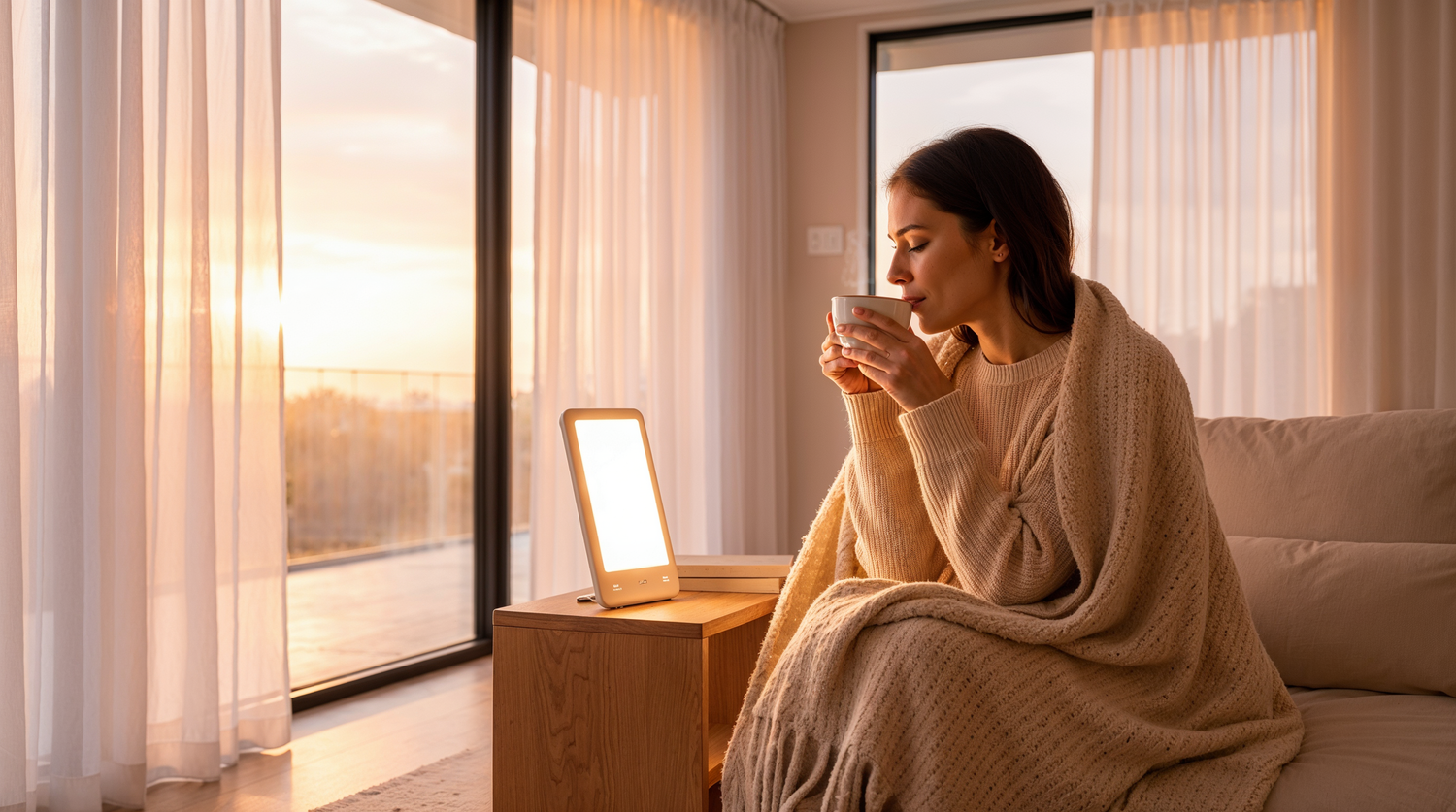
Quick Answer: Bright light treatment uses 10,000 lux of artificial light to reset your circadian rhythm, helping you fall asleep faster and wake feeling refreshed. Morning sessions of 20-30 minutes work best for insomnia and sleep disorders, with most people noticing improvements within 3-7 days of consistent use.
Waking up groggy, dragging yourself through mornings, lying awake at 2 AM staring at the ceiling — sound familiar? You're not alone. Roughly 30% of adults experience symptoms of insomnia, and the solution might be simpler than you'd expect. Bright light treatment offers a drug-free, science-backed approach that works with your body's natural rhythms rather than against them.
What makes this approach so effective is its directness. Instead of masking symptoms, morning light therapy addresses the root cause of many sleep problems: a circadian rhythm that's fallen out of sync with your actual life. Whether you're battling seasonal blues, jet lag, or chronic difficulty sleeping, understanding how light affects your internal clock can be genuinely transformative.
What Is Bright Light Treatment?
Bright light treatment — also called phototherapy, light exposure therapy, or circadian light therapy — involves sitting near a specialized device that emits intense light mimicking natural daylight. The goal? Resetting your body's internal clock to align better with your sleep-wake schedule.
Standard treatment uses a light box producing 10,000 lux of illumination, which is roughly equivalent to outdoor light on a clear morning shortly after sunrise. Compare that to typical indoor lighting, which usually measures around 300-500 lux, and you can see why our modern indoor lifestyles often leave our circadian systems confused.
The Science Behind Light and Your Internal Clock
Your circadian rhythm isn't just about feeling sleepy — it orchestrates nearly every biological process in your body. Body temperature, hormone release, hunger signals, cognitive performance, even immune function all follow roughly 24-hour cycles governed by your master clock.
This master clock lives in a tiny region of your brain called the suprachiasmatic nucleus (SCN), located just above where your optic nerves cross. When light enters your eyes, specialized cells in your retinas — called intrinsically photosensitive retinal ganglion cells — send signals directly to the SCN. These cells are particularly sensitive to blue wavelengths found in morning sunlight.

Here's where it gets interesting. When your SCN receives that morning light signal, two critical things happen simultaneously: melatonin production stops (waking you up) and a biological timer starts counting down approximately 14-16 hours until melatonin production resumes (making you sleepy at the right time that evening). This elegant system worked perfectly when humans spent most of their time outdoors. Modern life, unfortunately, has thrown a wrench into the works.
How Does Bright Light Therapy Work for Circadian Rhythm?
Think of your circadian rhythm as a clock that naturally runs slightly longer than 24 hours — about 24.2 hours on average. Without external cues, you'd gradually drift later and later each day. Light exposure, particularly morning light, is the primary signal that resets this clock daily to keep it synchronized with the actual 24-hour rotation of Earth.
Understanding Your Suprachiasmatic Nucleus
The SCN responds to light intensity in a dose-dependent manner. Brighter light produces stronger signals. This explains why stepping outside on a sunny morning feels so different from sitting under fluorescent office lights — your brain literally perceives them as different strength cues for setting your clock.
Researchers have found that light therapy works by suppressing melatonin secretion and boosting serotonin turnover in the brain. This dual action explains why bright light treatment helps not only with sleep disorders but also with mood conditions like seasonal affective disorder and depression.
Morning Light Therapy vs Evening Sessions
Timing matters enormously. Morning light exposure shifts your circadian rhythm earlier — you'll feel sleepy earlier in the evening and wake more easily in the morning. Evening light exposure does the opposite, pushing your clock later.
For most people struggling with insomnia or difficulty waking, morning sessions work best. The exception? Those with advanced sleep phase disorder who fall asleep very early (say, 7 PM) and wake around 3 AM may benefit from evening light exposure instead.
Pro Tip: The ideal window for morning light therapy is within the first 1-2 hours after waking. Earlier is generally better, but consistency trumps perfect timing. Doing it at 7:30 AM every day beats doing it at 6 AM sometimes and 9 AM other times.
Conditions That Benefit from Bright Light Treatment
While bright light therapy started as a treatment for seasonal depression, research has expanded its applications significantly. Here's what the evidence supports:
Insomnia Light Therapy
Sleep-onset insomnia — difficulty falling asleep at night — often reflects a delayed circadian rhythm. Your body simply isn't ready for sleep when you want it to be. Morning light therapy can advance your internal clock, making natural drowsiness arrive earlier each evening.
Early-morning awakening insomnia works differently. If you're waking at 4 AM unable to fall back asleep, your rhythm may be running too early. Evening light exposure can help delay it.
Seasonal Affective Disorder (SAD)
SAD remains the most-studied application of bright light therapy. When winter's shorter days reduce natural light exposure, some people develop depression characterized by oversleeping, carbohydrate cravings, weight gain, and profound fatigue. Light therapy essentially compensates for the missing sunlight, with studies showing response rates around 50-80%.
Jet Lag and Shift Work
Crossing time zones or working night shifts forces your circadian system out of alignment with your environment. Strategic light exposure can help accelerate the adjustment. For eastward travel (where you need to advance your clock), morning light at your destination helps. Westward travel benefits from evening light.
Shift workers face a more complex challenge because their schedules often change. In general, bright light exposure during the first half of a night shift, combined with darkness or blue-blocking glasses during the morning commute home, can help.
Non-Seasonal Depression
Growing evidence suggests light therapy helps with depression beyond the seasonal variety. Several studies have found it effective as both a standalone treatment and an adjunct to antidepressant medication. The mechanisms likely involve the same serotonin-boosting effects that help with SAD.
How to Use Morning Light Therapy Correctly
Getting the most from bright light treatment requires attention to a few key variables. Small adjustments can make a significant difference in results.

Optimal Timing
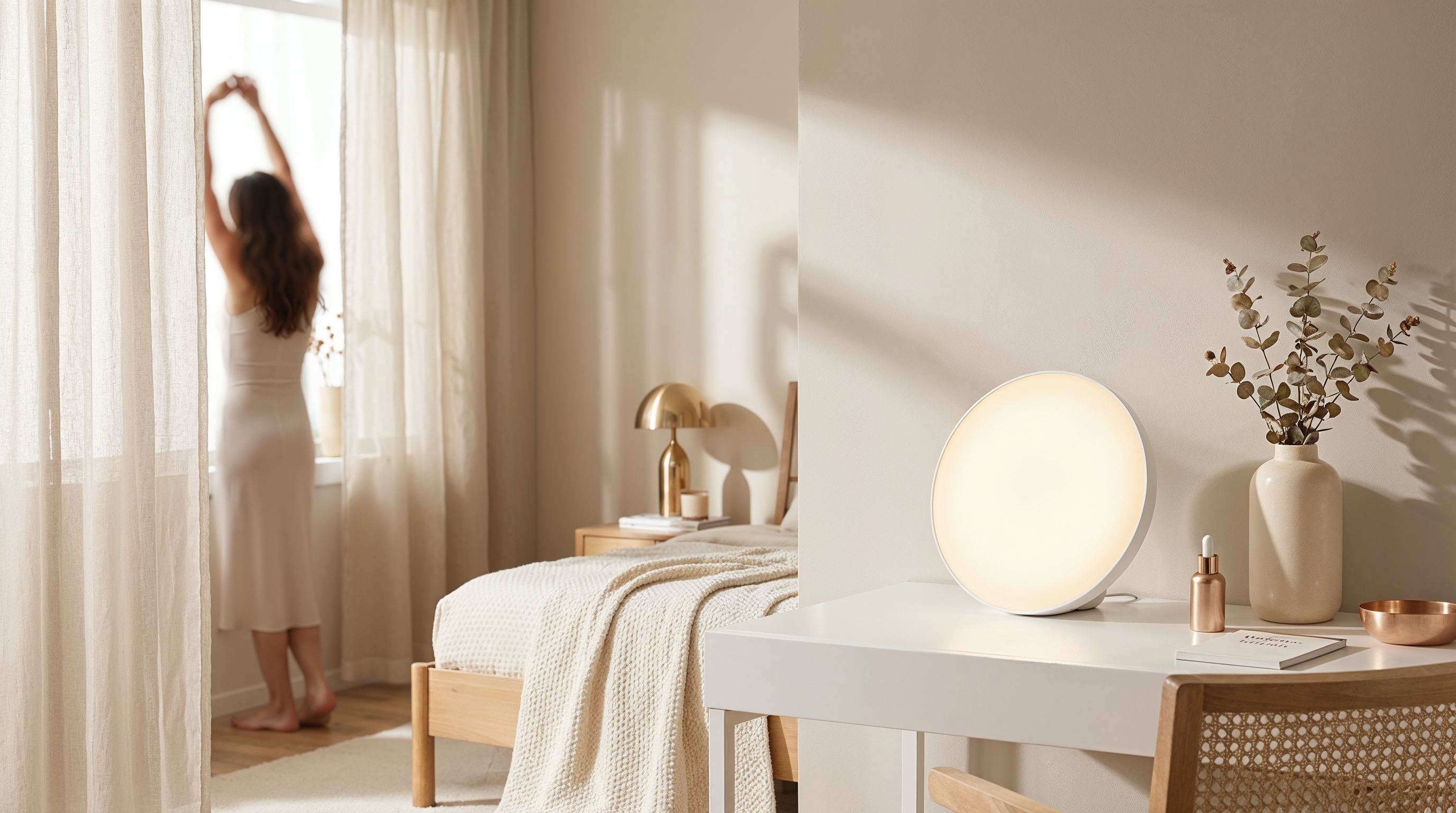
Use your light box within the first 1-2 hours after waking naturally. If you're using an alarm, that works too — the key is consistency. Morning exposure tells your brain "this is when day begins" and sets the cascade of circadian adjustments in motion.
Avoid using bright light therapy within 3 hours of your intended bedtime. Evening exposure can delay your clock and worsen sleep difficulties.
Duration and Intensity
With a standard 10,000 lux light box:
- Start with 20-30 minute sessions
- Some people benefit from extending to 45-60 minutes
- If using a lower-intensity device (2,500 lux), sessions may need to last 1-2 hours
The relationship between intensity and duration is roughly proportional. Halving the intensity means doubling the time needed for equivalent effect.
Positioning and Distance
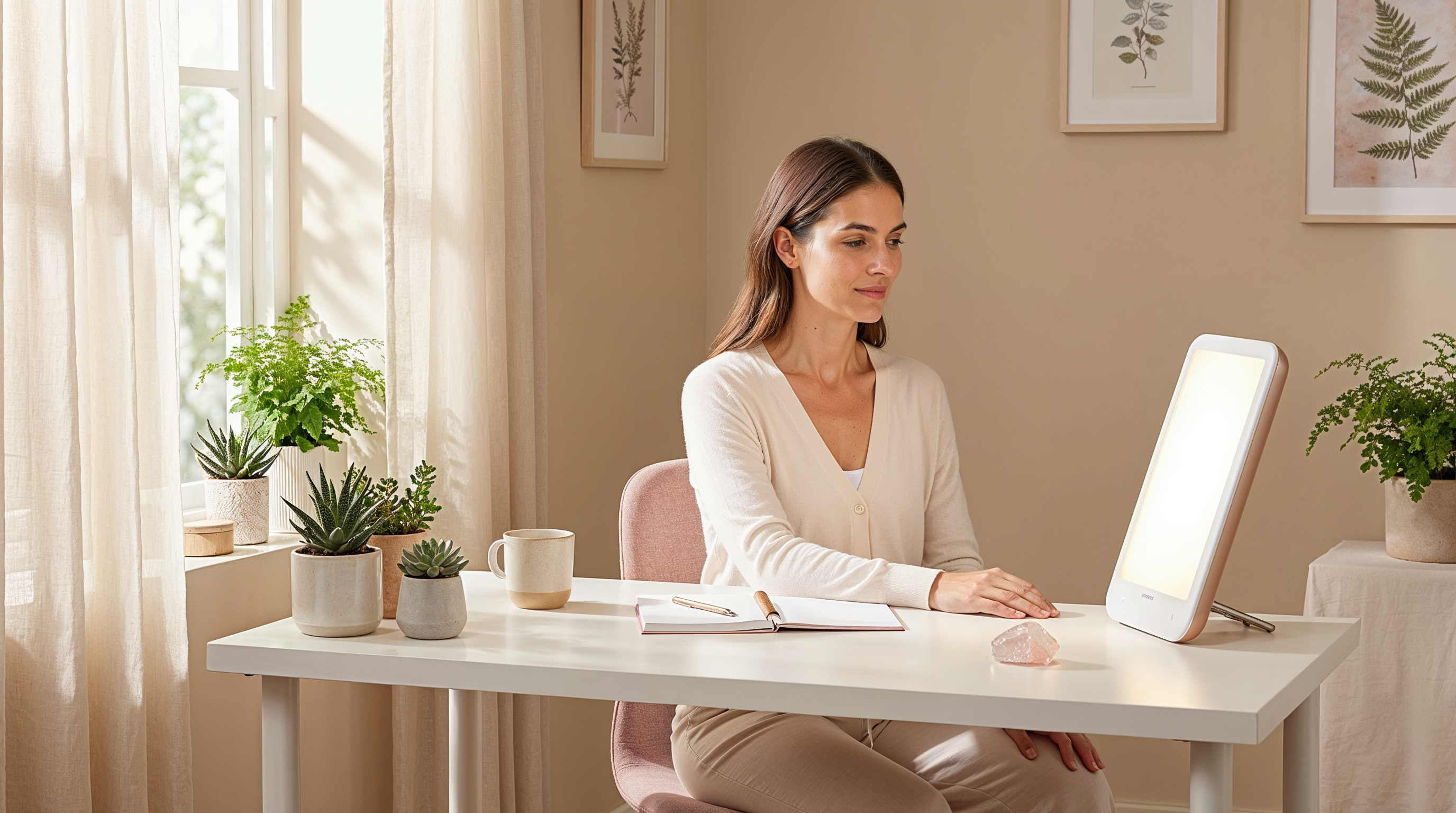
Position your light box at eye level or slightly above, about 16-24 inches from your face. You don't need to stare directly at it — the light should enter your visual field while you read, eat breakfast, or check emails. Glancing at it occasionally is fine; prolonged direct gazing isn't necessary and may cause eye strain.
Angle the light so it shines toward your eyes from above, roughly mimicking the angle of morning sunlight. This position tends to feel most natural and minimizes glare.
Main Point: Consistency matters more than perfection. A 20-minute session every morning at the same time will produce better results than sporadic hour-long sessions. Build it into your routine the way you would brushing your teeth.
What to Expect: Week-by-Week Timeline
Understanding realistic timelines helps you stay committed through the adjustment period. Here's what most people experience:
Days 1-3
Increased alertness during and after sessions. Some may experience mild side effects — slight headache, eye strain, or feeling wired. These usually resolve as your body adjusts.
Week 1
Energy levels during the day may start improving. You might notice feeling more awake in the mornings and slightly drowsier at appropriate evening hours. Sleep may still be variable.
Weeks 2-3
This is when most people begin experiencing more consistent benefits. Falling asleep becomes easier, morning grogginess decreases, and mood often lifts. Sleep quality typically improves before total sleep time changes significantly.
Week 4+
Benefits generally stabilize and compound. Many people find they can reduce session duration slightly for maintenance while preserving improvements. For seasonal conditions, continued daily use throughout winter is usually recommended.
Common Mistakes to Avoid with Light Therapy
After years of helping customers understand light-based treatments, we've noticed several patterns that undermine results:
Using too late in the day. Light therapy at noon or later provides weaker circadian signals and may actually delay your clock rather than advancing it. Morning exposure is crucial for most applications.
Inconsistent timing. Your circadian system thrives on regularity. Using your light box at 6 AM on weekdays and noon on weekends sends mixed signals that confuse your internal clock. Aim for the same time daily, or at least within a one-hour window.
Positioning the light incorrectly. If the light isn't entering your eyes (even indirectly), it can't affect your circadian system. Placing the box behind you or off to the side dramatically reduces effectiveness.
Expecting overnight results. Circadian shifts happen gradually. Stopping after three days because you don't feel dramatically different guarantees failure. Commit to at least 2-3 weeks of consistent use before evaluating.
Trying to use light therapy through a window. Glass filters out significant portions of the light spectrum, substantially reducing the circadian signal. Step outside when possible, or use a dedicated light box indoors.
Important: Wearing sunglasses or heavily tinted glasses during light therapy sessions defeats the purpose. Regular prescription glasses and contact lenses are fine — they don't block the relevant wavelengths.
Side Effects and Safety Considerations
Bright light therapy is generally well-tolerated with a favorable safety profile, but awareness of potential issues helps you respond appropriately.
Common mild side effects include headache, eye strain, nausea, and feeling jittery or agitated. These typically occur early in treatment and often resolve within days. If they persist, try reducing session duration or sitting slightly farther from the light box.
Less common concerns:
- Triggering manic episodes in people with bipolar disorder — light therapy should be used under medical supervision for bipolar patients
- Sleep disturbance if used too late in the day
- Skin irritation (rare, and usually indicates a photosensitivity condition or medication interaction)
Who Should Avoid Light Therapy
Certain conditions warrant caution or avoidance:
- Retinal diseases such as macular degeneration or retinitis pigmentosa
- Diabetes with retinal complications
- Use of photosensitizing medications (certain antibiotics, antipsychotics, St. John's Wort)
- Bipolar disorder (requires medical supervision due to mania risk)
- Porphyria or lupus (rare photosensitivity conditions)
If you have concerns, consult your healthcare provider before starting light therapy. For most healthy adults, quality light boxes designed for therapeutic use are very safe when used as directed.
The Connection Between Light Therapy and Skin Health
Here's something most discussions of bright light treatment miss entirely: the relationship between circadian health and your skin.
Your skin has its own peripheral circadian clocks that regulate collagen production, cell turnover, and repair processes. These peripheral clocks take cues from your master clock in the brain, which — as we've discussed — responds to light exposure. When your circadian rhythm is disrupted, skin repair processes become less efficient.
Research has shown that sleep deprivation accelerates visible signs of skin aging and impairs barrier function. By improving sleep quality, bright light treatment indirectly supports healthier skin. Better sleep means more effective nighttime repair.
This creates an interesting opportunity to think holistically about light and wellness. Morning bright light therapy addresses your internal clock and mood. LED light therapy for skincare — using different wavelengths — addresses your skin's cellular function directly. Together, they represent a comprehensive approach to looking and feeling your best.
How TrophySkin Can Help
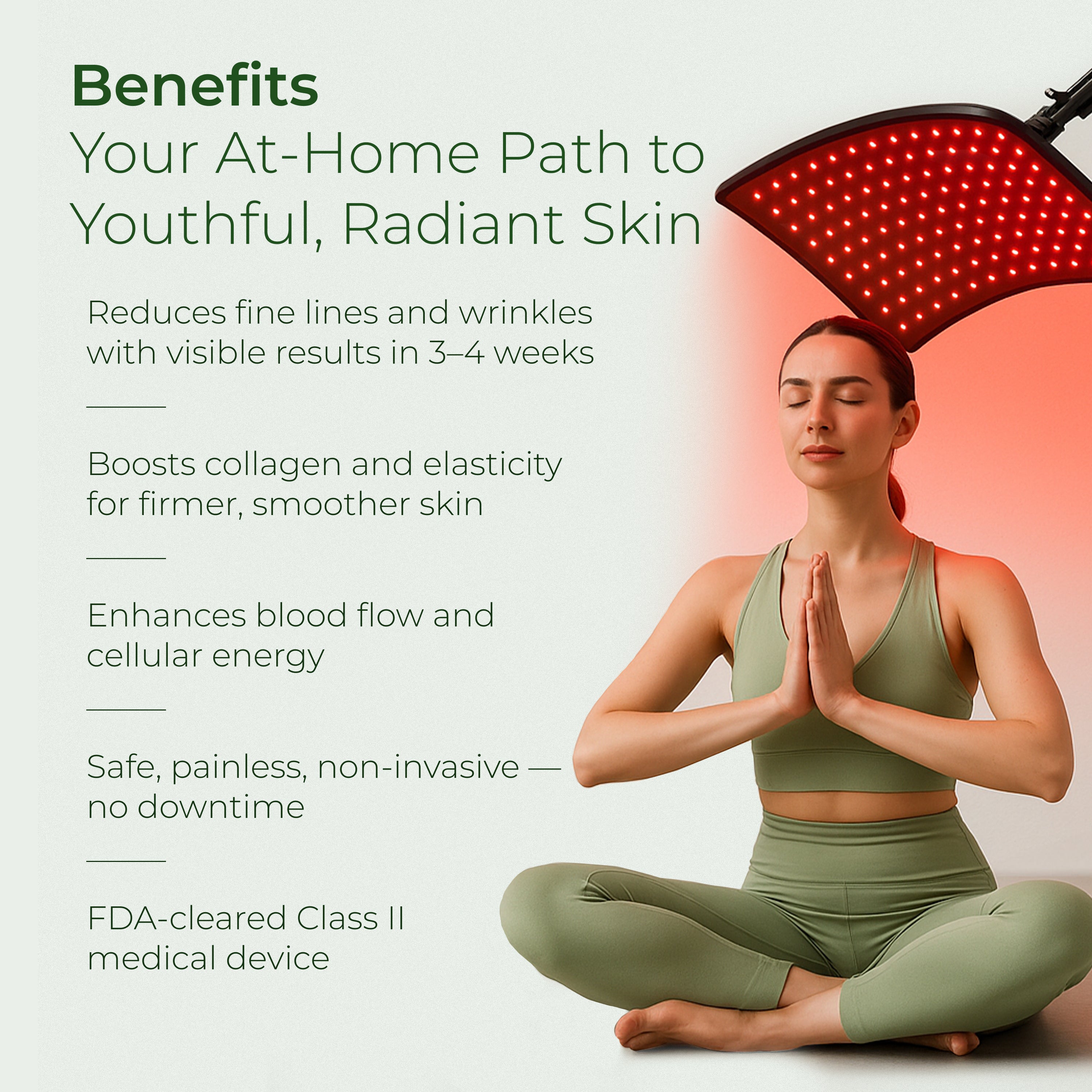
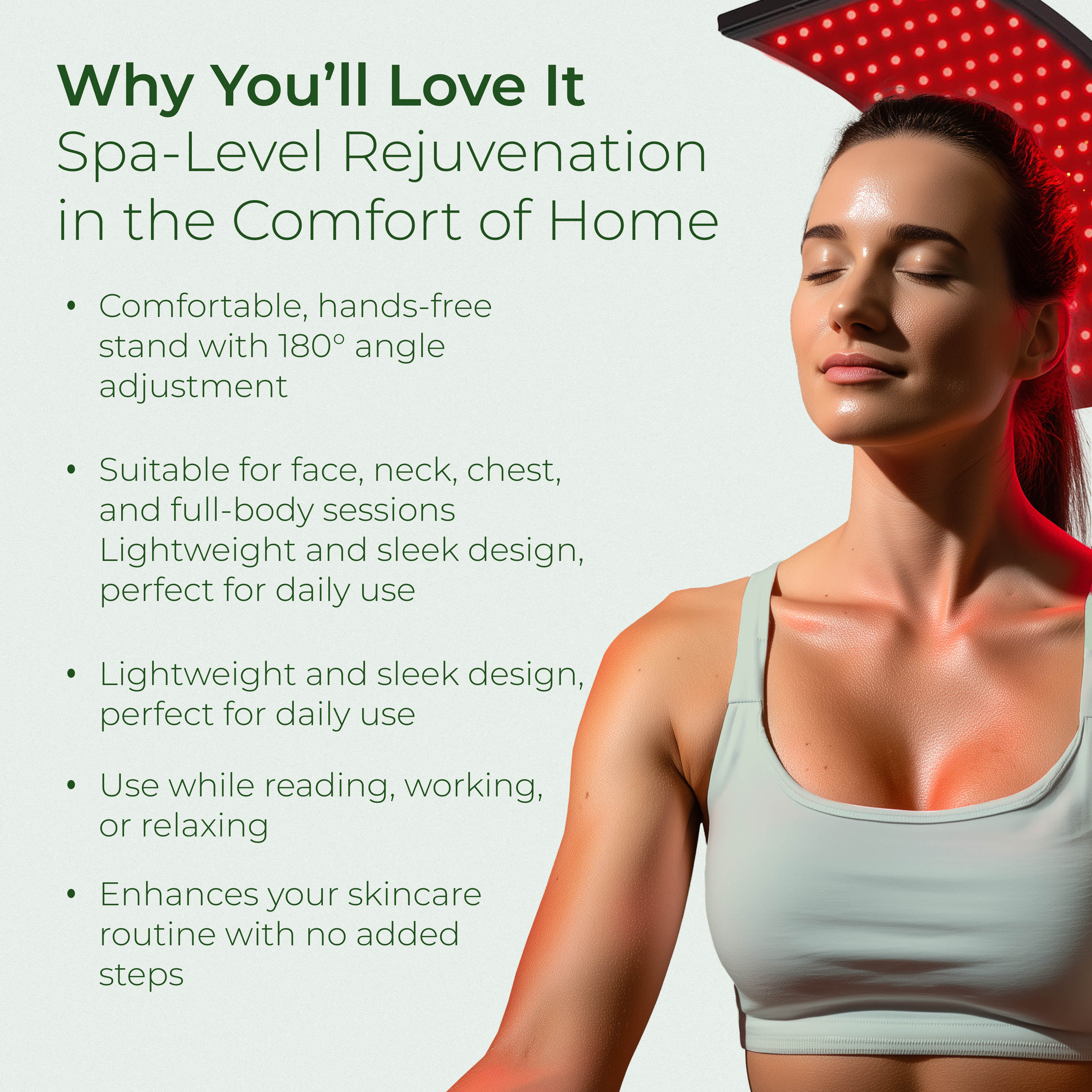
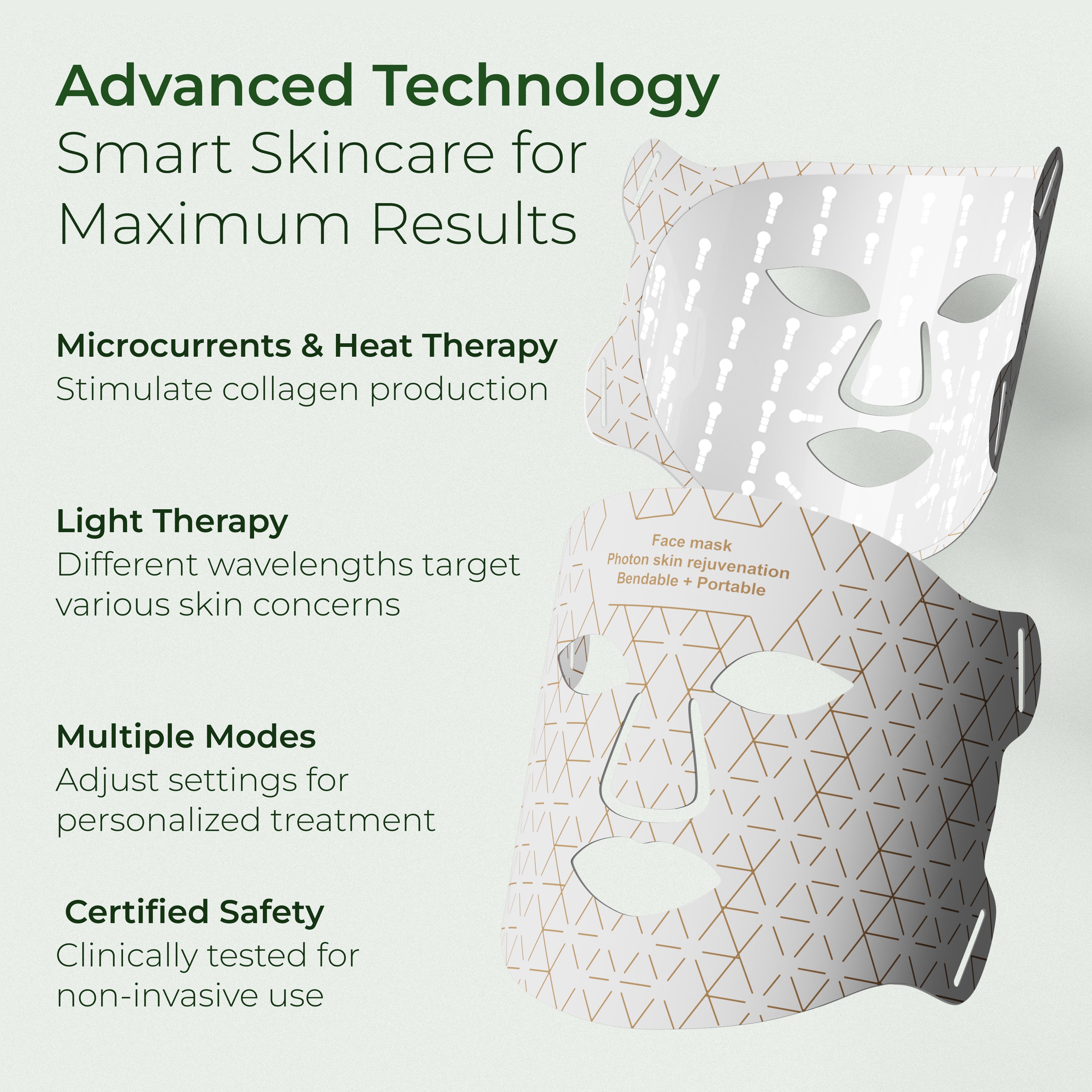
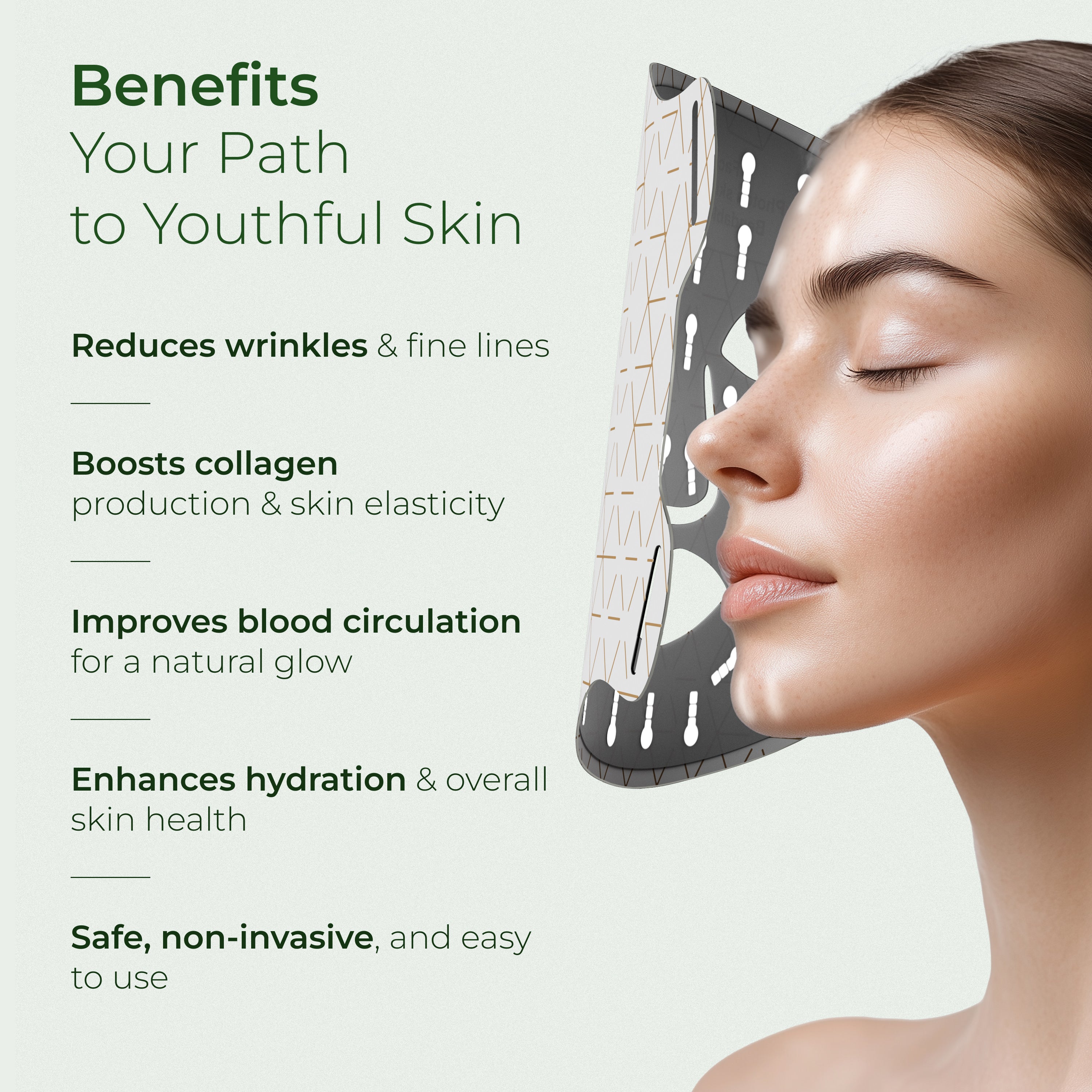
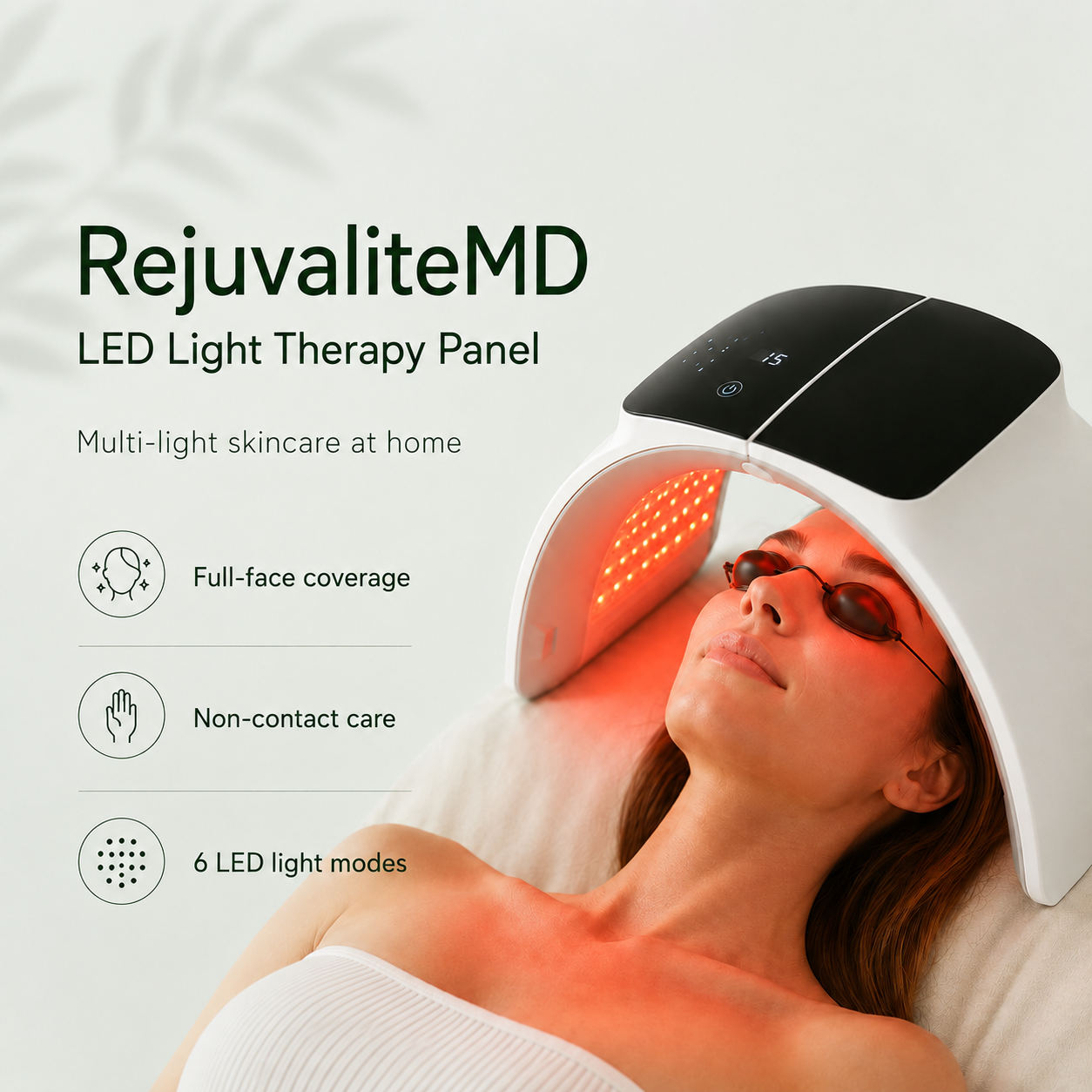
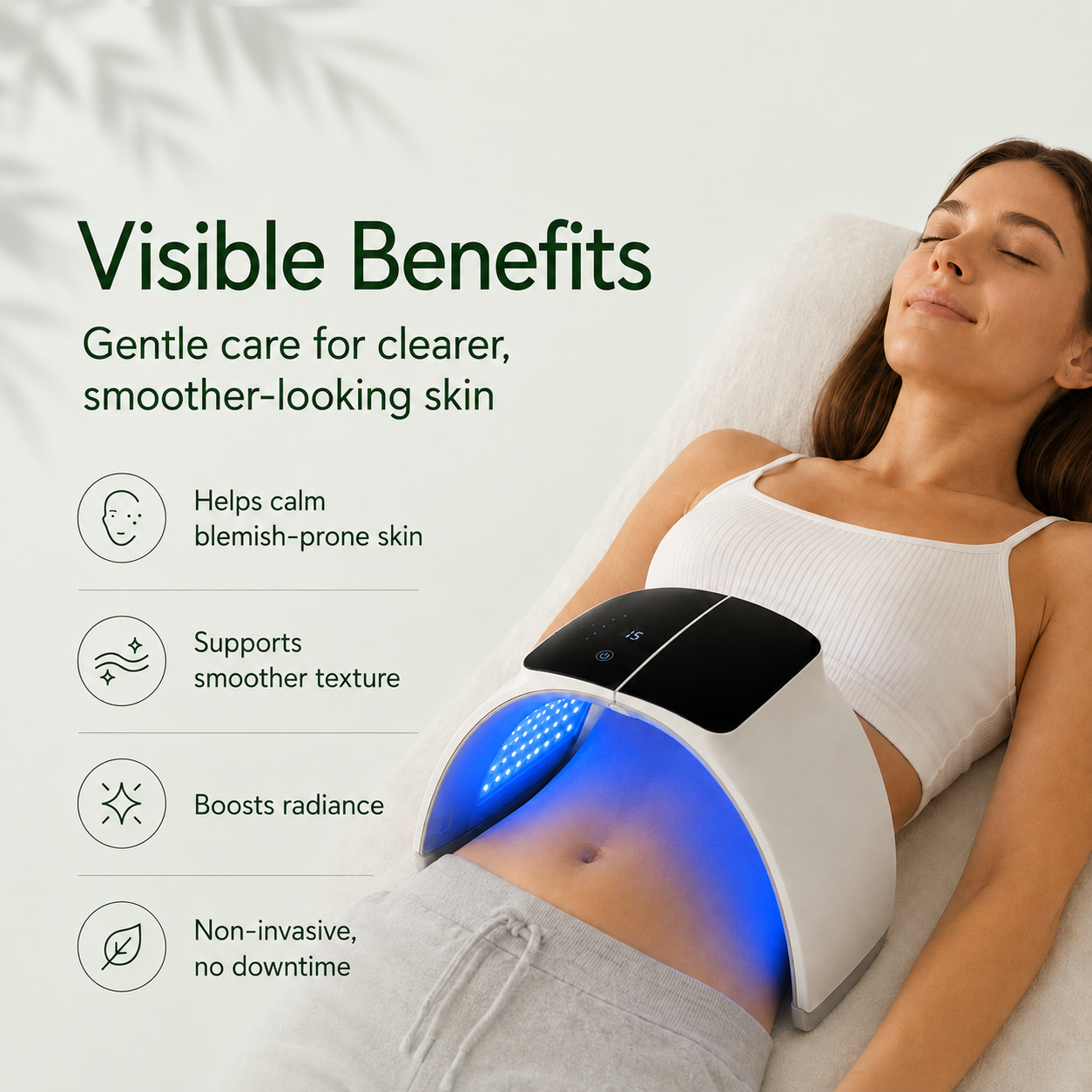
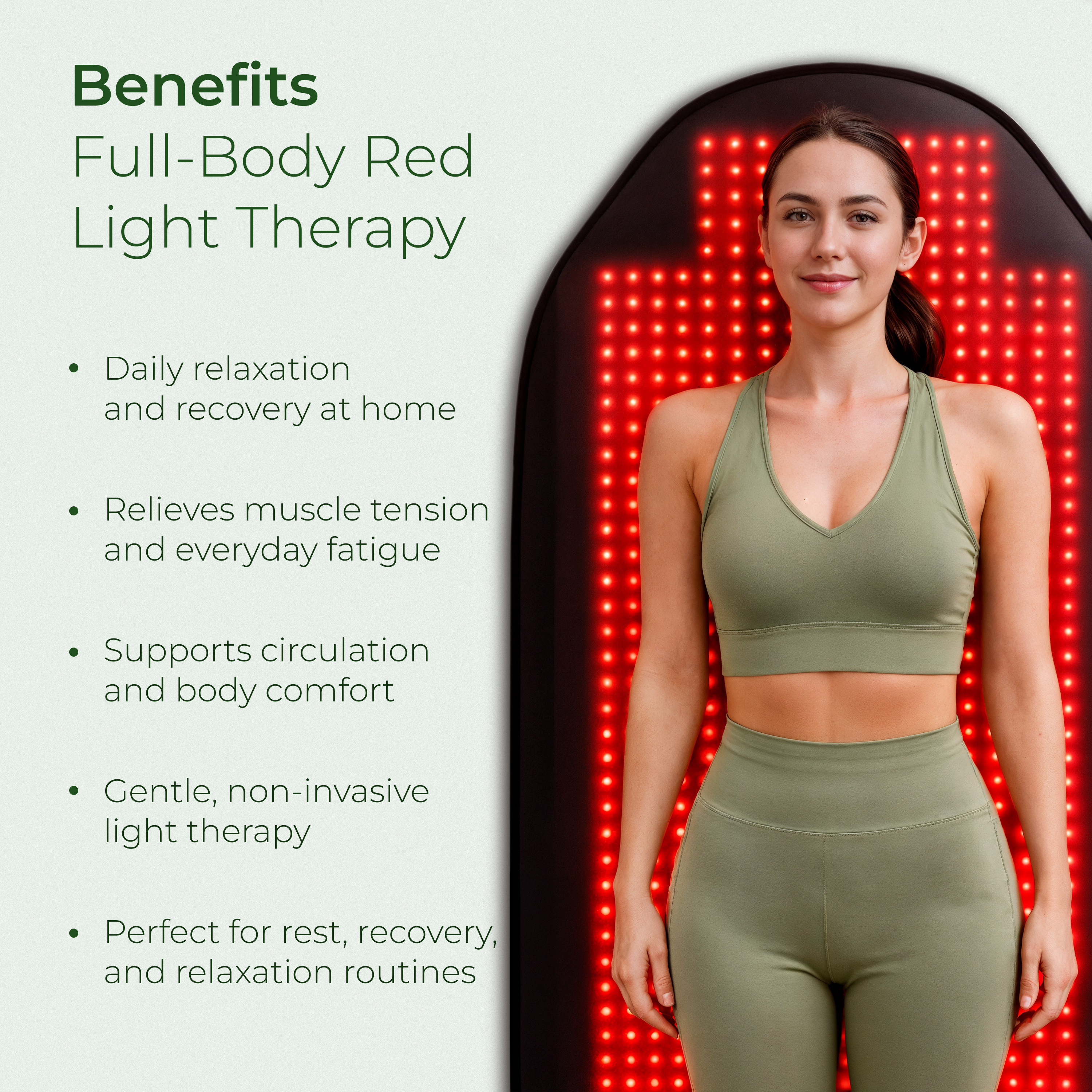
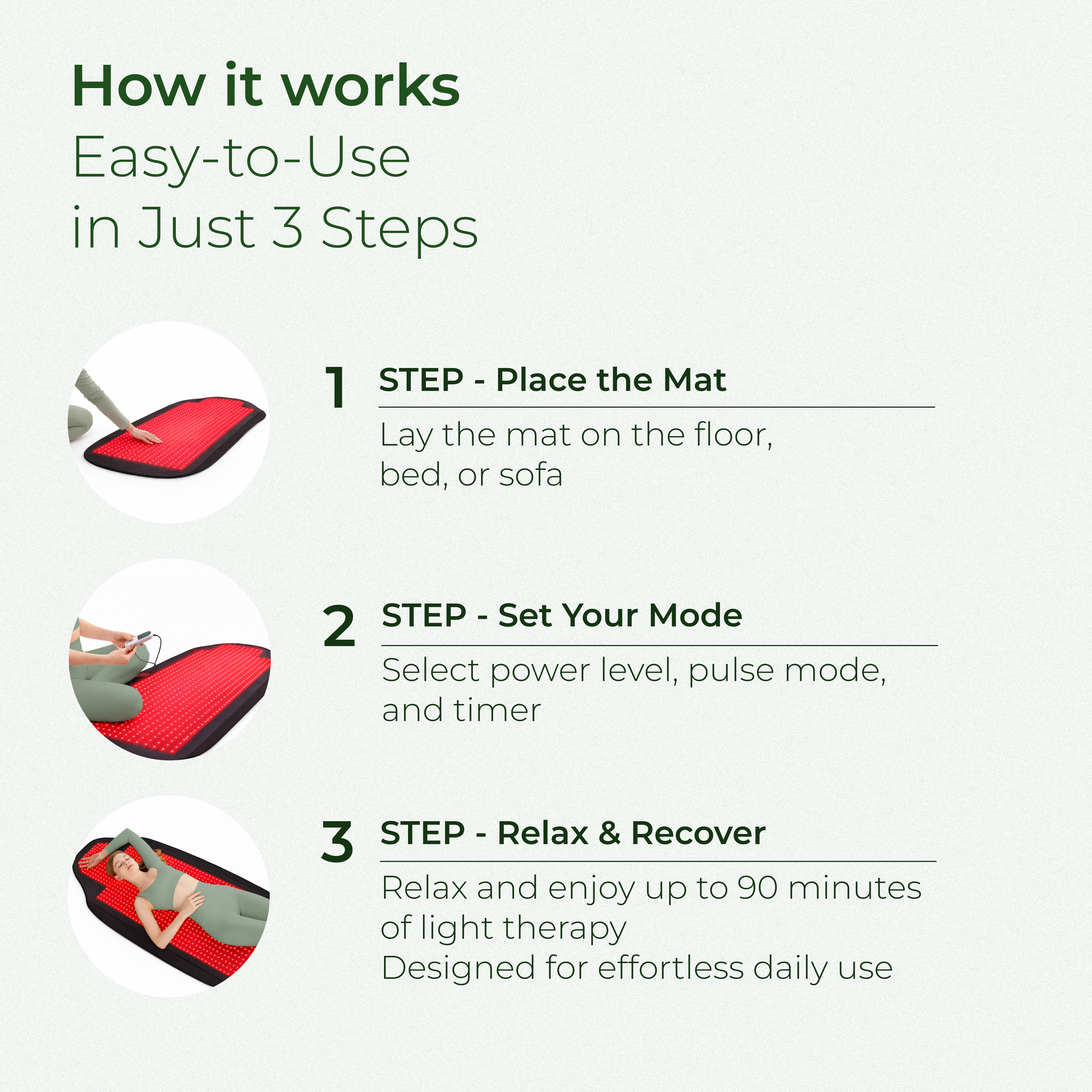
While bright light therapy targets your circadian rhythm, our LED light therapy devices work on a different principle — delivering specific wavelengths that penetrate skin to stimulate collagen production, reduce inflammation, and promote cellular renewal. Think of it as two complementary tools: one for your internal clock, one for your skin's vitality.
Many of our customers have discovered that combining morning light therapy for sleep with regular LED skincare sessions creates a powerful wellness routine that addresses both how they feel and how they look.
Explore LED Light Therapy →
Creating Your Complete Morning Wellness Routine
The most successful approach integrates bright light treatment into a broader morning routine that supports your goals. Here's a framework that works for many people:
Upon waking (first 10 minutes):
- Get out of bed and open blinds or step outside briefly
- Drink a glass of water
- Turn on your light therapy box
During light therapy (20-30 minutes):
- Eat breakfast or have coffee with the light positioned in your field of vision
- Review your day's priorities
- Read or respond to messages (but not social media — that can wait)
After light therapy (next 15-30 minutes):
- Skincare routine — this is an excellent time for LED treatment if you use one
- Light movement or stretching
- Shower and prepare for the day
Pro Tip: Pairing activities creates habits that stick. If you always do light therapy while having your morning coffee, the coffee becomes a trigger for the light therapy — making consistency almost automatic.
The beauty of building a morning routine around light exposure is that it creates positive cascading effects throughout the day. Better morning alertness improves focus and productivity. Stable energy levels reduce afternoon crashes. And when evening arrives, your body is genuinely ready for rest.
Frequently Asked Questions About Bright Light Treatment
Taking the Next Step Toward Better Sleep
Bright light treatment represents one of the most accessible, evidence-based approaches to improving sleep and mood available today. It works with your biology rather than against it, supporting your circadian rhythm instead of overriding it with medications.
The key is committing to consistency. Twenty minutes every morning, positioned correctly, at approximately the same time each day. Give it three weeks before evaluating. For many people, this simple intervention produces changes they hadn't thought possible.

And if you're already investing in light therapy for better sleep and mood, consider extending that commitment to your skin as well. LED light therapy devices offer another dimension of light-based wellness — one that complements your circadian health routine with targeted benefits for skin renewal and vitality.
⚕️ Medical Disclaimer
This article is for educational purposes only and does not replace professional medical advice. Consult a board-certified physician or sleep specialist before starting light therapy, especially if you have eye conditions, bipolar disorder, take photosensitizing medications, or have other health concerns. Individual results may vary.

Leave a comment
This site is protected by hCaptcha and the hCaptcha Privacy Policy and Terms of Service apply.