

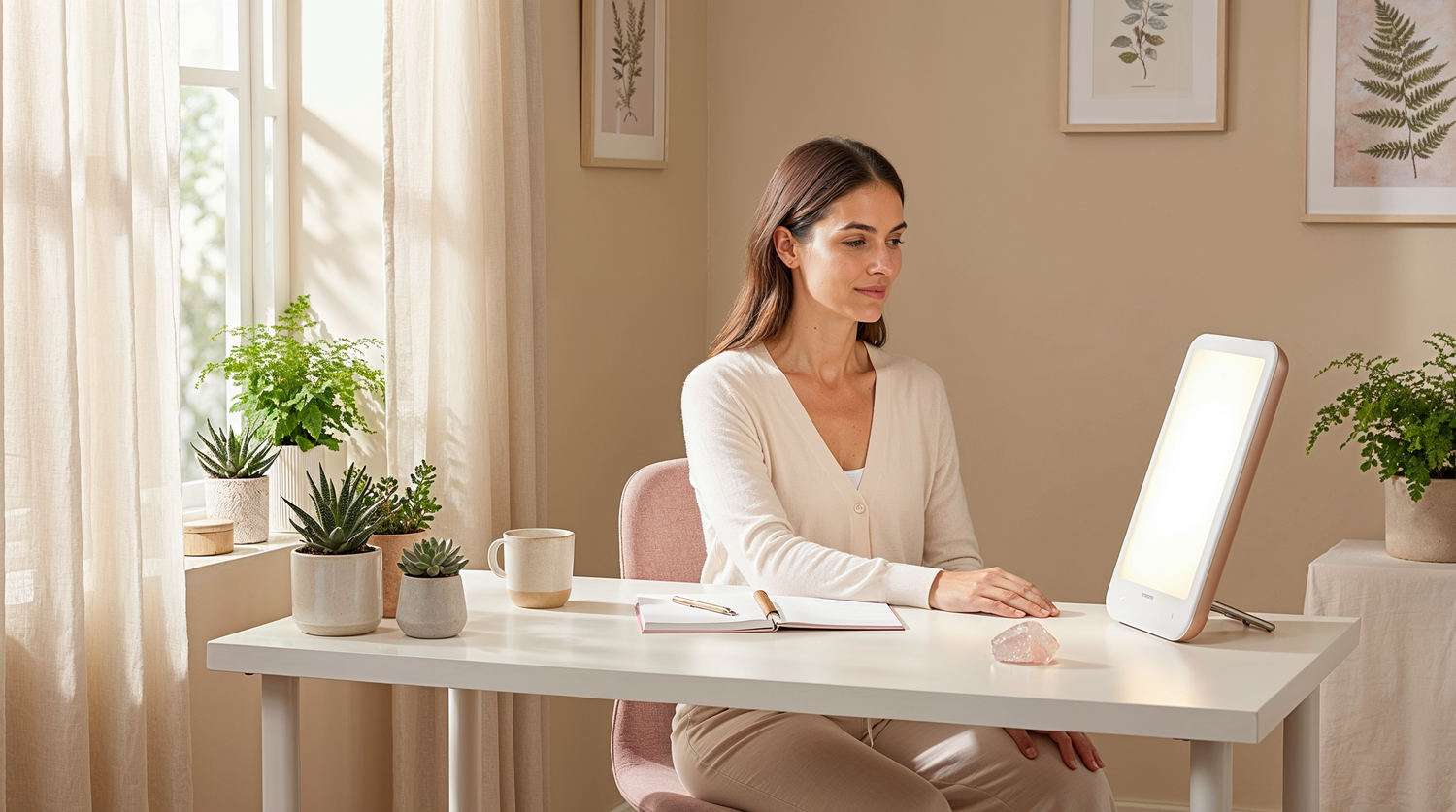
Quick Answer: To use a sun lamp effectively, position it 16-24 inches from your face at eye level or slightly above. Use it for 20-30 minutes each morning within an hour of waking. Never look directly at the light—keep your eyes open while reading, working, or having breakfast. Consistency is key: daily use during fall and winter months yields the best results for mood, energy, and sleep quality.
There's something almost magical about those first rays of morning sunlight—the way they seem to wake up not just your body, but your entire sense of wellbeing. When winter arrives and those precious daylight hours shrink to a sliver, many of us feel the difference deep in our bones. We sleep more, crave comfort foods, and find our motivation hiding somewhere under the covers.
If this sounds familiar, you're far from alone. Research suggests that up to 20% of people in northern climates experience some form of seasonal mood changes. The good news? A sun lamp can bring a piece of summer into your home, helping to reset your internal clock and lift your spirits when nature's light goes into hibernation.
But here's the thing: simply owning a light therapy box isn't enough. How you use it—the timing, the distance, the angle—makes all the difference between feeling noticeably better and wondering why you bothered. We've put together this comprehensive guide to help you get the most from your sun lamp, whether you're battling full-blown seasonal affective disorder or simply want more energy during the darker months.
What Is a Sun Lamp and How Does It Work?
A sun lamp—sometimes called a SAD lamp, light therapy box, or bright light therapy device—is designed to mimic natural outdoor light. Unlike the soft glow of your bedroom lamp or the harsh fluorescence of office lighting, a quality sun lamp produces around 10,000 lux of brightness. For context, a typical indoor space hovers around 300-500 lux, while a sunny summer day can reach 50,000 lux or more.

The Brain Science Behind Light Therapy
When bright light enters your eyes, it doesn't just help you see—it sends powerful signals to a tiny region deep in your brain called the suprachiasmatic nucleus. Think of this as your body's master clock, the conductor orchestrating your circadian rhythm.
This internal clock influences far more than when you feel sleepy. It affects your hormone production, body temperature, digestion, and yes, your mood. When winter's darkness throws this clock out of sync, the results can range from mild grogginess to the profound sadness of seasonal affective disorder.

Sun lamps work by essentially telling your brain "it's daytime" even when the world outside your window suggests otherwise. This triggers two crucial responses:
- Serotonin boost: Bright light exposure helps increase serotonin activity in the brain. This neurotransmitter plays a starring role in mood regulation, which explains why sunny days often feel so much brighter emotionally.
- Melatonin regulation: By signaling "daytime" to your brain, light therapy helps suppress melatonin production during waking hours. This is the hormone that makes you sleepy—helpful at bedtime, less so at 2 PM when you're trying to focus.
Main point: Sun lamps don't just brighten your room—they actually trigger biochemical changes in your brain that can improve mood, energy, and sleep patterns. The key is using them correctly and consistently.
The Science-Backed Benefits of Sun Therapy
Do sun lamps actually work? The research is remarkably encouraging. Multiple meta-analyses have found that bright light therapy can be as effective as antidepressant medications for treating seasonal depression—often with faster results and fewer side effects.
Proven Benefits of Light Therapy
- Seasonal Affective Disorder (SAD): This is where light therapy truly shines. Studies show that proper use can lead to significant improvement in 50-80% of SAD sufferers.
- Non-seasonal depression: Research indicates that 30 minutes of daily exposure can also benefit people with year-round depression, particularly when combined with other treatments.
- Sleep disorders: If jet lag, shift work, or a stubborn sleep-wake cycle has you tossing and turning, morning light exposure can help reset your internal clock.
- Energy and alertness: Even people without clinical conditions often notice improved focus and reduced afternoon slumps.
- Cognitive function: Some studies suggest benefits for memory and mental sharpness, particularly in older adults who may spend more time indoors.
Pro Tip: You don't need a clinical diagnosis to benefit from light therapy. Many people notice improvements in energy and mood even with mild winter blues. Think of it as giving your brain the bright morning it's been missing.
How to Use a Sun Lamp: Step-by-Step Guide
Getting the technique right matters more than you might expect. The difference between effective light therapy and a glorified desk decoration comes down to a few key details.
Important: Never look directly at the light source. While quality sun lamps are designed to be safe, direct staring can cause eye strain and headaches. Let the light bathe your face while your eyes focus elsewhere.
Best Time to Use Your Light Therapy Lamp
Timing isn't just important—it's everything. Using your lamp at the wrong time can actually make things worse by further disrupting your circadian rhythm.
The Golden Rule: Morning Is Best
For most people, the optimal window is within one hour of waking, ideally between 6-9 AM. This aligns with your body's natural expectations of when daylight should arrive, helping to:
- Suppress lingering melatonin from the night
- Kickstart serotonin production for the day ahead
- Set your internal clock for better sleep that evening
Research consistently shows that morning light therapy produces better results than midday or evening sessions—with one study finding a 53% improvement rate for morning use compared to 32% for midday.
When Evening Use Makes Sense
There are a few exceptions to the morning rule:
- Night shift workers: Use the lamp before your shift begins to promote alertness during working hours.
- Jet lag (westward travel): Evening exposure can help delay your sleep cycle when adjusting to later time zones.
Pro Tip: Avoid using your sun lamp within 2-3 hours of bedtime. Evening exposure can suppress melatonin when you actually need it, leading to difficulty falling asleep and a cycle of tiredness that defeats the purpose.
Common Mistakes to Avoid
We've seen people struggle with light therapy not because it doesn't work, but because small errors undermine their efforts. Here's what to watch for:
Mistake #1: Sitting Too Far Away
Light intensity drops dramatically with distance. At 24 inches, you're getting full therapeutic effect. At 4 feet? You might need two hours to achieve the same benefit. Physics doesn't negotiate on this one.
Mistake #2: Wrong Angle
Placing the lamp behind you or off to the side means the light isn't reaching your eyes. You're essentially illuminating your back or your ear—neither of which connects to your circadian system.
Mistake #3: Inconsistent Timing
Using your lamp sporadically or at different times each day confuses your internal clock rather than calibrating it. Aim for the same time daily, even on weekends.
Mistake #4: Using It at Night
This is perhaps the most counterproductive error. Evening light exposure tells your brain that sunset hasn't happened yet, delaying melatonin release and potentially worsening sleep problems.
Mistake #5: Expecting Overnight Results
Light therapy works, but it's not instant. Most people notice improvements within 1-2 weeks of consistent use. Give it a fair chance before concluding it's not for you.
Mistake #6: Neglecting Other Wellness Factors
A sun lamp is a powerful tool, but it works best as part of a broader wellness approach. Sleep hygiene, nutrition, movement, and skincare all play interconnected roles in how you look and feel.
The Mood-Skin Connection: Why Light Therapy Matters for Your Glow
Here's something that often surprises people: the state of your mind shows up on your face. Stress, poor sleep, and low mood don't just feel bad—they visibly affect your skin.
How Mood Affects Your Skin
When you're stressed or sleep-deprived, your body produces more cortisol, the stress hormone. Elevated cortisol triggers a cascade of skin issues:
- Increased oil production and breakouts
- Impaired skin barrier function
- Accelerated collagen breakdown
- Dullness and uneven tone
- Slower healing and cell turnover
Poor sleep—a hallmark of seasonal mood changes—means less time for your skin to repair itself during those crucial nighttime hours.
The Light Therapy Ripple Effect
By improving mood and sleep quality, light therapy creates conditions where your skin can actually thrive. Better rest means more effective overnight repair. Reduced stress means less cortisol wreaking havoc. More energy means you're more likely to stick with your skincare routine rather than collapsing into bed with makeup still on.

How TrophySkin Can Help
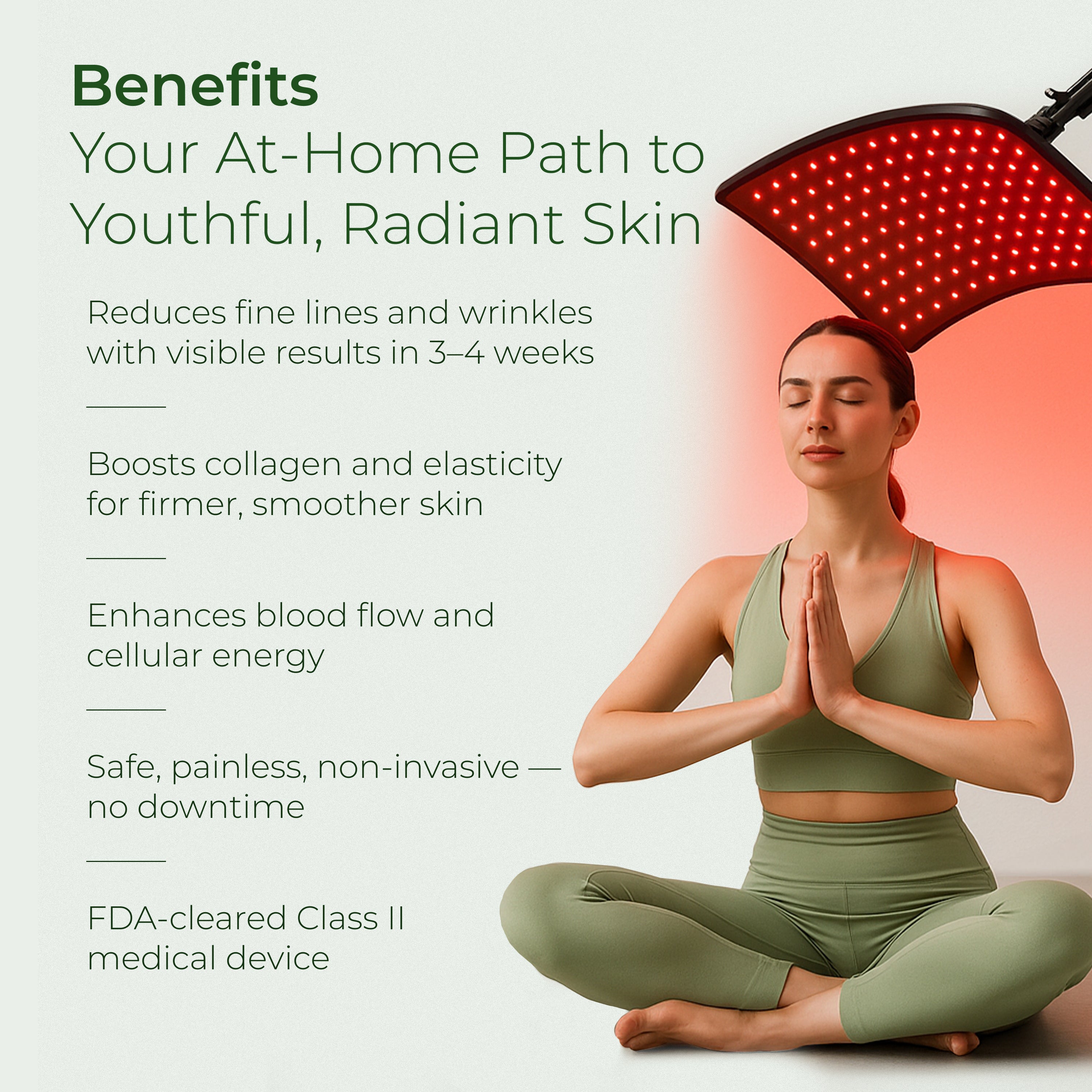
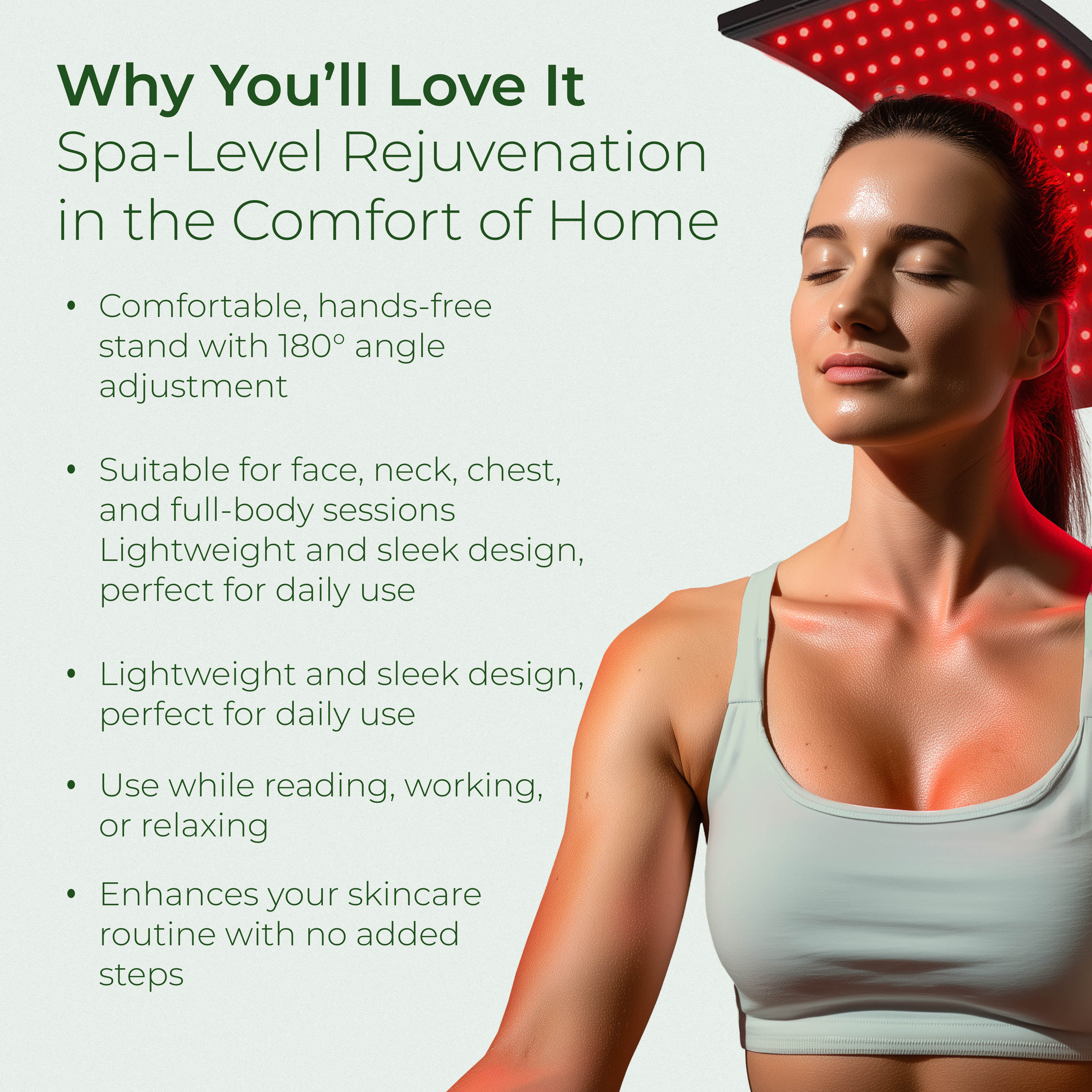
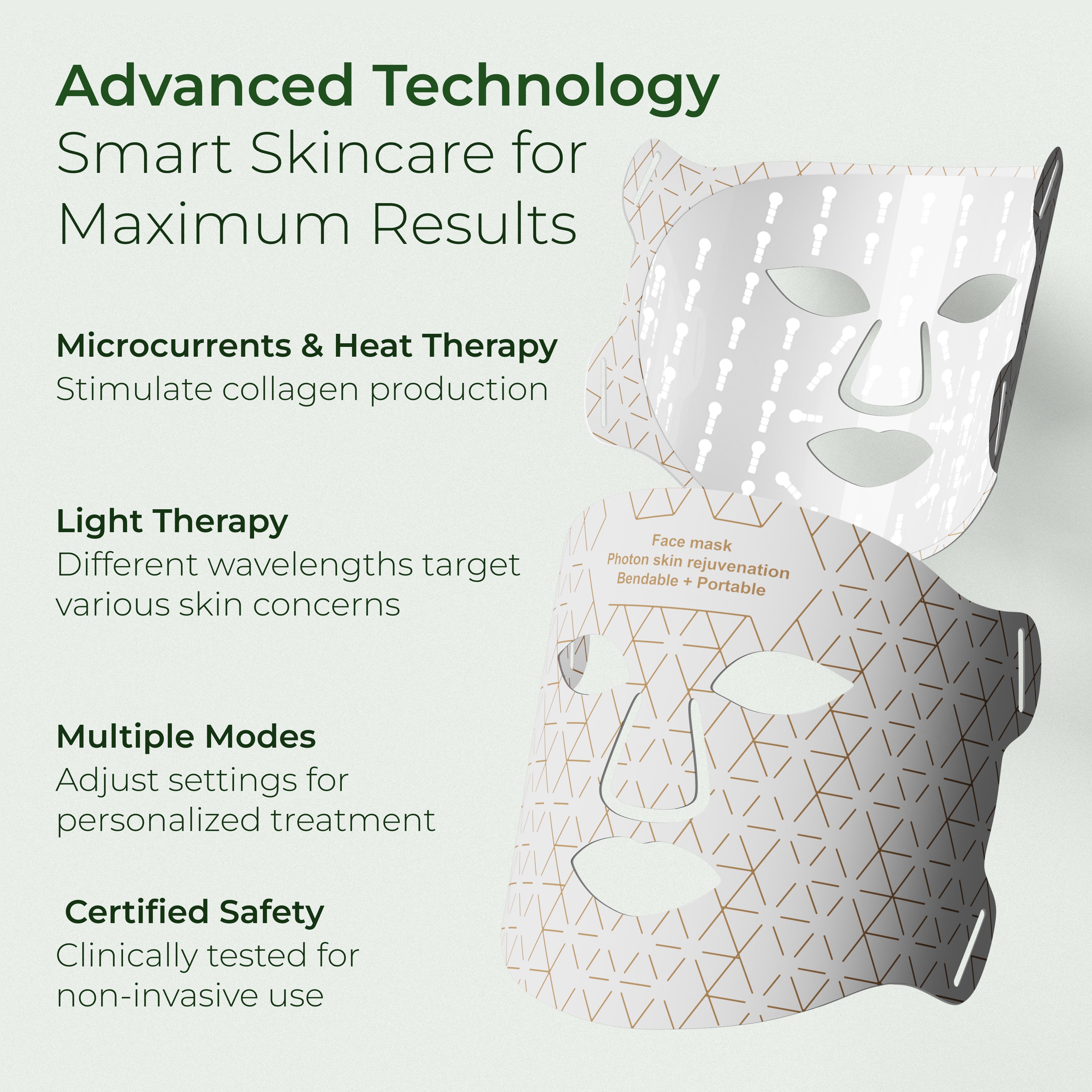
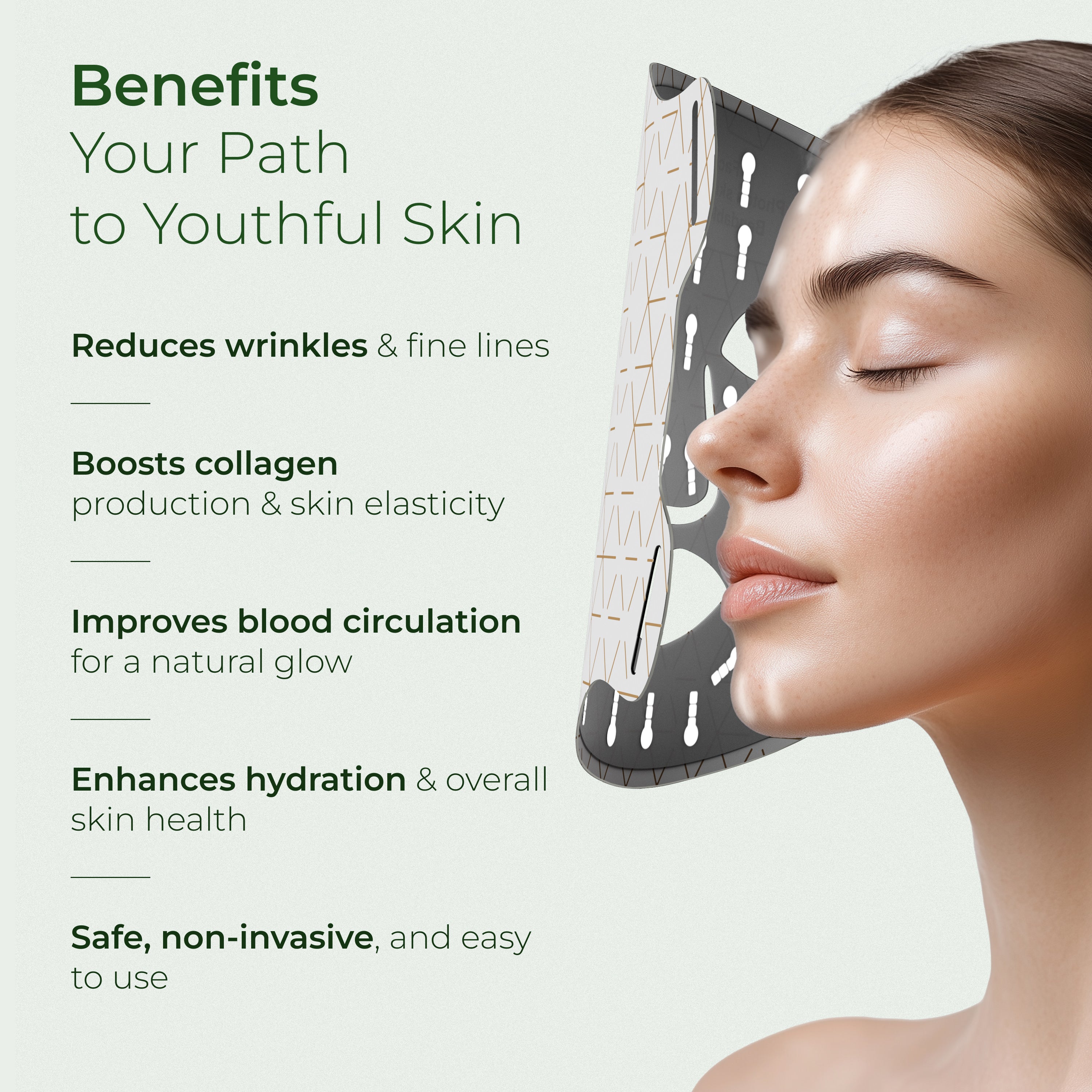
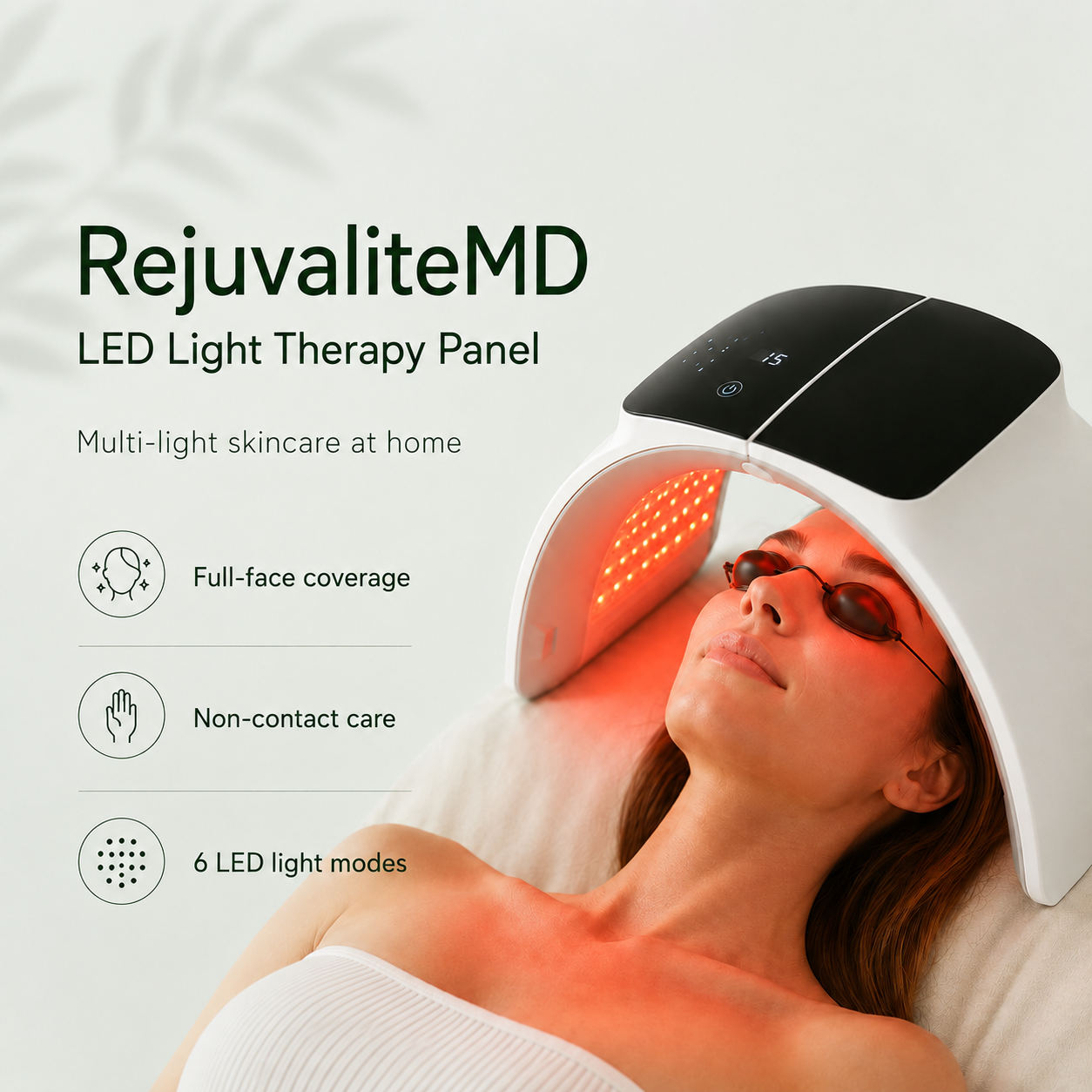
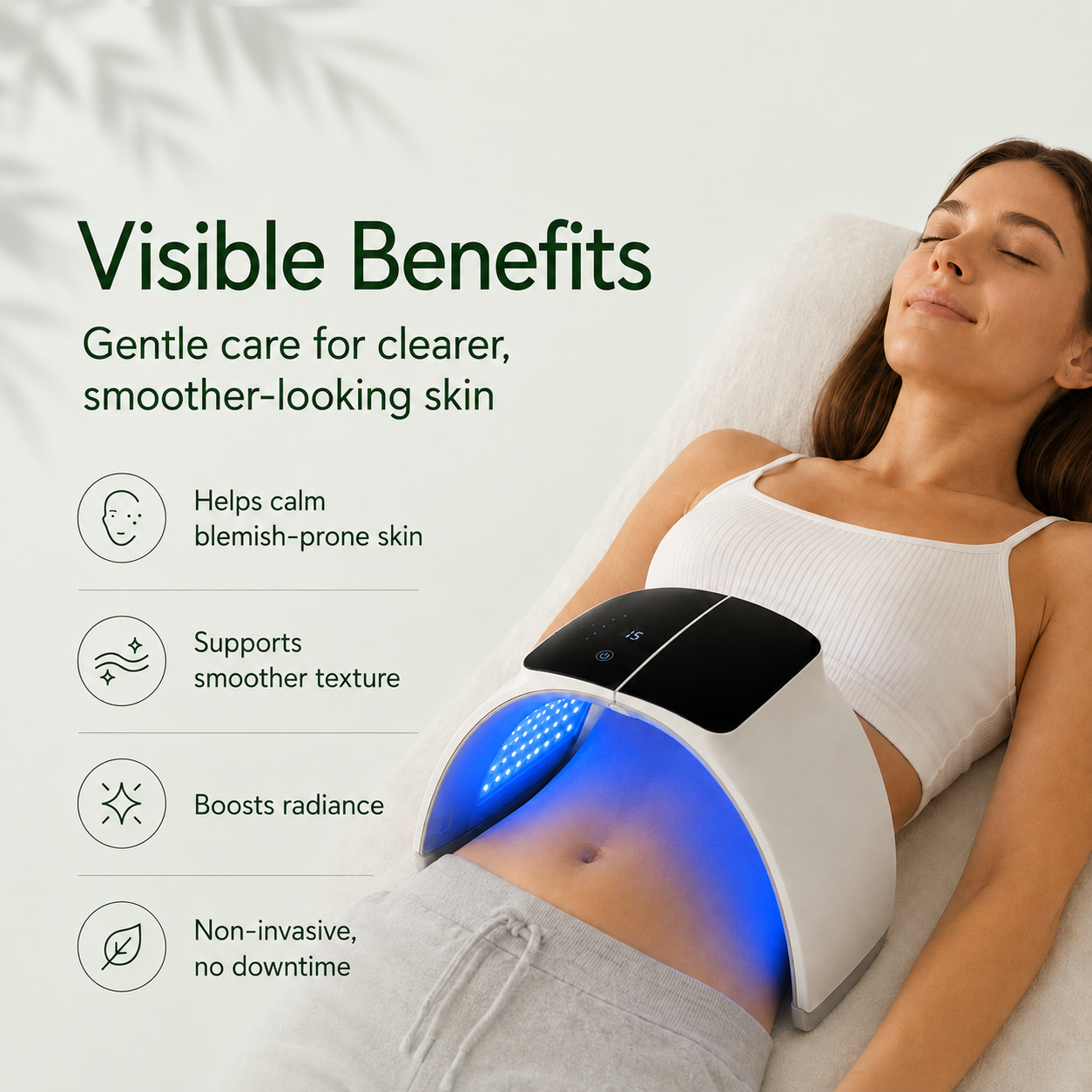
While your sun lamp works on mood and energy from the inside out, TrophySkin devices complement this approach by directly addressing skin concerns. Our LED light therapy tools use specific wavelengths—like red light for collagen stimulation and blue light for acne-causing bacteria—to enhance your skin at the cellular level. Pair your morning sun lamp session with targeted skincare technology for a comprehensive approach to looking and feeling radiant.
Explore LED Light Therapy →Building a Complete Morning Wellness Routine
The beauty of light therapy is how easily it integrates into your existing morning. Rather than adding another time-consuming task, you're simply enhancing what you already do.
A Sample 45-Minute Morning Routine
6:30 AM - Wake and Hydrate
Drink a glass of water. Your body is dehydrated after sleep, and hydration affects everything from energy to skin appearance.
6:32 AM - Turn On Your Sun Lamp
Position it correctly and let it work for 30 minutes while you do everything else.
6:32-6:45 AM - Skincare Routine
Cleanse, apply serums, and moisturize. If you use LED skincare devices like those from TrophySkin, this is the perfect time.
6:45-7:00 AM - Breakfast
Nourish your body while the light nourishes your brain. Focus on protein and healthy fats to sustain energy.
7:00-7:05 AM - Gentle Movement
A few stretches or a short walk gets your blood flowing and enhances the alertness the light therapy initiated.
Pro Tip: Keep your sun lamp where you naturally spend your mornings—whether that's the bathroom vanity, kitchen table, or home office desk. The easier it is to use, the more consistent you'll be.
What to Expect: Your Light Therapy Timeline
Understanding the typical progression helps set realistic expectations and keeps you motivated through the adjustment period.
Days 1-3
You might notice subtle changes in alertness or sleep quality. Some people feel slightly energized; others notice nothing dramatic yet. Both responses are normal.
Week 1
Many users report finding it easier to wake up in the morning. Energy levels may feel more stable throughout the day, with fewer afternoon crashes.
Weeks 2-3
This is when most people notice significant mood improvements. The fog begins to lift. Motivation returns. You might catch yourself feeling genuinely good on a grey Tuesday afternoon.
Week 4 and Beyond
With consistent use, benefits tend to compound. Sleep quality stabilizes, energy becomes more predictable, and the seasonal mood dip feels like a distant memory.
Main point: Light therapy is a marathon, not a sprint. Commit to at least 2-3 weeks of consistent morning use before evaluating results. The investment of 20-30 minutes daily pays dividends in how you feel—and how you look.
Frequently Asked Questions

Your Brighter Days Start Now
The winter blues don't have to be inevitable. With a quality sun lamp and the right approach, you can maintain your energy, mood, and radiance even as the days grow short. The key is consistency: same time, correct positioning, and patience as your body adjusts.
Think of your morning light therapy session as a gift to yourself—a daily reset that ripples through every aspect of how you feel and look. Pair it with thoughtful skincare, adequate sleep, and other healthy habits, and you're building a foundation for wellness that carries you through any season.
You deserve to feel like yourself all year round. Let the light in.
⚕️ Medical Disclaimer
This article is for educational purposes only and does not replace professional medical advice. Consult a board-certified dermatologist or healthcare provider before starting any new treatment regimen, especially if you have existing conditions, take medications, or are pregnant. If you experience severe depression or suicidal thoughts, please seek professional help immediately.

Leave a comment
This site is protected by hCaptcha and the hCaptcha Privacy Policy and Terms of Service apply.