


Quick Answer: Skin care for older adults should focus on three pillars: gentle cleansing with fragrance-free products, deep hydration with ingredients like hyaluronic acid and ceramides, and daily sun protection with SPF 30+. As skin becomes thinner and drier after 60, dermatologists recommend moisturizing within 3 minutes of bathing and avoiding hot water that strips natural oils.
Did you know that by age 60, your skin produces up to 60% less oil than it did in your 20s? This dramatic shift explains why skin care for older adults requires a completely different approach than what worked decades ago. The good news? With the right routine, you can maintain healthy, comfortable, and radiant skin at any age.
Whether you're navigating dry patches, sensitivity, or simply want to feel confident in your skin, this comprehensive guide covers everything dermatologists recommend for elderly skin care. From how to hydrate aging skin naturally to the latest at-home technology that can transform your routine, we've gathered expert insights to help you embrace this chapter with beautiful, resilient skin.
Understanding Your Changing Skin After 60
Your skin at 60 and beyond is fundamentally different from the skin you had at 40 or even 50. Understanding these changes is the first step toward creating an effective skin care routine for elderly skin that actually works.
What Happens to Older Skin
As we age, several biological changes occur that impact how our skin looks, feels, and functions. The outer layer (epidermis) becomes thinner and more fragile, while the supportive structures underneath—collagen and elastin—continue to break down. Oil glands produce less sebum, making dry skin one of the most common concerns among older adults.

Common Skin Concerns in Older Adults
Beyond dryness, older adults often experience increased sensitivity, slower wound healing, and changes in pigmentation. Age spots, skin tags, and easy bruising become more common. The skin also becomes more susceptible to environmental damage, making protection more important than ever.
Important: Any new moles, changes to existing spots, or wounds that don't heal should be evaluated by a dermatologist. Skin cancer risk increases with age, but early detection leads to excellent outcomes.
Essential Skin Care Routine for Older Adults
The dermatologist-recommended skin care routine for 60s and beyond doesn't need to be complicated. In fact, simplicity is key. Focus on these three essential steps consistently, and your skin will thank you.
Step 1: Gentle Cleansing
Harsh cleansers are one of the biggest enemies of mature skin. Look for fragrance-free, cream-based cleansers that won't strip away your skin's already-limited natural oils. The American Academy of Dermatology recommends cleansing just once daily for elderly skin care—usually in the evening to remove the day's buildup.
Pro Tip: Keep your shower or bath under 10 minutes and use lukewarm (not hot) water. Hot water strips natural oils and can leave elderly skin feeling tight and uncomfortable for hours afterward.
Step 2: Deep Hydration
Moisturizing is perhaps the most critical step in skin care for older adults. Apply a rich, fragrance-free moisturizer within 3 minutes of bathing to lock in hydration. For very dry skin, dermatologists recommend ointments over creams—they do a better job of holding moisture in your skin.
Step 3: Sun Protection
Yes, you still need sunscreen in your 60s, 70s, and beyond! Sun protection helps prevent new age spots, reduces further thinning of the skin, and lowers your skin cancer risk. Choose a broad-spectrum SPF 30+ sunscreen and apply it to all exposed skin daily—even on cloudy days.
The Essentials: A skin care routine for 60 year old woman (or anyone in their 60s+) needs just three products: gentle cleanser, rich moisturizer, and SPF 30+ sunscreen. Consistency matters more than complexity.
How to Hydrate Aging Skin Naturally
Learning how to hydrate aging skin naturally involves both what you put on your skin and what you do for your body overall. The most effective approach combines targeted skincare ingredients with lifestyle habits that support skin health from the inside out.

Best Ingredients for Mature Skin
When shopping for elderly skin care tips that actually work, look for these powerhouse ingredients on product labels:
Hyaluronic Acid: This naturally-occurring molecule can hold up to 1,000 times its weight in water. As we age, our natural production decreases, making topical application essential for plump, hydrated skin.
Ceramides: These lipid molecules help rebuild and maintain your skin's protective barrier. They're especially important for older skin that struggles to retain moisture.
Glycerin: A gentle humectant that draws moisture from the air into your skin. Look for it near the top of ingredient lists for maximum benefit.
Niacinamide: Also known as Vitamin B3, this ingredient helps strengthen the skin barrier and can improve uneven skin tone common in older adults.
Lifestyle Tips for Skin Health
Topical products are only part of the equation. Support your skin from within with these evidence-based habits:
Stay Hydrated: Aim for 8+ glasses of water daily. Increasing water intake has been shown to improve skin hydration, especially in older adults who may not feel as thirsty.
Use a Humidifier: Indoor heating and air conditioning strip humidity from the air. Keeping indoor humidity between 45-60% helps prevent moisture loss from your skin.
Eat Skin-Healthy Foods: Foods rich in omega-3 fatty acids (salmon, walnuts), antioxidants (berries, leafy greens), and healthy fats (avocado, olive oil) support skin health from within.
Prioritize Sleep: Studies show that even one night of poor sleep can reduce skin hydration. Aim for 7-9 hours of quality rest to support your skin's natural repair processes.
Pro Tip: Skip the bath oils! While they seem hydrating, they make tubs slippery and increase fall risk. Instead, apply your moisturizer immediately after bathing to damp skin for superior hydration.
Advanced Skin Care for Older Adults: At-Home Technology
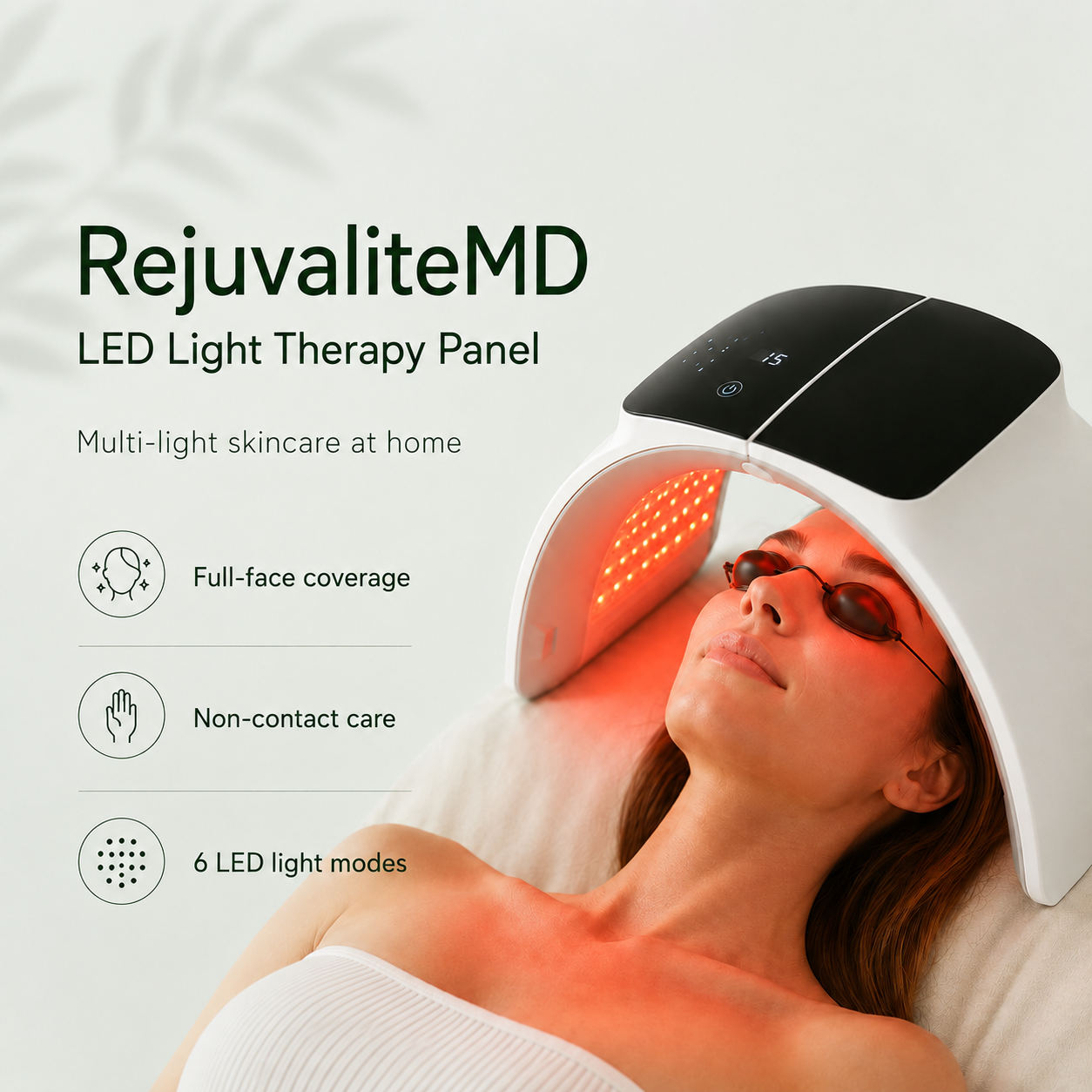
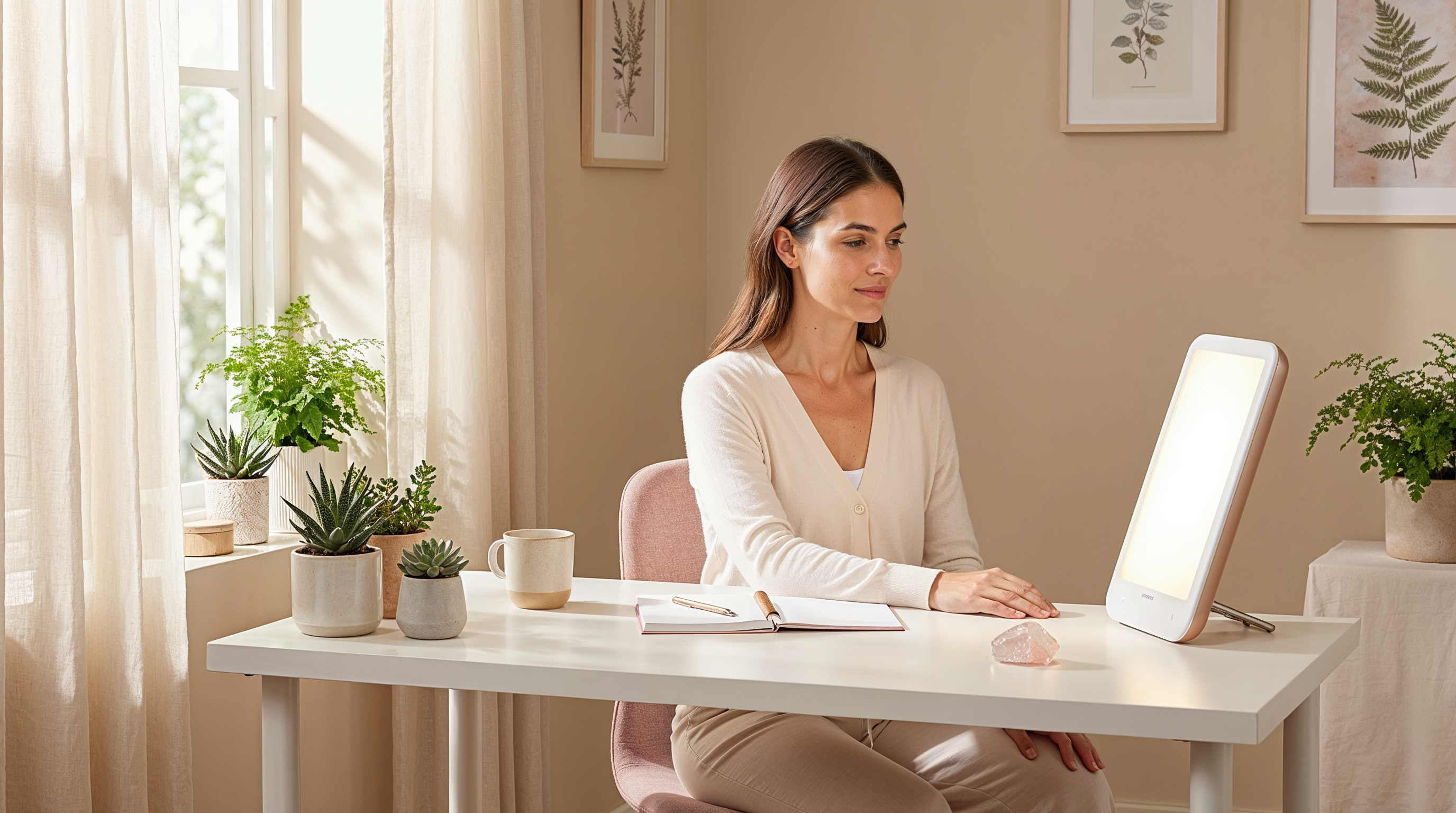
Beyond basic cleansing and moisturizing, today's at-home skincare devices offer older adults access to professional-grade treatments. These technologies can gently address concerns like dull skin, uneven texture, and loss of radiance—all in the comfort of home.
LED Light Therapy Benefits for Aging Skin
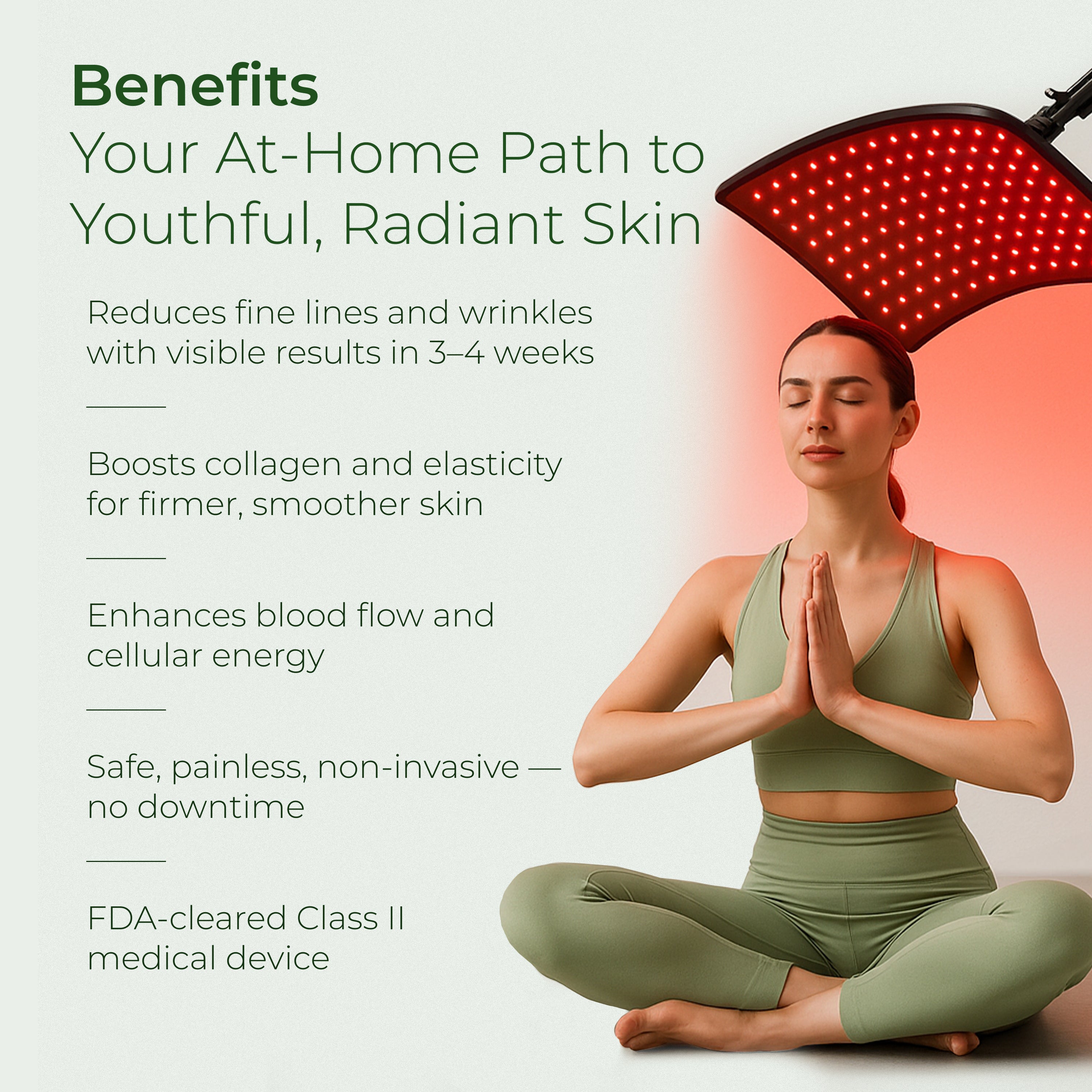
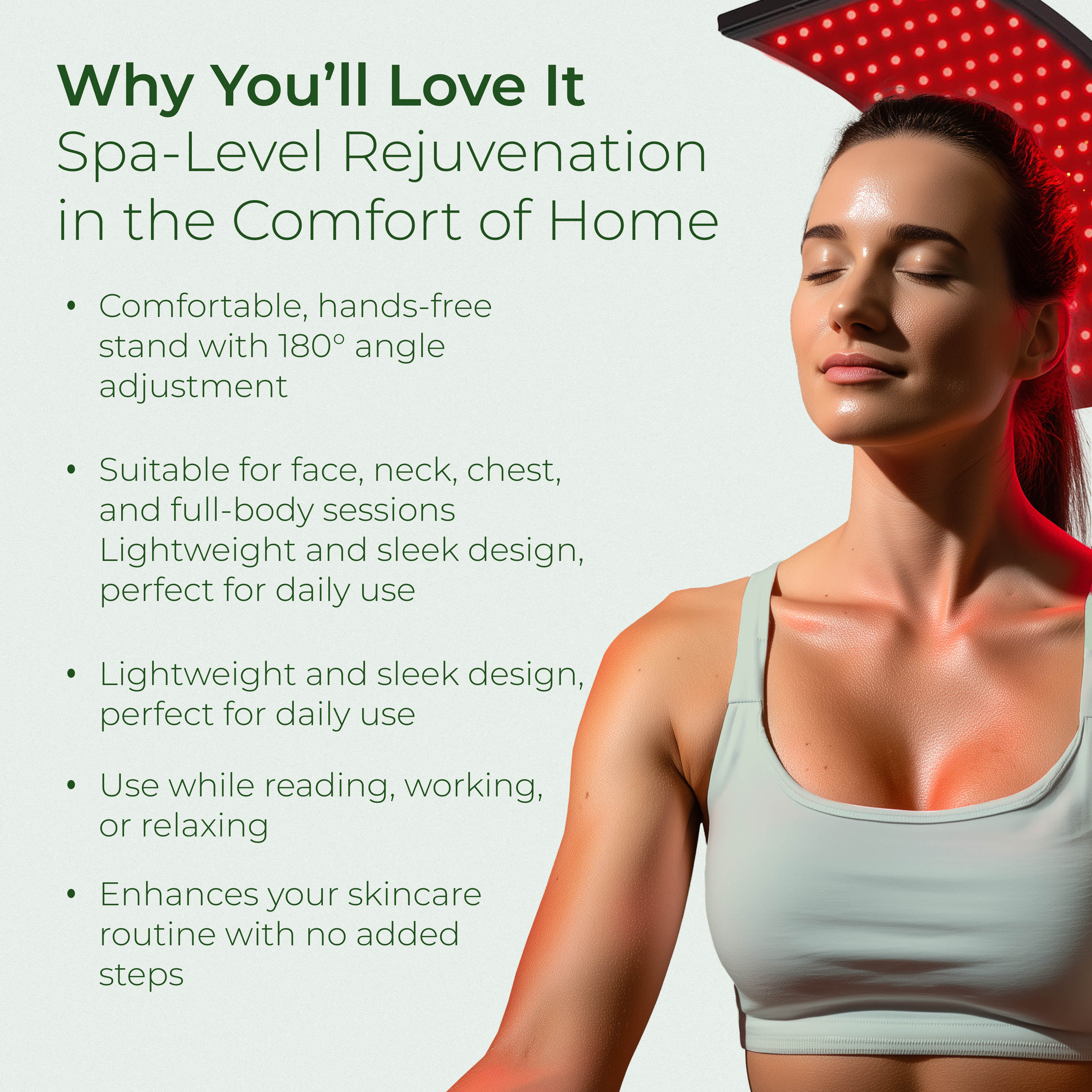
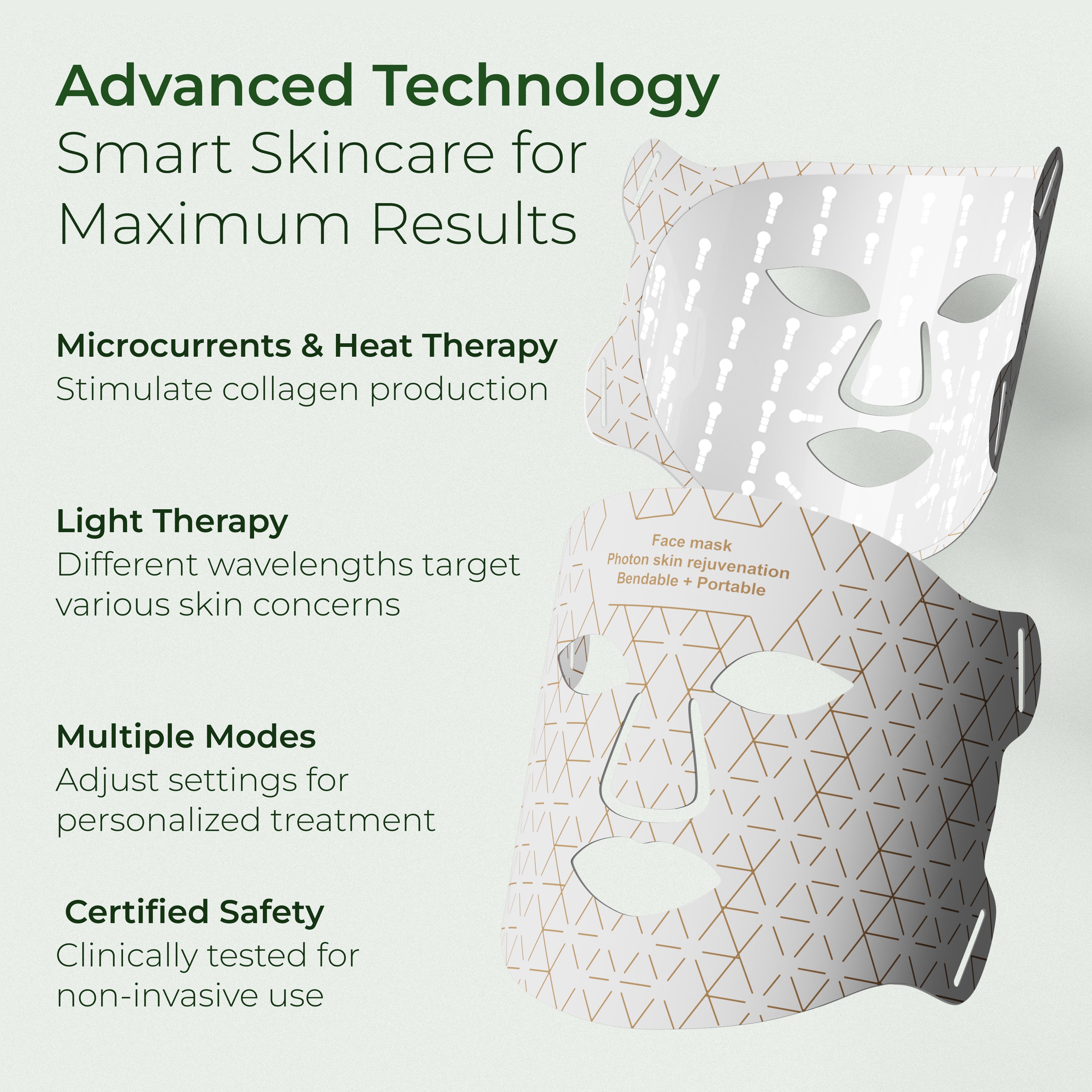
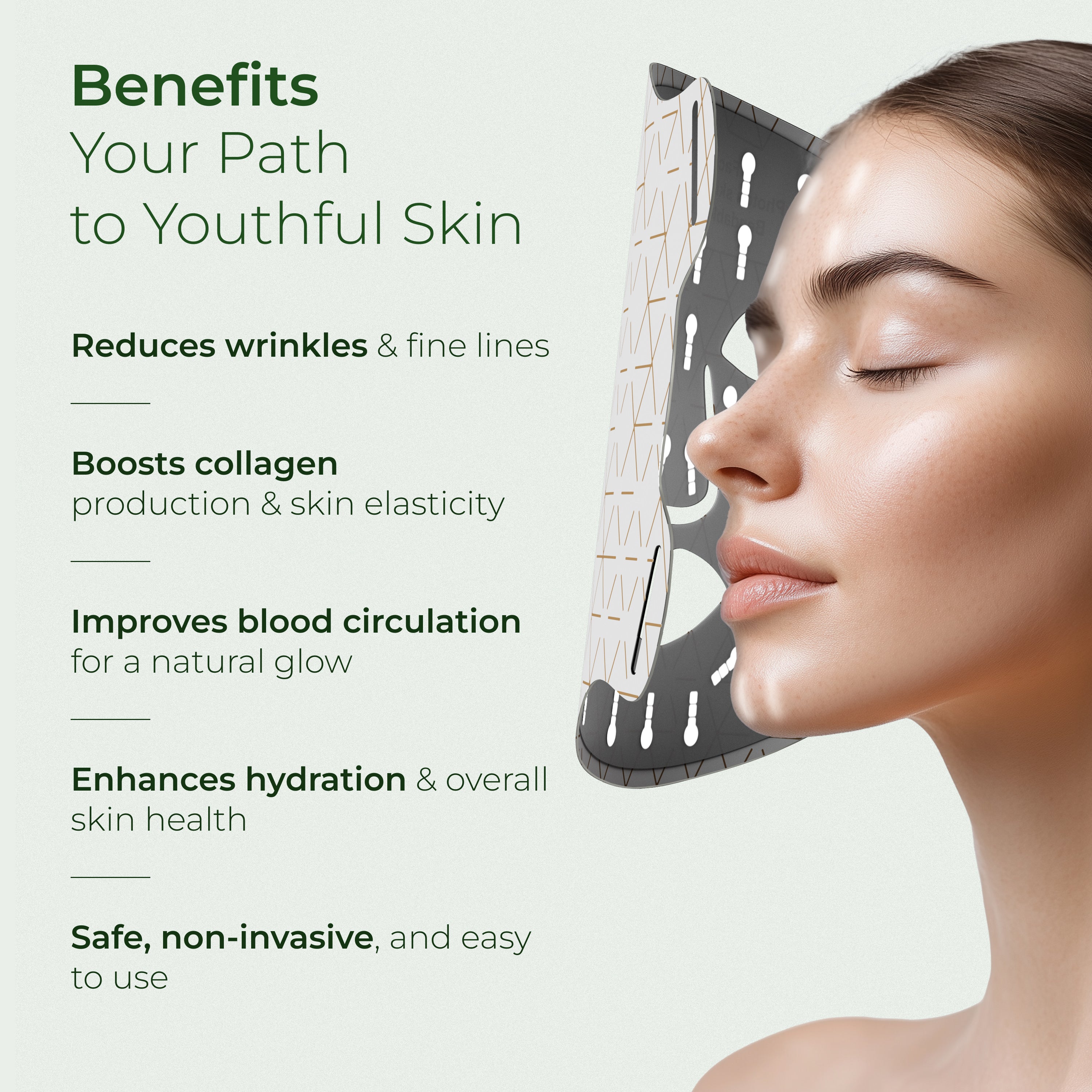
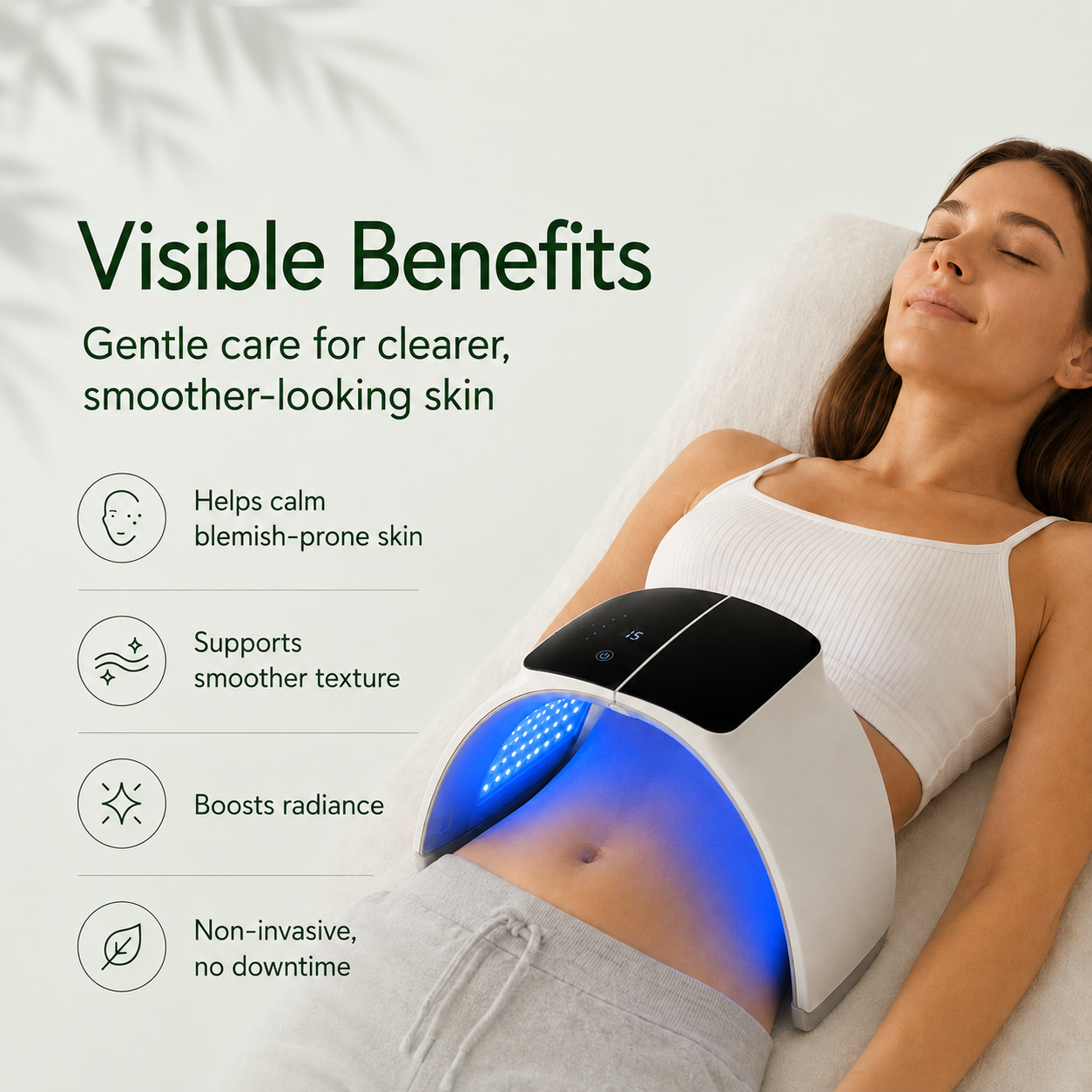
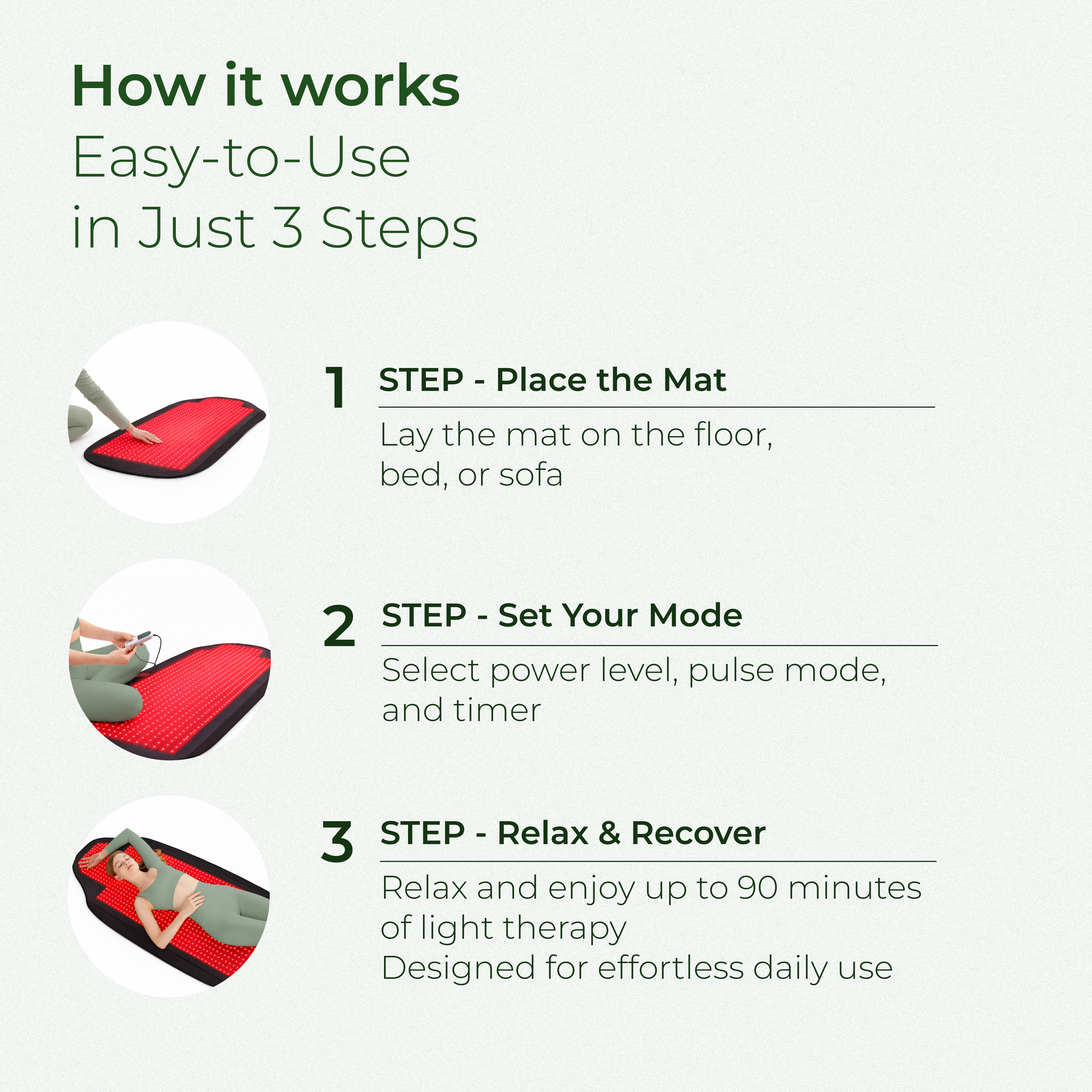
LED light therapy uses specific wavelengths of light to penetrate the skin and stimulate cellular activity. Red light (around 630-660nm) is particularly beneficial for mature skin as it supports collagen production and helps reduce the appearance of fine lines. The treatment is completely non-invasive and gentle—perfect for sensitive older skin.
Research shows that consistent LED therapy can improve skin texture, reduce inflammation, and support the skin's natural healing processes. Unlike harsh treatments, LED therapy works with your skin's biology, making it ideal for elderly skin care.

Gentle Exfoliation with Microdermabrasion
As skin cell turnover slows with age, dead cells can accumulate on the surface, leading to dullness and rough texture. Microdermabrasion provides gentle mechanical exfoliation that removes this buildup, revealing fresher, more radiant skin underneath.
At-home microdermabrasion devices are designed to be gentler than professional treatments, making them suitable for the more delicate skin of older adults. The key is using them at the lowest effective setting and not over-exfoliating—once or twice a week is typically sufficient for mature skin.
Week 1-2
Skin begins to feel softer and more hydrated. Initial adjustment period as skin responds to new routine.
Week 4-6
Visible improvement in skin texture and radiance. Dryness noticeably reduced with consistent routine.
Week 8-12
Optimal results visible. Skin appears more even-toned, plump, and healthy. Fine lines may appear softened.
How TrophySkin Can Help
Our professional-grade at-home devices bring spa-quality treatments to your bathroom. From LED light therapy that supports collagen production to gentle microdermabrasion for renewed radiance, TrophySkin devices are designed with mature skin in mind—effective yet gentle enough for daily self-care.
Explore Our Devices →Dermatologist-Recommended Tips for Your 60s and Beyond
Board-certified dermatologists have spent years studying skin care for elderly patients. Here are their top recommendations compiled from leading medical sources:
Pro Tip: Don't forget your hands! The skin on your hands is thin and shows aging quickly. Apply moisturizer to hands every time you wash them, and always include them in your sunscreen routine.

Frequently Asked Questions
Embracing Your Skin at Every Age
Skin care for older adults isn't about turning back the clock—it's about giving your skin what it needs to feel comfortable, healthy, and radiant right now. By understanding how your skin changes with age and adapting your routine accordingly, you can enjoy skin that feels as good as it looks.
Remember: the best skincare routine is one you'll actually follow. Start with the basics—gentle cleansing, deep hydration, and sun protection—and build from there. Whether you're dealing with dryness, sensitivity, or simply want to maintain your skin's natural glow, consistency is your greatest ally.
⚕️ Medical Disclaimer
This article is for educational purposes only and does not replace professional medical advice. Consult a board-certified dermatologist before starting any new skincare regimen, especially if you have existing skin conditions or take medications. If you notice any concerning changes to your skin, please see a healthcare provider promptly.

Leave a comment
This site is protected by hCaptcha and the hCaptcha Privacy Policy and Terms of Service apply.