

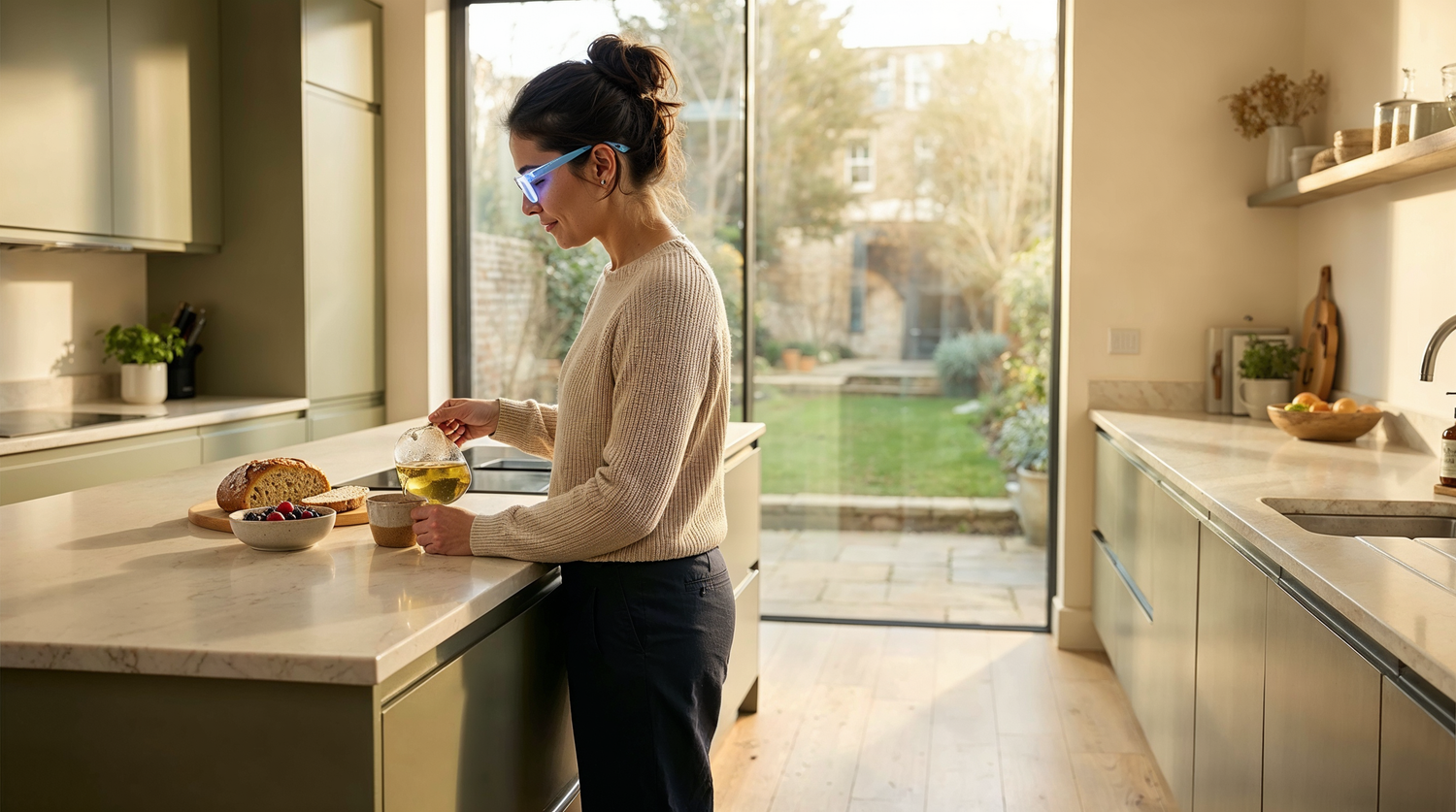
Quick Answer: Luminotherapy glasses are wearable light therapy devices that emit blue-enriched white light to help regulate your circadian rhythm, combat seasonal depression (SAD), improve sleep quality, and boost energy levels. Clinical studies show they can be as effective as traditional 10,000 lux light boxes while allowing you to stay mobile during treatment.
Ever feel like winter steals your energy, mood, and motivation? You're not alone—approximately 10 million Americans experience seasonal affective disorder (SAD), with millions more dealing with milder "winter blues." The solution might be sitting on your face: luminotherapy glasses.
These innovative wearable devices deliver therapeutic light directly to your eyes while you go about your morning routine. No more sitting motionless in front of bulky light boxes—modern light therapy glasses for depression and sleep disorders let you reclaim your mornings while getting the treatment you need.
What Are Luminotherapy Glasses?
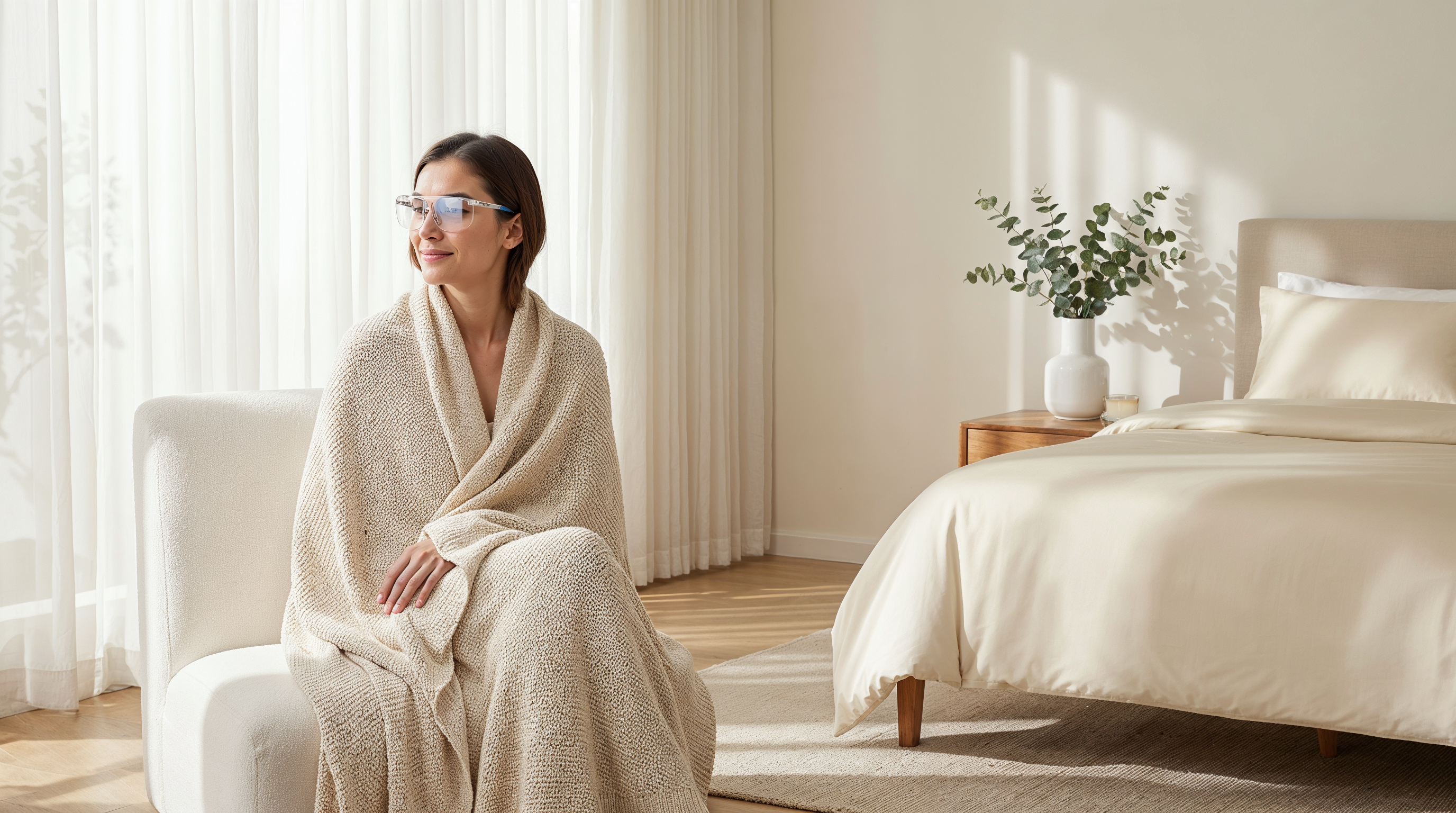
Luminotherapy glasses (also known as light therapy glasses, SAD light glasses, or daylight glasses) are wearable devices designed to deliver therapeutic bright light to your eyes. Unlike traditional light boxes that require you to sit stationary, these innovative glasses for seasonal affective disorder let you move freely while receiving treatment.
The concept is beautifully simple: LED lights positioned above your eyes emit blue-enriched white light that mimics natural sunlight. This light reaches your retinas and signals your brain to adjust hormone production—reducing melatonin (the sleep hormone) and boosting serotonin (the mood hormone).
Popular models like the Luminette 3 light therapy glasses have been clinically tested and used by over 300,000 people worldwide since 2006. Modern wearable light therapy devices are lightweight (typically 30-55 grams), USB-rechargeable, and designed to fit over prescription glasses.
How Do Light Therapy Glasses Work?
The Science Behind Light Therapy
Your body runs on a 24-hour internal clock called the circadian rhythm. This master clock, located in the suprachiasmatic nucleus (SCN) of your brain, regulates sleep-wake cycles, hormone production, body temperature, and mood. Light is the primary signal that keeps this clock synchronized with the external world.
When light enters your eyes, specialized cells called intrinsically photosensitive retinal ganglion cells (ipRGCs) detect it and send signals directly to your brain's master clock. This triggers a cascade of hormonal changes: melatonin production decreases, cortisol increases, and serotonin levels rise.
During darker months, reduced sunlight exposure disrupts this delicate balance. Your brain may produce too much melatonin during the day (making you feel sluggish) and not enough serotonin (affecting your mood). Light therapy glasses for sleep and mood work by providing the bright light your brain craves.
Blue Light vs White Light
Not all light affects your circadian system equally. Research shows that blue light (around 460-480 nanometers wavelength) is most effective at activating the ipRGCs in your eyes. This is why the sky looks blue during the day—it's nature's way of signaling "wake up!"
Best light therapy glasses typically use one of two approaches: pure blue light (like AYO glasses) or blue-enriched white light (like Luminette). Both are effective, but they offer different experiences. Blue light devices can achieve therapeutic effects at lower lux levels, making them more visually comfortable. White light devices feel more natural but need to be brighter.
Pro Tip: Don't confuse therapeutic blue light therapy glasses with blue light blocking glasses. They do the opposite! Blue light therapy delivers beneficial blue light in the morning, while blue blockers filter it out in the evening to help you wind down.
Benefits of Luminotherapy Glasses
The benefits of wearable SAD light devices extend far beyond just treating seasonal depression. Here's what clinical research and user experiences reveal:
Improved Mood and Reduced Depression Symptoms: Multiple clinical trials demonstrate that light therapy glasses for depression can be as effective as antidepressant medications for seasonal affective disorder. A 2019 study in the Journal of Clinical Medicine found significant improvement in depression scores within just two weeks of consistent use.
Better Sleep Quality: Light therapy glasses for sleep help reset your circadian rhythm, making it easier to fall asleep at night and wake up refreshed. They're particularly effective for delayed sleep phase syndrome and shift work disorder.
Increased Energy and Alertness: Many users report feeling more energized and focused without needing extra caffeine. Some describe it as "like having a cup of coffee without the jitters."
Faster Jet Lag Recovery: For travelers crossing time zones, light therapy glasses can speed up circadian adjustment. Strategic use before and after flights helps minimize jet lag symptoms.
Who Should Use Light Therapy Glasses?
Glasses for seasonal affective disorder aren't just for people with diagnosed SAD. Consider wearable light therapy if you:
- Experience winter blues or seasonal mood dips
- Struggle to wake up during dark winter mornings
- Work night shifts or irregular hours
- Have difficulty falling asleep or maintaining a consistent sleep schedule
- Travel frequently across time zones
- Spend most of your day indoors with limited natural light exposure
- Live in northern latitudes with limited winter daylight
- Want to boost morning energy without relying on caffeine
Important: Light therapy may not be suitable for everyone. Consult your doctor before using if you have bipolar disorder (risk of triggering mania), eye conditions like macular degeneration or glaucoma, or are taking photosensitizing medications. People with severe depression should use light therapy under professional guidance.
How to Choose the Best Light Therapy Glasses
With several options on the market, choosing the right SAD light goggles can feel overwhelming. Here are the key factors to consider:
Light Intensity and Type
Look for devices that deliver adequate circadian stimulus. While 10,000 lux is the gold standard for traditional light boxes, glasses work differently. Blue light devices (like AYO) can be effective at lower lux levels due to the wavelength. White light devices (like Luminette) need higher intensity. The Luminette 3 light therapy glasses offer three settings (500, 1000, and 1500 lux) and have been clinically validated as equivalent to 10,000 lux lamps.
Comfort and Fit
You'll wear these for 20-45 minutes daily, so comfort matters. Consider weight (lighter is better for extended wear), adjustable nose pieces, and compatibility with prescription glasses. Most quality devices weigh between 30-55 grams.
Safety Certifications
Ensure the device is UV-free and certified for photobiological safety (look for IEC 62471 certification). Reputable brands undergo clinical testing and offer documentation of their safety standards.
How to Use Luminotherapy Glasses Effectively
Getting the most from your light therapy glasses for seasonal affective disorder requires consistency and proper timing. Here's your step-by-step guide:
Timeline: When to Expect Results
Days 1-3: Immediate Effects
Increased alertness and energy during morning sessions. Some people feel more awake right away.
Week 1-2: Sleep Improvements
Easier time falling asleep at night. Waking up feels less difficult. Sleep schedule begins to regulate.
Week 2-4: Mood Benefits
Noticeable improvement in mood and motivation. Seasonal depression symptoms begin to lift.
Week 4+: Full Benefits
Maximum therapeutic effect achieved. Continue daily use throughout the season to maintain benefits.
 Light Therapy Glasses vs SAD Lamps: Which Is Better?
Both light therapy glasses and traditional SAD lamps can effectively treat seasonal affective disorder. The best choice depends on your lifestyle and preferences.
Choose glasses if: You have a busy morning routine, travel frequently, want mobility during treatment, or struggle with compliance using traditional lamps.
Choose a lamp if: You have a dedicated morning spot (like a desk), prefer lower upfront cost, or want the brightest possible light exposure. SAD lamps can deliver up to 100,000 lux equivalent at close range.
The best light therapy device is the one you'll actually use consistently. Research shows that glasses often have higher compliance rates because they integrate seamlessly into daily activities. If a traditional lamp sits unused on your desk, glasses might be a better investment.
Explore Professional Light Therapy Solutions
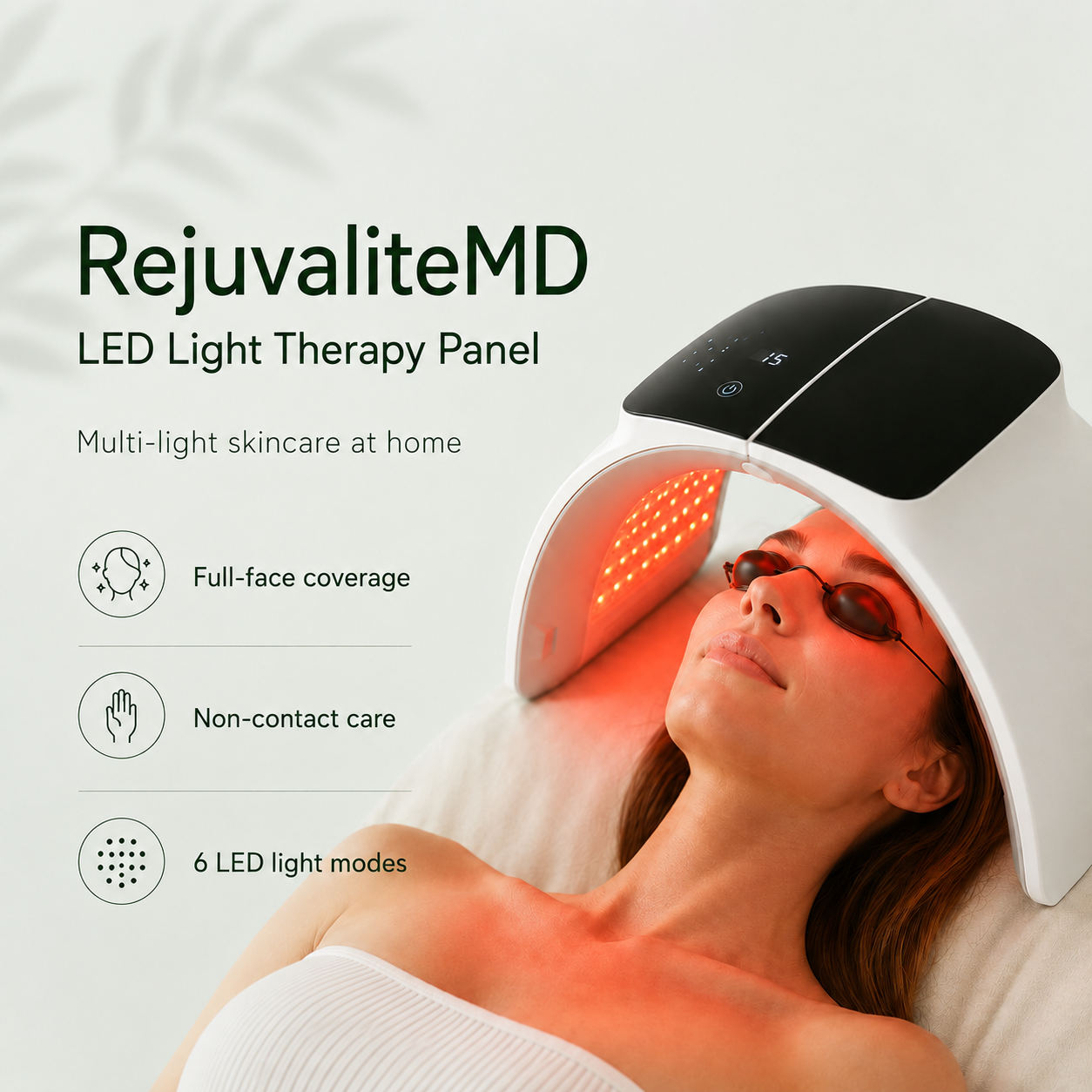
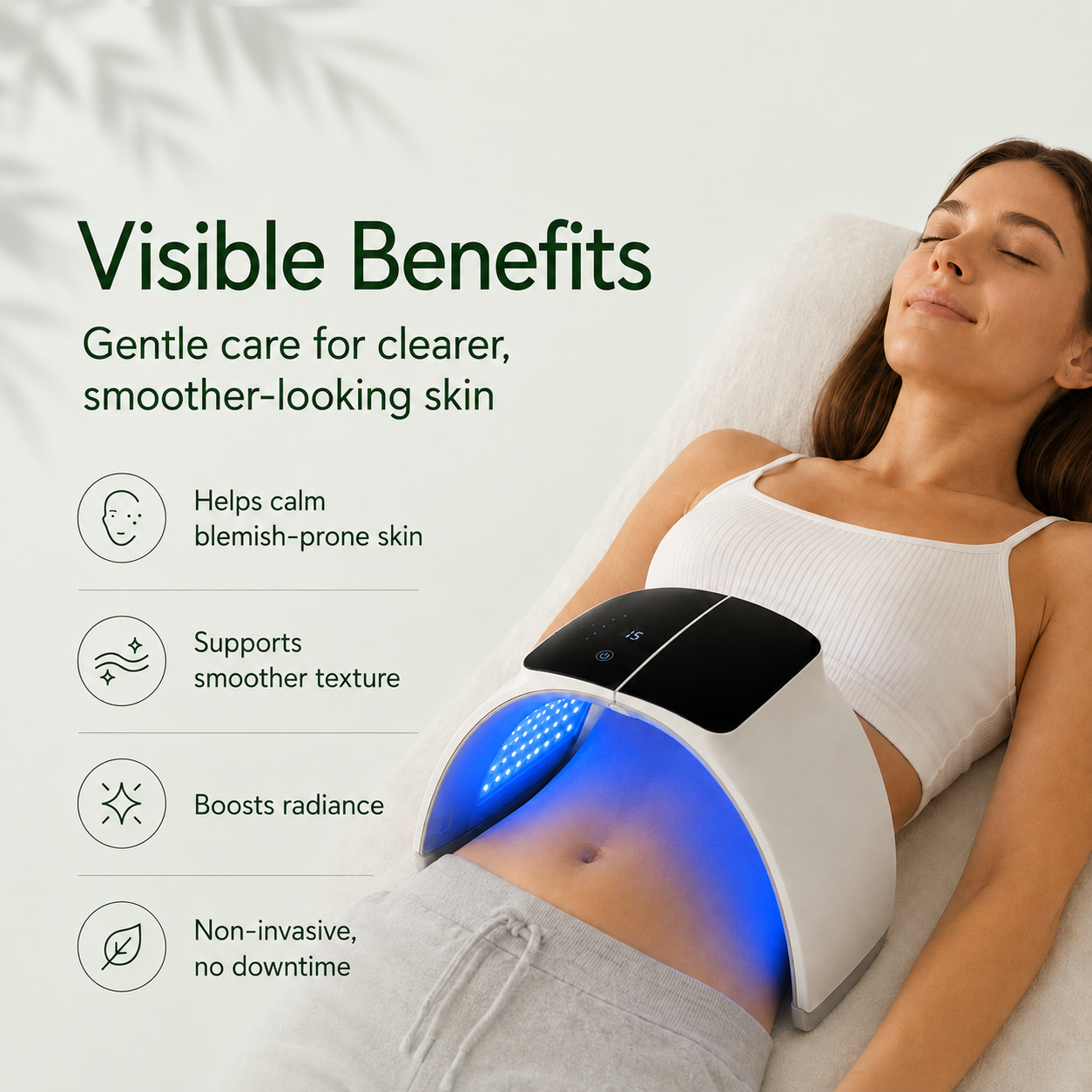
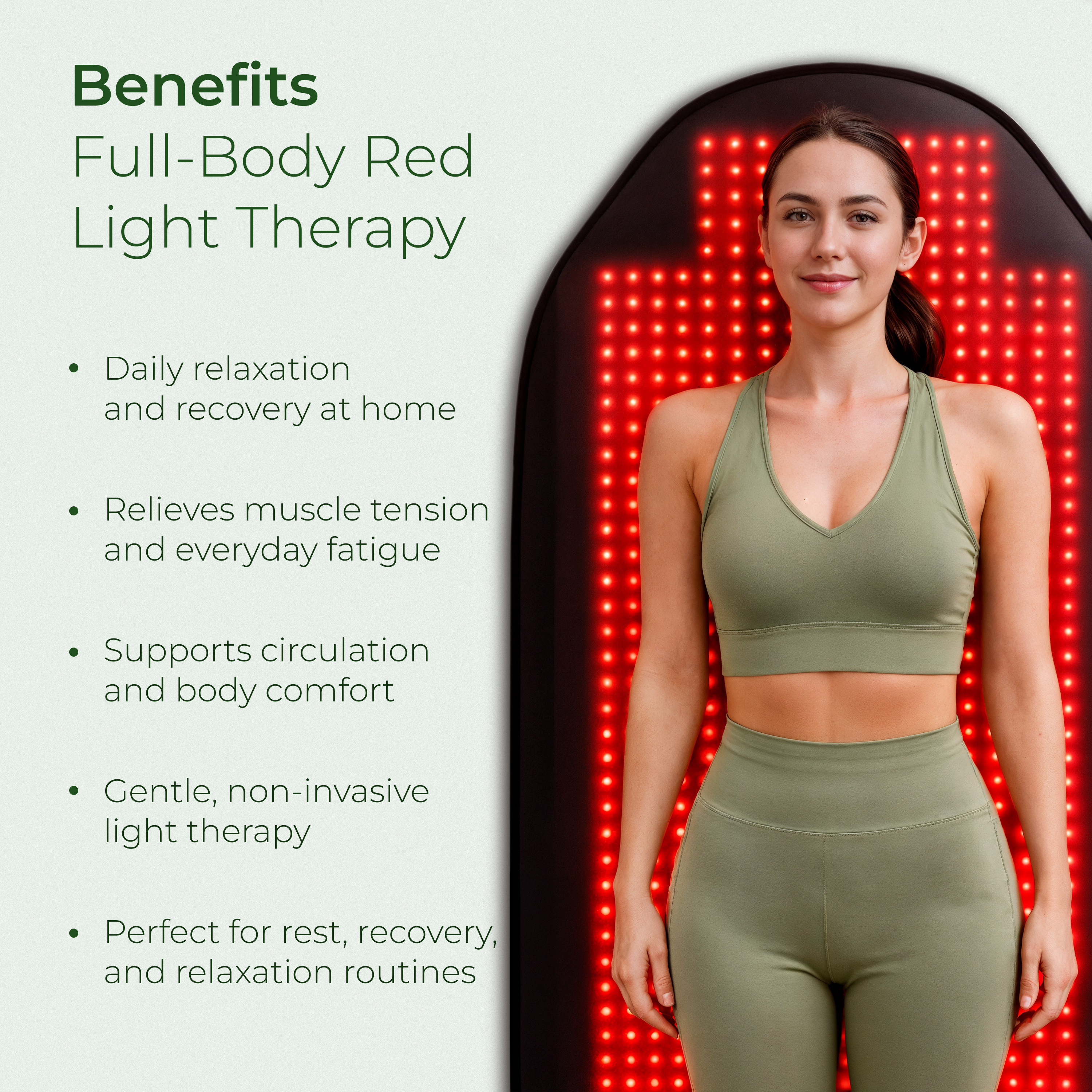
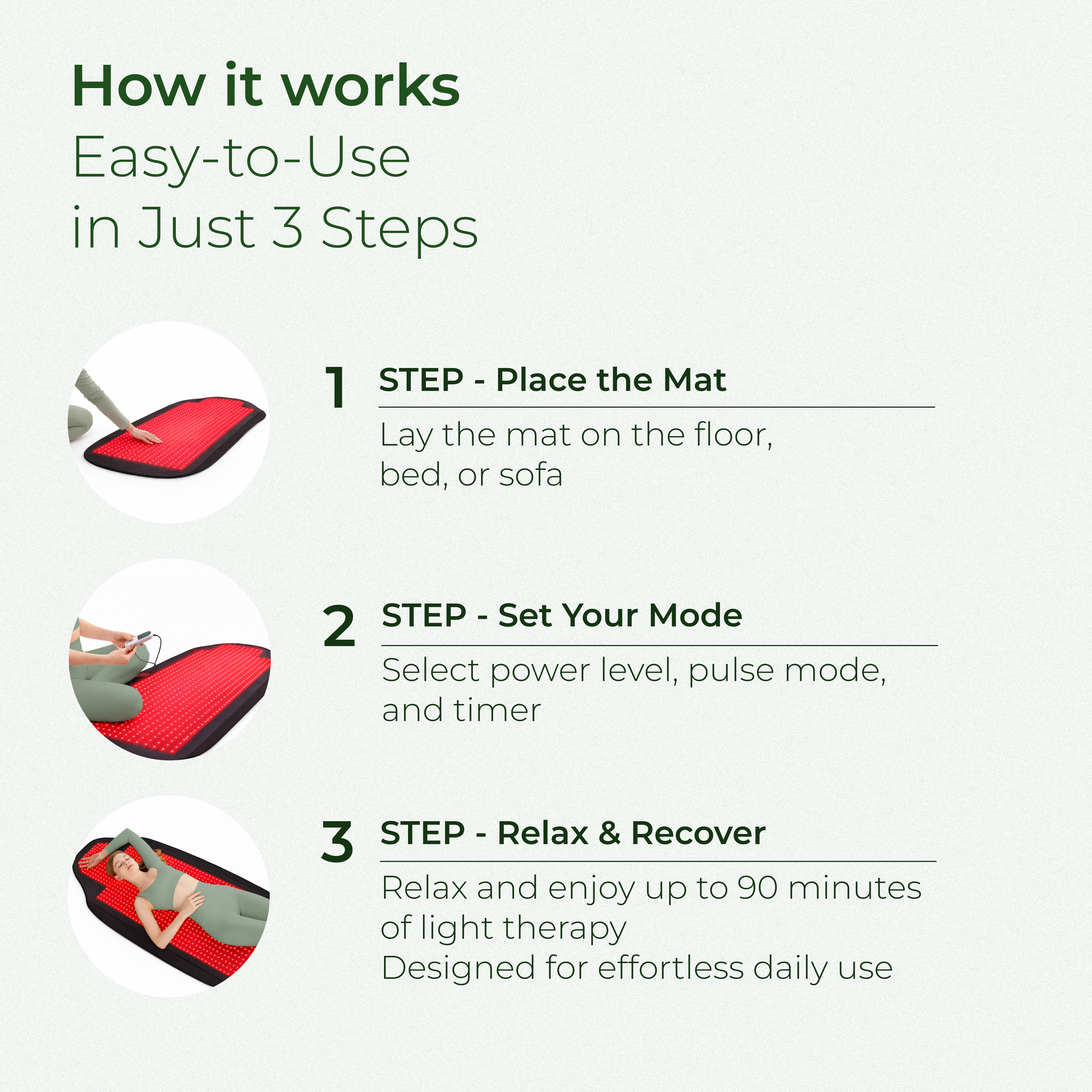
Looking for clinically-proven devices to support your wellness routine? TrophySkin offers a curated selection of LED therapy devices designed for home use—from targeted facial treatments to mood-boosting solutions.
Explore LED Therapy Collection →Frequently Asked Questions
⚕️ Medical Disclaimer
This article is for educational purposes only and does not replace professional medical advice. Light therapy may not be appropriate for everyone. Consult a healthcare provider before starting light therapy, especially if you have bipolar disorder, eye conditions, or are taking photosensitizing medications. If you experience severe depression or suicidal thoughts, please seek immediate professional help.

Leave a comment
This site is protected by hCaptcha and the hCaptcha Privacy Policy and Terms of Service apply.