


Quick Answer: Circadian rhythm glasses are specialized eyewear designed to regulate your body's internal clock. There are two main types: light therapy glasses (worn in the morning to boost alertness) and blue-blocking glasses (worn in the evening to support natural melatonin production). Used correctly, these glasses can improve sleep quality, increase daytime energy, and even support healthier skin through better cellular regeneration.
If you've ever struggled with falling asleep, waking up groggy, or feeling exhausted despite getting "enough" hours in bed, your circadian rhythm might be out of sync. The good news? Specialized circadian glasses can help reset your internal clock naturally—no pills required.
In this comprehensive guide, we'll explore how circadian rhythm glasses work, the science behind them, and exactly how to use them for optimal sleep, energy, and yes—even better skin.
What Are Circadian Rhythm Glasses?
Circadian rhythm glasses are a category of specialized eyewear designed to influence your body's internal 24-hour clock through controlled light exposure. Unlike regular glasses or standard blue-light computer glasses, these are purpose-built to either stimulate or protect your circadian system at specific times of day.
The term "circadian glasses" actually encompasses two distinct products that work in opposite ways: light therapy glasses that deliver bright, circadian-stimulating light to your eyes in the morning, and wind down glasses (also called blue-blocking glasses) that filter out sleep-disrupting wavelengths in the evening.
Think of them as tools that help your body understand what time it is. In our modern world of artificial lighting and screens, our internal clocks often receive confusing signals. Circadian glasses help restore the natural light-dark rhythm our bodies evolved to follow.
The Science: How Light Controls Your Body Clock
Your circadian rhythm is regulated by a master clock in your brain called the suprachiasmatic nucleus (SCN). This tiny cluster of cells receives direct input from specialized photoreceptors in your eyes—and light is its most powerful input signal.
Blue Light and Melanopsin
Unlike the rods and cones that help you see, your eyes contain a third type of photoreceptor called intrinsically photosensitive retinal ganglion cells (ipRGCs). These cells contain a photopigment called melanopsin, which is most sensitive to blue-wavelength light around 460-480 nanometers.
When melanopsin detects this blue light, it sends a "daytime" signal to your brain, suppressing melatonin production and triggering alertness hormones. This is exactly what you want in the morning—but problematic when it happens from your phone or laptop at 11 PM.
The Circadian-Sleep-Skin Connection
Here's something fascinating that many people overlook: your circadian rhythm doesn't just affect sleep—it directly influences your skin. Research shows that skin cells follow their own circadian clock, with cell regeneration and collagen production peaking during nighttime sleep.
When your circadian rhythm is disrupted, this regenerative process suffers. Studies have linked poor sleep quality to increased signs of skin aging, reduced skin barrier function, and slower wound healing. Supporting your circadian rhythm with proper light exposure isn't just about feeling rested—it's about giving your skin the optimal conditions to repair and renew itself.
The bottom line: Light exposure timing is critical. Bright blue-enriched light in the morning helps you wake up and stay alert. Blocking that same light in the evening allows melatonin to rise naturally, promoting deeper sleep and better skin regeneration overnight.
Two Types of Circadian Rhythm Glasses
Understanding the difference between these two types of circadian glasses is crucial—using the wrong one at the wrong time can actually work against your sleep goals.
Morning: Light Therapy Glasses
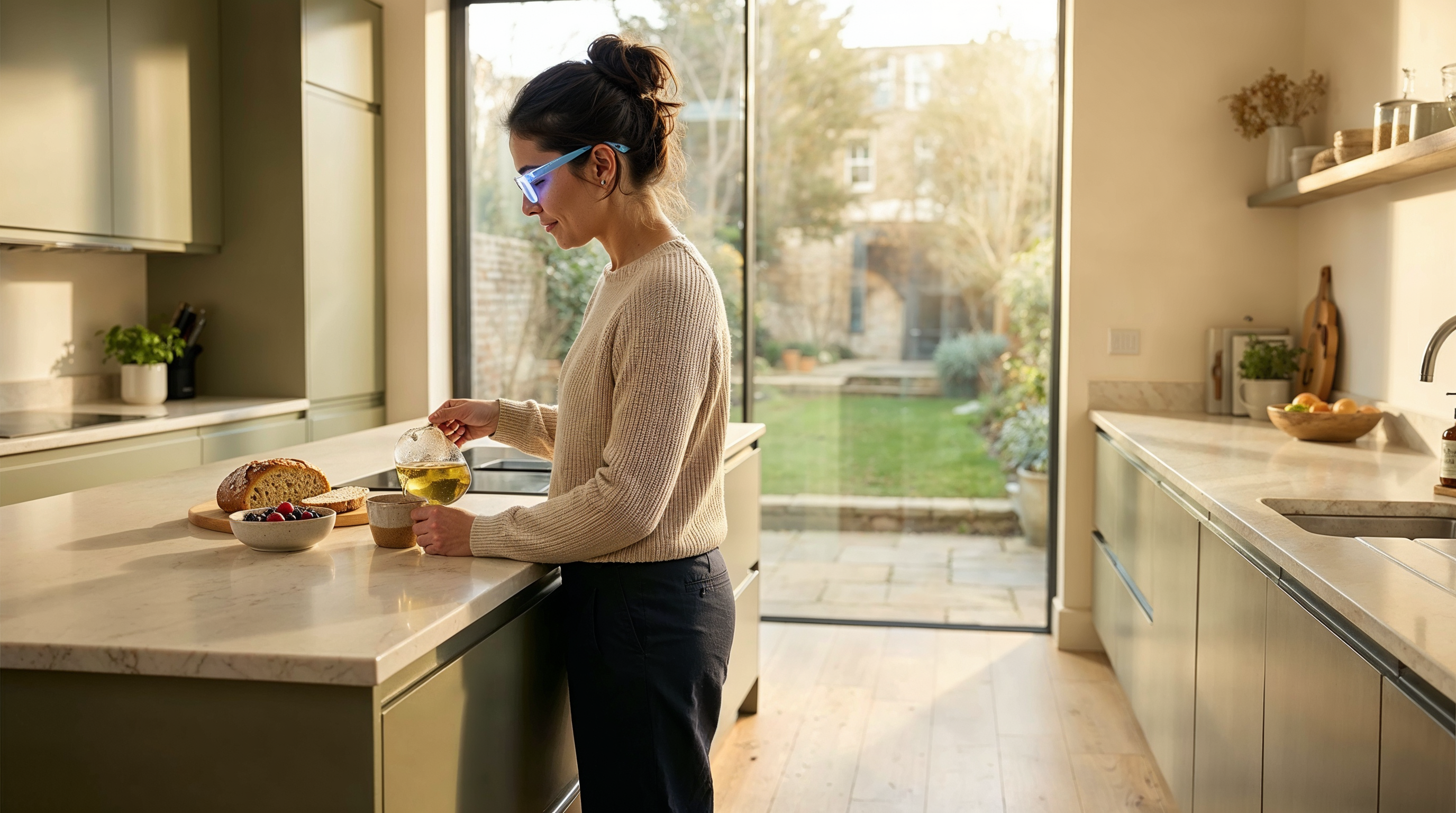
Light therapy glasses (sometimes called SAD glasses or circadian light glasses) emit blue or blue-enriched white light directly toward your eyes. They're designed to simulate the bright morning sunlight that naturally cues your body to wake up.
These glasses are particularly valuable for people who wake up before sunrise, live in northern climates with limited winter daylight, or work night shifts. They can help reset a delayed sleep phase (when you naturally want to sleep and wake very late) and combat seasonal mood changes.
Popular light therapy glasses like the AYO and Luminette 3 deliver 100-1500 lux of circadian-effective light in a wearable format, allowing you to get your morning light dose while making breakfast or exercising.
Evening: Wind Down Glasses (Blue Light Blocking)
Wind down glasses work in the opposite direction—instead of adding light, they filter it out. These glasses feature amber, orange, or red-tinted lenses that block the blue and green wavelengths (roughly 400-550nm) that suppress melatonin production.
By wearing blue-blocking glasses in the evening, you create an artificial "sunset" for your brain. Even if you're exposed to bright indoor lighting or screens, your circadian system receives the signal that nighttime is approaching, allowing melatonin to rise naturally.
Pro Tip: For the best results, use both types of circadian glasses together as part of a complete light hygiene routine. Light therapy in the morning + blue blocking in the evening creates a strong, consistent signal for your circadian system.
How to Use Circadian Rhythm Glasses for Best Results
Timing is everything when it comes to circadian glasses. Here's a practical protocol for incorporating both types into your daily routine.
Morning Protocol: Light Therapy Glasses
When to use: Within 30-60 minutes of waking up. If you're trying to shift your sleep schedule earlier, use them as soon as you wake.
Duration: 20-30 minutes is typically recommended, though this varies by device brightness. Higher-intensity glasses may need less time.
What to do during: Light therapy glasses are hands-free, so you can wear them while eating breakfast, doing your skincare routine, checking emails, or light exercise. Just keep your eyes open—the light needs to reach your retinas.
Important: Avoid using light therapy glasses late in the day. After about 2-3 PM, bright light exposure can interfere with your natural melatonin rise and make it harder to fall asleep.
🌅 6:00-7:00 AM — Morning Light
Use light therapy glasses for 20-30 minutes while doing your morning routine. This signals your brain that it's time to be alert.
☀️ Daytime — Natural Light
Get outdoor light exposure when possible. Even cloudy daylight is brighter than indoor lighting and helps reinforce your circadian rhythm.
🌙 8:00-9:00 PM — Wind Down
Put on blue-blocking glasses about 1-2 hours before your target bedtime. Continue wearing them for all screen use and bright light exposure.
😴 10:00-11:00 PM — Sleep
Your melatonin has risen naturally, making it easier to fall asleep. Your skin enters peak regeneration mode during deep sleep.
Evening Protocol: Wind Down Glasses
When to use: Start wearing your blue-blocking glasses about 90 minutes to 2 hours before your target bedtime. Some people prefer to put them on at sunset for maximum effect.
Duration: Wear them continuously until you go to bed. The longer you block blue light before sleep, the higher your melatonin levels can rise.
Lens color matters: Clear or light yellow "computer glasses" don't block enough blue light for circadian purposes. Look for amber, orange, or red lenses that block wavelengths up to 550nm for true wind down benefits.
Choosing the Right Circadian Glasses
With so many options on the market, here's what to look for when selecting circadian glasses:
For light therapy glasses: Look for devices that emit at least 200-500 melanopic lux (circadian-weighted light measurement). Popular options like AYO and Luminette have been clinically studied. Consider weight and comfort since you'll wear them for 20-30 minutes daily.
For wind down glasses: Prioritize wavelength blocking over brand names. The most effective blue blockers have amber to red lenses that filter 100% of light below 500-550nm. Orange lenses are a good middle ground, blocking blue light while allowing some color perception.
Don't fall for marketing claims about "clear blue blockers"—if the lenses look clear, they're not blocking enough blue light to significantly impact your circadian rhythm. True circadian-protective lenses will noticeably tint your vision toward yellow, orange, or red.
Common Mistakes to Avoid
Even with the right glasses, timing and consistency matter. Here are the most common mistakes people make with circadian glasses:
Using light therapy glasses too late: Bright light exposure after 2-3 PM can delay your circadian rhythm instead of advancing it. Stick to morning use only.
Wearing blue blockers all day: Your body needs blue light during the day to maintain alertness and a healthy circadian rhythm. Reserve blue-blocking glasses for evening use only.
Inconsistent use: Circadian rhythm changes take time. You need at least 1-2 weeks of consistent daily use to see significant effects. Occasional use won't meaningfully shift your sleep patterns.
Ignoring other light sources: Blue-blocking glasses help, but they work best when combined with dimmed room lighting in the evening. Bright overhead lights can still affect your circadian system even through amber lenses.
Important: If you have bipolar disorder or a history of mania, consult your doctor before using light therapy glasses. Bright light exposure can potentially trigger manic episodes in susceptible individuals.
Pro Tip: Pair your evening wind down routine with your nighttime skincare. The combination of melatonin-supporting light habits and targeted skincare treatments like LED therapy can maximize your skin's regenerative potential overnight.

Complete Your Wellness Routine
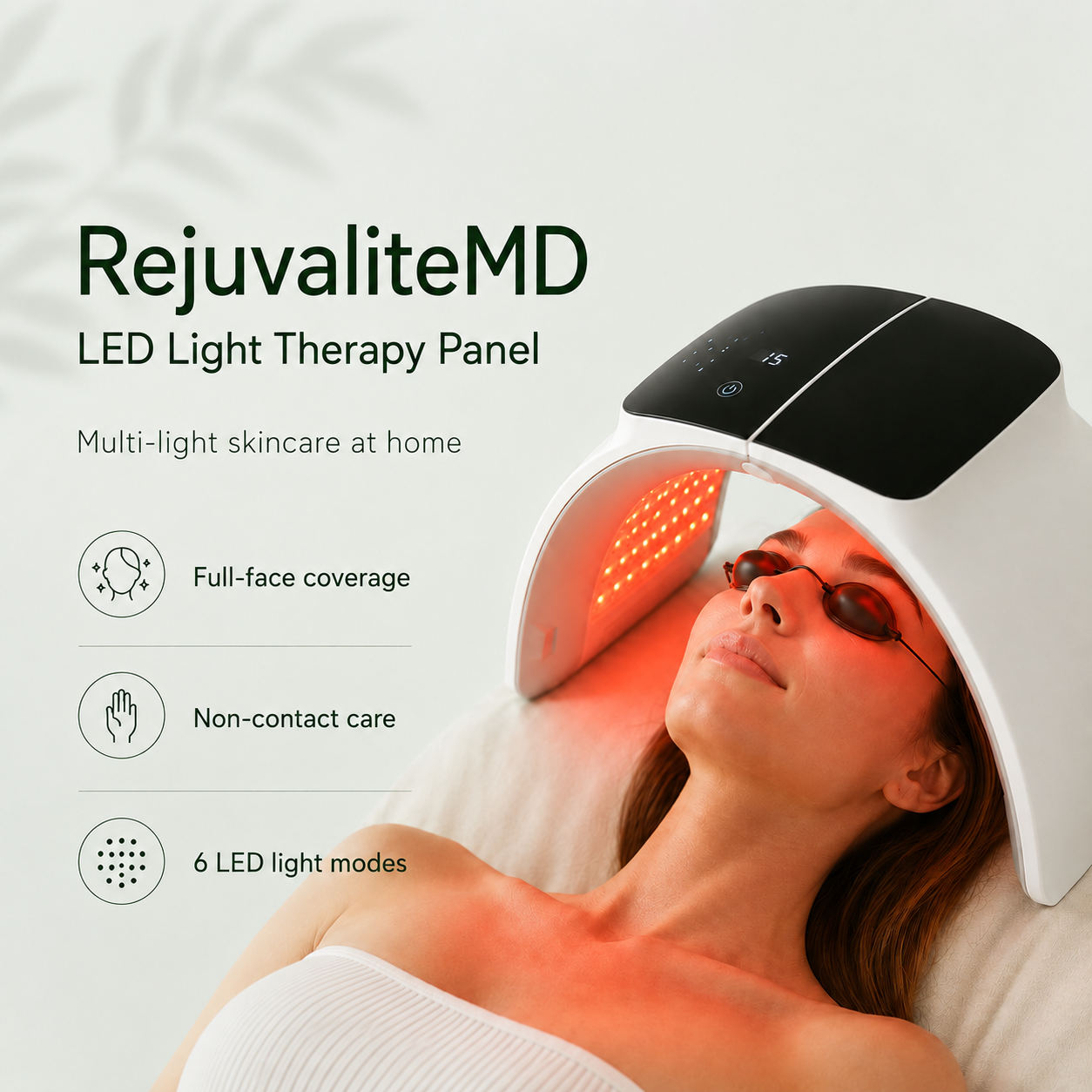
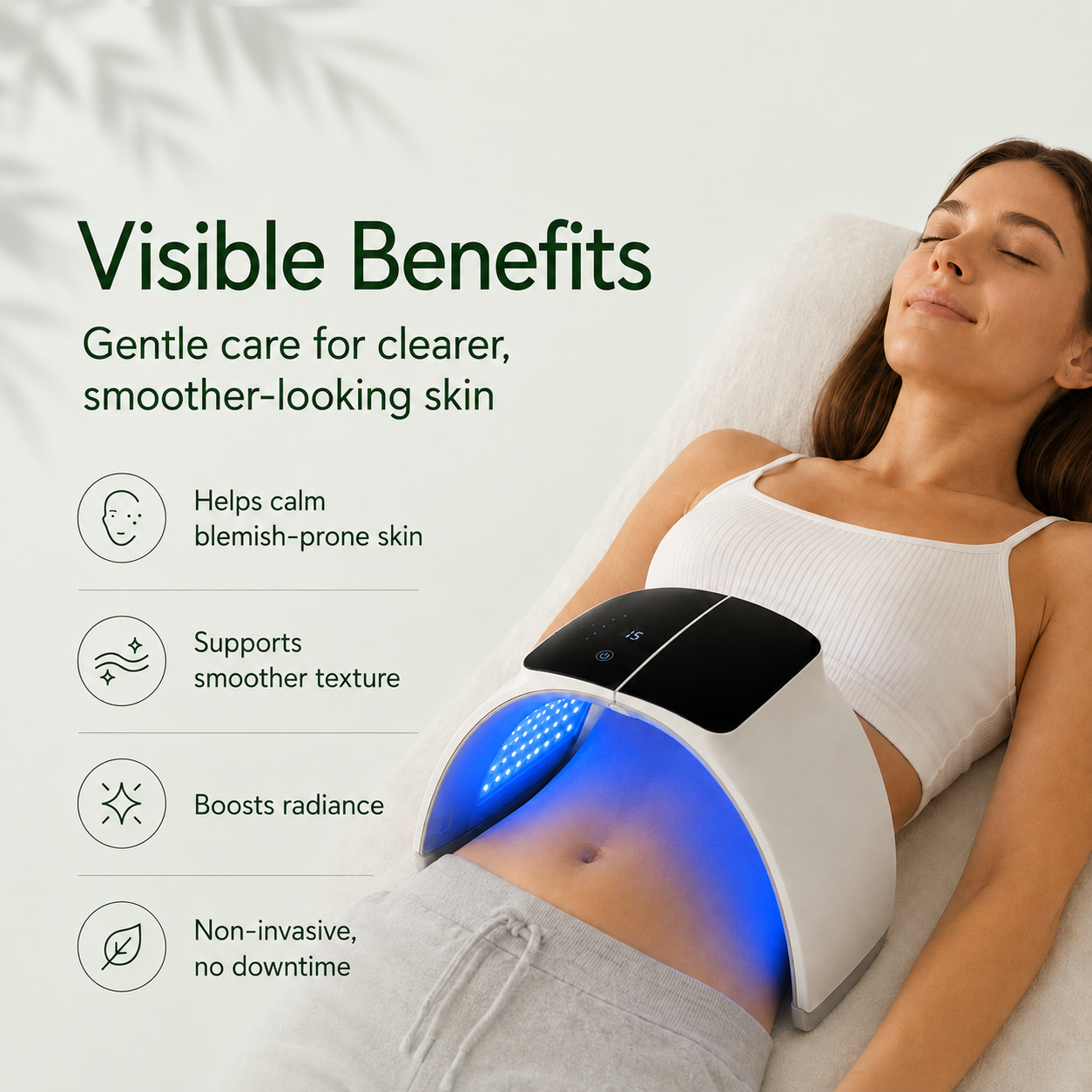
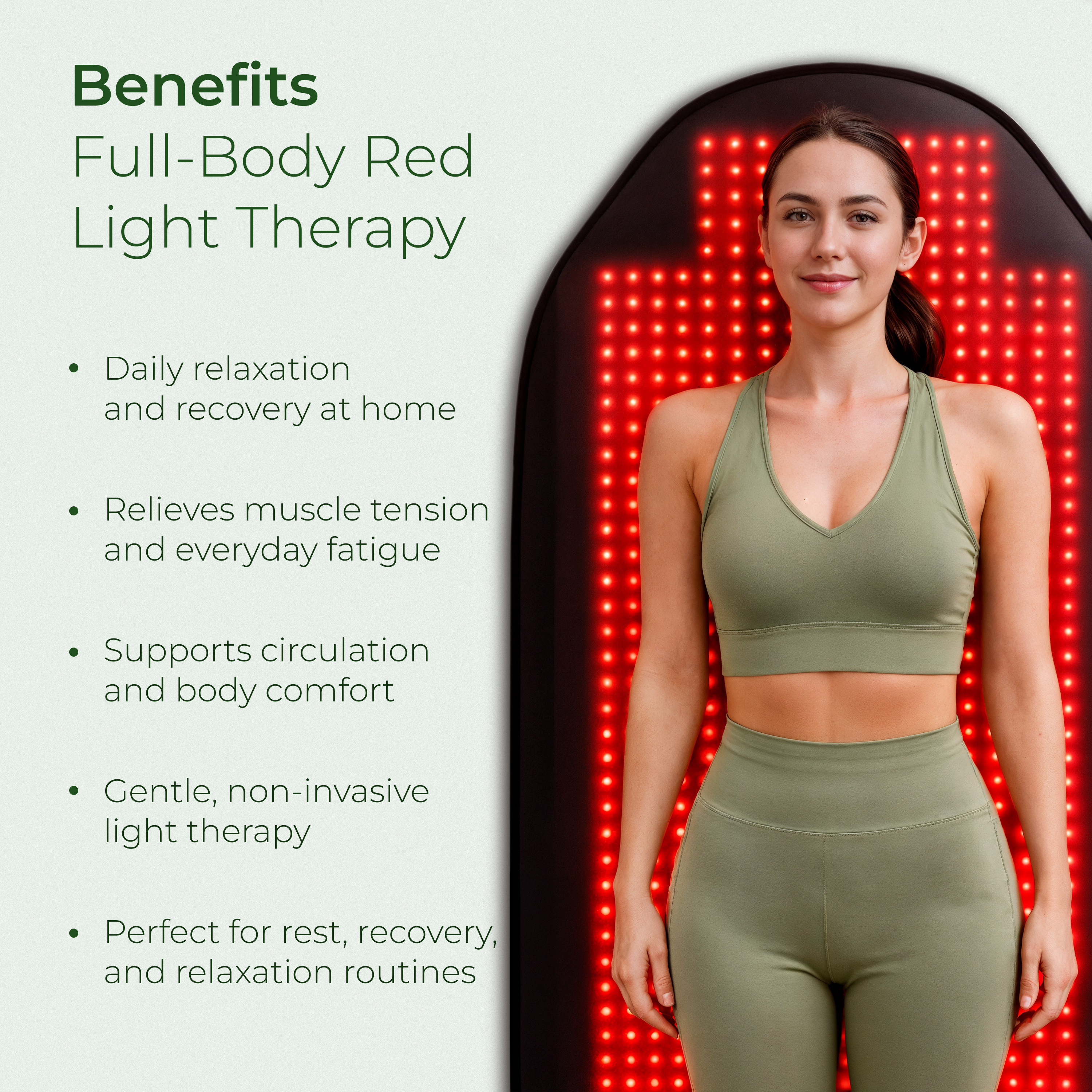
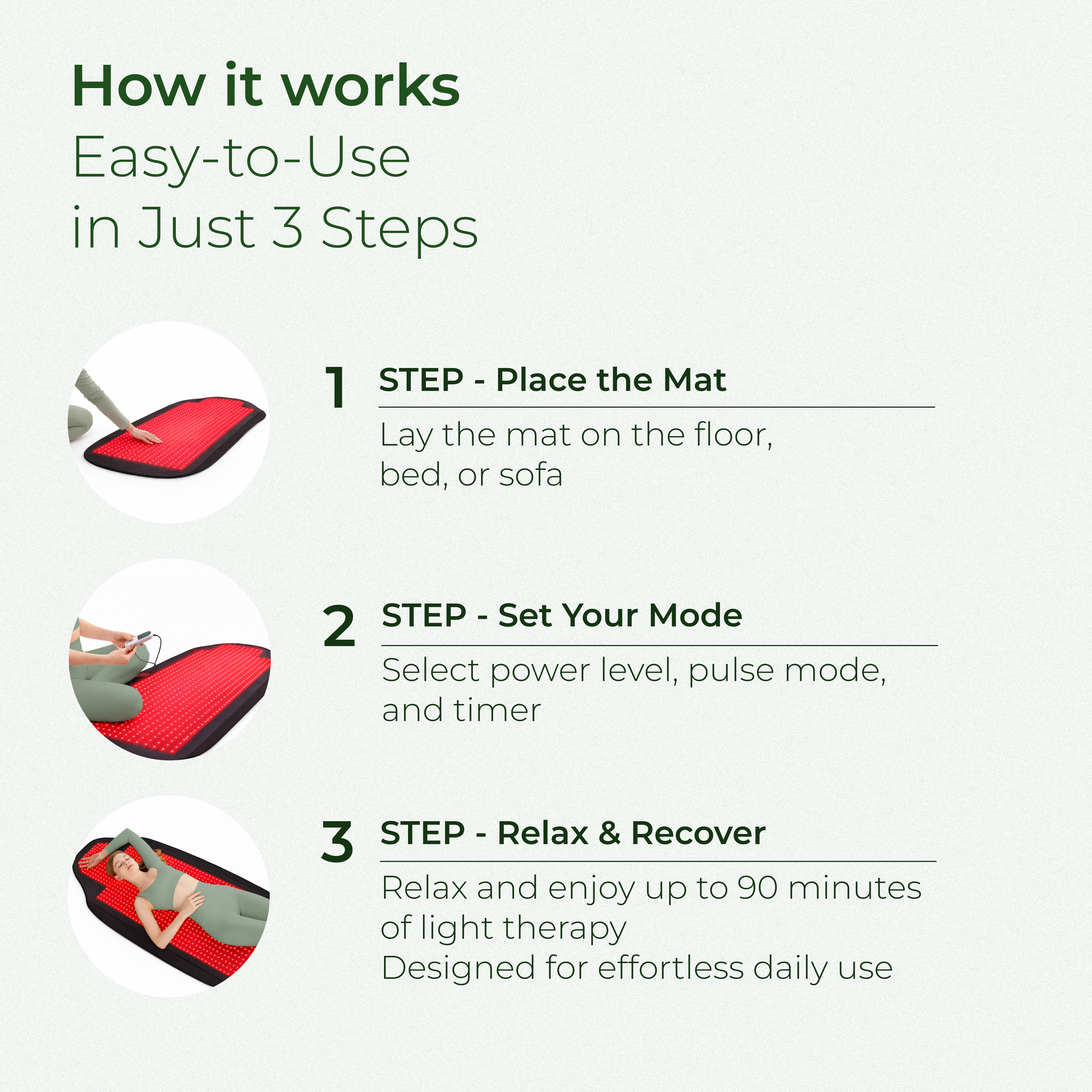
Supporting your circadian rhythm is just one piece of the skincare puzzle. TrophySkin's professional-grade LED light therapy devices use specific wavelengths to target skin concerns at the cellular level—perfectly complementing a healthy sleep routine for radiant, rejuvenated skin.
Explore LED Therapy →Frequently Asked Questions
⚕️ Medical Disclaimer
This article is for educational purposes only and does not replace professional medical advice. If you have sleep disorders, eye conditions, bipolar disorder, or other health concerns, consult a qualified healthcare provider before using circadian glasses or making changes to your sleep routine.

Leave a comment
This site is protected by hCaptcha and the hCaptcha Privacy Policy and Terms of Service apply.