


Struggling to fall asleep at a "normal" hour—or waking up at 4 AM no matter what you try? You might have a circadian rhythm sleep disorder, and the solution could be simpler than you think: strategic exposure to bright light.
Light therapy for circadian rhythm sleep disorders is backed by decades of research, with clinical studies showing it can help reset your internal body clock and improve sleep quality naturally—without medications.
Quick Answer: Light therapy uses bright artificial light (typically 10,000 lux) to reset your body's internal clock. For delayed sleep phase disorder, use it in the morning within 30 minutes of waking. For advanced sleep phase disorder, use it in the evening. Most people notice improvements within 2-4 weeks of consistent daily use.
In this comprehensive guide, we'll explore how bright light treatment works, which sleep disorders it helps, and exactly how to use it at home for the best results.
What Is Circadian Rhythm Sleep Disorder?
Your body has an internal clock called the circadian rhythm—a roughly 24-hour cycle that regulates when you feel alert and when you feel sleepy. This clock is controlled by a small region in your brain called the suprachiasmatic nucleus (SCN), which responds primarily to light signals from your eyes.
When this internal clock becomes misaligned with your desired sleep schedule or the external environment, you develop a circadian rhythm sleep disorder. This isn't just feeling tired—it's a fundamental disconnect between when your body wants to sleep and when you need to be awake.
Types of Circadian Rhythm Sleep Disorders
Several types of circadian rhythm disorders exist, each with unique characteristics:
Delayed Sleep Phase Disorder (DSPD) is the most common type, especially among teenagers and young adults. If you consistently can't fall asleep until 2-4 AM and struggle to wake before noon, you may have DSPD. Your sleep quality is normal—it's just shifted later than socially acceptable times.
Advanced Sleep Phase Disorder (ASPD) is the opposite—you feel exhausted by early evening (around 6-8 PM) and wake up extremely early (3-5 AM). This is more common in older adults.
Shift Work Disorder and Jet Lag occur when external demands (work schedules or travel) conflict with your natural rhythm. These are typically temporary but can become chronic without proper management.
How Light Therapy Works for Sleep
Light therapy for sleep (also called phototherapy or bright light therapy) works by exposing your eyes to intense artificial light that mimics natural sunlight. This light sends signals to your brain's master clock, telling it to adjust your sleep-wake cycle.
The Science Behind Bright Light Treatment
When bright light enters your eyes, specialized photoreceptor cells in your retina (called intrinsically photosensitive retinal ganglion cells) detect it and send signals directly to the SCN. This triggers two key responses:
Melatonin suppression: Light exposure tells your brain to stop producing melatonin, the "sleep hormone." This increases alertness and signals that it's time to be awake.
Phase shifting: Depending on when you're exposed to light, your circadian rhythm shifts earlier (phase advance) or later (phase delay). Morning light advances your clock; evening light delays it.
Pro Tip: The timing of light exposure matters more than duration. Even 15-20 minutes at the right time can be effective, while hours of light at the wrong time may have no effect—or make things worse.
Research shows that bright light treatment is most effective at intensities of 10,000 lux (about 20 times brighter than typical indoor lighting). At this intensity, sessions of 20-40 minutes are typically sufficient. Lower intensity light boxes (2,500 lux) require longer sessions of 1-2 hours.
Light Therapy for Different Sleep Disorders
The key to successful light therapy for circadian rhythm disorders is using it at the right time for your specific condition. Here's how to approach each type:
Light Therapy for Delayed Sleep Phase Disorder
If you're a "night owl" who can't fall asleep until the early morning hours, morning light therapy is your solution. Use bright light (10,000 lux) for 20-30 minutes immediately after waking—ideally within 30 minutes of getting out of bed. This signals your brain that it's daytime and gradually shifts your sleep schedule earlier.
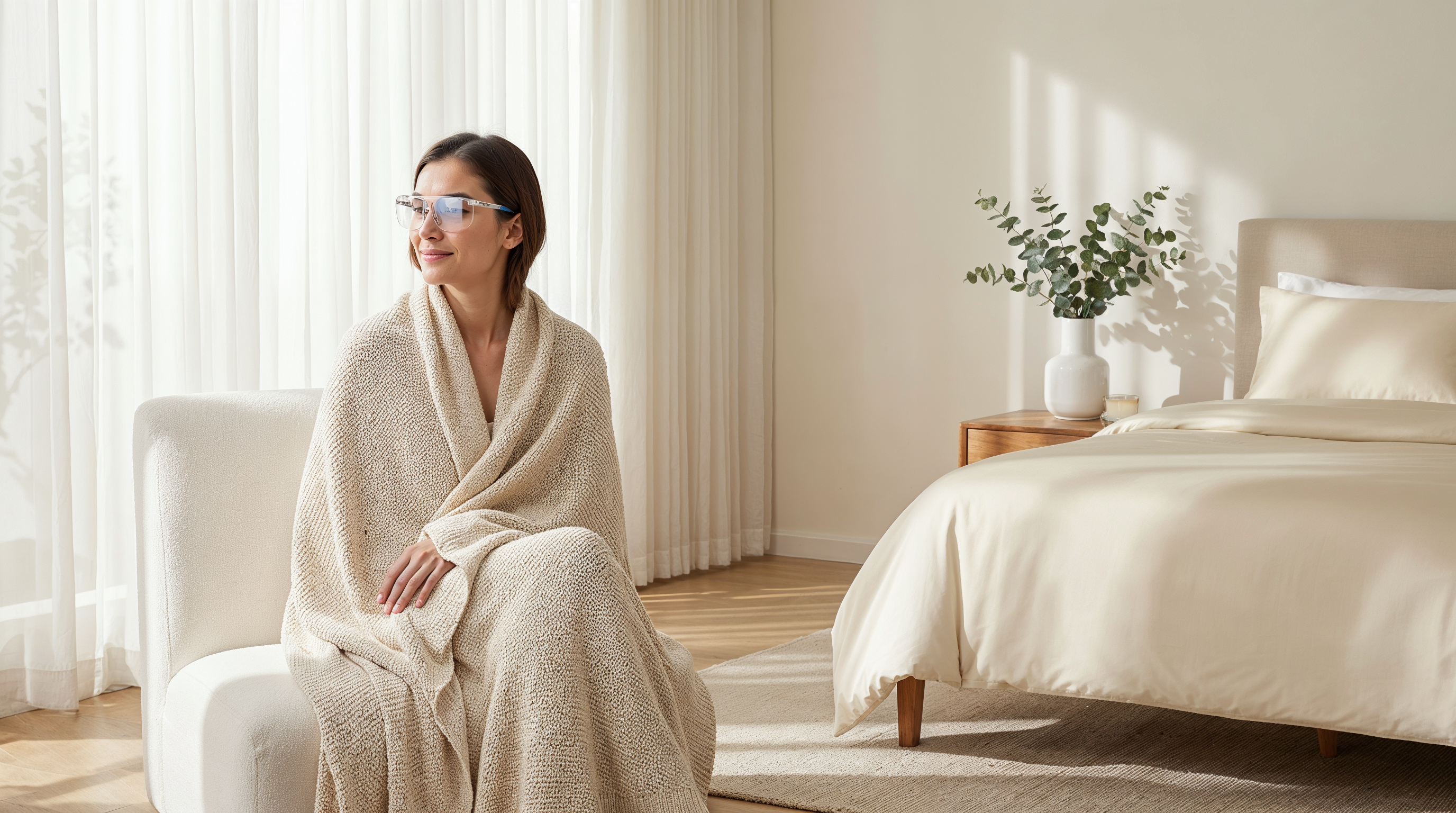
Pair this with evening light avoidance: dim the lights, use blue-light blocking glasses, and minimize screen time 2-3 hours before your target bedtime.
Week 1-2
Begin noticing increased morning alertness and slightly easier wake-ups
Week 3-4
Natural sleepiness begins 30-60 minutes earlier; sleep schedule shifting
Week 5+
New sleep schedule established; maintenance therapy 3-4x/week recommended
Advanced Sleep Phase Disorder
For those who fall asleep too early and wake before dawn, evening light therapy helps delay your sleep phase. Use bright light for 1-2 hours in the late afternoon or early evening (between 6-8 PM). This tells your brain that the day isn't over yet, pushing your sleepiness to a later hour.
Shift Work and Jet Lag
For shift workers, light therapy before your shift can boost alertness and help adapt to night schedules. Use bright light during the first half of your night shift, then wear dark sunglasses on your way home to avoid morning light that would wake you up.
For jet lag, the direction of travel matters. Traveling east? Use morning light at your destination. Traveling west? Evening light exposure helps you adapt faster.
Timing rule: Light therapy in the MORNING advances your clock (helps night owls sleep earlier). Light therapy in the EVENING delays your clock (helps early birds stay up later).
How to Use Light Therapy at Home
One of the biggest advantages of light therapy for sleep is that you can do it at home, often while doing other activities like eating breakfast or checking emails.
Choosing the Right Light Box
When selecting a light therapy device, look for these key features:
 Timing Your Light Therapy Sessions
For most people with insomnia light therapy needs or delayed sleep phase disorder, follow this protocol:
Start within 30 minutes of waking, even if that's later than you'd like. Begin with 15-20 minute sessions and gradually increase to 30-40 minutes. Position the light box at eye level or slightly above, at an angle where the light reaches your eyes without you looking directly at it. You can eat breakfast, read, or use your computer during the session.
Pro Tip: Consistency is more important than duration. Using your light box at the same time every day—even on weekends—helps reinforce your new rhythm. Skipping days can set back your progress.
Important: Consult a doctor before starting light therapy if you have bipolar disorder (it may trigger mania), eye conditions like macular degeneration, or take medications that increase light sensitivity. Never use tanning beds or UV lamps—they're dangerous and ineffective for circadian disorders.
Light Therapy Benefits Beyond Sleep
While we've focused on light therapy for circadian rhythm sleep disorders, the benefits extend far beyond helping you fall asleep at the right time.
Mood and energy: Light therapy is a first-line treatment for Seasonal Affective Disorder (SAD) and can help with non-seasonal depression as well. By regulating serotonin and melatonin, it naturally boosts mood and daytime energy levels.
Skin health connection: Your circadian rhythm also governs when skin cells regenerate and repair themselves—primarily at night. When your sleep-wake cycle is disrupted, so is your skin's natural healing process. Getting quality sleep at the right times supports collagen production, reduces inflammation, and helps your skin look its best.
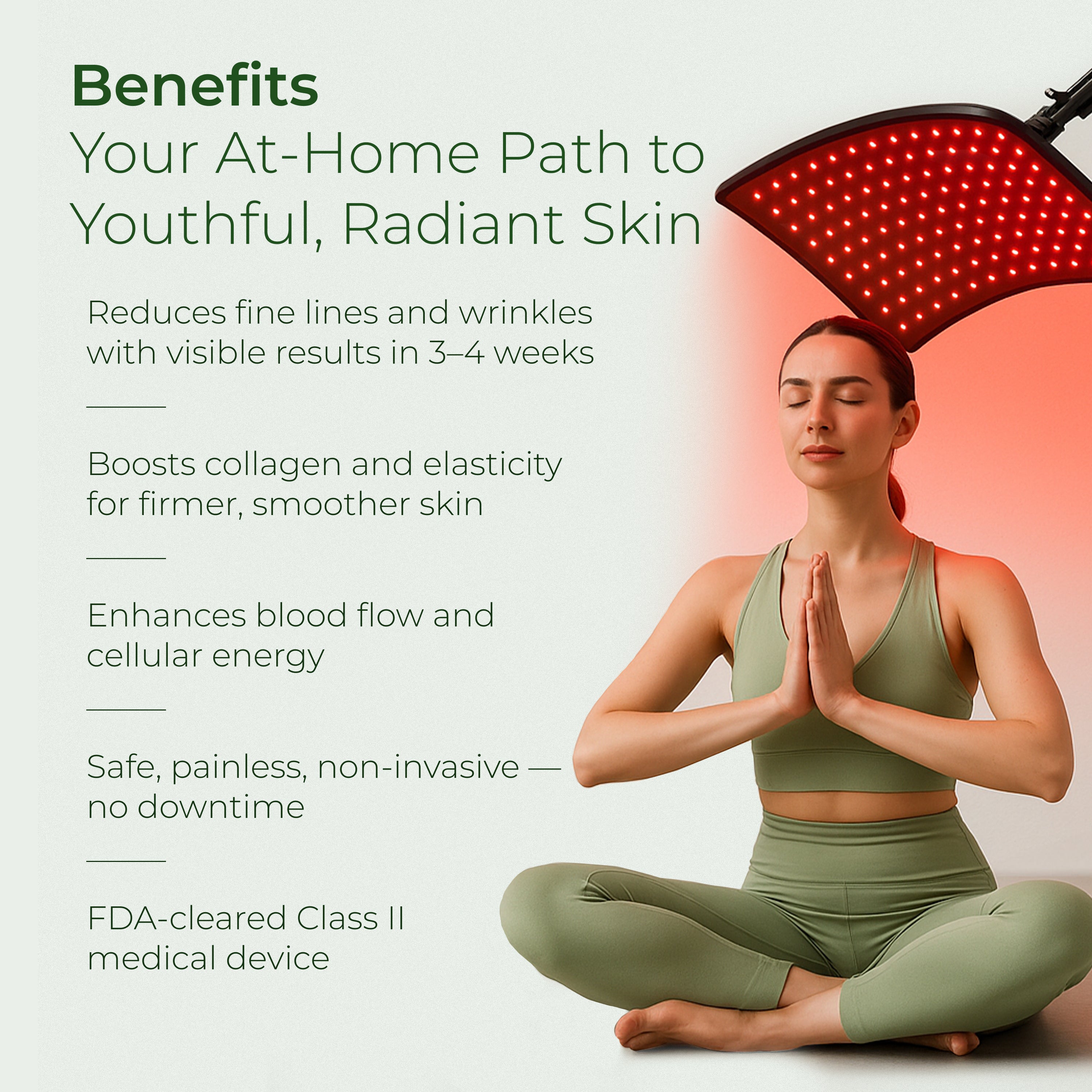
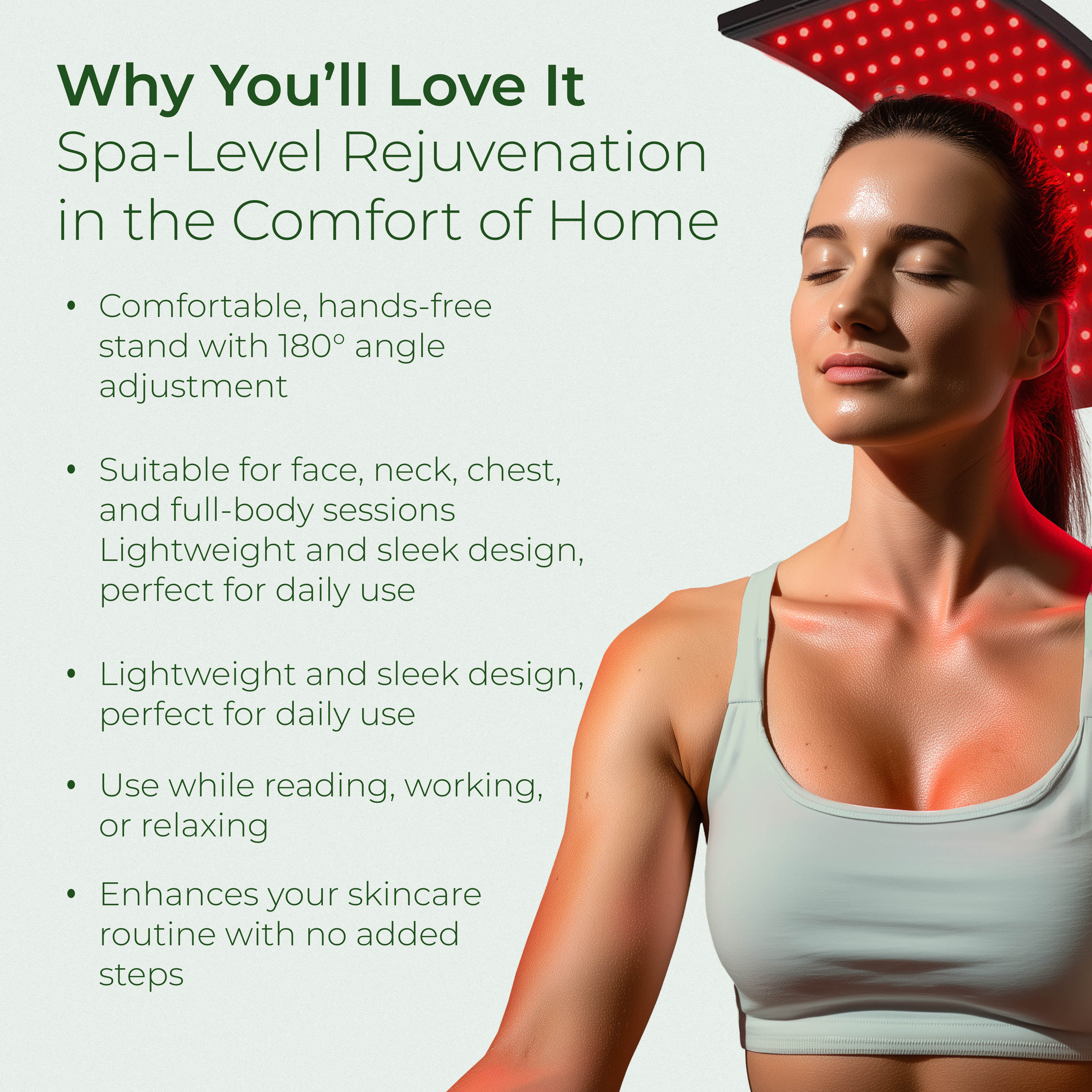
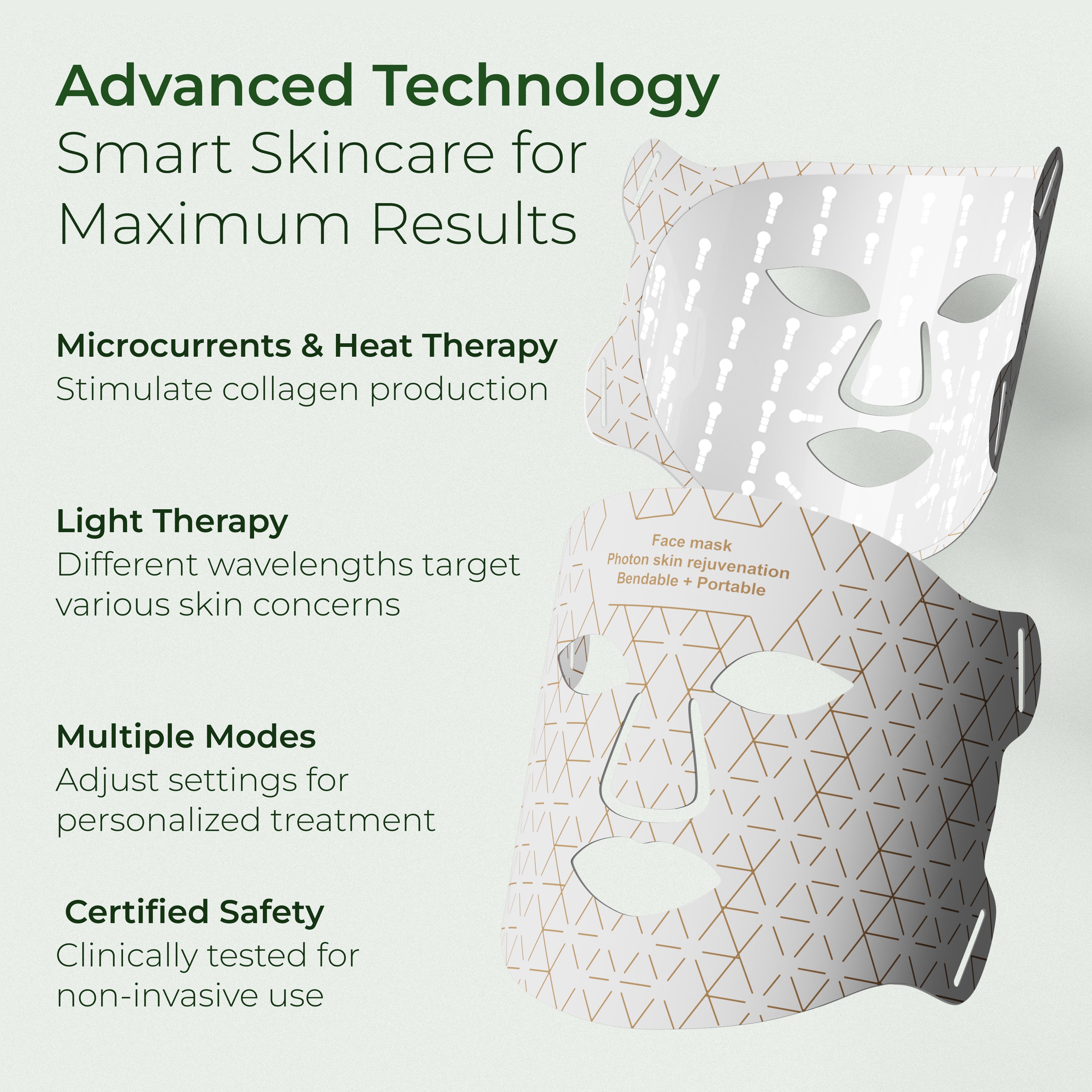
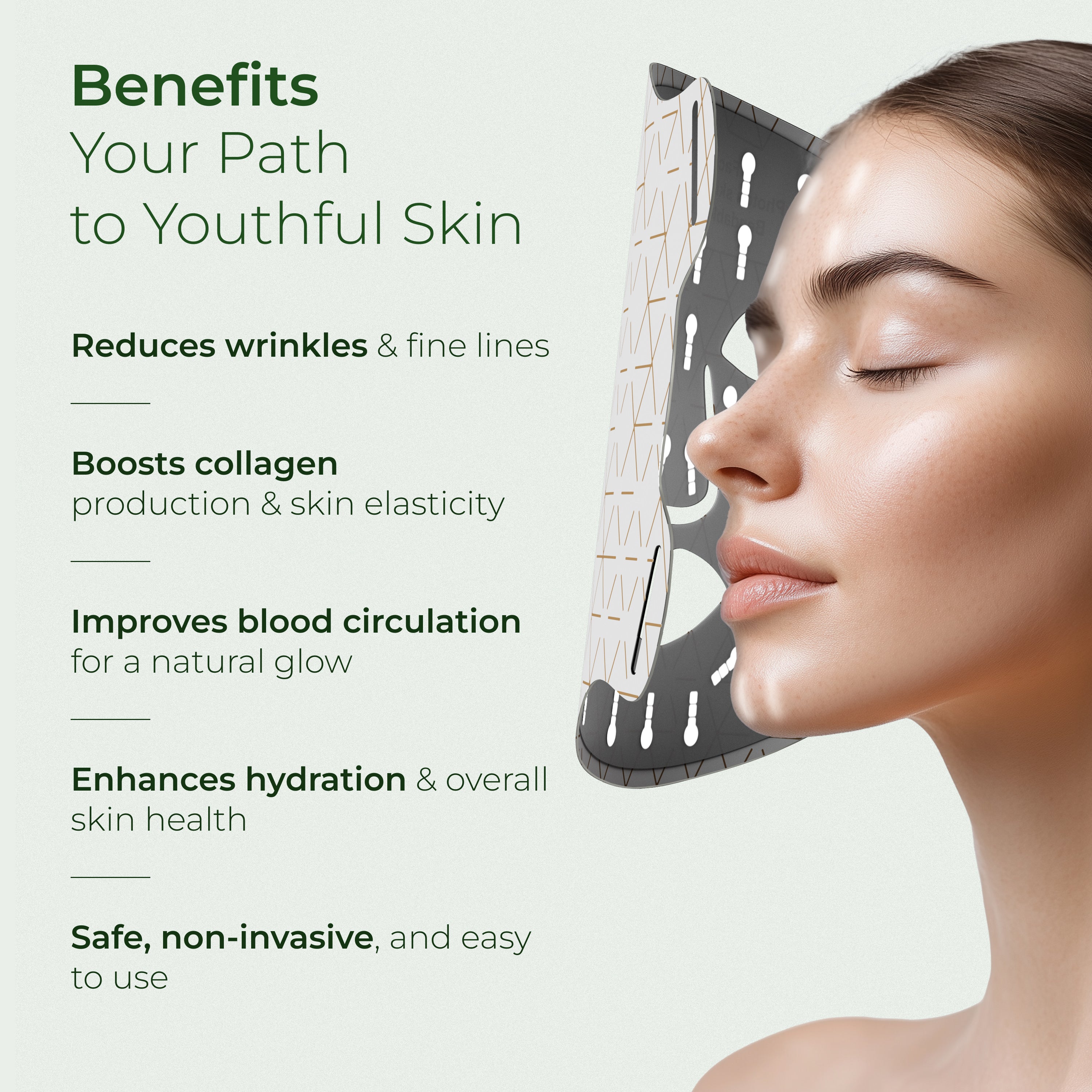
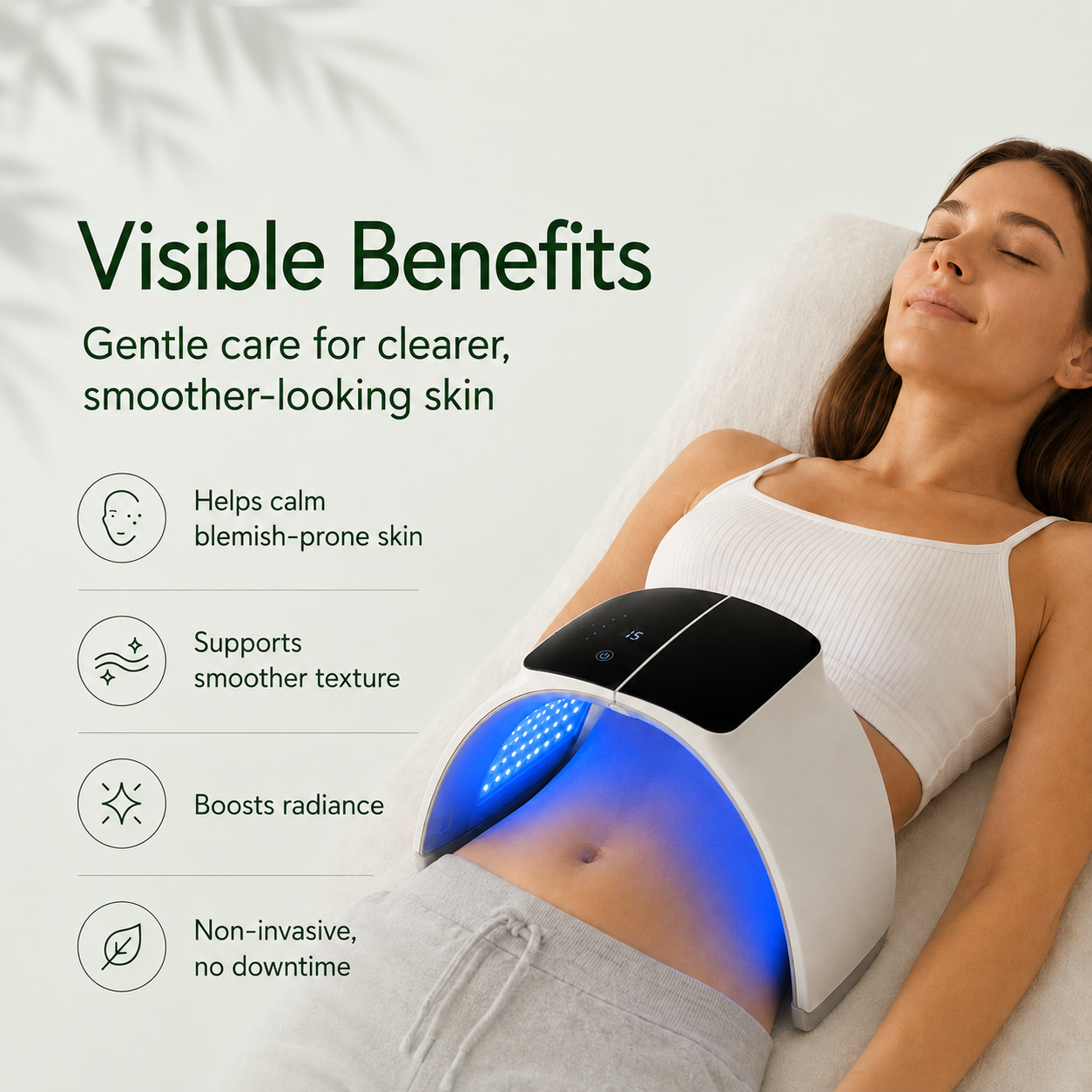
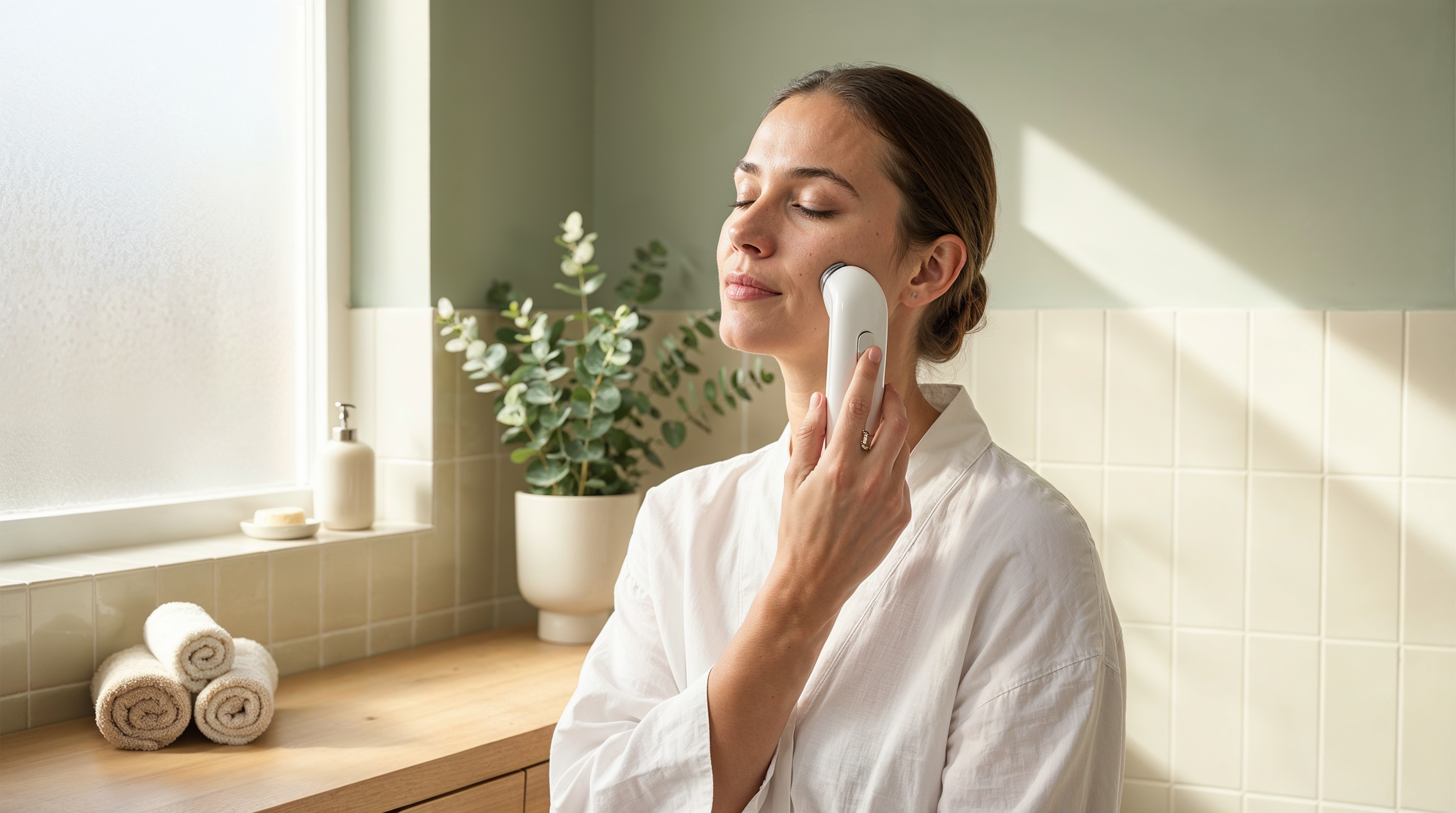
This is where LED light therapy for skin comes into play. While bright white light boxes reset your circadian rhythm, specific wavelengths of light (red and near-infrared) can directly benefit your skin by stimulating collagen production and reducing inflammation. Combined with better sleep, this creates a powerful synergy for overall skin health.
How TrophySkin Can Help
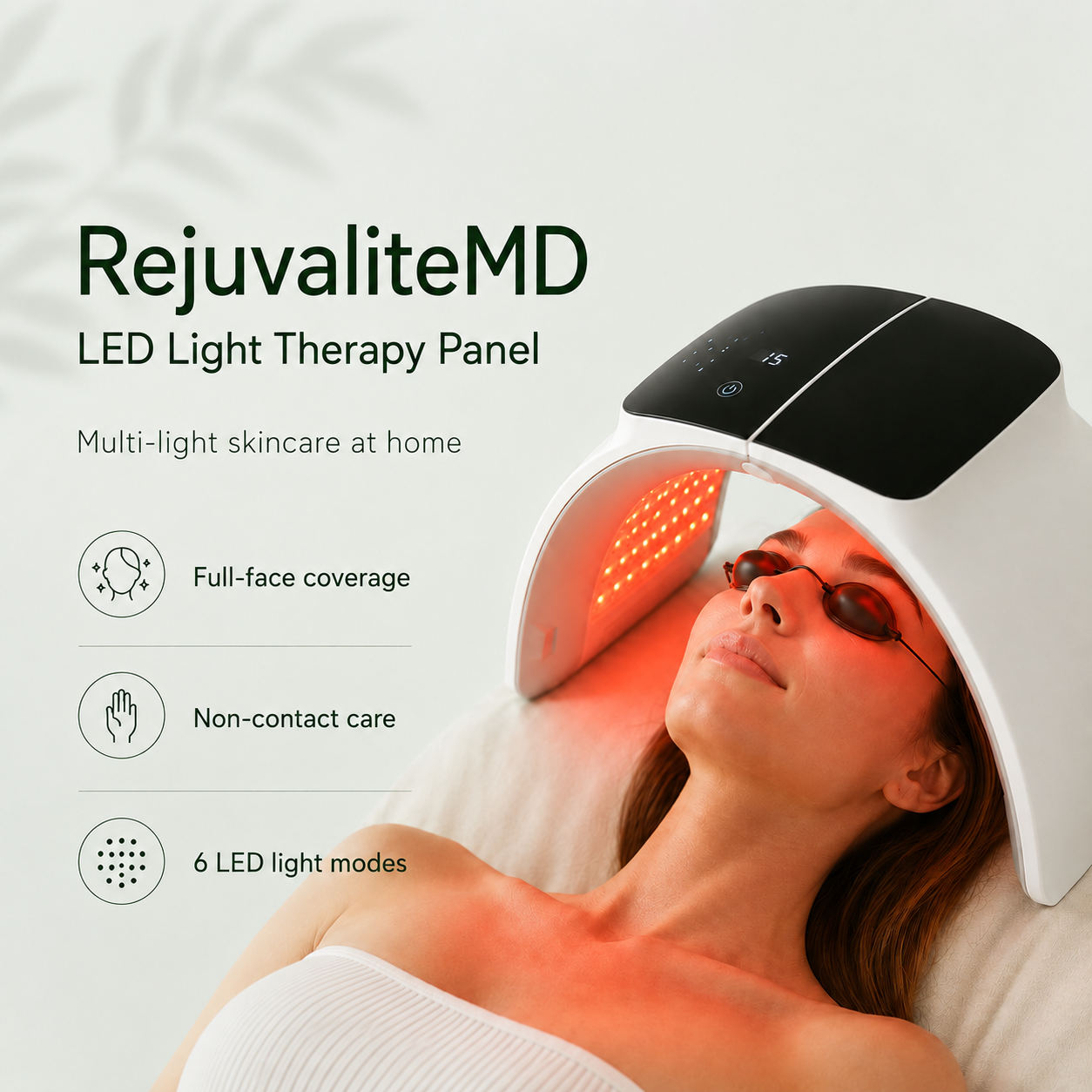
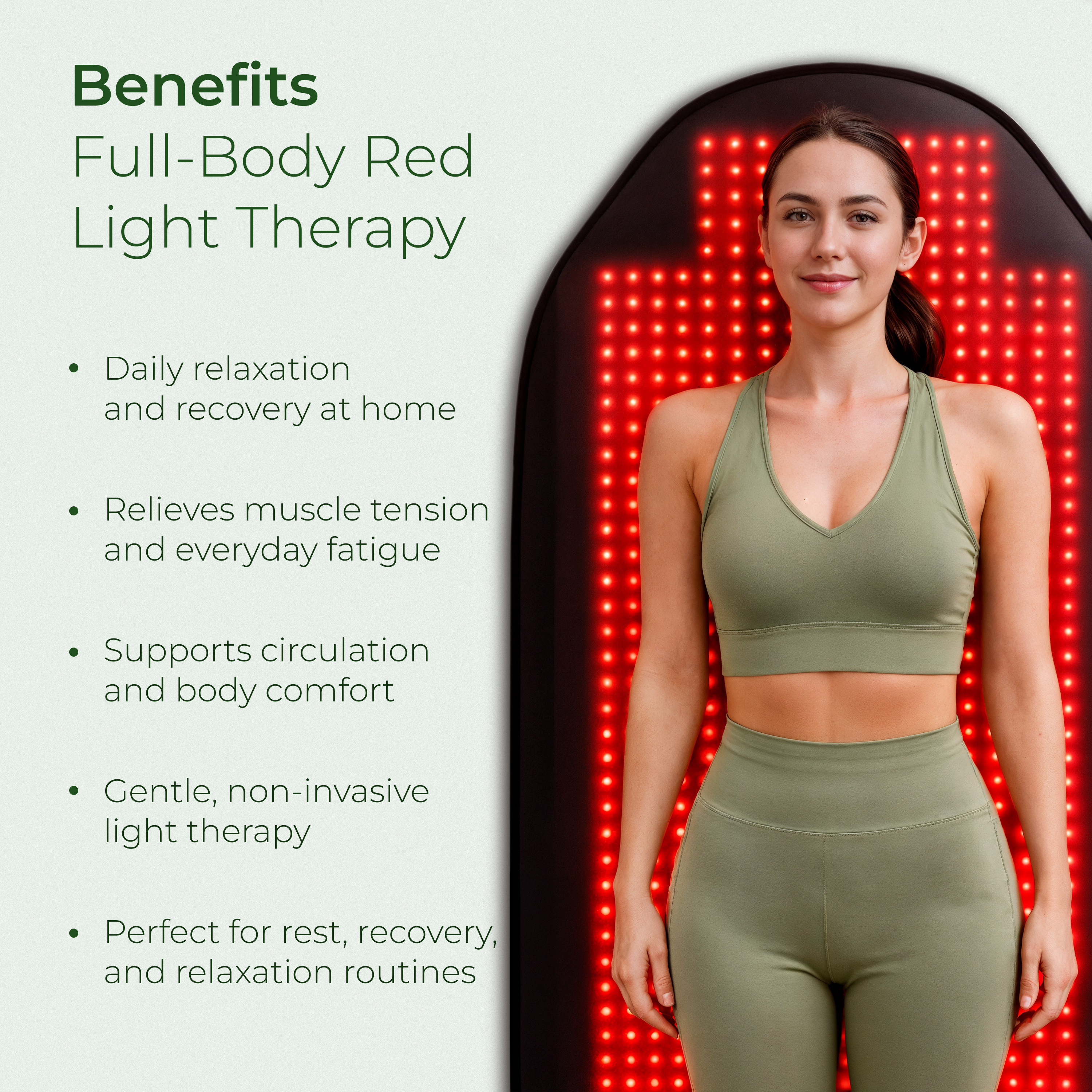
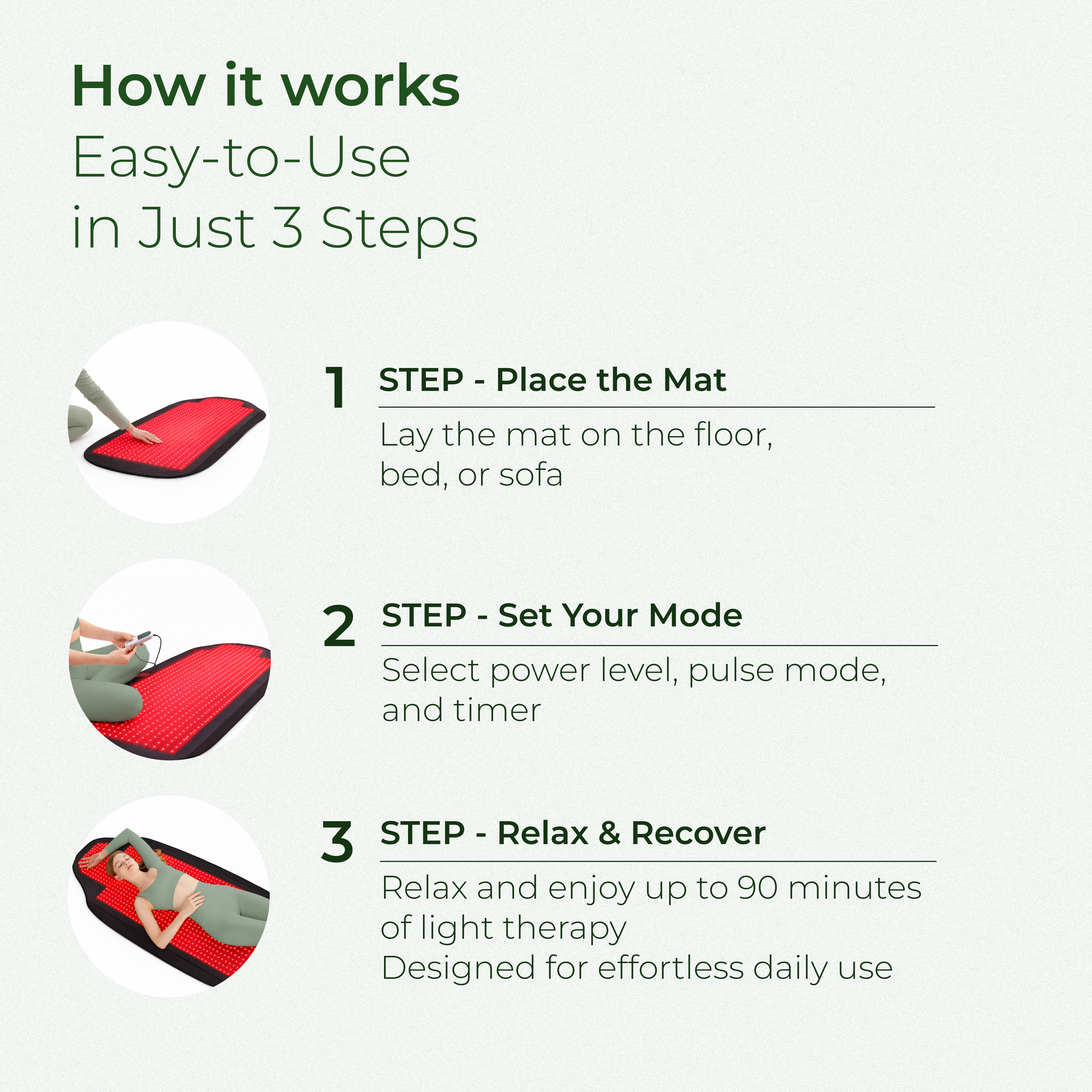
While improving your sleep schedule with circadian light therapy, consider adding professional LED light therapy to your skincare routine. TrophySkin's LED devices use clinically-proven wavelengths to support your skin's natural repair processes—perfectly complementing the restorative sleep you're working to achieve.
Explore LED Therapy →Frequently Asked Questions
Take Control of Your Sleep-Wake Cycle
Light therapy for circadian rhythm sleep disorders offers a natural, non-pharmaceutical approach to resetting your body clock. Whether you're struggling with delayed sleep phase disorder, adjusting to shift work, or recovering from jet lag, strategic light exposure can help align your internal rhythm with your desired schedule.
Remember: consistency is key. Choose the right timing for your specific situation, use an appropriate light source, and give it 2-4 weeks before evaluating results. Combined with good sleep hygiene—keeping regular sleep times, avoiding screens before bed, and creating a dark sleep environment—light therapy can transform your relationship with sleep.
⚕️ Medical Disclaimer
This article is for educational purposes only and does not replace professional medical advice. If you suspect you have a circadian rhythm sleep disorder, consult a board-certified sleep specialist for proper diagnosis and treatment. Light therapy may not be appropriate for everyone, particularly those with certain eye conditions or bipolar disorder.

Leave a comment
This site is protected by hCaptcha and the hCaptcha Privacy Policy and Terms of Service apply.