

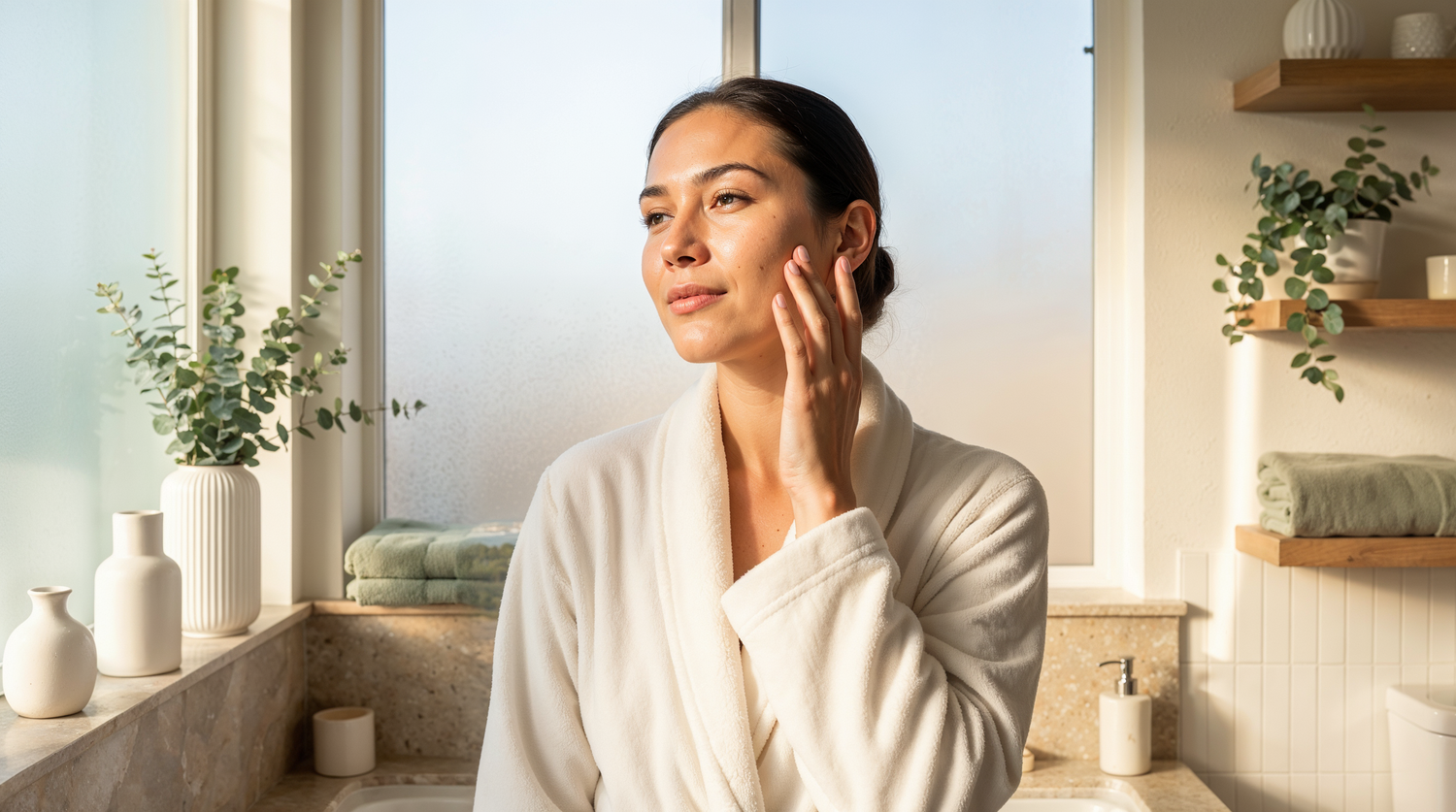
Quick Answer: A microdermabrasion facial is a non-invasive exfoliation treatment that removes the outer layer of dead skin cells, revealing smoother, brighter skin underneath. It stimulates collagen production, reduces fine lines, fades dark spots, and improves overall skin texture—all with minimal downtime. Most people see visible results after just one session, with optimal benefits appearing after 4-6 treatments.
Have you ever wondered why some people seem to have that effortless, lit-from-within glow? Often, the secret isn't expensive serums or complicated routines—it's regular exfoliation done right. A microdermabrasion facial has become one of the most popular skin treatments for good reason: it delivers real, visible results without the downtime of more aggressive procedures.
Whether you're battling dull skin, fine lines, acne scars, or uneven texture, microdermabrasion offers a safe, effective solution that works for virtually all skin types and tones. In this comprehensive guide, we'll explore everything you need to know—from how microdermabrasion works at the cellular level to whether you can achieve professional results at home.
What Is a Microdermabrasion Facial?
A microdermabrasion facial is a minimally invasive skin treatment that uses gentle physical exfoliation to remove the outermost layer of dead skin cells (the stratum corneum). Think of it as a very precise, controlled "polishing" of your skin's surface—revealing the fresher, healthier cells underneath.
Unlike harsher treatments like dermabrasion (which penetrates deeper into the skin and requires significant recovery time), microdermabrasion is much gentler. It only affects the epidermis—the skin's outermost layer—making it suitable for most skin types with virtually no downtime.
There are two main types of microdermabrasion technology available today. Crystal microdermabrasion uses fine aluminum oxide or sodium bicarbonate crystals that are sprayed onto the skin and then vacuumed away along with dead skin cells. Diamond microdermabrasion uses a diamond-tipped wand that physically buffs away dead cells while suction removes the debris. Diamond microdermabrasion has become the preferred method for many practitioners because there's no risk of crystals getting into eyes or being inhaled.
Who Is Microdermabrasion Good For?
Microdermabrasion would be a good choice for anyone dealing with dull complexion, uneven skin tone, minor acne scars, enlarged pores, fine lines, sun damage, age spots, or rough texture. It works on all skin colors and types, making it one of the most inclusive skin treatments available. Unlike some laser treatments or chemical peels, microdermabrasion rarely causes pigmentation changes in darker skin tones.
Pro Tip: Microdermabrasion is an excellent "gateway" treatment if you're new to professional skincare. It's gentle enough to try with minimal risk, yet effective enough that you'll see real results—a perfect way to start your skin transformation journey.
Microdermabrasion Facial Benefits: What Does It Do for Your Skin?
The benefits of microdermabrasion extend far beyond simple exfoliation. When done correctly and consistently, this treatment can transform your skin in multiple ways. Here's what a microdermabrasion facial does for your face:
Immediate Benefits
Smoother, Softer Skin: By removing the rough, dead outer layer, microdermabrasion instantly reveals the softer, smoother skin underneath. Many people notice this difference immediately after their first treatment.
Brighter Complexion: Dull skin is often caused by a buildup of dead cells that prevent light from reflecting evenly. Micro abrasion clears this away, giving your face an immediate luminous glow.
Better Product Absorption: With that dead cell barrier removed, your serums, moisturizers, and treatments can penetrate up to 20 times deeper into your skin, making them significantly more effective.
Long-Term Benefits
Collagen Stimulation: The controlled "injury" to the skin's surface triggers your body's natural healing response, which includes producing more collagen. Over time, this leads to firmer, more youthful-looking skin.
Reduced Fine Lines: Does microdermabrasion help with wrinkles? While it won't eliminate deep wrinkles, consistent treatments can soften fine lines, particularly around the eyes and mouth. The collagen boost contributes to this smoothing effect.
Faded Hyperpigmentation: Dark spots, sun damage, and uneven skin tone gradually improve as microdermabrasion encourages cell turnover and removes the pigmented surface cells.
Minimized Pores: By clearing out debris and encouraging proper skin function, microdermabrasion can make pores appear smaller and less noticeable.
How Microdermabrasion Works: The Science Behind the Glow
Understanding what microdermabrasion does at the cellular level helps explain why it's so effective. Your skin naturally renews itself approximately every 28 days, with new cells forming at the base of the epidermis and gradually pushing toward the surface. By the time these cells reach the outermost layer, they've died and formed a protective barrier.
The problem? This dead cell layer can become thick and uneven, causing your skin to look dull, feel rough, and even clog pores. Microdermabrasion accelerates the natural exfoliation process by mechanically removing this outer layer, which triggers several beneficial responses:
Accelerated Cell Turnover: Your skin responds to the exfoliation by speeding up the production of new cells, keeping your complexion fresh and vibrant.
Increased Blood Flow: The suction component of microdermabrasion stimulates circulation, bringing oxygen and nutrients to skin cells while helping remove toxins.
Collagen and Elastin Production: The controlled micro-trauma signals your body to produce more collagen and elastin—the proteins responsible for skin's firmness and elasticity.
Diamond Microdermabrasion Benefits
Diamond microdermabrasion has become the gold standard for both professional and at-home treatments. The diamond-tipped wand provides precise, consistent exfoliation without the mess or potential hazards of loose crystals. It's also more hygienic—the tip can be easily cleaned and sterilized between uses—and allows for more control over treatment intensity based on your skin's needs.
Remember: Microdermabrasion works with your skin's natural renewal process, not against it. By removing the barrier of dead cells, you're simply helping your skin do what it already does—just faster and more efficiently.
Microdermabrasion Results: What to Expect
One of the most common questions people ask is "Is microdermabrasion worth it?" The answer depends on your expectations and commitment to consistent treatment. Here's a realistic timeline of what you can expect:
After First Treatment
Immediate smoothness and brightness. Skin may appear slightly pink for a few hours. Products absorb noticeably better.
Week 2-3
Skin texture continues to improve. Some may notice minor flaking as skin renews. Complexion appears more even.
Week 4-6 (3-4 Treatments)
Visible reduction in fine lines. Dark spots begin to fade. Pores appear smaller. Collagen production kicks in.
Month 2-3 (5-6 Treatments)
Optimal results achieved. Skin appears noticeably firmer, brighter, and more youthful. Maintenance treatments recommended every 4-6 weeks.
Microdermabrasion Recovery Time
One of the biggest advantages of microdermabrasion is its minimal recovery time. Most people experience only slight redness that fades within a few hours—sometimes called the "lunchtime facial" because you can literally get a treatment during your lunch break and return to work looking refreshed. Your skin may feel slightly tight or dry for 24-48 hours, easily managed with a gentle moisturizer.
Pro Tip: Schedule your microdermabrasion treatments at least 5-7 days before any big event. While there's minimal downtime, giving your skin a few days to settle ensures you'll look your absolute best.
At-Home vs Professional Microdermabrasion: Which Is Right for You?
The question of whether to get professional treatments or invest in an at-home microdermabrasion device is one we hear frequently. The truth? Both have their place in a comprehensive skincare routine—and for many people, the best approach combines both.
 The Case for At-Home Microdermabrasion
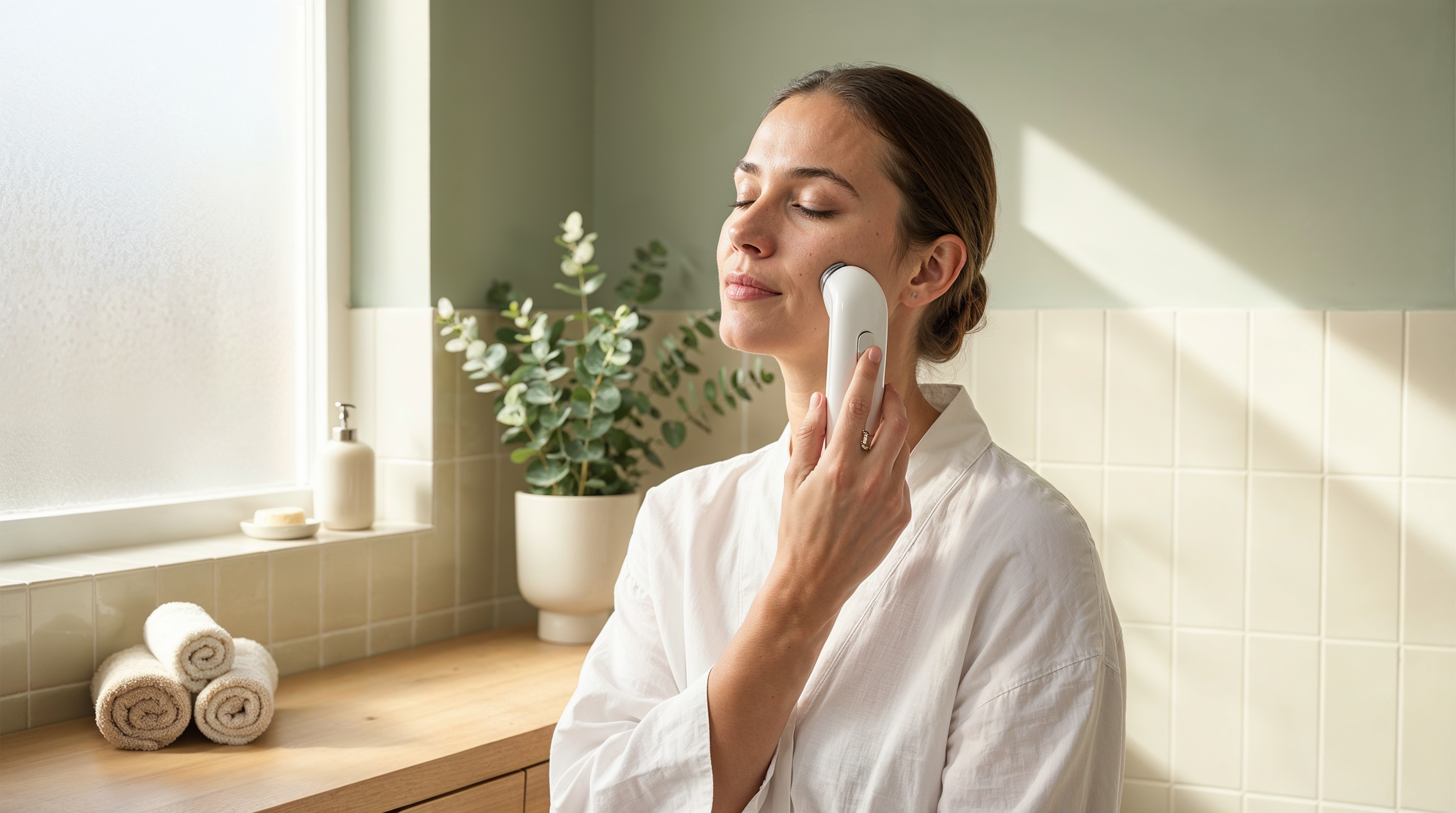
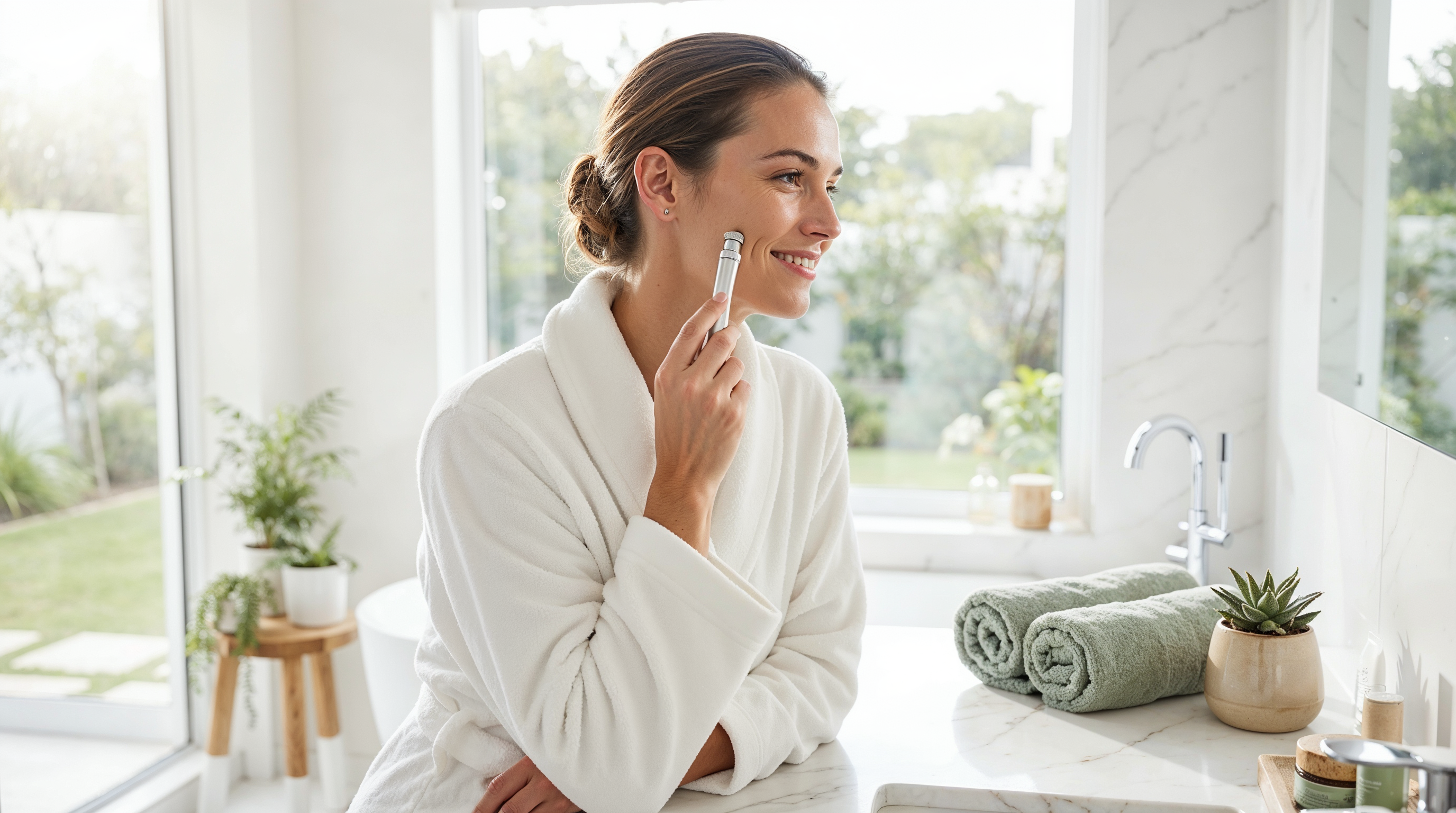
Quality at-home microdermabrasion devices have come a long way. Today's professional-grade home devices use the same diamond-tip technology as spa treatments, with adjustable suction levels to customize your experience. The key advantages include cost savings over time (a good device pays for itself after just one professional treatment), the ability to maintain results between professional sessions, and the convenience of treating your skin on your own schedule.
Who can do microdermabrasion at home? Anyone with normal to combination skin, no active acne or rosacea, and a willingness to follow instructions carefully. Modern devices with multiple suction levels and clear guidance make it safer than ever to get professional-quality results at home.
Is Microdermabrasion Safe? What You Need to Know
Is microdermabrasion safe? The short answer is yes—it's one of the safest cosmetic procedures available. Since it only affects the outermost layer of skin and doesn't involve chemicals, lasers, or invasive techniques, serious complications are extremely rare.
Does Microdermabrasion Hurt?
Most people describe the sensation as a mild scratching or sanding feeling—not painful, but noticeable. The suction may feel unusual at first, almost like a gentle vacuum against your skin. After treatment, your face might feel slightly warm and look a bit pink, similar to how you'd feel after a vigorous workout. This typically fades within a few hours.
Important: Avoid microdermabrasion if you have active acne, rosacea, eczema, sunburn, or are using prescription retinoids. Wait at least one week after stopping exfoliating products before treatment, and always use SPF 30+ sunscreen afterward as your skin will be more sensitive to sun damage.
Possible Side Effects
Common side effects are mild and temporary: slight redness (lasting a few hours), mild tenderness, temporary dryness or flaking, and increased sun sensitivity for several days. Serious side effects like bruising, infection, or pigmentation changes are rare and typically only occur when treatment is performed incorrectly or on unsuitable skin.
Experience Professional Microdermabrasion at Home
TrophySkin's MicrodermMD brings spa-quality diamond microdermabrasion to your bathroom. With 8 adjustable suction levels, interchangeable diamond tips, and an intuitive screen guide, it's designed to help you achieve professional results safely and confidently—all in the comfort of your own home.
Discover MicrodermMD →Pro Tip: Start with the lowest suction setting and work your way up gradually over several sessions. Your skin needs time to adapt, and more aggressive doesn't mean better—it means more risk of irritation.
 Frequently Asked Questions About Microdermabrasion
Your Journey to Radiant Skin Starts Here
A microdermabrasion facial isn't a miracle cure, but it is one of the most effective, accessible, and proven ways to achieve smoother, brighter, more youthful-looking skin. Whether you choose professional treatments, invest in a quality at-home device, or combine both approaches, consistent microdermabrasion can genuinely transform your complexion.
The key is patience and consistency. Start slowly, protect your skin from the sun, and give your body time to respond with the increased collagen production that creates lasting results. Your future glowing skin will thank you.
⚕️ Medical Disclaimer
This article is for educational purposes only and does not replace professional medical advice. Consult a board-certified dermatologist before starting any new skincare regimen, especially if you have existing skin conditions or take medications. Individual results may vary.

Leave a comment
This site is protected by hCaptcha and the hCaptcha Privacy Policy and Terms of Service apply.