








Quick Answer: The ideal night skin care routine for oily skin includes 7 key steps: double cleansing, gentle exfoliation (2-3x weekly), balancing toner, targeted treatment serums, LED light therapy, and a lightweight gel moisturizer. This routine regulates sebum production while you sleep, leading to clearer, more balanced skin within 4-6 weeks.
If you've ever woken up to a shiny T-zone or afternoon shine that starts before lunch, you know the frustration of oily skin. Here's the truth most skincare guides won't tell you: your nighttime routine matters more than what you do in the morning.
While you sleep, your skin enters repair mode. Sebum production peaks, cell turnover accelerates, and your products can work without interference from makeup, sunscreen, or environmental stressors. A strategic night skin care routine for oily skin doesn't just clean your face—it actually reprograms how your skin behaves during the day.
This comprehensive guide walks you through every step of an effective PM skincare routine for oily skin, from the counterintuitive first step (hint: it involves oil) to the technology that can transform your results. Whether you're building your first routine or optimizing an existing one, you'll find exactly what you need.
Why Your Night Routine Matters More Than Your Morning One
Your skin isn't just resting while you sleep—it's working overtime. Between 11 PM and 4 AM, your body enters peak regeneration mode. Blood flow to the skin increases, collagen production ramps up, and your skin becomes more permeable to active ingredients.
For oily skin specifically, this nighttime window is crucial. Sebaceous glands follow a circadian rhythm, with oil production peaking in the early afternoon. Your nighttime routine essentially sets the stage for how much oil your skin produces the next day.
Research shows that transepidermal water loss (TEWL) increases at night, which can trigger compensatory oil production. A properly hydrating nighttime routine signals to your skin that it doesn't need to overproduce sebum for protection. This is why the "skip moisturizer" approach backfires so dramatically for most people with oily skin.
The bottom line: what you apply before bed has 6-8 uninterrupted hours to work its magic. No sun exposure degrading your actives, no makeup interfering with absorption, no environmental pollutants to counteract. Your PM skincare routine for oily skin is where real transformation happens.
The Perfect 7-Step Night Skin Care Routine for Oily Skin
These skincare routine steps for oily skin are organized from thinnest to thickest consistency, allowing each product to penetrate properly. Not every step is required every night—we'll note which ones to alternate.

Pro Tip: The order matters less than consistency. If your 7-step routine feels overwhelming, focus on the non-negotiables: double cleanse, one treatment (retinol or exfoliant), and moisturizer. A simple routine you'll actually do beats an elaborate one you'll skip.
AM vs PM Skincare Routine for Oily Skin: Key Differences
Your morning and evening routines serve different purposes. Understanding these differences helps you maximize both without product waste or irritation.
The am and pm skincare routine for oily skin shouldn't be identical. Morning is about defense—antioxidants to neutralize free radicals, lightweight hydration, and broad-spectrum SPF. Evening is about offense—removing the day's buildup, applying treatment actives that work while you sleep, and supporting skin's natural repair processes.
One common mistake: using your most potent actives in the morning. Retinoids, AHAs, and most exfoliants break down in sunlight and increase photosensitivity. Reserve these for your PM routine, where they can work uninterrupted for hours.
Common Mistakes That Make Oily Skin Worse at Night
Even well-intentioned skincare habits can backfire. These are the most common errors we see—and how to fix them.
Over-cleansing: Washing your face more than twice daily or using harsh, stripping cleansers disrupts your moisture barrier. When the barrier is compromised, skin responds by producing more oil. Stick to gentle, pH-balanced formulas and resist the urge to wash every time you feel shiny.
Skipping products because of shine: Many people with oily skin use fewer products thinking it'll reduce greasiness. But skipping hydrating toners or essences can leave skin dehydrated (different from oily), triggering more oil production. Hydration and oil are not the same thing.
Over-exfoliating: Chemical exfoliants are powerful allies for oily skin, but more isn't better. Using acids daily or combining multiple exfoliating products leads to a damaged barrier, inflammation, and—you guessed it—more oil. Limit to 2-3 times weekly, max.
Going to bed with makeup on: Even "just this once" matters. Sleeping in makeup traps oil, bacteria, and dead skin cells in pores. One night can undo a week of good skincare. Keep micellar water by your bed for those exhausted nights.
Important: If your oily skin suddenly becomes extremely oily or you develop persistent acne that doesn't respond to over-the-counter treatments, consult a dermatologist. Sudden changes can indicate hormonal imbalances or other underlying conditions.
How to Customize Your Routine by Season
Your skin's needs change with the weather. A rigid year-round routine ignores the fact that humidity, temperature, and UV exposure all affect oil production.
Summer (High Humidity): Oil production peaks when it's hot and humid. Switch to gel-based everything—cleansers, serums, moisturizers. Increase exfoliation frequency to 3x weekly if tolerated. Consider adding a clay mask once weekly to absorb excess sebum. Keep your nighttime routine light.
Winter (Low Humidity): Indoor heating strips moisture from air and skin. Even oily skin can feel tight and dehydrated in winter. Add a hydrating serum (hyaluronic acid works well) before your treatment products. You might tolerate a slightly richer night cream. Reduce exfoliation to 1-2x weekly to protect your barrier.
Spring & Fall (Transitional): These seasons require attention. Watch how your skin responds as humidity levels shift. Gradually transition your products rather than swapping everything at once. Your skin needs time to adjust.
Pro Tip: Keep a simple skincare journal for a month. Note your products, the weather, and how your skin looks each morning. Patterns emerge quickly, helping you predict what your skin needs before it becomes a problem.
When You'll See Results: A Realistic Timeline
Patience is the most underrated skincare ingredient. Your skin's renewal cycle takes approximately 28 days, so meaningful changes require at least a month of consistent use.
Week 1-2: Adjustment Phase
Your skin is adapting to new products. Some experience temporary increased oiliness or minor breakouts (purging) as congestion clears. This is normal with retinoids and exfoliants. Skin may feel cleaner and softer.
Week 3-4: Early Signs
Oil production begins to regulate. You might notice less midday shine, fewer new breakouts, and improved skin texture. Pores may appear slightly smaller as they clear. Morning skin looks fresher.
Week 5-8: Visible Improvements
Significant reduction in excess oil and shine. Breakout frequency decreases noticeably. Skin tone becomes more even. Post-acne marks begin fading. Your skin-barrier function improves.
Month 3+: Transformation
Long-term results become apparent. Oil production is balanced throughout the day. Breakouts are rare and heal faster when they occur. Pores are visibly refined. Skin has a healthy, natural glow rather than greasy shine.
Consistency beats intensity: A simple 4-step routine done every night outperforms an elaborate 10-step routine done sporadically. Choose products you'll actually use, set a phone reminder if needed, and give your routine at least 6 weeks before judging results.
✨ Boost Your Night Routine with LED Technology
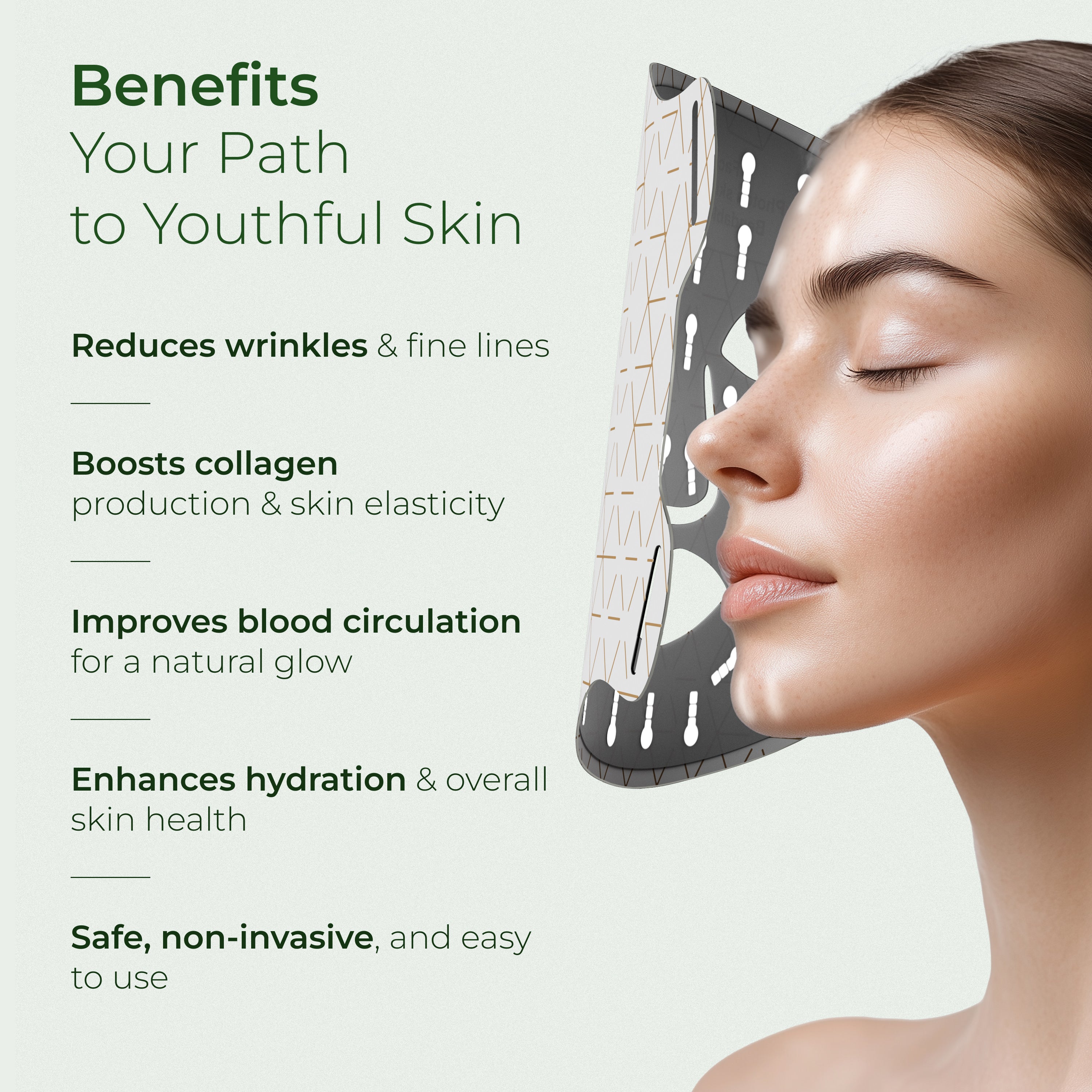
Blue and red LED light therapy targets oily skin at the cellular level—killing acne bacteria, reducing inflammation, and regulating sebum production. TrophySkin's at-home devices bring professional-grade treatment to your bathroom.
Explore LED Devices →
 Frequently Asked Questions
Your Clear Skin Starts Tonight
Building an effective night skin care routine for oily skin isn't complicated—it just requires understanding what your skin actually needs (hint: it's not stripping products and skipped moisturizer). The 7-step routine outlined here works because it addresses oil at its source while maintaining a healthy skin barrier.
Start with the basics: double cleanse, one treatment product, and a lightweight moisturizer. Add steps as your routine becomes second nature. Remember that consistency matters more than complexity—a simple routine you'll actually do every night beats an elaborate one you'll abandon after a week.
Your skin renews itself while you sleep. Give it the right support, and you'll wake up to the balanced, clear complexion you've been working toward.
⚕️ Medical Disclaimer
This article is for educational purposes only and does not replace professional medical advice. Consult a board-certified dermatologist before starting any new skincare regimen, especially if you have existing skin conditions, are pregnant, or take medications that affect skin sensitivity.


Leave a comment
This site is protected by hCaptcha and the hCaptcha Privacy Policy and Terms of Service apply.