

Quick Answer: The best moisturizer for oily skin is a lightweight, oil-free gel or water-based formula that hydrates without clogging pores. Look for ingredients like hyaluronic acid, niacinamide, and salicylic acid. Gel moisturizers absorb quickly, control shine, and maintain your skin's natural moisture barrier.
If you have oily skin, you've probably wondered whether you even need a moisturizer. The short answer? Absolutely yes. Skipping moisturizer can actually make your skin produce more oil as it tries to compensate for dehydration.
Finding the right face moisturizer for oily skin means choosing formulas that hydrate without adding excess shine or clogging your pores. The good news is that today's skincare science has created incredible options specifically designed for oily and combination skin types.
In this comprehensive guide, we'll explore what type of moisturizer is good for oily skin, break down the best ingredients to look for, and help you find the perfect lotion for oily skin that keeps you matte and hydrated all day.
Why Oily Skin Still Needs Moisturizer
It might seem counterintuitive to add moisture to skin that's already producing excess oil, but here's what dermatologists want you to understand: oily skin and dehydrated skin are not mutually exclusive. Your skin can be oily on the surface while lacking water content in the deeper layers.
When you skip moisturizer, your skin's protective barrier becomes compromised. Your sebaceous glands sense this dryness and respond by ramping up oil production—creating a vicious cycle of even more shine and potential breakouts.
A good moisturizer for oily skin works differently than heavy creams. It delivers lightweight hydration that signals to your skin that it doesn't need to overproduce sebum. The result is balanced, comfortable skin that looks fresh rather than greasy.
The Science Behind Oil Production
Your skin's oil glands are regulated by hormones, genetics, and environmental factors. When the skin barrier is healthy and well-hydrated, these glands function normally. When the barrier is damaged or dehydrated, they go into overdrive.
Studies show that using a proper skin moisturizer for oily skin can actually reduce oil production over time by maintaining optimal hydration levels. This is why dermatologists consistently recommend moisturizing even the oiliest skin types.
Types of Moisturizers for Oily Skin
Not all moisturizers are created equal, especially when it comes to oily skin. Understanding the different formulations helps you choose the best face moisturizer for oily skin that meets your specific needs.
Gel Moisturizer for Oily Skin
Gel moisturizers are the gold standard for oily skin types. Their water-based formulas absorb almost instantly, leaving no greasy residue. A quality gel moisturizer for oily skin provides intense hydration while actually helping to mattify your complexion throughout the day.
Look for gel formulas containing hyaluronic acid, which holds up to 1,000 times its weight in water. This ingredient delivers deep hydration without adding any oil to your skin's surface.
Water Creams and Lightweight Lotions
Water creams sit between gels and traditional creams in texture. They're perfect for those who find gels too light but traditional face creams for oily skin too heavy. A good face lotion for oily skin in this category provides a satisfying level of moisture without overwhelming the skin.
These formulas often include emollients that smooth skin texture without clogging pores—making them excellent as a light moisturiser for oily skin during transitional seasons.
Oil-Free Formulas
When searching for the best lotion for oily face, "oil-free" is often the first thing people look for on the label. Oil-free moisturizers use alternative emollients like dimethicone or glycerin to create that smooth, hydrated feeling without contributing to excess shine.
Pro Tip: Check for "non-comedogenic" on labels—this means the formula has been tested and won't clog pores. It's essential for any good lotion for oily skin.
Mattifying Moisturizers
The best mattifying moisturizer does double duty: it hydrates your skin while also controlling shine throughout the day. These formulas often contain oil-absorbing ingredients like silica, kaolin clay, or niacinamide that help keep your T-zone looking fresh.
Mattifying moisturizers are particularly beneficial for those who struggle with midday shine or who wear makeup over their skincare routine.
Best Ingredients to Look For in Moisturizers for Oily Skin
When shopping for the best moisturizer for oily skin, ingredient knowledge is your superpower. Certain ingredients are particularly effective at hydrating without adding shine, while others actively help control oil production.
Hyaluronic Acid
This humectant is a must-have in any good face moisturizer for oily skin. Hyaluronic acid draws water into the skin from the environment, providing intense hydration without any oily feel. It works at multiple skin layers to plump and hydrate from within.
Niacinamide (Vitamin B3)
Niacinamide is a multitasking hero for oily skin. It regulates sebum production, minimizes the appearance of pores, and strengthens the skin barrier. Many dermatologists recommend it as a key ingredient in any skin lotion for oily skin.
Salicylic Acid
This beta-hydroxy acid (BHA) is oil-soluble, meaning it can penetrate into pores to clear out excess sebum and dead skin cells. A lotion for oily face containing salicylic acid helps prevent breakouts while keeping skin smooth.
Green Tea Extract
Rich in antioxidants, green tea extract helps reduce sebum production and provides anti-inflammatory benefits. It's excellent for those asking what is a good moisturizer for oily face that also protects against environmental damage.
Glycerin
This gentle humectant attracts moisture without feeling heavy. It's a staple in top moisturizers for oily skin because it hydrates effectively while maintaining a comfortable, non-greasy feel.
Ingredient Essentials: Look for moisturizers combining hyaluronic acid for hydration, niacinamide for oil control, and non-comedogenic formulas to prevent breakouts. These three elements create the foundation of any good moisturizer for oily skin.
Ingredients to Avoid
Just as important as knowing what to look for is knowing what to avoid. Heavy oils like coconut oil, mineral oil, and lanolin can clog pores and increase shine. Similarly, thick butters like shea or cocoa butter are too rich for oily skin types.
Also be cautious of alcohol-based formulas that might seem appealing for their quick-drying effect—these can strip your skin and trigger rebound oil production.
Best Moisturizer for Oily Sensitive Skin
Having both oily and sensitive skin presents unique challenges. You need formulas that control shine without irritating your skin barrier. A good moisturizer for oily sensitive skin strikes this delicate balance with gentle, fragrance-free formulations.
What to Look For
When searching for a gel moisturizer for sensitive oily skin, prioritize products labeled "fragrance-free" rather than "unscented"—the latter can contain masking fragrances. Look for soothing ingredients like centella asiatica (cica), aloe vera, and panthenol that calm irritation while hydrating.
Formulas with a minimal ingredient list are often best for moisturizer for oily and sensitive skin combinations. The fewer potential irritants, the better.
Important: Always patch test new products, especially if you have sensitive skin. Apply a small amount behind your ear or on your inner arm and wait 24-48 hours before applying to your face.
Soothing Ingredients for Sensitive Oily Skin
The best moisturizer for oily sensitive skin typically contains calming ingredients alongside oil-control actives. Ceramides help restore the skin barrier, while beta-glucan provides gentle hydration and reduces redness.
Avoid active ingredients like retinol or high-percentage acids when your skin is irritated. Instead, focus on restoring your barrier with a simple, hydrating good moisturizer for oily sensitive skin before reintroducing treatment products.
Face Cream for Oily Skin with SPF
Sun protection is non-negotiable for healthy skin, but traditional sunscreens can feel heavy and greasy on oily skin. Fortunately, modern formulations offer face cream for oily skin with SPF that provides protection without the shine.
Choosing the Right SPF Formula
Look for "dry-touch" or "matte finish" sunscreens designed specifically for oily skin. Chemical sunscreens containing avobenzone or oxybenzone typically feel lighter than mineral formulas, though some newer mineral sunscreens have improved significantly in texture.
Gel-based SPF products are excellent options for a face lotion for oily skin that doubles as sun protection. They absorb quickly and often contain mattifying ingredients to control shine throughout the day.
Pro Tip: Apply SPF as the last step in your morning skincare routine. If you layer a separate sunscreen over your moisturizer, allow each product to absorb for 1-2 minutes before applying the next.
SPF 30 vs SPF 50 for Oily Skin
For daily wear, SPF 30 provides adequate protection for most people and often has a lighter feel. SPF 50 is recommended for extended outdoor exposure or if you're using photosensitizing ingredients like retinoids or acids in your routine.
Remember that no face cream for oily skin with SPF works properly if you don't apply enough. Use approximately a nickel-sized amount for your face and don't forget your neck and ears.
How to Apply Moisturizer Correctly for Oily Skin
Even the best lotion for oily skin won't work optimally if applied incorrectly. Proper application technique ensures maximum hydration benefits while minimizing any chance of clogged pores or excess shine.
Morning vs. Evening Application
Your morning and evening moisturizing routines can differ slightly. In the morning, focus on a lightweight gel moisturizer for oily skin followed by SPF. This creates a good base for makeup if you wear it.
At night, you can use a slightly richer formula since you're not concerned about shine throughout the day. This is also when you might layer treatment serums underneath your skin moisturizer for oily skin.
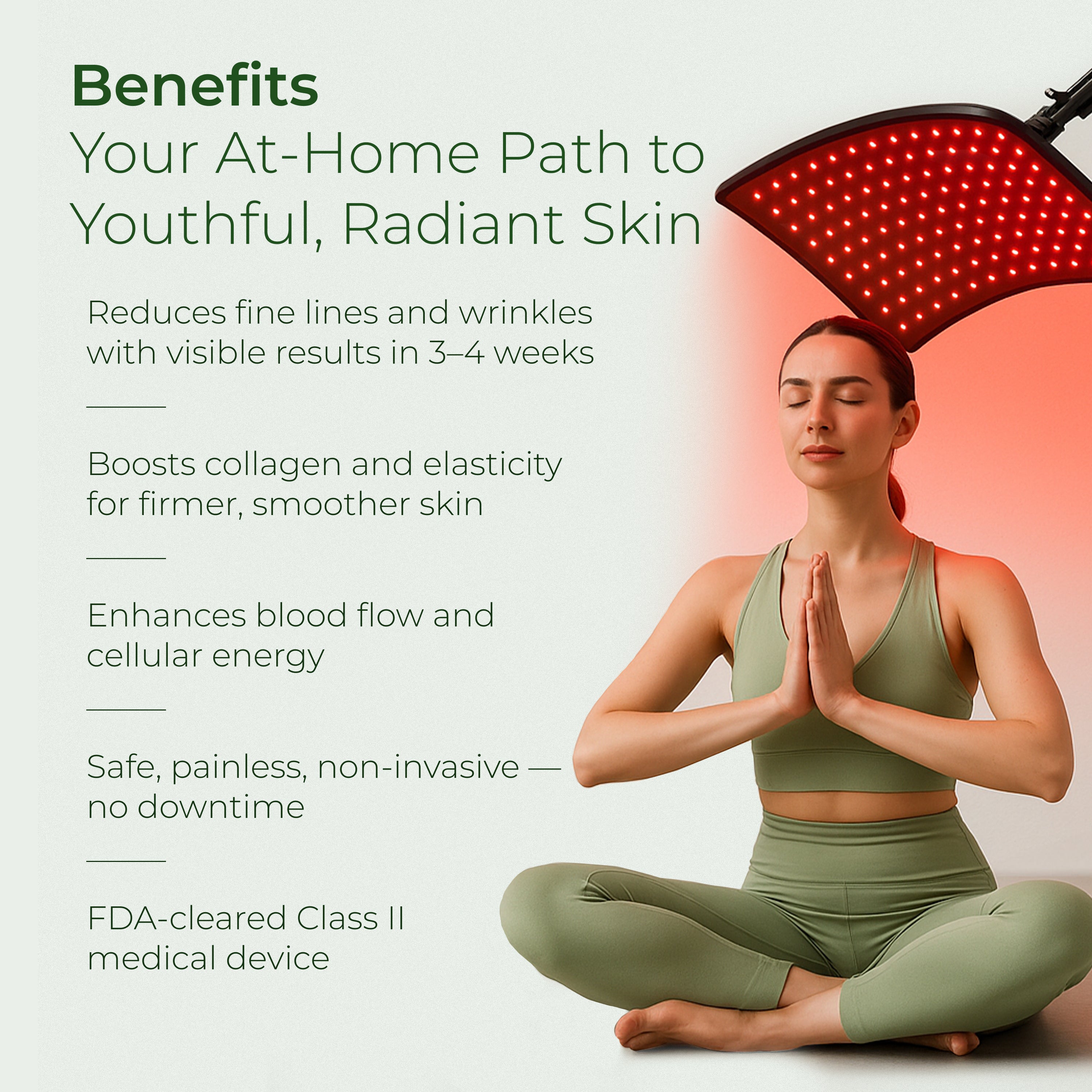
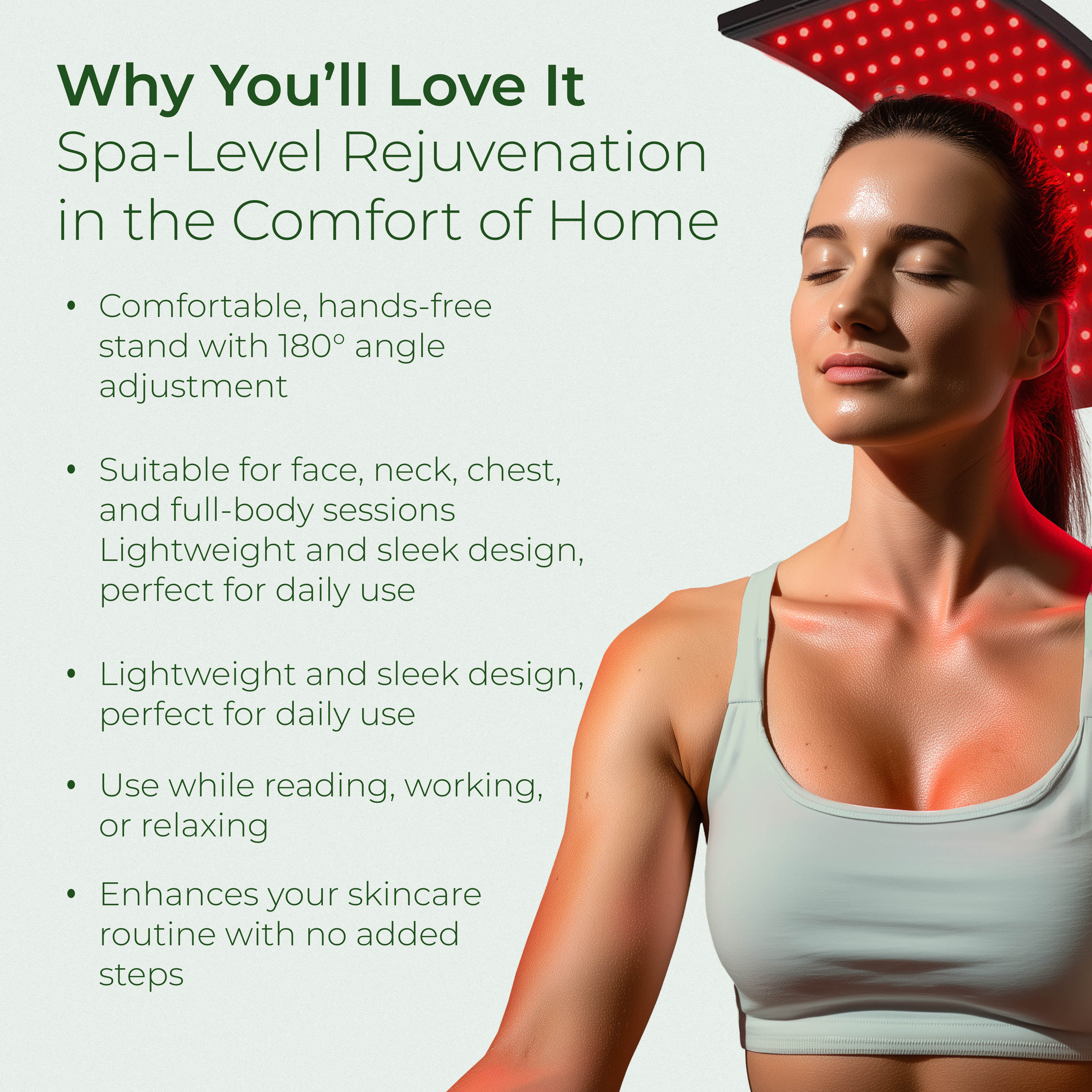
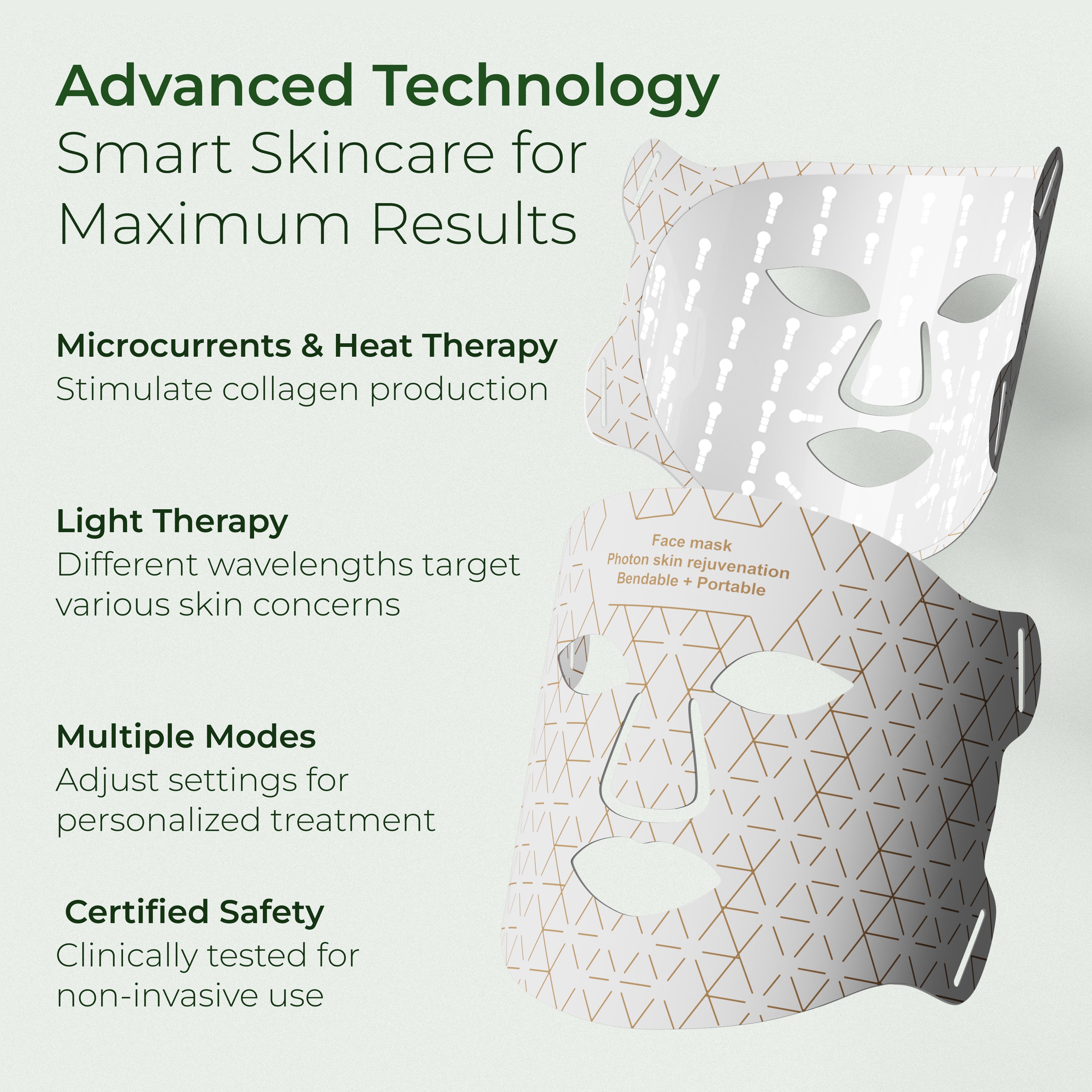
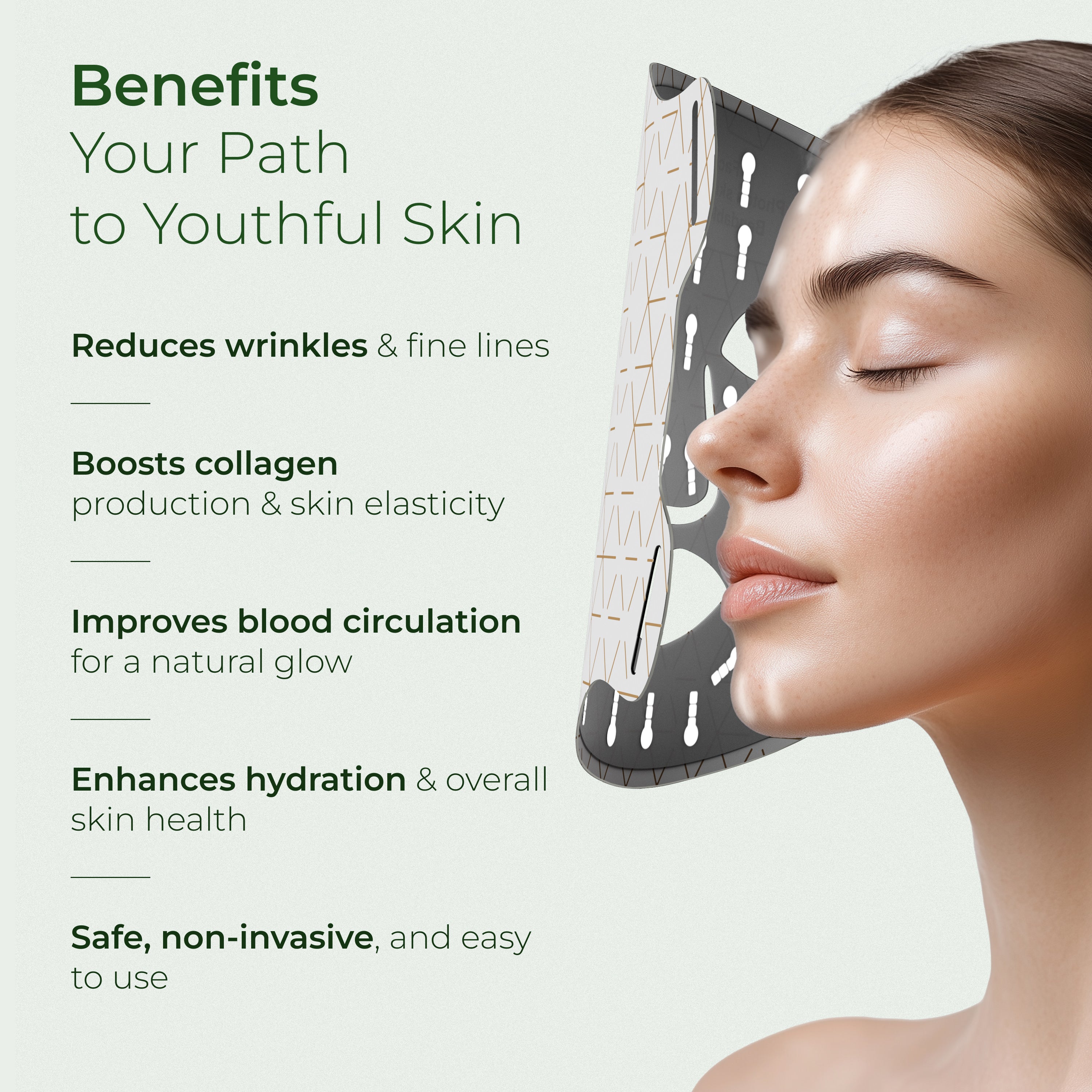
How TrophySkin Devices Help Manage Oily Skin
While finding the best moisturizer for oily face is essential, addressing the root causes of excess oil production can transform your skin long-term. Professional-grade skincare devices can complement your moisturizing routine by improving overall skin health.
Microdermabrasion for Oily Skin
Regular microdermabrasion treatments help remove the buildup of dead skin cells and excess oil that can clog pores. This gentle exfoliation also enhances the absorption of your lotion for oily skin, making your products work more effectively.
By keeping pores clear and promoting cell turnover, microdermabrasion can help regulate sebum production over time—addressing one of the root causes of oily skin.
LED Light Therapy Benefits
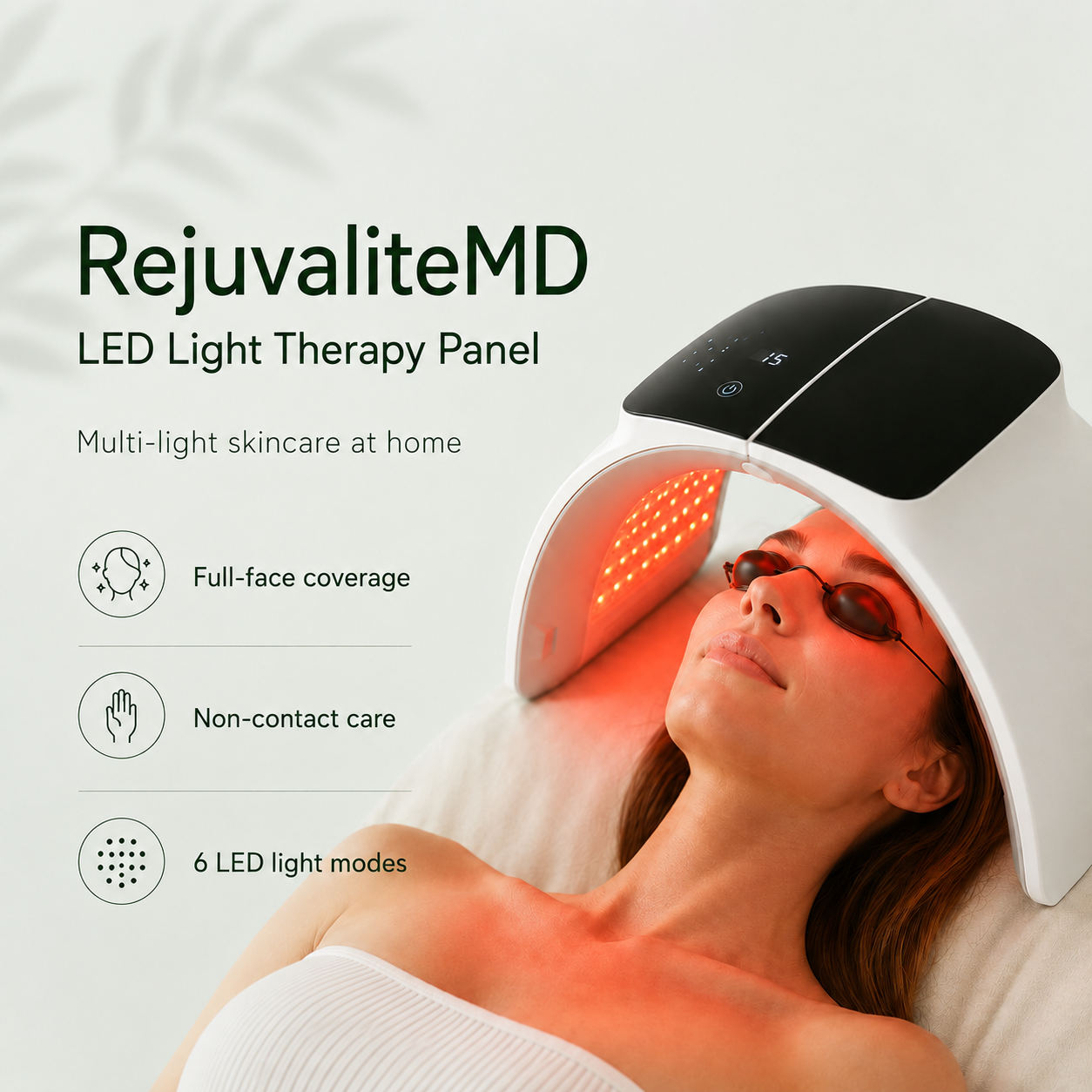
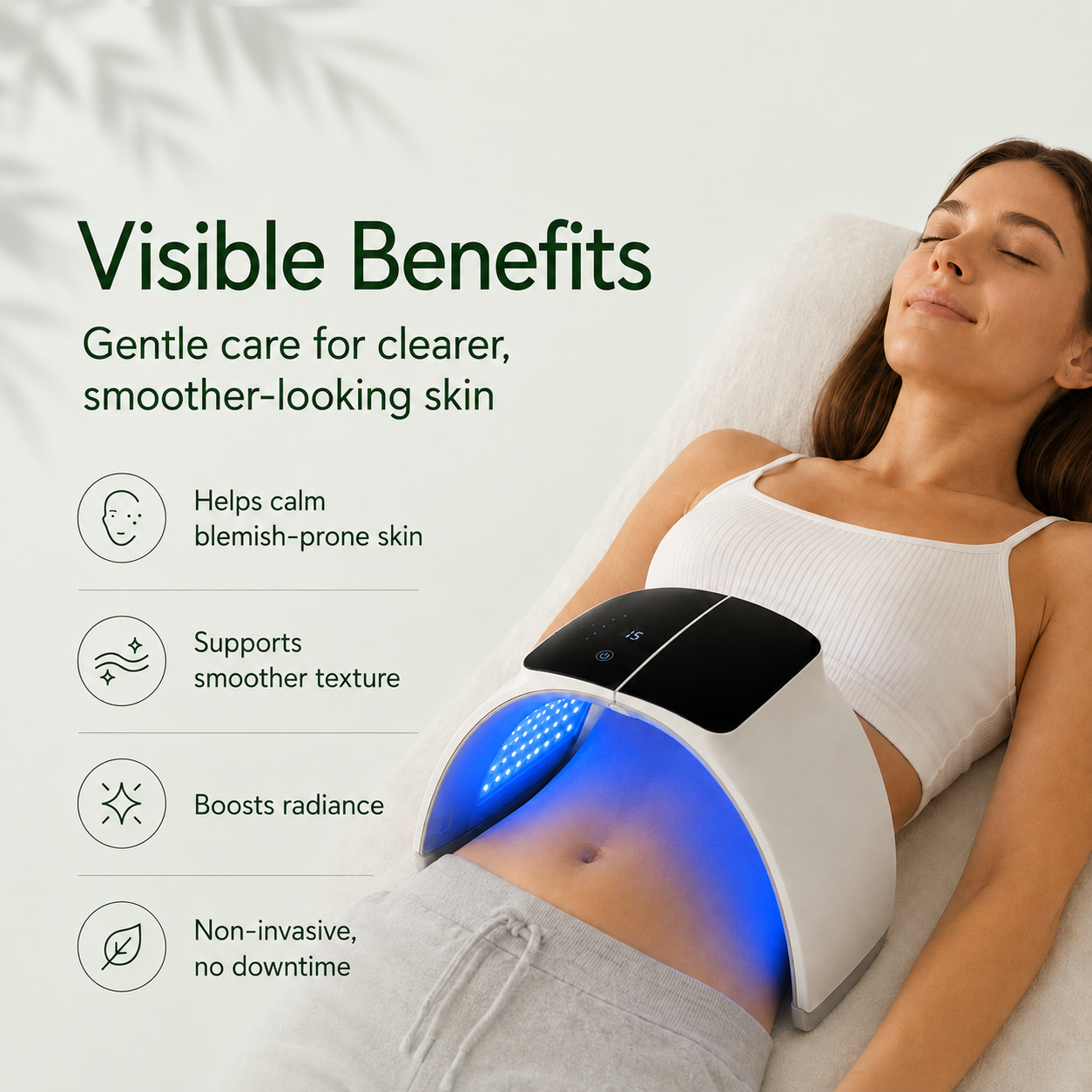
Blue LED light therapy is particularly beneficial for oily, acne-prone skin. It targets the bacteria that cause breakouts while also helping to regulate oil glands. When combined with a consistent routine using a good moisturizer for oily skin, LED therapy can significantly improve skin texture and clarity.
Take Your Oily Skin Routine to the Next Level
TrophySkin's at-home devices help control oil, clear pores, and enhance product absorption—maximizing the benefits of your moisturizer routine.
Explore Our Devices →What to Expect: Your Oily Skin Moisturizing Timeline
Switching to the right moisturizer for oily skin doesn't produce overnight results, but you'll notice improvements at various stages. Here's what you can expect when you commit to a proper hydration routine.
Week 1-2
Skin feels more comfortable and less tight after cleansing. Initial adjustment period as skin adapts to new products.
Week 3-4
Oil production begins to normalize. Fewer midday shine touch-ups needed. Skin barrier strengthening becomes noticeable.
Month 2-3
Visible improvement in skin texture and pore appearance. Balanced complexion with healthy, natural glow replacing excessive shine.
Month 3+
Long-term oil regulation achieved. Skin maintains hydration balance with fewer breakouts and improved overall appearance.
 Frequently Asked Questions
Conclusion: Finding Your Perfect Moisturizer for Oily Skin
Finding the best moisturizer for oily skin doesn't have to be complicated. Focus on lightweight, oil-free formulas with beneficial ingredients like hyaluronic acid and niacinamide. Whether you prefer a gel moisturizer for oily skin, a mattifying formula, or a light moisturiser for oily skin with SPF, the key is consistency.
Remember that oily skin still needs hydration—it's about choosing the right type of moisture, not avoiding it altogether. With the correct products and application techniques, you can achieve balanced, healthy-looking skin that glows without the grease.
Consider complementing your moisturizing routine with professional-grade skincare tools that help control oil and enhance product absorption. When you address both hydration and the underlying causes of excess oil, you set yourself up for long-term skin health.
⚕️ Disclaimer
This article is for informational purposes only and does not replace professional dermatological advice. If you have persistent skin concerns or conditions, consult a board-certified dermatologist for personalized recommendations.



Leave a comment
This site is protected by hCaptcha and the hCaptcha Privacy Policy and Terms of Service apply.