





Quick Answer: The best cleanser and moisturizer for oily skin work as a team—a gentle gel or foam cleanser removes excess sebum without stripping, while a lightweight, oil-free moisturizer maintains your skin barrier and actually helps control shine long-term. Key ingredients to look for: salicylic acid, niacinamide, and hyaluronic acid.
If you have oily skin, you've probably heard conflicting advice: wash your face more, wash it less, skip moisturizer entirely, or layer on heavy creams. The confusion is real—and it's costing you the clear, balanced complexion you deserve.
Here's the truth that dermatologists want you to know: finding the right cleanser and moisturizer for oily skin isn't about choosing one over the other. It's about understanding how these two products work together to regulate sebum production, maintain your skin barrier, and keep that unwanted shine under control.
In this comprehensive guide, we'll break down exactly what to look for in a cleanser for oily skin, which moisturizer formulas actually work (hint: oil-free isn't always the answer), and how to build a routine that transforms your skin from greasy to glowing.
Why Oily Skin Needs Both Cleansing AND Moisturizing
Let's address the elephant in the room: if your skin is already producing excess oil, why would you add more moisture? This question has led countless people with oily skin to skip moisturizer altogether—and ironically, made their oiliness worse.
The Sebum Paradox
Your skin has a built-in moisture regulation system. When it senses dryness or damage to the skin barrier, it responds by producing more sebum (oil) to compensate. This is why harsh cleansers that strip away all oil often backfire spectacularly—your sebaceous glands go into overdrive, producing even more oil than before.
The best face wash and moisturizer for oily skin work together to break this cycle. A gentle cleanser removes excess sebum, dirt, and impurities without compromising your skin barrier. Then, a lightweight moisturizer signals to your skin that it's adequately hydrated, reducing the need for excess oil production.
What Happens When You Skip Moisturizer
Without proper hydration, oily skin becomes what dermatologists call "dehydrated oily"—a frustrating combination where your face feels tight and uncomfortable while still looking shiny. You might notice more visible pores, increased sensitivity, and even more frequent breakouts.
Research published in the Journal of Clinical and Aesthetic Dermatology confirms that proper moisturization actually helps regulate sebum production over time. The key is choosing the right formula—which we'll cover in detail below.
Best Cleanser for Oily Skin: What Dermatologists Recommend
When searching for the best cleanser for oily skin dermatologist-approved, you'll encounter two main categories: foam cleansers and gel cleansers. Both can work beautifully for oily skin, but they suit different needs and preferences.
Foam Cleanser vs Gel Cleanser for Oily Skin
A foam cleanser for oily skin works by creating tiny bubbles that lift away sebum and impurities. Look for formulas that foam up easily but don't leave your skin feeling tight—that "squeaky clean" sensation often means your barrier has been compromised.
A cleansing gel for oily skin offers a gentler approach while still effectively removing excess oil. Gel cleansers are particularly good for those with oily but sensitive skin, or for morning cleansing when you don't need heavy-duty oil removal.
Key Ingredients to Look For in a Cleanser for Oily Skin
The best cleanser oily skin formulas contain ingredients that do more than just cleanse—they actively help control oil and prevent breakouts:
Salicylic Acid (BHA): This oil-soluble acid penetrates into pores to dissolve sebum buildup and prevent blackheads. Look for concentrations between 0.5-2% in your cleanser.
Niacinamide: Also known as Vitamin B3, niacinamide helps regulate sebum production and minimizes the appearance of pores over time.
Glycolic Acid (AHA): While more common in exfoliating treatments, low concentrations in cleansers help remove dead skin cells that can mix with oil and clog pores.
Tea Tree Oil: Natural antibacterial properties make this ingredient excellent for acne-prone oily skin.
Zinc: Helps regulate oil production and has anti-inflammatory properties that calm breakouts.
Pro Tip: Look for a cleanser with a pH between 4.5-6.5, which matches your skin's natural acidity. This helps maintain your barrier while still effectively cleansing. Check product reviews or brand websites for pH information.
Ingredients to Avoid
Even the best-intentioned cleanser can sabotage oily skin if it contains problematic ingredients:
Sodium Lauryl Sulfate (SLS): This harsh surfactant creates lots of foam but strips away too much oil, triggering rebound oiliness.
Denatured Alcohol: While it creates a matte finish immediately, it damages the skin barrier and increases oil production over time.
Heavy Fragrances: Synthetic fragrances can irritate oily, acne-prone skin and cause inflammation.
Coconut Oil or other comedogenic oils: These may be in "natural" cleansers but will clog pores and worsen breakouts.
Best Moisturizer for Oily Skin: Lightweight Hydration That Works
Finding the best cleanser and moisturizer for oily skin means understanding that your moisturizer needs to hydrate without adding to shine. The goal is to deliver water-based hydration (humectants) rather than heavy occlusive oils.
Oil-Free vs Water-Based Formulas
The term "oil-free" on moisturizers can be misleading. While it sounds perfect for oily skin, some oil-free formulas use silicones or other occlusive ingredients that can still clog pores. What you really want is a water-based, lightweight formula—whether it's technically "oil-free" or not.
Look for moisturizers labeled as "gel-cream," "water cream," or "hydrating gel." These formulas absorb quickly, leave a matte or natural finish, and won't contribute to midday shine.
The Niacinamide Advantage
If there's one superstar ingredient for oily skin moisturizers, it's niacinamide. This form of Vitamin B3 has been clinically proven to reduce sebum production by up to 30% over 8-12 weeks of consistent use.
Beyond oil control, niacinamide also minimizes pore appearance, evens skin tone, and strengthens the skin barrier. Look for concentrations between 2-5% in your moisturizer for optimal results without irritation.
Other key ingredients for oily skin moisturizers include:
Hyaluronic Acid: A powerful humectant that draws water into the skin without any oily residue. It can hold up to 1000x its weight in water.
Glycerin: A lightweight humectant that hydrates without clogging pores.
Centella Asiatica (Cica): Calms inflammation and helps repair the skin barrier—perfect for oily skin that's also acne-prone.
Green Tea Extract: Antioxidant protection plus natural oil-controlling properties.
The Perfect Pairing: Your best face wash and moisturizer for oily skin should work as a system. A gentle, low-pH cleanser removes excess oil, then a niacinamide-rich gel moisturizer with hyaluronic acid replenishes hydration and signals to your skin that it can stop overproducing sebum.
How to Build Your Oily Skin Routine
Knowing which cleanser and moisturizer for oily skin to use is only half the battle. How and when you use them makes a significant difference in your results.
Morning Routine for Oily Skin
Evening Routine for Oily Skin
Your evening routine is when the heavy lifting happens. This is the time for thorough cleansing and any active treatments.
Step 1: Double Cleanse — Start with an oil-based cleanser or micellar water to remove sunscreen and makeup, then follow with your foam cleanser for oily skin to deep clean pores.
Step 2: Treatment — Apply any serums or active treatments (retinol, salicylic acid, etc.). Wait 1-2 minutes before the next step.
Step 3: Moisturize — You can use a slightly richer moisturizer at night since you're not worried about shine under makeup. Look for added ceramides for overnight barrier repair.
Pro Tip: Incorporate exfoliation 2-3 times per week. Physical exfoliation with microdermabrasion removes dead skin cells and excess sebum from pores more effectively than chemical exfoliants alone—plus it enhances absorption of your serums and moisturizers.
Common Mistakes That Make Oily Skin Worse
Even with the best products, certain habits can sabotage your efforts. Here are the mistakes dermatologists see most often:
Over-washing: Cleansing more than twice a day strips your barrier and triggers more oil production. Stick to morning and evening—if you feel oily midday, use blotting papers instead.
Using hot water: Hot water feels satisfying but it strips natural oils and irritates skin. Lukewarm is ideal for both cleansing and rinsing.
Skipping moisturizer: We've covered this, but it bears repeating: dehydrated oily skin produces MORE oil, not less.
Layering too many actives: Using salicylic acid cleanser + glycolic toner + retinol serum + benzoyl peroxide spot treatment = irritation overload. Choose 1-2 actives maximum per routine.
Touching your face: Your hands transfer oil, bacteria, and dirt throughout the day. This is especially damaging for oily, acne-prone skin.
Not changing pillowcases weekly: Oil and bacteria build up on fabric and transfer back to your skin every night.
Important: If you've been following a proper cleansing and moisturizing routine for 6-8 weeks with no improvement—or if you're experiencing cystic acne, severe inflammation, or sudden changes in oil production—consult a board-certified dermatologist. Some causes of excess oiliness (hormonal imbalances, medications) require professional treatment.
How TrophySkin Devices Enhance Your Oily Skin Routine
Even the best cleanser and moisturizer for oily skin can only do so much on their own. The real transformation happens when you add targeted devices that work at a deeper level—addressing the root causes of excess oil and clogged pores.
Professional-grade home devices offer something topical products can't: mechanical exfoliation, enhanced product absorption, and stimulation of skin's natural renewal processes.
Microdermabrasion for Oily Skin
Microdermabrasion is particularly effective for oily skin because it addresses one of the primary causes of shine and breakouts: dead skin cell buildup. When these cells mix with excess sebum, they create the perfect environment for clogged pores and blackheads.
The MicrodermMD system uses diamond-tip exfoliation combined with gentle suction to remove dead cells and extract sebum from pores. This dual action not only clears existing congestion but also improves your skin's texture and allows your cleanser and moisturizer to work more effectively.
Clinical studies show that regular microdermabrasion can reduce sebum production over time while minimizing the appearance of enlarged pores—two of the biggest concerns for oily skin types.
LED Light Therapy Benefits
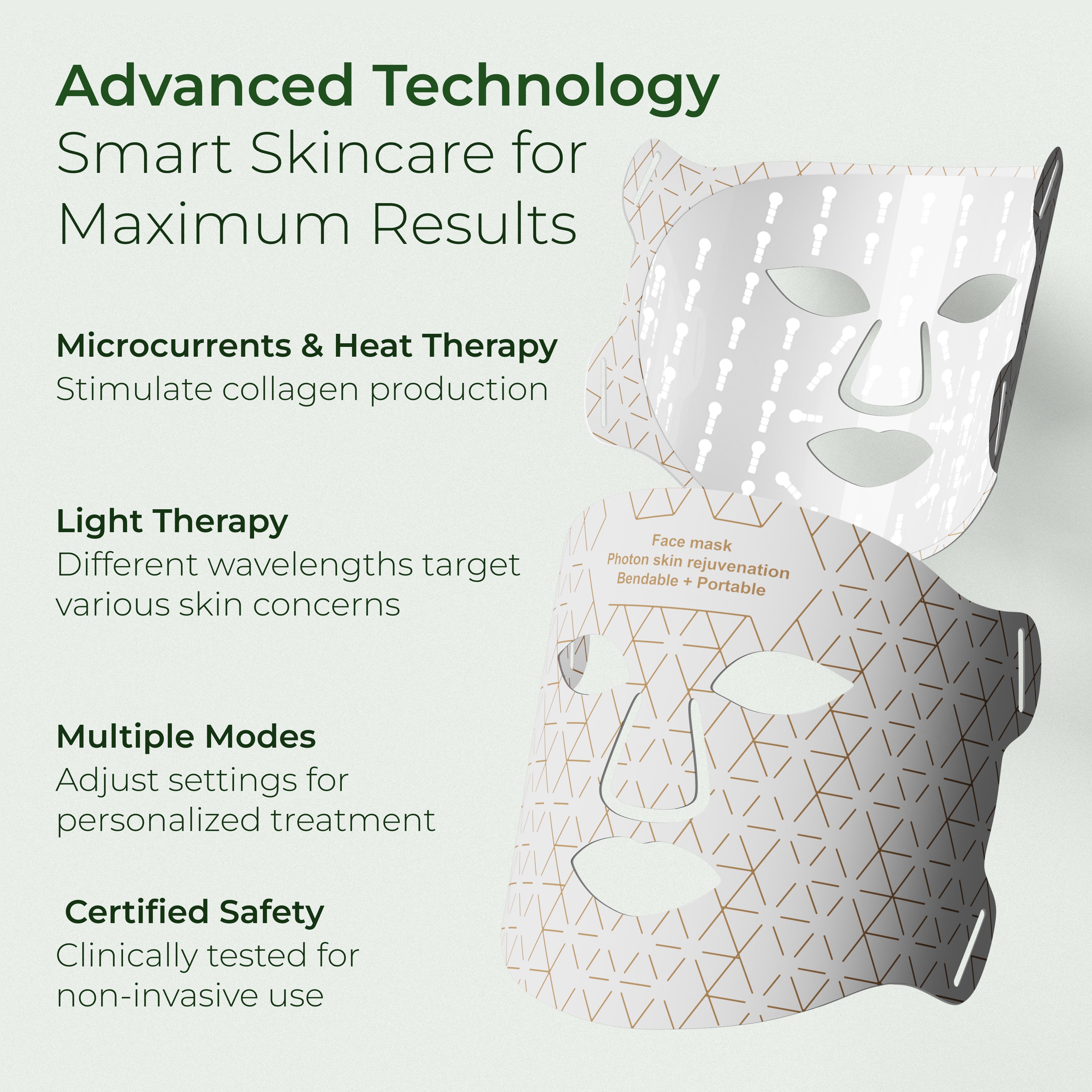
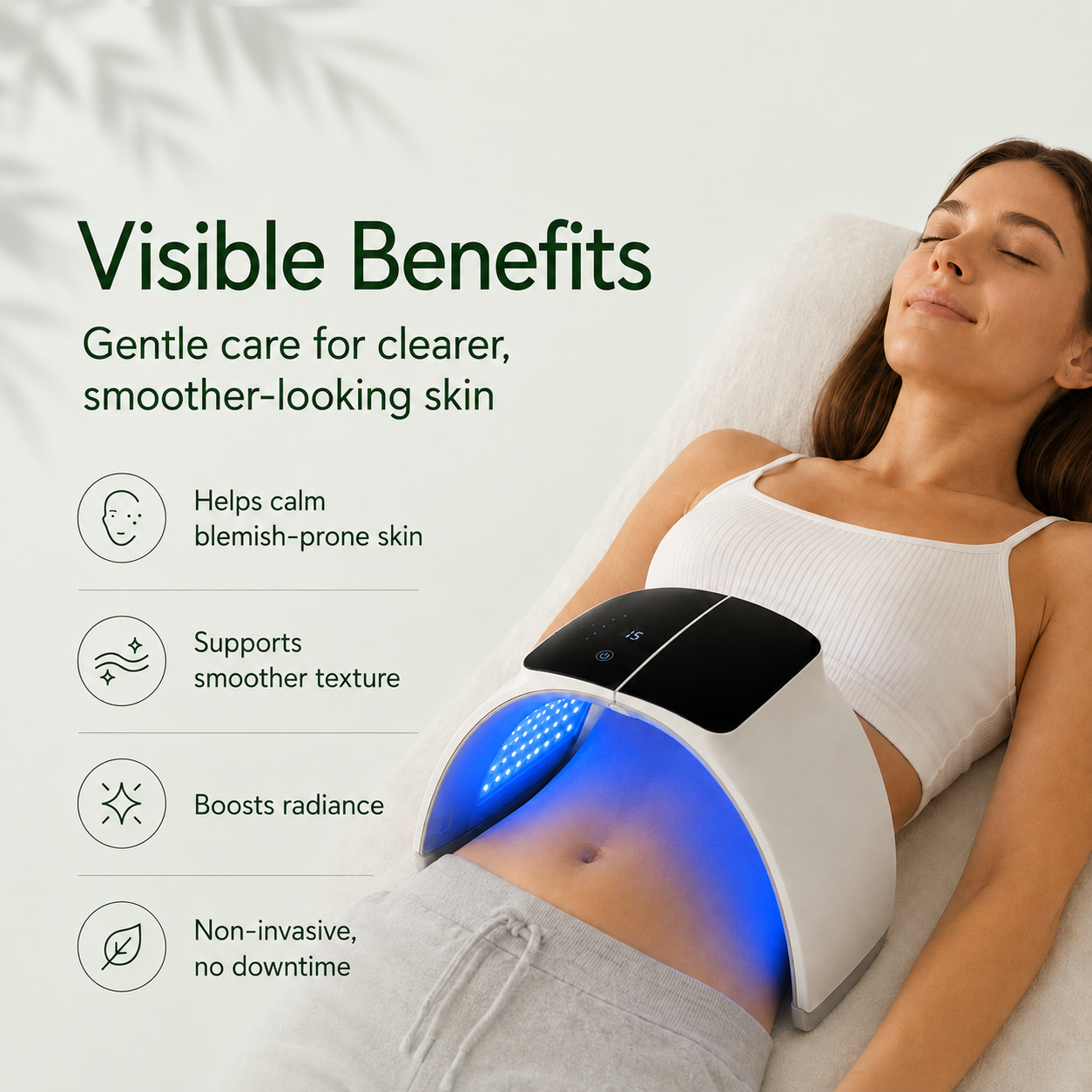
Blue LED light therapy targets the bacteria that cause acne—a common concern for oily skin. By eliminating P. acnes bacteria, blue light reduces inflammation and helps prevent future breakouts without drying or irritating the skin.
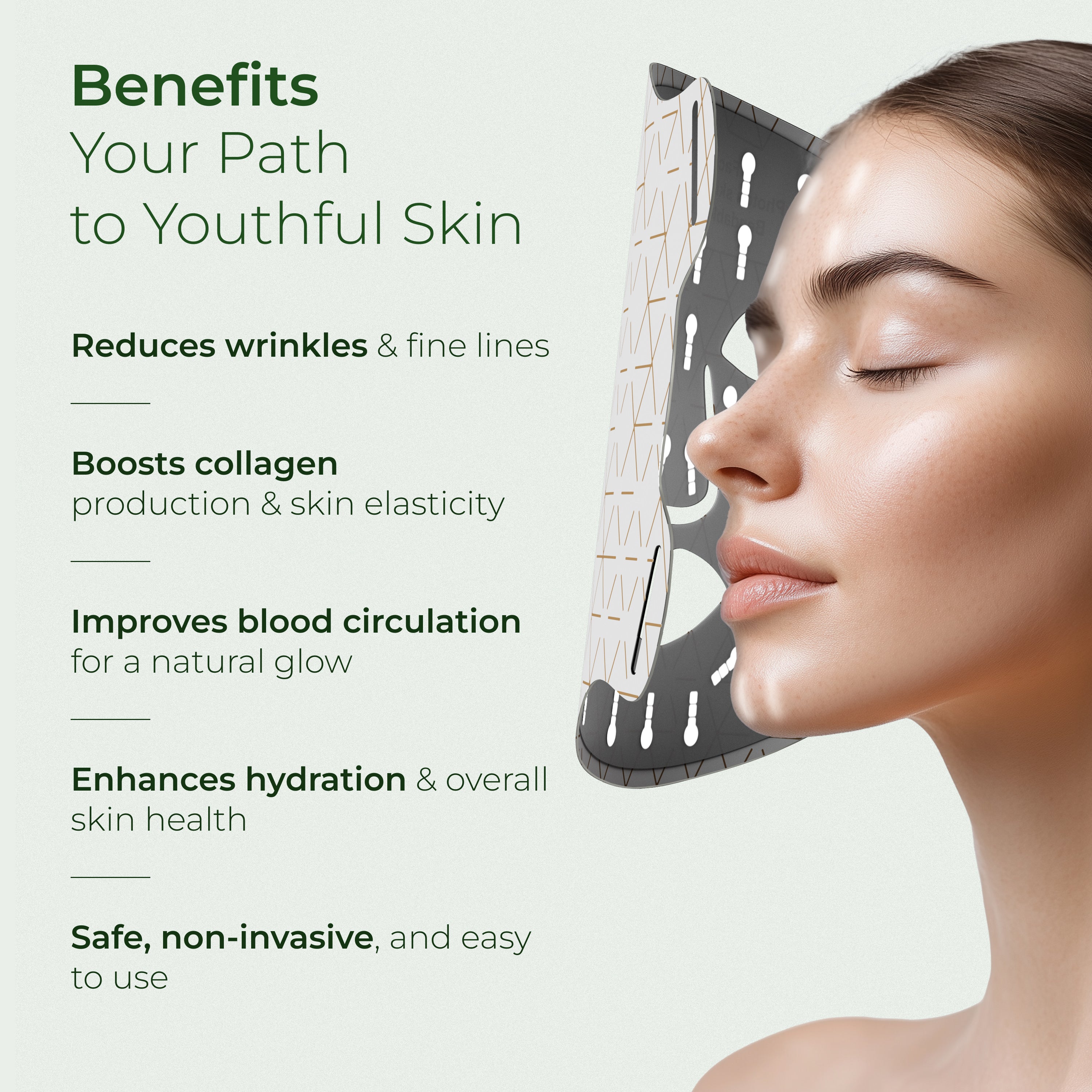
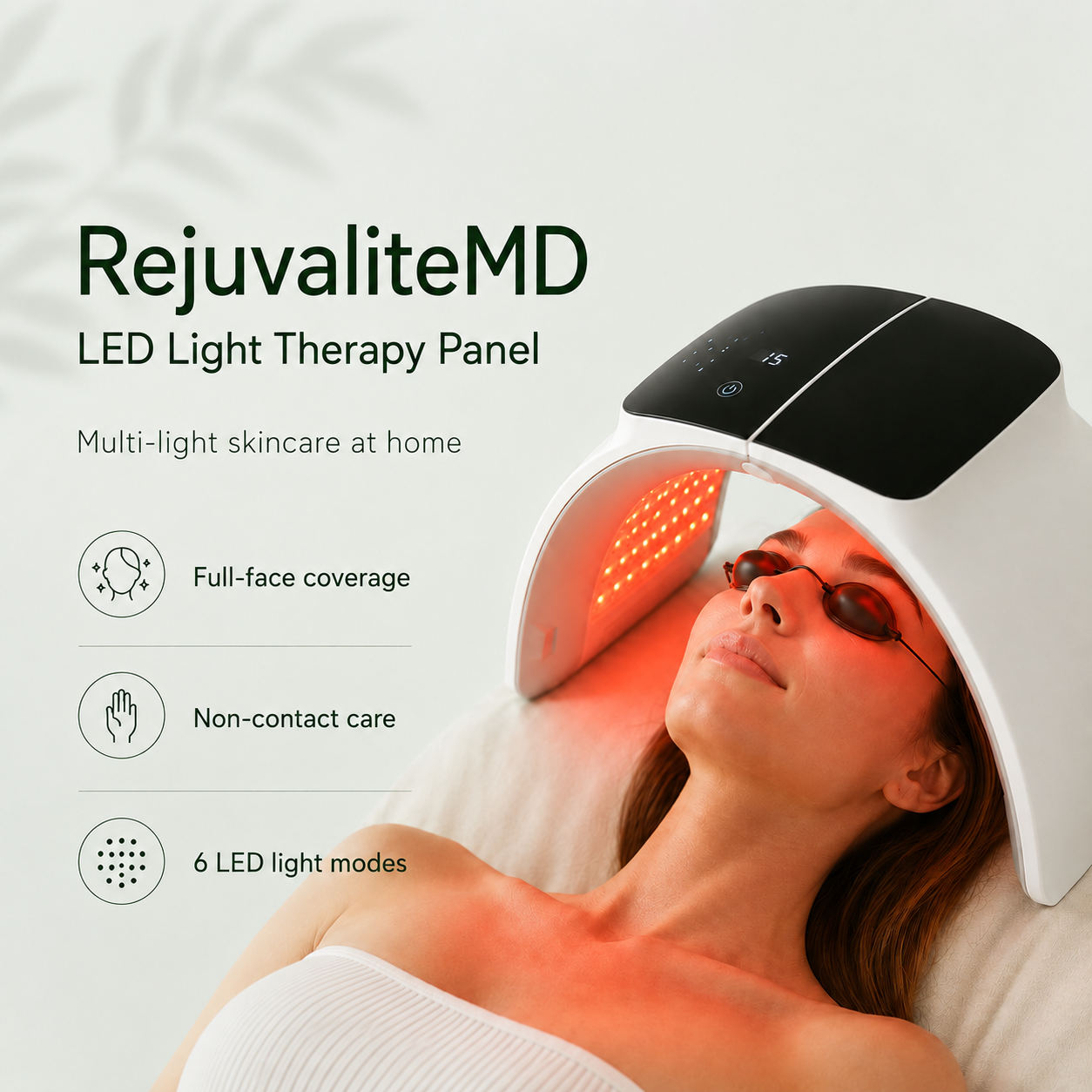
Red LED light supports overall skin health by stimulating collagen production and reducing inflammation. For oily skin, this means faster healing of acne marks and improved skin texture over time.
Elevate Your Oily Skin Routine
TrophySkin's professional-grade home devices work synergistically with your cleanser and moisturizer to control oil, clear pores, and reveal balanced, glowing skin. Our dermatologist-designed systems bring spa-quality results to your bathroom.
Explore Our Collection →What to Expect: Your Transformation Timeline
Week 1-2: Adjustment Phase
Skin begins adjusting to new routine. You may notice slightly more oiliness as your skin recalibrates—this is normal. Texture starts improving as dead cells clear.
Week 3-4: Early Results
Oil production begins to normalize. Fewer breakouts, less midday shine. Pores appear slightly smaller as congestion clears. Products absorb better.
Week 5-8: Visible Transformation
Significant reduction in oiliness and shine. Skin barrier is stronger, holding moisture better. Complexion appears more balanced and refined. Makeup lasts longer.
Week 8+: Maintenance Mode
Oil production regulated. Focus shifts to maintenance and addressing any remaining texture concerns. Consider adding targeted treatments for dark spots or fine lines.
 Frequently Asked Questions
Conclusion: Your Path to Balanced, Beautiful Skin
Finding the right cleanser and moisturizer for oily skin isn't about fighting against your skin type—it's about working with it. When you understand that oiliness often signals dehydration or barrier damage, the solution becomes clear: gentle cleansing that removes excess without stripping, and lightweight hydration that tells your skin it can calm down.
Remember the key principles: choose a foam cleanser or cleansing gel for oily skin with beneficial actives like salicylic acid and niacinamide. Follow with a gel-cream moisturizer that hydrates without heaviness. And consider enhancing your routine with targeted treatments like microdermabrasion to address pore congestion at a deeper level.
The journey to balanced skin takes consistency and patience—but the results are worth it. In 6-8 weeks, you can transform your relationship with your skin from frustrated to confident.
⚕️ Medical Disclaimer
This article is for educational purposes only and does not replace professional medical advice. Consult a board-certified dermatologist before starting any new skincare regimen, especially if you have existing skin conditions, severe acne, or take medications that affect your skin.


Leave a comment
This site is protected by hCaptcha and the hCaptcha Privacy Policy and Terms of Service apply.