



Quick Answer: The best skin treatment for oily skin acne combines oil-controlling ingredients like salicylic acid and niacinamide with advanced therapies like LED blue light. Blue light therapy kills acne-causing bacteria, while proper exfoliation keeps pores clear. Consistency with the right routine matters more than using harsh products that strip your skin.
If you've ever looked in the mirror by midday and wondered why your face looks like an oil slick despite washing it just hours ago, you're not alone. Oily skin affects millions of people worldwide, and when excess sebum teams up with acne, it can feel like an endless battle against shine and breakouts.
The good news? Finding the right skin treatment for oily skin acne doesn't mean stripping your face dry or spending thousands at a dermatologist's office. Modern solutions—from targeted ingredients to professional-grade home devices—make it possible to achieve clearer, balanced skin without the extreme measures.
This comprehensive guide breaks down everything you need to know: what causes oily pimples on your face, which acne solutions for oily skin actually work, and how to build a routine that addresses both concerns simultaneously.
Why Oily Skin and Acne Go Hand in Hand
Understanding the connection between oily skin and acne is the first step toward effective treatment. Does oily skin cause acne? The short answer is: it creates the perfect conditions for it.
The Science Behind Sebum Overproduction
Your skin produces sebum—a natural oil—through sebaceous glands located in your pores. This oil is actually beneficial: it moisturizes your skin, protects against environmental damage, and maintains your skin's barrier function. The problem arises when these glands go into overdrive.
Several factors can trigger excessive sebum production. Hormonal fluctuations, particularly androgens, stimulate sebaceous glands to produce more oil. This explains why oily skin and acne often peak during puberty, menstruation, and periods of stress. Genetics also play a significant role—if your parents dealt with oily skin, you're more likely to experience it too.
How Excess Oil Leads to Breakouts
When your skin produces too much sebum, it mixes with dead skin cells and can clog your pores. This creates an oxygen-free environment where Propionibacterium acnes (P. acnes) bacteria thrive. These bacteria feed on the trapped sebum and multiply rapidly, triggering an inflammatory response that manifests as those frustrating oily pimples on your face.
The result? Everything from blackheads and whiteheads to inflamed papules and painful cystic acne. The relationship between oil and acne explains why oily acne-prone skin requires a specific treatment approach that addresses both excess sebum and bacterial overgrowth.
Pro Tip: Blotting papers can remove excess oil throughout the day without disturbing your makeup or skincare. Keep a pack in your bag and gently press—don't rub—on shiny areas for instant mattification.
The Hidden Benefits of Oily Skin
Before you curse your overactive sebaceous glands, consider this: oily skin comes with genuine advantages. Understanding the benefits of oily skin can shift your perspective from fighting your skin type to working with it.
Natural sebum provides protection against environmental stressors, keeps your skin hydrated without additional products, and maintains elasticity. The key isn't eliminating oil completely—it's finding balance and preventing the excess oil from causing congestion.
Embrace, don't erase: The goal of oily skin treatment isn't to completely strip away oil—it's to regulate production and prevent clogged pores while preserving your skin's natural protective barrier.
 Best Acne Remedies for Oily Skin
When searching for the best solution for acne and oily skin, you'll encounter countless options. Let's cut through the noise and focus on what actually works, from proven topical treatments to innovative home devices.
Topical Treatments That Actually Work
Salicylic Acid (BHA): This oil-soluble beta hydroxy acid penetrates into pores to dissolve the sebum and dead skin cells causing congestion. It's one of the best acne remedies for oily skin because it works inside the pore rather than just on the surface. Look for concentrations between 0.5% and 2% for daily use.
Benzoyl Peroxide: This antibacterial ingredient kills P. acnes bacteria on contact. It's particularly effective for inflammatory acne—those red, angry oily zits that seem to appear overnight. Start with 2.5% concentration, as higher percentages often cause irritation without additional benefit.
Niacinamide: This vitamin B3 derivative is a multitasker for oily acne-prone skin. It regulates sebum production, minimizes the appearance of pores, reduces inflammation, and strengthens your skin barrier. The best part? It plays well with almost every other active ingredient.
Retinoids: These vitamin A derivatives accelerate cell turnover, preventing dead cells from clogging pores. They're considered the gold standard for acne treatment by dermatologists. Over-the-counter options like adapalene (Differin) are now available without prescription.
Professional-Grade Home Devices
While topical products address surface concerns, advanced home devices can take your oily skin treatment to the next level by targeting deeper issues and providing clinical-level results at home.
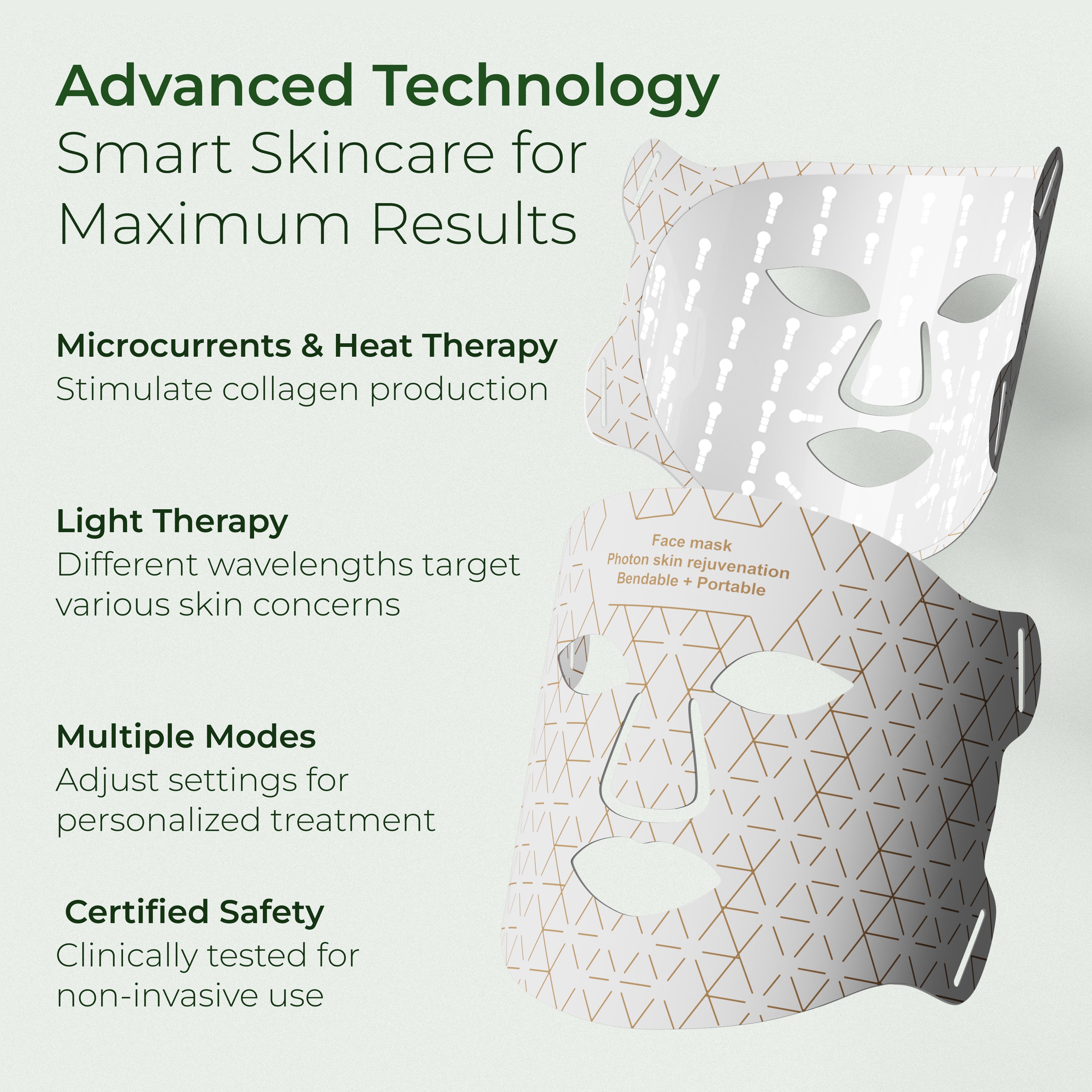
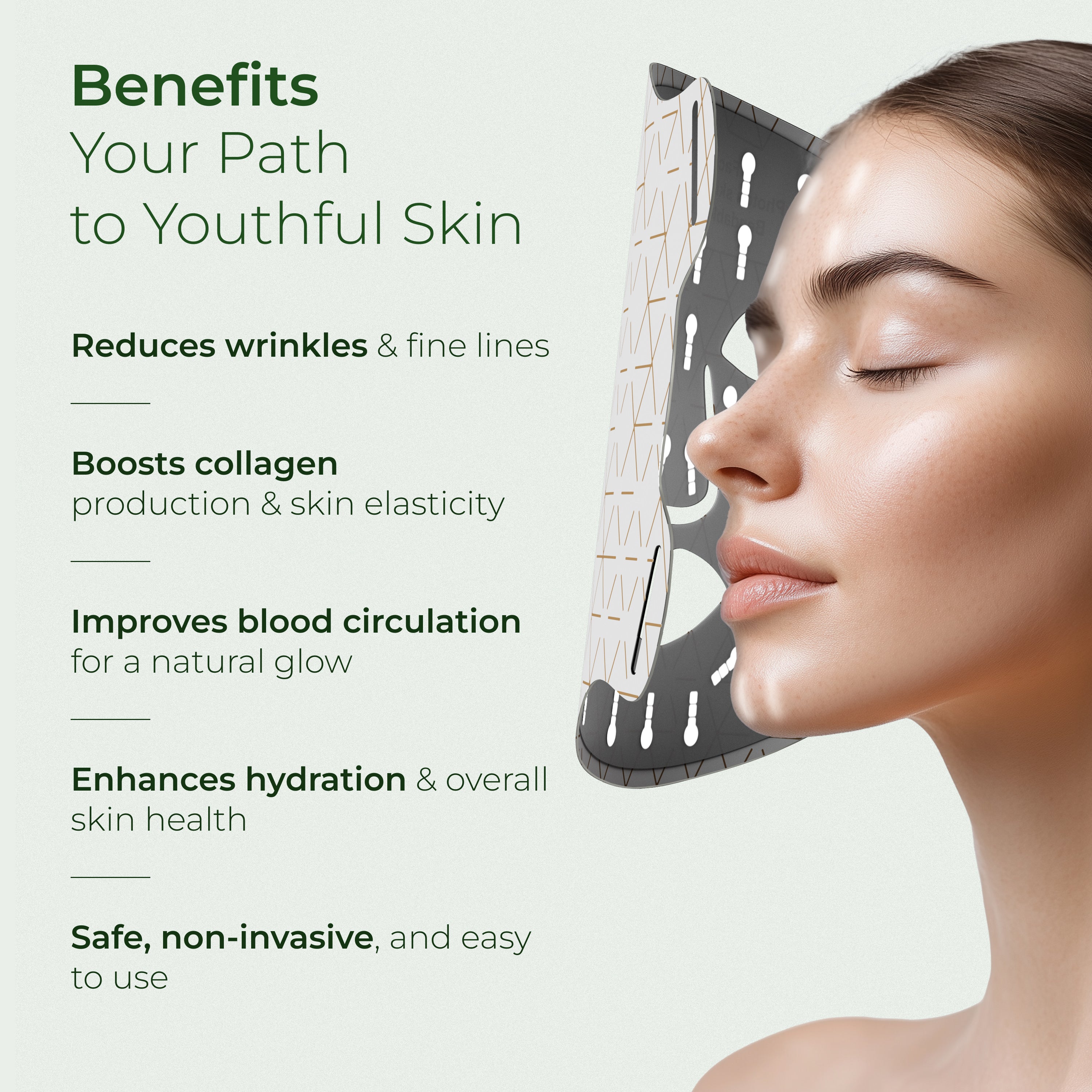
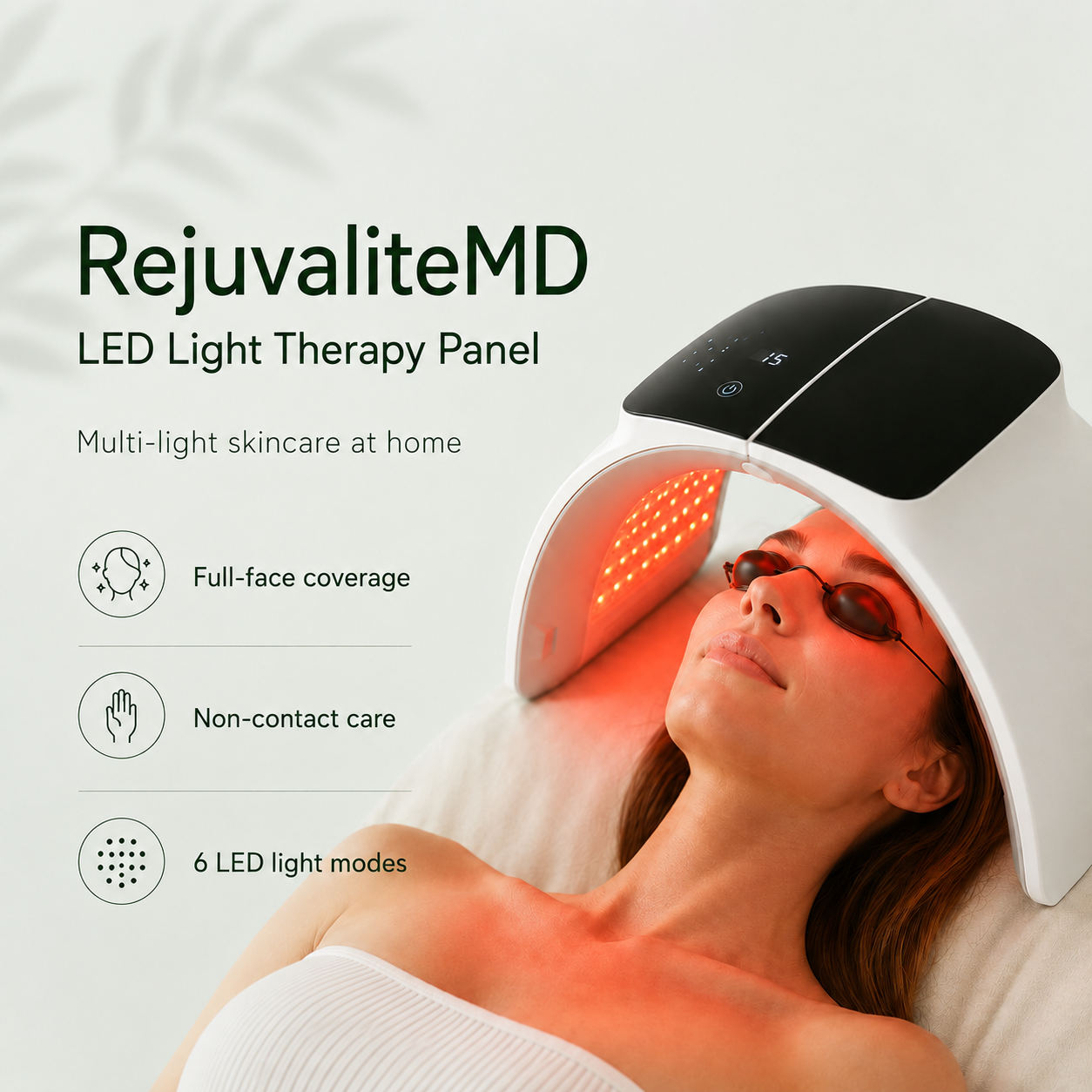
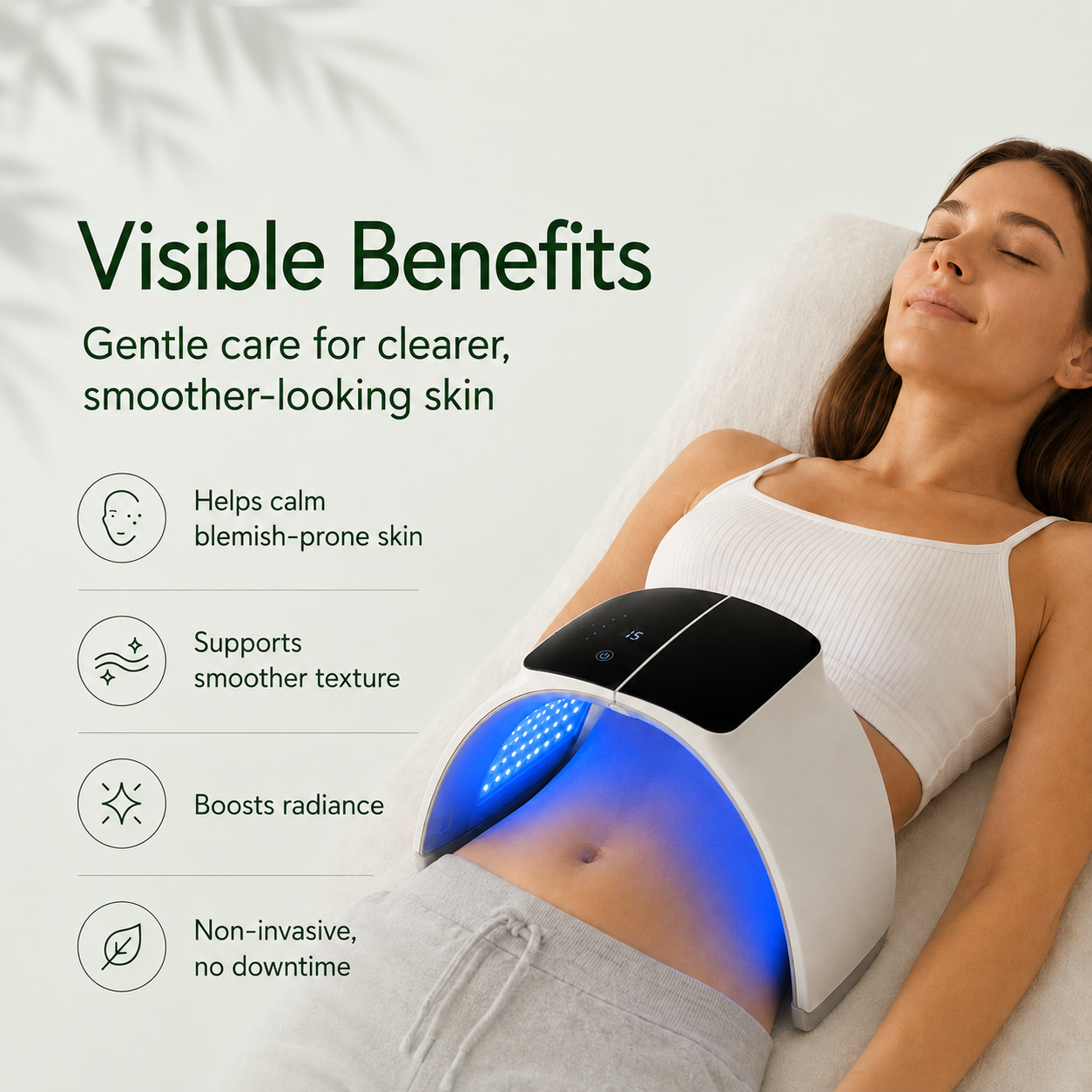
LED Blue Light Therapy: Blue light at wavelengths between 405-420nm has been clinically proven to kill acne-causing bacteria without damaging surrounding skin. It's a drug-free, non-invasive treatment that reduces inflammation and helps prevent future breakouts. Multiple studies show significant improvement in acne after consistent use.
Microdermabrasion: This mechanical exfoliation technique removes the outermost layer of dead skin cells, helping to unclog pores and improve skin texture. For oily skin, regular microdermabrasion can reduce the appearance of enlarged pores and prevent sebum buildup that leads to breakouts.
Pro Tip: Combine LED blue light therapy with your topical acne treatments for enhanced results. Use blue light first to kill bacteria, then apply your serums on freshly treated skin for better penetration.
What Dermatologists Recommend for Oily Skin Treatment
When over-the-counter products aren't enough, dermatologists have additional tools in their arsenal. Understanding what oily skin treatment dermatologist options exist helps you make informed decisions about your skincare journey.
Prescription Options
For moderate to severe cases, dermatologists may prescribe topical retinoids stronger than over-the-counter options, oral antibiotics to reduce bacterial load, or hormonal treatments like spironolactone for women whose oily skin is hormone-driven. In severe cases, isotretinoin (Accutane) remains the most effective drug for oily skin and cystic acne, though it requires careful monitoring.
In-Office Procedures
Professional treatments like chemical peels, professional-grade LED light therapy, and laser treatments can dramatically improve oily, acne-prone skin. These treatments are more intensive but offer faster results than at-home options alone.
At-Home Professional Devices
Many dermatologists now recommend professional-grade home devices as a complement to in-office treatments or as standalone solutions for mild to moderate concerns. These devices bridge the gap between basic skincare and clinical procedures, offering consistent treatment without repeated office visits.
Products to Reduce Oily Skin: What to Look For
Choosing the right products to stop oily skin requires understanding which ingredients help and which can actually make things worse. Here's your comprehensive guide to selecting products to reduce oily skin effectively.
Ingredients to Avoid: Heavy oils (coconut oil, mineral oil), alcohol-based products that over-strip skin, and comedogenic ingredients like isopropyl myristate can worsen oily skin and acne. Always check labels for "non-comedogenic" and "oil-free" claims.
 Building Your Oily Skin Routine
A strategic routine is essential for managing oily acne-prone skin. Here's a step-by-step approach that addresses both oil control and acne prevention.
What to Expect: Your Results Timeline
Week 1-2
Skin adjusts to new routine. You may experience temporary purging as congestion clears. Oil production may fluctuate.
Week 3-4
Reduced inflammation visible. Fewer new breakouts. Skin starts to feel less greasy throughout the day.
Week 6-8
Significant improvement in overall skin clarity. Pores appear smaller. Acne lesions reduced by up to 70-80%.
Week 12+
Optimal results achieved. Maintenance mode begins. Continue routine to prevent recurrence and maintain clear skin.
 How TrophySkin Devices Help Oily, Acne-Prone Skin
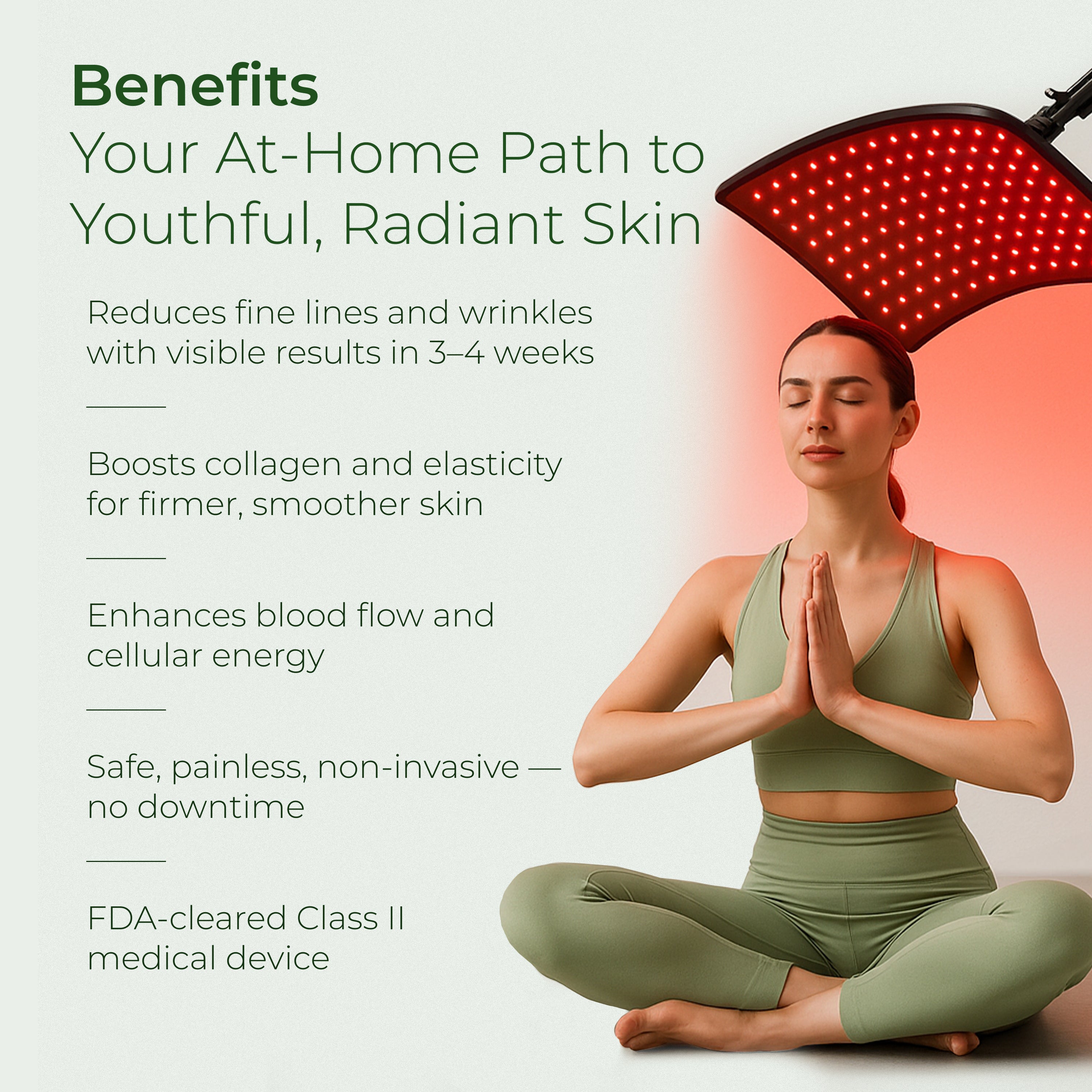
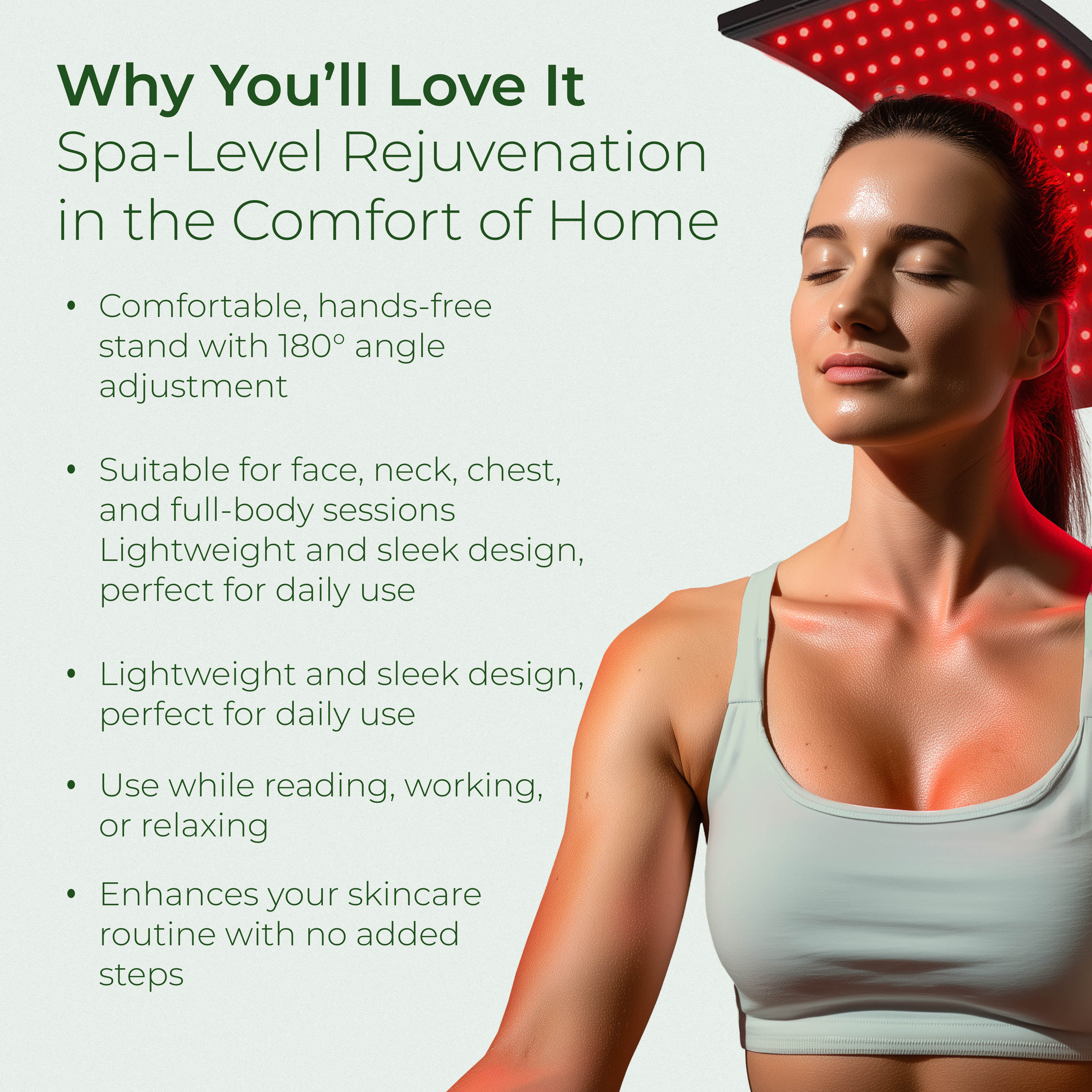
Professional-grade home devices offer a powerful addition to your skincare routine. TrophySkin's devices bring clinical-level technology to your bathroom, targeting the root causes of oily skin and acne without the ongoing costs of professional treatments.
LED light therapy devices use blue light wavelengths clinically proven to destroy P. acnes bacteria, reducing both active breakouts and preventing new ones from forming. Meanwhile, microdermabrasion devices like the MicrodermMD provide gentle yet effective exfoliation that unclogs pores, removes dead skin buildup, and improves product absorption.
The combination of these technologies addresses oily, acne-prone skin from multiple angles: killing bacteria, clearing congestion, and promoting healthier skin cell turnover. Users consistently report visible improvements in both oil control and acne reduction within the first month of regular use.
Professional Results at Home
Explore TrophySkin's collection of LED therapy and microdermabrasion devices designed specifically for acne-prone and oily skin types.
Explore Our Devices →"I've struggled with oily skin and acne for years. After using the LED device consistently for 8 weeks, my skin has never looked better. The oiliness is way more controlled and breakouts are rare now. Worth every penny."
— Jessica M.
Verified Buyer
Common Mistakes That Make Oily Skin Worse
Even with the best products, certain habits can sabotage your progress. Understanding what does oily skin causes pimples to worsen helps you avoid common pitfalls.
Over-cleansing: Washing your face more than twice daily or using harsh cleansers strips your skin's natural oils, triggering a rebound effect where your sebaceous glands compensate by producing even more oil.
Skipping moisturizer: Many people with oily skin avoid moisturizer, thinking it will add more oil. In reality, dehydrated skin produces more sebum to compensate. A lightweight, oil-free moisturizer is essential.
Using too many actives at once: Layering salicylic acid, benzoyl peroxide, and retinoids simultaneously can destroy your skin barrier, leading to irritation, inflammation, and—paradoxically—more breakouts.
Touching your face: Every touch transfers oil, dirt, and bacteria from your hands to your face. This seemingly harmless habit is one of the most common causes of persistent oily pimples.
Less is often more: A simple, consistent routine with the right products will outperform an elaborate regimen of harsh treatments. Focus on balance, not elimination.
Pro Tip: Change your pillowcase every 2-3 days and clean your phone screen regularly. These surfaces accumulate oil and bacteria that transfer to your face while you sleep or talk.
Frequently Asked Questions
Conclusion: Your Path to Balanced, Clear Skin
Managing oily, acne-prone skin doesn't have to be a lifelong struggle. With the right understanding of what causes oil pimples on your face and a strategic approach combining proven topical ingredients with advanced home devices, clearer skin is within reach.
Remember: the goal isn't to eliminate all oil—it's to find balance. Your skin's natural sebum provides protection and keeps you looking youthful. By using targeted acne solutions for oily skin, incorporating LED therapy and microdermabrasion, and avoiding common mistakes, you can achieve the clear, healthy complexion you've been working toward.
Start with one change at a time, be patient with results, and remember that consistency always beats intensity. Your skin will thank you.
⚕️ Medical Disclaimer
This article is for educational purposes only and does not replace professional medical advice. Consult a board-certified dermatologist before starting any new skincare regimen, especially if you have existing skin conditions, take medications, or experience severe or cystic acne. Individual results may vary.



Leave a comment
This site is protected by hCaptcha and the hCaptcha Privacy Policy and Terms of Service apply.