



Quick Answer: Oily skin meaning refers to a skin type characterized by excess sebum production, resulting in a shiny appearance, enlarged pores, and increased tendency for breakouts. If you're wondering "do I have oily skin?"—look ftor persistent shine, especially in the T-zone, within hours of cleansing.
Have you ever applied makeup in the morning only to find yourself reaching for blotting papers by noon? Or perhaps you've noticed that persistent shine that seems impossible to control, no matter what products you try. Understanding what oily skin truly means is the first step toward managing it effectively.
The truth is, oily skin isn't a flaw—it's simply how your skin functions. In fact, people with oily skin often age more gracefully because that natural moisture helps prevent fine lines. But when sebum production goes into overdrive, it can lead to frustration, breakouts, and an endless search for the right skincare routine.
In this comprehensive guide, we'll explore exactly what oily skin looks like, what causes it, how to identify whether you have an oily face or dry face, and most importantly—how to achieve that balanced, healthy glow you deserve.
What Is Oily Skin? Understanding the Basics
When we talk about oily skin meaning, we're referring to a skin type where the sebaceous glands produce more sebum than necessary. Sebum is the waxy, oily substance your skin naturally produces to protect and moisturize itself. While everyone needs some sebum for healthy skin, excess production leads to that characteristic shiny appearance.
Your sebaceous glands are located just beneath the skin's surface, attached to hair follicles. They're most concentrated on your face—particularly the forehead, nose, and chin (known as the T-zone)—which explains why these areas tend to get oiliest. When these glands become overactive, they pump out more oil than your skin can effectively manage.
It's important to understand that oily skin is a skin type, not a skin condition. You're typically born with a tendency toward oily skin based on your genetics, though various factors can influence how oily your skin becomes over time. Unlike conditions like acne or rosacea, oily skin itself isn't something that needs to be "cured"—but it can absolutely be managed effectively.
What Does Oily Skin Look Like? Key Signs to Recognize
If you're asking yourself "do I have oily skin?" there are several telltale signs to look for. Understanding what does oily skin look like helps you identify your skin type accurately, which is essential for choosing the right products and treatments.
The Primary Signs of Oily Skin
Visible shine throughout the day: The most obvious characteristic of oily skin is a persistent shine or greasy appearance, particularly in the T-zone area. This shine often appears within just a few hours after cleansing, even if you haven't applied any products.
Enlarged or visible pores: When sebaceous glands are overactive, pores tend to appear larger, especially around the nose and cheeks. This happens because excess oil can stretch the pore walls over time, making them more noticeable.
Frequent breakouts: Oily skin creates an environment where bacteria can thrive, and excess sebum can clog pores more easily. This combination often leads to blackheads, whiteheads, and inflammatory acne, particularly during hormonal fluctuations.
Makeup doesn't last: If you find your foundation sliding off or becoming patchy by midday, oily skin is likely the culprit. The excess oil on your skin's surface can break down makeup products, causing them to separate or disappear.
Pro Tip: Try the "bare-face test" to check if you have oily skin. Wash your face with a gentle cleanser, pat dry, and wait 30 minutes without applying any products. If your face feels slick or shiny—especially in the T-zone—you likely have oily skin.
Where Oily Skin Shows Most
Oily skin doesn't affect your entire face equally. The T-zone—forehead, nose, and chin—contains the highest concentration of sebaceous glands, which is why it's typically the oiliest area. Some people have oily skin across their entire face, while others may have combination skin, where the T-zone is oily but the cheeks remain normal or dry.
Oily Face and Dry Face: How to Tell the Difference
Understanding the difference between an oily face and dry face is crucial because these skin types require completely different care approaches. Using the wrong products for your skin type can actually worsen your concerns.
The Combination Skin Factor
Many people don't fit neatly into the oily or dry category. Combination skin features both an oily face in certain areas (typically the T-zone) and a dry face in others (usually the cheeks). If this sounds familiar, you'll need to treat different areas of your face with different approaches—using mattifying products on oily zones while providing hydration to drier areas.
What Is a Characteristic of Oily Skin? The Complete Breakdown
When examining what is a characteristic of oily skin, we need to look beyond just the surface-level shine. Oily skin has several defining characteristics that affect everything from your skincare routine to your makeup choices.
Physical Characteristics
Thicker skin texture: Oily skin tends to be thicker than other skin types because the excess sebum creates a protective layer. This thickness can actually be beneficial, as it provides more natural protection against environmental damage and may help delay the appearance of fine lines and wrinkles.
Resilience to irritation: That natural oil barrier means oily skin is often more tolerant of active ingredients and less prone to sensitivity compared to dry skin types. However, this doesn't mean you should be aggressive with harsh products—balance is still key.
Tendency toward congestion: The excess sebum can mix with dead skin cells and become trapped in pores, leading to blackheads (open comedones) and whiteheads (closed comedones). This is why regular exfoliation and pore-clearing treatments are essential for oily skin.
Main characteristic: The defining trait of oily skin is overactive sebaceous glands that produce excess sebum. This leads to shine, enlarged pores, and congestion—but also provides natural protection against aging and environmental damage.
Behavioral Characteristics
Fluctuates with hormones: Oily skin often becomes oilier during certain times of the menstrual cycle, during pregnancy, or during periods of stress. This is because hormones like androgens directly influence sebum production.
Responds to climate: Hot, humid weather typically increases oil production, while cold, dry weather may temporarily reduce it. This is why your skincare routine may need seasonal adjustments.
Reacts to products: Using heavy, oil-based products can exacerbate oiliness, while overly harsh products can trigger rebound oil production as your skin tries to compensate for lost moisture.
What Causes Oily Skin? Understanding the Root Factors
To truly understand oily skin meaning and how to manage it, you need to know what causes excess oil production in the first place. Multiple factors work together to determine how oily your skin becomes.
Genetics
Your genetic makeup plays the largest role in determining your skin type. If your parents have oily skin, you're more likely to have it too. Genetics determine the size and activity level of your sebaceous glands, which directly affects how much oil your skin produces.
Hormonal Influences
Hormones, particularly androgens like testosterone, stimulate sebum production. This is why oily skin is especially common during puberty, and why women may notice increased oiliness during certain phases of their menstrual cycle, pregnancy, or menopause. Stress hormones like cortisol can also trigger excess oil production.
Environmental Factors
Climate and humidity significantly impact oil production. Hot, humid environments cause sebaceous glands to work overtime, while air conditioning and heating can actually dehydrate the skin's surface—sometimes triggering compensatory oil production.
Skincare Habits
Ironically, trying too hard to combat oily skin can make it worse. Over-cleansing, using harsh astringents, or skipping moisturizer strips away your skin's natural oils—prompting your sebaceous glands to produce even more sebum to compensate. This creates a frustrating cycle of over-washing and increased oiliness.
Diet and Lifestyle
While diet doesn't directly cause oily skin, certain foods may influence sebum production. High-glycemic foods, dairy products, and excessive sugar have been linked to increased oil production in some studies. Adequate sleep, stress management, and regular exercise can help maintain hormonal balance and potentially reduce excess oiliness.
How to Manage Oily Skin Effectively
Understanding oily skin meaning is the first step—now let's talk about what you can actually do about it. The goal isn't to eliminate all oil (you need some for healthy skin), but to achieve balance and minimize the negative effects of excess sebum.
Cleansing the Right Way
Choose a gentle, foaming cleanser that removes excess oil without stripping your skin. Cleanse twice daily—morning and evening—but resist the urge to wash more frequently. Look for ingredients like salicylic acid or niacinamide that help control oil without over-drying.
Exfoliation for Oil Control
Regular exfoliation is crucial for oily skin because it removes the dead skin cells that can mix with sebum and clog pores. Chemical exfoliants containing salicylic acid (BHA) are particularly effective for oily skin because they're oil-soluble and can penetrate into pores. Physical exfoliation methods, like microdermabrasion, can also help resurface the skin and minimize the appearance of pores.
Pro Tip: Professional-grade microdermabrasion can significantly improve oily skin by removing the top layer of dead cells, unclogging pores, and helping skincare products penetrate more effectively. At-home devices now make this treatment accessible without spa visits.
Lightweight Hydration
Yes, oily skin still needs moisture. Choose lightweight, oil-free, non-comedogenic moisturizers that won't clog pores. Gel-based or water-based formulas work well for oily skin types. Ingredients like hyaluronic acid provide hydration without adding oil.
Sun Protection
Don't skip sunscreen because you're worried about added shine. Look for mattifying sunscreens specifically formulated for oily skin, or mineral sunscreens with zinc oxide which can help absorb excess oil.
TrophySkin Solutions for Oily Skin
Managing oily skin effectively often requires more than just the right products—it requires the right tools. TrophySkin's professional-grade skincare devices offer targeted solutions that can transform how you care for oily, congested skin.
Microdermabrasion for Oily Skin
Microdermabrasion is particularly beneficial for oily skin types. This treatment uses diamond-tip technology to gently exfoliate the skin's surface, removing dead cells that contribute to clogged pores. Regular treatments can help minimize pore appearance, reduce oiliness, and improve overall skin texture.
Unlike chemical exfoliants, microdermabrasion provides immediate physical exfoliation without requiring extended product contact time on your skin. This makes it ideal for those who want visible results without waiting for chemical products to work.
LED Light Therapy Benefits
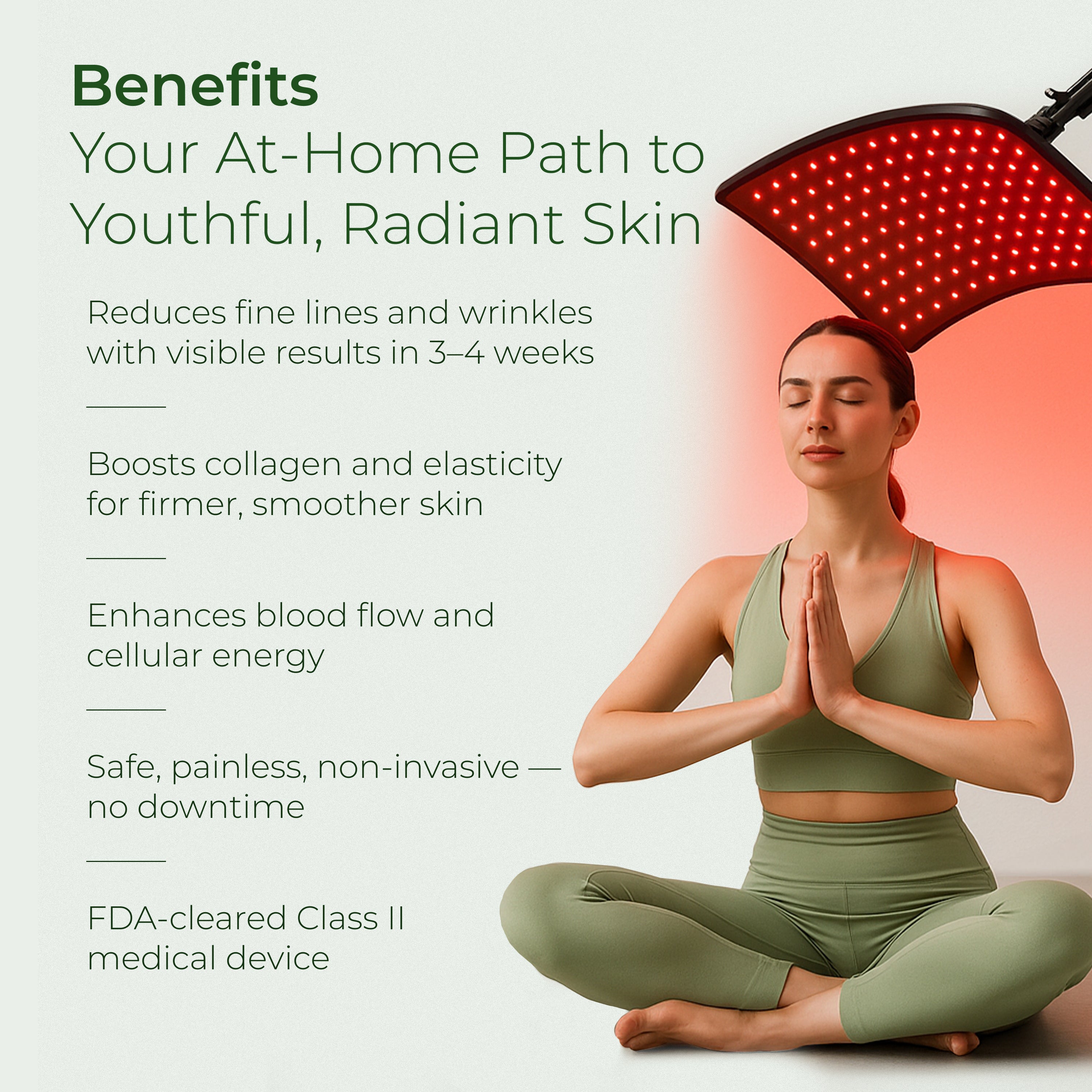
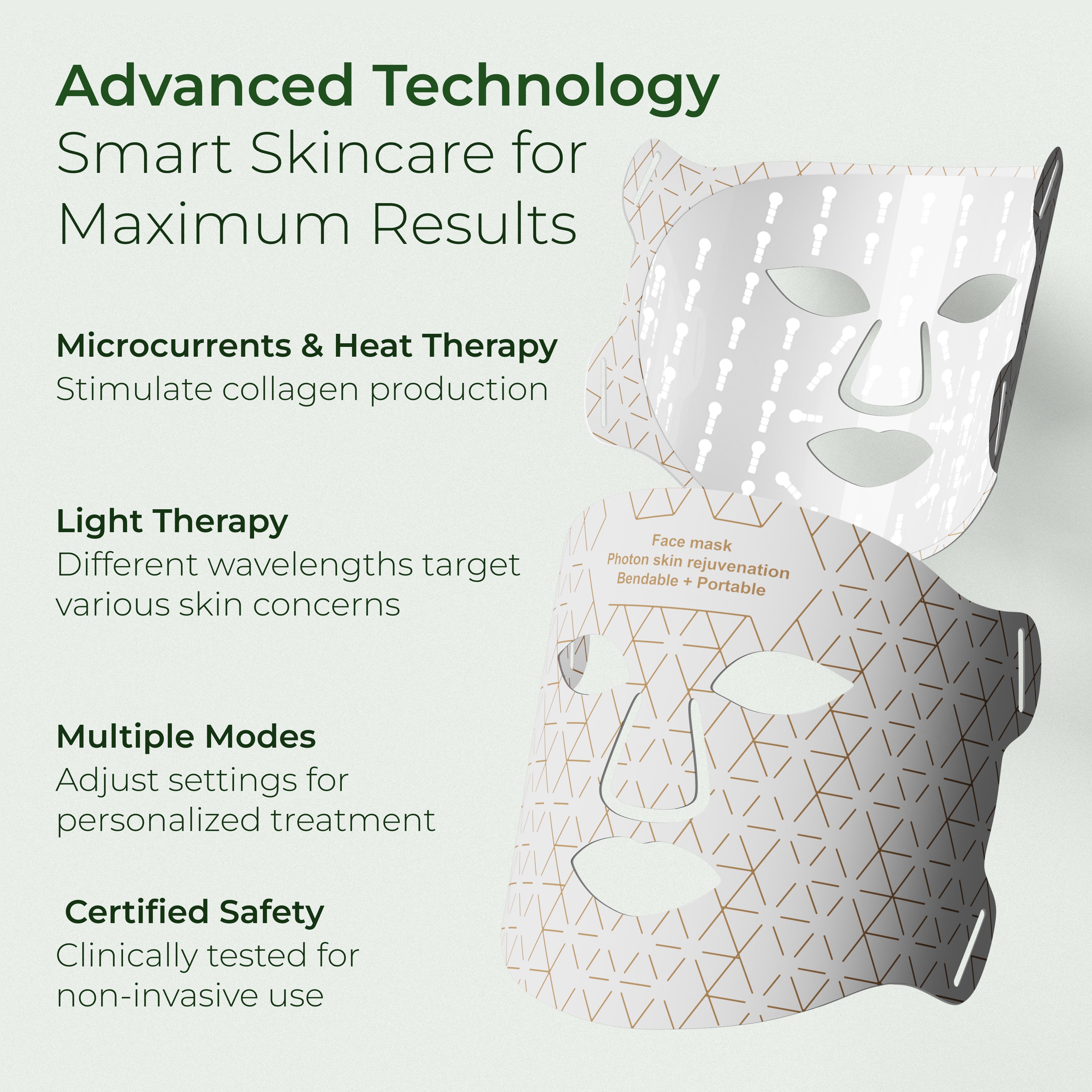
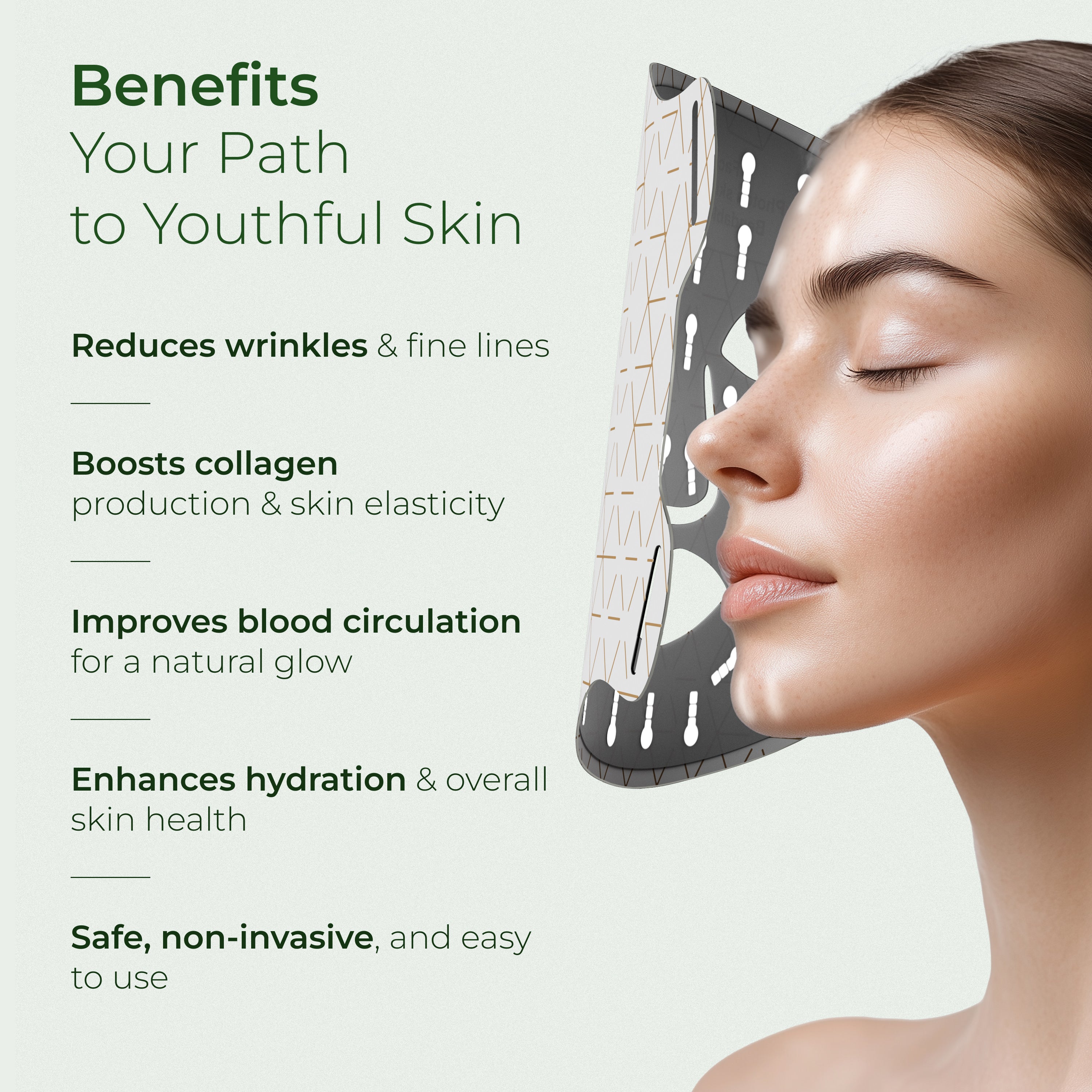
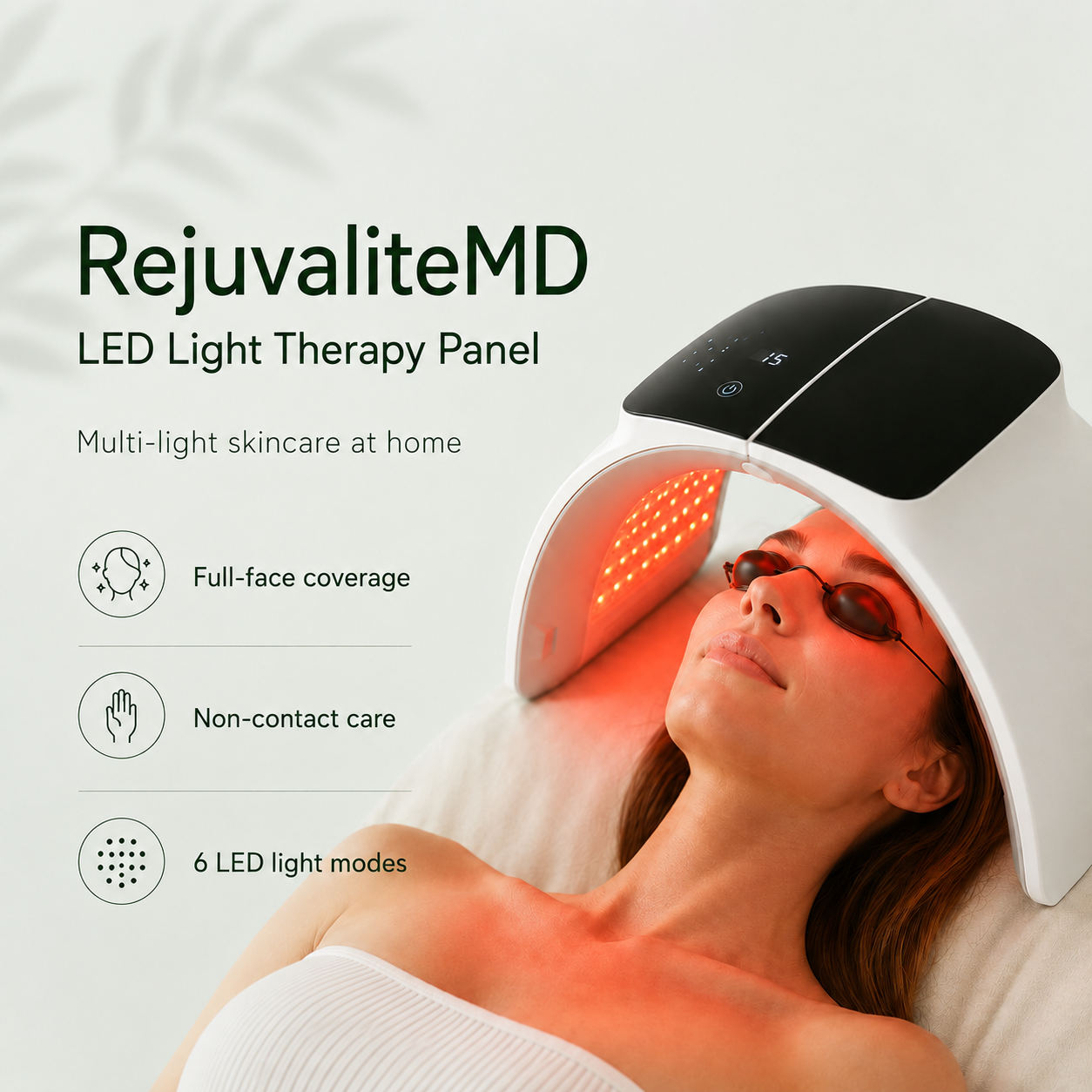
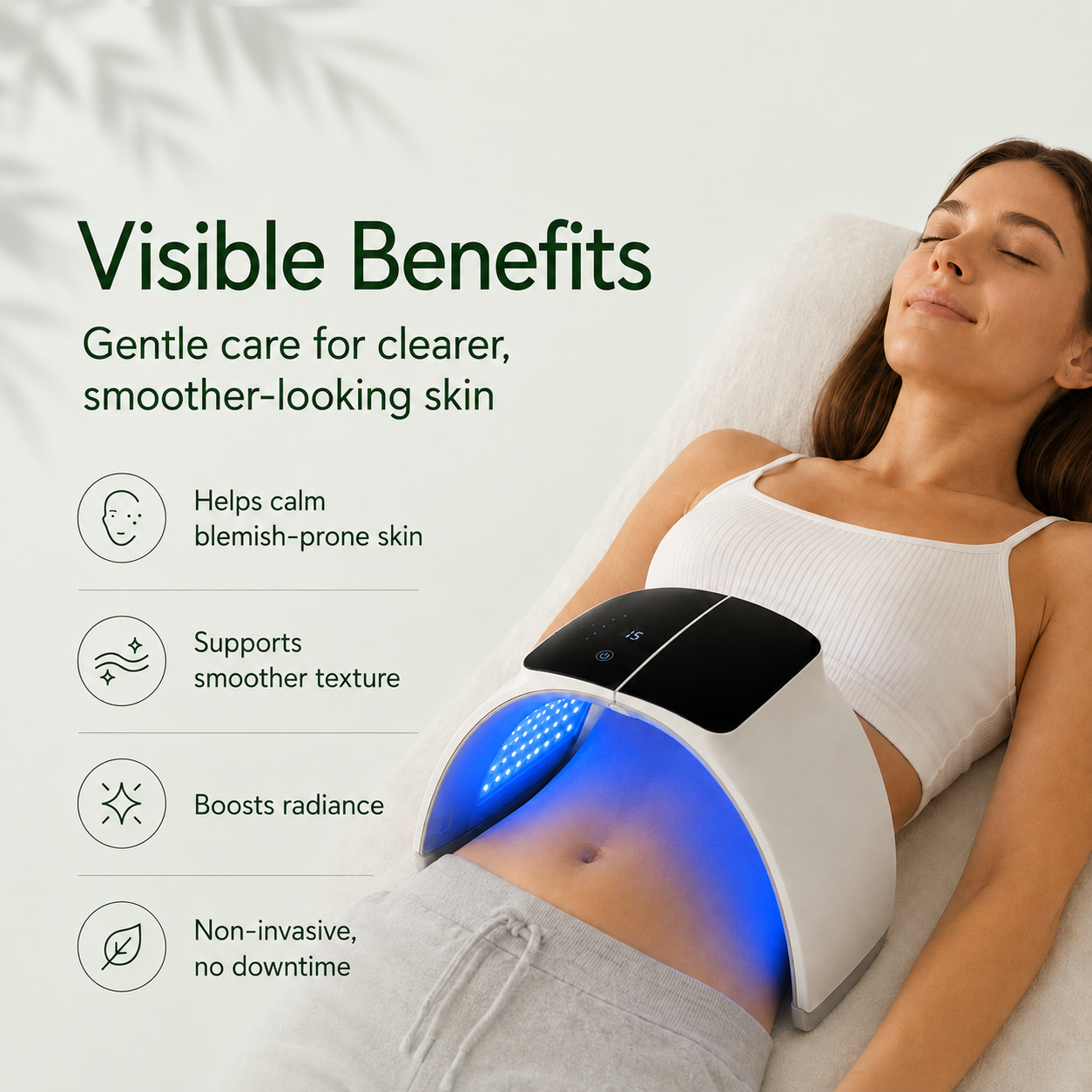
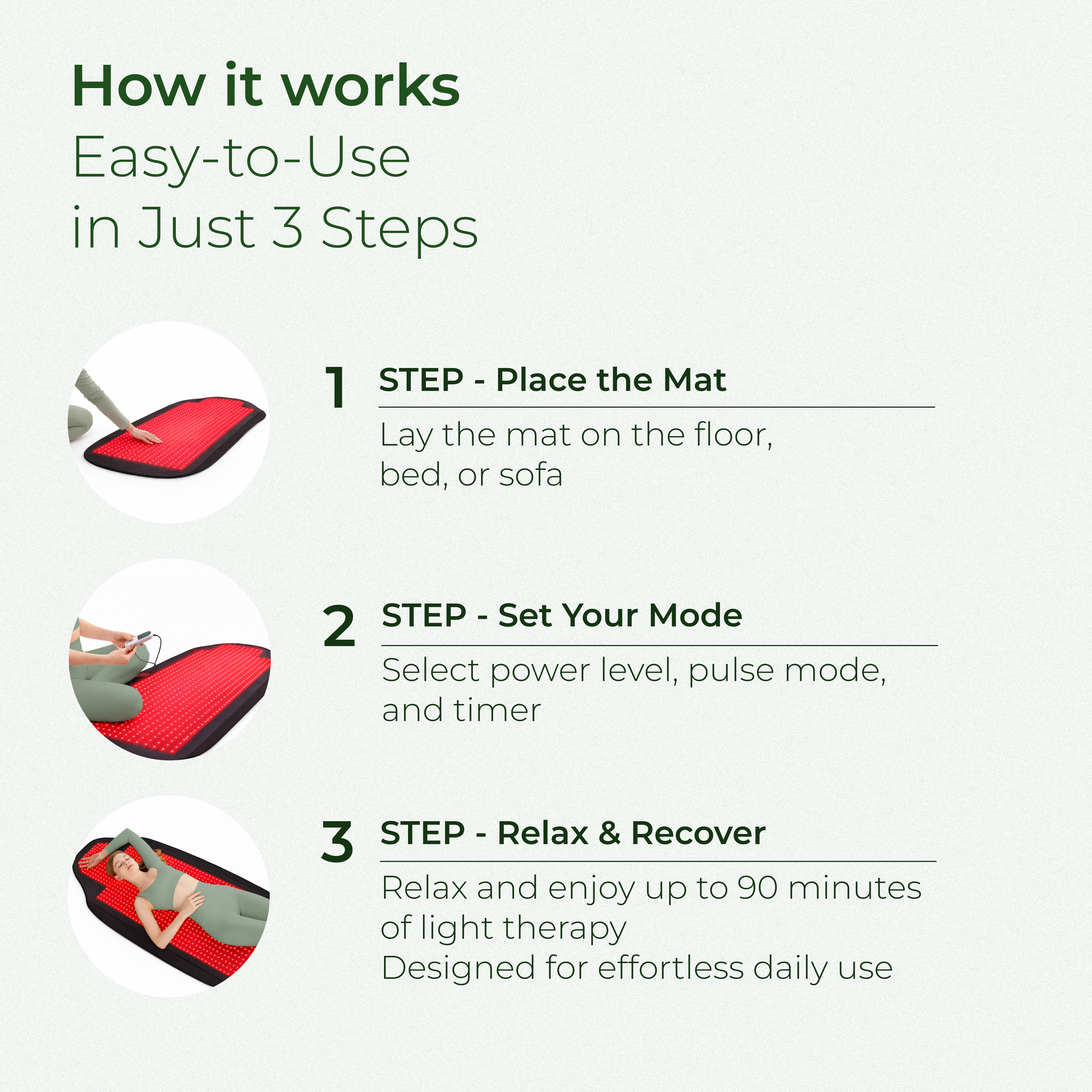
Blue LED light therapy has been shown to help kill acne-causing bacteria, making it a valuable tool for oily skin prone to breakouts. Red light therapy can help reduce inflammation and support skin healing after breakouts. Many people with oily skin find that combining these light therapies with their regular skincare routine helps maintain clearer, more balanced skin.
How TrophySkin Can Help
Our MicrodermMD brings professional-grade exfoliation home, helping to unclog pores, reduce shine, and reveal smoother skin. Combined with LED light therapy devices, you can create a complete at-home treatment routine designed specifically for oily and acne-prone skin.
Explore Our Devices →What to Expect: Your Oily Skin Transformation Timeline
Consistency is everything when managing oily skin. While some changes happen quickly, others take time. Here's what you can realistically expect when you commit to a proper skincare routine.
Week 1-2: Initial Adjustment
Skin may initially produce more oil as it adjusts to new products. This is normal and temporary. Stay consistent.
Week 3-4: Early Improvements
Begin noticing less midday shine. Skin texture starts to feel smoother. Fewer new breakouts may appear.
Month 2-3: Visible Changes
Pores appear visibly smaller. Oil production feels more balanced. Makeup stays in place longer. Skin looks clearer overall.
Month 4+: Long-Term Balance
Skin has found its new normal. Maintenance becomes easier. You understand what works for your unique skin.
 Frequently Asked Questions
Conclusion: Embracing Your Oily Skin
Understanding oily skin meaning goes beyond recognizing shine and enlarged pores—it's about appreciating that your skin type, while sometimes frustrating, comes with genuine advantages. Your natural oils protect against environmental damage and help delay visible aging. The key isn't to fight your skin, but to work with it.
By now, you should be able to answer "do I have oily skin?" with confidence. You understand what oily skin looks like, know the characteristics of oily skin, and can distinguish between an oily face and dry face. Most importantly, you have the knowledge to manage your skin effectively.
Remember: consistency is everything. A gentle, balanced approach—combined with professional-grade tools like microdermabrasion—can transform oily, congested skin into a healthy, balanced complexion. Your skin is unique, and with the right care, it can absolutely thrive.
⚕️ Medical Disclaimer
This article is for educational purposes only and does not replace professional medical advice. If you have persistent skin concerns, severe acne, or are unsure about your skin type, consult a board-certified dermatologist for personalized recommendations.



Leave a comment
This site is protected by hCaptcha and the hCaptcha Privacy Policy and Terms of Service apply.