


Quick Answer: To know your skin type, wash your face and wait 30 minutes without applying products. If your skin feels tight, you have dry skin. If it's shiny all over, you have oily skin. Shiny T-zone but dry cheeks means combination skin. If your skin feels comfortable with no excess oil, you have normal skin.
Have you ever stood in a skincare aisle feeling completely overwhelmed? You're staring at products labeled "for oily skin" or "for dry skin," but you have no idea which one actually applies to you. You're not alone—understanding your skin type is the foundation of any effective skincare routine, yet most people are guessing.
The truth is, using products designed for the wrong skin type can actually make your concerns worse. Oily skin treated with heavy creams? More breakouts. Dry skin treated with harsh cleansers? More flaking and irritation. That's why learning how to find out your skin type is one of the smartest skincare investments you can make.
In this comprehensive guide, we'll walk you through five simple at-home tests to determine your skin type, explain the differences between oily, dry, combination, and sensitive skin, and show you exactly which skincare products and technologies work best for your unique needs.
Why Knowing Your Skin Type Matters
Understanding your skin type isn't just about satisfying curiosity—it's about building a skincare routine that actually works. When you use products formulated for your specific skin type, you'll see faster results, fewer reactions, and better overall skin health.
Consider this: someone with oily skin using a rich, oil-based moisturizer will likely experience clogged pores and breakouts. Meanwhile, someone with dry skin using a mattifying gel moisturizer will end up with even more flaking and tightness. The wrong products don't just fail to help—they can actively work against you.
Beyond product selection, knowing your skin type helps you understand which professional treatments and at-home devices will benefit you most. LED light therapy, microdermabrasion, and other advanced skincare technologies can all be customized based on whether you have oily, dry, combination, or sensitive skin.
The 5 Skin Types Explained
Before you can determine your skin type, you need to understand what each type looks and feels like. Dermatologists recognize five basic skin types, each with distinct characteristics and care needs.
Normal Skin
Normal skin is the "Goldilocks" of skin types—not too oily, not too dry. If you have normal skin, you'll notice balanced sebum production, minimal visible pores, and few blemishes. Your skin feels comfortable throughout the day without becoming excessively shiny or tight.
People with normal skin can tolerate most skincare products without irritation. However, this doesn't mean you can skip skincare entirely—maintaining that balance requires consistent care and protection from environmental stressors.
Oily Skin
Oily skin produces excess sebum, giving your face a shiny or greasy appearance, especially in the T-zone (forehead, nose, and chin). Enlarged, visible pores are common, and you may be prone to blackheads, whiteheads, and acne breakouts.
The good news? Oily skin tends to age more slowly because the natural oils help keep skin supple and protect against fine lines. The key is managing excess oil without stripping the skin, which can trigger even more oil production.
Dry Skin
Dry skin lacks sufficient natural oils and often struggles to retain moisture. You might notice tightness after cleansing, visible flaking or rough patches, dull complexion, and more noticeable fine lines. In severe cases, dry skin can crack and become irritated.
Dry skin needs extra hydration and gentle, nourishing products. Harsh cleansers and alcohol-based toners are your enemies—they'll strip what little natural moisture your skin produces.
Combination Skin
Combination skin is exactly what it sounds like: a mix of different skin types on different areas of your face. Typically, the T-zone is oily while the cheeks are normal to dry. This creates a unique challenge because you essentially need to treat two skin types simultaneously.
Combination skin is actually the most common skin type. If you find yourself reaching for blotting papers for your forehead but applying extra moisturizer to your cheeks, you likely have combination skin.
Sensitive Skin
Sensitive skin reacts easily to products, environmental factors, and even stress. Signs include redness, itching, burning, stinging, and dryness. Sensitive skin can occur alongside any of the other skin types—you might have oily-sensitive or dry-sensitive skin.
If you have sensitive skin, ingredient lists become your best friend. Fragrance, alcohol, and certain preservatives are common triggers. The good news is that many modern skincare devices, including LED therapy, are specifically designed to be gentle enough for sensitive skin.
Pro Tip: Your skin type and skin concerns are different things. You might have oily skin (type) but also deal with hyperpigmentation (concern). Understanding both helps you build a complete skincare routine.
How to Find Out Your Skin Type at Home
You don't need to visit a dermatologist to determine your skin type. These three simple at-home tests will give you a clear answer in just a few minutes.
The Bare-Face Test (Most Accurate)
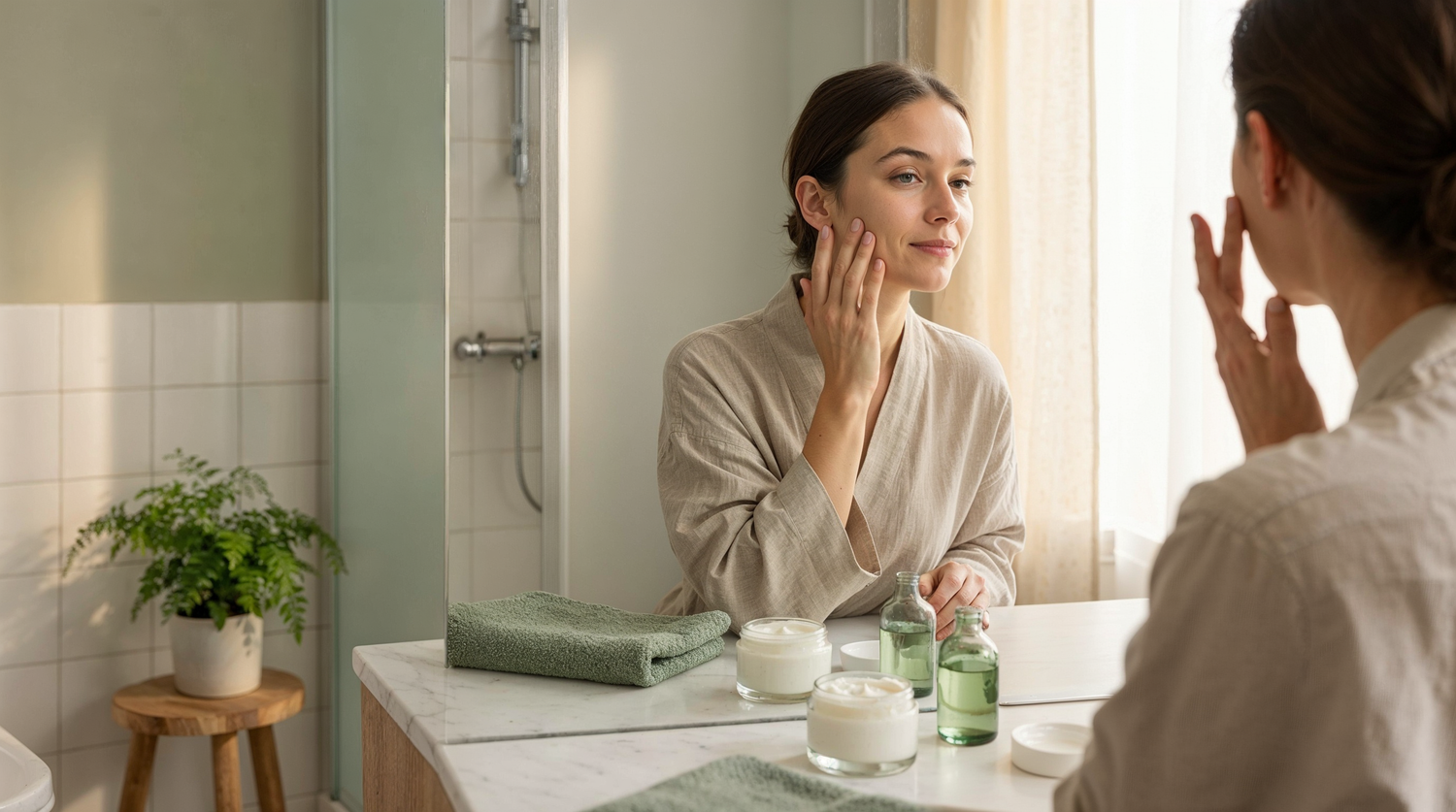
This is considered the gold standard for determining skin type at home. Start by washing your face with a gentle cleanser and patting dry. Don't apply any products—no toner, serum, moisturizer, or sunscreen. Wait 30 minutes and observe how your skin feels and looks.
The Blotting Sheet Test
This quick test is especially helpful for distinguishing between oily, combination, and normal skin. After completing the bare-face test, gently press blotting paper or tissue against different areas of your face—forehead, nose, chin, and cheeks.
Hold the paper up to the light. If it picks up oil from all areas, you have oily skin. If it only absorbs oil from the T-zone, you have combination skin. Little to no oil from any area suggests normal or dry skin.
The Touch Test
Sometimes the simplest approach works best. After your 30-minute waiting period, gently run your fingertips across your face. Pay attention to how your skin feels in different areas.
Rough, flaky texture indicates dry skin. A slick, slippery feeling means oily skin. If you notice different textures on your T-zone versus your cheeks, you likely have combination skin. Smooth and comfortable suggests normal skin.
For the most accurate results: Perform these tests at least twice—once during the day and once in the evening. Hormonal fluctuations, weather, and diet can all affect your skin, so testing multiple times gives you a more complete picture.
How to Tell If Your Skin Is Oily or Dry
One of the most common questions people ask is how to know if their skin is oily or dry. While it might seem obvious, the signs can sometimes be confusing—especially since oily skin can actually feel tight and uncomfortable when over-stripped by harsh products.
Here's something that trips many people up: dehydrated skin and dry skin are not the same thing. Dry skin lacks oil (a skin type), while dehydrated skin lacks water (a temporary condition). You can have oily skin that's also dehydrated—this often shows up as skin that's both shiny AND tight or flaky.
If your oily skin suddenly seems worse or you're breaking out more than usual, consider whether you might be dehydrated. Increasing water intake and adding a hydrating serum (look for hyaluronic acid) can help balance things out.
Pro Tip: To test for dehydration regardless of skin type, gently pinch the skin on your cheek. If it wrinkles instead of bouncing back smoothly, your skin is likely dehydrated and needs more water-based hydration.
Can Your Skin Type Change?
Yes—and this surprises many people. Your skin type isn't set in stone. Several factors can cause temporary or long-term changes to how your skin behaves.
Hormonal shifts during puberty, pregnancy, menopause, or even monthly cycles can significantly impact oil production. Climate and seasonal changes also play a role—your skin might be oilier in humid summers and drier during cold winters. Medications, stress levels, and aging all contribute to how your skin functions.
Teens & Early 20s
Hormones surge, leading to increased oil production. Oily and combination skin types are most common during this phase.
Late 20s to 30s
Skin begins to stabilize. Many people notice their oily skin becomes more balanced or transitions to combination skin.
40s & Beyond
Sebum production naturally decreases with age. Even lifelong oily skin tends to become drier, and maintaining hydration becomes increasingly important.
Menopause
Hormonal changes can cause significant shifts. Many women experience increased dryness and sensitivity during and after menopause.
This is why dermatologists recommend reassessing your skin type at least once or twice a year—and especially after major life changes like pregnancy, moving to a new climate, or starting new medications.
Best Skincare for Each Skin Type
Now that you know how to determine your skin type, let's talk about what products and ingredients work best for each. Understanding the right types of skin care products for your specific needs will help you build an effective routine.
🎯 Select Your Skin Type for Personalized Recommendations
Skincare for Normal Skin
If you have normal skin, congratulations—you have the widest range of product options. Your main goal is maintaining balance and preventing future issues like premature aging.
Focus on gentle cleansers, lightweight moisturizers with antioxidants (vitamin C, vitamin E), and consistent sunscreen use. You can experiment with different types of skin products without as much worry about reactions. Consider adding retinol for anti-aging benefits once you're in your mid-20s or older.
Skincare for Oily Skin
The key to managing oily skin is controlling excess sebum without stripping your skin barrier. Harsh products that leave your skin "squeaky clean" can actually trigger more oil production—the opposite of what you want.
Look for gel or foam cleansers with salicylic acid, oil-free moisturizers, and products labeled "non-comedogenic." Niacinamide is an excellent ingredient for oily skin—it helps regulate sebum production and minimizes pore appearance. Clay masks once or twice a week can help absorb excess oil without over-drying.
Skincare for Dry Skin
Dry skin needs moisture at every step. Choose cream-based cleansers that don't foam too much, as foaming agents can be drying. Hyaluronic acid serums help attract and hold water in your skin, while rich moisturizers with ingredients like ceramides, shea butter, and squalane help seal in hydration.
Avoid products with alcohol, fragrance, and harsh exfoliants. If you want to exfoliate, choose gentle chemical exfoliants (lactic acid is great for dry skin) over physical scrubs that can cause micro-tears.
Skincare for Combination Skin
Combination skin requires a strategic approach. You might need to use different products on different areas of your face—a technique called multi-masking when it comes to treatments.
Start with a gentle, balanced cleanser that won't over-dry your cheeks or leave your T-zone greasy. Use lightweight, water-based moisturizers all over, and apply a mattifying product specifically to your T-zone if needed. For treatments, use clay masks on oily areas and hydrating masks on dry areas.
Skincare for Sensitive Skin
Sensitive skin requires the most careful product selection. Your mantra should be: fewer ingredients, gentle formulations, and always patch test. Look for products labeled "fragrance-free" (not just "unscented"), "hypoallergenic," and "dermatologist-tested."
Soothing ingredients like aloe vera, centella asiatica (cica), chamomile, and oat extract can help calm reactive skin. Avoid essential oils, artificial dyes, and alcohol. When trying new products, introduce them one at a time with at least a week between additions so you can identify any triggers.
How TrophySkin Devices Work for Every Skin Type
Understanding your skin type becomes even more powerful when you combine it with professional-grade skincare technology. At-home devices like LED light therapy and microdermabrasion can be customized to work with any skin type—but knowing your type helps you get the best results.
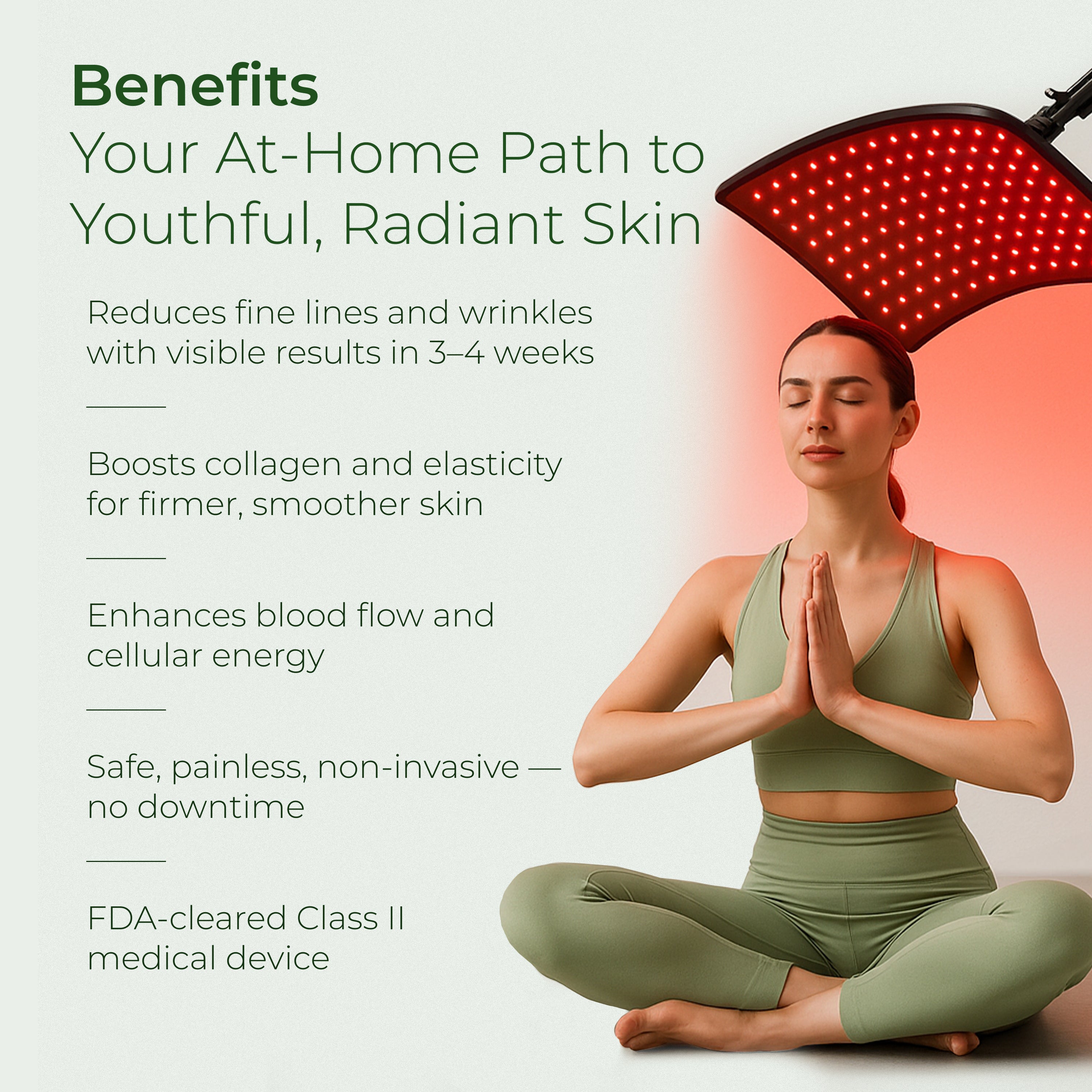
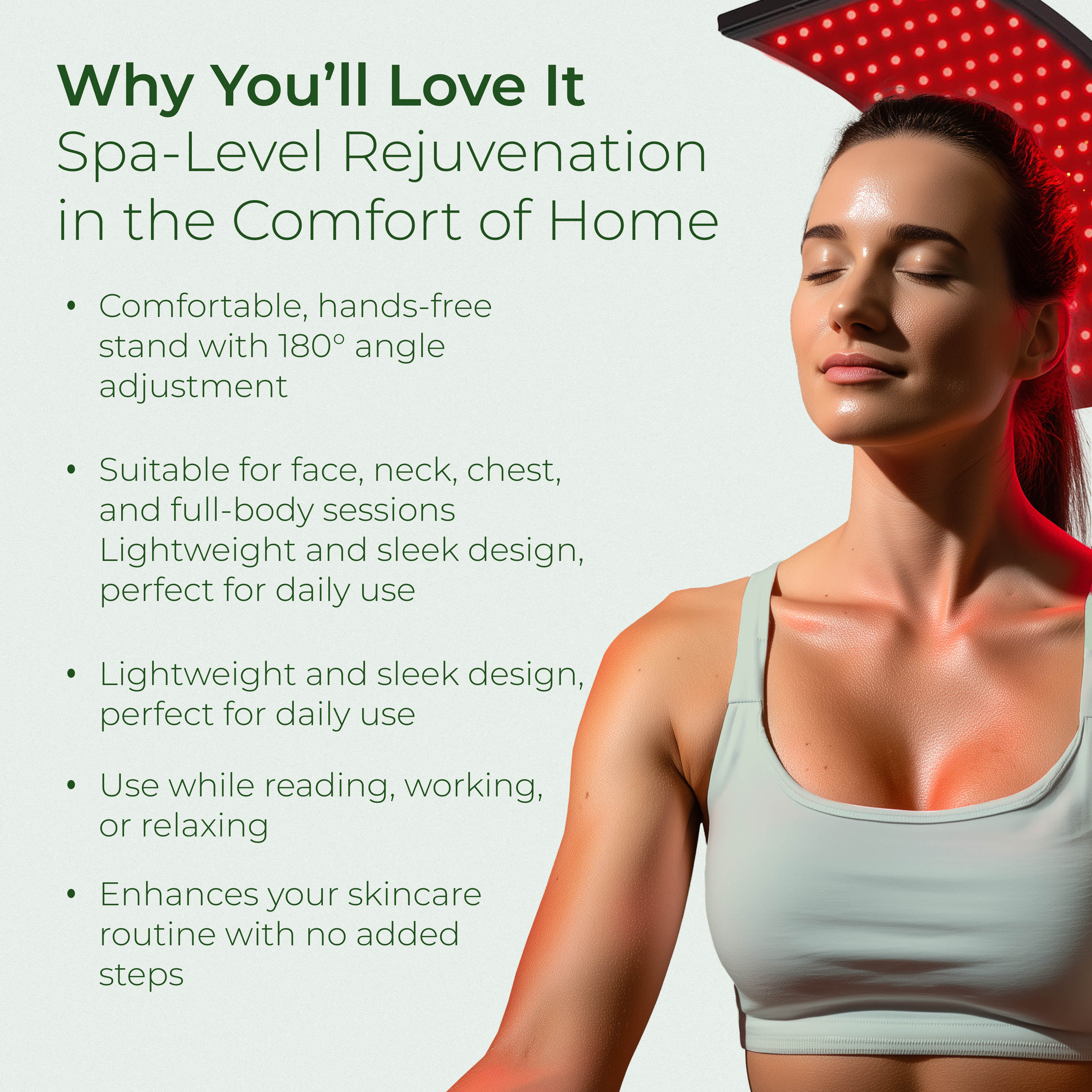
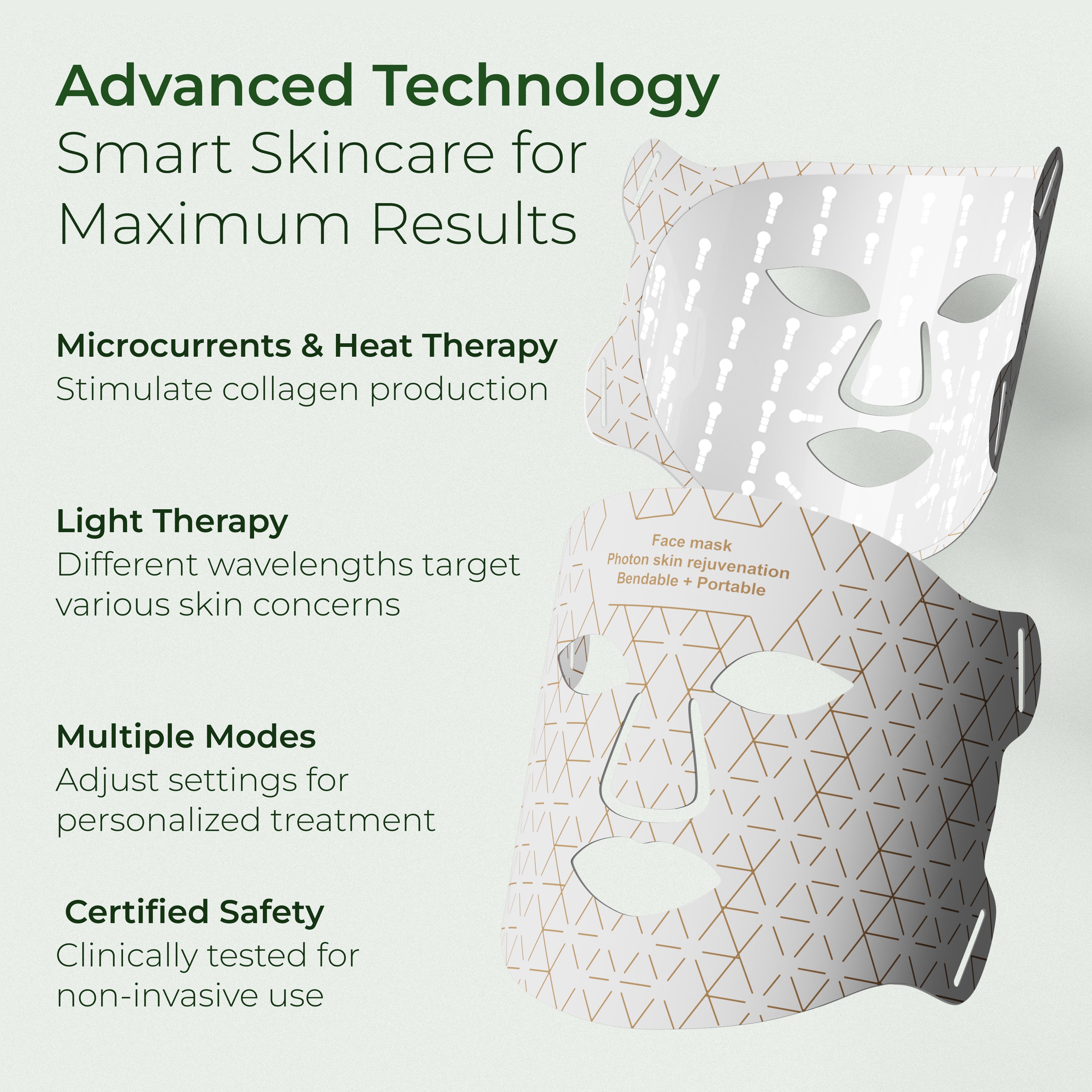
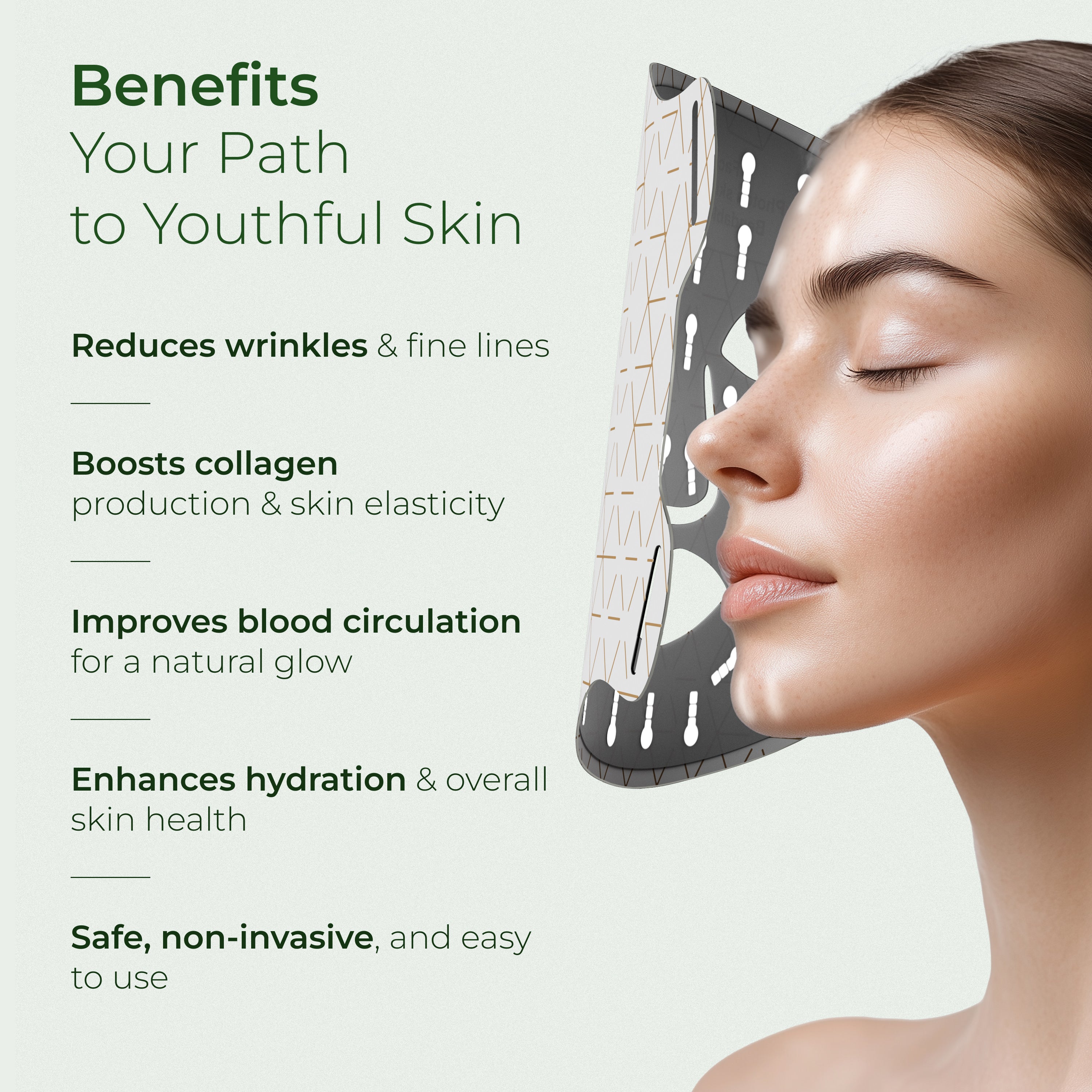
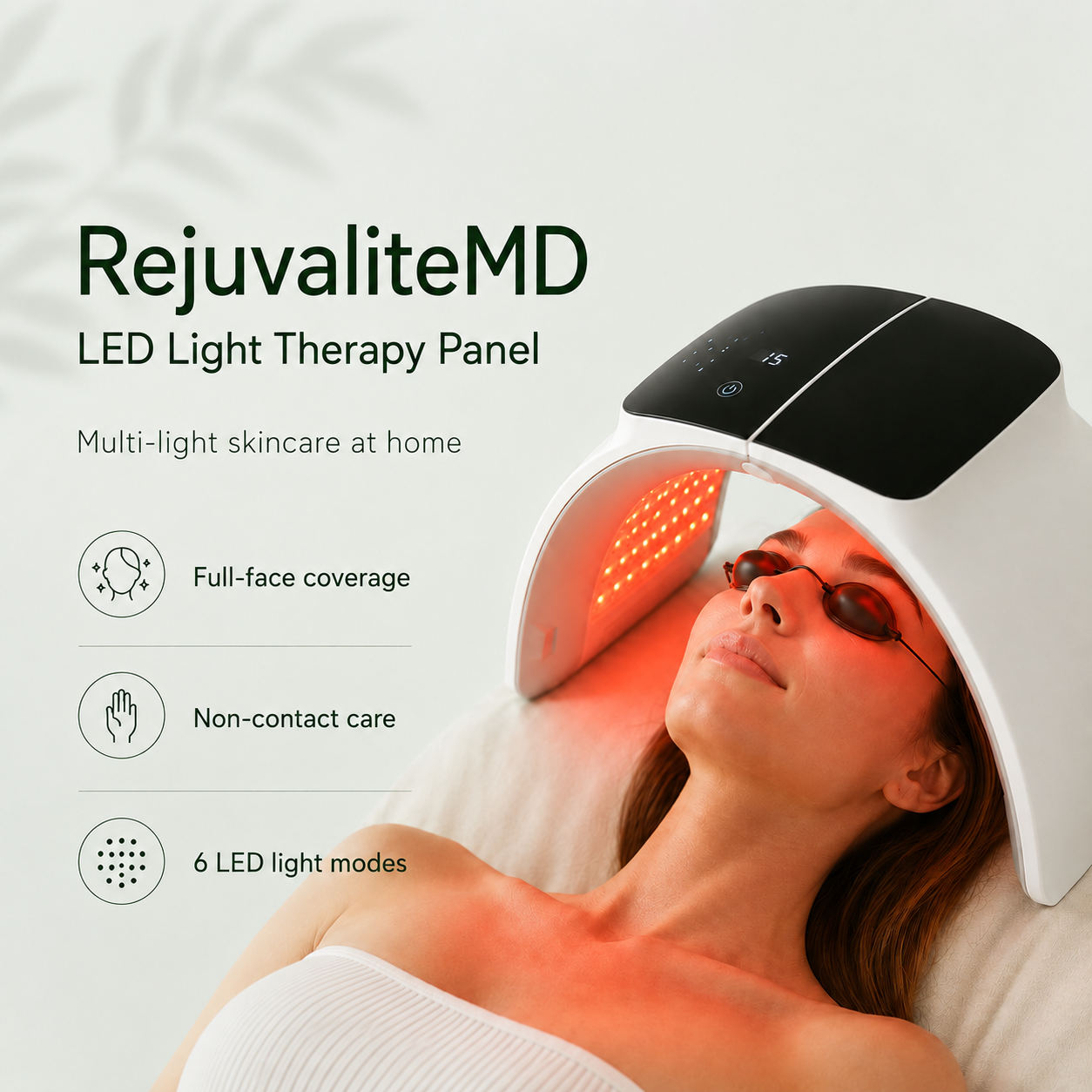
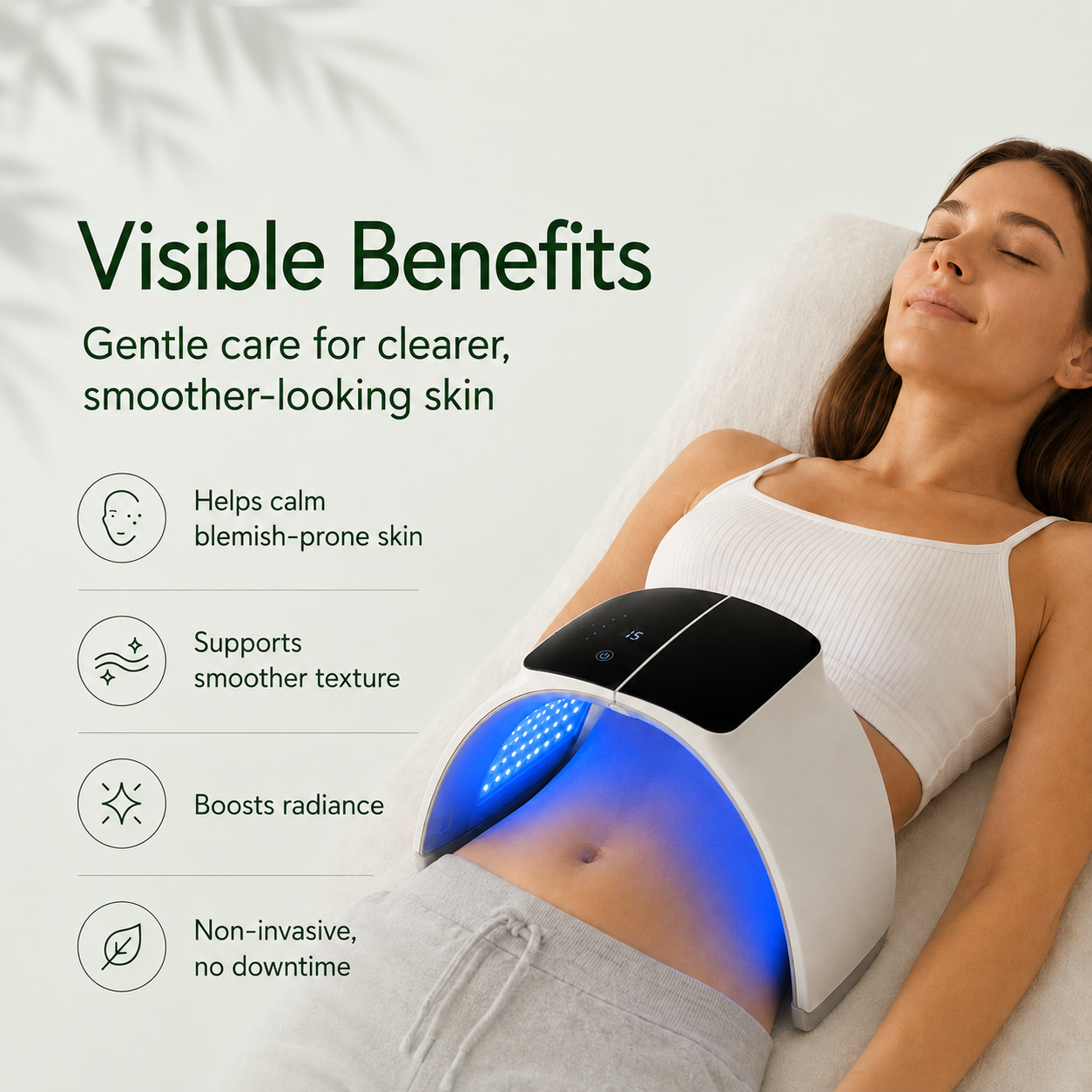
LED light therapy uses different wavelengths to address different concerns. Red light (630-700nm) stimulates collagen production and is excellent for all skin types, especially those concerned with aging. Blue light (405-420nm) targets acne-causing bacteria—perfect for oily and combination skin prone to breakouts. The beauty of LED therapy is that it's completely non-invasive and gentle enough for even sensitive skin.
Microdermabrasion is a mechanical exfoliation treatment that removes dead skin cells and promotes cell turnover. For oily skin, it helps unclog pores and reduce the appearance of enlarged pores. For dry skin, it removes flaky buildup and allows moisturizers to penetrate more effectively. Combination skin benefits from targeted treatment on different areas.
Pro Tip: Combine LED therapy with your regular skincare routine for enhanced absorption. After using your LED device, your skin is primed to receive serums and moisturizers—the active ingredients penetrate more effectively.

How TrophySkin Can Help
Now that you know your skin type, take your routine to the next level with professional-grade devices designed for home use. Whether you're dealing with oily skin breakouts, dry skin dullness, or signs of aging on any skin type, TrophySkin offers targeted solutions that complement your existing skincare products.
Explore All Devices →Frequently Asked Questions
Start Your Personalized Skincare Journey
Knowing your skin type is the first step toward a skincare routine that actually works. Whether you're dealing with excess oil, persistent dryness, the balancing act of combination skin, or the careful navigation required for sensitive skin, understanding your unique needs puts you in control.
Remember that your skin type can change over time, so don't be afraid to reassess and adjust your routine as needed. The bare-face test, blotting sheet test, and simple observation are tools you can use anytime to check in with your skin's current state.
With the right products for your skin type—and the addition of professional-grade devices for enhanced results—you're setting yourself up for healthier, more radiant skin for years to come.
⚕️ Medical Disclaimer
This article is for educational purposes only and does not replace professional medical advice. If you have persistent skin concerns, conditions like rosacea or eczema, or are unsure about your skin type, consult a board-certified dermatologist for personalized recommendations.


Leave a comment
This site is protected by hCaptcha and the hCaptcha Privacy Policy and Terms of Service apply.