






Quick Answer: The best natural remedy for oily face includes clay masks (kaolin or bentonite), honey, aloe vera, and witch hazel. These ingredients absorb excess sebum, balance skin pH, and provide antibacterial benefits without stripping your skin's natural moisture barrier.
If you've ever blotted your face by noon only to find your T-zone looking like an oil slick again by 2 PM, you're not alone. Oily skin affects millions of people worldwide, and while it can feel frustrating, there's actually good news buried in all that shine.
Oily skin ages more slowly than dry skin. Those natural oils provide built-in protection against fine lines and wrinkles. The key isn't eliminating oil entirely—it's finding balance. And nature has provided us with remarkable ingredients that do exactly that.
In this comprehensive guide, we'll explore 12 proven natural remedies for oily face that actually work, backed by science and centuries of traditional use. Whether you're dealing with occasional shine or persistent greasiness, you'll find solutions that fit your lifestyle and budget.
Why Is My Face So Oily? Understanding the Root Causes
Before diving into solutions, it helps to understand what's happening beneath your skin's surface. Oily skin isn't random—it's your body's response to specific triggers. Understanding these causes helps you choose the most effective natural remedy for your oily face.
Hormones and Sebum Production
Your sebaceous glands produce an oily substance called sebum, and hormones—particularly androgens—control how much they make. This explains why oily skin often peaks during puberty, menstruation, and periods of stress when hormone levels fluctuate dramatically.
Genetics also play a significant role. If your parents dealt with oily skin, you're more likely to inherit those overactive sebaceous glands. The good news is that while you can't change your genes, you can absolutely manage their effects with the right approach.
Environmental Factors
Humidity, heat, and pollution all trigger increased oil production. Your skin produces extra sebum as a protective response to environmental stressors. Living in a hot, humid climate or spending time in polluted urban environments can significantly worsen oiliness.
Skincare Mistakes That Worsen Oiliness
Here's where it gets counterintuitive: many products marketed for oily skin actually make the problem worse. Harsh cleansers that strip away all oil signal your sebaceous glands to produce even more. Skipping moisturizer has the same effect—dehydrated skin overcompensates with excess sebum.
Pro Tip: The goal isn't oil elimination—it's oil regulation. Natural remedies work by balancing your skin, not by waging war against it. This gentle approach yields better long-term results than aggressive treatments.
12 Best Natural Remedies for Oily Face
These natural remedies for oily face have stood the test of time and science. Each offers unique benefits, and many work even better when combined. Let's explore your options from most effective to gentlest approaches.
1. Clay Masks (Kaolin & Bentonite)
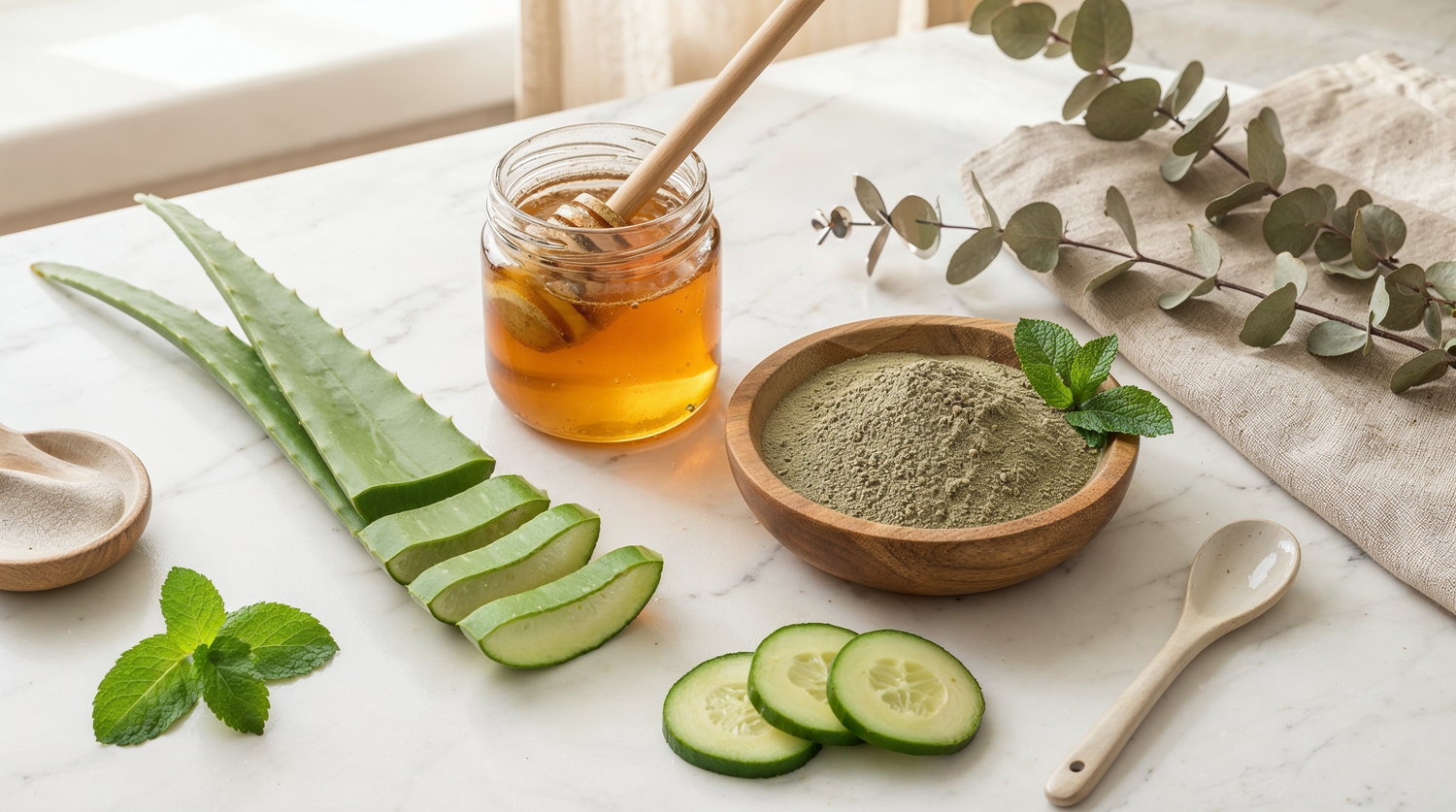
Clay masks are the gold standard natural remedy for oily face. Kaolin clay offers gentle absorption perfect for sensitive skin, while bentonite provides deeper cleansing for very oily complexions. Both work by drawing out impurities and excess oil through their natural negative electrical charge.
Apply a thin layer to clean skin, let it dry for 10-15 minutes (not until cracking—that's too drying), then rinse with lukewarm water. Use 1-2 times weekly for best results without overdrying.
2. Raw Honey
Honey might seem counterintuitive for oily skin, but this ancient remedy works beautifully. Its natural antibacterial properties fight acne-causing bacteria, while humectant qualities provide hydration without adding oil. Raw, unprocessed honey contains enzymes that gently exfoliate dead skin cells.
Apply a thin layer to clean face, leave for 15-20 minutes, then rinse thoroughly. The slightly sticky texture can feel unusual at first, but your skin will thank you with a balanced, healthy glow.
3. Aloe Vera
Aloe vera provides lightweight hydration that oily skin craves without the heaviness that triggers more oil production. Its anti-inflammatory properties calm redness and irritation, while natural salicylic acid helps keep pores clear. Studies show aloe vera can reduce sebum production when used consistently.
Use fresh aloe gel directly from the plant, or choose products with minimal additives. Apply as a light moisturizer morning and night, or use as a soothing mask by leaving on for 20 minutes before rinsing.
4. Apple Cider Vinegar Toner
Apple cider vinegar contains alpha-hydroxy acids that gently exfoliate and balance skin pH. Its astringent properties help tighten pores temporarily and reduce shine. The key is proper dilution—undiluted ACV is too harsh for facial skin.
Mix one part raw, unfiltered apple cider vinegar with three parts water. Apply with a cotton pad after cleansing, avoiding the eye area. Start using every other day to assess tolerance, then increase to daily use if your skin responds well.
Important: Always patch test ACV on your inner arm before applying to your face. If you experience burning or irritation, try a more diluted ratio or choose a gentler alternative like witch hazel.
5. Witch Hazel
Witch hazel is a gentle natural astringent that reduces oiliness without the harshness of alcohol-based toners. Rich in tannins, it helps tighten pores and reduce inflammation. Choose alcohol-free formulations to avoid drying out your skin.
Apply with a cotton pad after cleansing, or look for it as an ingredient in natural toners and serums. It's gentle enough for twice-daily use and makes an excellent prep step before other treatments.
6. Green Tea Extract
Green tea contains EGCG (epigallocatechin gallate), a powerful antioxidant shown in multiple studies to reduce sebum production. It also provides anti-inflammatory benefits and protects against environmental damage. The polyphenols in green tea help regulate hormone activity in skin cells.
Brew strong green tea, let it cool completely, and use as a toner or facial mist throughout the day. For a deeper treatment, soak a cloth in cooled green tea and apply as a compress for 10-15 minutes.
7. Oatmeal Masks
Colloidal oatmeal has been used for centuries to soothe irritated skin. For oily skin, it offers gentle cleansing and oil absorption while reducing inflammation. The saponins in oatmeal act as natural cleansers without stripping essential moisture.
Blend plain oats into a fine powder, mix with water or honey to form a paste, and apply to your face for 15-20 minutes. Rinse with lukewarm water, gently massaging to take advantage of oatmeal's exfoliating properties.
Pro Tip: Combine oatmeal with a tablespoon of honey and a few drops of lemon juice for a powerful multi-tasking mask. The oatmeal absorbs oil, honey fights bacteria, and lemon provides gentle brightening.
8. Tomato Pulp Treatment
Tomatoes are naturally rich in salicylic acid, the same ingredient found in many commercial acne treatments. They also contain vitamins A and C, which support healthy skin cell turnover. The natural acidity helps balance oily skin's pH levels.
Mash fresh tomato pulp and apply directly to your face, avoiding eyes. Leave for 10-15 minutes before rinsing. Use 2-3 times weekly for gradual improvement in oiliness and skin texture.
9. Egg White Mask
Egg whites have a tightening effect that temporarily minimizes pore appearance and reduces oiliness. Rich in protein and vitamins, they also nourish skin while providing a mattifying effect. The albumin in egg whites firms and tones without drying.
Whip one egg white until slightly frothy, apply to clean face, and let dry completely (about 15-20 minutes). Rinse with cool water. For added benefits, mix in a few drops of lemon juice or a teaspoon of honey.
10. Jojoba Oil (Oil Cleansing Method)
This might surprise you: using oil to fight oil actually works. Jojoba oil closely mimics your skin's natural sebum, essentially "tricking" your sebaceous glands into producing less. It dissolves makeup, sunscreen, and excess oil without stripping, making it an excellent cleanser for oily skin.
Massage a small amount into dry skin for 1-2 minutes, then remove with a warm, damp washcloth. Follow with your regular cleanser if desired. With consistent use, many people find their skin produces less oil overall.
11. Diluted Lemon Juice
Lemon juice contains citric acid, which offers astringent and antibacterial properties. It can help brighten skin and reduce oiliness when used correctly. However, it must be diluted and used with caution, as undiluted lemon juice can cause irritation and photosensitivity.
Mix equal parts fresh lemon juice and water. Apply to oily areas only, leave for 10 minutes, then rinse thoroughly. Always use sunscreen afterward, and avoid if you have sensitive skin or open wounds.
12. Cucumber Cooling Treatment
Cucumbers contain silica and antioxidants that soothe and tone skin while providing gentle hydration. Their cooling effect feels especially refreshing on oily skin, and the astringent properties help tighten pores temporarily. Cucumbers are gentle enough for even sensitive oily skin.
Blend fresh cucumber into a paste and apply as a mask for 15-20 minutes. Alternatively, place thin cucumber slices over your face for a quick refreshing treatment. The high water content provides hydration without heaviness.
The best results come from combination: Use clay masks weekly for deep cleansing, a gentle toner (witch hazel or green tea) daily, and aloe vera or jojoba oil for hydration. This layered approach addresses oiliness from multiple angles.
How to Build a Natural Oil-Control Routine
Individual remedies work well, but a complete routine delivers transformative results. Here's how to structure your day and week for optimal oil control using natural ingredients.
Morning Routine
Start with a gentle cleanser—consider the oil cleansing method with jojoba if you're comfortable with it, or use a mild natural soap. Follow with your chosen toner (witch hazel, diluted ACV, or green tea). Finish with a light layer of aloe vera gel as moisturizer. This keeps your skin balanced without overloading it before the day begins.
Evening Routine
Double cleanse if you wore makeup or sunscreen—oil cleansing followed by a gentle cleanser. Apply your toner, then a slightly heavier layer of aloe vera or a few drops of jojoba oil mixed with your moisturizer. Evening is when skin repairs itself, so slightly richer hydration works well.
Weekly Treatments
Reserve mask treatments for 1-2 times weekly. Alternate between clay masks for deep cleansing and honey or oatmeal masks for nourishing. Listen to your skin—if it feels tight or dry, scale back on astringent treatments and add more hydrating masks.
When Natural Remedies Meet Technology
Natural remedies provide an excellent foundation for managing oily skin. But modern skincare technology can amplify these results, taking your routine from good to exceptional. The key is choosing technology that works with your skin's natural processes, not against them.
How LED Therapy Regulates Sebum
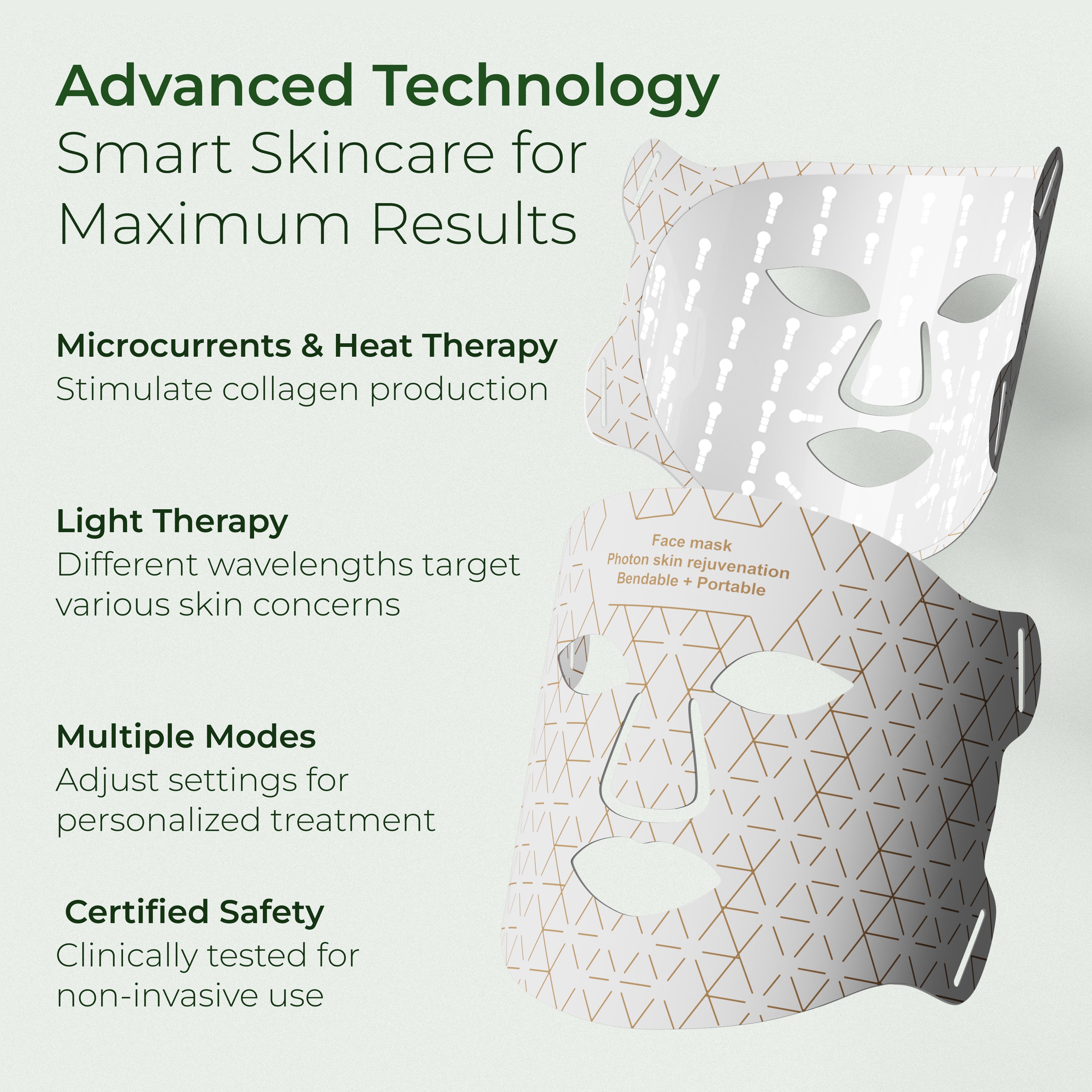
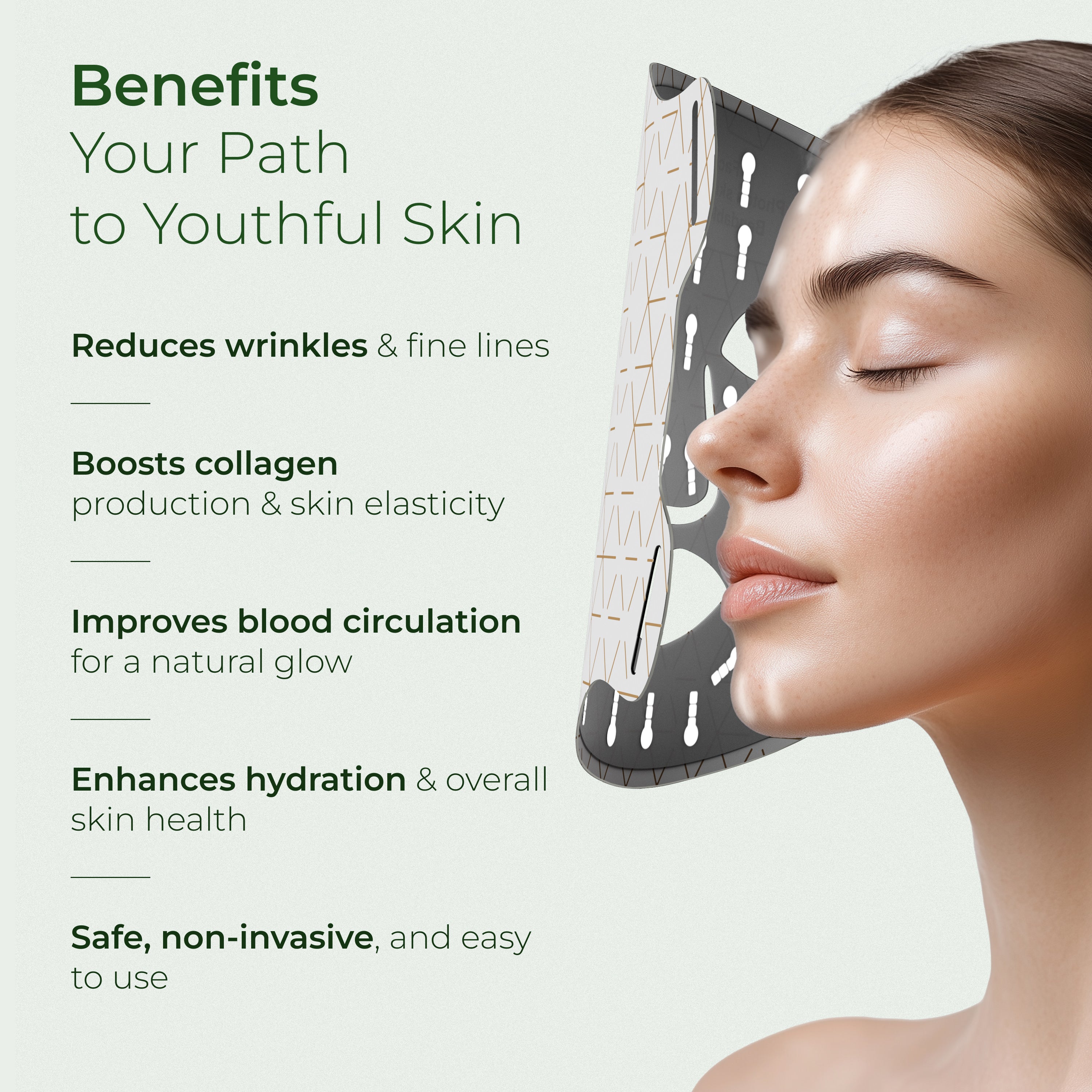
Blue LED light therapy targets the bacteria that contribute to acne in oily skin. Research shows that specific wavelengths can also help regulate sebaceous gland activity, reducing excess oil production at the source. Unlike topical treatments, LED therapy works within the skin cells themselves.
Red LED light reduces inflammation and supports skin healing—particularly useful after extractions or when dealing with oily skin that's also sensitive. The combination of blue and red light addresses both causes and symptoms of oily, acne-prone skin.
Microdermabrasion for Pore Refinement
Enlarged pores often accompany oily skin, and while you can't permanently shrink pores, you can minimize their appearance. Microdermabrasion removes the dead skin cells and debris that make pores look larger, while also improving the effectiveness of your natural remedies by allowing better absorption.
At-home microdermabrasion devices offer professional-level exfoliation without spa appointments. Used weekly, they help keep pores clear and skin texture smooth. This creates the perfect canvas for your clay masks and toners to work more effectively.
How TrophySkin Can Help
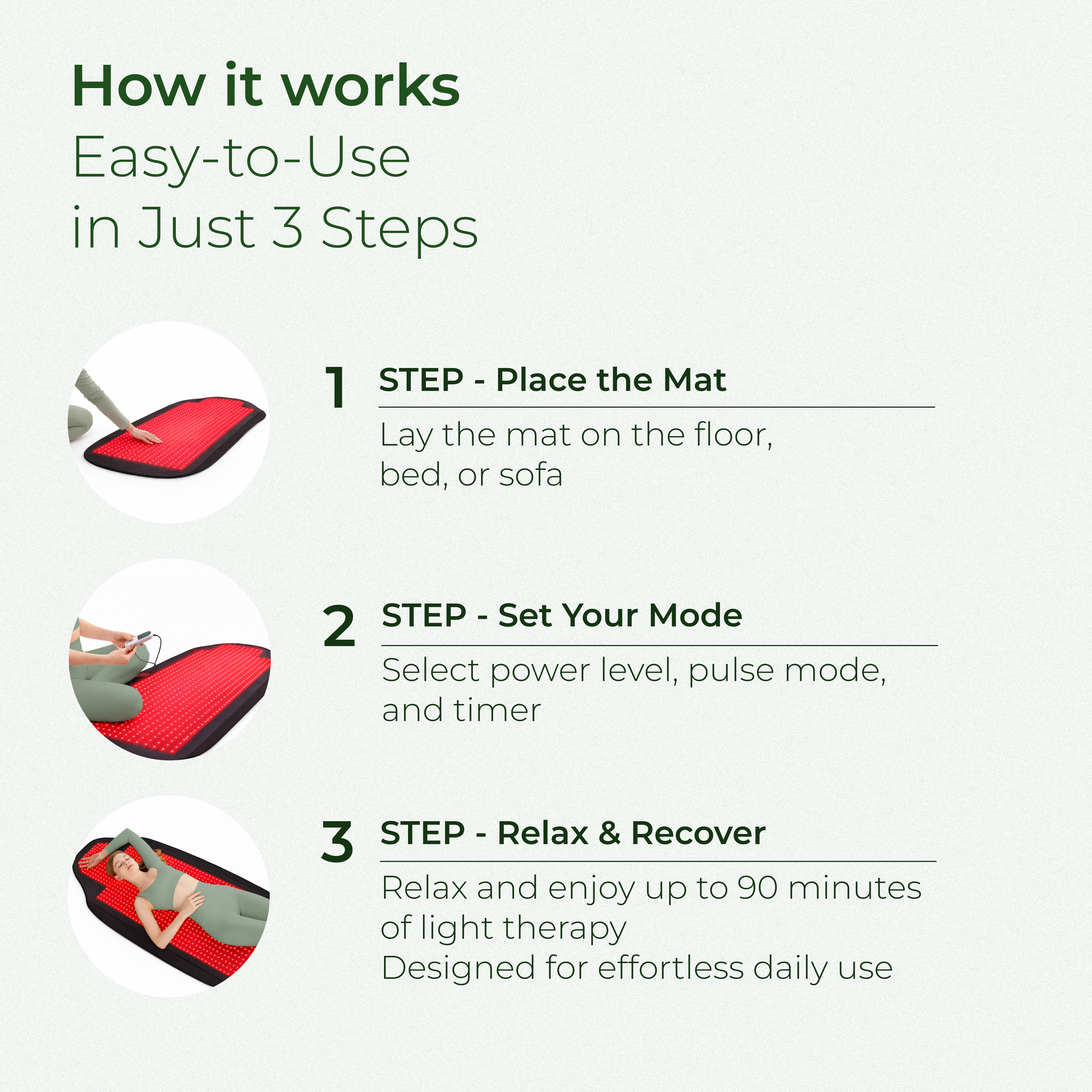
Our professional-grade at-home devices combine seamlessly with natural oil-control routines. The MicrodermMD provides gentle exfoliation that prepares skin for better absorption of natural treatments, while our LED therapy devices help regulate sebum production from within. Many customers find that combining natural remedies with technology cuts their treatment time in half.
Explore Our Devices →Common Mistakes to Avoid with Oily Skin
Even with the best natural remedies, certain habits can undermine your progress. Here are the most common mistakes that keep oily skin from improving.
Over-washing your face seems logical but backfires every time. Cleansing more than twice daily strips protective oils and triggers rebound oil production. Stick to morning and evening cleansing, plus after intense exercise.
Skipping moisturizer is the most common mistake oily skin types make. Dehydrated skin produces more oil to compensate. Choose lightweight, oil-free options like aloe vera or water-based moisturizers.
Using too many products at once overwhelms your skin and makes it impossible to identify what's working. Introduce new natural remedies one at a time, giving each 2-3 weeks before adding another.
Expecting overnight results leads to frustration and product-hopping. Natural remedies work gradually by supporting your skin's own processes. Give any new treatment at least 4-6 weeks before judging its effectiveness.
Touching your face constantly transfers bacteria and oil from your hands to your skin. This habit is often unconscious but has a significant impact on oiliness and breakouts.
What Results to Expect: Your Natural Remedy Timeline
Patience is essential when using natural remedies for oily face. Here's a realistic timeline for what to expect as your skin adjusts and improves.
Week 1-2: Adjustment Period
Your skin begins adapting to new products. Some people experience temporary increased oiliness or minor breakouts as skin purges. This is normal and usually subsides. Immediate benefits include improved hydration and skin feeling fresher after treatments.
Week 3-4: Early Improvements
Oil production begins to regulate. You may notice longer periods between needing to blot, and morning shine might be less intense. Skin texture starts improving as clay masks and exfoliating treatments take effect.
Week 5-8: Visible Transformation
Significant reduction in overall oiliness. Pores appear smaller as they stay clearer. Breakouts decrease as skin reaches better balance. This is when others start noticing your improved complexion.
Month 3+: Long-Term Results
Oil production has stabilized. You've learned which natural remedies work best for your skin and developed a sustainable routine. Maintenance becomes easier, and you can adjust your routine seasonally as needed.
Frequently Asked Questions
Final Thoughts: Embracing Your Natural Path to Balanced Skin
Managing oily skin doesn't require expensive products or complicated routines. Nature provides powerful ingredients—clay, honey, aloe vera, green tea—that have helped people achieve balanced skin for centuries. The key is consistency, patience, and finding the combination that works for your unique skin.
Start with one or two natural remedies from this guide and give them time to work. Pay attention to how your skin responds, and adjust as needed. Remember that oily skin has its benefits too—those natural oils will help keep you looking younger in the long run.
For those ready to amplify their results, combining natural remedies with professional-grade at-home technology offers the best of both worlds. Whether you choose the purely natural route or add technological support, balanced, healthy skin is absolutely achievable.
⚕️ Medical Disclaimer
This article is for educational purposes only and does not replace professional medical advice. While natural remedies are generally safe, some individuals may experience allergic reactions or sensitivity. Always patch test new ingredients on a small area of skin before applying to your face. Consult a board-certified dermatologist if you have persistent skin concerns, are pregnant, or take medications that affect your skin.


Leave a comment
This site is protected by hCaptcha and the hCaptcha Privacy Policy and Terms of Service apply.