





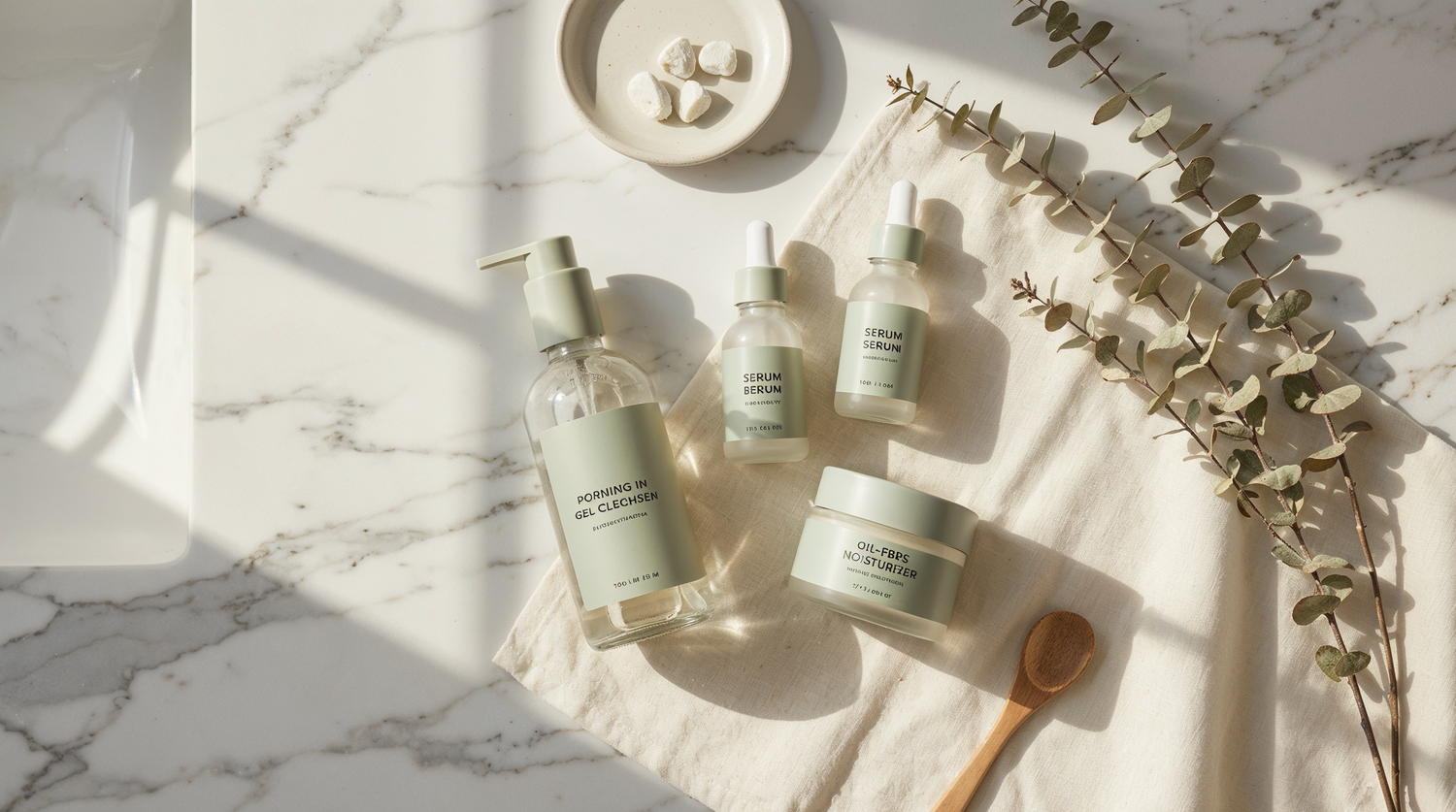
Quick Answer: The best skin care routine for oily skin includes four essential steps: gentle cleansing twice daily, an exfoliating toner with BHA or AHA, targeted treatments like niacinamide or retinol, and a lightweight oil-free moisturizer. The key is balancing oil control without stripping your skin's natural moisture barrier.
If you've ever wondered "why is my face so oily?" — you're far from alone. Studies show that oily skin affects approximately 40-55% of adults between ages 20-40, making it one of the most common skin concerns worldwide. The constant shine, enlarged pores, and frustrating breakouts can feel like an endless battle.
But here's the good news: with the right skin care routine for oily skin, you can achieve a balanced, healthy complexion without stripping your skin of essential moisture. This comprehensive guide will walk you through everything you need to know — from understanding what causes oily skin to building a personalized skincare routine that actually works.
What Causes Oily Skin?
Understanding why your skin produces excess oil is the first step toward treating it effectively. Oily skin occurs when your sebaceous glands produce too much sebum — the waxy, lipid-based substance that naturally moisturizes and protects your skin. While some sebum is essential for healthy skin, overproduction leads to that unwanted greasy shine.
The Main Causes of Oily Skin
Genetics: If your parents had oily skin, there's a higher chance you'll experience it too. Your genetic makeup determines the size and activity level of your sebaceous glands — and unfortunately, you can't change your DNA.
Hormonal fluctuations: Androgens (hormones like testosterone) stimulate sebum production. This explains why oily skin often flares during puberty, menstruation, pregnancy, and periods of stress. When cortisol levels rise from stress, your oil glands can go into overdrive.
Climate and environment: Hot, humid weather triggers increased sebum production. If you live in a tropical climate or experience greasy face during summer months, your environment is likely contributing to the problem.
Overwashing or harsh products: Ironically, trying too hard to combat oily skin can make it worse. Stripping your skin with harsh cleansers triggers a rebound effect where your glands produce even more oil to compensate for lost moisture.
Skipping moisturizer: Many people with oily skin avoid moisturizer, thinking it will make them oilier. The opposite is true — dehydrated skin signals sebaceous glands to produce more sebum. Proper hydration is essential for oil control.
Remember: Oily skin isn't just about genetics. Your skincare habits, environment, stress levels, and hormones all play a role. The best approach targets multiple causes at once while maintaining your skin's protective barrier.
Morning Skin Care Routine for Oily Skin
Your morning skincare routine for oily skin should focus on controlling excess sebum, prepping your skin for the day, and providing protection against environmental stressors. Here's your step-by-step guide to starting each day with a fresh, balanced complexion.
Pro Tip: Keep oil blotting papers in your bag for midday touch-ups. Press gently against your T-zone (forehead, nose, chin) without rubbing to absorb excess sebum without disturbing your makeup or skincare.
Evening Skin Care Routine for Oily Skin
Your nighttime routine is when the real skin transformation happens. While you sleep, your skin goes into repair mode — making this the perfect time to use active ingredients that target oily skin at its source. Here's how to get rid of oily skin while you rest.
Step 1: Double Cleanse
Start with an oil-based cleanser or micellar water to dissolve sunscreen, makeup, and sebum. Follow with your regular gel or foaming cleanser for a thorough clean. This two-step method ensures your pores are completely clear without over-stripping your skin.
Step 2: Exfoliating Treatment
Two to three times per week, use a chemical exfoliant containing glycolic acid (AHA) or salicylic acid (BHA). These acids dissolve dead skin cells that clog pores and contribute to excess oil production. Start slowly — every three days — and work up to every other night as your skin adjusts.
Step 3: Targeted Serums
Apply a serum containing niacinamide (vitamin B3) which regulates sebum production and minimizes pore appearance. For anti-aging benefits, follow with a retinol product. Retinol accelerates cell turnover, preventing dead skin cells from clogging pores and reducing overall oil production over time.
Step 4: Night Moisturizer
Even oily skin needs nighttime hydration. Choose a lightweight gel-cream or water-based sleeping mask that won't clog pores. Ingredients like hyaluronic acid and squalane provide moisture without adding oil.
Best Ingredients for Oily Skin
Not all skincare ingredients are created equal when it comes to treating oily skin. Here are the science-backed ingredients that dermatologists recommend for the best skincare for oily skin:
Professional Treatments at Home
While daily skincare is essential, sometimes oily skin needs a more intensive approach. Professional treatments that were once only available at dermatology offices can now be done at home — giving you spa-level results without the appointments or hefty price tags.
Microdermabrasion for Oily Skin
Microdermabrasion is one of the most effective oily skin treatment products available. This technique uses fine crystals or diamond tips to gently exfoliate the outer layer of dead skin cells. For oily skin, microdermabrasion offers multiple benefits: it unclogs pores, reduces enlarged pore appearance, helps regulate sebum production, and allows your other skincare products to penetrate more effectively.
Regular microdermabrasion treatments (typically once weekly) can significantly improve skin texture while keeping oil production in check. Unlike harsh scrubs that can irritate and trigger more oil, professional-grade devices provide controlled, consistent exfoliation.
LED Light Therapy
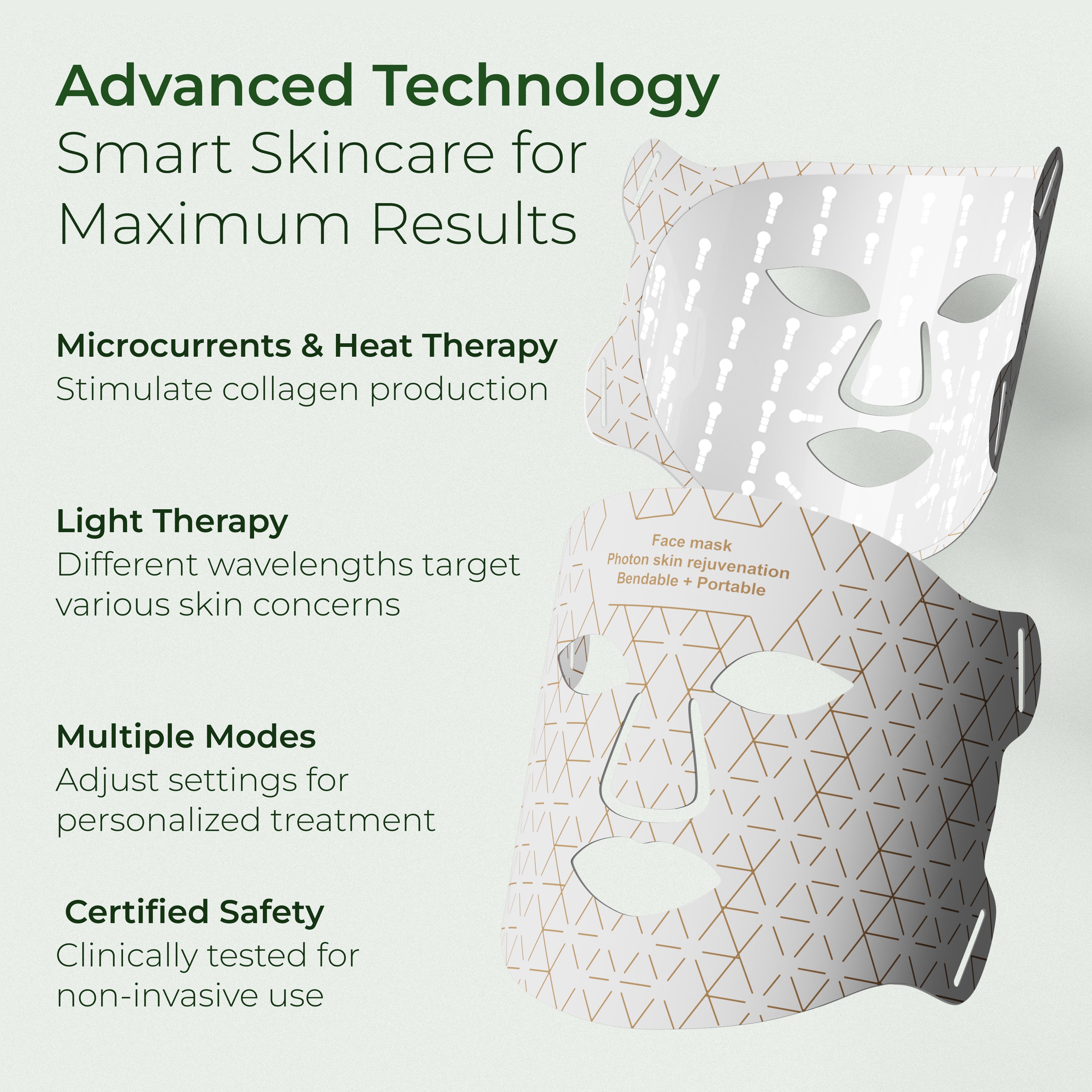
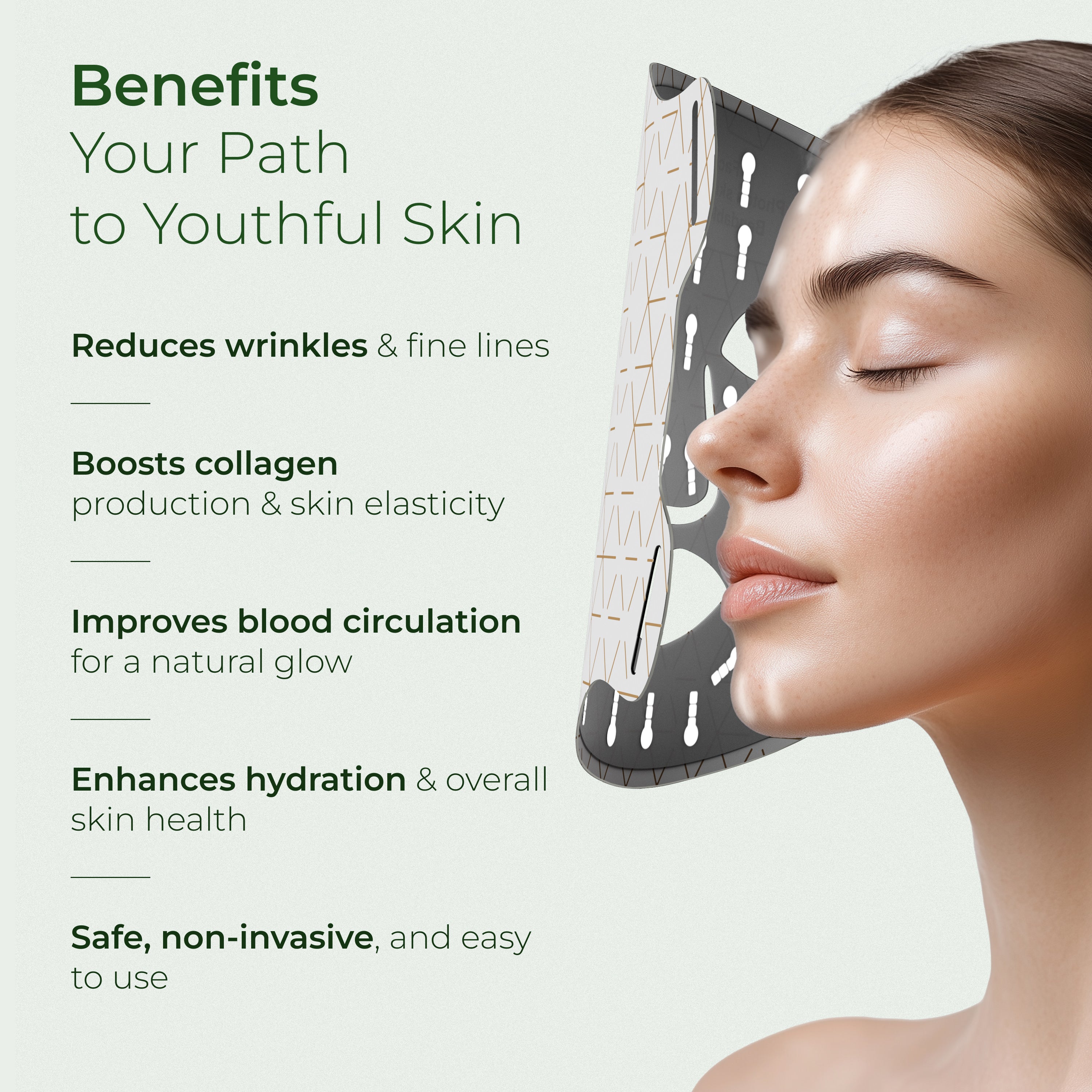
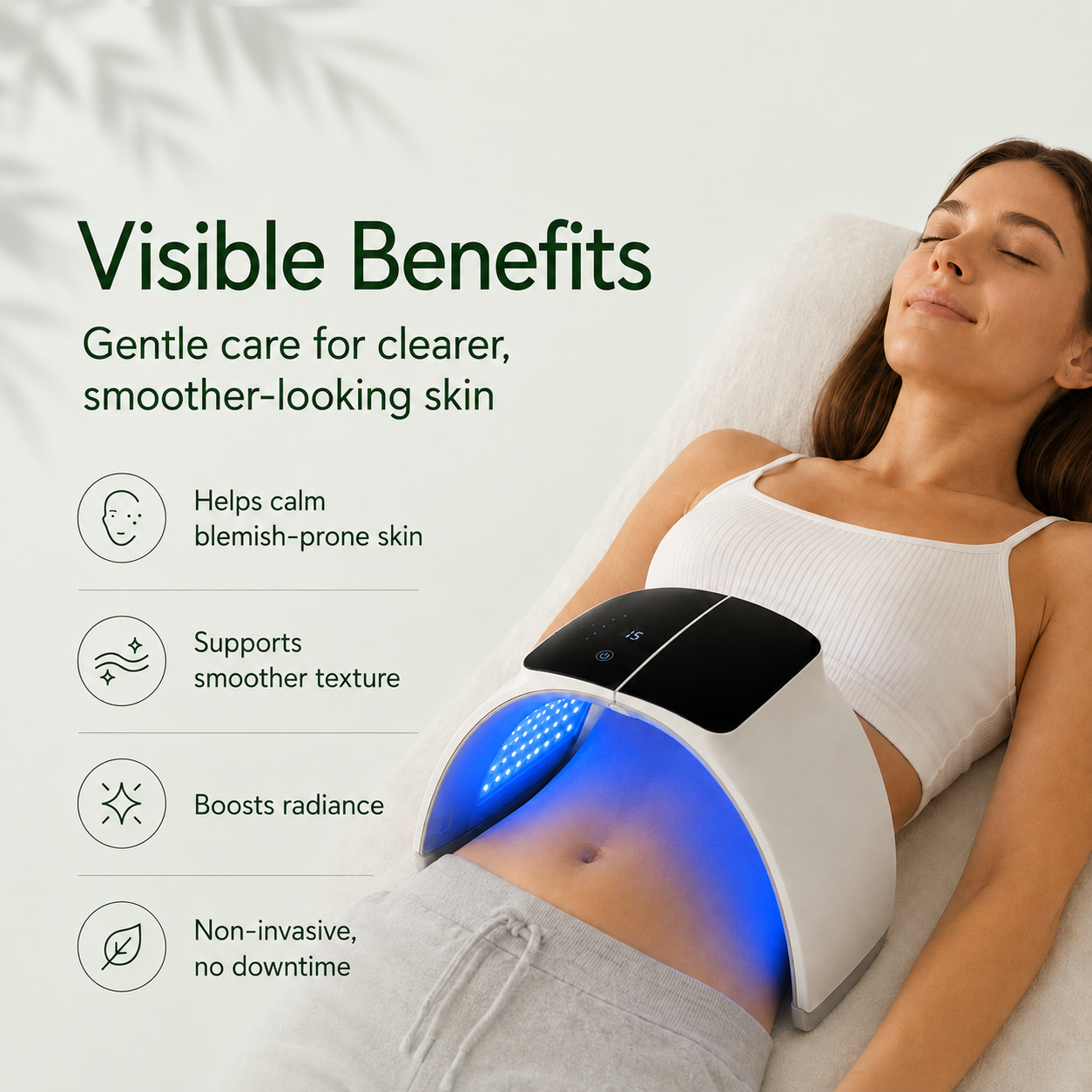
LED (Light Emitting Diode) therapy uses specific wavelengths of light to target skin concerns at a cellular level. For oily and acne-prone skin, blue LED light (around 415nm wavelength) is particularly beneficial — it targets and destroys acne-causing bacteria without damaging surrounding tissue.
Red LED light (around 630nm) helps reduce inflammation and promotes healing, making it excellent for calming acne flare-ups and supporting overall skin health. Many at-home devices combine both wavelengths for comprehensive treatment.
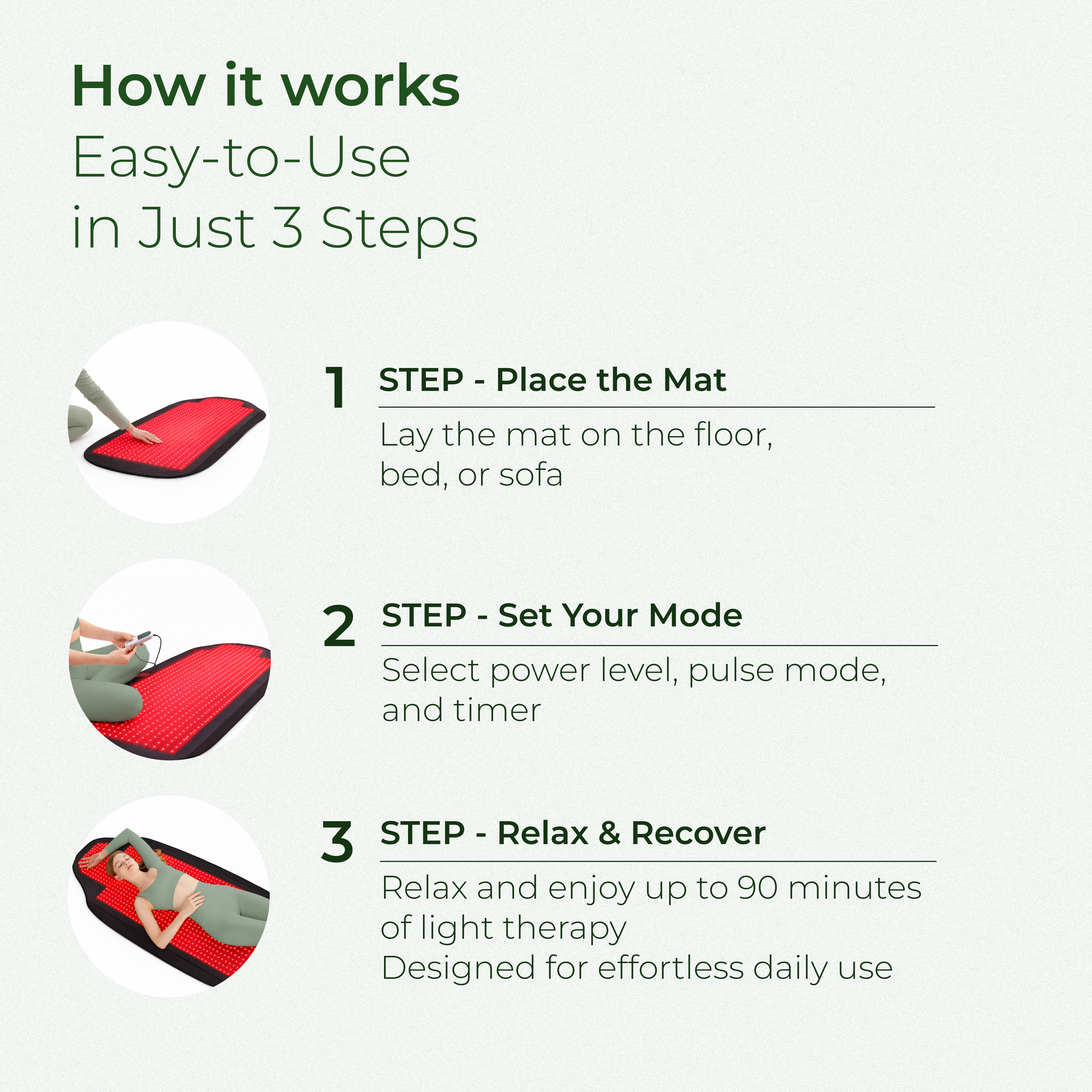
Pro Tip: For best results with at-home devices, consistency is key. Use microdermabrasion once weekly and LED therapy 3-4 times per week. Always follow with your regular skincare routine for maximum benefits.
How TrophySkin Can Help
Take your oily skin routine to the next level with professional-grade at-home devices. Our MicrodermMD system provides clinical-level exfoliation to unclog pores and control oil production, while our LED therapy devices target acne-causing bacteria and reduce inflammation — all from the comfort of your home.
Explore Our Devices →Common Mistakes to Avoid with Oily Skin
Even with the best intentions, many people unknowingly sabotage their efforts to control oily skin. Here's how to avoid oily face by steering clear of these common pitfalls:
Mistake #1: Over-Cleansing
Washing your face more than twice daily or using harsh, stripping cleansers triggers a rebound effect. Your skin senses it's being stripped of natural oils and compensates by producing even more sebum. Stick to gentle cleansing morning and night, and after workouts.
Mistake #2: Using Alcohol-Based Products
While alcohol may feel like it's "drying out" excess oil, it actually damages your skin barrier and leads to increased sebum production. Avoid toners and treatments with high concentrations of denatured alcohol (listed as "alcohol denat." on labels).
Mistake #3: Skipping Sunscreen
Sun damage can actually trigger increased oil production and inflammation. Plus, many acne treatments (like retinol and AHAs) make skin more sun-sensitive. Choose a lightweight, mattifying sunscreen formulated specifically for oily skin.
Important: If your skin suddenly becomes oily when it wasn't before, or if you experience extreme oiliness alongside other symptoms, consult a dermatologist. Sudden changes in sebum production can sometimes indicate hormonal imbalances that require medical attention.
Mistake #4: Using Heavy, Pore-Clogging Products
Products containing mineral oil, petroleum, cocoa butter, or coconut oil can clog pores and worsen oily skin. Always look for "non-comedogenic" and "oil-free" labels when choosing good skincare for oily skin.
Mistake #5: Touching Your Face
Throughout the day, your hands collect bacteria, dirt, and oil. Touching your face transfers these impurities directly to your skin, clogging pores and potentially causing breakouts. Keep hands away from your face, and clean your phone screen regularly!
When to Expect Results
Patience is essential when starting a new skin routine for oily skin. Here's a realistic timeline:
Week 1-2
Skin adjusts to new products. You may notice slight purging (small breakouts) as pores begin clearing — this is normal and temporary.
Week 3-4
Oil production begins to balance. You may notice less midday shine and fewer breakouts starting to form.
Week 6-8
Visible improvement in pore size, texture, and overall oil control. Consistent routine shows clear results.
Month 3+
Long-term sebum regulation achieved. Maintenance becomes easier, and skin appears healthier, clearer, and more balanced.
Frequently Asked Questions
 Final Thoughts: Embrace Your Skin Journey
Managing oily skin is a journey, not a destination. The right skin care routine for oily skin takes time to show results, but with consistency and the right approach, you can achieve the balanced, healthy complexion you've been looking for.
Remember: oily skin isn't all bad. People with oily skin tend to develop fewer wrinkles and fine lines over time, thanks to the natural moisture that keeps skin supple. The goal isn't to eliminate oil completely — it's to find balance.
Start with the basics: gentle cleansing, proper hydration, and targeted treatments. Add professional-level treatments like microdermabrasion and LED therapy for enhanced results. Stay consistent, be patient, and your skin will thank you.
⚕️ Medical Disclaimer
This article is for educational purposes only and does not replace professional medical advice. Consult a board-certified dermatologist before starting any new skincare regimen, especially if you have existing skin conditions or take medications. Individual results may vary.
📚 Related Articles


Leave a comment
This site is protected by hCaptcha and the hCaptcha Privacy Policy and Terms of Service apply.