



Quick Answer: The best procedures for under eye wrinkles include dermal fillers for volume loss, Botox for dynamic lines, laser resurfacing for skin texture, and at-home options like LED light therapy and microdermabrasion for ongoing maintenance. The right choice depends on your wrinkle type, budget, and desired downtime.
Those fine lines creeping around your eyes? You're not imagining them—and you're definitely not alone. The delicate skin under your eyes is just 0.5mm thick (compared to 2mm on your cheeks), making it the first area to reveal signs of aging. Whether you're noticing subtle creases when you smile or deeper lines that linger at rest, understanding your options is the first step toward visibly smoother, more youthful-looking eyes.
In this comprehensive guide, we'll walk you through every procedure for under eye wrinkles—from professional treatments like fillers and lasers to effective at-home solutions you can incorporate into your daily routine. Because whether you're exploring clinical options or prefer a gentler, self-care approach, there's a path to brighter, more refreshed eyes that fits your lifestyle.
Understanding Under Eye Wrinkles: Why This Area Ages First
Before diving into procedures for under eye wrinkles, it helps to understand why this delicate area shows age so prominently. The skin around your eyes has unique characteristics that make it particularly vulnerable to fine lines and creases.
The under-eye area lacks the oil glands found elsewhere on your face, making it prone to dryness and early wrinkling. Combined with constant movement from blinking, squinting, and facial expressions, it's no wonder this area shows lines first. As we age, we also lose the fat padding beneath the skin, causing hollowing that makes wrinkles appear even more pronounced.
Types of Under Eye Wrinkles
Not all under eye wrinkles are created equal, and identifying your type helps determine the best procedure. Dynamic wrinkles appear when you smile, squint, or make expressions—these respond beautifully to treatments like Botox. Static wrinkles are visible even at rest and typically require volume-building treatments like fillers or collagen-stimulating procedures. Many people have a combination of both, which is why dermatologists often recommend a multi-treatment approach.
Professional Procedures for Under Eye Wrinkles
When it comes to clinical treatments, you have several highly effective options. Each addresses under eye wrinkles and puffiness in different ways, so understanding how they work helps you make an informed decision with your dermatologist or cosmetic surgeon.
Dermal Fillers (Hyaluronic Acid)
Hyaluronic acid fillers like Restylane and Juvéderm are among the most popular procedures for under eye wrinkles and hollowing. These gel-like injectables restore lost volume in the tear trough area, smoothing fine lines and reducing the appearance of dark circles caused by shadowing. Results are immediate and typically last 6-12 months. Lighter-weight formulas work best for the delicate under-eye area—an experienced injector will know exactly which product suits your needs.
Botox & Neurotoxins
Botox, Dysport, and Xeomin work by relaxing the muscles that cause dynamic wrinkles. While most commonly used for crow's feet at the outer corners of the eyes, some practitioners also use small amounts under the eyes ("jelly roll" Botox) to smooth the muscle bulge that appears when you smile. Results develop within 3-7 days and last approximately 3-4 months. This is often combined with fillers for comprehensive under eye facial treatment.
Pro Tip: Always choose a board-certified dermatologist or oculoplastic surgeon for under-eye injectables. The eye area has complex anatomy, and an experienced injector can prevent complications like the Tyndall effect (bluish discoloration from filler placed too superficially).
Laser Resurfacing (CO2 & Erbium)
Laser treatments address under eye wrinkles by removing damaged outer skin layers and stimulating collagen production in the deeper dermis. Fractional CO2 lasers deliver more intense treatment with longer downtime (7-14 days), while Erbium lasers offer a gentler approach with faster recovery. Many practitioners combine laser with PRP (platelet-rich plasma) for enhanced results. Clinical studies show 20-70% wrinkle reduction, with improvements continuing for months as new collagen forms.
Microneedling & RF Microneedling
Microneedling creates thousands of tiny punctures in the skin, triggering your body's natural healing response and boosting collagen production. Morpheus8 and similar devices combine microneedling with radiofrequency energy to tighten skin and stimulate deeper collagen remodeling. This under eye collagen treatment works particularly well for crepey texture and mild skin laxity. Expect 2-3 days of redness and 3-6 treatments for optimal results.
Chemical Peels
Light to medium chemical peels using glycolic acid or trichloroacetic acid (TCA) exfoliate the superficial skin layers, revealing fresher skin beneath. While not as dramatic as laser treatments, peels can improve fine lines and skin texture with minimal downtime. They're often used as maintenance between more intensive procedures or as a standalone treatment for those with mild concerns.
Lower Blepharoplasty (Eyelid Surgery)
For significant under-eye bags, excess skin, or deep wrinkles that don't respond to non-surgical treatments, lower blepharoplasty offers a permanent solution. The surgeon removes or repositions fat pads, tightens muscles, and trims excess skin through incisions hidden inside the eyelid or along the lash line. Results last many years, making it a worthwhile investment for the right candidate. This is considered the best procedure for under eye wrinkles when structural changes are needed.
Comparing Professional Procedures
Best Non-Surgical Treatments for Under Eye Wrinkles
If you're not ready for injectables or surgery, the good news is that today's non-surgical options deliver impressive results. The best non surgical treatment for under eye wrinkles depends on your specific concerns, skin type, and commitment to consistency. Here's what actually works.
Main Point: The most effective approach combines professional treatments with consistent at-home care. Think of it like dental health—you visit the dentist periodically, but daily brushing and flossing maintain your results between appointments.
At-Home Treatments That Actually Work
Not every solution requires a trip to the dermatologist's office. Science-backed at-home treatments can significantly improve under eye wrinkles and puffiness when used consistently. These options are gentler, more affordable, and let you take control of your skincare routine.
LED Light Therapy
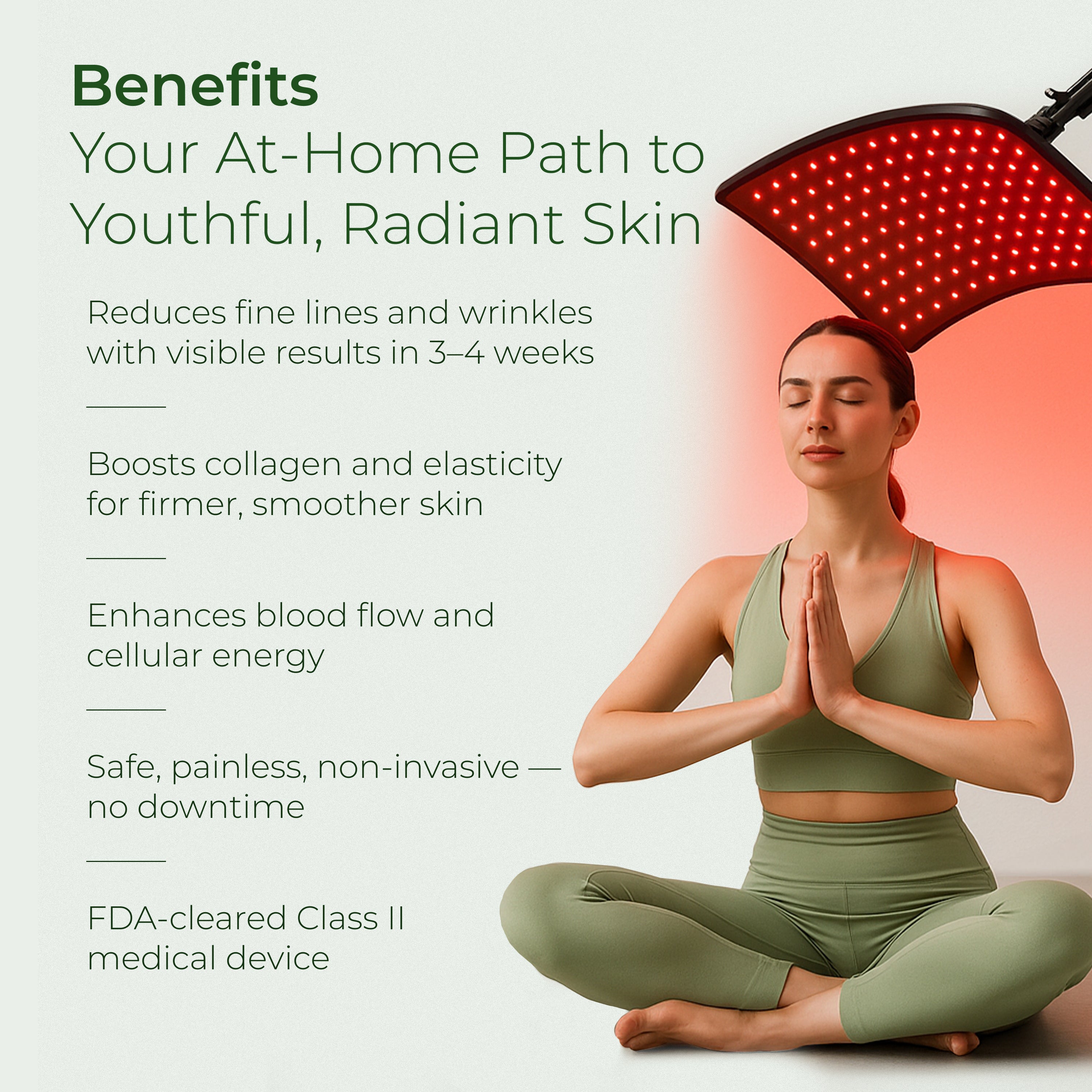
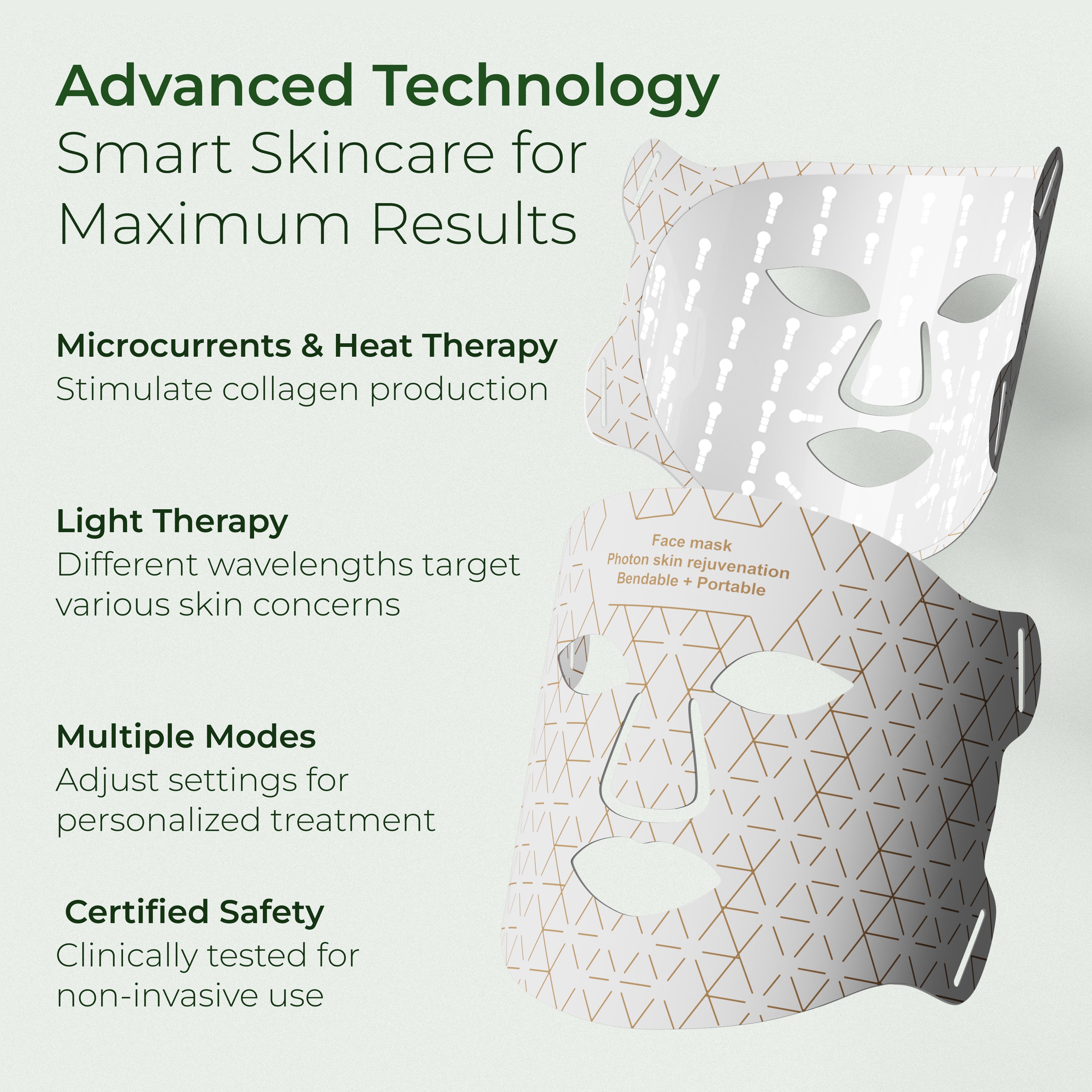
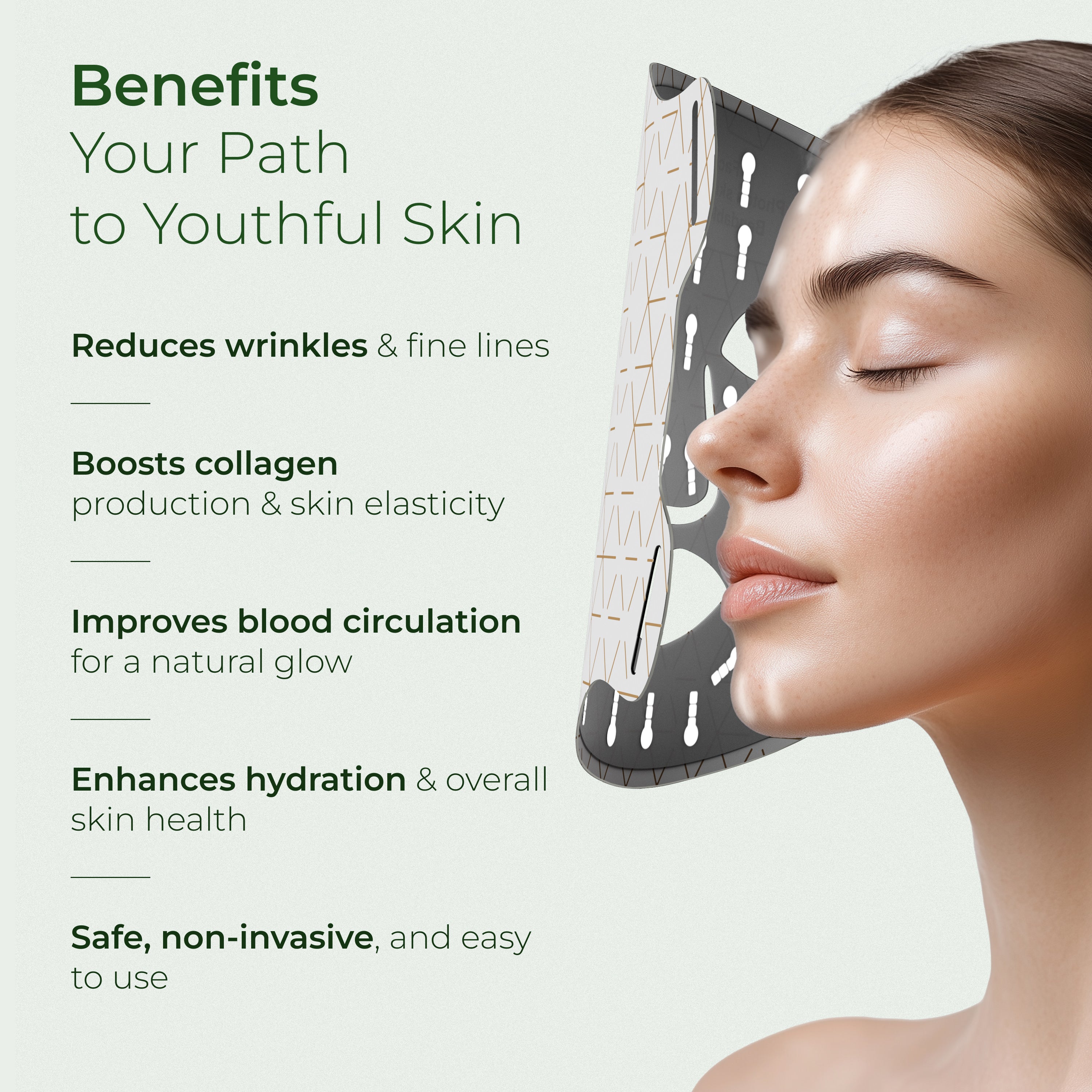
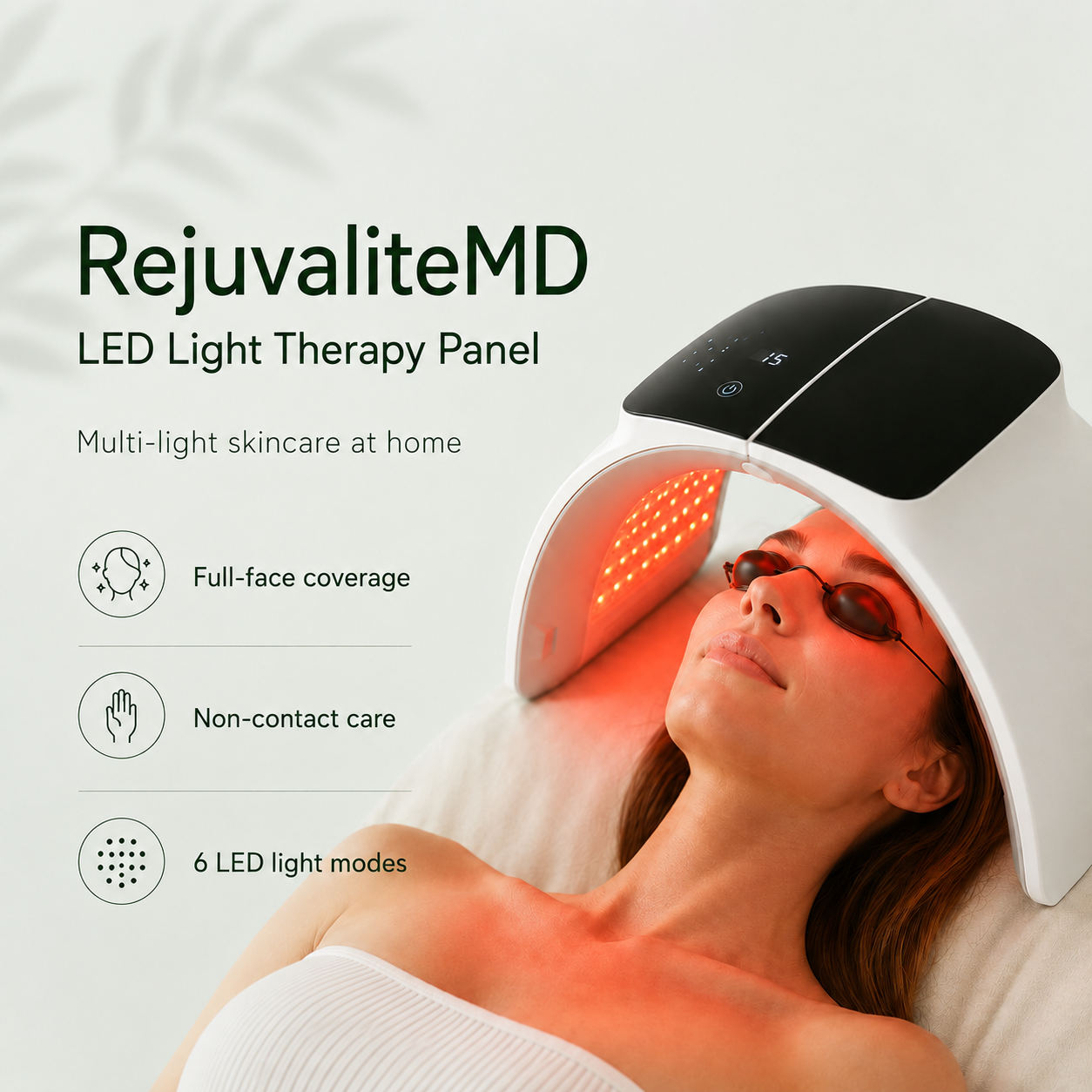
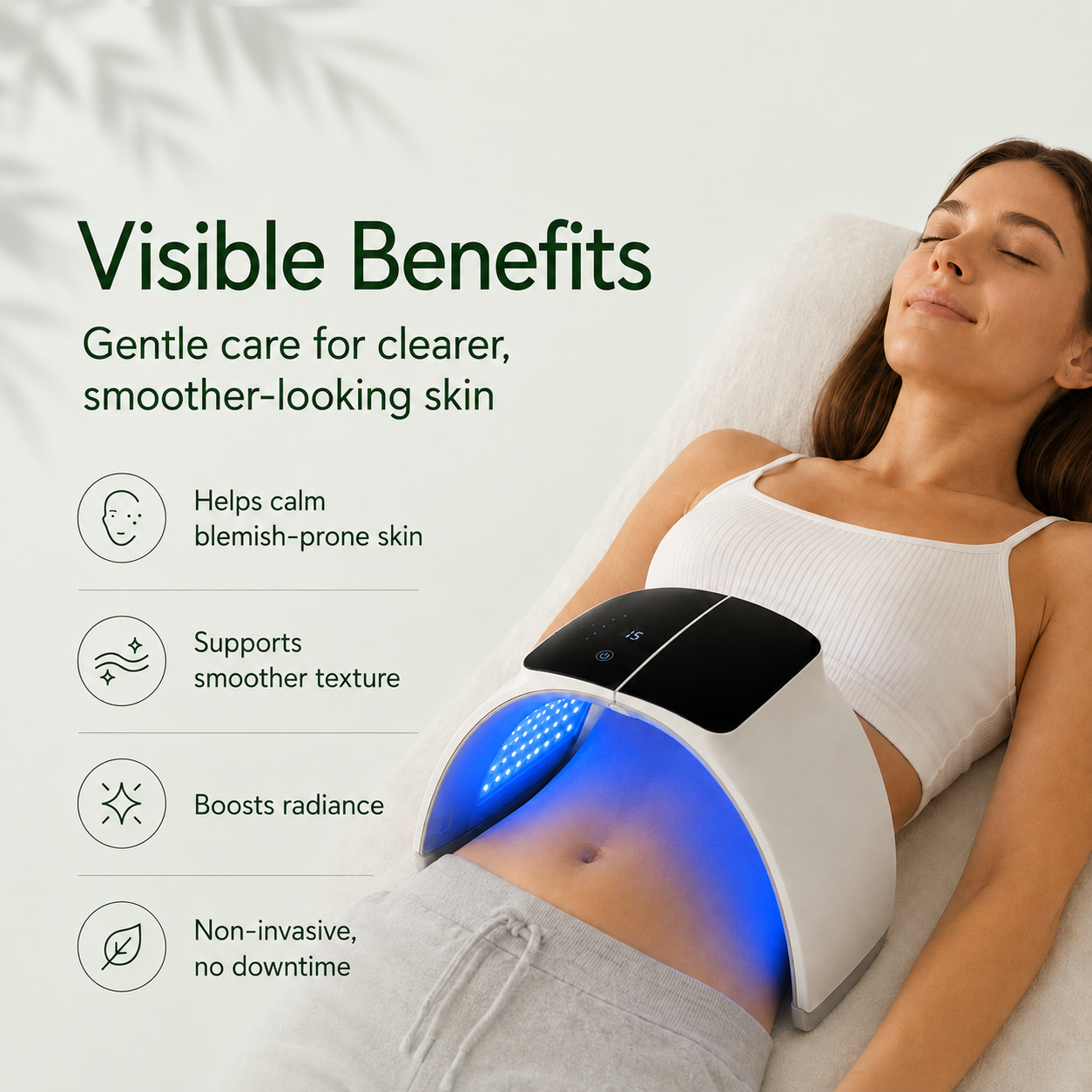
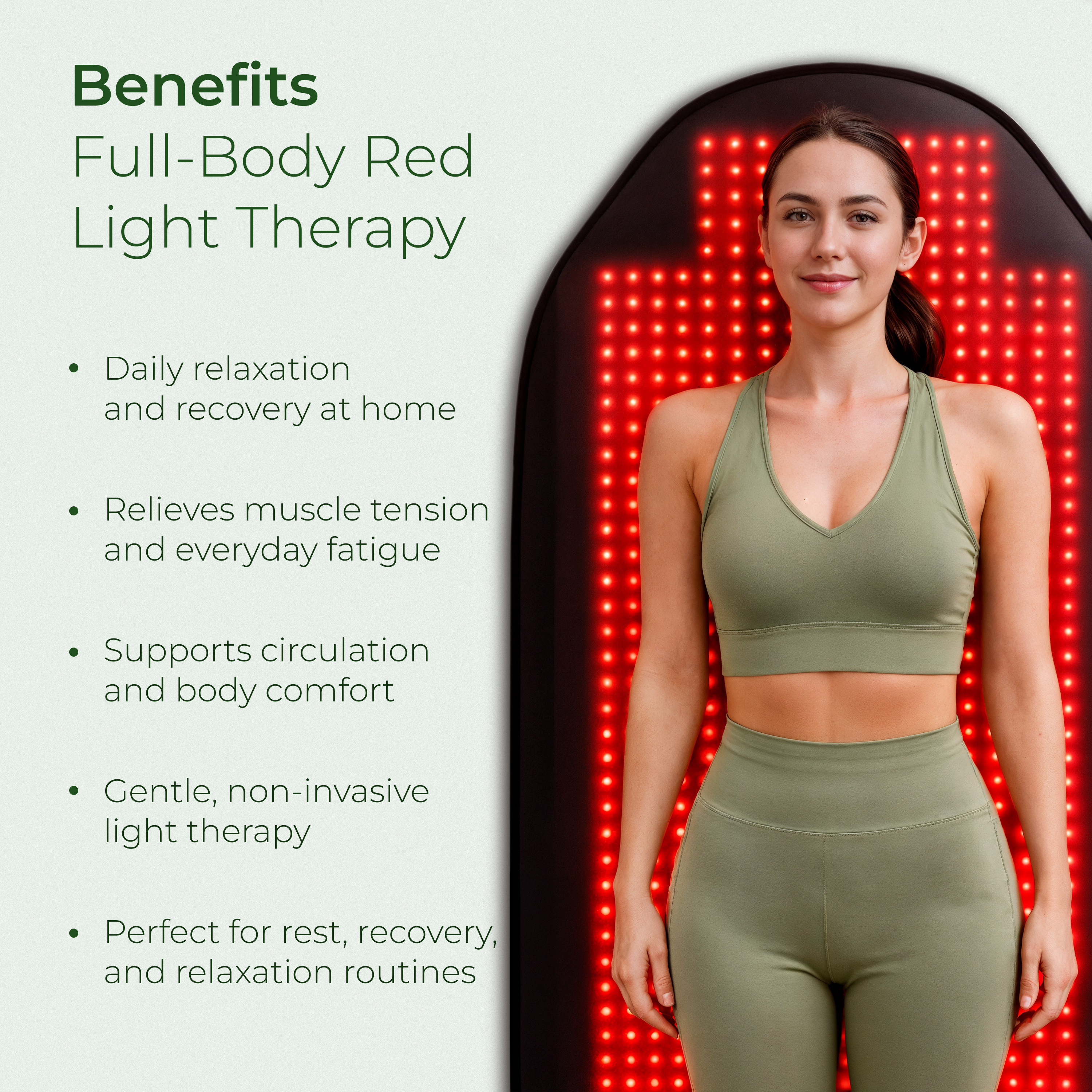
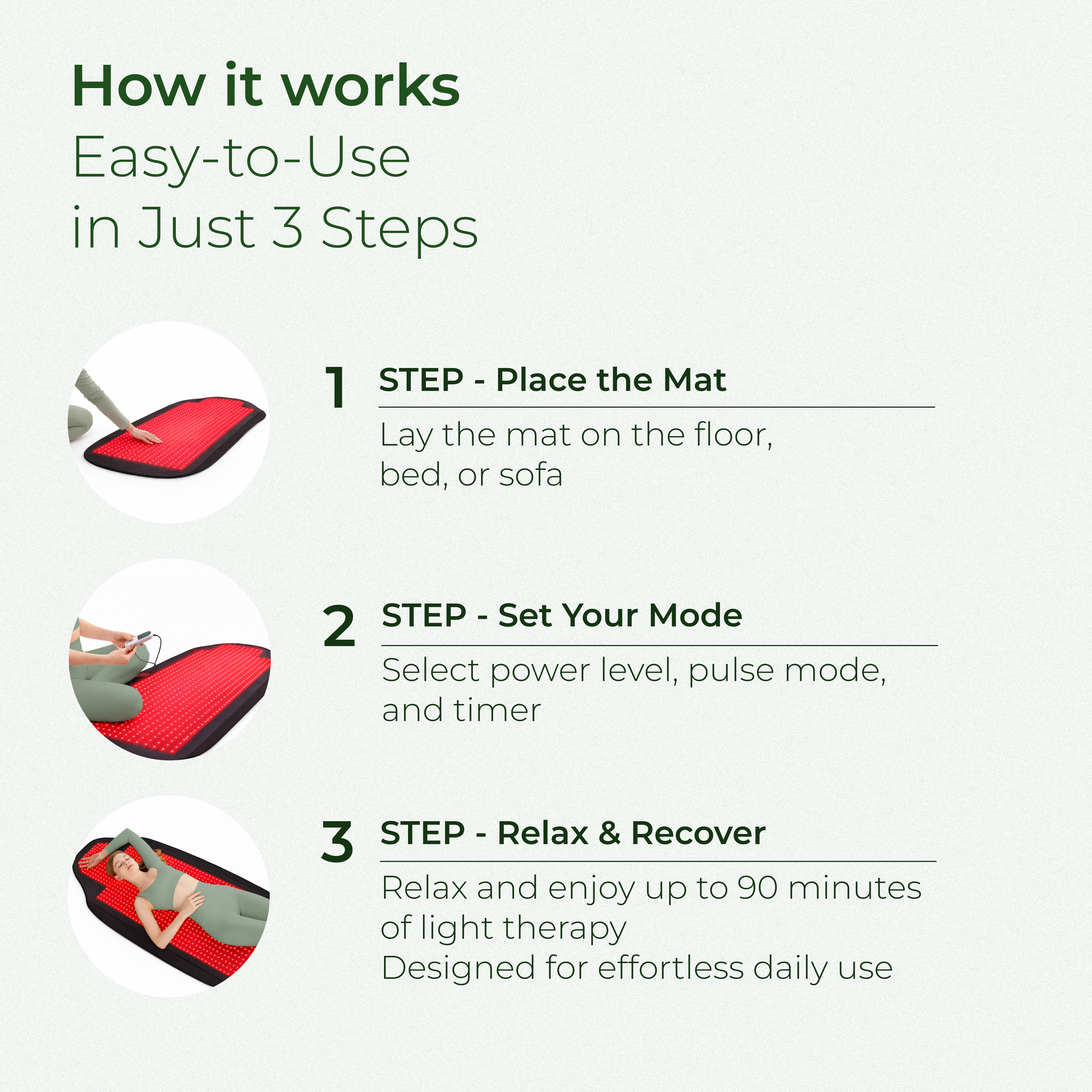
Red and near-infrared LED light therapy has emerged as a powerful at-home treatment for under eye wrinkles. Red light (630-660nm) stimulates fibroblasts to produce new collagen, while near-infrared light (810-850nm) penetrates deeper to target elastin production. Research shows consistent improvements in fine lines, texture, and even dark circles with regular use. The treatment is completely painless, requires no downtime, and results build over time—most users notice visible improvement after 4-6 weeks of consistent use.
At-Home Microdermabrasion
Professional microdermabrasion costs $100-$150 per session, with optimal results requiring 15-20 sessions. At-home microdermabrasion devices offer a cost-effective alternative, using diamond tips or exfoliating crystals to remove dead skin cells and stimulate cell turnover. The gentle abrasion combined with vacuum action promotes collagen production, making wrinkles appear less prominent. Regular use enhances the penetration and effectiveness of your eye creams and serums, essentially supercharging your entire skincare routine.
Retinol & Active Skincare
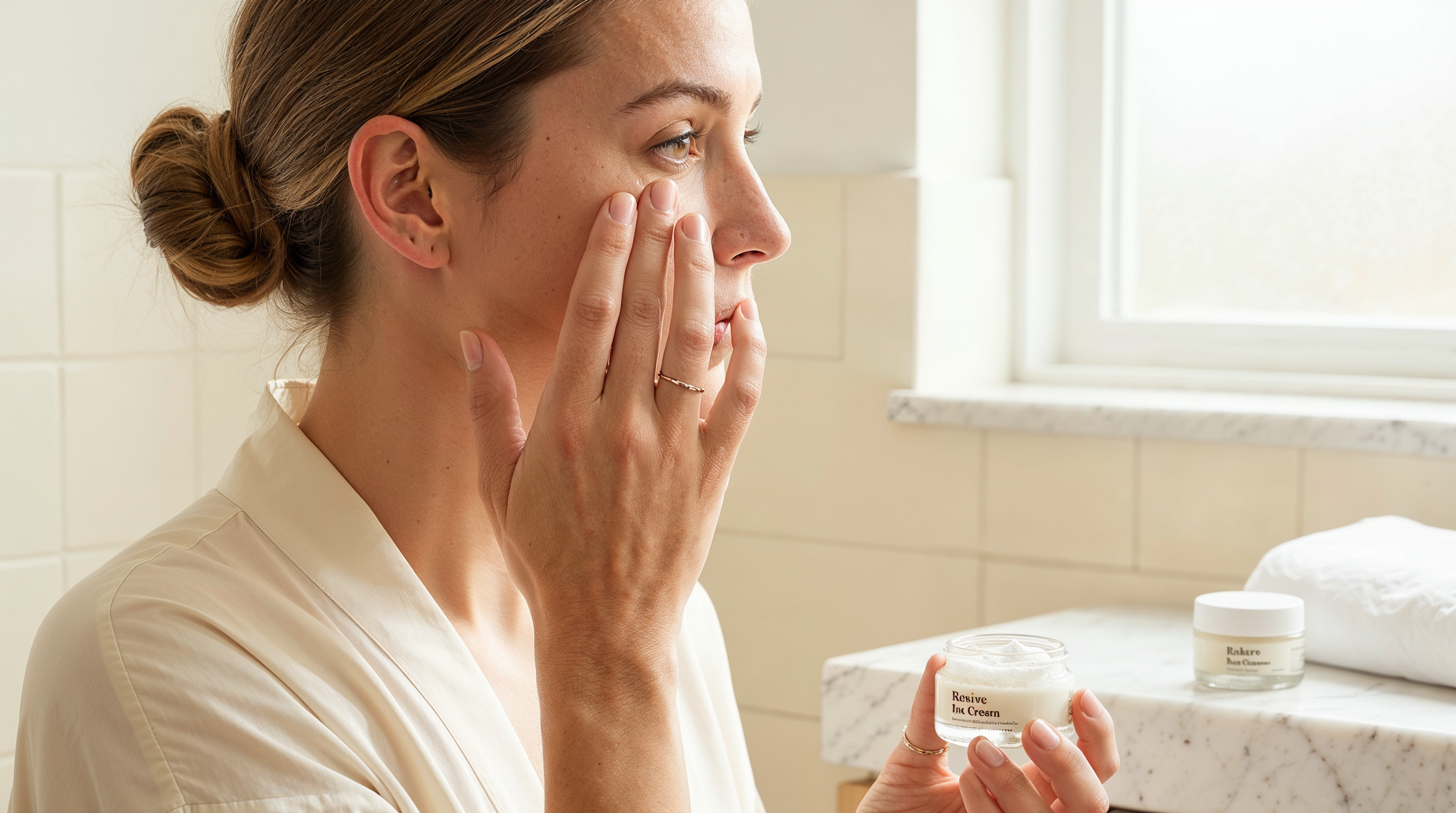
Retinol (vitamin A) remains the gold standard for topical anti-aging. It accelerates cell turnover and boosts collagen production, visibly reducing fine lines over 3-6 months of consistent use. For the sensitive under-eye area, start with a lower concentration and look for formulas specifically designed for the eye area. Hyaluronic acid provides immediate plumping through hydration, while vitamin C brightens and protects against further sun damage.
Pro Tip: Layer your treatments strategically: Use LED therapy 3-5 times weekly, follow with hyaluronic acid serum on slightly damp skin, then seal with a peptide-rich eye cream. Weekly microdermabrasion enhances absorption of all your actives.
How TrophySkin Can Help
TrophySkin's professional-grade home devices bring dermatologist-level technology to your daily routine. Our LED therapy devices use clinically-proven red and infrared wavelengths to stimulate collagen production, while our microdermabrasion systems gently resurface skin to reveal smoother, more youthful-looking eyes. Consistent home care between professional treatments helps maintain and extend your results.
Explore Our Collection →
 What Results to Expect: Your Under Eye Treatment Timeline
Patience is key with any under eye collagen treatment. While some procedures offer immediate results, the most significant improvements come from treatments that stimulate your body's natural collagen production—and that takes time. Here's what you can realistically expect.
Week 1-2
Fillers show immediate results. LED therapy begins cellular stimulation—you may notice improved hydration and skin texture. Retinol users should start slowly to avoid irritation.
Week 4-6
LED light therapy users typically notice visible reduction in fine lines. New collagen production is underway. Laser patients see full healing with smoother skin emerging.
Month 3-4
Retinol delivers measurable wrinkle reduction. Microneedling and RF treatments show optimal collagen remodeling. Microdermabrasion users see cumulative skin refinement.
Month 6+
Peak collagen production from laser and light therapy treatments. Consistent at-home routine users see sustained improvements. This is when before-and-after photos reveal the most dramatic differences.
 Frequently Asked Questions
Start Your Journey to Smoother Under Eyes
Under eye wrinkles may be a natural part of aging, but they don't have to define how you look or feel. Whether you opt for professional procedures like fillers and laser treatments, embrace the convenience of at-home LED therapy and microdermabrasion, or combine approaches for comprehensive care—the right solution exists for you.
The most important step? Starting somewhere. Even small, consistent changes in your skincare routine can lead to visible improvements over time. Your future self will thank you for the investment you make in your skin today.
⚕️ Medical Disclaimer
This article is for educational purposes only and does not replace professional medical advice. Consult a board-certified dermatologist or oculoplastic surgeon before starting any new skincare treatment, especially for the delicate eye area. Results vary based on individual factors including skin type, age, and treatment adherence.


Hinterlasse einen Kommentar
Diese Website ist durch hCaptcha geschützt und es gelten die allgemeinen Geschäftsbedingungen und Datenschutzbestimmungen von hCaptcha.