







Quick Answer: You have so many wrinkles under your eyes because this skin is naturally 40% thinner than the rest of your face, making it extremely vulnerable to collagen loss, sun damage, dehydration, and repeated facial expressions. The good news? Most causes are preventable or treatable with the right approach.
You've noticed them in the mirror—those fine lines, creases, and wrinkles gathering under your eyes. Maybe they appeared seemingly overnight, or perhaps they've been slowly deepening over time. Either way, you're asking the same question countless others ask: Why do I have so many wrinkles under my eyes?
Here's the truth: under-eye wrinkles aren't just about aging. Your lifestyle habits, skincare routine (or lack thereof), and even your sleep position can accelerate these telltale signs. Research shows that up to 80% of visible skin aging comes from environmental factors—meaning much of what you're seeing is preventable.
In this comprehensive guide, we'll explore exactly what causes those stubborn lines under your eyes, why some people develop them as early as their 20s, and most importantly—what you can actually do about them using both natural remedies and advanced at-home treatments.
Why Under-Eye Skin Is So Vulnerable to Wrinkles
Understanding why you have so many wrinkles under your eyes starts with understanding this unique area of skin. The under-eye area is fundamentally different from the rest of your face—and it's designed that way for good reason.
The skin beneath your eyes measures only about 0.5mm thick, compared to approximately 2mm on the rest of your face. This thinness allows your eyes to move freely—blinking around 15,000-20,000 times per day. But this constant movement, combined with the delicate structure, creates the perfect conditions for wrinkles to form.
Additionally, the under-eye area has fewer oil glands than other facial zones. Oil glands help keep skin moisturized and supple, so their scarcity here means the skin dries out faster and loses elasticity more quickly.
The Collagen Connection
Your skin relies on two key proteins: collagen (for structure and firmness) and elastin (for flexibility and bounce-back). Starting in your late 20s, your body produces approximately 1% less collagen each year. By age 60, collagen production has dramatically decreased, leaving skin more prone to sagging and wrinkling.
Since under-eye skin has less collagen to begin with, any decline becomes visible much faster here than elsewhere on your face. This explains why so many people notice wrinkles under their eyes first—long before they appear on their cheeks or forehead.
8 Main Causes of Wrinkles Under Your Eyes
If you're wondering what causes creases under eyes, the answer isn't simple. Multiple factors work together to create those fine lines. Let's break down the eight most significant contributors.
1. UV Sun Exposure (Photoaging)
Sun damage is responsible for up to 80% of visible facial aging. UV radiation breaks down collagen fibers and interferes with elastin production, leading to premature wrinkles. When UV rays hit your skin, they trigger the production of an enzyme called metalloproteinase that damages healthy collagen—creating a disorganized fiber structure known as solar elastosis.
The under-eye area is particularly vulnerable because many people forget to apply sunscreen here, or they wipe it away when their eyes water.
2. Repeated Facial Expressions (Dynamic Wrinkles)
Every time you smile, squint, laugh, or frown, the muscles beneath your skin contract and create temporary folds. Over years of making the same expressions, these folds become etched into your skin as permanent lines. The outer corners of your eyes (crow's feet) are especially prone to these dynamic wrinkles.
Pro Tip: Wearing quality sunglasses isn't just about protecting your eyes from UV rays—it also prevents squinting, which is one of the top causes of crow's feet and under-eye wrinkles.
3. Natural Aging Process
As your skin ages, it naturally loses collagen, elastin, and hyaluronic acid—the substances that keep skin firm, flexible, and hydrated. Your skin cells also divide more slowly, meaning the dermis (middle skin layer) thins over time. This is completely normal and affects everyone, though genetics play a significant role in how quickly it happens.
4. Dehydration and Poor Moisturization
When your skin is dehydrated, fine lines and wrinkles become much more visible. Think of it like a grape versus a raisin—plump, hydrated skin cells appear smooth, while dehydrated cells shrivel and create visible creases. The under-eye area, with fewer oil glands, dries out faster than the rest of your face.
5. Smoking and Secondhand Smoke
Nicotine causes blood vessels to narrow, restricting oxygen, collagen, and essential nutrients from reaching your skin. Studies show that smokers have significantly less collagen and elastin in their skin compared to non-smokers. Even secondhand smoke exposure can break down your skin's supportive proteins over time.
6. Sleep Deprivation and Poor Sleep Position
Your body repairs and regenerates skin cells during sleep. Research from Estée Lauder found that women who slept less than 5 hours nightly had almost twice the wrinkles compared to those getting 8 hours. Beyond duration, your sleep position matters too—sleeping face-down on a pillow creates friction and creasing that can become permanent over time.
7. Rubbing Your Eyes
The simple habit of rubbing tired or itchy eyes stretches and damages the delicate under-eye skin. This repeated tugging weakens elastin fibers, causing the skin to lose its ability to bounce back. Allergies that cause frequent eye rubbing can significantly accelerate under-eye aging.
8. Environmental Pollution
Air pollution—including nitrogen dioxide, tiny particles (PMs), and polycyclic aromatic hydrocarbons—has emerged as a major contributor to skin aging. Research suggests that pollution levels in urban areas may be one of the most significant factors in premature skin wrinkling, potentially rivaling even sun exposure in some environments.
Why Do I Have Wrinkles Under My Eyes at 20?
If you're noticing lines under your eyes in your early 20s—or even late teens—you're not imagining things, and you're not alone. While it may feel premature, there are legitimate reasons why dynamic wrinkles under eyes can appear this early.
Dynamic wrinkles—the ones visible when you smile or squint—typically begin appearing in the late 20s to early 30s. However, they can show up earlier, especially if you spend significant time outdoors or have naturally fair, thin skin.
Common Causes of Early Under-Eye Wrinkles
Genetics: If your parents developed under-eye wrinkles early, you likely inherited the same skin structure. Fair-skinned individuals and those with naturally thinner skin tend to show wrinkles sooner.
Unprotected sun exposure: Years of beach days, outdoor sports, or simply walking around without sunscreen accumulates damage that becomes visible in your 20s.
Screen time and blue light: Constant squinting at phones and computers—combined with potential blue light damage—may accelerate under-eye aging in younger generations.
Dehydration and poor nutrition: Living on coffee and processed foods in your teens and early 20s catches up quickly. Your skin needs vitamins, minerals, and proper hydration to maintain its structure.
Stress and lack of sleep: College years and early career stress combined with irregular sleep patterns can accelerate visible aging.
How to Get Rid of Under-Eye Wrinkles Naturally
While no home remedy can completely eliminate wrinkles, several natural approaches can significantly reduce their appearance and prevent new ones from forming. These remedies work best when combined with consistent skincare habits and healthy lifestyle choices.
Proven Natural Ingredients
Aloe Vera: Research shows aloe vera extract can boost collagen production by up to 140% while deeply hydrating skin. Apply pure aloe vera gel around your eyes before bed and rinse in the morning.
Coconut Oil: Rich in fatty acids, antioxidants, and vitamin E, coconut oil penetrates deep into skin to repair free radical damage. Gently massage a small amount around your eyes nightly.
Cucumber Slices: High water content plus vitamins B5 and B6 make cucumbers excellent for soothing and hydrating the under-eye area. Chill slices for 30 minutes before applying for 10-15 minutes.
Green Tea Bags: Caffeine constricts blood vessels and tannins improve circulation. Steep tea bags, chill them, then apply to closed eyes for 15-20 minutes.
Honey: A natural humectant that retains moisture while providing anti-inflammatory and antioxidant benefits. Apply a thin layer for 20 minutes, then rinse with lukewarm water.
Natural remedies require patience: Most people start seeing gradual improvements after 4-6 weeks of consistent use, with more noticeable results around the 8-12 week mark. Consistency matters more than intensity.
Lifestyle Changes That Make a Difference
Hydration: Aim for at least 64 ounces of water daily. Dehydration shrinks skin cells and accentuates every fine line.
Sleep quality: Get 7-8 hours nightly and consider sleeping on your back with a silk pillowcase to minimize creasing.
Nutrition: Focus on foods rich in vitamins A, C, E and omega-3 fatty acids—think colorful vegetables, citrus fruits, salmon, walnuts, and avocados.
Sun protection: Apply SPF 30+ sunscreen daily, wear UV-blocking sunglasses, and use hats when outdoors for extended periods.
Advanced At-Home Treatments for Under-Eye Wrinkles
While natural remedies provide gentle improvement, advanced at-home skincare devices can deliver more significant results without the cost and recovery time of professional procedures. Modern technology has made professional-grade treatments accessible in your own bathroom.
Key Ingredients to Look For
Retinol (Vitamin A derivatives): The gold standard for anti-aging, retinol boosts collagen production and accelerates skin cell turnover. Start with lower concentrations around the delicate eye area.
Hyaluronic Acid: This moisture magnet holds up to 1,000 times its weight in water, plumping skin and temporarily filling fine lines. Apply morning and night after cleansing.
Vitamin C: A powerful antioxidant that protects against sun damage while stimulating collagen synthesis and brightening skin.
Peptides: These amino acid chains signal your skin to produce more collagen. Look for products specifically formulated for the eye area.
At-Home Device Treatments
Professional treatments like microneedling and LED therapy were once only available in dermatologist offices. Today, at-home devices offer similar benefits for skin texture improvement and collagen stimulation.
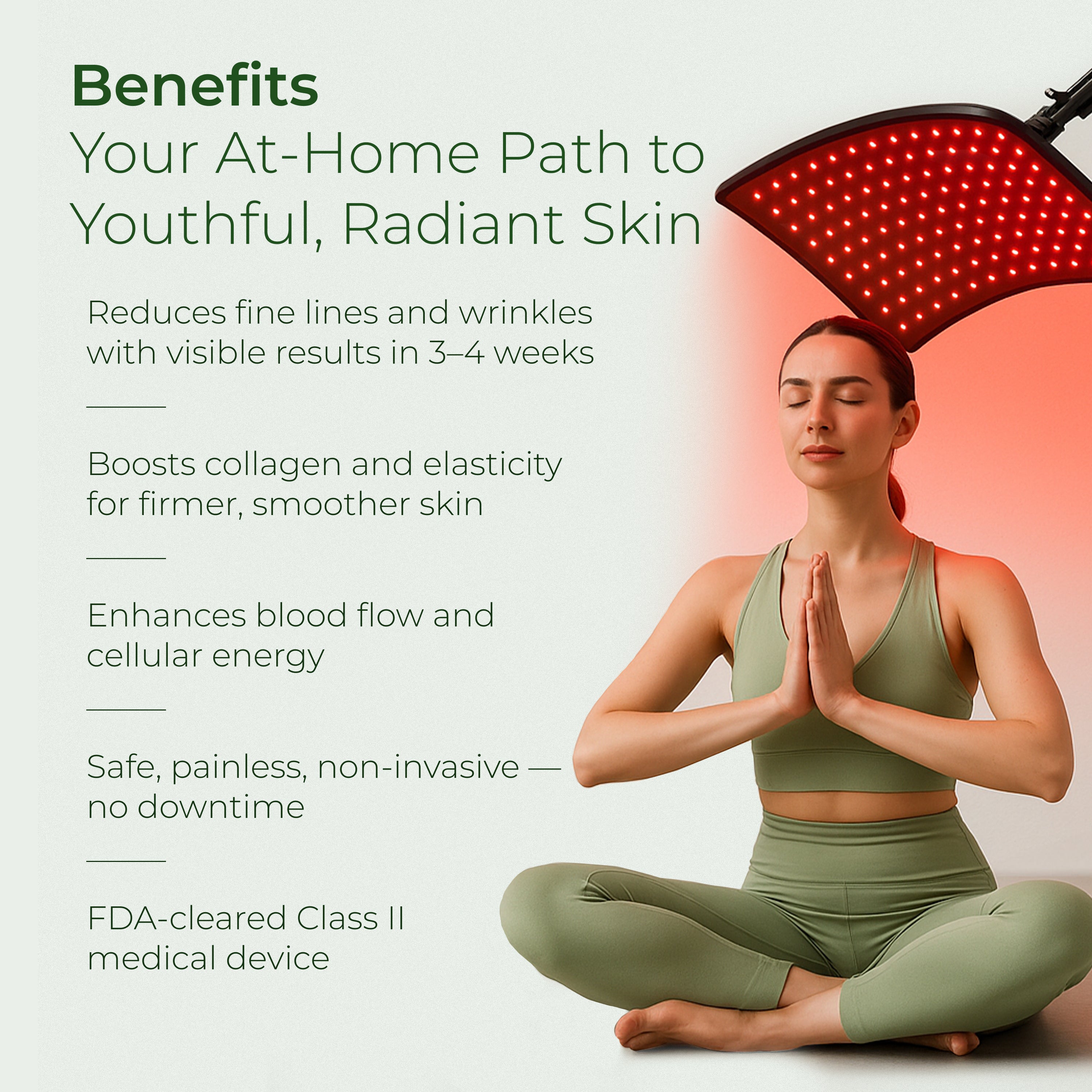
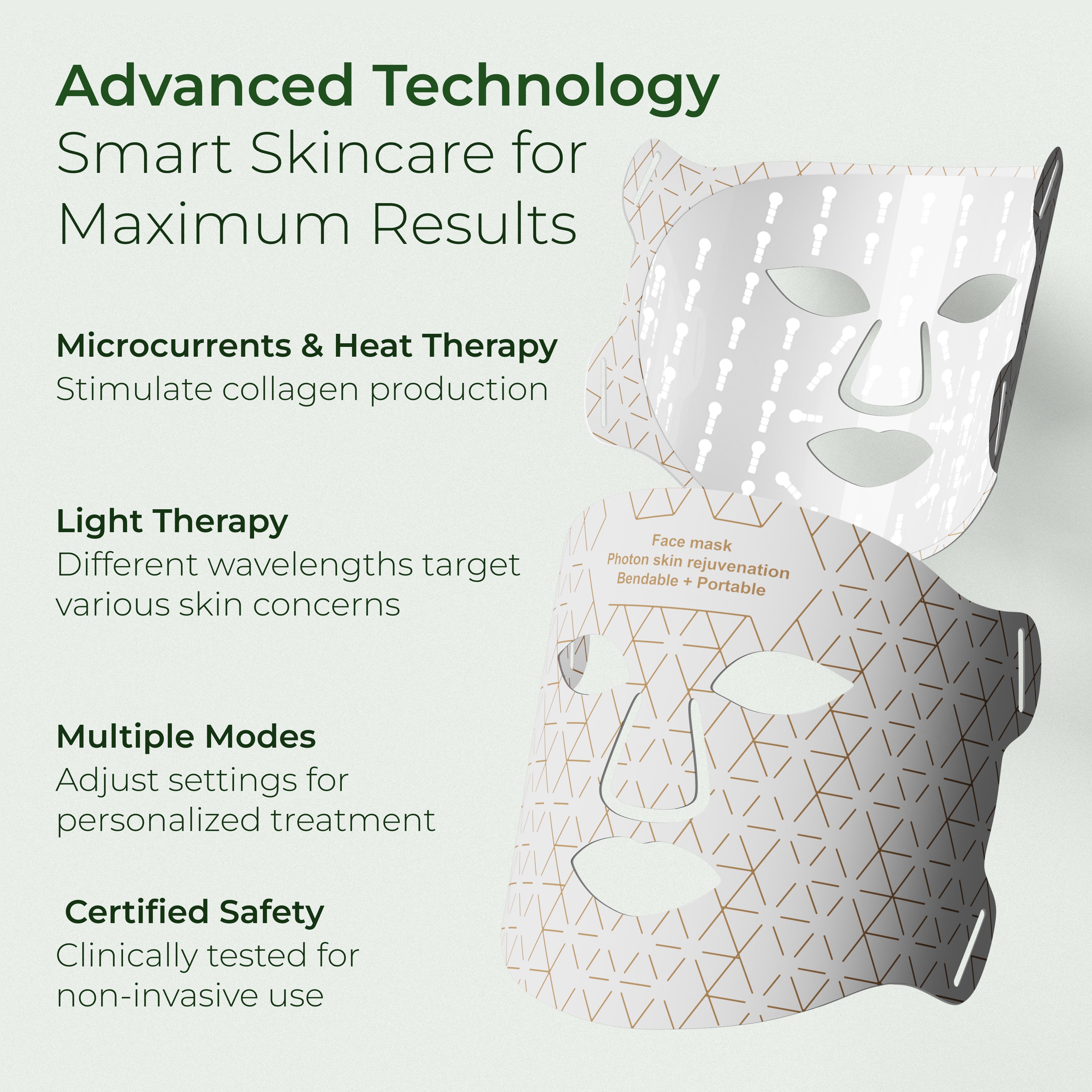
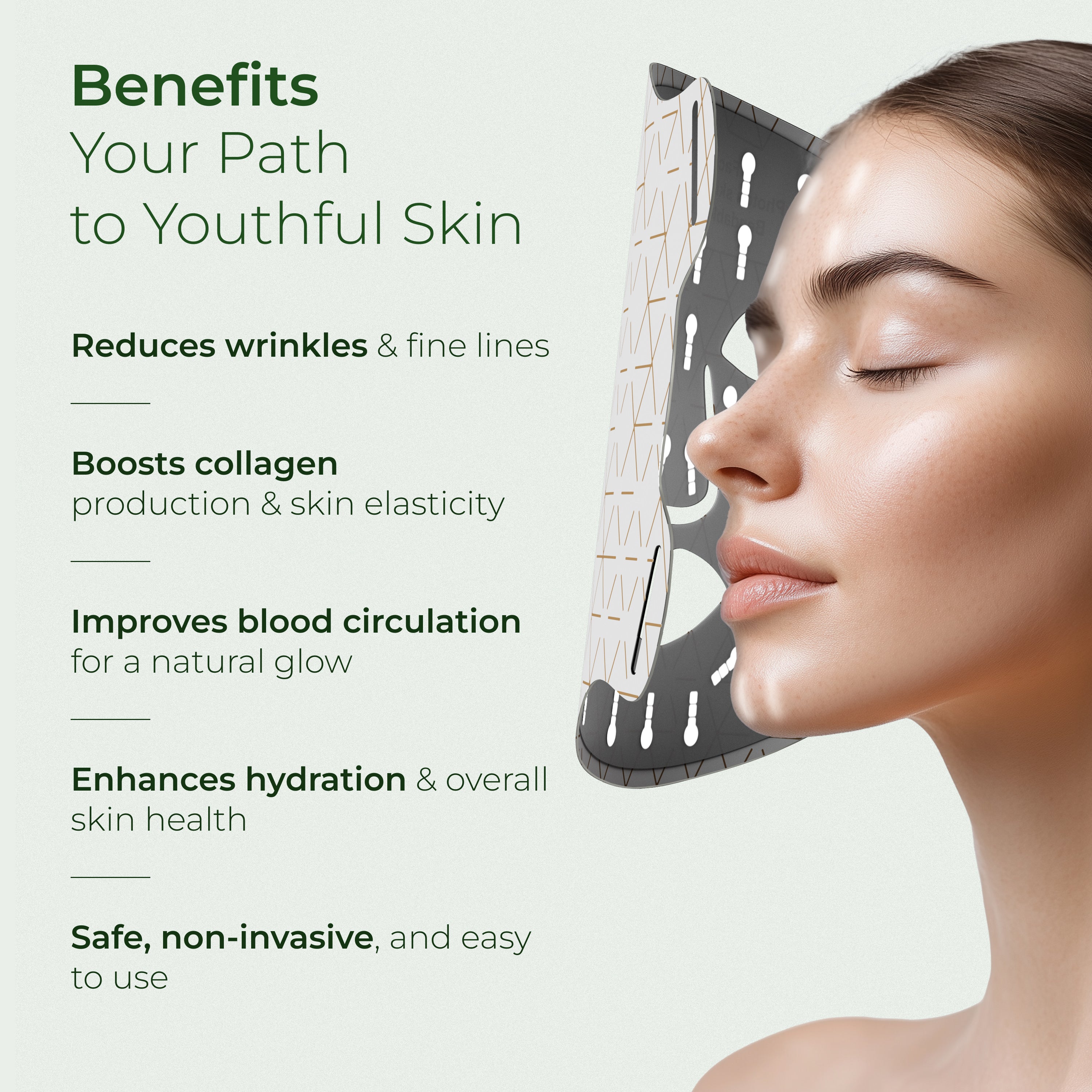
LED Light Therapy: Different light wavelengths penetrate skin at varying depths. Red light (typically 630-700nm) stimulates collagen production and improves circulation, making it excellent for reducing fine lines around the eyes.
Microdermabrasion: This non-invasive exfoliation technique removes dead skin cells and stimulates new cell growth. Home devices with diamond tips offer a gentler version of the professional treatment, improving skin texture over time.
Facial Massage Tools: Gua sha stones and face rollers improve blood circulation and may reduce puffiness. The gentle massage action can help skincare products penetrate more effectively.
Pro Tip: For best results, combine treatments. Apply a hyaluronic acid serum before using LED therapy—the increased blood flow helps your skin absorb active ingredients more effectively.
How TrophySkin Can Help
TrophySkin's professional-grade at-home devices bring spa-quality treatments to your daily routine. Our LED light therapy systems and microdermabrasion devices are designed to target fine lines, boost collagen production, and improve overall skin texture—safely and effectively in the comfort of your home.
Explore Our Collection →Prevention Tips for Under-Eye Wrinkles at Every Age
Prevention is always easier than correction. Whether you're in your 20s hoping to delay wrinkles or in your 40s working to prevent further deepening, these age-appropriate strategies will help protect the delicate under-eye area.
In Your 20s: Foundation Building
Start with SPF daily (even cloudy days), introduce a lightweight hydrating eye cream, establish consistent sleep habits, and wear sunglasses outdoors. Your collagen levels are still high—focus on protecting what you have.
In Your 30s: Active Prevention
Introduce retinol or vitamin C products, upgrade to richer eye creams with peptides, consider at-home devices like LED therapy, and focus on antioxidant-rich nutrition. Your collagen production is declining—time to actively support it.
In Your 40s+: Maintenance & Repair
Combine multiple anti-aging ingredients, use richer formulations to combat dryness, incorporate regular microdermabrasion or LED treatments, and consider professional consultations for deeper wrinkles.
Important: Be gentle with the under-eye area. Never pull or tug at this delicate skin when applying products—always use your ring finger (it naturally applies less pressure) and pat products in gently.
Frequently Asked Questions About Under-Eye Wrinkles
Taking Action on Your Under-Eye Wrinkles
Understanding why you have so many wrinkles under your eyes is the first step toward addressing them. Whether your lines stem from sun damage, dehydration, repeated expressions, or simply genetics, you now have a roadmap for improvement.
Remember: the most effective approach combines multiple strategies. Protect your skin daily with SPF, hydrate consistently from inside and out, nourish your body with antioxidant-rich foods, and consider adding targeted treatments like LED therapy or microdermabrasion to your routine.
Most importantly, be patient and consistent. Your skin didn't develop these lines overnight, and they won't disappear overnight either. But with the right care, you can absolutely improve their appearance and prevent new ones from forming.
⚕️ Medical Disclaimer
This article is for educational purposes only and does not replace professional medical advice. Consult a board-certified dermatologist before starting any new skincare regimen, especially if you have existing skin conditions or take medications. Individual results may vary.



Hinterlasse einen Kommentar
Diese Website ist durch hCaptcha geschützt und es gelten die allgemeinen Geschäftsbedingungen und Datenschutzbestimmungen von hCaptcha.