








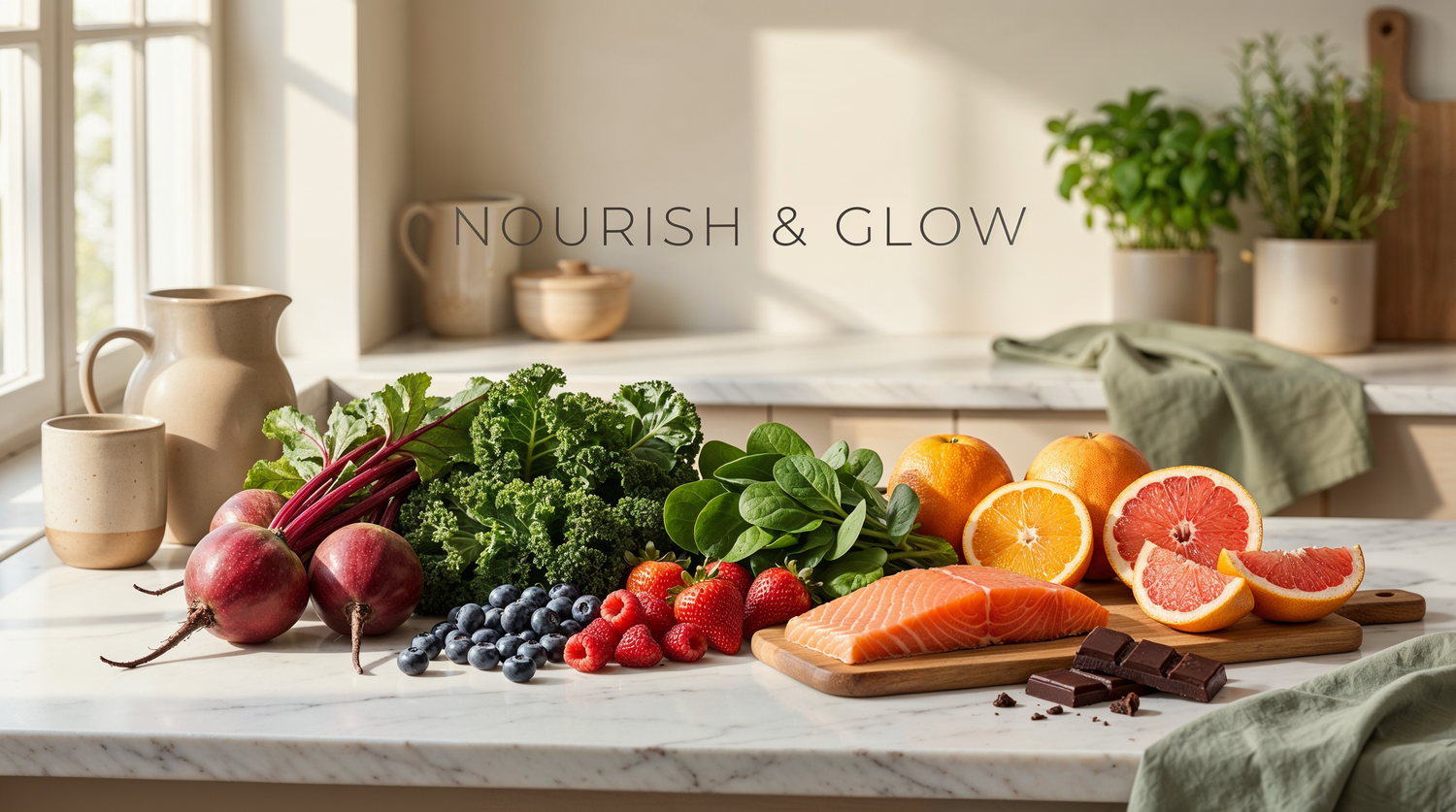
Quick Answer: The best foods for blood flow include leafy greens like spinach and beets (rich in nitrates), fatty fish (omega-3s), berries and pomegranate (antioxidants), citrus fruits (vitamin C), and dark chocolate (flavonoids). These vasodilator foods help widen blood vessels, improving circulation to your skin and entire body.
Ever wonder why some people seem to have that natural, lit-from-within glow? The secret often lies beneath the surface — in how well blood flows to your skin. Good circulation delivers oxygen and nutrients to skin cells while carrying away toxins, and what you eat plays a massive role in keeping that flow optimal.
Whether you're dealing with dull skin, cold hands and feet, or simply want to boost your overall vitality, the right foods can make a remarkable difference. In this comprehensive guide, we'll explore the best foods for blood flow backed by science, plus practical tips to incorporate them into your daily routine.
The connection between nutrition and circulation isn't just about heart health — it directly impacts your skin's appearance, healing capacity, and that coveted healthy glow we all want.
Why Blood Flow Matters for Your Skin
Your circulatory system is like an internal delivery service for your skin. Every minute, blood carries essential oxygen, vitamins, and minerals to skin cells while removing carbon dioxide and metabolic waste. When this flow is compromised, your skin shows it — through dullness, slow healing, and premature aging.
Research published in the Journal of Investigative Dermatology confirms that reduced blood flow directly correlates with decreased collagen production and skin elasticity. The good news? Foods that improve blood circulation can help reverse these effects by supporting the tiny capillaries that nourish your skin from within.
Beyond aesthetics, proper circulation helps with wound healing, reduces inflammation, and supports your skin's natural barrier function. It's one of the most underrated aspects of a comprehensive skincare routine.
15 Best Foods for Blood Flow
These foods that increase blood flow work through various mechanisms — some act as natural vasodilators, others provide essential nutrients for blood vessel health, and many reduce inflammation that can impede circulation. Here's your science-backed list of foods for better circulation.
🥬 Leafy Greens and Beets
Spinach, kale, arugula, and beets are powerhouses of dietary nitrates — compounds your body converts to nitric oxide. This molecule relaxes and widens blood vessels, significantly improving blood flow. Beetroot juice has been shown in studies to increase blood flow by up to 20% within hours of consumption.
These foods that promote blood flow also provide folate, which helps maintain healthy blood vessel walls. Aim for at least one serving of leafy greens daily — whether in salads, smoothies, or lightly sautéed as a side dish.
🍇 Berries and Pomegranate
Blueberries, strawberries, raspberries, and pomegranate are loaded with anthocyanins — powerful antioxidants that protect blood vessel walls and improve their flexibility. Pomegranate deserves special mention as research shows it can increase blood flow by up to 30% and may even help reverse arterial plaque buildup.
These berries also fight oxidative stress, which damages blood vessels over time. Fresh or frozen, a handful daily provides significant benefits for circulation and skin health.
🐟 Fatty Fish
Salmon, mackerel, sardines, and herring deliver omega-3 fatty acids that reduce inflammation and prevent blood from becoming too sticky. These foods that improve blood circulation also support the production of nitric oxide and help maintain flexible arterial walls.
Studies show that regular fish consumption reduces blood pressure and improves flow to peripheral tissues — including your skin. Aim for 2-3 servings per week for optimal benefits.
🍊 Citrus Fruits
Oranges, lemons, grapefruits, and limes provide vitamin C — essential for collagen production in blood vessel walls. They also contain flavonoids like hesperidin that improve blood vessel function and reduce inflammation.
The citrus bioflavonoids specifically strengthen capillary walls, which is crucial for skin health since tiny capillaries deliver nutrients directly to skin cells. Start your day with warm lemon water or enjoy citrus as a snack.
🥜 Nuts and Seeds
Walnuts, almonds, flaxseeds, and chia seeds provide L-arginine — an amino acid your body uses to produce nitric oxide. They also deliver vitamin E, which protects blood vessels from oxidative damage and keeps blood flowing smoothly.
A small handful of mixed nuts daily (about 1 ounce) has been shown to improve vascular function within weeks. Sprinkle seeds on yogurt or salads for an easy circulation boost.
🍫 Dark Chocolate
Here's permission to indulge — dark chocolate (70% cacao or higher) contains flavanols that stimulate blood vessel lining to produce nitric oxide. Studies show dark chocolate can improve blood flow and lower blood pressure within hours.
Limit yourself to 1-2 ounces daily to get benefits without excess sugar. Choose quality dark chocolate with minimal added ingredients for maximum circulation-boosting effects.
🧄 Garlic and Onions
These pungent alliums contain sulfur compounds that act as powerful vasodilator foods. Garlic specifically contains allicin, which relaxes blood vessels and thins the blood for improved flow. Raw or cooked, both provide benefits.
Regular garlic consumption has been linked to reduced arterial stiffness and better overall circulation. Add crushed garlic to meals just before serving to maximize allicin content.
🍉 Watermelon
This refreshing fruit is surprisingly rich in L-citrulline, which your body converts to L-arginine and then to nitric oxide. Watermelon also provides lycopene, an antioxidant that protects blood vessels. It's one of the most hydrating foods for better blood flow, supporting circulation through multiple mechanisms.
Additional Circulation-Boosting Foods
Turmeric: Contains curcumin, which increases nitric oxide production and has potent anti-inflammatory effects on blood vessels.
Ginger: Improves blood flow and has been used traditionally to enhance circulation to extremities.
Cayenne Pepper: Contains capsaicin that triggers vasodilation and helps blood reach all areas of your body.
Tomatoes: Rich in lycopene, which reduces inflammation and improves blood vessel function.
Avocado: Provides healthy fats and potassium that support blood pressure and vessel health.
Olive Oil: Extra virgin olive oil contains polyphenols that improve arterial function and blood flow.
Cinnamon: Helps dilate blood vessels and has been shown to improve circulation in clinical studies.
Best Drinks for Circulation: What Drink Opens Up Arteries?
Beyond foods, certain beverages can significantly impact your blood flow. If you're wondering what drink opens up arteries, here are the top choices supported by research.
Beetroot Juice: The gold standard for circulation — studies show it can lower blood pressure and improve blood flow within 2-3 hours of drinking. The nitrates convert directly to nitric oxide, opening up your blood vessels.
Pomegranate Juice: Rich in antioxidants that protect blood vessels and may even help reverse arterial plaque. One of the most potent drinks for improving circulation.
Green Tea: Contains catechins that improve blood vessel function and reduce inflammation. Regular consumption is associated with better cardiovascular health.
Water: Simple but essential — proper hydration keeps blood at optimal viscosity for easy flow. Dehydration thickens blood and impairs circulation.
Hibiscus Tea: Research shows hibiscus can lower blood pressure and improve blood vessel function, making it an excellent caffeine-free option.
Pro Tip: Create a morning circulation elixir by combining beetroot juice, a squeeze of lemon, and a small piece of ginger. Drink this 30 minutes before your skincare routine for enhanced blood flow that helps products absorb better and delivers that natural glow.
How to Improve Blood Circulation in Head and Face
Improving blood circulation in your head and face requires a combination of dietary changes and targeted practices. The foods that boost blood flow mentioned above all help, but there are specific strategies for facial circulation.
Your facial skin has a particularly rich blood supply, but gravity, stress, and age can reduce flow over time. This is why understanding how to improve blood circulation in head area is crucial for maintaining youthful, healthy-looking skin.
Dietary Focus: Prioritize nitrate-rich foods and omega-3s, which have shown particular benefits for cerebral blood flow. Fatty fish, walnuts, and leafy greens should be staples in your diet.
Facial Massage: Gentle upward strokes stimulate blood flow to the skin's surface. Combine with gua sha or facial rolling for enhanced effects.
Inversion Practices: Brief periods with your head below your heart (like yoga poses) can boost blood flow to the face. Even lying with your legs up against a wall helps.
Temperature Therapy: Alternating warm and cool water on your face during cleansing stimulates blood vessels and improves circulation.
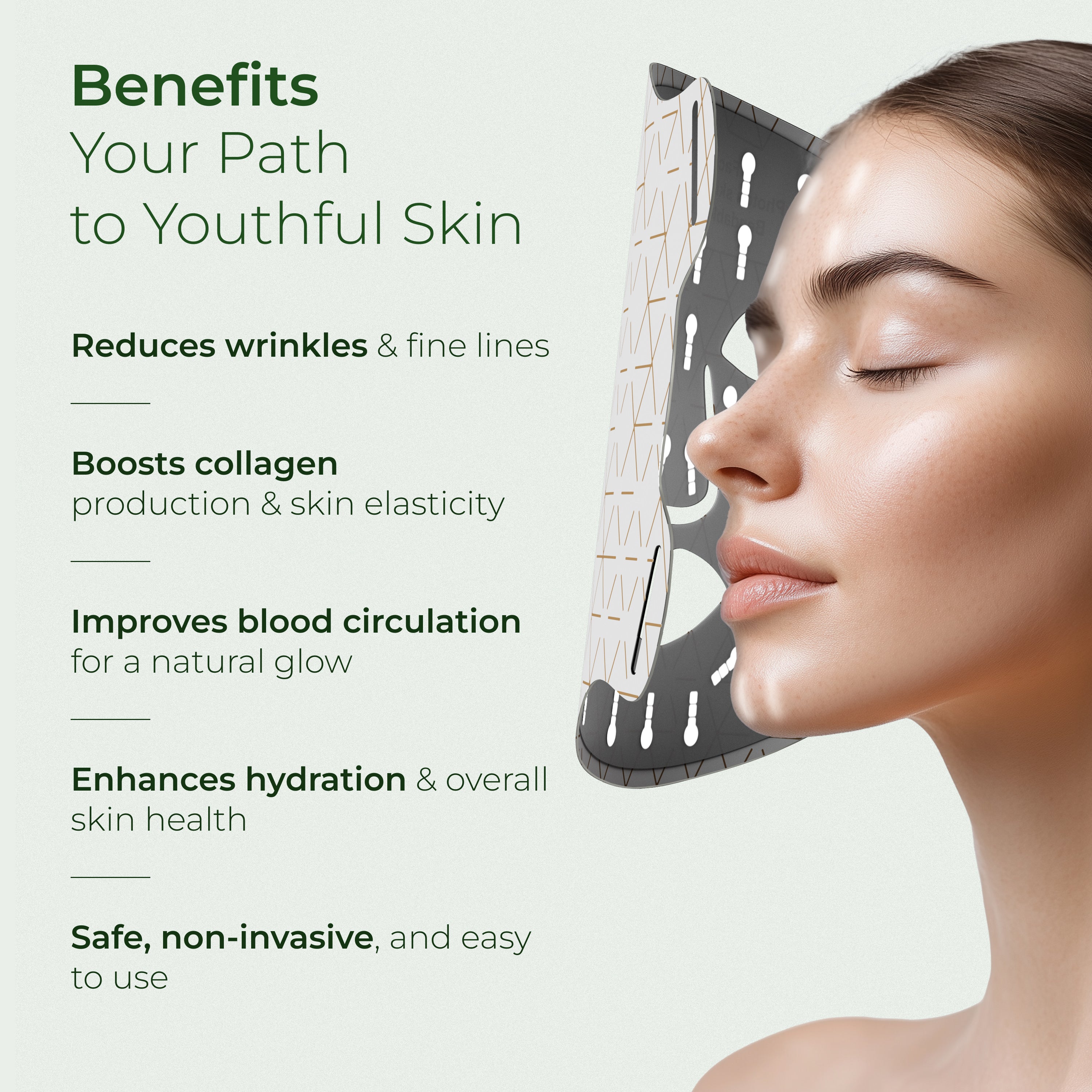
LED Light Therapy: Red and near-infrared light have been clinically shown to improve microcirculation in the skin, enhancing nutrient delivery and waste removal at the cellular level.
The circulation-skin connection: Foods that increase blood circulation work from the inside out, but combining them with external circulation-boosting techniques like LED therapy and facial massage creates synergistic benefits for visibly healthier skin.
Foods to Avoid for Better Circulation
While adding foods good for circulation is important, reducing or eliminating circulation-damaging foods is equally crucial. These foods can undo the benefits of your healthy choices.
Excess Sodium: High salt intake constricts blood vessels and raises blood pressure. Processed foods are the biggest culprits — aim to limit sodium to under 2,300mg daily.
Trans Fats: Found in some fried foods and baked goods, trans fats damage blood vessel walls and promote inflammation.
Added Sugars: Excess sugar damages blood vessel lining and promotes inflammation. Limit sugary drinks and sweets.
Excessive Alcohol: While moderate red wine may offer some benefits, excess alcohol dehydrates and damages blood vessels.
Highly Processed Foods: Most processed foods combine multiple circulation-damaging ingredients. Choose whole foods whenever possible.
Boost Your Results with TrophySkin
While nutrition provides the foundation for healthy blood flow, combining circulation-boosting foods with targeted skincare technologies can amplify your results. This is where the science of at-home devices meets the power of proper nutrition.
LED light therapy, in particular, has been clinically proven to improve microcirculation in the skin. Red light wavelengths penetrate into the dermis, stimulating blood flow and enhancing the delivery of nutrients you're getting from all those foods that help blood flow.
Microdermabrasion is another powerful complement. By removing the outer layer of dead skin cells, it temporarily increases blood flow to the treated area and allows the nutrients from your circulation-boosting diet to reach fresh, new skin cells more effectively.
How TrophySkin Can Help
Combine your circulation-boosting diet with professional-grade LED light therapy and microdermabrasion. These technologies enhance microcirculation at the skin level, helping deliver nutrients from foods for blood flow directly to where they're needed most — your skin cells.
Explore Our Devices →Pro Tip: Time your LED therapy session about 30-60 minutes after consuming nitrate-rich foods like beets or leafy greens. Your blood vessels will be more dilated, potentially enhancing the light's ability to reach deeper into the skin and boost circulation even further.
Weekly Meal Plan for Better Blood Flow
Knowing which foods that help circulation to choose is one thing — putting them into practice is another. Here's a simple framework for incorporating these foods into your week.
Morning Routine
Start with warm lemon water, followed by a smoothie with spinach, berries, and flaxseeds. Green tea as your caffeine source.
Lunch Goals
Large salad with leafy greens, tomatoes, avocado, walnuts, and olive oil dressing. Add salmon or sardines 2-3 times per week.
Afternoon Snack
Handful of mixed nuts with dark chocolate. Citrus fruit or pomegranate seeds. Hibiscus or green tea.
Dinner Ideas
Roasted beets with goat cheese. Salmon with turmeric and garlic. Steamed vegetables with ginger. End with fresh watermelon.
Weekly Additions
Beetroot juice 2-3x per week. Pomegranate juice 2-3x per week. At least 8 glasses of water daily. Cayenne in one meal daily.
Frequently Asked Questions
Conclusion: Feed Your Circulation, Glow From Within
The connection between what you eat and how blood flows through your body — especially to your skin — is powerful and well-established by science. By incorporating the best foods for blood flow into your daily routine, you're not just supporting cardiovascular health; you're investing in more radiant, healthier-looking skin.
Start with small changes: add a handful of berries to breakfast, swap one snack for dark chocolate and nuts, drink beetroot juice a few times per week. These simple adjustments add up to significant improvements in foods for better circulation over time.
Remember that nutrition works best as part of a comprehensive approach. Combining circulation-boosting foods with proper hydration, regular movement, and targeted skincare treatments like LED therapy creates the optimal environment for your skin to thrive from the inside out.
⚕️ Medical Disclaimer
This article is for educational purposes only and does not replace professional medical advice. If you have circulation problems, cardiovascular conditions, or are taking blood-thinning medications, consult your healthcare provider before making significant dietary changes. The information provided is not intended to diagnose, treat, cure, or prevent any disease.



Dejar un comentario
Este sitio está protegido por hCaptcha y se aplican la Política de privacidad de hCaptcha y los Términos del servicio.