




Quick Answer: Circulation in body refers to the continuous movement of blood through your cardiovascular and circulatory system. This blood flow delivers oxygen and nutrients to every cell—including your skin cells—while removing waste products. Poor circulation can lead to dull, tired-looking skin, slower healing, and premature aging. Improving blood flow through massage, LED therapy, and microdermabrasion can restore your skin's natural radiance.
Your skin is your body's largest organ—and it depends entirely on healthy blood circulation to look its best. Every single skin cell receives oxygen, nutrients, and hydration through your blood flow circulation. When this circulation system works efficiently, your complexion glows. When it doesn't, your skin pays the price.
Research shows that microcirculation—the blood flow through your smallest capillaries—decreases by approximately 40% between ages 20 and 70. This decline directly impacts skin thickness, elasticity, and radiance. Understanding how circulation in body works isn't just biology class material; it's the foundation for achieving healthier, more youthful-looking skin.
In this comprehensive guide, we'll explore the circulatory system meaning, trace the blood flow chart through the body, and reveal exactly how the cardiovascular and circulatory system influences your skin health. Most importantly, you'll discover proven methods to boost circulation—including at-home treatments that deliver professional results.
What Is the Circulatory System? Definition & Meaning
The circulatory system definition is straightforward: it's your body's transportation network. This remarkable organ system circulatory system moves blood continuously throughout your entire body, delivering essential substances to cells and removing waste products. Without effective blood circulation, no organ—including your skin—can function properly.
So what is a circulatory system exactly? Think of it as a closed-loop highway system with your heart as the central hub. Blood travels through approximately 60,000 miles of blood vessels—enough to wrap around the Earth more than twice. This intricate network ensures that every cell in your body receives what it needs to survive and thrive.
Cardiovascular and Circulatory System Explained
You might wonder about the difference between the cardiovascular and circulatory system—or whether the circulatory system and cardiovascular system are the same thing. The terms are often used interchangeably, but there's a subtle distinction. The cardiovascular system specifically refers to the heart and blood vessels, while the broader circulatory system includes the lymphatic system as well.
For skin health purposes, understanding the blood circulatory system is most relevant. This is what is the blood system that directly nourishes your skin cells, bringing them oxygen and nutrients while carrying away metabolic waste and toxins.
The Major Organs of the Circulatory System
What are the circulatory system organs? Understanding the organs of circulatory importance helps you appreciate how blood reaches your skin. The circulatory system major organs work together in perfect harmony.
Understanding what part of the circulatory system directly affects your skin is crucial. The capillaries—your smallest blood vessels—are where the magic happens. These microscopic vessels are so thin that nutrients and oxygen can pass through their walls directly into your skin cells.
How Does Blood Flow Work? Understanding the Blood Flow Chart
How does circulation work in practice? The blood movement through body follows a precise, continuous pathway. Understanding this blood flow chart through the body helps explain why certain treatments are so effective at improving skin health.
Your circulatory circulation operates as two connected loops. The pulmonary circulation moves blood between your heart and lungs, where it picks up fresh oxygen. The systemic circulation then distributes this oxygen-rich blood to every tissue in your body—including the approximately 20 square feet of skin covering you.
The Journey of Blood: From Heart to Skin
Let's trace the blood flow path that ultimately determines your skin's health and appearance.
Step 1: Heart Pumps
Your heart contracts, pushing oxygen-rich blood into the aorta—your body's main artery. With each heartbeat, approximately 70ml of blood begins its journey.
Step 2: Arteries Branch
Blood travels through progressively smaller arteries, eventually reaching the arterioles that lead to your skin's capillary beds.
Step 3: Capillary Exchange
In the dermal capillaries, oxygen and nutrients pass through vessel walls into skin cells. Carbon dioxide and waste products move in the opposite direction.
Step 4: Venous Return
Deoxygenated blood collects in venules, then veins, traveling back to the heart. The cycle repeats approximately 100,000 times daily.
Step 5: Reoxygenation
Blood passes through the lungs, releases carbon dioxide, absorbs fresh oxygen, and returns to the heart to begin again.
This continuous blood flow ensures your skin receives a constant supply of everything it needs. When any part of this circulation system slows or becomes compromised, your skin is often the first place it shows.
What Does the Circulatory System Do for Your Skin?
Now we reach the crucial question: what does circulatory do for your complexion specifically? The functions of circulatory system extend far beyond simply keeping you alive—they directly determine how youthful, radiant, and healthy your skin appears.
Oxygen & Nutrient Delivery
Every skin cell requires oxygen to produce energy through cellular respiration. This energy powers everything from collagen synthesis to cell division. When blood flow slows, oxygen delivery decreases, and skin cells can't function optimally.
Beyond oxygen, your blood delivers essential nutrients: amino acids for protein synthesis, fatty acids for the lipid barrier, vitamins A, C, and E for antioxidant protection, and minerals like zinc for wound healing. Healthy blood flow circulation ensures these building blocks reach where they're needed.
Waste Removal & Detoxification
The circulation system works in both directions. While arteries deliver nutrients, veins remove metabolic waste products, carbon dioxide, and cellular debris. Poor circulation means these toxins accumulate in skin tissue, contributing to inflammation, breakouts, and a dull complexion.
Think of efficient blood flow as your skin's natural detox system. When it works well, your skin stays clear and vibrant. When it slows, problems accumulate.
Pro Tip: The rosy flush you see after exercise or a facial massage? That's increased blood flow bringing fresh oxygen to your skin cells. Treatments that consistently boost circulation can create lasting improvements in skin tone and clarity.
Collagen Production Connection
Fibroblasts—the cells responsible for producing collagen and elastin—depend heavily on adequate blood supply. These proteins give skin its firmness and bounce. Research published in dermatological journals confirms that improved microcirculation stimulates fibroblast activity and increases collagen synthesis.
This explains why circulation-boosting treatments often produce anti-aging benefits. By enhancing blood flow to the dermal layer, you're essentially giving your collagen-producing cells the resources they need to work more efficiently.
Signs of Poor Circulation (And How It Shows on Your Face)
Your skin often reveals circulation problems before you notice them elsewhere. Recognizing these signs helps you take action before more significant issues develop.
Common facial signs of compromised blood flow circulation include dull or sallow complexion, dark circles under the eyes, slow wound healing, increased fine lines and wrinkles, cold or clammy skin, uneven skin tone, and persistent puffiness. These symptoms indicate that your skin isn't receiving optimal oxygen and nutrient delivery through the blood circulatory system.
Several factors contribute to reduced circulation in body: sedentary lifestyle, smoking, poor diet, chronic stress, age-related changes, and certain medical conditions. The good news is that many of these factors are modifiable, and specific treatments can help restore healthy blood flow to your skin.
How to Improve Circulation in Body for Better Skin
Understanding how circulation works is the first step. Now let's explore practical strategies to enhance blood flow and revitalize your complexion.
Lifestyle Changes
Foundation-level improvements to your cardiovascular and circulatory system begin with daily habits. Regular cardiovascular exercise—even 30 minutes of brisk walking—significantly improves blood flow throughout your body, including to your skin. Staying well-hydrated ensures blood maintains optimal viscosity for efficient circulation.
Diet plays a crucial role too. Foods rich in nitric oxide precursors—like leafy greens, beets, and citrus fruits—help blood vessels dilate and improve flow. Omega-3 fatty acids from fish or flaxseed support healthy blood vessel function. Reducing sodium and processed foods helps maintain healthy blood pressure.
At-Home Treatments That Boost Skin Circulation
Beyond lifestyle changes, specific skincare treatments can directly enhance blood flow to your face. These approaches target the capillaries in your dermal layer, bringing more oxygen and nutrients exactly where your skin needs them.
Facial Massage: Manual massage stimulates blood flow through mechanical pressure on blood vessels. The lymphatic drainage effect also helps remove fluid buildup and toxins. Even 5 minutes daily can make a visible difference.
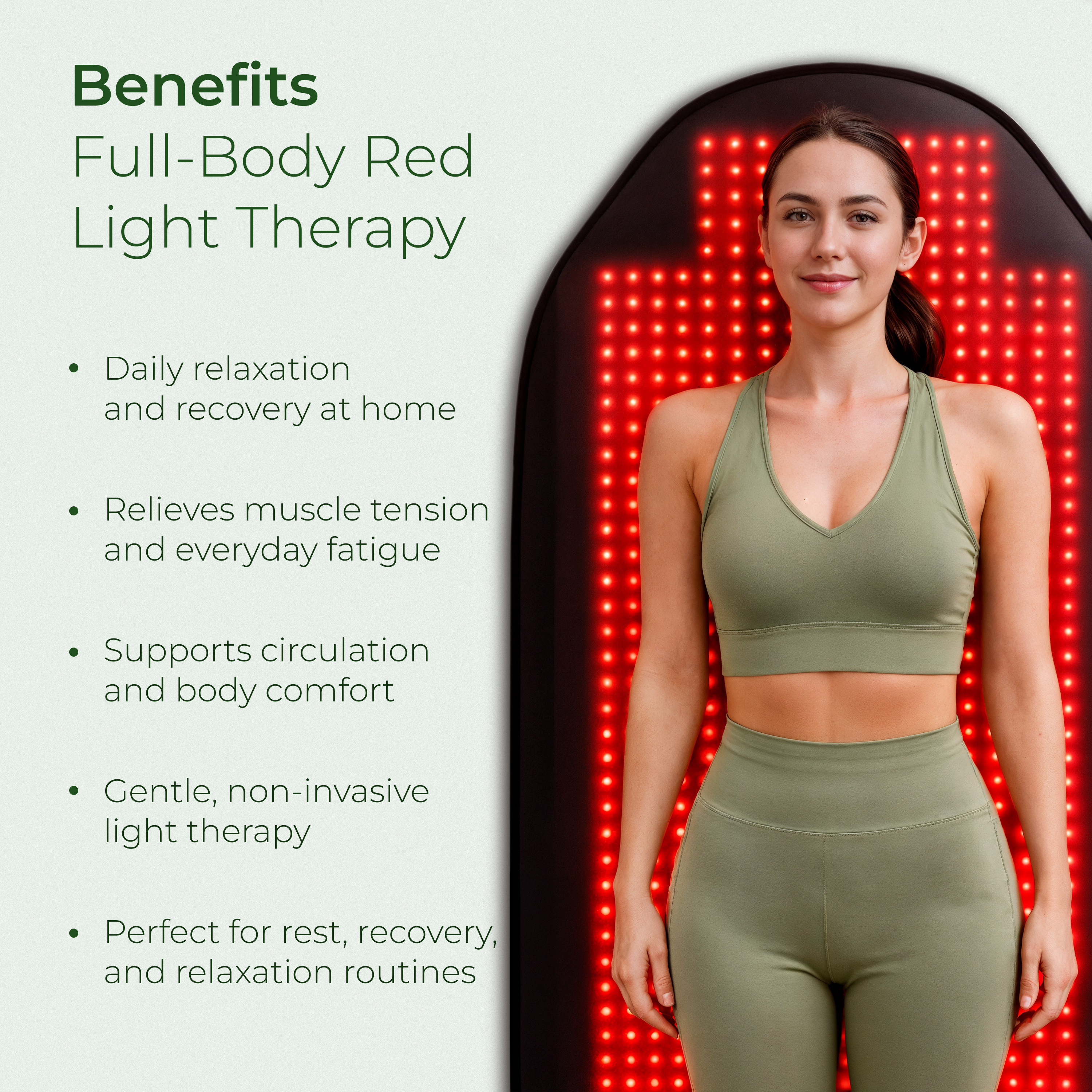
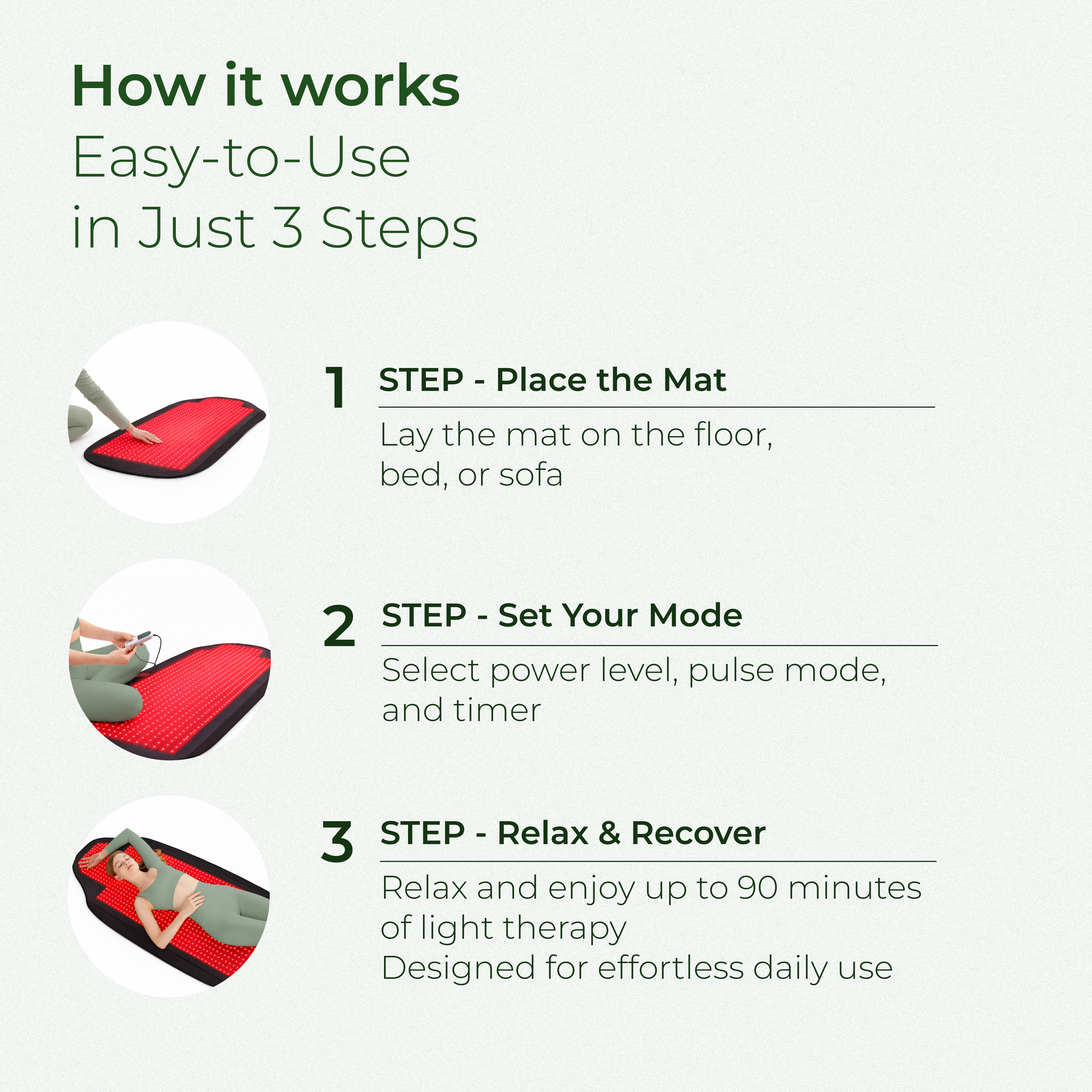
LED Light Therapy: Red and near-infrared light wavelengths penetrate the skin and stimulate mitochondrial function in cells. This triggers a cascade of benefits including increased nitric oxide production, which dilates blood vessels and improves circulation.
Microdermabrasion: This exfoliation technique does more than remove dead cells. The controlled suction and abrasion stimulate blood flow to the treated area, bringing fresh oxygen and nutrients to support skin renewal.
The circulation connection: Treatments that temporarily increase blood flow to your skin create cumulative benefits. Regular stimulation of microcirculation trains your blood vessels to deliver more effectively, resulting in lasting improvements to skin tone, texture, and radiance.
The TrophySkin Approach to Boosting Skin Circulation
At TrophySkin, we understand that healthy blood flow is the foundation of beautiful skin. That's why our professional-grade home devices are designed to enhance circulation while delivering visible anti-aging and skin-clearing benefits.
Our microdermabrasion systems combine diamond-tip exfoliation with controlled suction that stimulates blood flow to the treatment area. As dead cells are removed, fresh blood rushes to the surface, delivering oxygen and nutrients that support the skin renewal process. Users often notice an immediate post-treatment glow—that's improved circulation at work.
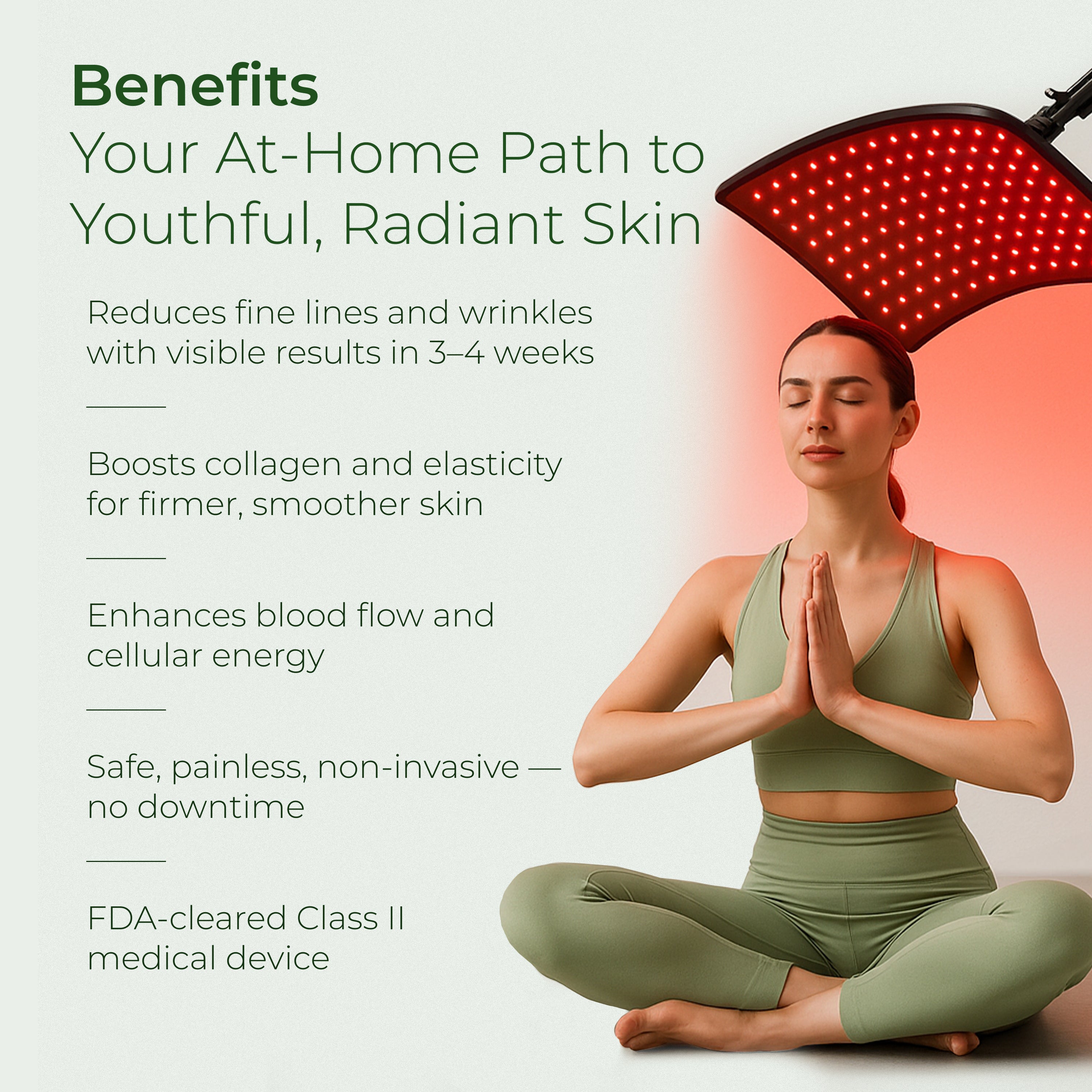
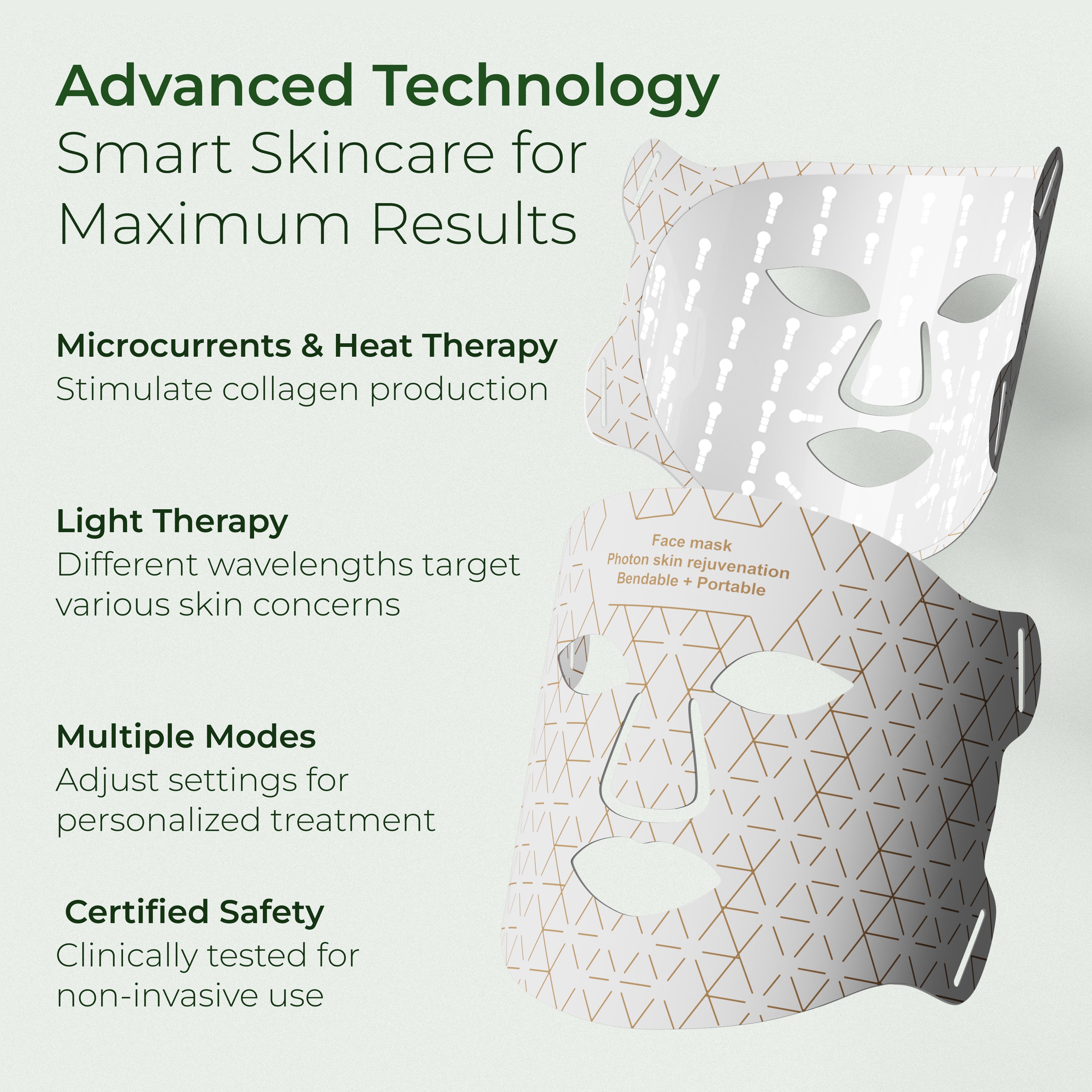
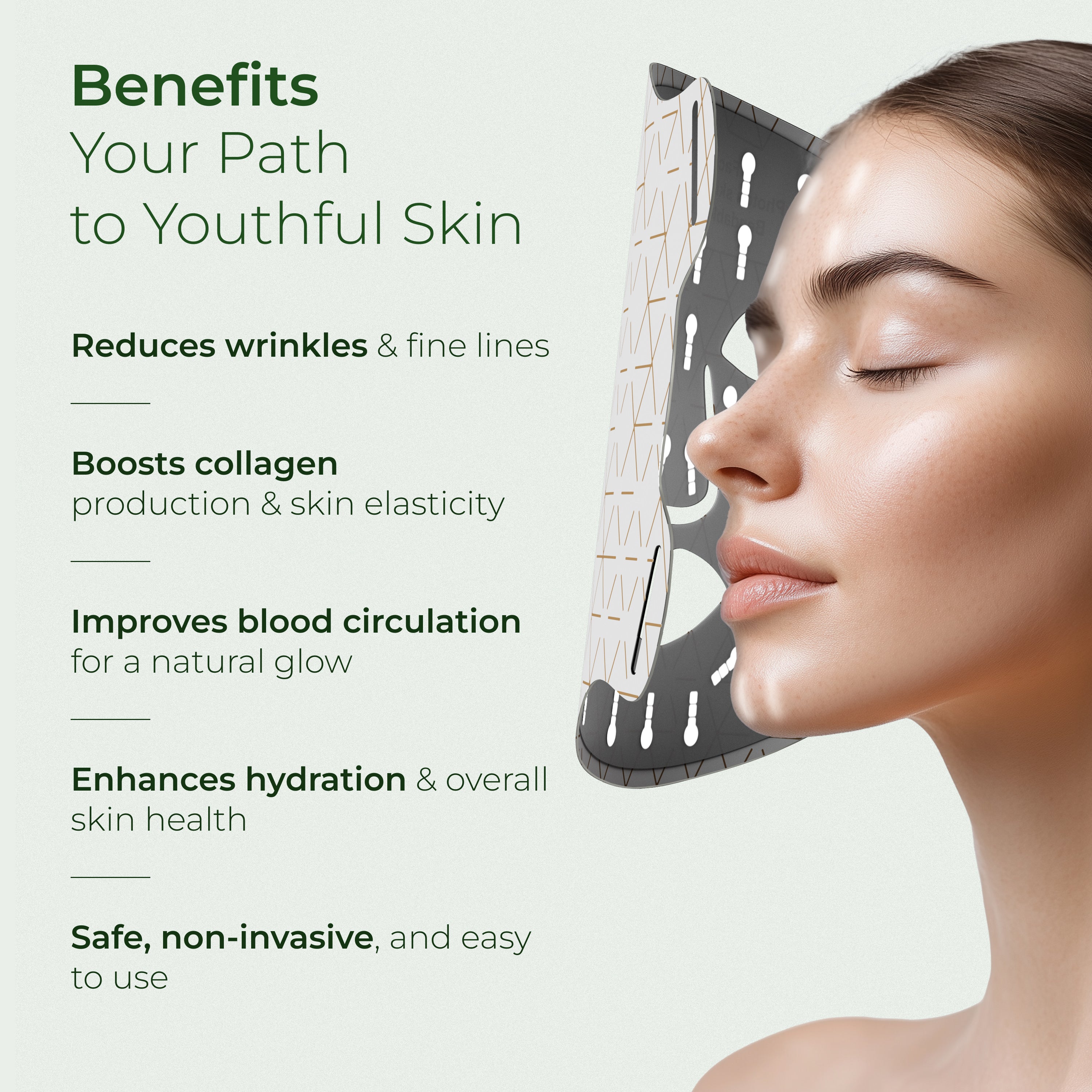
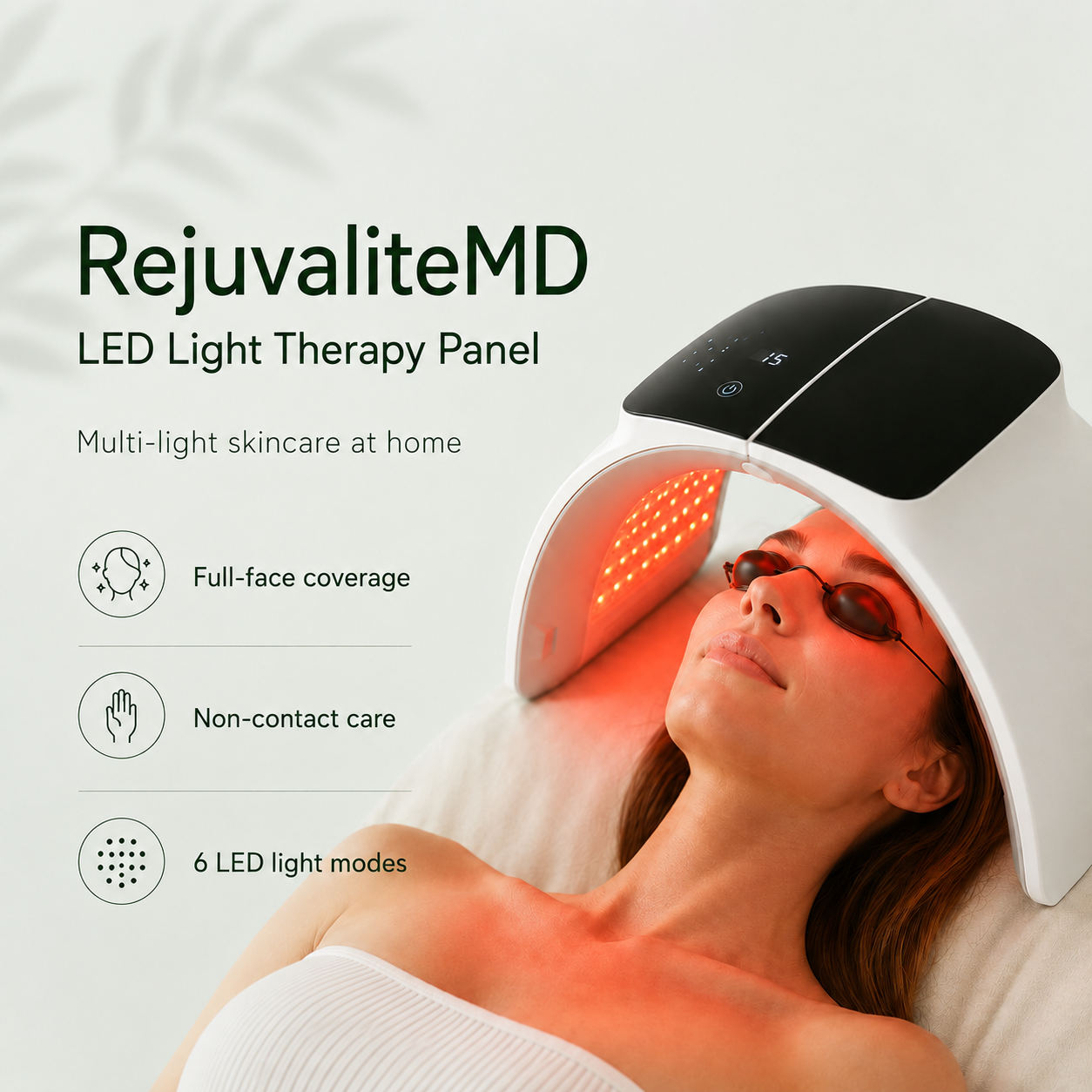
Our LED light therapy devices take a different but complementary approach. By delivering specific wavelengths of light that penetrate the skin, they stimulate cellular energy production and trigger natural blood vessel dilation. Red light therapy, in particular, has been shown in clinical studies to improve microcirculation and support collagen synthesis—addressing two key factors in skin aging.
Pro Tip: For maximum circulation benefits, use LED therapy before microdermabrasion. The light primes blood vessels to dilate, making the subsequent exfoliation treatment even more effective at delivering nutrients to fresh skin cells.
For those looking to maximize blood flow circulation benefits, our facial massagers provide an excellent complement. The gentle vibration and pressure patterns stimulate lymphatic drainage while encouraging blood flow to the skin's surface. Many of our customers incorporate all three approaches into their weekly routines for comprehensive circulation support.
How TrophySkin Can Help
Experience professional-grade skincare devices designed to boost circulation and reveal your skin's natural radiance. From microdermabrasion to LED therapy, our tools deliver spa-quality results at home.
Explore Our Collection →Frequently Asked Questions
Conclusion: Your Skin's Glow Starts with Blood Flow
Understanding circulation in body isn't just biology—it's the key to unlocking your skin's full potential. Every function your skin performs, from producing collagen to fighting off blemishes, depends on the steady delivery of oxygen and nutrients through your blood circulatory system.
The cardiovascular and circulatory system may seem like an internal concern, but its effects are visible every time you look in the mirror. Dull skin, dark circles, and premature aging often trace back to compromised blood flow. The encouraging news is that circulation responds remarkably well to intervention—both through lifestyle changes and targeted treatments.
By incorporating circulation-boosting practices into your skincare routine—whether through LED therapy, microdermabrasion, facial massage, or a combination—you're addressing skin health at its foundation. You're not just treating symptoms; you're giving your skin cells the resources they need to function optimally.
Your skin deserves more than surface-level solutions. It deserves the oxygen, nutrients, and cellular support that only healthy blood flow can provide. Start prioritizing your circulation today, and watch your complexion transform from the inside out.
⚕️ Medical Disclaimer
This article is for educational purposes only and does not replace professional medical advice. If you experience symptoms of poor circulation such as numbness, significant skin changes, or slow-healing wounds, please consult a healthcare provider. The information provided here relates to cosmetic skincare and general wellness, not the diagnosis or treatment of medical conditions.



Dejar un comentario
Este sitio está protegido por hCaptcha y se aplican la Política de privacidad de hCaptcha y los Términos del servicio.