




Quick Answer: A foot massage is a therapeutic practice that applies pressure to the feet to relieve tension, improve circulation, and promote relaxation. Regular foot rubs can reduce stress by up to 65%, ease chronic pain, and help you sleep better — and the best part? You can do it yourself at home in just 10 minutes.
After a long day on your feet, there's nothing quite like sinking into a chair and giving your tired soles some much-needed attention. But a foot massage is so much more than just a feel-good indulgence — it's a powerful self-care ritual with real, science-backed benefits for your entire body.
Whether you're dealing with aching arches, struggling with stress, or simply looking for a way to unwind, learning the art of feet massage can transform your wellness routine. In this complete guide, we'll explore everything you need to know about foot massage — from its surprising benefits to simple techniques you can master at home.
What Is Foot Massage and Why Your Feet Deserve It
A foot massage is a therapeutic technique that involves applying pressure to specific areas of the feet using your hands, thumbs, or specialized tools. This ancient practice — dating back thousands of years to Chinese, Egyptian, and Indian cultures — works by stimulating the muscles, nerves, and pressure points throughout your feet.
Here's a fascinating fact: your feet contain over 7,000 nerve endings, 26 bones, 33 joints, and more than 100 muscles, tendons, and ligaments. They're essentially a microcosm of your entire body, which is why a simple foot rub can have such far-reaching effects on your overall wellbeing.
Your feet work incredibly hard every day — the average person takes about 8,000 to 10,000 steps daily. That's a lot of impact, and unfortunately, most of us neglect our feet until they start complaining. Regular foot massage isn't just a luxury; it's a form of preventive care that supports your body from the ground up.
8 Proven Benefits of Foot Massage
The benefits of foot massage extend far beyond just making your feet feel good. Research has shown that regular feet massage can positively impact your physical health, mental wellbeing, and overall quality of life. Let's explore the science-backed advantages:
1. Stress Relief and Deep Relaxation
When pressure is applied to certain points on your feet, it triggers your parasympathetic nervous system — the "rest and digest" mode that counters stress. Studies show that a 10-minute foot massage can significantly lower cortisol levels and increase feel-good endorphins. After a stressful day, a soothing foot rub can be your fastest path back to calm.
2. Natural Pain Reduction
Foot massage works wonders for various types of pain. Whether you suffer from plantar fasciitis, arthritis, or general foot fatigue, targeted massage can reduce inflammation and ease discomfort. Research from Harvard Health demonstrates that foot massage provides measurable pain relief, even for chronic conditions. The technique stimulates circulation and helps release muscle tension that contributes to pain.
3. Improved Blood Circulation
Our modern sedentary lifestyles and tight shoes often restrict blood flow to the feet. Massage stimulates circulation, helping oxygen and nutrients reach your cells more efficiently. This is particularly beneficial for people with diabetes or those who sit for extended periods. Better circulation also means faster healing and healthier tissues.
Pro Tip: For an extra circulation boost, alternate between warm and cool water on your feet before massaging. This contrast therapy helps expand and contract blood vessels, enhancing the massage benefits.
4. Better Sleep Quality
If you struggle with falling asleep, a bedtime foot massage might be your new best friend. The relaxation response triggered by foot massage helps prepare your body for sleep. The practice reduces anxiety, lowers blood pressure, and creates the perfect conditions for restful slumber. Many people report that just 5-10 minutes of feet massage before bed dramatically improves their sleep quality.
5. Headache and Migraine Relief
Surprisingly, massaging your feet can help relieve head pain. Certain pressure points on the feet correspond to the head and neck area. By applying targeted pressure to these points — particularly the big toe and the area between the big toe and second toe — you can often reduce headache intensity. This technique is especially helpful for tension headaches caused by stress.
6. Reduced Swelling (Edema)
Swollen feet and ankles are common, especially during pregnancy, after long flights, or from standing all day. Foot massage helps move fluid that has accumulated in the lower extremities, reducing puffiness and discomfort. The gentle pressure encourages lymphatic drainage, helping your body naturally eliminate excess fluid.
7. Boosted Immune Function
Regular foot massage may strengthen your immune system by reducing stress hormones that suppress immune function. When your body is relaxed, it can dedicate more resources to fighting off illness. Some studies suggest that consistent massage therapy increases white blood cell activity, your body's first line of defense against pathogens.
8. Enhanced Mood and Emotional Balance
The connection between foot massage and mood goes beyond simple relaxation. Touch therapy releases oxytocin, serotonin, and dopamine — the "happiness hormones" that combat anxiety and depression. Whether you're massaging your own feet or receiving a foot rub from a loved one, this practice can be a powerful tool for emotional wellbeing.
The Bottom Line: Foot massage offers a holistic approach to wellness — addressing physical pain, mental stress, and emotional balance all at once. Even a brief daily session can yield significant improvements in your overall quality of life.
Foot Massage vs Reflexology: What's the Difference?
While often used interchangeably, foot massage and reflexology are actually different practices. Understanding the distinction can help you choose the right approach for your needs:
Reflexology is based on the concept that different points on the feet correspond to different organs and systems in the body. A trained reflexologist uses a detailed map to apply sustained pressure to specific points, aiming to promote healing in the corresponding body area. Traditional foot massage, on the other hand, focuses on relaxing the muscles and soft tissues of the feet themselves.
For most people, regular foot massage at home provides excellent benefits. If you're dealing with specific health concerns, you might consider seeing a certified reflexologist for targeted treatment. Both practices complement each other beautifully as part of a holistic wellness routine.
8 Simple Foot Massage Techniques to Try at Home
Ready to give your feet the attention they deserve? These easy-to-learn foot massage techniques can be done on yourself or a partner. Start with clean feet and a comfortable position — sitting with one foot resting on your opposite thigh works well for self-massage.
How to Give Yourself a Perfect Foot Rub
Creating the perfect self-massage ritual doesn't require expensive equipment or professional training. With a few simple steps, you can transform your nightly routine into a luxurious spa experience.
Step 1: Prepare Your Space
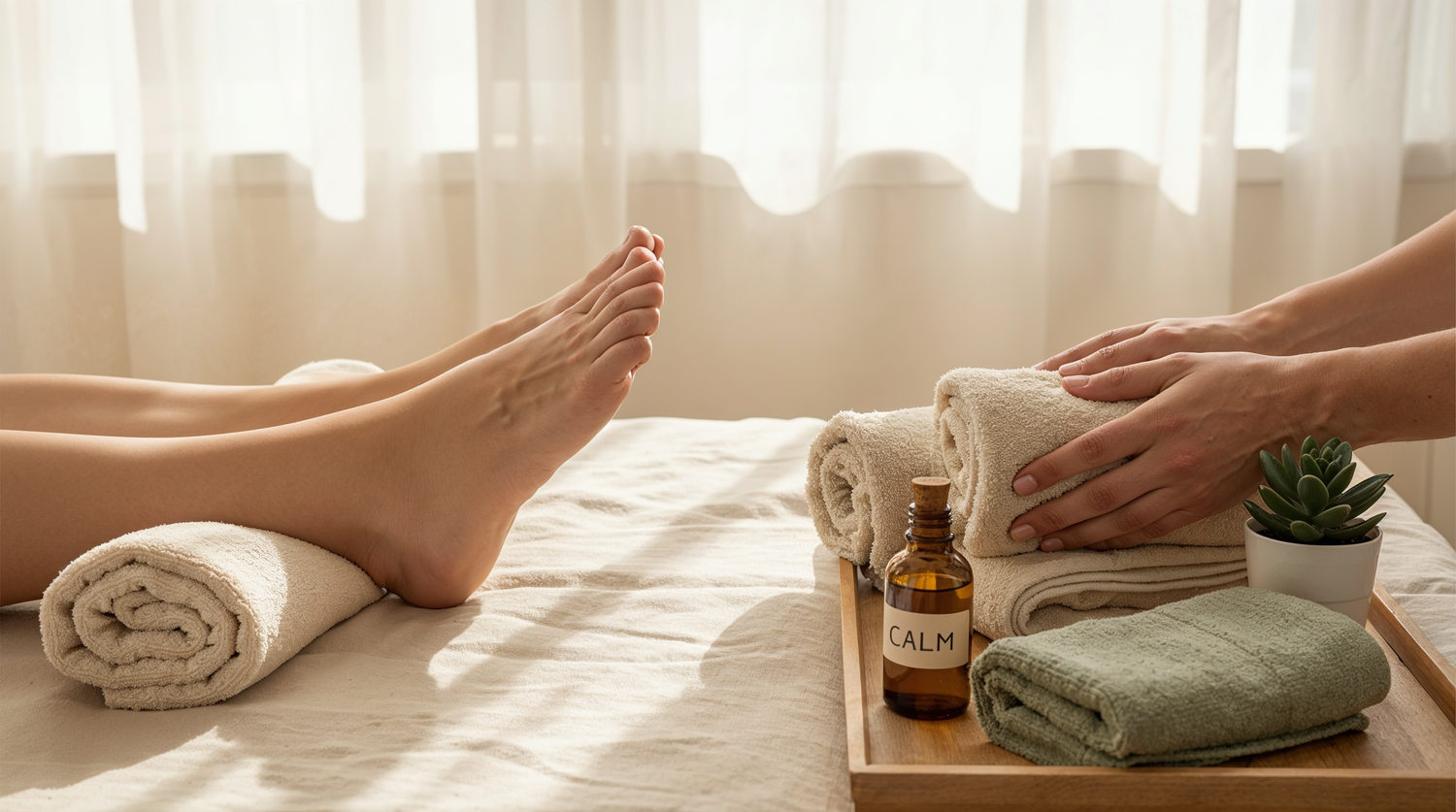
Find a comfortable seat where you can easily reach your feet. Dim the lights, put on relaxing music, and have a towel nearby. Consider soaking your feet in warm water for 5 minutes first.
Step 2: Apply Your Oil or Lotion
Warm a small amount of massage oil or rich lotion in your palms. Coconut oil, argan oil, or shea butter work beautifully. The lubrication helps your hands glide smoothly and nourishes your skin.
Step 3: Work Through the Techniques
Follow the 8 techniques above, spending extra time on areas that feel particularly tight or sore. Listen to your body — adjust pressure based on what feels good. Aim for 5-10 minutes per foot.
Step 4: Rest and Absorb
After massaging both feet, put on clean cotton socks to let the oils absorb while keeping your sheets clean. Take a few deep breaths and enjoy the feeling of relaxation before drifting off to sleep.
 How Often Should You Massage Your Feet?
The beauty of foot massage is that you really can't overdo it. Unlike some therapies that require recovery time, your feet welcome attention as often as you can give it. Here's a general guideline:
For general wellness: A 10-15 minute feet massage 3-4 times per week provides excellent maintenance benefits. This frequency is enough to improve circulation, reduce stress, and keep your feet happy.
For stress relief: Daily foot massages, even just 5 minutes before bed, can significantly impact your sleep quality and stress levels. Make it part of your nightly wind-down routine.
For pain management: If you're dealing with foot pain, plantar fasciitis, or recovery from an injury, more frequent sessions may help. Consult with a healthcare provider for personalized recommendations.
For athletes: After intense workouts or long runs, a post-exercise foot massage can speed recovery and prevent soreness. Make it part of your cool-down routine.
Important: Avoid deep foot massage if you have blood clots, open wounds, fractures, or certain medical conditions. Pregnant women should consult their healthcare provider before starting a foot massage routine, as certain pressure points may stimulate contractions.
Pro Tips for Your First Foot Massage
Whether you're new to foot massage or looking to enhance your practice, these expert tips will help you get the most out of every session:
Start with clean feet. Not only is this more pleasant, but clean feet allow oils and lotions to absorb better. A quick wash or soak prepares your feet and begins the relaxation process.
Use your body weight, not muscle. Instead of straining your thumbs and hands, position yourself so you can use your body weight to apply pressure. This makes the massage more comfortable for both giver and receiver.
Communicate about pressure. What feels amazing to one person might be too intense for another. If you're receiving a foot rub, speak up about what feels good. If you're giving one, check in regularly.
Don't rush the experience. A hurried massage isn't nearly as effective. Even if you only have 5 minutes, move slowly and deliberately. Quality matters more than quantity.
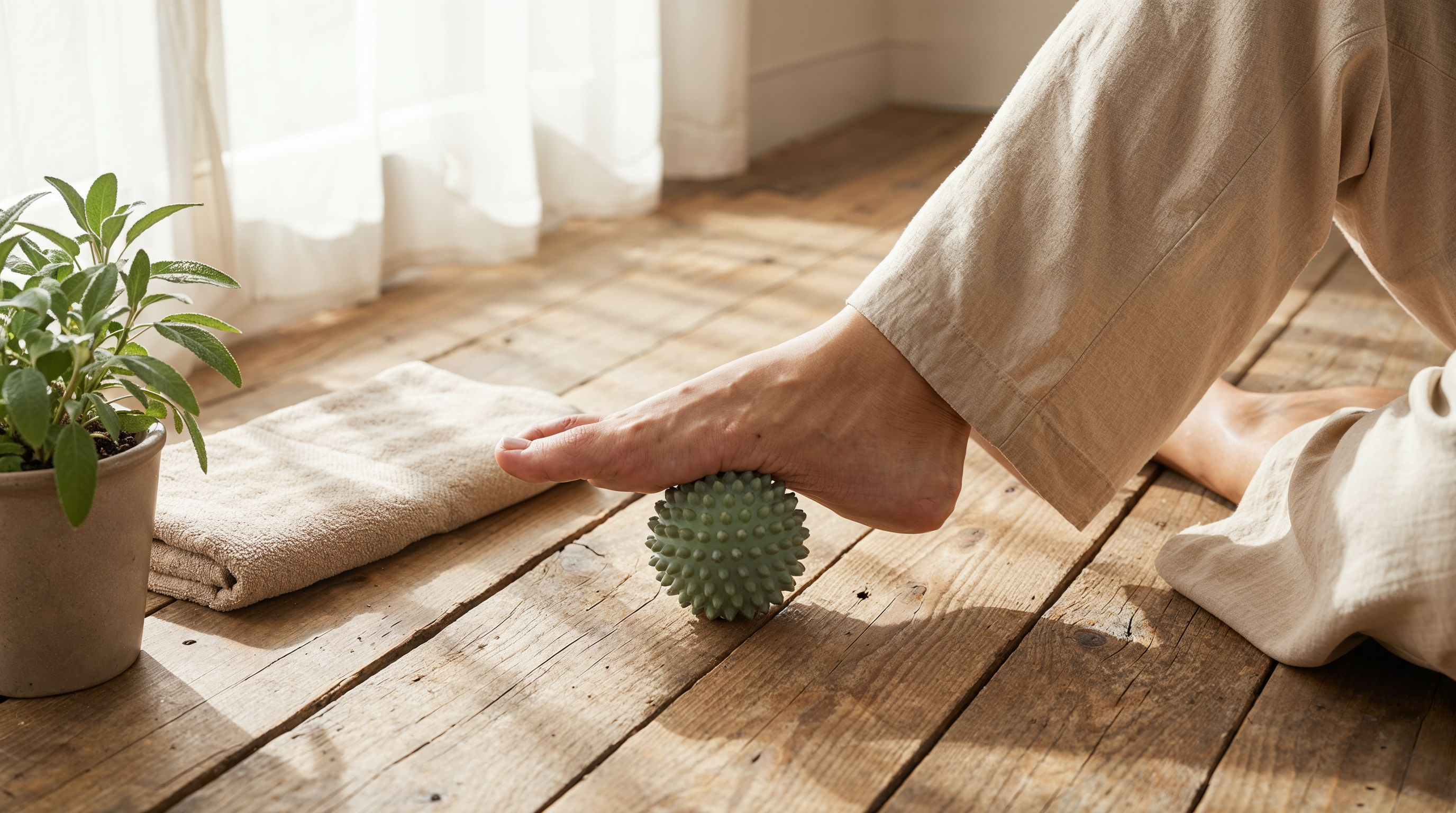
Pro Tip: Keep a tennis ball or massage ball near your desk. Rolling your foot over it while you work is an easy way to sneak in mini foot massage sessions throughout the day without interrupting your workflow.
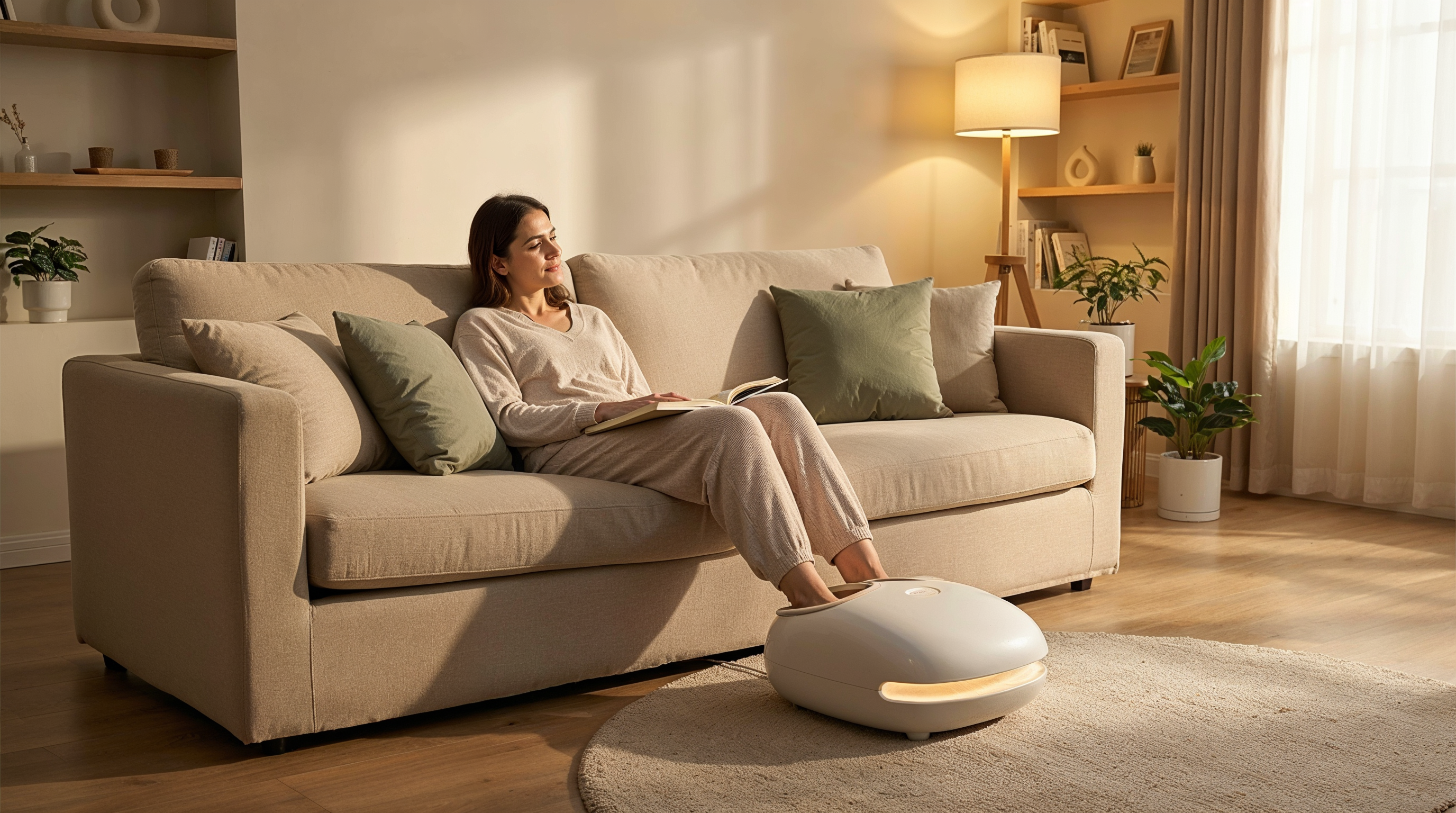
Try a foot roller or massager. While nothing beats human touch, electric foot massagers and simple foam rollers can extend your practice and reach spots that are hard to massage yourself.
End with socks. After applying oils or lotions, slip on a pair of cotton socks. This locks in moisture and prevents slipping — plus, you'll wake up to incredibly soft feet.
Complete Your Self-Care Routine
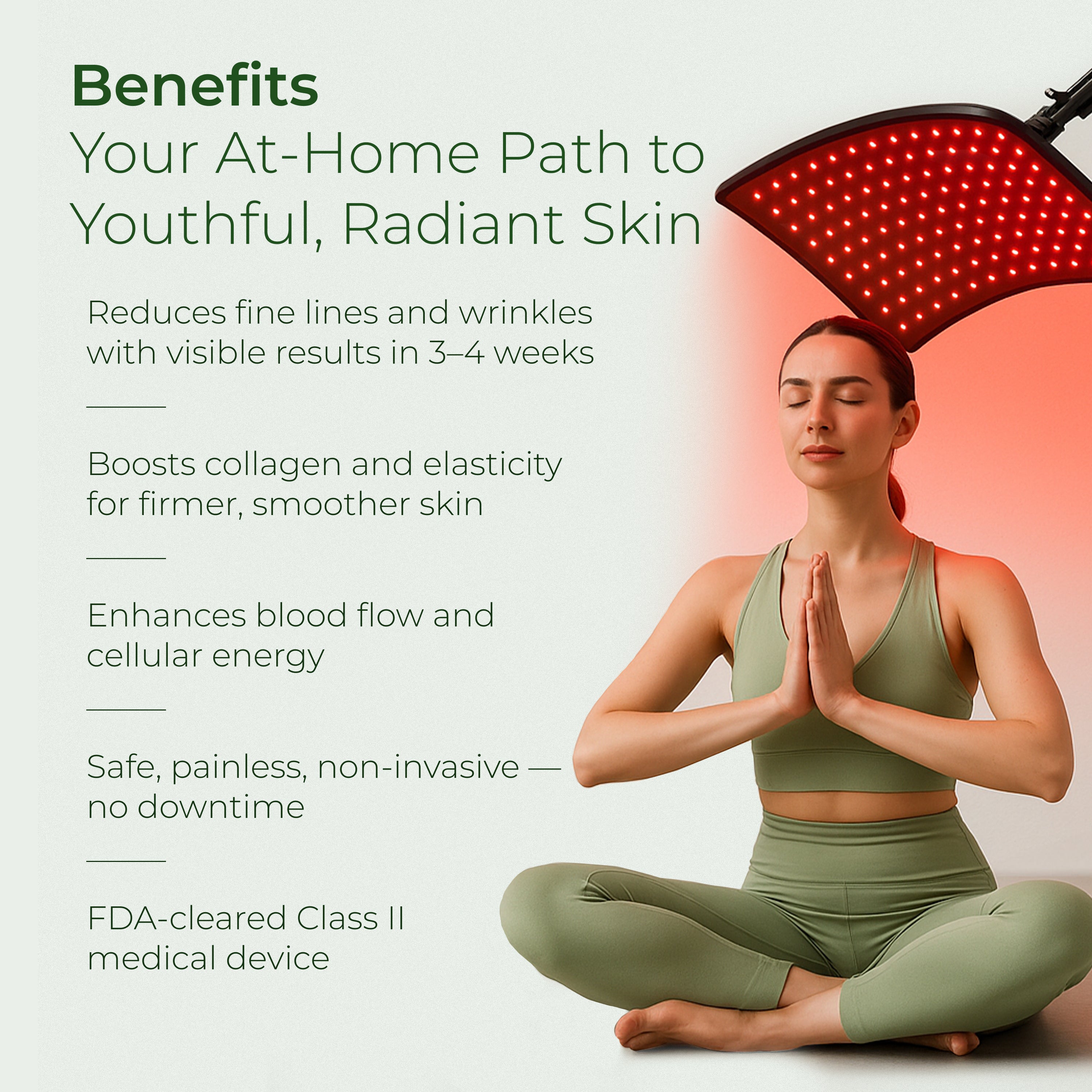
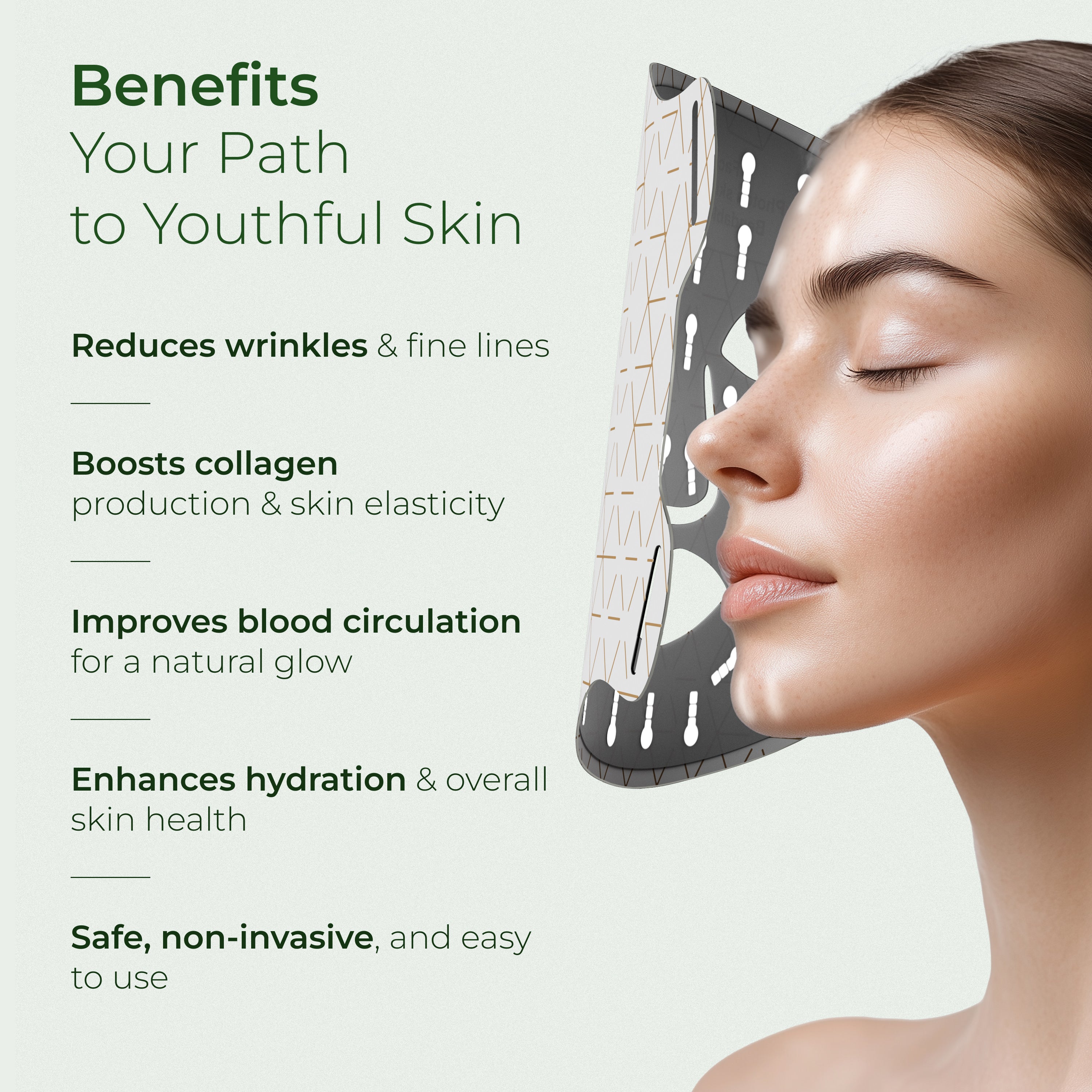
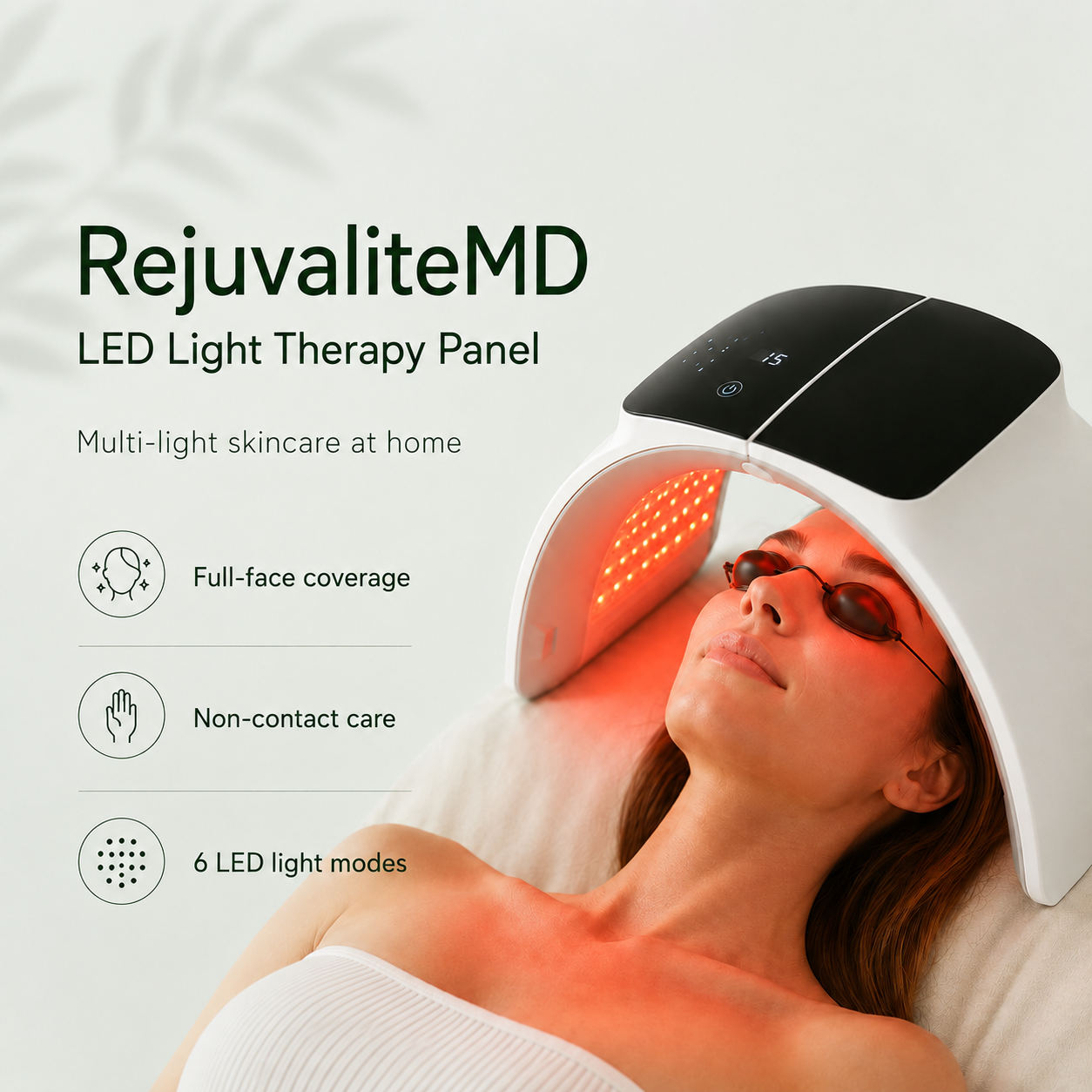
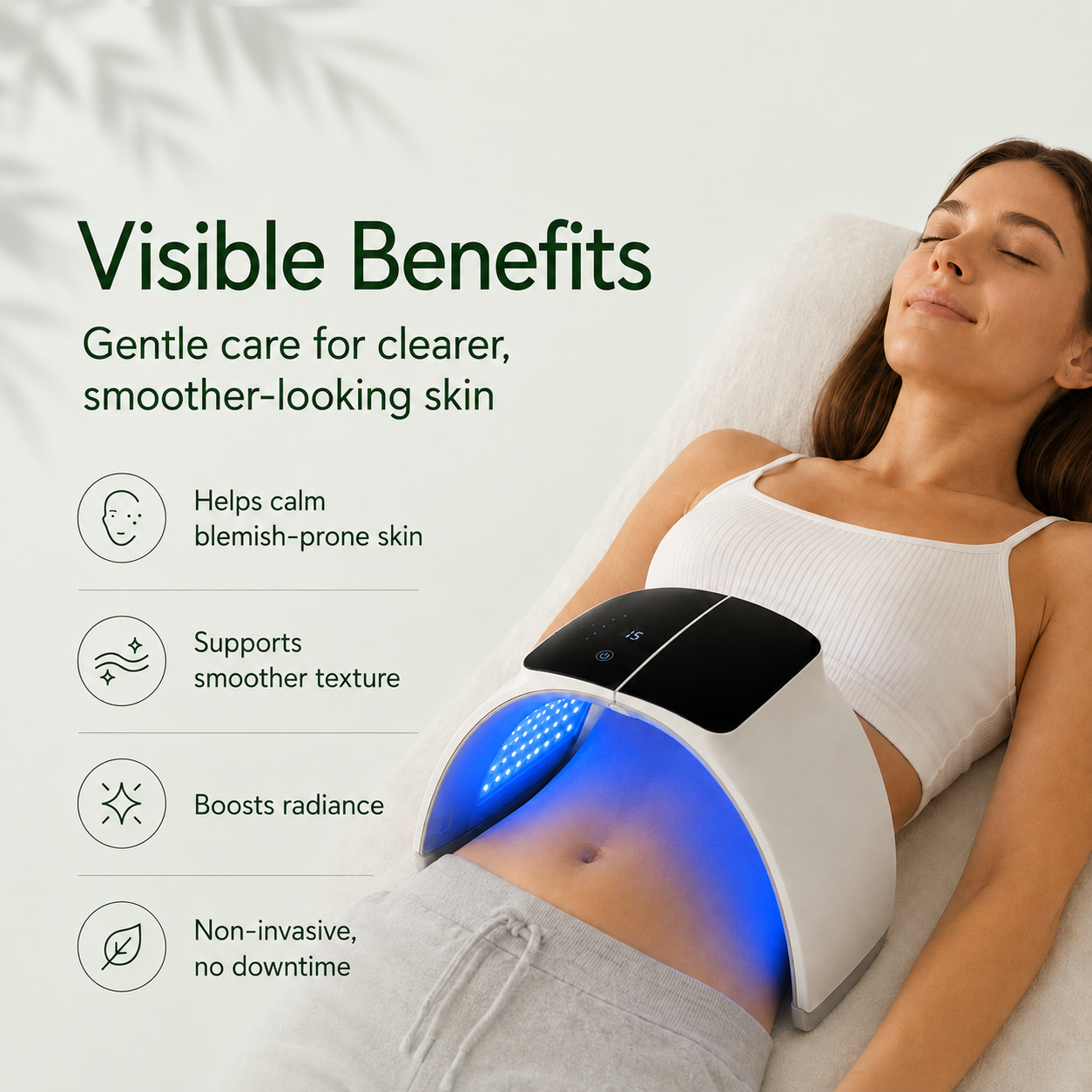
At TrophySkin, we believe in whole-body wellness. While you're pampering your feet, why not extend that self-care love to your face? Our professional-grade home devices bring spa-quality treatments to your daily routine — from LED light therapy to microdermabrasion.
Explore Our Collection →
 Frequently Asked Questions
⚕️ Medical Disclaimer
This article is for educational purposes only and does not replace professional medical advice. Consult a qualified healthcare provider before starting any new wellness routine, especially if you have existing medical conditions, are pregnant, or take medications. Individual results may vary.

Dejar un comentario
Este sitio está protegido por hCaptcha y se aplican la Política de privacidad de hCaptcha y los Términos del servicio.